Matox News

Truth Over Trends, always!

Fact-Check: False claim about AI’s impact on job market spreads online

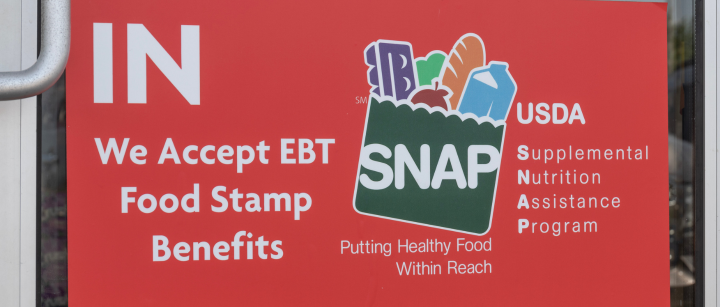
Democrats and Republicans Clash Over SNAP Contingency Funds: What’s the Truth?

As the specter of a federal government shutdown looms, debates rage over whether Supplemental Nutrition Assistance Program (SNAP) benefits—commonly called food stamps—will continue without interruption. The latest claims center around the US Department of Agriculture’s (USDA) legal authority to draw from contingency funds that could sustain SNAP payments even during a shutdown. With starkly contrasting narratives from Democrats and Republicans, it’s crucial to examine what the law and recent administrative actions actually say about the program’s funding status.

Legal Authority and Past Guidance on SNAP Contingency Funds

Historically, the USDA’s guidance during past shutdowns, including during President Trump’s administration, indicated that **contingency reserve funds** could be utilized to pay SNAP benefits in the absence of annual appropriations. Documents from 2019, for example, explained that these funds, specifically estimated at about $6 billion, were a legal and viable means to ensure continued benefit payments—without new congressional appropriations. Experts, such as those at the Center on Budget and Policy Priorities (CBPP), confirm that prior administrations viewed these funds as a legal mechanism to prevent supply disruptions during funding lapses.

  • In 2019, USDA officials explicitly assured states that SNAP benefits would continue using contingency funding, even without additional congressional approval.
  • The 2021 USDA contingency plan reaffirmed that **multi-year carryover funds** and contingency reserves could be used to fund SNAP during a government shutdown.

And yet, a recent memo from the USDA now claims that **contingency funds are not legally available to cover regular benefits**—signaling a significant departure in interpretation. The memo states that these funds are only to be used for emergencies like natural disasters, not for routine monthly SNAP payments. This shift in stance is at the heart of the ongoing controversy.

Contradictions and Political Dynamics: Did USDA Change Its Position?

Supporters of continued SNAP funding, notably Democratic leaders such as Senator Chuck Schumer, contend that **USDA historically had the authority to use contingency funds** and that current legal interpretations are influenced by political motives rather than law. Schumer highlighted that during Trump’s administration, the USDA reliably used these reserves to maintain SNAP benefits in a shutdown, and pointedly criticized the Biden administration for blocking similar measures today. Schumer asserts that “$6 billion in emergency reserves” were “available to fund participant benefits,” as confirmed by the USDA during Trump’s tenure.

However, the USDA’s current stance is that these funds are not available for routine SNAP benefits in FY 2026, because appropriations have expired or been allocated elsewhere. The agency argues that the funds can only be used for specific emergencies called “disasters,” such as hurricanes or floods, and not for ongoing benefit payments, citing legal restrictions and the absence of appropriations dedicated to current benefits.

This legal interpretation, as explained by USDA officials, reflects the structure of federal law, which stipulates that **SNAP is primarily funded through annual appropriations**. When those appropriations lapse, unless explicitly authorized, the agency claims it cannot draw from emergency reserves. Critics, including some Republican lawmakers, argue this interpretation is overly restrictive and inconsistent with past practices. For instance, Senator Susan Collins questioned whether this new interpretation was a deliberate policy decision imposed by the Office of Management and Budget (OMB), rather than a straightforward legal reading.

Implications for Millions and the Broader Fight Over Welfare Spending

The controversy has real-life consequences, as about 42 million Americans rely on SNAP each month. Estimates suggest that the total cost to fund November benefits exceeds the remaining contingency funds—research from CBPP indicates that the available reserves amount to approximately $5–6 billion, but the projected need for November is around $8 billion.

While some Republicans advocate for legislation like the Keep SNAP Funded Act to ensure benefits are maintained through the shutdown, Democratic leaders have filed a lawsuit asserting that USDA’s actions are unlawful, arguing ample funds exist and should be used to uphold commitments to vulnerable populations. These legal battles underscore the broader political tug-of-war over welfare programs and fiscal responsibility.

Conclusion: The Crucial Role of Truth in Democracy

Ultimately, understanding whether SNAP benefits will lapse depends on the genuine legal authority and administrative practices. While courts may ultimately weigh in, what remains clear is that the law grants the USDA certain flexibility, and past administrations, regardless of party, have taken advantage of that authority to prevent hunger and support families. Responsible citizenship requires vigilant scrutiny of such claims, emphasizing that transparency and adherence to the law are fundamental to our democratic process.

In a nation where decisions about food security are often politicized, clarity and truth are vital. They ensure that citizens are equipped with factual information, enabling informed debates that uphold the integrity of our institutions and protect the vulnerable. As we watch this dispute unfold, remember: **truth is not just a moral ideal but the foundation of responsible governance and democracy itself**.
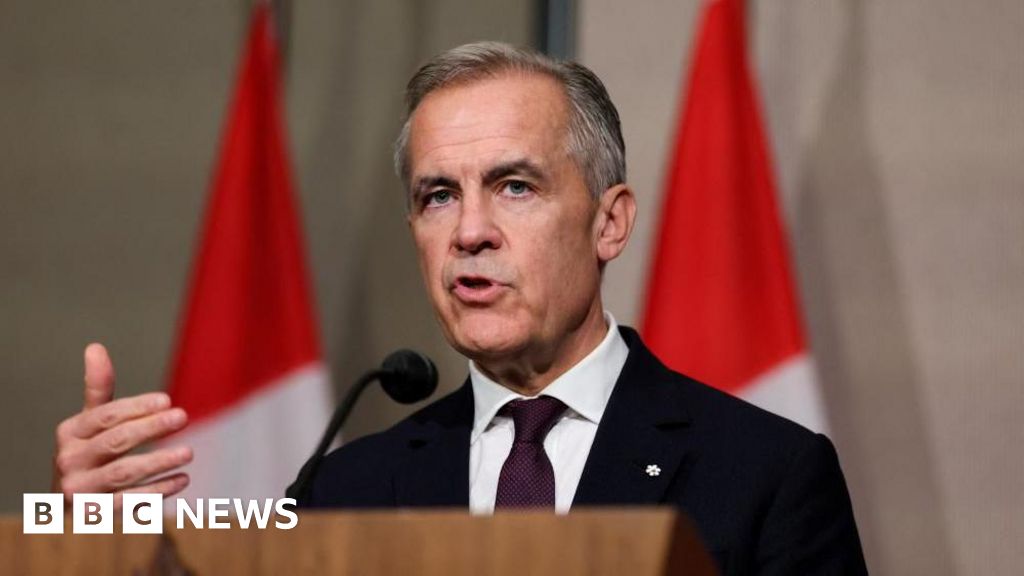
Canada’s Prime Minister Carney heads to China to meet Xi Jinping—a new chapter begins

Canada Eyes New Alliances as China and U.S. Trade Tensions Escalate

In a move that signals a significant shift in its diplomatic calculus, Canada has accepted an invitation to meet with President Xi Jinping. This diplomatic overture, announced after Prime Minister Mark Carney and Xi’s brief 40-minute discussion during the Asia-Pacific Economic Cooperation (APEC) summit, marks a “turning point” in the historically complex relationship between Ottawa and Beijing. The timing is critical: with escalating tensions emanating from ongoing trade disputes and geopolitical row, Canada’s engagement with China underscores a strategic recalibration that could reshape its international alliances.

Since 2018, relations between Canada and China have spiraled downward, culminating in a diplomatic crisis that saw Beijing arrest two Canadian citizens—Michael Spavor and Michael Kovrig—on espionage charges. Their detention closely followed the arrest of Huawei’s CFO, Meng Wanzhou, in Canada at the behest of U.S. authorities; a move that some analysts argue was a tit-for-tat diplomacy that underscored the fragile state of global diplomatic decorum. Despite their eventual release in 2021, tensions persisted, mounting further as Beijing imposed tariffs on vital Canadian exports like canola, while Canadian retaliatory tariffs targeted Chinese electric vehicles and other sectors. The period has thus evidenced what many call a “two-front trade war,” impacting Canadian farmers, especially in Western provinces, and threatening economic stability in sectors vital to national livelihoods.

The geopolitical impact of Canada pivoting towards China and other major economies is profound. As Analysts warn, this strategic move could serve as a blueprint for other Western nations disenchanted with the kinetic and economic warfare of the U.S.-China rivalry, amplifying the contest for influence in the Indo-Pacific and beyond. Decisions to deepen ties with Asian economic giants coincide with American efforts to tighten its grip on Canadian trade, evident in the recent tariff hikes and diplomatic freezes imposed by Washington, notably after the suspension of trade negotiations triggered by a controversial advertisement by Ontario’s Premier. This turns Canada’s international stance into a high-stakes chessboard, where its ability to navigate between the world’s two largest powers will determine its economic standing for decades to come.

Building on recent turning points, China has publicly expressed a willingness to work with Canada, seeking to “push relations back onto a healthy, stable, and sustainable track.” However, the shadows of the past—foreign interference accusations, trade sanctions, and geopolitical confrontations—loom large. Historians and international watchdogs contend that these diplomatic disputes reflect broader strategies, where entrenched national interests often clash beneath diplomatic veneer. The United Nations and major think tanks have warned that such multipolar tensions threaten the stability of global markets, emphasizing that the outcome hinges on the will and wisdom of leaders to prioritize peace over rivalry. Yet, as history illustrates time and again, the sands of international stability are shifting, and the decisions made today will resonate long into the future—when the fog of diplomacy finally clears and history either judges this moment as a smart realignment or a costly misstep.

Emerging Stars Shine: High School Athletes Lead the Charge in State Championship Showdowns

Wayne Rooney’s Journey: More than Just Goals

In a candid revelation, former Manchester United and England football legend Wayne Rooney shared his complex relationship with scoring during his storied career. Reflecting on a remarkable season where he netted an impressive 34 goals, Rooney revealed that he often felt bored despite the statistical triumph. His desire to be more involved on the pitch transcended simply finding the back of the net.

Rooney characterized his experience as a double-edged sword, stating, “I was bored when scoring those goals; I wanted to be involved more in the game’s build-up.” This sentiment highlights the mentality of a true athlete who seeks comprehensive participation rather than individual accolades. The ex-striker’s intrinsic need to contribute to the team’s overall success underscores his understanding of football as a collective effort rather than a personal pursuit.

During his illustrious tenure at Manchester United, Rooney consistently exhibited both motivation and skill. His statistics are not only impressive but also reveal the indomitable spirit he brought to the squad. To this day, he remains an inspiration for aspiring players aiming for success. As Manchester United head coach Erik ten Hag remarked, “Wayne redefined how we view the role of a forward.” Such acknowledgment from coaching circles adds weight to Rooney’s insights into the game.

  • Key Stats: 34 goals in one season
  • Impact: Inspired generations of players
  • Legacy: Defined the forward role at Manchester United

The world of sports often bears witness to individual heroics, yet it is moments like Rooney’s reflection that remind us of the true essence of the game: unity and teamwork. In a society increasingly segmented by differences, sports serve as a powerful medium that unites fans and players alike, fostering community and shared passion. As Rooney’s career testifies, it is not solely the scorecards that matter, but the connections and experiences that form along the way. The beautiful game remains a universal language, thriving in the very spirit of collaboration.

Source link

Dare to camp out at the iconic ‘Ghostbusters’ firehouse this Halloween—are you tough enough?

In a world increasingly driven by immersive experiences and nostalgic adventures, the collaboration between Sony and Vacasa epitomizes a trend where entertainment meets lifestyle in unprecedented ways. Recently, in Portland, Oregon, a unique opportunity has emerged for enthusiasts and thrill-seekers alike: a chance to spend three extraordinary nights inside a recreation of the iconic Ghostbusters Firehouse—a structure straight out of the 1984 film that captured the imagination of generations. While famously set in New York City, this meticulously recreated firehouse transports visitors into the heart of ghostbusting action right in the Pacific Northwest, blurring the lines between blockbuster fantasy and tangible experience. Such initiatives underscore a broader shift towards experiential living, where personal impact—whether in health, leisure, or inspiration—is fueled by engaging, real-world adventures that ignite the spirit of youthful curiosity.

The firehouse itself is a meticulously designed homage to the beloved franchise, loaded with authentic details that resonate with long-time fans and newcomers alike. From the classic Proton Packs and Ghost Traps to the Ecto-Containment Unit and the famous Ecto-1 vehicle parked in the bay, every element is curated to ensure an immersive encounter. Participants can don the familiar Ghostbusters fight suits and partake in activities that blend entertainment with cultural nostalgia. The experience, slated for October 28 to 31—just in time for the spooky season—encourages guests to embrace a playful spirit, igniting a sense of adventure that aligns well with burgeoning wellness trends emphasizing mental rejuvenation through joy and creativity. Allison Lowrie of Vacasa emphasizes their dedication to detail, recognizing that such lifestyle capsules serve as vital outlets for personal well-being in a world often dominated by digital overload.

Adding to the appeal, the event’s timing during late October aligns with a cultural penchant for spooky festivities, reinforcing the notion that lifestyle is an evolving tapestry woven from shared experiences, memories, and stories. This initiative also exemplifies how iconic cultural symbols—like the Ghostbusters—are being repurposed to foster communal engagement and personal impact, transforming passive fandom into active participation. Even if one cannot attend physically, the virtual Matterport 360 tour extends this frontier into the digital realm, ensuring that technology enhances accessibility and broadens the reach of such lifestyle innovations. For those with a penchant for travel and adventure, upcoming project tips include prioritizing authentic, niche experiences, and exploring destinations that offer deeper cultural resonance beyond mundane sightseeing.

Ultimately, this creative venture invites a broader reflection: in embracing lifestyle shifts rooted in fun, nostalgia, and shared culture, individuals can forge a more vibrant, inspiring worldview. It challenges the conventional notion of leisure as mere downtime and instead frames it as an active, transformative journey—one where personal impact is crafted through memorable adventures. As cultural icons become catalysts for wellness and self-expression, the journey to embracing a fuller, more vibrant life is ongoing, propelled by imagination, connection, and the fearless pursuit of experiential living. Whether chasing ghosts or forging new memories, every step taken in pursuit of joy reaffirms an essential truth—the pursuit of wellness is, finally, a reflection of the courageous spirit that resides in us all.

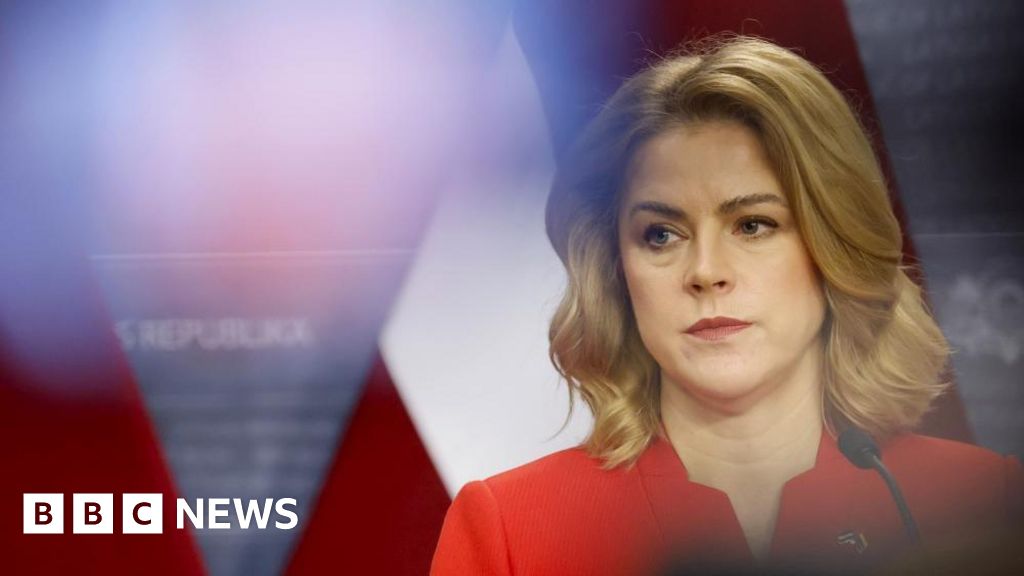
Latvian MPs Reject Women’s Violence Treaty, Sending a Defiant Signal

In a move that sends shockwaves through the European political landscape, Latvia has taken the unprecedented step of voting to withdraw from the Istanbul Convention, a key international treaty aimed at combatting violence against women, including domestic abuse. This decision, passed after a heated 13-hour debate in the Latvian parliament, marks a significant pivot away from the continent’s delicate consensus on human rights and gender equality. While the vote did not secure the necessary two-thirds majority, it places the onus on President Edgars Rinkevics to determine whether Latvia will fully step back from the treaty—an act that threatens to redefine the country’s stance on gender rights, societal norms, and its international commitments.

The move by Latvia is not an isolated incident but a part of a disturbing trend that resonates across borders. Turkey withdrew from the same treaty in 2021, citing concerns over what it calls “gender ideology,” a term critics argue is used as a weapon to undermine traditional family values. Experts and international organizations, including the Council of Europe, have condemned these moves as setbacks for human rights. The European Union ratified the treaty only last year, highlighting a commitment to protect women’s rights—an initiative now under threat from rising conservative forces within member states like Latvia. Such decisions are layered with geopolitical implications, as they threaten to fracture the fragile unity that the EU has tried to forge for decades, especially on issues related to social justice and human dignity.

Noteworthy is the political undercurrent fueling this shift. Parties like Latvia First, led by Ainars Slesers, push narratives opposing gender equality, framing the treaty as an attack on “family values.” These groups have rallied opposition, claiming that the convention promotes “gender ideology” and undermines what they deem natural social orders. Meanwhile, opponents argue that this withdrawal is a *dangerous regression* and a step backwards, exposing women to increased risks without legal protections. According to analysts from Human Rights Watch and the European Institute for Gender Equality, such retreats not only embolden domestic abuse but also undermine international efforts to combat femicide, which has notably surged in Turkey post-withdrawal. These developments underscore how decisions rooted in ideology threaten to unravel progress in gender equity within Europe and beyond, impacting not just policies but the social fabric of nations.

As the debate rages on within Latvia, the weight of history hangs heavy. The intervention by international bodies like the Council of Europe warns of the broader *geopolitical impact*—a ripple effect that could see other nations follow suit, fostering a divide on fundamental human rights. President Rinkevics has indicated he will evaluate the legislation “based on legal considerations and the constitution,” but the momentum among conservative factions suggests that this is only the beginning of a larger ideological struggle. With Latvia poised at a crossroads, the question remains: will this be a fleeting misstep or the beginning of a larger retreat that redefines European values, as nations grapple with the forces of tradition versus progress? As history watches with bated breath, one thing is clear—the unfolding chapter in Latvia’s political saga is a stark reminder that the battle for societal values is a battleground of geopolitics, identity, and the future direction of the continent itself.

Dutch Train Strikes Truck at Level Crossing—Young Commuters Safe

The recent train accident in Meteren, the Netherlands, has sent ripples across the global geopolitical landscape, illuminating the persistent vulnerabilities in national infrastructure security amidst rising international tensions. CCTV footage reveals the harrowing sequence where a truck, maneuvering carelessly on the railway line, becomes entangled in a tragic collision with an oncoming train operated by ProRail. Though authorities confirm minor injuries to five individuals involved, the incident underscores a broader concern: how nations safeguard vital transport corridors amid geopolitical shifts.

In the context of international infrastructure reliability, this event highlights the potential for localized tragedies to escalate into international issues, especially as cross-border trade and regional cooperation become increasingly critical. Leading global analysts have drawn parallels to other infrastructure failures in geopolitically sensitive areas, warning that such incidents, though seemingly isolated, may be symptomatic of systemic oversight or underfunding. Experts from organizations such as the International Transport Forum emphasize that preventative measures and international cooperation are vital as countries like Germany, France, and Belgium bolster their transportation security budgets in response to rising external threats and internal neglect.

Furthermore, this incident raises questions about the stability of European cooperation and defense. Despite the longstanding commitment to free movement through agreements such as the Schengen Area, vulnerabilities within national transportation networks can serve as choke points for larger security concerns. As European Commission officials reiterate, reliable infrastructure is the backbone of economic resilience and societal safety. Yet, the incident demonstrates that old vulnerabilities can resurface, exacerbated by the waning political focus on infrastructure investment. Historically, similar events have prompted much-needed debates about modernization and cross-national safety standards, but progress remains sluggish, leaving citizens exposed at crucial moments.

As nations grapple with internal reforms and international threats, the weight of history presses on policymakers’ shoulders. The Netherlands, known for its pioneering efforts in sustainable urban development, now faces a stark reminder that even advanced societies are not immune to oversight. The incident in Meteren acts as a stark metaphor for the fragile threads holding together the global order; a single lapse, a momentary misjudgment, can cascade into larger crises, leaving societies vulnerable and authorities questioning their readiness. The unfolding nature of this tragedy underscores an urgent truth: history is continuously written, and the stakes are higher than ever, as the world’s geopolitical landscape teeters on the edge of new, uncertain realities.

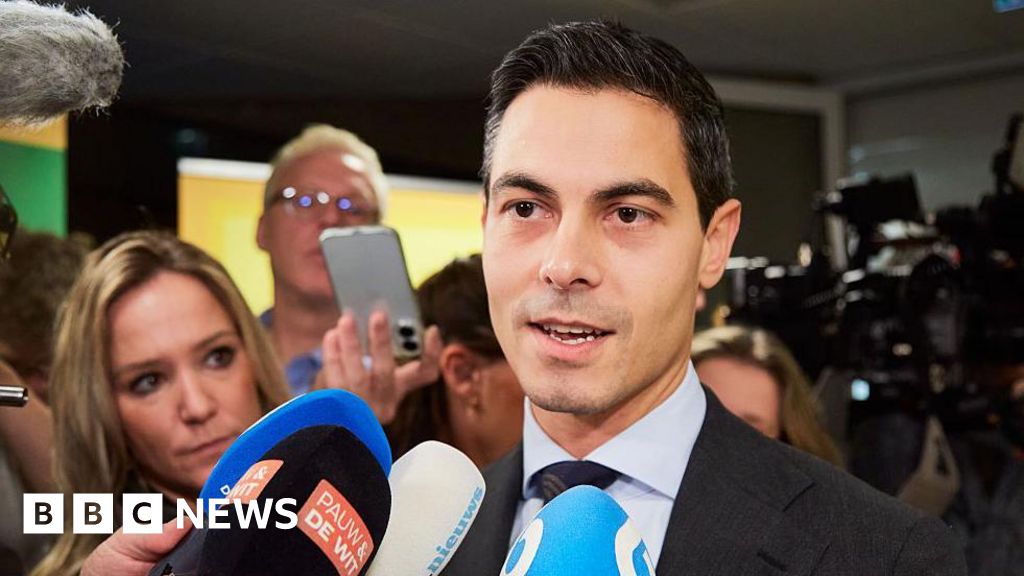
Rob Jetten’s Centrist Party Surges in Close Dutch Election, Youth Support Grows

In a significant turn of events that could ripple across the European Union and beyond, Rob Jetten and his centrist liberal party, Democrats 66 (D66), have narrowly edged out Geert Wilders of the Freedom Party in the recent Dutch general election. With projections indicating Jetten’s victory, this result signifies more than just a local political shift; it signals a potential recalibration of the Netherlands’ stance within the EU and its approach to overarching international alliances. Although Wilders had led opinion polls prior to election day, the final tally reveals that Jetten’s positive, unity-focused campaign strategy succeeded in consolidating vital city votes across Rotterdam, The Hague, and Utrecht. Projected at 26 seats with potential to reach 27, Jetten’s narrow majority underscores a fragile political landscape—a delicate balance that, if maintained, could influence European policy trajectories for years to come.

According to election officials and international analysts, Jetten’s victory is emblematic of a broader regional shift away from populist anti-immigration narratives promoted by Wilders. The Dutch electoral landscape now moves toward a coalition-building process requiring strategic alliances with conservative, left-wing, and centrist parties—a process fraught with complexity and potential delays. Historically, such multi-party negotiations in the Netherlands have taken months, often stalling reforms at critical junctures. International organizations like the European Parliament are watching closely, as shifts in Dutch leadership have historically impacted EU cohesion, especially on immigration, climate policy, and security initiatives. If Jetten, at just 38, becomes the youngest prime minister in Dutch history, his governance could herald a new era emphasizing pragmatic centrism, which analysts claim may soften some of the more radical EU populist waves but also risk alienating voters disappointed by the protracted coalition process.

From a geopolitical impact perspective, the election outcome serves as a geopolitical ballast, balancing internal European pressures with external threats. With Russia’s continued assertiveness in Eastern Europe and rising tensions over immigration, the Netherlands’ political orientation carries weight beyond its borders. European diplomats and foreign policy experts warn that a stable, centrist Dutch government might serve as a moderating influence on EU foreign policy, especially concerning the ongoing Ukraine conflict and relations with China. Conversely, a prolonged coalition formation process, as predicted by observers like former Dutch Prime Minister Dick Schoof, could leave the country vulnerable to external pressures—a scenario that history warns could embolden adversarial actors seeking to exploit political uncertainty in key EU states. The delicate dance of Dutch votes thus holds the power to tilt the continent’s geopolitical balance—an unfolding saga with ramifications far exceeding borders.

As history continues to write itself in real-time, the victory of Jetten’s centrists over Wilders’ populists reminds the international community that the currents shaping our future are often determined quietly—yet profoundly—in the ballot boxes of small nations like the Netherlands. The coming months will reveal whether Jetten’s coalition can finally forge a stable government, capable of confronting the pressing crises of our era, or whether internal missteps could usher in a new wave of uncertainty. With each vote, society writes a page into the difficult narrative of democracy—its contours swirling with ambition, fear, hope, and the relentless pursuit of stability amidst the chaos of a tumultuous age. For now, the world watches with bated breath, aware that this story—this pivotal chapter—has only just begun to unfold.”

Sora turbocharges AI videos—pay more, create bigger!

OpenAI Advances AI Video Platform Sora: Monetization Sparks Industry Disruption

In a bold move towards business model innovation and industry disruption, OpenAI has announced new paid options for its AI-powered video platform Sora. As part of its strategic pivot, the company is phasing out unlimited free usage and introducing a pay-per-generation model targeted at high-volume creators. This shift underscores the platform’s burgeoning role in shaping the emerging AI creator economy, where monetization, user engagement, and technological innovation intersect with intense market competition.

Bill Peebles, head of the Sora team at OpenAI, emphasized that the current system’s economics are “completely unsustainable,” citing growing demand from power users who generate hundreds of videos daily. The new model offers ten extra video generations for $4, with costs varying based on factors such as resolution and length — a clear signal that high-scale content creation will soon be driven primarily by paid usage. This transition aligns with the company’s broader strategy to turn Sora into a lucrative revenue stream by attracting professional creators and content studios eager for seamless, AI-driven video generation capabilities.

Disruptive Innovations and Market Implications

OpenAI’s integration of paid credits not only signals a shift towards sustainable operations but also exemplifies disruptive innovation in AI-assisted content creation. For tech giants and startups alike, this move sets a new industry standard—transitioning from free, limited access towards scalable, pay-as-you-go models reminiscent of cloud computing services and subscription platforms. This opens up lucrative business implications:

  • Emergence of a Creator Economy: The platform’s features such as clip stitching, leaderboards, and deepfake avatar creation foster a competitive environment favoring professional and semi-professional creators who are willing to pay for enhanced capabilities.
  • Market Differentiation: Sora positions itself as a pioneer in AI-based video content, likely prompting other players to innovate or price competitively, thus intensifying market rivalry.
  • Potential Legal and Ethical Concerns: With functionalities like deepfake creation, the industry must reckon with societal impacts and legal frameworks—areas closely monitored by institutions like MIT Media Lab and industry watchdogs.

By emphasizing transparency about upcoming changes and future paywall thresholds, OpenAI aims to build trust amidst rapid disruption. The company’s move echoes strategies advocated by industry veterans such as Peter Thiel, who emphasize the importance of sustainable business models that enable continuous innovation.

Future Outlook: Urgency for Stakeholders and Industry Watchers

The burgeoning AI-powered creator economy remains in its infancy, but the direction is unmistakable: AI content generation will soon become a high-stakes, monetized industry requiring strategic agility. As OpenAI ramps up its paid offerings, competitors will be under pressure to innovate or risk obsolescence. Industries reliant on digital content—media, entertainment, marketing—must adapt swiftly to these technological shifts. Experts at Gartner predict that within the next few years, platforms like Sora could redefine content pipelines, with AI-driven videos surpassing traditional methods in cost, speed, and scale.

This ascending wave of AI innovation signals that staying ahead of the curve will require an acute understanding of emerging business models, legal landscapes, and technological breakthroughs. For stakeholders eager to capitalize on this disruptive landscape, the window to innovate is closing rapidly. The future belongs to those who grasp the urgency of proper integration: the next decade promises unprecedented transformation fueled by AI’s potential to revolutionize entire industries.

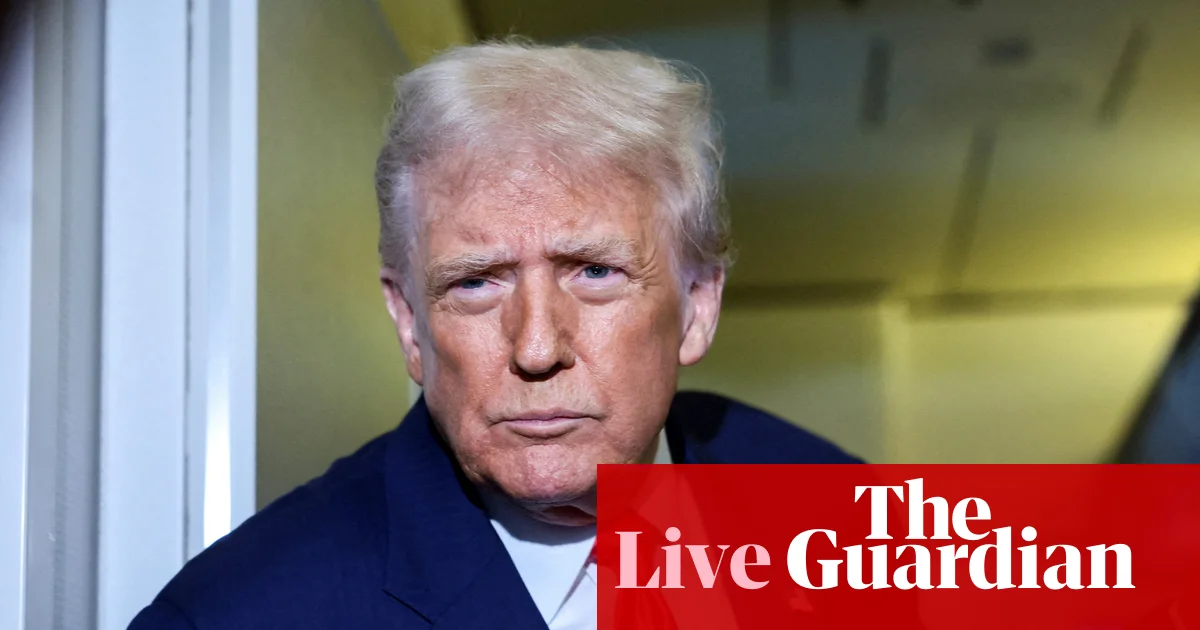
Trump urges Senate to ditch filibuster, push to end shutdown now — US politics update

In what may be remembered as a defining moment of early 21st-century geopolitics, the United States finds itself at a crossroads, with internal debates and international actions shaping a new global landscape. President Donald Trump, freshly returned from a week-long diplomatic tour across Asia, is pressing hard for radical reform within the U.S. Senate—specifically, calling for the abolition of the historic filibuster to end the ongoing government shutdown. His rhetoric on social media underscores a broader push for decisive, even contentious, changes that could, depending on their outcome, significantly reshape the nation’s legislative processes.

This shift in strategy is paired with extraordinary bipartisan reactions that signal mounting frustration. Notably, a handful of Senate Republicans—including Mitch McConnell and Lisa Murkowski—have broken from tradition to join Democrats in voting against Trump’s tariffs on over 100 countries, a move that highlights growing dissent among the political elite about the scope of executive authority and the reach of trade policies. The tariffs, which Trump enacted via executive order, have faced mounting resistance—a reflection of tensions between the executive branch and Congress, which analysts say could lead to a constitutional showdown. Historian and political analysts warn that if the ‘nuclear option’ is employed to eliminate the filibuster, it will dismantle a cornerstone of Senate deliberation, fundamentally altering the legislative landscape and possibly increasing polarization.

Meanwhile, international responses to American military actions have cast a shadow over U.S. global leadership. The UN High Commissioner for Human Rights has condemned recent US military strikes against boats in the Caribbean Sea and Pacific Ocean, alleging that these operations violate international law and constitute extrajudicial killings. This marks a rare, perhaps unprecedented, condemnation from the UN against U.S. military tactics, raising questions about America’s compliance with human rights standards while fighting drug cartels. President Trump, on his part, justifies these strikes as necessary to stem drug flow, yet the mounting civilian casualties, with at least 61 reported deaths, threaten to delegitimize this counter-terrorism effort, especially as it takes place outside the bounds of active armed conflict. Such developments threaten to diminish America’s moral standing on the world stage while emboldening adversaries who question U.S. commitment to international law and human rights.

Compounding these international tensions, the domestic political landscape remains volatile. The Senate’s vote to reject Trump’s Tariffs signifies a pushback not only against trade policies but also against executive overreach. The opposition’s rare bipartisan effort underscores a wider sentiment that the President’s aggressive economic and military strategies risk escalating global conflicts and domestic instability. As analysts warn of a possible escalation towards greater authoritarianism if the Senate’s constitutional boundaries are further eroded, the world watches with bated breath. The sense that the U.S.—once a beacon of liberal democracy—is inching towards uncharted, perhaps perilous, territory hangs heavy in the air. As history’s pages turn, the unfolding drama of these internal struggles and external conflicts will invariably define the foreign policy and social fabric of nations for generations to come. In the shadow of these tumultuous events, one truth remains clear: the shadows of history are lengthening, and the outcome remains unwritten.

Unearthing History: A Captivating Haunted Tour Through the Met Museum

In a world increasingly shaped by fleeting trends and superficial diversions, the deep currents of cultural memory and tradition serve as our guiding constellations—reminding us that to understand ourselves, we must delve into the artifacts of our shared past. As Zachary Small and his team take us on a haunting tour through The Metropolitan Museum of Art—highlighting artworks that evoke fear, fascination, and the darker aspects of human nature—the significance of culture as both a reflection and a shaper of identity becomes unmistakable. It is through such visceral encounters with the artifacts of previous civilizations, with their sometimes grotesque or mysterious representations, that we come to see culture not merely as entertainment, but as the pulse of tradition and society.

Indeed, the artworks featured—including a decapitation platter and a sculpture rumored to depict a cannibal—serve as visceral reminders of the moral and spiritual dilemmas that have haunted humanity across epochs. As the philosopher Ortega y Gasset might suggest, culture is the possession of a society’s collective memory—an ongoing dialogue with its own history. These artifacts, perhaps unsettling to modern sensibilities, anchor us in a worldview where the boundaries of morality, the fears of the unknown, and the boundaries of human capability are laid bare. Such nightmarish visions challenge us to reflect on our current society’s fragile veneer, revealing beneath it a tapestry woven with both beauty and terror, remembrance and prophecy.

Furthermore, in the context of a society often criticized for its loss of roots, these artworks stand as milestones of traditional expression—reminders that culture is integral to the formation of societal identity. As Tocqueville observed, democracy’s greatest challenge lies in maintaining a shared sense of cultural continuity—when the collective memory of the past diminishes, the community itself risks disintegration. Here, the arts become a bulwark against cultural amnesia, preserving essential facets of our moral and aesthetic identity. They forge a link between the past and the future, anchoring new generations in their inherited values while warning of the consequences of neglect.

In the final analysis, culture is both memory and prophecy. It acts as a mirror reflecting the deepest fears and aspirations of humanity, from the grotesque to the sublime. As T.S. Eliot famously remarked, “The past is never dead; it’s not even past.” Our cultural artifacts, whether frightening or beautiful, serve as silent orator—guiding us through the corridors of history and into the unknown future. In these haunted treasures of the museum, we find a silent promise: that understanding our cultural roots grants us the strength to shape tomorrow, to transcend mere survival, and to forge a society rooted in the resilient memory of what we once were and what we might yet become. Culture, in the end, remains our human prophecy—a testament to the enduring soul of mankind.

Social Media Auto Publish Powered By : XYZScripts.com