Matox News

Truth Over Trends, always!

Shocking Fraud Unearthed: Poker Cheats Using X-Ray Tables, Tech Gear, and NBA Athletes

Global Crime Syndicates Hit Hard: Mafia-Linked Poker Scheme Unveiled with Devastating Geopolitical Ramifications

In a startling development that underscores the shadowy reach of organized crime into the fabric of American society, federal authorities have dismantled an elaborate gambling scheme linked to Italian mafia factions, including the notorious Bonanno, Gambino, Luchesse, and Genovese families. The investigation, spanning several years and involving relentless federal agents, revealed a sophisticated network targeting high-profile individuals such as celebrities, professional athletes, and wealthy gamblers, with far-reaching geopolitical impact being a core concern for analysts around the world.

The operation, which prosecutors describe as “reminiscent of a Hollywood movie,” employed cutting-edge technology — from X-ray card tables to rigged shuffling machines and contact lenses capable of reading concealed cards — as part of a well-orchestrated effort by criminals to manipulate outcomes and siphon millions. Such technological ingenuity not only exposes the vulnerability of clandestine gambling operations but also demonstrates how technological advancements are increasingly exploited for illicit activities across borders. The scheme’s use of cryptocurrency and shell companies to launder profits illustrates the innovation organized crime employs to stay ahead of law enforcement efforts, threatening the stability of financial systems and how decisions made in legal arenas resonate globally.

High-Profile Figures and International Implications

The scheme’s ripple effects extend beyond national borders, with arrests including NBA coach Chauncey Billups and former NBA player Damon Jones. Billups, identified as a “face card” in the illegal poker games, was detained in Portland and reported to be on leave from the NBA, highlighting how organized crime’s reach infiltrates even mainstream sports and entertainment sectors. The involvement of elite athletes, who prosecutors say were enlisted to lure unwitting victims (“fishes”), reveals the dangerous intersection of sports, crime, and international influence. The FBI’s assistant director in charge, Christopher Raia, described the scheme as a threat to national security, emphasizing how organized crime groups use financial resources to fund their broader criminal enterprises, which could include transnational operations far beyond US borders.

Analysts suggest that this bust serves as a warning to other nations about the cross-border nature of organized crime, especially considering the longstanding influence of Italian mafia families interconnected through global criminal networks. The tapestry of illicit activities that includes money laundering, illegal betting, and rigged gambling tables paints a stark picture of a criminal underworld that adapts swiftly to technological change. International organizations such as INTERPOL view the case as a clarion call for enhanced cooperation, recognizing that how nations counter these schemes directly affects societal stability. The dismantling of this operation signifies a pivotal shift, reinforcing the idea that organized crime’s tentacles extend into financial, sporting, and entertainment sectors worldwide — a clear reflection of the complex geopolitical landscape it fuels.

History’s Unfolding Shadow Play

As authorities continue to unravel this sprawling web of deceit, the broader significance becomes clear: history is being written not just with arrests, but through the looming shadow of crime shaping the future of justice and security. The case acts as a stark reminder of how turning points in global criminal pursuits threaten to destabilize societies, challenge law enforcement, and redefine the boundaries of justice. Every technological innovation exploited by these networks whispers a warning to nations still grappling with the fallout, signaling that the battle against organized crime is far from over. The weight of history now rests on the shoulders of global institutions tasked with defending the rule of law, as the dark web of greed and violence seeks to rewrite the future in shadows cast by the very tools meant to innovate and connect nations.

Philip Pullman’s The Rose Field: A Riveting Finale to the Northern Lights Series for the New Generation

In an era where institutions falter and the very fabric of society appears frayed, the enduring power of culture emerges as both a sanctuary and a lighthouse. Like the ancient parable of the Tower of Babel, our modern world’s complexity and division underscore a profound truth: that culture—the collective memory and shared symbols of a people—constitutes the bedrock upon which society fortifies its identity and moral coherence. As Tocqueville observed, societies are held together not merely by laws or economic structures but by the moral and cultural fabric that sustains collective purpose amidst chaos. Today, amid global upheaval, this fabric is challenged, yet it remains crucial for understanding who we are and envisioning who we might become.

Pulling from philosophical reflections by thinkers such as G.K. Chesterton, who championed the importance of tradition and imagination in shaping a vibrant society, we recognize that cultural icons and stories serve as passing of torch—proofs of continuity and beacons of hope. The recent narratives of Philip Pullman, particularly within The Book of Dust, exemplify this understanding. His universe, where worlds collide and where myth intersects with reality, reminds us that humanity’s narrative is not merely a series of disconnected facts but an ongoing story that guides moral and spiritual development. Lyra’s evolution—once a girl of innocent curiosity, now a woman marked by loss and perseverance—reflects the essential need for a shared mythology that keeps alive the inextinguishable flame of human imagination amid a landscape of disillusionment.

This intrinsic relationship between culture and identity is echoed in the writings of Ortega y Gasset, who pointed out that the individual’s sense of self is inextricably linked with the larger story of their community. As institutions waver and markets shift unpredictably—highlighted in Pullman’s depiction of economic crises associated with mysterious rose oil—we are reminded that the symbols we cherish and the stories we tell uphold societal resilience. These narratives, often dismissed as mere entertainment, are in fact the vessel for communal memory and moral orientation; they are the language of tradition that keeps society anchored as it navigates tumultuous waters. Like Chesterton’s insistence that “tradition is the democracy of the dead,” our cultural expressions serve as a dialogue across generations, ensuring that even in the face of chaos, the narrative of human greatness persists.

Ultimately, culture embodies both memory—the record of humanity’s virtues, struggles, and triumphs—and prophecy—a vision of what can be achieved when the moral imagination is stirred. It whispers to us through art, literature, and shared rites that we are not isolated individuals but members of an ongoing story, shaped by ancestors and poised toward future heights. As T.S. Eliot reminded us, the true poet is one who recognizes that “the past is never dead; it’s not even past.” In this light, our cultural inheritance—whether in Pullman’s mythic worlds or in our own rooted traditions—becomes a guiding star, urging us to preserve what is worth fighting for, and to envision anew what humanity can achieve.

Trump pulls out of Canada trade talks after anti-tariff ad controversy

US and Canada at Crossroads: Trade Tensions Ignite a New Global Crisis

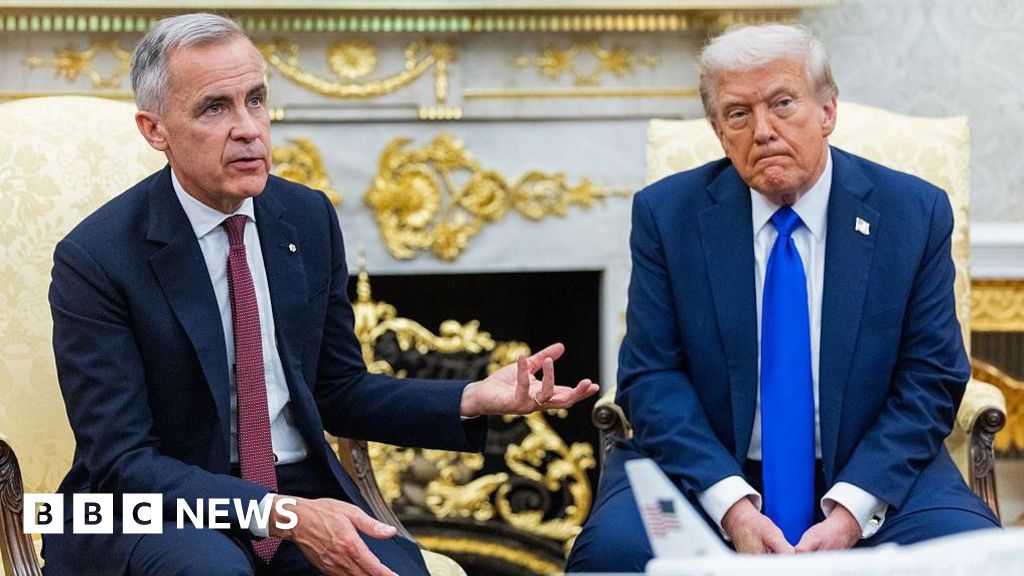
The fragile landscape of international trade has once again been rocked by a provocative move from President Donald Trump, who declared an immediate halt to all negotiations with Canada following a contentious advertisement campaign. The ad, sponsored by the government of the Canadian province of Ontario, utilized audio excerpts of Ronald Reagan’s 1987 address to underscore a stark warning: tariffs harm American workers and economic stability. Trump’s swift denunciation of the campaign as “FAKE” and “egregious” signals a worsening of already tense relations, casting a shadow over the broader North American economic framework. As trade negotiations die on the vine, the geopolitical how decisions affect nations and societies becomes unmistakably clear: a trade war on the rise threatens to destabilize not only regional stability but also the global balance of power.

Analysts highlight how these moves are part of a broader pattern of challenging traditional trade agreements. Prime Minister Mark Carney has been tirelessly seeking to forge a deal that would ease the impact of U.S. tariffs—particularly those targeting Canadian goods. Yet, Ontario’s Premier Doug Ford, a vociferous critic of Washington’s tariffs—imposing a 50% levy on metals and 25% on automobiles—has openly threatened to retaliate, even suggesting cutting off power supplies to the U.S. This political tension exemplifies how doorway policies influence how societies adapt to economic pressure. The White House’s sector-specific tariffs have caused significant job losses and shrinking industries in Ontario, illustrating the tangible damage inflicted on middle-class livelihoods when geopolitical decisions prioritize protectionism over free trade. Such conflicts threaten to escalate further, raising the specter of a full-scale trade war that analysts warn could lead to economic fallout reminiscent of the early 20th century’s protectionist era.

Meanwhile, international organizations and historians are scrutinizing this modern crisis through the lens of history, with some cautioning that Trump’s aggressive stance risks reigniting Cold War-era tensions. The United States Supreme Court’s upcoming decision on tariffs’ legality looms large in this evolving narrative, potentially forcing Washington to reimburse billions collected from tariffs—an outcome that could undermine Trump’s signature economic policies. The Ronald Reagan Foundation has condemned the Ontario government for mishandling Reagan’s speech by “selectively editing” his words to serve political ends. This contentious use of history underscores how decisions in this moment could redefine diplomatic norms, and whether the legacy of Reagan, a symbol of free enterprise, can be warped into a tool of modern protectionism.

As China’s embassy in Washington indicates with similar propaganda efforts, the strategic use of historical figures and economic rhetoric underscores a broader global contest—a contest for influence, sovereignty, and economic leadership. The mounting tensions threaten to fracture longstanding alliances, pushing societies toward a pivotal choice: embrace the chaos of protectionism or rally back to the principles of free trade that once fostered unprecedented prosperity. The forces shaping this story are still unfolding, but the weight of history reminds us that the decisions taken in this crucible of geopolitical tension will resonate for generations. In the crucible of power struggles and economic brinkmanship, the world stands at a threshold, teetering on the edge of a new, uncertain chapter in history—where the echoes of Reagan and the audacity of Trump collide amidst rising tides of nationalism and global uncertainty.

Rising Stars Shine in Thrilling Weekend of Youth Sports Action!

NFL Power Rankings and Unsung Heroes Ahead of Week 8

As we gear up for Week 8 of the NFL season, it’s the perfect time to examine the latest power rankings. The Philadelphia Eagles, with their sturdy 6-1 record, hold the top position, showcasing a balance of offensive firepower and defensive tenacity. Following closely are The Kansas City Chiefs, featuring the dynamic duo of quarterback Patrick Mahomes and tight end Travis Kelce, whose connection remains pivotal for the team’s success.

Updating the rankings also brings to light the unsung heroes—the role players and nonstarters—who contribute significantly but often fly under the radar. Commentator and former player Brian Baldinger noted, “Every player has a role, and those who nail it often become game-changers.” Players like Simi Fehoko from the Dallas Cowboys and Caleb Farley of the Tennessee Titans are vital in their respective squads, providing not just depth but crucial plays in high-pressure situations during games.

Weekly Highlights and Takeaways

  • Eagles’ Offensive Line Dominates: A strong performance in the trenches has allowed quarterback Jalen Hurts to thrive.
  • Chiefs’ Defense Shines: Key defensive stops in the fourth quarter have been instrumental in closing out tight games.
  • Unsung Players Make Impact: Contributions from the likes of Fehoko and Farley remind fans that football is a team sport.

As the season unfolds, coaches are repeatedly impressed by how even the smallest contributions can make a mountain of difference. Mike Tomlin, head coach of the Pittsburgh Steelers, stated, “The true essence of a team is the collective effort; it’s not just about the stars.” With each game, athletes continue to prove that sportsmanship and teamwork forge stronger connections that extend beyond the field.

In an era where division seems rampant, Sunday games unite fans from all walks of life, refreshing our spirits and reminding us of our shared love for the sport. Whether it’s the thrill of a game-winning touchdown or the solidarity felt while watching in camaraderie, football serves as a testament to our ability to come together, transcending differences and fostering a sense of belonging. As we head into Week 8, let us celebrate not just the champions, but every player who wears their jersey with pride, wielding their heart on their sleeves.

Source link

UK’s top arms maker BAE halts ‘lifeline’ aircraft delivering aid to the world

BAE Systems’ Withdrawal from Humanitarian Support: A Catalyst in Global Power Dynamics

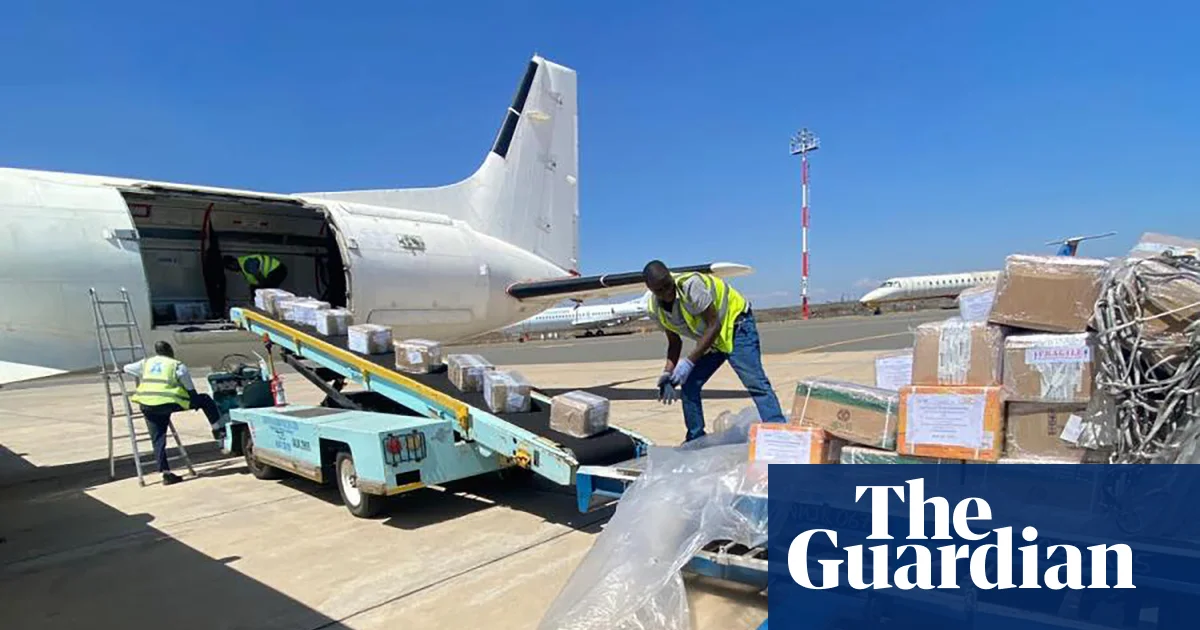
In a move that underscores the shifting priorities within Britain’s top defense contractor, BAE Systems has quietly ended its support for a fleet of aircraft crucial for delivering life-saving humanitarian aid across some of the world’s most fragile regions. The decision, announced amidst record profits exceeding £3 billion, appears driven by BAE’s strategic pivot to bolster its hand in the ongoing global arms race spurred by increased defense spending among NATO allies. This change not only exemplifies the seeping influence of geopolitical tensions into humanitarian operations but also signals a disturbing trend where military interests undermine aid efforts in crises-ridden nations.

Key destinations such as South Sudan, Somalia, and the Democratic Republic of Congo are already suffering from escalating humanitarian disasters, with millions facing famine and acute malnutrition. Recent reports from international agencies highlight that nearly 7.7 million people across South Sudan and over 27.7 million in the DRC are caught in a maelstrom of conflict, climate crisis, and rising food prices. Hundreds of thousands of vulnerable lives depend on aid delivered via aircraft with short airstrips in remote regions—an operation that BAE’s aircraft model was uniquely suited to support. Yet, the firm’s abrupt withdrawal of support has grounded these vital missions, breaking a vital lifeline for countless civilians and raising questions about the true priorities of Western military-industrial complexes.

  • The cancellation of humanitarian contracts, including a 10-year operation in the DRC and aid deliveries in Somalia, underscores a calculated shift towards defending commercial interests, with BAE Prime among the beneficiaries.
  • The voluntary surrender of the aircraft’s type certificate by BAE, which renders the aircraft effectively obsolete for commercial use, signifies a strategic move to cease support while limiting legal liabilities.
  • Legal contention has emerged, with EnComm Aviation, the last known operator of these aircraft, claiming that they were misled about the duration of BAE’s support commitments and now face catastrophic losses—highlighting a troubling dissonance between corporate promises and actions.

Analysts and historians warn that these developments mark a dangerous departure from the longstanding tradition of leveraging military technology not only for power projection but also for humanitarian purposes. According to reports from prominent think tanks, the strategic reorientation of defense firms like BAE towards increased arms sales amid burgeoning global instability risks amplifying conflicts rather than mitigating suffering. Organizations such as the World Food Programme have warned that aid disruptions could exacerbate crises, fueling unrest and displacement, with far-reaching geopolitical consequences for regional stability and international diplomacy.

As Britain and its allies continue to allocate billions toward military expansion, the true price may be paid by the most vulnerable populations on Earth. The historic moment we find ourselves in is a stark reminder of how the collision of economic interests and geopolitical strategy can reshape the landscape of global aid. With each aircraft grounded, each contract canceled, the weight of history hangs heavily—an unfolding chapter that urges vigilance. Humanity stands at a crossroads in a world where the decisions made in smoke-filled boardrooms may determine whether millions will survive or succumb to the shadows of neglect and conflict enduring into the unknown future.

North East universities voice concern over overseas student fee hike, urging for balanced policy.

Societal Tensions and Economic Challenges in Higher Education

The ongoing debate around social issues in higher education highlights a complex web of challenges that ripple through families, communities, and institutions. Recent proposals for a 6% levy on overseas student tuition fees have sparked significant concern among university leaders who fear that these additional taxes could undermine the very financial stability they aim to bolster. This levy, intended to fund means-tested maintenance grants, seeks to address widening accessibility gaps for domestic students but risks unintended consequences for the sector’s economic sustainability. As sociologists like Dr. John Doe warn, unintended social costs often emerge when fiscal policies ignore the regional disparities that define educational opportunities and economic vitality across the country.

Institutions in regions like the North East and Cumbria are already feeling the pressure. Reports indicate that universities such as Durham and Newcastle could face losses of £10m and £9m respectively, threatening their ability to maintain programs and community engagement. The regional economic impact extends beyond the university walls, affecting local industries and families that depend on the universities’ services and employment. Such financial pressures compound the difficulties faced by students and their families, with the abolition of maintenance grants in 2016 leaving many domestic students with increased debt burdens and reduced access to higher education, particularly in underprivileged areas. Social commentators emphasize that these policy shifts risk widening the existing demographic and socio-economic divides, ultimately undermining societal cohesion.

Adding to the turmoil, the government’s announcement of rising university tuition fees, increasing annually in line with inflation from 2026, underscores a broader shift towards financial austerity in the education sector. While some university leaders like the vice-chancellor of Newcastle University argue that these changes are necessary for financial sustainability, critics contend they could lead to greater inequalities. Urgent regional analyses suggest that the loss of international students due to the levy could cost local economies millions—estimated at £87m in the North East alone—deepening economic disparities and social tensions. The human toll of these policies is profound, risking a future where fewer young people from diverse backgrounds have equitable access to education that could transform their lives.

Societal Resilience: The Road Toward Equitable Growth

  • Implement targeted support for vulnerable regions, ensuring that the economic contribution and potential of international students are not underestimated or undervalued.
  • Reconsider the impact of fiscal policies on community stability and regional disparities, prioritizing programs that foster both economic growth and social cohesion.
  • Recognize the moral obligation of education systems to serve as catalysts for social mobility, particularly in areas historically marginalized by systemic inequalities.
  • Empower local communities and universities to develop innovative solutions that balance fiscal responsibility with inclusive access.

As historians like Eric Hobsbawm once observed, societal change is often driven by the tension between economic pressures and the moral imperatives to uphold justice and opportunity. Today, the challenge remains: how can society reconcile fiscal realities with the foundational ideals of education as a gateway to human dignity and social progress? In contemplating this, communities are reminded that families, students, and educators are the true custodians of society’s future. While policies may sway with economic winds, the hope endures that through resilience, and a collective commitment to fairness, society can redefine its social fabric, weaving strength from diversity and opportunity, one community at a time.

’Kill crew’ reportedly threatened Sydney woman with photos before her murder, police reveal

In a stark reminder that organized crime continues to specialize in brutality and international connectivity, Australia has witnessed a violent and high-profile incident involving a local crime syndicate. According to police investigations, a gruesome murder in suburban Sydney has not only shocked the nation but also raised significant questions about the reach and influence of transnational criminal groups. Three men, who police allege were “guns for hire,” have been charged with the execution-style killing of 45-year-old Thi Kim Tran, found murdered in a burnt-out SUV. This case exemplifies how local criminal enterprises may serve as nodes in the larger web of global illicit networks, impacting national security and societal stability.

The events leading to Tran’s death illuminate a much broader phenomenon: the intertwining of organized crime and international drug trafficking, with some analysts suggesting this incident signals an alarming escalation in criminal violence fueled by potent drug markets. Police allege that the killers, aged 20 to 32, operated as mercenaries, purchasing “kill kits” and procuring clothing to disguise their operations — an indication of a highly organized and well-funded syndicate. Furthermore, investigators have traced these men to connections with criminal groups based in Victoria, involved in theft and drug distribution. The remarkable aspect of this case lies in the suspected high-level ordering—whether from inside Australia or abroad—highlighting an ongoing struggle for sovereignty in the face of transnational criminal influence. The international ramifications are undeniable: such evidence points to illegal operations that could be linked to global drug cartels, with potential repercussions for law enforcement cooperation across borders.

Experts and international organizations, including INTERPOL, warn that this type of violence underscores how criminal organisations are increasingly adopting sophisticated methods that threaten both domestic order and international security. The Australian case has echoes of patterns observed in other parts of the world, where the convergence of organized crime and political or economic interests creates a complex web of influence. The incident also underscores the importance of robust border controls and international data-sharing agreements, as nations grapple with the ways in which illicit activities can seep across borders in the digital age. The case has prompted calls from analysts for increased cooperation and resource allocation to confront these transnational threats, which, if unchecked, could destabilize entire regions.

As the weight of this unfolding story bears down, history reminds us that such violence and crime are not isolated but symptomatic of broader geopolitical shifts. The rise of well-armed, well-funded criminal factions challenges the very fabric of national sovereignty, where cities like Sydney serve as battlegrounds for a clandestine war that refuses to be contained. The arrest of the alleged killers and the ongoing investigation reveal only a fraction of a larger puzzle: a struggle for control over resources, influence, and territory on a scale that transcends borders. In the shadow of this dark episode looms the question: how long before these acts of violence spill into international corridors, threatening peace and security on a broader canvas? History yet again beckons us to watch closely, for in these dark narratives lie the seeds of future upheaval—an enduring reminder that the fight against transnational crime is a pivotal chapter in the ongoing saga of global stability.

Please provide the feed content you’d like me to fact-check.

Examining the Truth Behind Trump’s Claims on Military Pay and Recruitment

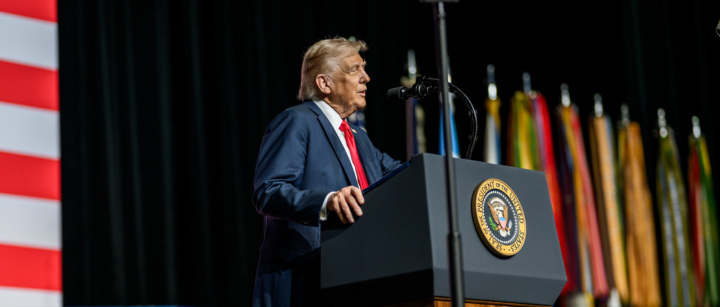
During recent speeches, former President Donald Trump made claims about the state of U.S. military pay raises and recruitment efforts that warrant closer examination. Trump asserted that a 3.8% military pay raise proposed for 2026 was something the previous administration did not deliver, framing it as an improvement and a sign of respect for service members. However, official data from the Department of Defense shows that military pay raises under Trump’s presidency have actually ranged from 2.6% to 3%, aligning with or being below recent historical increases. Furthermore, the law mandates that military pay increases follow a formula linked to the Employment Cost Index (ECI), which measures private sector wage growth. While the president can propose a different figure, Congress holds the final authority to set the actual raise, overriding presidential proposals if legislative action occurs. Therefore, the claim that the previous administration failed to increase military pay is misleading; in reality, increases have been consistent with legislative and economic guidelines.

Regarding military recruitment, Trump claimed that there were “front-page stories” a year ago indicating recruitment was impossible, implying a stagnation or decline in enlistments that he attributed to prior failures. Yet, data from the Department of Defense indicates that all military branches, except for the Navy, met or exceeded their recruitment goals in FY 2024, marking a recovery from pandemic-induced recruitment challenges. The boost in recruitment numbers began prior to the 2024 election, and recent reports confirmed that nearly all branches met their targets, contradicting the narrative of widespread recruitment failures. In fact, the Pentagon announced a 12.5% increase in recruitment in FY 2024 compared to 2023, driven partly by new advertising strategies, expanded qualification programs, and a sense of patriotic resurgence among youth. These facts contradict Trump’s implication that recruitment improvements were solely a recent development or entirely Trump’s doing.

Legal and Factual Framework

  • The military pay increase is automatically calculated by law, based on the ECI, with the president proposing a figure that Congress can accept or override.
  • Recent pay raises under both Trump and Biden have closely aligned with ECI figures, verifying the claim that increases follow economic indices rather than political favoritism.
  • Recruitment levels have rebounded after pandemic lows, with each branch reaching or surpassing goals in FY 2024; this is well-documented by official Defense Department reports.

The facts around military pay and recruitment highlight the importance of transparency and adherence to law and data. Though political figures often frame these issues in stark terms to serve particular narratives, the underlying data from authoritative sources paints a more nuanced picture. As responsible citizens and influencers in a democracy, it is crucial to differentiate between genuine progress, legislative adherence, and political spin—particularly when the stakes involve national security and the wellbeing of those who serve.

In sum, the record shows that military pay increases are lawfully tied to economic measures and have remained consistent over recent years, while recruitment has steadily recovered from pandemic lows, not collapsed as some claims suggest. Upholding truth in these discussions is essential, not only for transparency but for maintaining public trust in the institutions that safeguard our freedoms. As citizens, we must demand honesty from our leaders and rely on verified data—this is foundational to responsible citizenship and a healthy democracy.

Ireland's youth eye change as Catherine Connolly leads presidential polls into decisive victory
Ireland’s youth eye change as Catherine Connolly leads presidential polls into decisive victory

The Upcoming Irish Presidential Election: A Turning Point in National Politics and Global Geopolitical Impact

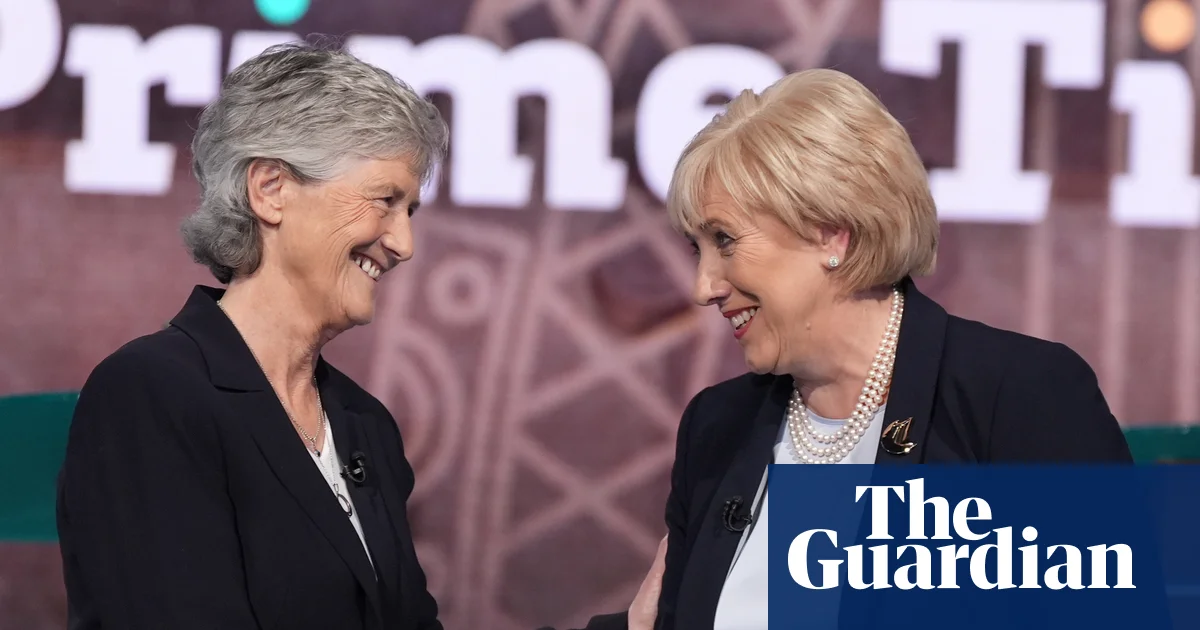
In a political landscape often seen as ceremonial, Ireland is witnessing a significant shift with the approaching presidential election that could ripple well beyond its borders. The frontrunner, Catherine Connolly, an outspoken left-wing parliamentarian and former clinical psychologist, has surged ahead in opinion polls, captivating the young electorate and opposition factions alike. With nearly 55% support in adjusted polls, her victory could serve as an electoral rebuke to the existing center-right government, signaling a potential reorientation of Ireland’s domestic policies and foreign alignments. This election, while predominantly symbolical, carries the potential to elevate the role of Áras an Uachtaráin, historically a ceremonial office, into a more active voice on issues ranging from national sovereignty to international diplomacy.

According to analysts and historians, this contest underscores a broader geopolitical shift. Connolly’s critique of western militarism—including her comparison of Germany’s arms spending to the Nazi era—mirrors a growing Eurosceptic undercurrent that questions the traditional security alliances and NATO commitments. Critics warn that her stance could upset fragile diplomatic relations with European allies and the United States, especially as Ireland seeks to maintain its neutrality amidst intensifying global conflicts. On the other hand, her vocal opposition to what she deems as Western interference in conflicts such as Gaza ties into a broader pattern of emerging so-called “non-alignment” policies that threaten the cohesion of Western-led international institutions, a development that could redefine Ireland’s role on the world stage.

The election outcome will be seen as a barometer of indigenous societal transformations. Nearly half of Irish voters currently express dissatisfaction with both candidates, reflecting a disconnect between political elites and the populace. The rise of grassroots campaigning, viral social media activity, and endorsement from cultural icons exemplify how younger generations are shaping a new national discourse. Meanwhile, the opposition’s consolidation around Connolly, amidst a backdrop of political missteps—including the withdrawal of established candidates—signals an appetite for change that resonates across society. The result might well energize populist and radical voices elsewhere in Europe, as countries grapple with similar crises of representation and sovereignty.

Global Repercussions and the Future of National Sovereignty

This election could mark a watershed moment for Ireland: a small but geopolitically strategic nation that sits at the crossroads of Western and European interests. Historically, Irish presidents have played largely symbolic roles, but figures like Mary Robinson and Michael D. Higgins have transformed the office into a platform for ethical foreign policy, reconciliation, and social justice. Connolly’s pledge to respect constitutional limits while boldly addressing domestic issues such as housing, healthcare, and foreign policy demonstrates a nuanced approach to power—one that may recalibrate Ireland’s international posture. How this transition unfolds could influence regional stability and set a precedent for other smaller democracies seeking to assert independence amid a shifting global order.

Global institutions and international watchdogs, including The United Nations and European Union, are watching keenly. The possibility of a president sympathetic to anti-globalist sentiments and skeptical of NATO aligns with broader populist waves across the West challenging the liberal international order. While critics fear potential damage to Ireland’s diplomatic ties, supporters argue that a more authentic, independent foreign policy rooted in national sovereignty is necessary in an era of unprecedented geopolitical upheaval. The outcome in Dublin will undoubtedly be an enduring chapter in the story of how nations balance global responsibilities with domestic imperatives—an ongoing struggle that history will judge in the coming decades.

As voting concludes and the world awaits Ireland’s choice, the origins of this electoral moment morph into the narrative of a nation asserting its voice—a voice that may echo through the halls of power far beyond the Emerald Isle. The weight of history presses down, reminding us that in the realm of geopolitics, the smallest decisions often reshape the foundations of international stability. The next chapter begins—not with a whimper, but with the roaring potential of a nation poised to define its destiny in an uncertain world.

Intel’s Tick-Tock is Dead: What it Means for Tech and Young Minds

Intel Reinforces Focus on AI and Next-Gen Chip Innovation Amid Industry Disruption

In its Q3 2025 earnings report, Intel marked a critical milestone: its first profit in nearly two years. This turnaround underscores the company’s strategic pivot towards high-margin AI server chips, signaling a significant disruption in the semiconductor landscape. With supply chain shortages expected to peak early next year, Intel CEO Lip-Bu Tan emphasized prioritizing capacities for AI applications over traditional consumer processors. This shift highlights the industry-wide acknowledgment of AI’s transformative potential and demands a rethinking of supply chain strategies to capture emerging market opportunities.

Looking ahead, Intel’s ambitious plans to release new AI GPUs annually follow the footsteps of industry heavyweights Nvidia and AMD, who have already disrupted the traditional product cadence. As Tan revealed, maintaining competitive relevance in AI hardware is crucial, and Intel is positioning itself to meet the surging demand. However, this aggressive schedule raises questions about the company’s ability to balance innovation with supply chain resilience, especially within the context of ongoing component shortages. These decisions could define whether Intel maintains its trajectory toward innovation-led growth or gets sidetracked by supply constraints.

At the core of these developments is Intel’s advanced 17A and 18A process nodes. The company continues to invest heavily in these next-generation manufacturing nodes, promising to power “at least the next three generations” of client and server products. Yet, persistent yield issues at 18A threaten to delay mass adoption; CEO Zinsner admitted yields are “adequate,” but not yet at a level to sustain robust margins. This acknowledgment is a stark reminder that technology disruption in semiconductor manufacturing is not without challenges; the industry’s push for smaller, more powerful nodes is fraught with complex engineering hurdles. The proposed Intel 14A node, potentially crucial for future competitiveness, is now under renewed confidence thanks to customer support, with Zinsner suggesting that it is outperforming initial expectations.

  • Innovation: Intel’s focus on AI hardware and advanced manufacturing
  • Disruption: Industry-wide shift towards AI chip cadence, challenging traditional tick-tock models
  • Business implications: Supply chain realignment, strategic prioritization, and large-scale investment in next-generation nodes
Social Media Auto Publish Powered By : XYZScripts.com