Matox News

Truth Over Trends, always!

EU Court: Pets on Flights Now Just Baggage—Standards Lowered for Travelers

European Court of Justice Declares Pets as Baggage: Shaping International Liability Rules

In a landmark decision that could reverberate across Europe and beyond, the European Court of Justice (ECJ) has definitively classified pets transported by airlines as baggage. This ruling, born from a contentious case involving a lost dog during an Iberia flight from Buenos Aires to Barcelona, underscores a significant shift in how international flight liabilities are understood, with profound geopolitical implications. As debates intensify around the status and welfare of companion animals, this decision crafts a legal framework that emphasizes the role of airlines in their cargo management, potentially recalibrating international standards and influencing judicial interpretations globally.

The case arose after Felicísima, the owner of Mona, a pet dog, embarked on a long-haul journey, only to see her beloved animal escape during transfer and subsequently become lost despite extensive search efforts. The incident, ultimately classified as the loss of baggage under the Montreal Convention, was pivotal. The ECJ ruled that since no special declaration about Mona’s contents was made at check-in, the airline’s liability was limited, awarding just over €1,500 despite the owner’s €5,000 claim. This decision clarifies the legal standing of animals in transit, casting long shadows over international commerce and responsible pet transportation. Analysts and legal scholars interpret this as a reinforcement of airlines’ authority to treat animals as cargo, effectively redefining the boundaries of liability and responsibility.

The ruling’s geopolitical impact is palpable. Countries observing the European Union are left to consider the broader implications for animal welfare, international trade, and security protocols. The ECJ’s explicit wording states that animals fall under baggage and are subject to the liability framework established for cargo, even acknowledging the EU’s recognition of animal welfare as a general interest. This raises questions for international organizations like the ICAO (International Civil Aviation Organization), which will need to adapt its guidelines to account for such rulings. For global powers, the message is clear: transportation of pets is a legal matter rooted firmly in cargo policy, complicating efforts to extend more compassionate or protective standards without international consensus.

Furthermore, nations outside the EU are observing with a mixture of alarm and strategic recalibration. Many developing countries, where pet tourism and expatriate communities thrive, now face a future where airlines could prioritize cargo standards over animal welfare unless established through bilateral agreements. Meanwhile, human rights and animal advocacy groups are warning that this legal interpretation might diminish the already fragile protections for companion animals. As one leading analyst notes, “It’s a turning point—where economic interests and legal clarity threaten to eclipse the emotional bonds we forge with our animals, transforming them into commodities regulated solely by international cargo conventions.”

As history continues to unfold, the weight of this decision will likely challenge lawmakers and the judiciary alike, forcing a reevaluation of how societies balance commerce, compassion, and responsibilities. The echoes of this ruling will resonate in the corridors of power, compelling a global conversation about the moral obligations of nations in safeguarding not just human lives but the lives of those animals that share our journey into an increasingly interconnected and legally complex world. The unfolding chapters remain ominous, and it is within these deliberations that the future of international animal transport—and perhaps the soul of 21st-century global governance—will be written.

Former Bush Adviser Charged with Stockpiling Top Secret Files—Threatening National Security

In a revealing turn of events that underscores the fraught landscape of international security, India-born scholar and former US government adviser Ashley Tellis has been arrested on charges of unlawfully possessing and sharing top secret information. This arrest, occurring amidst rising tensions within global intelligence communities, signals a potential new phase in the ongoing contest for technological and military supremacy. The case is not merely a matter of individual misconduct but a reflection of broader geopolitical struggles that are shaping the future of international power balances.

Tellis, a prominent figure who has played a significant role in negotiating the historic US-India nuclear deal, was found in possession of thousands of classified documents—including material related to U.S. military capabilities—raising alarm bells about the security of sensitive information. According to federal authorities, the FBI discovered these documents at his residence in Virginia, where he held a top-secret security clearance due to his past employment. Allegations orbiting his interactions with Chinese officials further complicate the narrative, suggesting a web of espionage that spans continents and threatens diplomatic stability. These developments come at a time when Western nations and China are engaged in a high-stakes race for technological dominance, especially in areas like artificial intelligence, military systems, and cybersecurity.

This incident sparks a broader debate among international analysts and historians about the authenticity and reliability of global alliances. According to experts at the Council on Foreign Relations, such breaches are not isolated but indicative of a new era where the transnational flow of information can destabilize long-standing diplomatic agreements. For nations like Russia and China, tension-filled espionage cases like Tellis’s serve as both warnings and opportunities—reminders that information is the most potent weapon in the modern geopolitical arsenal. Officials have promised stringent measures in prosecuting those who mishandle classified information, echoing the warnings issued by US intelligence agencies about the potential security risks involved.

The repercussions extend far beyond the United States and directly impact the global geopolitical fabric. The arrest sends a powerful message about accountability and the fragile trust between allied nations, underscoring that even high-profile intellectuals and policymakers are not immune to the relentless tides of espionage and cyber warfare. How this case will influence future intelligence-sharing agreements, especially between India and the US, remains uncertain. Yet, its significance is in how it underscores the perilous fragility of modern diplomacy where secrets are currency—more valuable than ever, but increasingly vulnerable. As international organizations and national governments recalibrate their security protocols amid these revelations, the shadow of espionage looms large over the corridors of power. The true weight of history in the making can be felt palpably, reminding the world that in this intricate game of shadows, the line between ally and adversary can shift with a single revelation.

French PM survives no-confidence vote—Europe watches as new chapter begins

France’s Political Turmoil: A Look at Yesterday’s No-Confidence Votes

In a tumultuous turn for France, the government narrowly escaped a series of high-stakes no-confidence votes that threaten the stability of Emmanuel Macron’s leadership amid unprecedented legislative fragmentation. The recent votes in the French parliament highlighted a nation grappling with deep ideological divides and a strained economic landscape, with the veteran president’s political legacy hanging in the balance. The episode underscores geopolitical impact not just domestically but across Europe, as the continent watches a proud democracy teeter on the brink of upheaval.

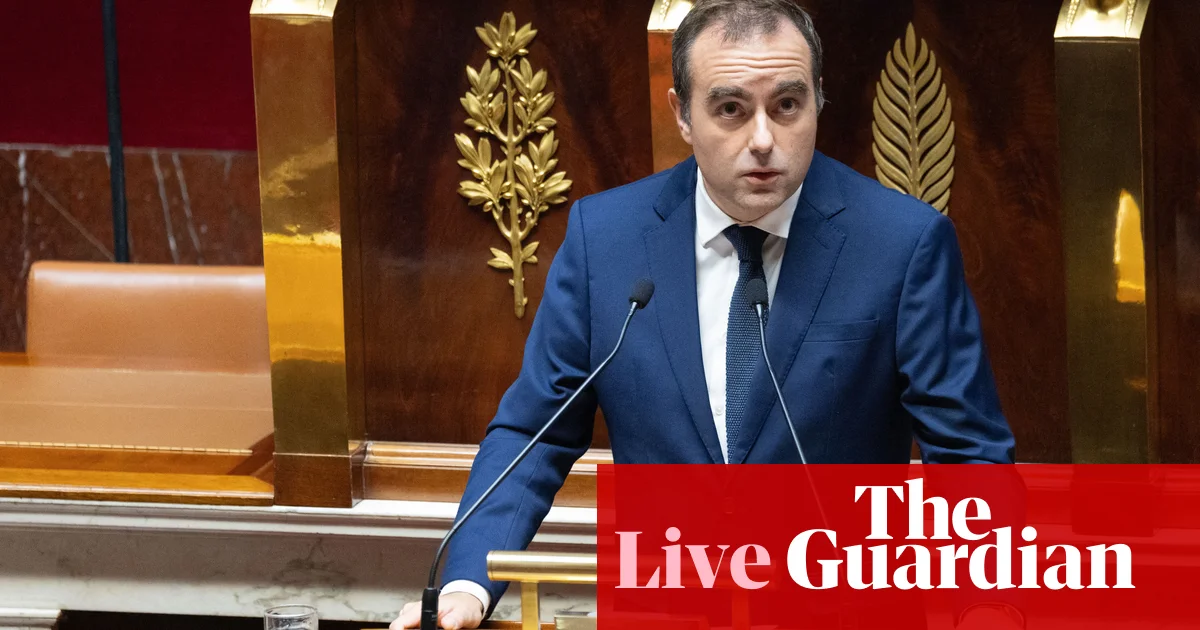
Yesterday’s no-confidence votes—initiated by opposing factions—brought to light an intense confrontation between Macron’s centrist policies and the fragmented opposition bloc. A total of 271 MPs voted to topple the government, falling short of the required majority of 289. Notably, Sébastien Lecornu, Macron’s prime minister, faced potential resignation but survived narrowly after he proposed delaying a cornerstone pension reform that would raise France’s retirement age to 64. This move was a calculated attempt to buy time amid a crisis rooted in the nation’s perennial resistance to reforms that threaten the social safety net cherished by many citizens. Such decisions have profound societal consequences, affecting the collective well-being and shaping future policies that will decide the country’s direction.

Moreover, the political landscape remains fragile. The Socialist Party, despite refusing to support the no-confidence motions directly, is preparing to leverage the upcoming budget debate to push for a “Zucman tax,” a targeted levy on the ultra-rich, aiming to raise revenue from France’s most affluent—affecting a mere 0.01% of taxpayers. Analysts suggest that this reflects a broader strategy by the left to capitalize on Macron’s economic challenges, including a $30 billion squeeze involving tax reforms and social welfare adjustments. On the other flank, Marine Le Pen’s National Rally has struggled legally, with her legal challenges to electoral rules decisively rejected by France’s highest administrative court. With a conviction and subsequent ban on running for office, her capacity to lead the far-right in the 2027 presidential race remains uncertain—yet her rhetoric and support base continue to influence the political discourse, adding layers of complexity to France’s impending leadership choices.

The international ramifications of France’s internal crisis are manifold. As historians and international agencies warn, political instability in France ripples through the European Union, potentially undermining markets and amplifying regional geopolitical uncertainties. Since Macron’s controversial decision to dissolve parliament amidst the crisis, the country faces a constitutional „permacrisis“, marked by a dangerous stalemate over budget and policy reforms. Meanwhile, France’s neighbors—Poland, Estonia, Germany, and Denmark—have recorded incidents of breaches and drone activity, underscoring that the continent’s peace is increasingly fragile amidst rising tensions between NATO and Russia. This upheaval occurs at a critical juncture, as global powers navigate conflicts and alliances, with European stability vital for broader geopolitical balance.

History is watching, and the course of France’s future remains unpredictable. As political leaders scramble for control and societal factions clash over reforms and ideology, France’s destiny seems poised on a knife’s edge, as the weight of history presses upon the nation’s shoulders. In this unfolding saga, each parliamentary vote, legal decision, and policy debate not only shapes France’s future, but also echoes across a geopolitically sensitive world where the tides of democracy and authoritarianism collide—reminding us all that, in politics, as in history, the only certainty is uncertainty.

Steve Jobs graces—$1 coin debut honors tech visionary

US Mint Unveils Steve Jobs Commemorative Coin, Signaling Innovation’s Cultural Significance

The United States Mint has announced a new $1 coin honoring the visionary co-founder of Apple, Steve Jobs. This move underscores how cultural icons of innovation are increasingly embedded into national identity, reflecting a broader societal shift emphasizing technological disruption and entrepreneurial spirit.

Designed to depict a young Jobs against a California landscape, the coin captures the essence of innovation with a quote: “Make something wonderful,” from 2007. Priced at $13.25 and available from 2026, this initiative forms part of a multi-year project launched in 2018, aimed at celebrating American innovation through commemorative coins. Each state can nominate icons aligned with its industrial heritage, illustrating a decentralized recognition of technological contributions, with Wisconsin’s selection of the Cray-1 supercomputer highlighting America’s pioneering role in computing.

Implications for Disruption and the Business Ecosystem

This initiative exemplifies how governments are increasingly recognizing disruptive innovation as a core element of national legacy. The choice of Steve Jobs, often hailed as a disruptor who revolutionized multiple industries, signals a strategic alignment with the ethos of technology-driven growth. As noted by industry analysts at Gartner, such symbols serve both as cultural milestones and as branding tools that reinforce innovation as a national value.

By immortalizing figures like Jobs, the U.S. Mint is effectively positioning itself at the intersection of cultural recognition and the business landscape, fostering a narrative that innovation is at the heart of America’s identity. This trend is echoed by tech entrepreneurs and thought leaders like Elon Musk, who emphasize the importance of celebrating pioneers who push the boundaries of technology. In the context of a rapidly evolving market landscape, such symbolic gestures could influence investor sentiment and inspire emerging entrepreneurs to pursue disruptive technologies.

The Forward-Looking Perspective: Innovation as the New National Currency

The integration of icons like Steve Jobs into official national symbolism signals a potential paradigm shift. As noted by MIT’s Leading Innovation Report, disruption is no longer confined to startups but has become woven into national narratives. The timing is crucial; with the global competitive landscape intensifying, governments and industries must accelerate their recognition of technological pioneers or risk falling behind in the _____ race for dominance in AI, quantum computing, and other transformative sectors.

As market analysts warn that failing to embrace and promote innovation might erode future competitiveness, technological disruption warrants urgent investment and policy support. The historic inclusion of Jobs underscores a broader imperative: to galvanize a new generation of innovators inspired by legacy figures, ensuring the U.S. remains at the forefront of innovation-driven economic growth. The countdown to 2026 is not just about a coin—it’s a strategic move emphasizing that in today’s world, the currency of the future is innovation itself.

Kenyan Airport Closes as Youths Gather in Massive Welcome for Ex-PM's Body
Kenyan Airport Closes as Youths Gather in Massive Welcome for Ex-PM’s Body

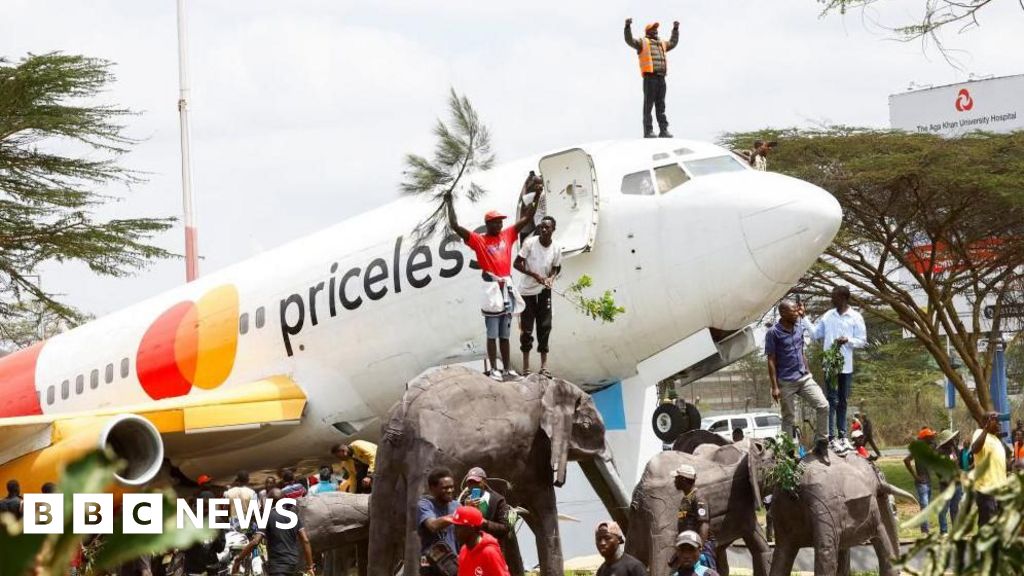
In a dramatic turn that has gripped Kenya and reverberated across the African continent, the nation is currently grappling with the loss of Raila Odinga, a towering figure in Kenyan politics. His death in India at age 80, following a cardiac arrest, marks not just the end of a political era but signals an imminent shift in the nation’s political landscape. Thousands of Kenyans gathered in mourning, breaching security at Jomo Kenyatta International Airport to receive his body—a clear indication of the deep emotional and political connection Odinga commanded. Authorities had to suspend operations at the airport amidst the chaos, illustrating how his influence transcended politics, resonating with the very fabric of Kenyan society.

This unprecedented turnout underscores Odinga’s role as a unifying yet contentious figure whose politics mirror the nation’s complex identity struggles. Recognized internationally, Kenyan officials and world leaders have poured out condolences, with Indian Prime Minister Narendra Modi hailing Odinga as a “towering statesman” and “a cherished friend of India.” Such sentiments highlight his diplomatic significance and the enduring bonds between Kenya and many nations, especially in a global environment increasingly marked by geopolitical competition and shifting alliances. Back in Kenya, President William Ruto—who now inherits Odinga’s political mantle—praised him as a “beacon of courage” and the “father of our democracy.” A seven-day mourning period and a state funeral with full military honors further cement Odinga’s legacy, setting the stage for his influence to continue shaping national policies and societal outlooks.

The circumstances surrounding Odinga’s death expose the delicate internal dynamic within Kenya. Despite his repeated presidential campaigns—losing five times—his persistent opposition work made him an icon of resilience, inspiring millions and challenging entrenched political structures. The decision to move his public viewing from Parliament to Nairobi’s Moi International Sports Centre responds to the extraordinary national outpouring, indicating his widespread impact. International analysts suggest that such a response reflects Kenya’s own internal tensions—balancing tradition with the revolutionary fervor of its youthful population—while demonstrating the power of a leader who, despite setbacks, remained a symbol of hope and resistance.

As global institutions monitor this moment, the geopolitics of Africa faces a major crossroads. Odinga’s death comes at a time when Russia and China are increasingly vying for influence across the continent, while the United States seeks to sustain its strategic partnerships. His political journey embodied the struggle of balancing domestic democratic aspirations with external geopolitical pressures, a challenge faced by many emerging nations in the 21st century. What Kenyan society chooses next could serve as a bellwether for regional stability and the future of democratic governance across Africa. As history’s pages turn, the weight of Odinga’s legacy presses heavily upon the nation. His life—marked by resilience, opposition, and unyielding dedication—becomes a chapter in the unfolding narrative of a continent on the cusp of transformation. The question now is whether Kenya will forge a new path inspired by his ideals or succumb to the turbulence that has long defined its political landscape, leaving the world to wonder: who will shape the next chapter of this historic story?

Diane Keaton’s Family Thanks Fans for Enduring Love and Support Following Actress’s Passing

In the landscape of American culture, few figures evoke the essence of timeless artistry and personal authenticity as profoundly as Diane Keaton. Her recent passing at age 79, caused by pneumonia, prompts us to reflect not only on the transient nature of life but on the enduring power of arts and culture as repositories of our collective memory and expressions of societal identity. Keaton’s career, spanning more than five decades, exemplifies how *film*, as a mirror of the human condition, sustains the threads of tradition and innovation that weave our social fabric. Her portrayal of characters grounded in sincerity and wit resonates deeply within the philosophical notion, —as Ortega y Gasset might suggest—— that culture is a ‘horizon’ shaping the pursuit of individual fulfillment.

Throughout her illustrious career, Keaton became a defining icon of a cultural ethos that prizes authenticity, wit, and an unapologetic approach to style—marked notably by her trademark turtlenecks, hats, and thick-rimmed glasses. Her role in Annie Hall, which earned her an Academy Award in 1978, is emblematic of her ability to encapsulate modern existential dilemmas within a comedic, yet profound, cinematic language. Her collaborations with auteurs like Woody Allen—stars in films like Manhattan, Love and Death, and Play It Again, Sam—embody an era where intellectual undercurrents and artistic experimentation redefined American culture. These works serve as living documents of the shifting values, where tradition meets modernity, echoing Tocqueville’s observations about the American penchant for reinvention rooted in cultural foundations.

As the Western world confronts rapid social change, the importance of cultural memory becomes even more evident. Keaton’s influence stretches beyond her performances; her style and wit have become symbols of a resilient tradition that values individual expression and societal continuity. The tributes from her peers—like Goldie Hawn describing her as leaving “a trail of fairy dust,” or Bette Midler calling her “brilliant and extraordinary”—highlight the cultural reverence for those who embody a kind of artistic patriotism. These reflections serve as reminders that cultural icons are not merely entertainers but are custodians of societal values, bearings upon which a community’s identity is constructed. To quote Chesterton, culture is the thoughts we think after we’ve thought them, reaffirming the role of such figures in maintaining the continuity of shared wisdom, humor, and style.

In the end, Keaton’s legacy reminds us that culture is neither a static relic nor a fleeting trend but a living monument—both memory and prophecy. Her films, her style, her wit form a tapestry woven with threads of tradition, innovation, and human aspiration. As we consider her passing, let us hear that whisper echoing through history: culture is humanity’s living memory, a prophecy of the future yet to be realized, a testament to our constant quest for meaning amid the shifting sands of time. In embracing the essence of Keaton’s spirit, we are invited to see our shared humanity anew—not merely as individuals passing through life but as custodians of a cultural legacy that endures, inspiring the generations yet to come.

US officials confirm Titan sub’s tragic implosion due to faulty engineering—youth concerns grow

OceanGate’s Titan submersible disaster has ignited a fierce debate across international corridors about the responsibilities of private firms venturing into deep-sea exploration. The implosion of Titan in June 2023, which resulted in the tragic loss of all five onboard—including OceanGate’s chief executive—has cast a stark spotlight on **faulty engineering practices** and **lukewarm regulatory oversight**. According to a recent report by the US National Transportation Safety Board (NTSB), the tragedy was not an unforeseen act of nature but a consequence of **”inadequate” engineering processes that failed to meet established safety standards**. Such findings underscore how, in the pursuit of adventure and profit, safety deficiencies are often brushed aside, with deadly consequences.“

At the core of this catastrophe lies a **daring yet dangerously flawed vision**—one where a private firm sought to capitalize on ultra-wealthy thrill-seekers paying up to $250,000 for a seat in an experimental deep-sea vessel. It was the company’s reckless disregard for adequate testing that set the stage for disaster. The NTSB’s report elucidates how OceanGate’s testing protocols were superficial at best, leaving critical structural weaknesses unaddressed and the vessel unfit to withstand the immense pressures of the North Atlantic’s depths. This failure to ensure safety not only endangered lives but highlighted a broader systemic issue—how the lack of stringent regulation allows profit-driven entities to gamble with human lives under the guise of exploration.

The **geopolitical impact** of this incident extends beyond the oceanic depths. It raises urgent questions about the regulation of commercial deep-sea operations—a sector increasingly driven by private enterprise and ambitious billionaires’ projects. Analysts warn that such failures threaten to erode public trust and could result in international calls for tighter oversight. International organizations and regional governments are watching closely—fearful of a domino effect that might embolden similar risky endeavors across other frontier zones such as space or uncharted territories. Furthermore, the incident underscores how the decision to prioritize profits over safety can undermine the diplomatic stature of nations hosting or regulating such activities. Several experts, including maritime safety authorities and historians of exploration, emphasize that this tragedy is a stark reminder of the perils of deregulating high-stakes ventures.

In the wake of the investigation, revelations of **internal culture and alleged corruption** at OceanGate have raised alarms about the nature of private sector involvement in hazardous exploration. The NTSB’s findings reveal that some internal employees voiced concerns over **”safety being ignored”** and even criticized the *business model*, which involved **accepting paying clients as “mission specialists,”** contrary to US safety regulations that prohibit transporting passengers in experimental vessels. Disturbingly, accounts describe how OceanGate’s leadership, including Stockton Rush, allegedly dismissed these warnings, with reports suggesting attempts to manipulate oversight through corrupt political influence—an issue that many analysts argue highlights the risks of privatized exploration operating outside the bounds of strict governance.

As history unfolds, it becomes clear that the maritime tragedy involving Titan is emblematic of a broader shift in how nations and societies negotiate the boundaries of exploration and commerce. While mankind’s quest for discovery is integral to progress, it must not be unchecked. The sinking of Titan, and the subsequent revelations, serve as a grim warning **that unchecked greed and lax regulation** can turn daring ambitions into existential dangers. In the face of this deadly lesson, international institutions and governments are increasingly called upon to assert control—integrating strict safety standards with accountability—to ensure that the wave of exploration does not drown mankind in its wake. As the oceans remain veiled in mystery, the danger now is that history’s ongoing struggle with tragic hubris may repeat itself, leaving future generations to ponder whether we learned enough from the depths’ darkest secrets.

Rising Stars Shine in Thrilling Championship Showdown

USMNT Emerges Victorious Against Australia: Key Takeaways

In a riveting encounter on the pitch, the U.S. Men’s National Team (USMNT) clinched a hard-fought 2-1 victory over Australia, highlighting their growing prowess on the international stage. This match not only showcased emerging talent but also illustrated the tactical acumen of Coach Gregg Berhalter. The game, filled with pivotal moments, left fans buzzing about the future of American soccer.

The first half kicked off with a burst of energy from the USMNT, who quickly asserted their dominance. A brilliant *cross from Christian Pulisic* found the head of Gio Reyna, resulting in an early goal that sent the crowd into a frenzy. Reyna’s precision header in the 12th minute set the tone for the match, showcasing the chemistry between the young stars of American soccer.

  • Goals: Gio Reyna (12′), Pulisic (65′), Australia’s response by Craig Goodwin (72′)
  • Key players: Christian Pulisic – 1 goal and 1 assist; Gio Reyna – 1 goal; Matt Turner – 4 saves
  • Coaching strategy: Berhalter’s adjustments in the second half paid off, managing player fatigue effectively.

As the match progressed, the Australians found their footing, with Goodwin scoring a well-anticipated equalizer in the 72nd minute. This moment of intensity was met with fierce defensive resilience from the USMNT, particularly from Walker Zimmerman, who shut down Australia’s attacking efforts in a critical stretch of the match. Commentators praised the US’s tactical discipline, which kept Australia from capitalizing further on their momentum.

As the final whistle blew, the USMNT had not only secured a win but also fortified its reputation as a contender on the world stage. This matchup exemplifies the excitement surrounding American soccer and the unity it brings to fans of all ages. As Coach Berhalter succinctly noted after the match, *“It’s about building a foundation for the future. Each game is a stepping stone.”* Moments like these transcend mere scores; they inspire a generation and remind us that sports, at its heart, serves as a unifying force that connects communities and fosters a national pride we can all rally behind.

Source link

From The Descendants to Gina: Guardian Australia Leads Walkley Nominations in Youth-Focused Awards

In an era marked by geopolitical upheavals and complex international conflicts, the significance of investigative journalism continues to grow—serving as a vital check against abuses of power and informing societies navigating turbulent shifts. Recently, Guardian Australia demonstrated its commitment to this critical pursuit by earning four nominations at the 70th annual Walkley Awards for excellence in journalism, highlighting a broader global trend where fearless reporting is increasingly essential. These nominations, particularly in categories exploring Indigenous affairs, prison conditions, and economic influence, underscore the vital role media plays in exposing uncomfortable truths that challenge official narratives and hold governments and corporations accountable.

Among the distinguished entries was The Descendants project, a multi-part series examining Australia’s dark history from both sides of its frontier, built on the foundations of their 2019 award-winning work The Killing Times. Led by Lorena Allam, a former Editor of Indigenous Affairs now a professor at UTS, the series used innovative data visuals and interactive storytelling to probe the deeply personal and often traumatic process of truth-telling. Such initiatives shine a spotlight on how historical injustices and contemporary policies intertwine, affecting both indigenous populations and national identity. Analysts at the Australian Strategic Policy Institute note that this form of journalism not only informs but also shapes national discourse—potentially steering policy reforms or sparking public dialogue on reconciliation.

Similarly, the series Fatal Inaction exposed a tragic pattern of neglect within Australia’s prison system, where 57 inmates have died by hanging in 19 facilities despite clear warnings and repeated recommendations for reforms stemming from the 1991 royal commission into Aboriginal deaths in custody. Crisis investigations led by Christopher Knaus and Ariel Bogle reveal that authorities knew about these hanging points yet failed to act, reflecting broader systemic failures. Such revelations come at a precarious time when global human rights organizations emphasize the importance of prison reform and accountability, with the United Nations warning that neglect and inaction in detention facilities often catalyze social unrest and undermine rule of law.

The reach of Guardian Australia’s investigative efforts extends even into realms of economic influence, illustrated by their nomination in the podcast category for Gina: Power, Privilege and Influence. The series, explored by senior journalist Sarah Martin, dissected the life and ambitions of Australia’s wealthiest individual, Gina Rinehart. Analytically, this narrative reveals the powerful role elite economic actors play within national and global markets, and how their influence might tilt policy decisions in favor of corporate interests over societal wellbeing. Echoing concerns expressed by international economists, such as those at the International Monetary Fund, these stories underscore how concentrated wealth can accelerate inequalities and destabilize democratic institutions if left unchecked.

As the global landscape continues to shift with the ongoing U.S.-China rivalry, Russia’s military endeavors, and regional conflicts in the Middle East and elsewhere, the impact of investigative journalism cannot be overstated. Historians like Timothy Snyder warn that without vigilant scrutiny, authoritarian tendencies may flourish under the guise of stability, eroding liberties and fostering societal divisions. International organizations such as the United Nations stress that the free press is the backbone of resilient democracies, especially in times of crisis. Guardian Australia’s recognition serves as a reminder that, even amid the chaos and uncertainty, the beacon of truth-telling remains a profound weapon—one capable of shaping history’s course, for better or worse. The coming months will reveal whether these journalistic standouts will inspire change, or if the forces opposing transparency will silence these stories—and thus, the truth—once again. Until then, the weight of history presses on, reminding us that the fight for accountability and justice is as urgent as ever, echoing through the corridors of power and into the consciousness of future generations.

Why 'Chronic' Lyme Disease Sparks Debate: What Society Needs to Know | Podcast
Why ‘Chronic’ Lyme Disease Sparks Debate: What Society Needs to Know | Podcast

Lyme Disease: A Growing Public Health Challenge Affecting Families and Communities

In recent years, the rising incidence of Lyme disease has shifted from isolated cases to a broader public health concern, with social and economic repercussions that ripple through families, schools, and communities. Despite increased awareness, the illness remains poorly understood and often misdiagnosed, as prominent figures from the entertainment industry have publicly shared their long struggles with its debilitating effects. From Bella Hadid to Justin Bieber, these stories have cast a spotlight on how Lyme disease can profoundly alter not just individual lives, but entire social fabric, revealing a glaring gap in our healthcare and educational systems.

The impact on families is especially grave when children and young adults are affected. As historians and social commentators warn, chronic illnesses such as Lyme disease can destabilize households, hinder educational attainment, and diminish future opportunities. Madeleine Finlay’s interviews with families dealing with the disease highlight a disturbing trend: many are trapped in a cycle of misdiagnosis, treatment delays, and emotional strain. Such difficulties underline the urgent need for

  • improved medical training
  • expanded research funding
  • greater community awareness

to ensure early detection and proper intervention, especially in school-aged children.

Experts like Prof. John Aucott, director of the Johns Hopkins Lyme Disease Research Center, emphasize that this insidious disease, often transmitted via tick bites, can cause long-term health consequences that ripple beyond the individual. These impacts {intersect} with educational environments, where children suffering from chronic symptoms face difficulty concentrating, missing school, and falling behind their peers. Such disruptions threaten the stability of local communities and jeopardize the future of the next generation. As social scientist Dr. Elizabeth Cohen articulates, the social fabric frays when health crises go unaddressed, exposing underlying inequalities where marginalized groups often lack access to resources and timely care.

Addressing this pressing social issue requires a multifaceted approach that goes beyond medical treatment. It demands a societal commitment to safeguarding the well-being of families and empowering communities. Proposed solutions include increasing funding for research and public health initiatives, fostering community-based awareness campaigns, and integrating comprehensive health education into school curricula. These steps are vital in overcoming the silent burden many families now carry, often in isolation and without the necessary support.

As society grapples with the consequences of emerging health threats, the narrative of Lyme disease underscores a profound moral challenge: the need to heal not only individual bodies but also the fractured social networks affected by this disease. Yet, amid these difficulties, there remains a flicker of hope– a collective opportunity to build resilience, foster understanding, and transform societal neglect into action. When we confront these challenges head-on, we begin to see that the true strength of a society lies in its capacity to uplift those burdened by invisible wounds, ensuring that no family faces their fight alone. Perhaps, in facing this silence and uncertainty, society will discover that hope and renewal are the most enduring remedies of all.

Social Media Auto Publish Powered By : XYZScripts.com