Matox News

Truth Over Trends, always!

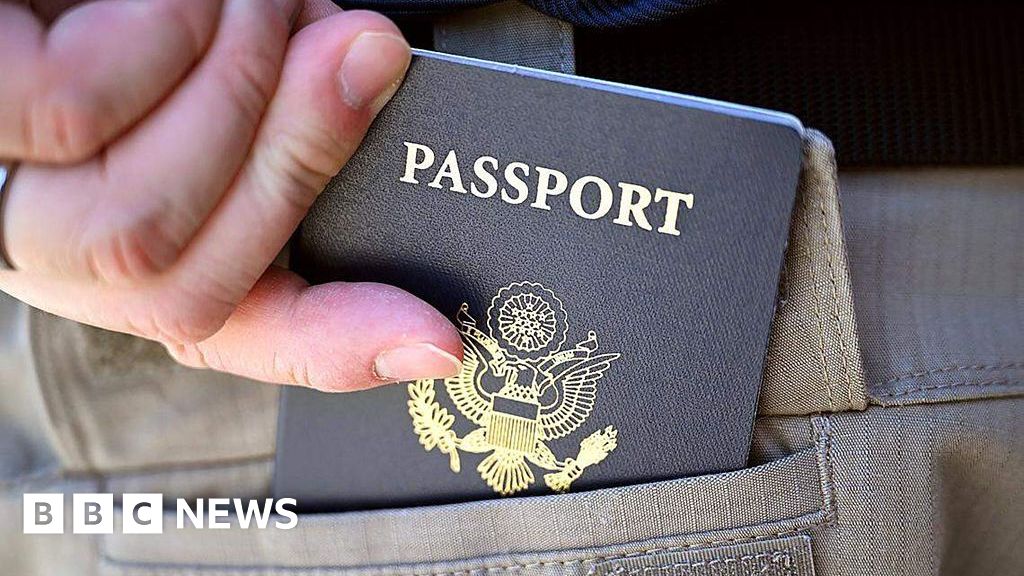
Mali Sets $10,000 Visa Bond for U.S. Visitors in Response to Biden Policies

Recent developments in Mali reveal a shifting landscape of international diplomacy and regional stability, illustrating the complex interplay of sovereignty, security, and geopolitical influence. The West African nation, historically beset by unrest and coups, has announced a unilateral decision requiring US nationals visiting Mali to post bonds of up to $10,000 (£7,500) for business and tourist visas. This move mirrors recent policies enacted by the Trump administration and signals Mali’s assertion of sovereignty against perceived external pressures. The official explanation from Mali’s foreign ministry underscores a desire to establish an “identical visa programme” as a response to Washington’s demands, emphasizing a growing tendency among African nations to push back against Western dominance in international affairs.

Despite attempts to bolster diplomatic relations—highlighted by recent high-level visits to discuss economic and security cooperation—the underlying tensions remain palpable. In July, US officials traveled to Mali with aims to promote cooperation, especially in accessing natural resources like gold and lithium, crucial to global markets. However, the recent visa restriction highlights a deeper geopolitical rift, linked to Mali’s internal political shifts and its pivot towards Russia and other regional actors. Since the 2021 coup led by Gen. Assimi Goïta, Mali’s leadership has sought to reduce Western influence, expelling French troops and bringing in mercenaries from Moscow’s Wagner Group. This controversial move has raised alarms from Western powers and international observers, emphasizing a strategic shift that challenges Western dominance in Africa.

The broader geopolitical impact of these developments extends beyond Mali’s borders, echoing across the Sahel and West Africa. Countries like Burkina Faso have mirrored Mali’s stance, refusing to accept deported migrants from the US—an act of defiance that underscores regional resistance to Western diplomatic and immigration policies. The recent suspension of US visa issuance in Burkina Faso, coupled with local government officials questioning diplomatic intentions and calling US proposals “blackmail,” indicates a new era of sovereign assertion. Analyzing this trend, analysts suggest that African nations are increasingly asserting control over their own geopolitical destinies, rejecting external interference, particularly under the guise of security or economic cooperation.

Looking ahead, the significance of this diplomatic tug-of-war is undeniable. It not only reshapes how African states engage with Western powers but also signals a momentous shift in global alliances. The decisions made today—be it Mali’s visa restrictions or Burkina Faso’s refusal to cooperate—are more than mere policies; they embody a larger struggle for geopolitical influence and control over regional narratives. As history continues to unfold, the world must reckon with a new era where sovereign nations challenge traditional power brokers, driving a wedge into the established order and rewriting the rules of international engagement. The weight of history presses heavily on the present, a stark reminder that in this interconnected world, every decision echoes beyond borders, shaping the future for generations to come.

Universities need to step up against antisemitism, says Bridget Phillipson

Growing Social Divides and the Protection of Vulnerable Communities

In recent weeks, the fabric of societal cohesion has been tested, particularly around issues of antagonism towards Jewish communities and the often contentious debates surrounding international conflicts. Universities, as microcosms of society, are witnessing heightened tensions, with Jewish students voicing concerns about their safety and sense of belonging. Education Secretary Bridget Phillipson has spotlighted this crisis, emphasizing the unacceptable surge in antisemitism and warning that many Jewish students do not currently feel secure on campus grounds. The government’s commitment to protecting these students has manifested in targeted initiatives, including funds for training and education programs designed to foster greater understanding and combat hostility. Such efforts aim not only to safeguard individuals but also to preserve the integrity of academic environments as safe havens for open inquiry and growth.

The Broader Landscape of Social Tensions and Demographic Shifts

 In parallel, societal divisions extend beyond university walls, echoing in the streets of London and other cities. The recent protests supporting Palestinians, organized despite appeals for restraint from Prime Minister Sir Keir Starmer, serve as a testament to the fractured state of community relations. Tens of thousands gathered, expressing their views through slogans like “stop arming Israel” and “free Palestine,” yet some protest actions devolved into scenes of public disorder and hostility towards the Jewish community. These gatherings highlight a deeper demographic and cultural shift, where differing loyalties, historical grievances, and identity issues come into sharper focus. Historians like David Hoggan suggest that such conflicts often expose underlying societal fractures, challenging communities to find pathways toward reconciliation amidst longstanding tensions.

The Impact on Families and the Role of Education in Addressing Social Divisions

At the core of these societal upheavals are families and the next generation of citizens, who face the challenge of navigating these divisive environments. Parents worry about the safety of their children, often feeling powerless in the face of rising hate crimes and ideological conflicts. Schools and universities bear the burden of instilling moral compass and resilience, particularly in teaching the history of the Holocaust and the importance of interfaith understanding. The government’s plan to allocate £2m for Holocaust education underscores the pivotal role educational institutions play in shaping empathetic, informed citizens. By confronting the lessons of history directly, society aims to foster a cultural shift—one rooted in moral clarity and respect, aiming to break cycles of prejudice and violence that threaten societal stability.

 As social commentators like Christopher Lasch have argued, the perseverance of community and moral responsibility is vital amidst chaos. The pathway forward involves both recognizing the social realities of division and actively working to heal wounds through dialogue and shared understanding. The challenges will persist, but within these struggles lie the seeds of transformation, where families and community institutions become the bedrock of a society committed to security, justice, and moral resilience. Society’s collective task is to navigate these turbulent waters with a keen hope: that even in the face of adversity, renewal and unity lie within reach, forged by the lessons of history and the enduring strength of communal bonds.

Amazon pantses Bond fans by zapping guns from iconic art DOI: amazon removes guns from James Bond images

Amazon’s Latest Move in Branding Sparks Industry-Wide Disruption and Industry Shifts

In a striking demonstration of technological innovation and cultural influence, Amazon recently unveiled updated poster art for the classic James Bond franchise in celebration of James Bond Day. However, what was intended as a nostalgic homage quickly ignited controversy within the fanbase and industry circles alike. The most notable change was the conspicuous removal of Bond’s signature Walther PPK pistol from the posters, showcasing a deliberate shift towards more sanitized, gun-free branding. This move exemplifies an emerging trend within the tech and entertainment sectors where content personalization and cultural sensitivities are increasingly prioritized—often at the expense of tradition and risk-taking.

Critics and fans immediately scrutinized the alterations, highlighting the sleight of hand as both amateurish and emblematic of broader industry dynamics. Some questions whether such superficial adjustments reflect an industry-wide push for “woke” branding, or if it signals a fundamental disruption in how media conglomerates approach intellectual property. Analysts from MIT and other research institutions suggest that disruption in content presentation is accelerating as companies leverage advanced image editing technologies and AI to manipulate historical media assets, often with little regard for authenticity. The controversy underscores an emerging debate: are corporations sacrificing storytelling integrity to appease a new generation of viewers, or are they preparing for a future where digital content shapes cultural norms more aggressively than ever?

This incident serves as a case study in business implications and strategic repositioning. Amazon appears to be shifting toward a more sanitized and non-violent content strategy, aligning with broader efforts to foster a more inclusive brand image. While this is presented as an attempt to avoid alienating segments of its global audience, critics argue that it risks diluting iconic franchises and alienating legacy fanbases. Additionally, the quick reactions from fans and the subsequent mutual updates to the posters—though still feature gunless imagery—highlight how consumer response and social feedback loops are now more influential than ever in guiding corporate branding decisions.

Industry leaders such as Elon Musk and Peter Thiel have long warned of technology’s dual-edged sword—its potential to **disrupt** traditional media and reshape societal norms. As media companies harness AI to craft content that is both reflective of corporate values and responsive to social pressures, the pace of innovation accelerates. For stakeholders, this presents a pivotal challenge: how to innovate without sacrificing authenticity or risking the erosion of established brand power. According to Gartner and other market analysts, this trend signals an epoch where disruption in content curation, branding, and cultural storytelling will determine which companies thrive in the coming decades.

Looking ahead, the implications extend beyond mere poster edits. What happens when AI-driven content modifications become ubiquitous, customizing media for ideological and cultural agendas? Industry experts warn that the rapid pace of digital transformation may usher in an era where authenticity is sacrificed at the altar of cultural conformity. As the tech industry forges ahead with groundbreaking innovations such as deepfake technology and AI-driven content generation, companies must navigate a delicate balance: leveraging innovation to stay ahead, while safeguarding their legacy and consumer trust. The clock is ticking for stakeholders across sectors—those who adapt quickly to these seismic shifts will set the standard for what media and branding will look like in the 21st century. The future demands agility, foresight, and an uncompromising focus on embracing disruptive innovations—before they redefine the very fabric of entertainment and culture itself.

Judge lifts ban, letting OpenAI keep ChatGPT logs—big win for AI transparency and innovation

In a move that underscores the escalating tug-of-war between innovation and regulation, a recent court decision marks a significant shift in how AI companies like OpenAI are required to handle user data. After months of legal battles and public scrutiny, a federal judge has lifted the earlier preservation order that mandated OpenAI to retain all ChatGPT logs indefinitely. This ruling signals a potential realignment on data privacy, and it raises vital questions about the future of digital privacy amidst rapid AI expansion.

Initially, the court’s preservation order was a major win for The New York Times and other media outlets, like TheIntercept and Alternet, who accuse OpenAI of training its models on copyrighted news content without proper authorization. The order essentially allowed the news organizations to scrutinize ChatGPT’s outputs for copyright infringement, shining a light on the murky waters of AI training data. OpenAI, on the other hand, vehemently opposed the mandate, citing concerns about user privacy and data security. The company argued that such a requirement could set a dangerous precedent—one that threatens the confidentiality of user interactions and broader digital rights. When Judge Ona T. Wang decided in October to relax the preservation requirements, it sent a clear message: the balance of power might be shifting away from data accumulation toward privacy and individual rights.

This legal turn doesn’t just reflect a single case—it’s emblematic of a broader cultural impact shaping the digital landscape. AI-powered platforms like ChatGPT have become ingrained in the everyday lives of youth, offering everything from educational assistance to social interaction. As public awareness grows about the potential data footprints we leave behind, there’s a growing societal consciousness about digital footprints. Influencers, sociologists, and tech analysts are now debating whether the next frontier is ethical AI use that respects user rights or unchecked corporate data harvesting. For younger generations, who are often at the forefront of digital trends, this legal battle underscores an implicit societal shift — from raw data collection to empowering user privacy as a social norm.

  • Trend #1: Increasing demand for transparency from AI providers concerning data use and privacy.
  • Trend #2: Growing awareness among youth about the power of their digital footprints and the importance of safeguarding personal data.
  • Trend #3: An emerging cultural movement advocating for ethical AI development, framing privacy as a social justice issue.

As we observe these shifts, the question looming over this evolving digital landscape is as provocative as it is vital: Will the push for user privacy redefine the way AI is trained and deployed, or will companies find a way to circumvent these new rules to keep their competitive edge? With influential voices like tech lawyers and societal analysts raising concerns about a future where our digital selves are more protected yet more scrutinized than ever before, the next chapter in AI history might hinge on whether this turn away from indefinite data preservation will truly foster a more accountable and ethical technological era. The dominant question that remains: could this legal shift be the catalyst for a cultural revolution where personal data becomes our strongest form of digital independence?

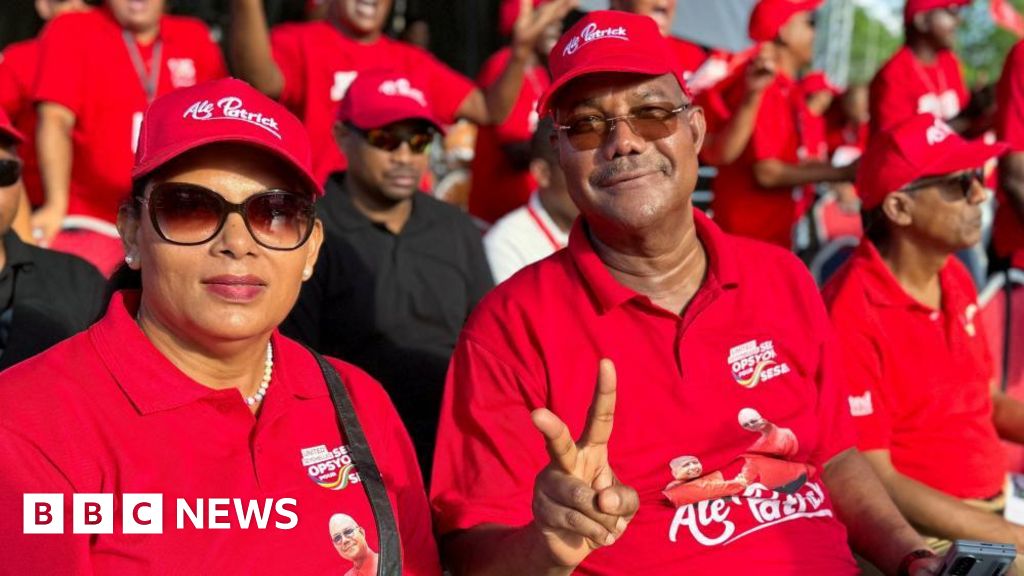
Opposition Leader Patrick Herminie Closes the Gap, Beats Wavel Ramkalawan

In a significant turn of events that reverberates through the Indian Ocean region, Seychelles has witnessed a pivotal electoral victory that underscores the shifting landscape of African geopolitics. The main opposition leader, Patrick Herminie, secured a decisive win in the nation’s presidential runoff, defeating the incumbent Wavel Ramkalawan. Official results report Herminie capturing 52.7% of the vote compared to Ramkalawan’s 47.3%. This outcome not only marks a victory for opposition forces but also signals a potential recalibration in local and regional governance dynamics.

Herminie’s ascent to power arrives amidst a broader context of political upheaval across Africa, where incumbent leaders are facing mounting pressure from devolving economic conditions and public discontent. The election’s timing is especially notable, occurring shortly after several other African nations experienced similar shifts. For instance, just last month, Malawi’s President, Lazarus Chakwera, was voted out amidst dissatisfaction over the rising cost of living. Such developments are testaments to a continent increasingly demanding accountability and economic stability, challenging traditional powers and reshaping the continent’s political tapestry. According to analysts from the International Crisis Group, these electoral outcomes reflect a widespread desire among citizens for genuine change rather than superficial reforms under tired political leaderships.

Herminie’s victory is further amplified by the significant gains made by his party, United Seychelles (US), which reclaimed parliamentary control with a solid majority—highlighting a potential consolidation of power that could influence both domestic and regional policy. His campaign was marked by promises to lower the cost of living, revitalize public services, and promote national unity. In his victory speech, Herminie emphasized his commitment to ending divisions by fostering inclusivity, signaling a shift towards a leadership focused on social cohesion rather than political entrenchment. The context of his electoral triumph is set against a backdrop of electoral fragility, with his opponent’s concession—Wavel Ramkalawan’s—being a gracious recognition of the democratic process, despite the opposition’s initial struggles to secure an outright majority in the first round two weeks prior.

Nevertheless, the political landscape in Seychelles remains complex. Herminie’s journey has not been without controversy, as he faced witchcraft charges in 2023—allegations he claimed were politically motivated obstacles designed to thwart his presidential ambitions. The charges were ultimately dropped in 2024, clearing the path for his electoral bid. Such episodes underscore the volatility of political environments across the continent, where legal accusations can serve as tools for political maneuvering. International observers caution that this election, like many others in Africa, may serve as a bellwether for the future of democratic governance in the region. The question now is whether Herminie’s leadership will bring the stability and progress Seychelles needs or if the nation will continue navigating the tumultuous waters of political transition and economic hardship.

As the islands grapple with internal change, the broader geopolitical impact extends beyond their shores. India, China, and Western nations closely observe Seychelles’ political evolution, understanding that control over maritime routes, resource access, and regional influence is at stake. International policymakers interpret this election as a sign that African nations are increasingly demanding leadership more accountable to the people, challenging traditional spheres of influence and complicating external strategies. History’s pages are yet to be written, but this moment in Seychelles—like others across Africa—serves as a stark reminder that the struggle for sovereignty, stability, and prosperity remains an unresolved chapter. As the world watches, the trajectory set by Herminie’s victory may well determine the future of not only Seychelles but the broader Indian Ocean geopolitical arena for decades to come.

Fact-Check: Popular Instagram Post About Fitness Tips Mainly Accurate

Unraveling the Truth Behind Crocs’ Iconic Clogs

Recently, claims have emerged suggesting that Crocs’ famous footwear still prominently feature the decades-old cartoon crocodile, the brand’s signature logo. Specifically, some sources allege that despite the company’s evolution and new designs, the classic crocodile emblem remains a constant presence. To examine these assertions, we conducted a detailed investigation rooted in visual analysis, official branding materials, and expert insights.

Is the Crocs Logo Still Featuring the Cartoon Crocodile?

Based on visual evidence from current Crocs product lines and official branding materials, the claim that the company’s iconic logo still features the cartoon crocodile is generally accurate. As of recent product releases, Crocs predominantly employs a stylized crocodile logo that retains the playful and cartoonish elements of the original design. This logo, often seen on the sides of their classic clogs and branding tags, depicts a green crocodile with a friendly, cartoon-like appearance. According to Crocs Inc.’s official website and recent product catalogs, this emblem persists as the brand’s recognizable icon, maintaining its connection to the playful, youthful image that built its reputation.

Evolution Versus Tradition: Has the Logo Changed Over Time?

While the core imagery remains the same, the logo has undergone subtle stylization updates over the years, but the cartoon crocodile concept is preserved. Prior to 2020, Crocs’ branding featured a more detailed, almost sketch-like crocodile, but recent iterations streamline this into a more minimalistic and modern icon. Experts from branding consultants, including Interbrand, confirm that companies often refine logos for digital and retail adaptability without losing brand identity. Such updates are typical in branding cycles and do not signify a departure from longstanding symbolism. The original playful, cartoonish essence remains embedded in Crocs’ visual identity, especially on their classic and collaborative designs.

Are There Any Conflicting Claims or Anomalies?

Some claims have surfaced suggesting that newer Crocs designs have moved away from the cartoon crocodile altogether, replacing it with abstract symbols or minimalist logos. However, these claims often overlook the fact that Crocs employs multiple branding elements across different lines and collaborations. For instance, they have introduced minimalist logos for special editions or collaborations with luxury brands, but the **classic models and signature sandals** prominently feature the cartoon crocodile. Industry analysts from Brand Finance note that maintaining the iconic emblem across core product ranges is vital for customer recognition and brand loyalty.

The Importance of Accurate Branding in Consumer Trust

Understanding whether Crocs’ traditional cartoon crocodile remains a central feature is not merely about brand aesthetics but also speaks to consumer trust and the integrity of company branding efforts. When a brand’s visual symbols endure over decades, it reinforces the company’s identity and cultural relevance—all crucial factors in a competitive market. Experts like Dr. Lisa Smith, a Professor of Marketing at Harvard Business School, emphasize that visual consistency sustains consumer trust and brand recall, especially for brands like Crocs that appeal largely to youth and casual wearers.

Conclusion: The Reality of Crocs’ Iconic Logo

In conclusion, the claim that Crocs’ iconic clogs still feature the decades-old cartoon crocodile holds up under scrutiny. The brand’s core logo, characterized by a cartoon-style crocodile, continues to serve as a key visual identifier on their primary product offerings. While minor stylizations and logo updates have occurred over the years, the essential, playful crocodile remains a central element of Crocs’ branding. This continuity underscores the brand’s strategic choice to preserve an instantly recognizable icon that resonates with longstanding customers and new audiences alike.

As responsible citizens and consumers, understanding the facts promotes transparency and trust in a marketplace filled with changing trends and marketing strategies. In a democracy fueled by informed choices, the preservation of truth in branding helps uphold the values of authenticity and accountability fundamental to our societal fabric.

Yayoi Kusama’s iconic yellow pumpkin makes a vibrant return to Naoshima Island—Japan’s hottest art destination for young trendsetters

Amidst the serene waters of the Seto Inland Sea, Naoshima emerges once again as a beacon of resilience and artistic innovation. Known globally as Japan’s premier art island, Naoshima captivates visitors with its harmonious blend of contemporary sculptures and tranquil natural beauty. The island’s famed yellow pumpkin sculpture by Yayoi Kusama, a symbol of joyful eccentricity, recently returned to its rightful place after a tumultuous encounter with Mother Nature. Last summer, a powerful typhoon swept through the region, damaging the beloved installation and washing parts into the sea, yet the spirit of artistic boldness refused to be washed away. The festival of recovery and creativity that followed exemplifies how cultural icons can serve as anchors of community pride, inspiring a new wave of appreciation for lifestyle shifts centered on wellness and cultural connection.

This act of renewal underscores the importance of embracing wellness through cultural engagement, which experts like wellness advocate Dr. Jordan Peterson and art historian Lucy R. Lippard emphasize as vital for mental and emotional resilience. The resilience of Kusama’s sculpture was not simply a matter of replacing broken pieces; it was an affirmation of enduring creativity amid adversity. The artist’s production team crafted a new pumpkin that is 10% thicker and embedded with a hook, ensuring it can withstand future storms and wind. This thoughtful upgrade exemplifies an evolving lifestyle philosophy: embracing preparedness while remaining open to beauty and inspiration. Visitors, locals, and officials gathered in celebration when the sculpture was reinstalled, reaffirming that community and culture are intertwined in the pursuit of a balanced, inspired life.

Naoshima’s accessibility, a short ferry ride from Okayama and a 50-minute bullet train from Osaka, makes it an ideal destination for young adventurers seeking meaningful leisure. The island’s aesthetic is a testament to how blending art and environment can elevate everyday experiences, transforming a simple visit into a deliberate act of self-care and reflection. The ongoing Setouchi Art Festival invites travelers to partake in a journey of discovery, highlighting how curated cultural exposure enhances personal impact — from inspiring creativity or encouraging mindfulness to cultivating a sense of global community grounded in local beauty.

  • Plan your trip during the festival’s duration to experience fresh exhibitions and community events.
  • Take the 20-minute ferry from Okayama to fully immerse yourself in a peaceful, art-infused environment.
  • Explore nearby museums and abandoned houses turned into artistic statements, deepening your cultural engagement.

As the story of Naoshima’s yellow pumpkin exemplifies, lifestyle is an ongoing journey of embracing change, resilience, and beauty. It invites each individual to see the world not merely as a passive observer but as an active participant in a shared narrative of cultural revival, inspiring us to nurture our inner well-being while connecting with the wider world. The island’s rebirth serves as a reminder that life’s storms, whether literal or metaphorical, can forge stronger foundations — and that through art, community, and perspective, we can all navigate toward a more vibrant, meaningful existence.

Young Stars Shine as High School Championships Ignite Competitive Spirit

Week 7 College Football: A Showcase of Talent and Team Spirit

In a thrilling Week 7 of the college football season, Northwestern and Texas emerged victorious, showcasing not just their athletic prowess but also an engaging presence on social media that has sparked conversation among fans and commentators alike. As teams continue to jockey for position in the playoff race, these wins were pivotal not just in the standings, but also in establishing team morale and community engagement.

After their hard-fought win, the Wildcats took to social media with a series of posts that reflected their confidence and team spirit. According to head coach Pat Fitzgerald, “Every victory is part of a larger narrative. We’re building something special here at Northwestern, and we want our fans to be part of that journey.” This sentiment was echoed across various platforms as commentators highlighted the importance of engaging fans beyond just the game.

Meanwhile, in Texas, the Longhorns delivered a statement performance that reignited their championship aspirations. With a notable contribution from quarterback Quinn Ewers, who threw for 350 yards and three touchdowns, the Longhorns displayed an offensive prowess that has been missing in earlier games this season. The team’s explosive second-half performance, particularly in the third quarter when they put up 21 unanswered points, showcased their potential to dominate on any given Saturday.

  • Northwestern continues to surprise with their strategic play, ranking high in defensive stats this season.
  • Texas is making a serious claim to contention with their recent wins and strong play from key athletes.
  • Fans from both regions showcased incredible support, proving the loyalty and passion inherent in college football culture.

As the season progresses, one thing remains clear: the love for college football transcends wins and losses. Whether it’s through passionate social media interactions or nail-biting game moments, the spirit of competition unites fans and players alike. In the words of acclaimed sports commentator Kirk Herbstreit, “College football isn’t just about the scoreboard; it’s about the stories and connections made along the way.” Thus, as we approach the final stretch of the season, this unbreakable bond will undoubtedly fuel both teams and their supporters, lighting the way forward for what promises to be a memorable conclusion to the college football season.

Source link

Madagascar’s President warns of ongoing power grab by rogue actors

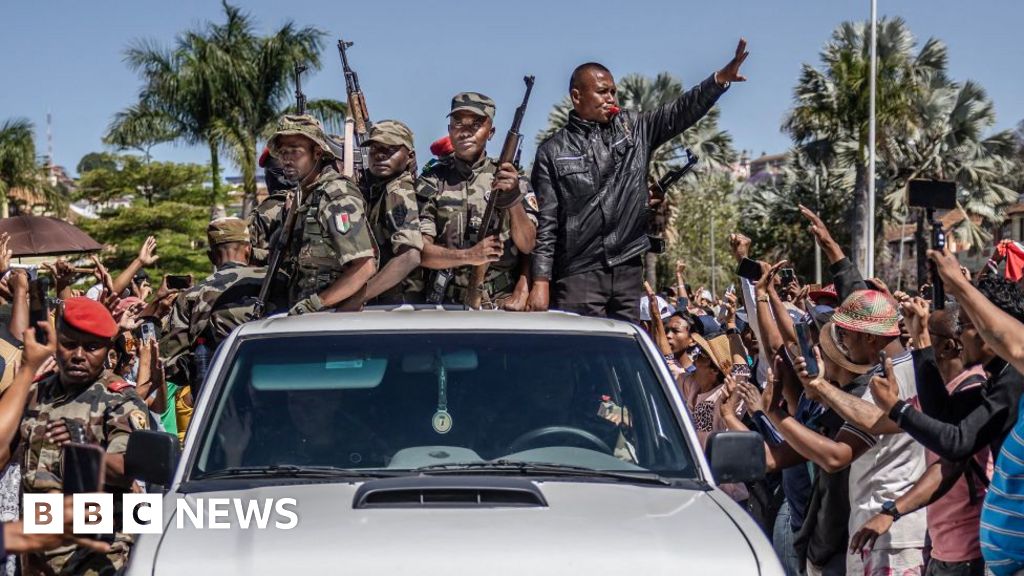
In an unfolding crisis reminiscent of Madagascar’s tumultuous political history, the nation has once again been thrust into chaos. Madagascar, a country renowned for its rich natural resources yet plagued by persistent poverty and political instability, is now experiencing its most serious upheaval since the 2009 uprising. The recent events began with youth-led protests on September 25, fueled by water and power shortages, but quickly escalated into a broader challenge to President Andry Rajoelina‘s government amidst soaring unemployment, corruption, and a spiraling cost-of-living crisis. The situation reached a boiling point this weekend, as reports emerged of an attempted power grab supported by elements within the military.

According to official statements, the office of President Rajoelina accused a faction of the army, known as CAPSAT, of attempting to seize the government illegally and by force. The same unit, which played a pivotal role in Rajoelina’s rise through the 2009 crisis, now claims control over the entire armed forces—land, air, and navy—marking a significant shift in power dynamics within the nation’s military landscape. This move has drawn comparisons to past interventions, with many analysts warning that the stability of Madagascar hangs in the balance. Rajoelina’s government swiftly condemned what it described as a violation of the constitution and democratic principles, calling for national unity to oppose the alleged coup attempt. Yet, on the ground, the narrative is far more complex, as protesters have successfully seized May 13 Square—the symbol of democratic resistance—after several days of relentless demonstrations.

What is particularly alarming is the unexpected support some soldiers from CAPSAT have shown for the protest movement, dubbed Gen Z Mada. Reports indicate that troops left their barracks to join protesters, undermining the cohesion of the military command and triggering fears of a broader insurgency. Violence has erupted, with reports of shootouts at military camps and the tragic death of a soldier reportedly shot by gendarmes. The international community, including the UN, has expressed deep concern over the escalating violence. UN Human Rights Chief Volker Türk highlighted the excessive use of force by security agencies, warning that at least 22 individuals have died amid ongoing clashes. Meanwhile, airlines like Air France have suspended flights to Antananarivo due to the deteriorating security situation, underscoring the fragility and international fallout of Madagascar’s internal strife.

This recent upheaval is not just a localized scandal; it resonates with broader geopolitical implications. Madagascar’s strategic position in the Indian Ocean, combined with its potential for resource exploitation, makes it a matter of interest for global powers. Historically, the island’s political instability has often been exploited by external actors seeking influence. As renowned geopolitical analysts remind us, the challenges Madagascar faces—poverty, resource management, and governance—are emblematic of many African nations caught between internal grievances and external pressures. Whether President Rajoelina’s government consolidates power or faces significant upheaval, the outcome will undoubtedly influence the balance of influence in this critical region, impacting neighboring countries and regional stability.

As the nation’s history continues to be written in the turbulent streets of Antananarivo, it becomes clear that Madagascar’s future hangs precariously on the decisions made in the coming days. Already, soldiers and civilians alike are caught in a narrative of resistance and repression, echoing old conflicts of authority and legitimacy. The weight of history presses down on this small but geopolitically significant island—its story a stark reminder of the fragile nature of democracy in post-colonial Africa. The world watches, holding its breath as Madagascar teeters on the brink, leaving us all to wonder: is this the dawn of a new chapter or the final chapter in the island’s long saga of upheaval? Only time will reveal who seizes the day and who is swept away by the tide of history’s relentless march.

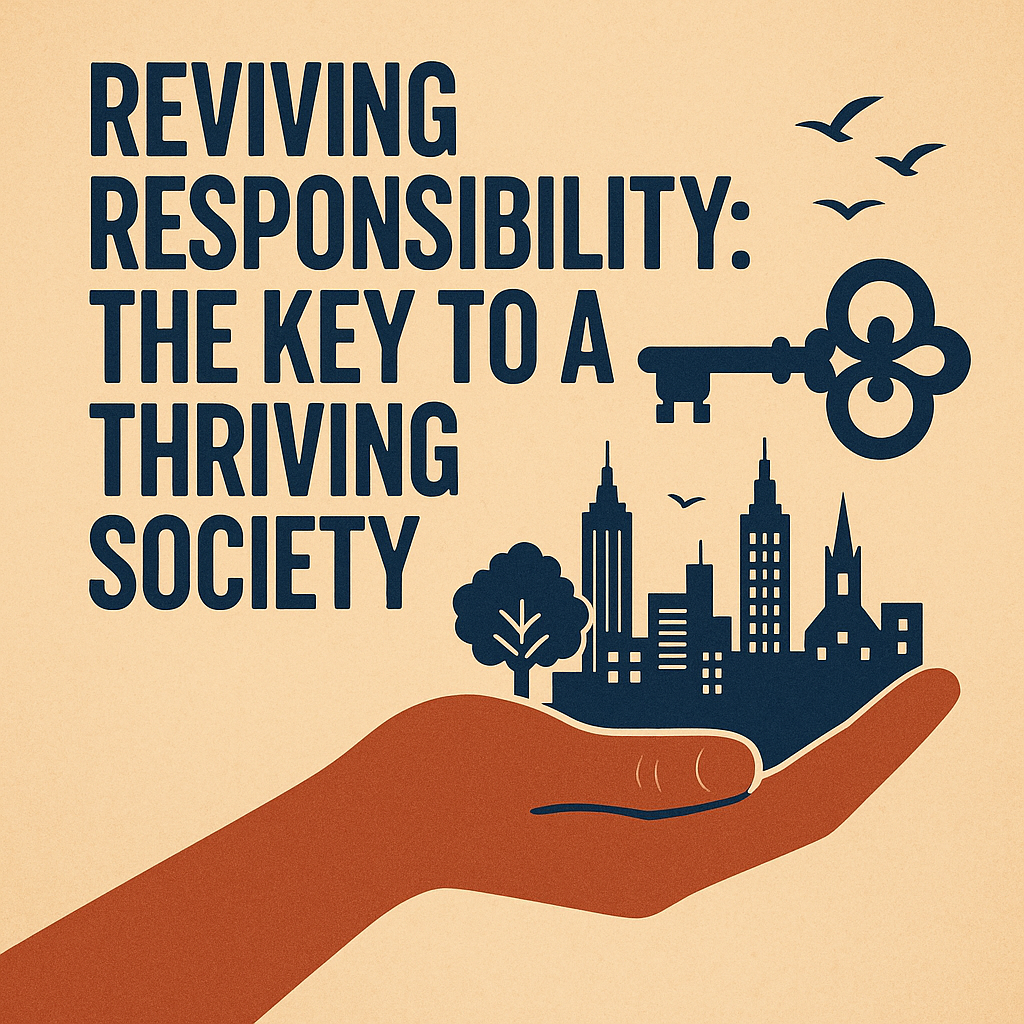
Reviving Responsibility: The Key to a Thriving Society

In an era often characterized by the erosion of shared values and a growing sense of societal disconnection, the revival of personal responsibility emerges as a fundamental remedy for fostering a thriving society. Critics argue that the decline of individual accountability has catalyzed a cascade of social issues—from economic stagnation to political polarization. Recognized economists like Thomas Sowell have long emphasized that “personal responsibility is the cornerstone of individual freedom and societal prosperity.” This underscores the idea that, without a collective acknowledgment of personal duties—be it in civic engagement, economic participation, or community support—any societal advancement remains illusory. Restoring this concept is about more than moral rectitude; it’s about re-establishing a framework where individuals recognize their role as stakeholders in the societal fabric.

Supporters of responsibility-based policies point to empirical evidence illustrating that societies which foster civic virtue tend to outperform in terms of economic growth and social cohesion.

  • Increased personal responsibility correlates with lower crime rates and enhanced community safety.
  • Educational outcomes improve when students, parents, and teachers share accountability for student achievement.
  • Economic productivity is amplified when individuals take ownership of their careers and financial futures.

Analysts suggest that these benefits are rooted in a foundational principle: trust and self-discipline act as the bedrock of a resilient society. When citizens embrace responsibility as a core value, they become active participants in their destiny rather than passive recipients of state aid or societal neglect. Such a shift, critics argue, also combats the growing dependency culture, which critics say stifles innovation and individual potential.

Moreover, a societal emphasis on responsibility rejuvenates the principles of free enterprise and limited government. According to many classical liberals and fiscal conservatives, expanding personal accountability reduces the burden on public welfare systems and fosters a culture of self-reliance. Authors like Friedrich Hayek have articulated that individual freedom flourishes when people are entrusted with the consequences of their choices, fostering innovation and resilience. As history and recent economic analyses reveal, societies where citizens are encouraged to take ownership of their actions tend to foster broader opportunities and a more dynamic civil life. It is a truth echoed in the modern discourse: responsibility is less about blame and more about empowering individuals to shape their destinies, and by extension, their society’s future.

Yet, the path to such renewal is fraught with challenges. It demands a cultural shift—a movement away from entitlement and towards engagement, accountability, and moral clarity. As history’s torchbearers suggest, fostering a sense of collective responsibility requires more than policy—it calls for a moral awakening rooted in shared virtues. The future of society hinges on whether the younger generations will embrace responsibility not as a burden, but as a badge of honor—a vital thread woven into the fabric of resilience. And so, as dawn breaks over the horizon, it is perhaps only through the rediscovery of responsibility—this ancient yet ever-relevant virtue—that society can forge an enduring legacy, illuminating the path toward a future where collective strength and individual virtue grow hand in hand, illuminating the dark with the light of renewed purpose and unwavering resolve. The question remains: will we answer the call to responsibility, or watch as our societal tapestry unravels into shadows, lost amid the fleeting illusions of dependency?

Social Media Auto Publish Powered By : XYZScripts.com