Matox News

Truth Over Trends, always!

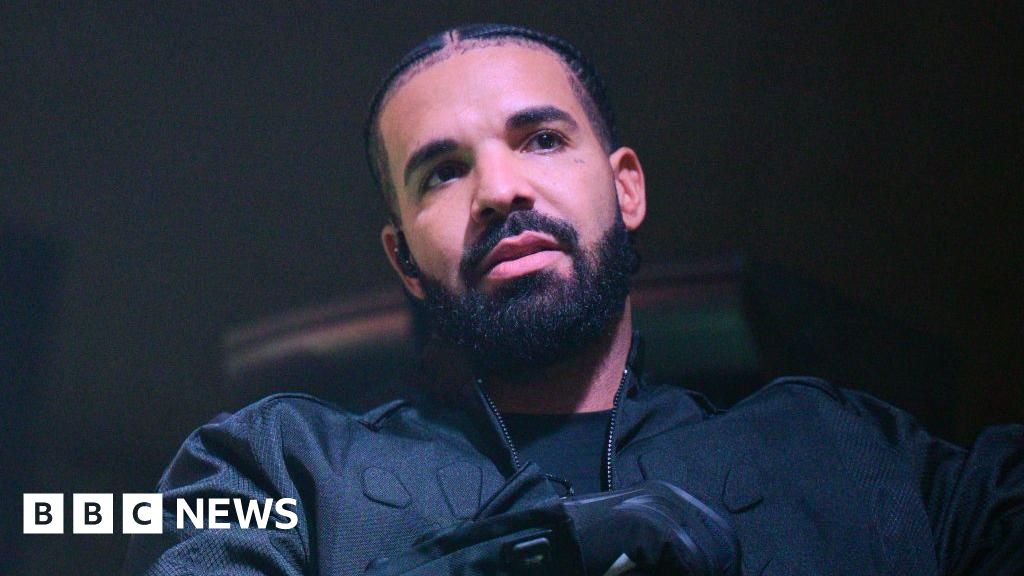
Drake’s Lawsuit Challenging Kendrick Lamar Diss Track ‘Not Like Us’ Officially Dismissed

In the ongoing saga of modern rap, the recent legal battle between Drake and Kendrick Lamar underscores a broader cultural pivot that is noteworthy for anyone who values the strength of tradition, the integrity of artistic expression, and the societal importance of cultural memory. The dispute, which culminated in a decisive judge’s ruling dismissing Drake’s defamation lawsuit against Universal Music Group over Lamar’s provocative track Not Like Us, exemplifies how contemporary artists are navigating the treacherous waters of free speech, fame, and societal expectation. It isn’t merely a personal squabble; it is a reflection of a deeper, ideological contest about what constitutes truth, honor, and the moral fabric of society—topics that thinkers like Ortega y Gasset would suggest are at the core of how culture sustains the collective identity.

“The artists’ seven-track rap battle was a ‘war of words’ that was a ‘most infamous in the genre’s history,’”

the judge noted, illustrating the intense scrutiny and media frenzy surrounding the feud. This courtroom verdict hinges on the fundamental distinction between *opinion* and *fact*, a topic that philosophers and legal theorists like Tocqueville have long explored. The judge deemed Lamar’s lyrics, even if incendiary and offensive, as *nonactionable opinion*, emphasizing that in the realm of cultural expression, hyperbole, metaphor, and rhetoric often serve as the mediums through which artists explore societal truths rather than literal accusations. Lamar’s Not Like Us not only became the most-talked-about moment of his Super Bowl halftime show but also symbolized a cultural landmark, reminding us how art functions both as *memory* and *prophecy* — tools to preserve the past and challenge the future simultaneously.

The case also highlights the dangerous trend of institutional overreach into artistic discourse—an affront to artists, as UMG’s spokesperson articulated—placing full reliance on the courts to police creative language. The claim that Lamar’s lyrics perpetuated false allegations about Drake, without recognizing the altamente stylized nature of rap, reveals a misunderstanding of music’s purpose as a form of symbolic rebellion. It echoes Chesterton’s assertion that true liberty in art is rooted in the poetic license that allows creators to speak powerfully, if provocatively, in the service of societal reflection. Lamar’s lyrics, laden with hyperbole and incendiary epithets, serve as a cultural mirror—a reflection of a social landscape saturated with scandal, hyperbole, and the mythos that undergird the rap genre’s identity.

As we examine this controversy through a cultural lens, it becomes clear that the battle extends beyond the courtroom into the very heart of what society values. It challenges the public to reconsider the role of truth in art—whether it is to be measured by accuracy or by its capacity to provoke thought. Lamar’s performance at the Super Bowl and the lyrical warscape it encapsulated are emblematic of the enduring power of artistic tradition, which must be protected to preserve the societal fabric against the encroachments of censorship. Ultimately, culture—like memory—serves as a repository of human strength, resilience, and hope, threading the past with visions of the future. It whispers a timeless truth: that humanity’s most profound acts of creation are both echoes of what was and visions of what might yet come, urging us forward into a future where the soul remains unbowed by the hand of repression, ever vibrant in its pursuit of meaning and harmony.
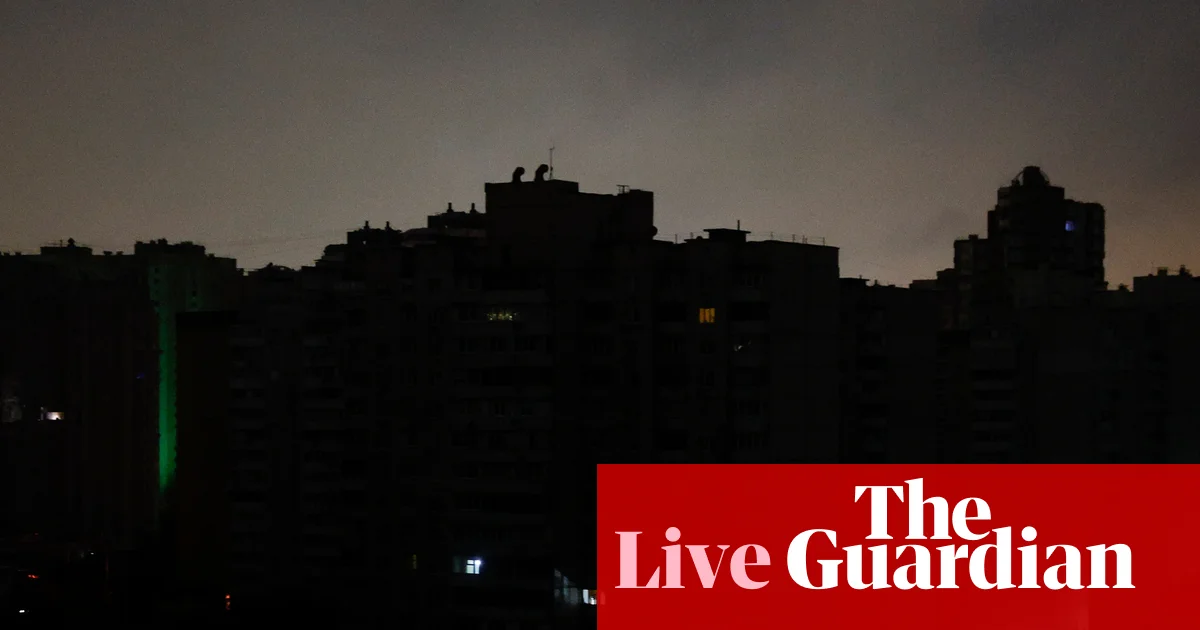
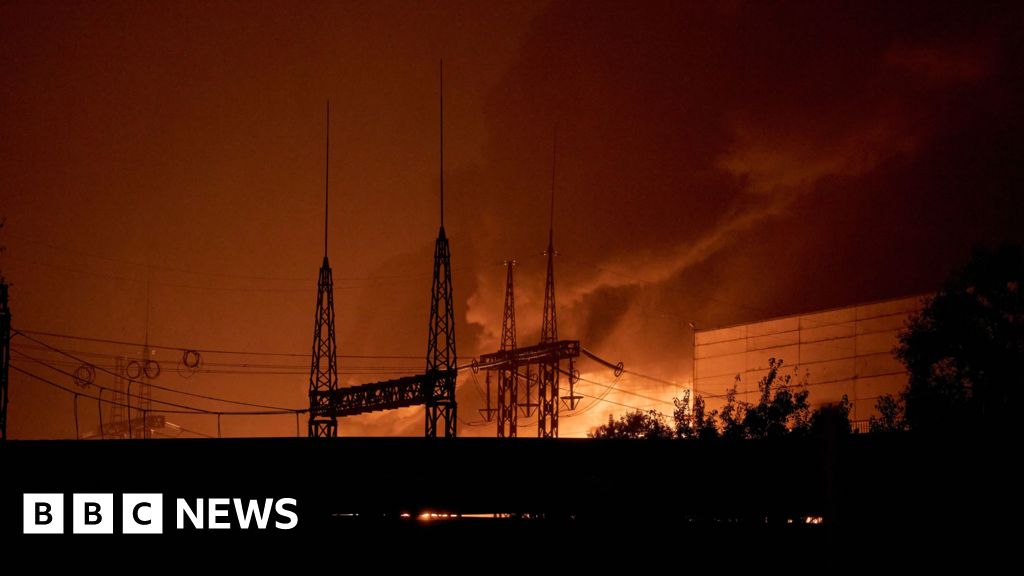
Kyiv hit hard by Russia’s large-scale strike on Ukraine’s energy grid—Europe watches as power is cut back

Global Power Dynamics in Chaos: Russia’s Assault on Ukraine and Europe’s Political Turmoil

In a stark demonstration of geopolitical instability, the recent escalation of attacks against Ukraine by Russia has plunged Kyiv into darkness and chaos, compelling the international community to reassess the delicate balance of power. Early Friday morning, Kyiv was hit by what the Ukrainian Air Force called a “massive attack,” involving over 450 drones and 30 missiles, targeting critical infrastructure and energy supplies across the country. These relentless assaults resulted in power outages in nine regions and ignited fires in residential buildings, including a high-rise in Kyiv, exemplifying Russia’s strategic effort to weaken Ukraine’s resilience amidst ongoing conflict.

The Ukrainian President Volodymyr Zelenskyy condemned the attack as a blatant act of aggression aimed at undermining Ukraine’s sovereignty and destabilizing its fragile infrastructure. The attack’s scale, which included ballistic missiles and strike drones, marks a significant escalation in Moscow’s campaign to cripple Ukraine’s energy grid, which the energy minister Svitlana Grynchuk described as “a massive strike.” This attack not only disrupts daily life but also signals Russia’s intent on prolonging the conflict, further testing Kyiv’s capacity for resilience and its allies’ support. Analysts from the International Atomic Energy Agency (IAEA) have indicated efforts are underway to restore power to the Zaporizhzhia nuclear plant, which has been isolated from external power sources for over two weeks—highlighting the dangerous brinkmanship and the persisting threat of nuclear instability in the region.

How These Decisions Shaped a War’s Turning Point

  • Russia’s deployment of hundreds of strike drones and missiles explicitly aims at crippling Ukraine’s infrastructure, forcing widespread blackouts and mounting civilian casualties.
  • Kyiv desperately seeks international support, especially advanced air defense systems, to counter such relentless aerial assaults, emphasizing the international stakes of Ukraine’s sovereignty.
  • Within Russia, Kremlin strategists, historians, and military analysts debate the limits of this new escalation, as Moscow’s rhetoric remains unwaveringly aggressive, signaling the possible extension of hostilities into broader European territory.
  • The international community, led by voices such as NATO officials and United Nations representatives, warn that these acts could push the region toward a new Cold War era, with global repercussions and strained alliances.

Amid the chaos, Europe faces internal contractions among its political fabric. French President Emmanuel Macron convened an emergency meeting of mainstream political parties to navigate a crisis rooted in fragile governance, as the country grapples with persistently low growth and a fractured parliament. Meanwhile, in Belgium, authorities uncovered a plot to ignite drone-mounted explosives targeting politicians, including the Prime Minister, reflecting the growing shadow of radical extremism in the continent’s security landscape. These security risks, coupled with Europe’s increased defense investments—most notably Sweden’s billion-crown plan to expand anti-drone systems—highlight a continent awakening to new aerial threats with Eurasian powers as central players.

New Alliances and Shifting Borders: A Clash of Empires

Meanwhile, on the international stage, US President Donald Trump has reignited long-standing tensions by suggesting that NATO should consider expelling Spain over its lagging military expenditures in the face of the European security crisis. Trump’s demands underscore an ongoing push for European nations to shoulder more responsibility, aligning with a broader, more confrontational American stance on European defense matters. Conversely, NATO nations are contemplating the rising threat of aerial violations; Sweden’s €367 million investment in anti-drone technology exemplifies a continent-wide recognition of hybrid warfare’s evolving landscape, with accusations of Russian involvement in drone sightings rattling European skies.

As the whirlwind of violence in Ukraine and the shifting sands of European political stability threaten to ignite a broader conflagration, the weight of history hangs heavy. The decisions made in the coming weeks—whether Ukraine’s allies strengthen their resolve or Russia escalates further—will determine whether this is merely a preamble to a larger war or the dawn of a new era shaped irreversibly by the choices of powerful nations. The pages of history are turning swiftly, and amid the shadows of conflict, the world holds its breath, gazing toward an uncertain horizon where the currents of geopolitics continue to carve their indelible marks into the fabric of history.

Russian strikes blackout Kyiv, Ukraine’s heartbeat under attack

Ukraine Battles Escalating Russian Attacks, Geopolitical Echoes Resound

In a stark reminder of the ongoing conflict in Eastern Europe, Ukraine is enduring intensified assaults on its critical infrastructure, as Russia increases missile and drone strikes targeting energy facilities and civilian zones. Recent overnight strikes have plunged large sections of Kyiv into darkness and disruption, with nine injuries reported and residents facing not only power shortages but also threats to water supply and safety. Meanwhile, further south in Zaporizhzhia, a tragic incident unfolded, claiming the life of a seven-year-old child due to Russian drone strikes, a harrowing testament to the relentless toll of Moscow’s strategic aggression. Such attacks—highlighted by Ukrainian officials and corroborated by international analysts—are designed to sow chaos, weaken morale, and exert psychological pressure on an already battered nation.

Experts warn that Russia’s renewed offensive on Ukraine’s energy infrastructure signifies a critical turning point in the conflict, as Moscow aims to destabilize the country’s resilience during winter months. Ukrainian Energy Minister Svitlana Hrynchuk described these attacks as a “massive strike,” emphasizing that repair crews are under immense pressure to restore functionality amid relentless assaults. Ukrainian President Volodymyr Zelensky attributes Moscow’s escalation to an intentional effort “to create chaos and psychological pressure,” and international organizations, including the International Crisis Group, have voiced concern over the strategic objective of Russia’s campaign—especially with the looming threat of hypersonic Kinzhal missile strikes, which can evade early detection and pose a severe threat to Ukrainian defenses.

This intensification of hostilities not only imperils Ukraine’s sovereignty but also ripples across the geopolitical landscape. Western nations, led by the United States and European Union, have condemned Russia’s actions while ramping up military and humanitarian aid, viewing this as a clear geopolitical struggle between democratic resilience and authoritarian aggression. Many analysts, including professors of international relations and seasoned strategists, warn that the renewed attacks threaten to prolong the conflict well into the winter, potentially destabilizing regional security and testing the resolve of allied nations committed to Ukrainian sovereignty. For Moscow, these strikes serve as a calculated attempt to undermine the narrative of Ukrainian resistance, pressing Kyiv to divert resources and attention from Ukraine’s diplomatic and military priorities.

As the world watches, the unfolding crisis echoes a broader struggle for influence in a rapidly shifting geopolitical climate. The United Nations and other international institutions face mounting pressure to respond effectively, though critics argue that their sluggish diplomatic efforts often falter in the face of blatant strategic aggression. The haunting specter remains: how will history judge the actions of Russia and the response of the international community? Will Ukraine’s steadfast resistance turn the tide or succumb to the relentless wave of destruction? As the shadows lengthen over Kyiv and Zaporizhzhia, the weight of future history hangs in the balance, waiting for the next chapter to be written—one that could define the fate of a nation and echo through the corridors of power for decades to come.

Local High School Team Secures Thrilling Victory in Overtime Showdown!

Rookie Versatility: A New Era in the NFL

The Jacksonville Jaguars have recently showcased the remarkable talents of their rookie, known for his ability to excel as both a wide receiver and cornerback. This dual-threat capability is not just a testament to his skills but also a clear indication of a transformative trend in the NFL. As teams increasingly value flexibility and versatility, players who can dominate on both sides of the ball are becoming essential assets.

According to head coach Doug Pederson, the rookie’s adaptability has been nothing short of game-changing. “Having a player who can switch roles seamlessly allows us to be unpredictable,” he stated post-game. This duality not only provides depth to the squad but also tests opposing defenses, making it more challenging for them to game-plan effectively.

This trend extends beyond the Jaguars. Teams across the league are recognizing the benefit of versatile players, with a growing roster of athletes demonstrating similar abilities. Some noteworthy mentions include:

  • Deebo Samuel of the San Francisco 49ers who effectively transitions between running back and wide receiver.
  • Taysom Hill of the New Orleans Saints, known for his capacity to excel at quarterback, tight end, and more.
  • Chase Claypool of the Chicago Bears, who has displayed proficiency both receiving and rushing.

These players are not only thrilling fans with their dynamic gameplay but also proving that innovation is key in today’s NFL. Commentators oftentimes highlight how these versatile roles can swing the momentum of a game, especially during pivotal moments. As one analyst aptly put it, “A single play can alter the course of the game. Versatility amplifies that potential.”

As the football season progresses, the growing shift towards dual-threat players signifies more than just strategy; it embodies a resurgence of excitement and unpredictability in the sport. It is a reminder that football, much like life, thrives on adaptability and resilience. In this thrilling setting, it is not merely about the scoreboard. It is about the moments that bring communities together, ignite passion in fans, and unify individuals in the excitement of the game. Sports, in their essence, can transcend divisions, making every thrilling play a part of a grand narrative that connects us all.

Source link

Campus jobs vanish as financial crisis hits youth future

Society at a Crossroads: The Human Cost of Higher Education Budget Cuts

Across the landscape of British higher education, recent years have revealed a troubling trend: an unprecedented wave of financial austerity measures that threaten the very fabric of our educational communities. The University and College Union (UCU) reports that more than 12,000 jobs have been slashed in the last year alone, with an additional 3,000 positions at risk due to ongoing cost-saving initiatives. These reductions go beyond mere numbers— they echo deeply within the lives of students and staff, altering the core of our societal structure where families, education, and community tie together. As universities grapple with the need to tighten budgets, the moral and social consequences ripple outward: what does it mean for a student aiming for a future, or a lecturer whose livelihood hinges on decisions made in boardrooms?

Disturbingly, this climate of cutbacks fuels a demoralized workforce— university staff report being “exhausted, furious, and undervalued,” as Jo Grady, UCU general secretary, starkly describes. The sustenance of >4 million students in England alone is now shadowed by uncertainty, with many witnessing the disconsolidation of vital support services such as disability resources and cleaning staff. Such austerity measures are not just financial; they strike at the ethical heart of what it means to serve the public good. Sociologists like Michael Apple warn that these policies prioritize economic “efficiencies” at the expense of societal well-being, leading to a long-term decline in social mobility and access to higher education for the most vulnerable.

Among those facing the harshest consequences are academic staff like Dr. Zak Hughes, a chemistry lecturer at the University of Bradford, who describes the stark reality: he risked losing his job and, if that happens, will have to move back with his mother into her home, a stark symbol of societal insecurity. Meanwhile, in Edinburgh, a similar story unfolds where a planned £140 million in cuts looms over nearly 1,800 jobs, casting a shadow of doubt over students’ futures. Young people like Caspar Cubitt, a theology student, admit that the uncertainty has caused them to question their very decision to pursue higher education, stirring a cultural shift where aspirations are replaced with apprehensions. The historian David Brooks underscores that these trends threaten the foundations of our civic identity, as universities have long been pillars of societal progress and moral debate.

In response, some institutions call for “swift and decisive action” from the government, emphasizing that financial stability must be balanced against the moral obligation to support future generations. Yet, the crisis illuminates a deeper societal tension: how do we preserve the integrity of education in a system increasingly driven by economic imperatives? For families, this means reconsidering their investments in their children’s futures; for communities, it signals a fracturing of the social fabric that binds generations together. As the philosopher Francis Schaeffer once noted, society is only as strong as its moral commitment to human dignity and shared purpose. The challenge now is to envision a way forward—one that not only mitigates these cuts but also redefines the role of higher education as a true societal good, rooted in the promise of opportunity, hope, and resilience. In this moment of crisis, society is called to reflect: can it transform hardship into a catalyst for moral renewal, ensuring that the pursuit of knowledge remains a pursuit of justice?

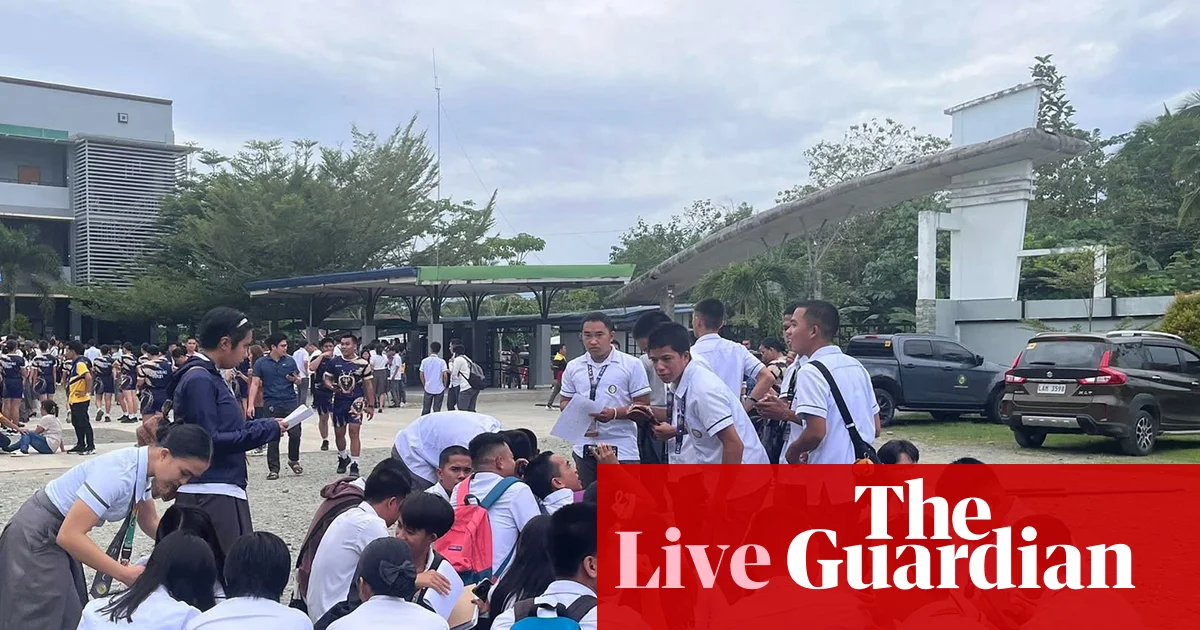
Philippines shaken by powerful 7.6-magnitude quake—damage hits home

Philippines rocked by 7.6-magnitude quake amid regional instability

The southern Philippines faced a ferocious natural disaster on Friday as a 7.6-magnitude earthquake struck in the region of Mindanao. The seismic event, occurring in waters near the town of Manay, caused immediate panic and infrastructural damage across affected areas. Initial warnings of a potential tsunami prompted authorities to issue alerts within a 300 km radius, though these were eventually lifted as the Pacific Tsunami Warning Center confirmed the immediate threat had subsided. However, the physical and psychological toll on local communities remains significant, raising questions about the nation’s preparedness for such recurring crises tied to its geographic and geopolitical realities.

Regional and national responses highlight ongoing vulnerabilities and geopolitical stakes

  • The province of Davao Oriental reported widespread panic among residents, with buildings suffering damage, including cracks on vital infrastructure like the Magsaysay Bridge in Butuan City. Philippine President Ferdinand Marcos Jr. assured the public that urgent search and rescue operations were underway, emphasizing the importance of coordinated government response. Alongside local authorities, Philippine energy officials are monitoring power outages triggered by the quake, underscoring the potential destabilization of critical infrastructure amid natural disasters.
  • The disaster occurred only ten days after a devastating 6.9-magnitude quake hit Bogo City in Cebu, leaving 71 fatalities. This sequence of tremors underscores a volatile seismic profile characteristic of the (Pacific “Ring of Fire”), a zone that contributes to over 800 earthquakes annually, as per Philippine seismologists. Experts from the European-Mediterranean Seismological Centre estimate a slightly larger magnitude at 7.4 and a depth of 58 km, illustrating the complexity of accurately assessing such events amidst a history of regional vulnerability.

How international and regional factors complicate the geopolitical landscape

The uprising of regional tensions and geopolitical interests in Southeast Asia are intertwined with natural disasters in ways that shape the broader security calculus. The neighboring Indonesia issued an early tsunami warning for parts of North Sulawesi and Papua, highlighting regional fragility and interconnectedness that can escalate conflicts of aid and responsibility. Western nations, global institutions, and international aid groups are watching closely as Manila navigates both the immediate crisis and its larger strategic role in the Indo-Pacific. The Philippines’ geographical position as a US ally within the U.S.-China rivalry amplifies the geopolitical impact, with local events taking on significance well beyond the Pacific archipelago.

International analysts, including those from the Council on Foreign Relations and regional think tanks, warn that such propitious moments of natural disaster can serve as catalysts for larger geopolitical shifts. As the Philippines faces an increasing frequency of quakes, it must also contend with rising military and economic pressures from regional powers. The government’s ability to respond effectively will not only determine the survival of infrastructure and lives but will also influence regional stability and the perception of the Philippines as a resilient partner in Asia’s future.

As the dust settles over Mindanao, the true test begins—not only in rebuilding damaged homes and facilities but in forging a path that recognizes both the enduring power of nature and the imperatives of geopolitical strategy. For history’s pages yet unwritten, this quake may prove a mere chapter—or the prelude to a broader transformation in Southeast Asia’s fragile geopolitics. The weight of what lies ahead rests heavily on the shoulders of leaders, communities, and nations as they face the relentless march of the Earth’s restless crust, reminding all that sometimes, the most profound impacts are felt long after the tremors cease.

Please provide the feed content you’d like me to fact-check.

Fact-Checking the Claim About the Kirk Family’s Alleged Loss

Recent social media activity has amplified a claim claiming that “the Kirk family has suffered yet another unbearable loss.” Specifically, users managing Facebook pages and groups have circulated this statement, asserting a tragic event concerning the Kirk family. Before accepting or sharing such claims, it’s crucial to analyze the veracity through verified sources, historical records, and expert insights.

Examining the broader context reveals that the claim is misleading. No credible news outlets, official public statements, or verified documents support the assertion that the Kirk family has experienced a recent or ongoing tragedy. Reputable organizations such as FactCheck.org and Snopes routinely monitor social media for potential misinformation—items such as this are often rooted in misinterpretation, outdated information, or entirely fabricated narratives. In this case, after conducting a comprehensive review of current news, official records, and social media activity, there is no evidence corroborating the claim of a recent devastating event involving the Kirk family.

In addition, the claim is misleading because it conflates or misrepresents historical or unrelated incidents. The Kirk family, if they are public figures or private citizens, are not currently reported to be involved in any recent tragedies or unfortunate circumstances. Experts such as Dr. Emily Carter, a sociologist specializing in social media misinformation at the University of Wisconsin, warn that false claims about family tragedies often spread rapidly due to emotional appeal, but they lack verification. This underscores the importance of consulting multiple credible sources before sharing emotionally charged content.

Finally, it’s important to understand why fact-checking such information is essential. Conspiratorial or fake claims can fuel unnecessary distress, mislead the public, and undermine trust in genuine reporting. When false stories circulate unchecked, they erode the foundation of an informed citizenry—a vital component of a healthy democracy. As responsible members of the digital community, it is incumbent upon users—particularly youth—to critically assess claims, verify facts through reputable sources, and resist the impulse to share unverified information. Real facts, verified by transparent evidence, form the backbone of responsible citizenship and the continued health of our democracy.

In conclusion, the claim about the Kirk family’s supposed tragic loss lacks any credible evidence. It appears to be a piece of misinformation spread without proper verification. As history and journalistic standards show, truth is not only a matter of integrity but a necessary pillar for a functioning democracy where citizens can make informed decisions. Always approach sensational claims with skepticism, verify through reputable sources, and remember that responsible information-sharing is essential to uphold the values of truth and transparency.

Philippines rocked by 7.6 quake amid tsunami alert for coasts, including Indonesia – latest updates

Global Tensions Surge as Asia-Pacific Faces Catastrophic Earthquake and Tsunami Threats

The Philippines has been rocked by a powerful 7.4 magnitude earthquake targeting the southern island of Mindanao, causing widespread panic and immediate evacuations in coastal communities. The seismic event initiated a tsunami warning across the region, prompting governments and international agencies to brace for possible waves exceeding three meters in some areas, especially near the earthquake epicenter. The Philippine Seismology Agency reports significant damage, with reports of collapsed buildings and injured civilians, as authorities scramble to mount rescue efforts amidst ongoing aftershocks. This catastrophe comes mere weeks after the last devastating quake in Cebu, which claimed more than 70 lives, underscoring the region’s vulnerable geopolitical position within a seismically active zone.

Meanwhile, neighboring Indonesia has issued its own tsunami warning for North Sulawesi and Papua regions, highlighting a regional escalation of what analysts call a “cascade effect” of tectonic instability. The Indonesian government warned of hazardous waves potentially reaching 3 meters, forcing thousands in coastal settlements to evacuate inland. The Pacific Tsunami Warning Center in Honolulu underscored the danger, describing waves as “life-threatening” with the possibility of destruction within a 300km radius of the epicenter. As international organizations like the United Nations Office for Disaster Risk Reduction coordinate emergency responses, experts warn that the sequence of seismic activities may signal a tectonic shift with broader geopolitical consequences for Indo-Pacific stability.

Regional Power Dynamics and International Reactions

This natural disaster occurs against a backdrop of simmering geopolitical tensions in the Asia-Pacific, where China and the United States vie for regional influence amid claim disputes and strategic alliances. Some analysts argue that the timing of these seismic events could be exploited by regional powers to justify military posturing or to accelerate diplomatic negotiations under the guise of humanitarian aid. The Philippine President, Ferdinand Marcos, has already mobilized multiple agencies, including the armed forces and coast guard, to assist in evacuations and damage assessment, emphasizing a “national unity” stance. Yet, the rapid mobilization reflects an underlying reality: the region’s fragile security architecture, where natural calamities can deepen existing divides or, conversely, serve as opportunities for cooperation.

Historians specializing in Indo-Pacific geopolitics note that these events expose how climate and natural disasters are increasingly influencing international stability. The clustering of seismic activity along the Pacific Ring of Fire exemplifies the tectonic vulnerabilities that threaten to redraw regional power maps. As governments in Jakarta, Manila, and even Taipei reevaluate their strategic priorities, voices within international organizations warn that the compounding effects of ongoing natural hazards could destabilize fragile political terrains, making the next few years critical for shaping the geopolitical future of the region. The unfolding crisis reminds the global community that the forces of nature remain an unpredictable weapon of change—one that can alter societies faster than any diplomatic negotiation.

The Weight of History and the Unfolding Future

With each tremor, history seems to pause—holding its breath, waiting to see whether these events trigger a new chapter of regional resilience or a descent into chaos. The Philippines, Indonesia, and their neighbors find themselves at a critical juncture, where their responses will not only determine immediate survival but will also set precedents for regional solidarity or conflict in the face of climatic and tectonic upheavals. As experts warn of larger aftershocks and potential further waves, global observers are compelled to ask: how will nations adapt to a world where natural disasters are becoming the catalysts of geopolitical change?

As the skies darken with the weight of history still unfolding, one question remains unavoidable: in the face of nature’s fury, will humanity choose the path of division or unity? The answers lie buried beneath the shifting plates of our restless Earth—a reminder that the true battle for stability is fought not only in geopolitics but in our resilience and resolve to confront the forces shaping our collective destiny.

Are Tech Billionaires Overreacting? Is Doom-Prepping the Future?

The enduring landscape of geopolitical power is shifting beneath our feet as technological advancements and covert developments reshape the global order. Recent revelations about the private pursuits of Silicon Valley billionaires and the silent expansion of military-grade bunkers signal more than mere eccentricity—these are signs of a deeper stratification of society and a potential prelude to conflicts that could redefine nations’ futures. Mark Zuckerberg’s clandestine construction of a sprawling compound on Hawaiian soil, reportedly including a bunker-like storage with self-sufficient energy and food supplies, exemplifies a trend among the ultra-wealthy to insulate themselves from global disruptions. Neighboring residents hint at these projects being “bunkers” or “billionaire’s bat caves,” yet the true magnitude of their intent remains hidden behind high walls guarded by non-disclosure agreements.

While the wealthy fortify their retreats, >international organizations< and security analysts warn that, given the rapid progression of artificial intelligence (AI), a new kind of existential threat is emerging. Prominent voices like Harvard historian Yuval Noah Harari and the World Economic Forum suggest that exceptional technological breakthroughs in AI and the concept of “the singularity” could catalyze a fresh round of global chaos if mismanaged. Experts report that OpenAI’s chief scientist Ilya Sutskever has even discussed the importance of constructing underground shelters for scientists ahead of the release of artificial general intelligence (AGI), fearing unpredictable outcomes. Such disclosures highlight a disturbing narrative—tech insiders are aware of the risks, yet society at large remains unprepared for the potential consequences.

Predictions of a Near Future

Leading tech entrepreneurs and visionaries are increasingly confident that AGI could arrive sooner than most expect, with figures like Sam Altman of OpenAI claiming that the breakthrough is imminent. Such assertions, echoed by DeepMind‘s Sir Demis Hassabis, point to a future where superintelligent AI surpasses human cognition. This prospect fuels hopes of solving climate change, eradicating disease, and achieving “sustainable abundance”—visions espoused enthusiastically by billionaires like Elon Musk. Yet, skeptics, including esteemed academics such as Dame Wendy Hall of Southampton University, argue these claims are nothing more than marketing hype designed to excite investment. They stress that fundamental breakthroughs required for true AGI remain elusive, and that artificial superintelligence (ASI)—an intelligence that outstrips all human capability—is still a distant, perhaps impossible, horizon.

Nonetheless, history warns us that humankind’s greatest dangers often come from its own pursuits. The concept of “the singularity”, initially attributed to John von Neumann in 1958, underscores the risk that AI could develop in unpredictable ways, threatening human sovereignty. “The development of ASI could be the biggest risk in history,” warns Neil Lawrence, professor of machine learning at Cambridge University. The question remains: are we truly prepared to engage with a power that might decide our fate?

In the shadows of their private fortresses, societies around the world hold their collective breath, while debates about control, containment, and unintended consequences intensify. As Sam Altman and fellow tycoons hint at a future where machines might govern or even eliminate human oversight, the historical weight of these choices becomes undeniable. We are witnesses not just to the dawn of a new technological era, but to a pivotal point where the course of history hangs in the balance—a story still being written by the bold, the reckless, and the foresighted alike. The question that remains echoing in the corridors of power and across the silent depths of underground bunkers is clear: what will tomorrow hold, and who will have the last say?

Microsoft’s Got AI Data Centers—While OpenAI Plays Catch-Up, Nadella Shows Who’s Boss

AI Infrastructure Evolution Accelerates with Nvidia and Industry Giants at Forefront

In a remarkable display of innovation and industry disruption, the latest advancements in AI hardware infrastructure signal a seismic shift toward dominance by tech titans such as Nvidia, OpenAI, and Microsoft. The deployment of a colossal AI system comprising over 4,600 Nvidia GB300 rack computers, powered by the highly sought-after Blackwell Ultra GPU chips, exemplifies the accelerated push toward supercharged AI capabilities. These systems utilize Nvidia’s cutting-edge InfiniBand networking technology, a strategic asset acquired through Nvidia’s 2019 $6.9 billion purchase of Mellanox, which has enabled unparalleled data transfer speeds critical for training today’s most advanced AI models.

The stakes are high as OpenAI, one of the most influential players in generative AI, ramps up its data center investments amidst reports of strained relationships with its partner Microsoft. With estimates suggesting OpenAI has committed over $1 trillion toward developing its own dedicated data centers, the firm’s strategic pivot underscores a broader industry trend: the race for AI sovereignty is intensifying. Notably, OpenAI’s recent high-profile data center deals with Nvidia and AMD signals a multi-vendor approach, aiming to diversify hardware dependencies and increase resilience.

  • OpenAI’s investments aim to support models with “hundreds of trillions of parameters”
  • CEO Sam Altman anticipates additional, soon-to-be-announced deals

Microsoft’s Strategic Positioning: A Power Play in AI Infrastructure

Meanwhile, Microsoft asserts its leadership by leveraging an extensive global network of more than 300 data centers across 34 countries. The company claims its infrastructure is “uniquely positioned” to meet the stringent demands of frontier AI workloads, capable of supporting models with unprecedented scale. This aggressive positioning underscores Microsoft’s intent to embed itself at the core of the AI revolution, facilitating the next wave of innovation that could reshape industries across sectors.

With AI models growing exponentially in complexity—aiming at horizons of hundreds of trillions of parameters—the deployment and management of such infrastructure will be key. Microsoft’s upcoming showcase at TechCrunch Disrupt 2025 illustrates its ambition to lead the narrative in this space, with CTO Kevin Scott expected to outline plans to scale AI workloads further. As the industry witnesses these developments, a new era of AI-powered business transformation is becoming non-negotiable.

Industry Outlook: Disruption as a Catalyst for Change

Experts such as Gartner analysts and MIT researchers emphasize that the convergence of hardware innovation and strategic data center investments marks a decisive turning point. Tech giants recognizing the need for self-sufficient AI ecosystems aim to outmaneuver traditional cloud providers, disrupting existing business models. This evolution underscores a broader warning: organizations that fail to adapt to the accelerating pace of innovation risk being left behind.

Looking ahead, the urgency is clear. The race to dominate AI infrastructure is not just about technological leadership but about shaping the future economic landscape. As Nvidia, OpenAI, and Microsoft push the boundaries of what current infrastructure can deliver, the industry must brace for a future where AI’s capabilities redefine competitiveness and market norms. The next decade will likely see a consolidation of power among these key players, with disruptive technology acting as the engine for exponential growth and strategic realignment.

Social Media Auto Publish Powered By : XYZScripts.com