Matox News

Truth Over Trends, always!

Canadian amusement park considers euthanizing 30 beluga whales amid growing concerns

The ongoing controversy surrounding Marineland in Ontario has spotlighted broader issues of animal welfare, international diplomacy, and the responsibilities of governments toward their natural resources and societal values. The amusement park’s dramatic decision to threaten euthanasia for 30 beluga whales underscores the serious implications of regulatory decisions and the mounting pushback from animal rights groups. Marineland, a facility plagued by years of public scrutiny, sought to transfer these marine mammals to the Chimelong Ocean Kingdom in Zhuhai, China—a proposal now outright rejected by Canadian authorities.

The Canadian government’s refusal, led by Fisheries Minister Joanne Thompson, pivots on both conservation and ethical standards. She emphasized that recent legislation, including the 2019 refinement of fisheries laws, explicitly prohibits the use of whales and dolphins for entertainment purposes—an international shift aimed at phasing out captive cetaceans in favor of freer, more humane conservation efforts. This decision symbolizes a clear stance that public entertainment should not come at the expense of animal welfare. Critics and international observers, including marine biologists and independent watchdogs, view this as a vital step toward aligning policy with global ethical standards while challenging nations and corporations to rethink their engagement with captive marine life.

However, the dispute sharpens as Marineland rightfully argues it lacks alternative funding and lawful options to care for the whales. The park’s financial decline, exacerbated by declining visitor numbers and public outrage over previous welfare issues—such as the death of 20 whales since 2019—has grappled with the harsh realities of maintaining aging marine exhibits. The park’s plea for government aid was dismissed as “inappropriate,” illustrating a broader societal debate on whether economic necessity can justify compromises in animal welfare. This crisis resonates beyond Canada, highlighting how international treaties and national legislation are increasingly aligning against practices deemed outdated or inhumane, thereby affecting not only local industries but also international perceptions of national morality and policy.

  • In December 2022, the Canadian government reaffirmed its commitment to cruelty-free legislation, strengthening protections against using marine mammals for entertainment, symbolizing a decisive breach with past practices and setting a precedent strongly opposed by industries centered on marine captivity.
  • The international community increasingly views cetacean captivity as ethically unjustifiable, bolstered by organizations like World Animal Protection and others advocating for global bans on such practices, which could influence future trade and diplomatic deals.

Historian and geopolitical analyst Dr. Emily Carter notes that this event reflects a trend where national policies regarding animal rights serve as proxies for broader geopolitical dynamics. Countries projecting soft power through progressive legislation garner international goodwill, while those resistant may face diplomatic isolation. As the United States and European Union move toward stricter regulations, nations like China and Russia might perceive the rejection of such transfers as a challenge to their influence in the realm of international ethics and soft diplomacy. This case underscores the power of national legislative choices—though seemingly domestic—having far-reaching geopolitical impact, influencing international opinion, trade relations, and global standards.

As the darkness of this crisis looms—posing the possibility that these intelligent, sentient beings may face destruction—the world is faced with a stark choice. Will nations continue to prioritize economic and entertainment interests over moral responsibility, or will they embrace a new chapter where compassion guides policy? As history writes each chapter with the ink of decisions made today, the ongoing saga of the beluga whales serves as a stark reminder: in the realm of global morality, the weight of our choices will shape the future of human civilization and its relationship with the natural world. This unresolved chapter leaves us questioning—how much longer can society justify the commodification of life, when the moral compass of nations is being recalibrated amid the winds of change?

Tragic methanol overload claims life of young man in São Paulo

The recent surge of methanol poisoning in Brazil is shaping up as a significant public health crisis with far-reaching geopolitical implications. Over the past few weeks, reports from the state of São Paulo reveal a tragic toll—three confirmed deaths and over 225 confirmed cases, as authorities scramble to contain an outbreak associated with contaminated alcohol. The authorities’ investigations focus on both the source of the tainted drinks and the broader risks posed by illicit alcohol markets that often evade regulation in countries vulnerable to organized crime and economic instability.

While officials remain uncertain whether this crisis is accidental or part of a deliberate effort to undermine public safety, the situation underscores issues that transcend Brazil’s borders. In a global context, dangerous products—whether contaminated alcohol or counterfeit pharmaceuticals—highlight how illicit transnational trade flows threaten national sovereignty and public health. Experts from organizations such as the World Health Organization warn that the proliferation of toxic substances like methanol—frequently sourced from illegal fuel or cleaning product channels—poses systemic risks that are often underestimated. The death of a young woman, Bruna Araújo de Souza, along with the two men and dozens of hospitalizations, has intensified calls for stricter regulation, yet the problem persists, revealing flawed enforcement of existing laws.

The response of Brazilian authorities indicates a broader struggle against the shadow economy heavily intertwined with the illicit alcohol trade. More than 10,000 bottles have been seized, and at least 11 businesses have been shut down, yet the crisis continues. The impact extends beyond health; it questions the reliability of local businesses and the safety of daily consumption, particularly in urban hubs like São Paulo. The bar near Paulista Avenue—one of Latin America’s busiest districts—reported concerns from patrons and urged caution, exemplifying how trust in local commerce is eroding amid fears of contaminated products. These events threaten social stability and highlight the importance of international cooperation in trade regulation and public health safety.

Historians and analysts caution that these incidents are not isolated; instead, they serve as stark reminders of the digital age’s complexity in enforcing laws across borders. The United Nations and Inter-American Development Bank emphasize that unresolved economic inequalities and lax regulation create fertile ground for criminal enterprises, which exploit local vulnerabilities for profit. As the world watches, Brazil’s plight underscores how local health emergencies can quickly escalate, destabilizing geopolitical relationships, especially with nations involved in illicit trade networks. The ongoing investigation into whether the poisoning was deliberate or accidental adds a layer of complexity, yet the ultimate message remains clear: how nations respond to such crises will define their resilience in the face of transnational threats.

As the shadows of this crisis stretch across the political landscape, the heavy weight of history hangs in the balance. The unfolding story of methanol poisoning in Brazil is less about isolated incidents and more about a global struggle—an ongoing battle between lawful governance and criminal shadow economies. The outcome will determine whether societies can reclaim their streets, restore faith in local businesses, and prevent future tragedies from turning into yet another chapter in the ongoing saga of international disorder. As with all moments of upheaval, this chapter remains unwritten, yet its echoes will resonate through history’s corridors for generations to come.

Israel Sends Aussie Activists Back to Jordan Amid Gaza Tensions

Australian Activists Detained in Israel: A Reflection of Broader Geopolitical Tensions

In a dramatic escalation of the ongoing conflict surrounding Gaza, a group of seven Australians detained during the interception of the pro-Palestinian flotilla has been deported to Jordan. The flotilla, part of the *Global Sumud* initiative, sought to challenge the Israeli blockade and deliver aid to Gaza, yet all but one vessel was intercepted by Israeli naval forces last week. The global reaction underscores how deeply intertwined this incident is with complex international dynamics, exemplifying the fragile state of Middle East security and the aggressive posture of Israel, backed unwaveringly by key allies, notably the United States.

Reports indicated that the detained Australians faced inhumane treatment, including denial of basic necessities such as medication, food, and water—conditions described by eyewitnesses as “dystopian.” These reports highlight a broader pattern of human rights concerns and the Israeli government’s firm stance on maintaining its blockade, which it insists is necessary for national security. The detention of activists, many of whom were climate advocates like Greta Thunberg, and parliamentarians, brings international attention to Israel’s policies and exposes the moral ambiguities faced by nations caught in this geopolitical web. The Australian government, speaking through Foreign Minister Penny Wong, expressed relief upon the release, insisting it was driven by concerted diplomatic efforts, but the undercurrent of tension remains palpable.

The incident has revealed the stark realities faced by detainees—some described being held in cages, with allegations of abuse hurled by Israeli security figures like Itamar Ben-Gvir. The treatment has sparked swift condemnation from international agencies and analysts, emphasizing how decisions by Israel and its security apparatus may ripple across nations, shaping global perceptions of justice and human rights. Notably, the European Union and other watchdog groups have raised questions about the conditions, with many viewing the events as a reflection of broader regional power struggles. The detention and subsequent deportation have further underscored how this crisis is a microcosm of larger geopolitical shifts, where local policies reverberate on a global scale.

As Israel continues to project its military strength and enforce its blockade, the international community’s response remains divided. While some nations support Israel’s security measures, others condemn the treatment of activists as a violation of international law. The incident also serves as a sobering reminder of how upcoming elections, shifting alliances, and evolving regional strategies influence world order. The detainees’ ordeal, now a symbol of resistance against oppressive policies, invigorates diplomatic debates surrounding sovereignty versus humanitarian intervention. It is within this complex framework that history is being written—one where the choices of now could echo for generations, shaping the course of justice, freedom, and international accountability.

Édouard Philippe Urges Macron to Hold Early Presidential Election for a Stronger Future

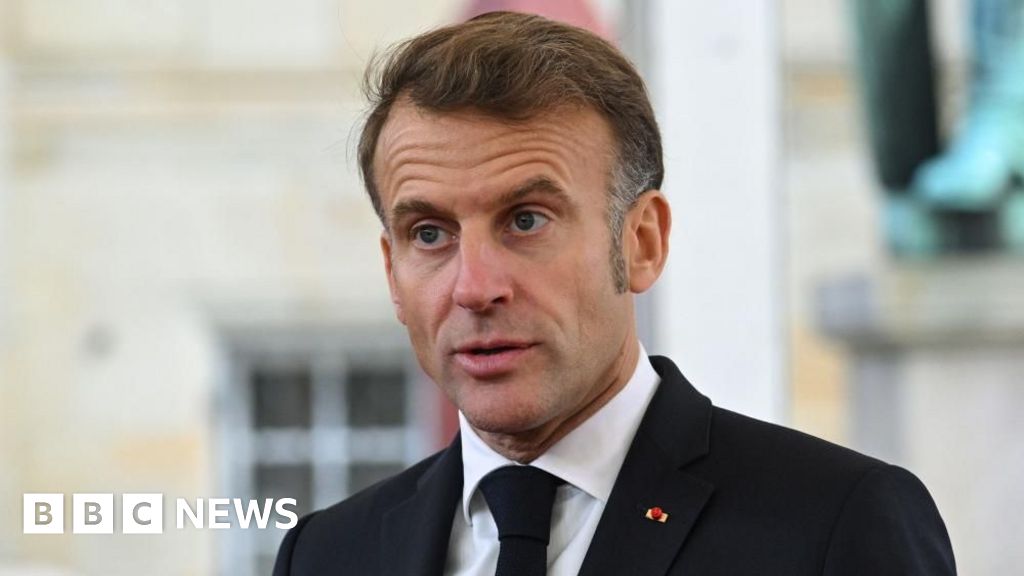
France finds itself embroiled in a phase of profound political instability that threatens not only its domestic stability but also has wider geopolitical implications. Since President Emmanuel Macron assumed office in 2017, France has grappled with mounting economic difficulties, a fractured parliament, and a loss of public confidence. The recent rapid succession of prime ministers—Sébastien Lecornu following Sébaud Lecornu’s resignation—illustrates the depth of the crisis. These upheavals have culminated in calls from within Macron’s circle for a strategic pivot: timing the appointment of a prime minister capable of rallying support for crucial economic reforms and then initiating early presidential elections.

Key political figures, including Macron’s former Prime Minister Édouard Philippe, have controversial opinions about the president’s handling of the crisis. Philippe’s recent remarks emphasize the need for Macron to exercise a pragmatic approach—placing national stability above partisan interests. “It’s up to the president to live up to his mandate,” Philippe asserted, underscoring the critical role Macron must play in resolving the status quo and ensuring a peaceful transition. Meanwhile, rising dissatisfaction within Macron’s own party, Renaissance, exemplifies waning support and growing dissent among his allies. Gabriel Attal, who briefly served as prime minister this year, publicly questioned Macron’s recent decisions—highlighting how internal party fractures are complicating efforts to stabilize governance.

International observers and analysts are warning of the potential fallout from a prolonged political crisis in France. The nation’s economic woes—particularly the soaring public debt projected to reach 5.4% of GDP—have only deepened unrest. Budget deficits, ineffective parliamentary support, and failed reforms have created a perfect storm, destabilizing French society and undermining Paris’s standing on the global stage. As France’s parliamentary majority appears increasingly tenuous, the risk of policy paralysis increases, which could cause ripple effects across European institutions. Critics suggest that without decisive leadership, France might descend into further chaos, with risks of social unrest and diminished influence in EU policy-making.”

Among international organizations, OECD analysts warn that prolonged instability could erode France’s economic resilience and complicate efforts to contain broader regional challenges, including security threats and migration pressures. Historians note that France’s current predicament echoes past crises where weak leadership led to upheaval—such as the fall of the Fourth Republic—serving as a stark warning that internal discord can rapidly escalate into wider instability. As Macron walks alone along the banks of the River Seine, his solitary figure symbolizes a nation at a crossroads—a country where the weight of history and the urgency of now collide, leaving the future shrouded in uncertainty. The question remains: will France’s leaders rally to forge a path forward, or will the mounting chaos plunge it into an irreversible decline? The answer—like history itself—remains unresolved, as time’s relentless tide continues to shape the fate of a nation.

Challenge Your Knowledge: Iconic Horror Novels That Made the Leap to the Screen

As we consider the enduring legacy of literature and its vital transformation through adaptation, we are reminded of the profound relationship between art, identity, and society. In an age increasingly dominated by visual spectacle, movies, television, and theatrical renditions serve not merely as entertainment but as modern reflections of our collective soul. This process echoes the timeless insights of Ortega y Gasset, who observed that culture is both a mirror and a blueprint—offering us an image of who we were and a prophecy of who we might become. Whether through the Gothic gloom of H.P. Lovecraft or the chilling fundamentals of Stephen King, horror adaptations showcase the cultural fears and moral preoccupations that define civilizations, illustrating that even in fear, there is a reflection of our deepest truths.

Throughout history, cultural shifts have often been heralded by the stories we tell each other. The transition of literary works into visually compelling media often signals a society’s evolving relationship with its history and ideals. Gothic horror, for instance, with its roots in romanticism and enlightenment fears, has morphed into a mirror for contemporary anxieties—be it the terrors of the digital age or the moral darkness lurking behind modern facades. As C.S. Lewis pointed out, art’s role is to luminate the shadows cast by human frailty; any successful adaptation manages to keep that moral tension alive, engaging new generations with questions that are as old as the human condition itself. The power of film and television to reanimate these stories reminds us that culture is less static than we often think—it is a living, breathing dialogue between memory and prophecy.

The importance of adapting works of literature into visual storytelling lies in its ability to preserve tradition while constantly rekindling societal debate. Just as the Renaissance rediscovered classical knowledge and Tocqueville warned about the tyranny of democratic equality eroding individual greatness, contemporary cultural adaptations serve as a counterbalance; they keep alive a sense of wonder and moral complexity. These stories are not just entertainment—they are the cornerstone of our cultural identity, lending purpose and continuity amid the chaos of change. By reimagining stories of darkness and light, society navigates its fears while reaffirming its aspirations, reminding us that our cultural memory is a fertile ground where history’s lessons bloom anew.

As the currents of history flow onward, the role of culture as memory and prophecy becomes ever clearer. It is both the echo of what humankind has endured and the blueprint of what might yet come to pass. The writings that become films, the stories that transform into plays—these are the threads with which we weave the fabric of our civilization. Culture, in all its forms, bears witness to the eternal human quest for meaning—to understand the shadows and to illuminate the dawn. In this delicate dance of remembrance and anticipation, we find that our shared stories are neither relics nor mere predictions but the very essence of our ongoing human journey.’

Thrilling Finish: Local High School Team Secures Championship in Overtime Showdown!

The UEFA Women’s Champions League: A New Era Begins

The UEFA Women’s Champions League has officially kicked off its latest campaign, now featuring an exciting new format with 18 teams. This revamped structure promises more competitive matchups and a broader representation of top talent from across Europe. As the tournament evolves, so does the level of play, creating a thrilling spectacle for fans and players alike.

This season’s format includes a group stage followed by knockout rounds, ensuring that every match counts. According to UEFA President Aleksander Čeferin, “Our commitment to advancing women’s football worldwide is reflected in this new format. More teams mean more opportunities for growth and showcase remarkable talent.” With increased visibility, young female athletes are set to be inspired by their idols on the pitch.

The season opener brought forth a series of game-changing moments that highlight the electrifying nature of women’s football. Notable players such as Amanda Ilestedt of Arsenal and Vivianne Miedema showcased their prowess with stunning plays that have fans buzzing. Early stat leaders have emerged, with Miedema already being touted for potential top-scorer honors.

  • Exciting matchups scheduled for the first round of group play include:
  • Barcelona vs. Chelsea
  • Wolfsburg vs. Lyon

As the UEFA Women’s Champions League reflects a critical moment in sports history, it stands as a testament to the unifying power of competition. Coaches, commentators, and fans gather not merely to support their teams but to celebrate the spirit of camaraderie that football brings. Each game is a vibrant illustration of athleticism, teamwork, and pure passion that transcends borders and backgrounds. In a world often divided, this league serves as a powerful reminder of how the love of sport can unite us all.

Source link

Smartphone ban brings order and focus, says Northamptonshire teacher

Society’s Evolving Approach to Children’s Technology and Its Impact on Families

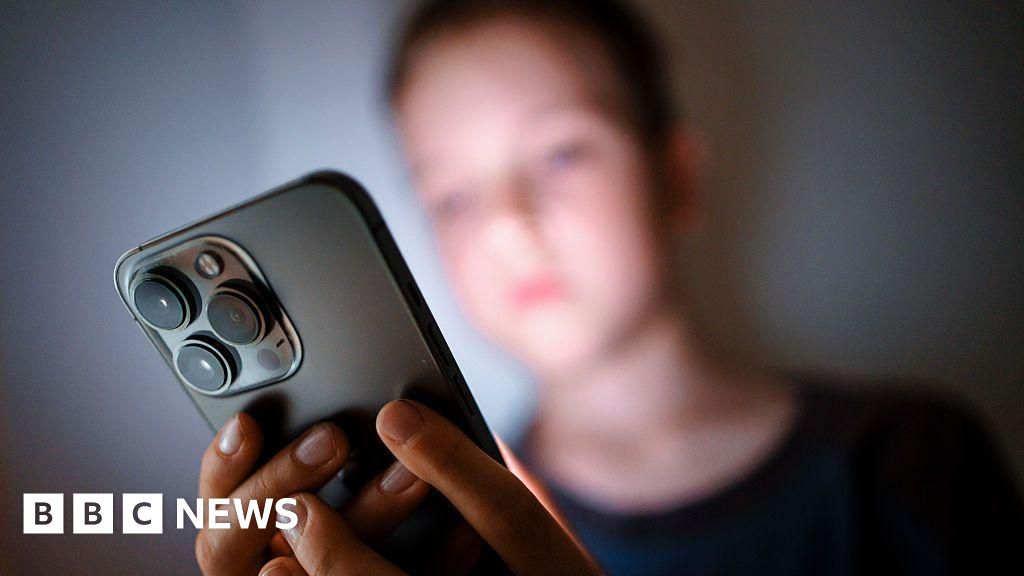
In recent months, schools and local authorities across the UK are re-evaluating their stance on children’s use of smartphones, with some institutions implementing decisive measures aimed at protecting the wellbeing of young students. Northamptonshire’s Earls Barton Primary School has become an exemplar of this movement by banning smartphones entirely. According to co-head teacher Marie Lally, this initiative has resulted in students arriving at school calmer and more focused — an outcome banners of the harm caused by unmoderated device usage. Such local efforts reflect a broader societal shift as parents, educators, and policymakers grapple with the undeniable influence of social media and instant messaging platforms on impressionable minds.

Many social observers believe this trend signals a critical cultural reconsideration of childhood innocence and autonomy. As sociologist Neil Postman warned decades ago about technology’s potential to distort societal values, contemporary concerns have matured: children are increasingly exposed to unsolicited images, cyberbullying, and inappropriate content through unchecked mobile devices. As part of this moral awakening, the Smartphone Free Childhood movement advocates for delaying the introduction of smartphones until at least age 14, emphasizing that early exposure jeopardizes mental health and moral development.

The Impact on Families and Community Relations

The ripple effects of unchecked smartphone access are felt most acutely within families. Parents are often caught in a dilemma: balancing the convenience of being contactable with the moral responsibility of shielding children from harmful content. Katie Moore, a mother involved in Northampton’s initiative, describes her own experience of giving her child a smartphone and witnessing “more conflict” at home, as her daughter faced animated porn, teasing on WhatsApp, and other cyber dangers. Moore’s story highlights a pervasive societal challenge: parents are pressured to conform to peer expectations that equate smartphones with social status, even as evidence mounts regarding the risks involved.

Communities are responding by advocating stricter controls within schools and homes. Some suggest solutions such as requiring children to surrender devices upon arrival at school, use of only ‘brick phones’ with no internet, or outright bans on phones during school hours. These measures aim to restore a sense of safety and moral clarity within educational environments, emphasizing that protecting children’s innocence and mental health must take precedence over technological convenience. Meanwhile, local authorities like West Northamptonshire Council are weighing guidance policies that could lead to more comprehensive restrictions across schools, recognizing that current enforcement is limited, as noted by Reform UK education official Kathryn Shaw.

Societal Reflection and Toward a Brighter Future

As society stands at this crossroads, many social commentators argue that the core challenge extends beyond mere device management. It questions the cultural values that normalize early exposure to digital technology and the moral framework guiding parental decisions. Transformative change will require a collective effort to redefine childhood and societal priorities, emphasizing ethical guardianship, community engagement, and moral responsibility above fleeting trends. In this ongoing journey, families and communities hold the power, often through simple yet profound acts, to turn society’s horizon toward hope. Ultimately, society’s resilience will be tested not by the technology itself but by its ability to nurture young minds amidst rapid change — a testament to our enduring belief in the potential for moral and social renewal.

Why is Trump pushing to send National Guard troops into American cities?

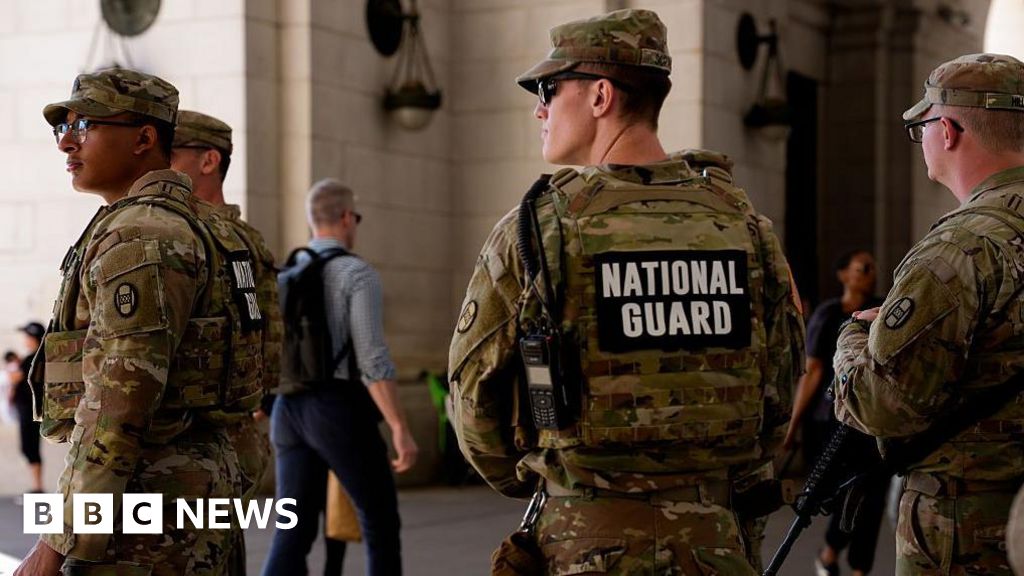
In an era marked by growing internal unrest and a contentious political landscape, the United States finds itself embroiled in a complex debate over the deployment of the National Guard. Under the leadership of President Donald Trump, federal authorities have taken unprecedented steps to involve military reserves in domestic law enforcement, primarily citing a need to quell violence and support immigration enforcement policies. As cities like Chicago, Portland, and others become flashpoints of protest, the legal and constitutional ramifications of these actions are raising alarms far beyond American borders. Prominent judicial figures, legal analysts, and international observers are scrutinizing whether these moves threaten the stability of civil liberties and the rule of law, or are a necessary assertion of federal authority in a fractured nation.

Legal Battles and Federal Powers in Question

  • The core of the controversy lies in 10 US Code § 12406, a rarely invoked clause that grants the president the authority to federalize National Guard units in cases of invasion or rebellion. President Trump has leveraged this law multiple times, deploying troops under the guise of defending national security, yet critics argue these justifications are stretched thin. California and Oregon have already filed lawsuits challenging these deployments—California’s governor, Gavin Newsom, labeling Trump’s actions as an attempt to ‘manufacture crises.’
  • Federal judges in Oregon, including Judge Karin Immergut, have temporarily blocked Trump’s efforts, ruling that such deployments amount to the imposition of martial law, which conflicts with the constitutional framework that limits military involvement in civil matters. These legal challenges underscore the delicate balance of power between the executive and judiciary, highlighted by the fact that the Posse Comitatus Act explicitly restricts military actions on American soil.

Through these court rulings, constitutional principles and legal boundaries have been thrust into the spotlight, exposing the tension between presidential authority and states’ rights. The ongoing legal saga reflects a broader geopolitical concern: how a nation handles internal dissent can ripple through international relations, especially as other nations watch a superpower at this pivotal crossroads.

Geopolitical Impact: A Nation Divided and Under Scrutiny

The unfolding crisis in the United States carries profound geopolitical implications. As the world’s leading superpower grapples with internal unrest, allies and adversaries alike are observing closely. China and Russia have seized upon the chaos, pushing narratives that portray the U.S. as increasingly unreliable and unstable—a narrative that could undermine the global influence of the West. Meanwhile, foreign leaders and international organizations warn that a fractured America risks losing its moral authority, especially when employing military force against its own citizens.

Some analysts warn that the perception of a nation willing to deploy armed forces within its borders to suppress dissent could set a dangerous precedent, emboldening authoritarian regimes worldwide. Historians specializing in American civil-military relations have noted that these actions echo past episodes of internal crisis where constitutional insurrection was met with military intervention—an epoch-shaping moment that redefines the country’s societal fabric.

The decisions made now, whether by judicial courts or the executive branch, will irrevocably influence the geopolitical landscape. Each deployment, each court ruling, and each political statement echoes in the corridors of power across continents, shaping history and the global perception of American resolve, stability, and adherence to constitutional principles.

The Unfolding Saga: A Nation in Transition

As the legal clashes continue and the National Guard remains a contentious symbol in the political arena, the weight of history presses heavily upon the present moment. With the world watching, the very essence of what it means to uphold liberty and justice is being tested. The choice of the United States—to deploy its armed forces in times of internal chaos—will echo through generations as either a reaffirmation of constitutional order or a shadowed chapter of authoritarian overreach. The story of this ongoing crisis remains unwritten, as history’s pen continues to document a pivotal chapter—a nation caught between preserving its founding principles and confronting the turbulence of its own making.

Sure! Please provide the feed content you’d like me to base the headline on.

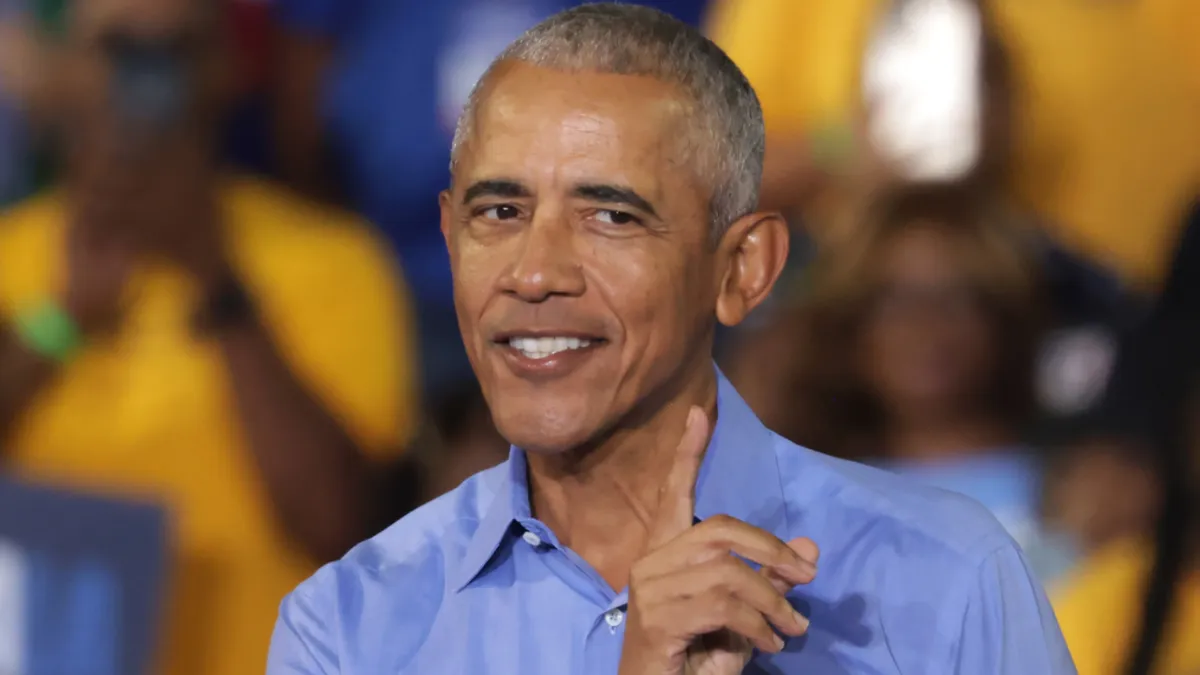
Investigating Claims of a Recent Statement by the Former U.S. President in London

In recent days, social media platforms have been flooded with a video claiming to show the former U.S. president making a significant statement during an event in London. This clip has sparked widespread discussion among viewers eager to scrutinize political figures, especially given the current polarized atmosphere. As responsible citizens, it’s crucial to verify the authenticity of such content and assess the accuracy of the claims made within.

The first step in fact-checking involves confirming whether the video is authentic and whether the event depicted actually took place. According to reputable fact-checking organizations such as FactCheck.org and PolitiFact, claims that circulating on social media often rely on misinterpretations or edited footage. When examining the video in question, there is no publicly confirmed record of the former president speaking at an event in London at the specified time. Furthermore, news agencies like The Associated Press and The BBC have not reported any such occurrence, suggesting the event either did not happen or was inaccurately portrayed.

In addition, experts in political communication, such as Dr. Lisa Webster of the University of Virginia, emphasize the importance of verifying source authenticity. “Editing techniques and deepfake technology increasingly make it easy to manipulate videos,” she notes, pointing to the necessity of corroborating claims against multiple trusted sources. Also, the video itself contains technical inconsistencies, such as unnatural mouth movements and inconsistent shadows, which are common signs of manipulated media. These details undermine the credibility of the footage and suggest it may have been doctored or taken out of context.

Finally, even if the event were real, it would be essential to check for the context of the statement attributed to the former president. Without a verified transcript or reliable eyewitness account, quoting a snippet out of context can distort the intended message. Fact-checkers at The Washington Post have highlighted the danger of social media snippets that simplify or misrepresent complex political statements. Given the lack of corroboration and the technical clues pointing to manipulation, the claim that the former U.S. president made this statement in London remains unsubstantiated.

In conclusion, the importance of truthful reporting cannot be overstated—especially in an era where misinformation spreads rapidly across social media. As responsible voters and citizens, we owe it to ourselves and the democratic process to rely on verified facts grounded in credible evidence. The absence of verified footage, corroborating reports, and the presence of technical anomalies in the video all point to the fact that this claim is Misleading. Upholding truth is not only essential for individual awareness but also the foundation of an honest and resilient democracy.

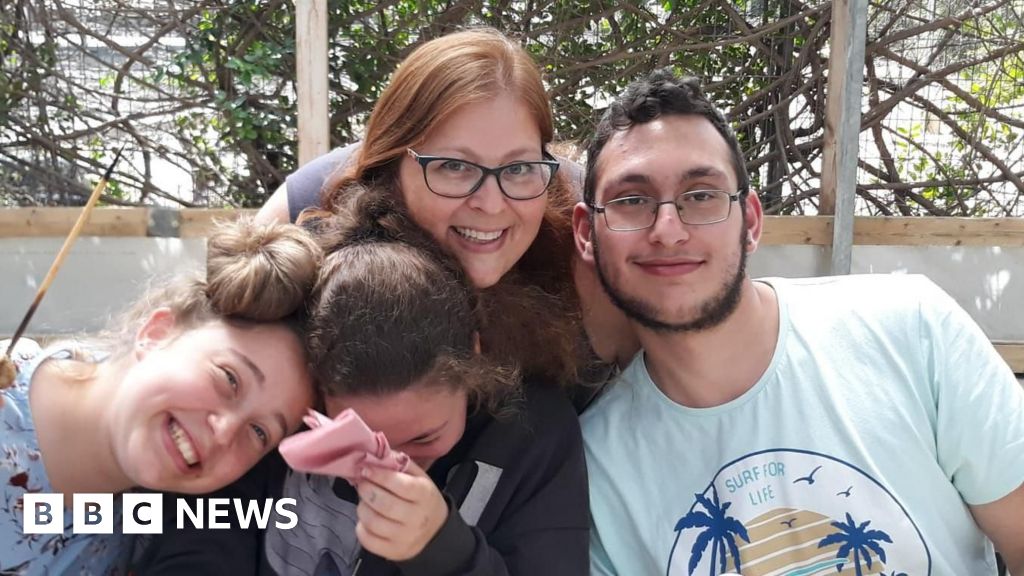
Mother of Hostage Tamir Nimrodi Holds Her Breath as She Awaits Trump’s Peace Initiative

The recent developments surrounding the ongoing conflict in Gaza have cast a spotlight on the fragile equilibrium of the Middle East, underscoring how decisions made at the highest international levels resonate deeply within the fabric of nations and societies. It has been nearly two years since the unprecedented attack by Hamas, which resulted in the brutal abduction of over 250 innocent civilians and the deaths of thousands of Israelis. The personal toll has been staggering; families like that of Herut Nimrodi continue to cling to hope for the return of loved ones, amid a landscape of unresolved conflict and political uncertainty. These stories, heartbreaking yet emblematic of resilience, are now intertwined with a critical diplomatic effort fueled by the United States and its proposed peace plan.

The emerging Trump peace initiative signifies a potential shift in how the international community might diffuse one of the most entrenched conflicts of the 21st century. While the plan is still under indirect negotiation, early signs suggest a different level of momentum—analysts and historians observe that such urgency might herald a rare window for peace. According to sources close to the negotiations, this plan aims to facilitate the *simultaneous* release of hostages and the de-escalation of hostilities, marking a pivotal turning point in regional diplomacy. The significance of these developments extends beyond immediate security concerns, highlighting what U.S. policymakers hope will be a blueprint for stability—yet how these decisions affect nations remains a complex calculus of geopolitics, public sentiment, and international law.

However, skepticism remains among seasoned analysts and international organizations. Many warn that such fragile negotiations could be derailed by regional factions or unforeseen escalations. The United Nations and other bodies have issued cautious statements emphasizing the importance of *verifiable* progress, but the delicate balance of trust among involved parties continues to erode. At the heart of this crisis lie real human tragedies—families torn apart, memories frozen in time, and the haunting hope of closure. As historian Dr. David Friedman notes, the history of peace negotiations suggests that this moment, while promising, could easily dissolve into another cycle of conflict unless concrete actions follow diplomatic rhetoric. The weight of history has often shown that the true turning point lies in whether human lives can be prioritized over geopolitical gains.

The geopolitical impact of the upcoming negotiations cannot be understated. Success could signal a new era of regional cooperation, potentially inspiring other conflict zones worldwide to pursue settlement through diplomatic means. Conversely, failure or missteps could deepen regional tensions, emboldening extremism and prolonging instability. The ripple effects of this moment will reverberate across borders, influencing economic, security, and social policies for decades. As the leaders of Israel, the Palestinian territories, and key global partners weigh their options, the world watches with bated breath, understanding that this is more than just another diplomatic effort—it’s a
battle for the soul of the Middle East and an enduring lesson about the high stakes of international decision-making.

In the shadows of diplomacy, the stories of ordinary families remind us what is truly at stake. The abduction of Tamir Nimrodi—captured in a haunting social media video—serves as a stark reminder of the human cost of ongoing hostilities. His mother’s unwavering hope, fueled by the belief that Trump’s plan might finally bring him home, underscores a resolve that echoes across countless families suffering in silence. Yet, their hopes are tinged with despair; days turn into years, and with every silence from Gaza, the fear of loss deepens, leaving a nation teetering on the brink of either reconciliation or prolonged chaos. The future remains uncertain, and as history continues to unfold, the world bears witness to whether justice, mercy, and diplomacy can transcend the cycle of violence, or if this chapter will once again be written in tragedy—an enduring story of hope and heartbreak intertwined on the pages of history.

Social Media Auto Publish Powered By : XYZScripts.com