Matox News

Truth Over Trends, always!

Georgia youth rally to defend national sovereignty at Tbilisi presidential palace

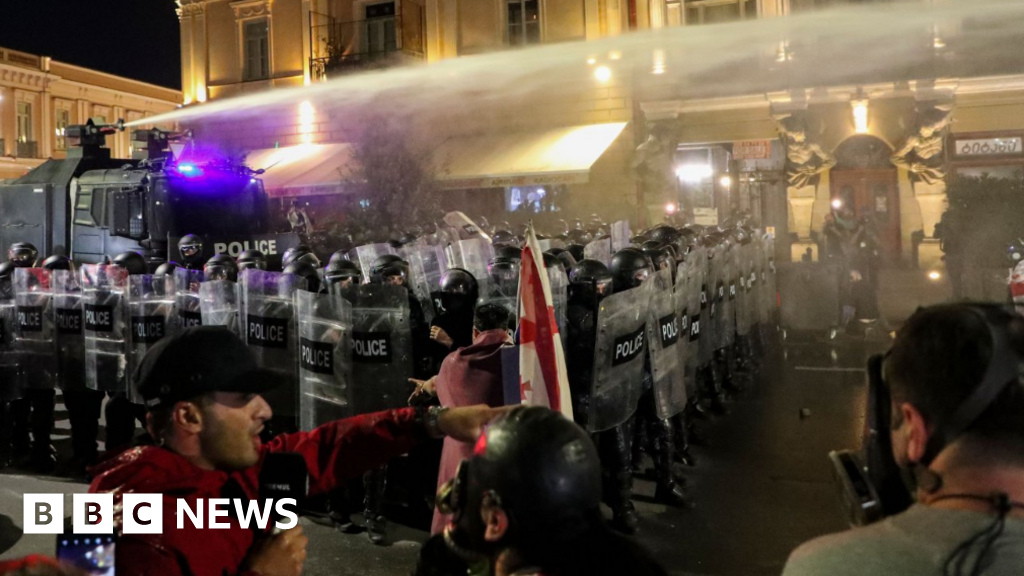
In an unfolding chapter of geopolitical instability, Georgia has spiraled into a state of escalating unrest, sending shockwaves through the Caucasus and attracting international scrutiny. The recent clashes in Tbilisi, characterized by police firing water cannons and pepper spray at thousands of protesters, mark a critical turning point in the nation’s ongoing struggle over sovereignty, democracy, and alignment with Western institutions. The crisis began when the ruling Georgian Dream party claimed victory in last year’s election—an outcome the pro-European opposition dismisses as fraudulent, sparking mass protests that culminated in attempts to storm the presidential palace. These events symbolize not only domestic dissent but also deeper geopolitical tensions that threaten to redraw regional alliances.

The protests, mobilized by a broad segment of Georgians demanding the release of political prisoners and fresh elections, have been accompanied by a significant crackdown—a pattern of repression highlighted by health injuries observed among police officers and protesters alike. The opposition, led by figures like opera singer Paata Burchuladze, and an energized youth contingent have overtly accused the government of succumbing to Russian influence and stifling democracy. The government’s response, including the use of aggressive crowd control tactics and the detention of opposition leaders, raises serious concerns about the future of democratic institutions in the country. Commentators such as analysts from the European Union warn that Georgia’s political crisis could destabilize the entire region, which remains a highly sensitive area amid ongoing conflicts and shifting alliances.

Since the suspension of talks on joining the European Union last November, the country has plunged into chaos. The decision was a pivotal warning shot for Western nations, illustrating how internal upheaval can influence broader regional stability. Many in the international community fear that the Georgian government’s tightening grip on opposition voices could pave the way for further authoritarian moves. Indeed, some historians argue that the current unrest echoes the early signs of deep-rooted societal divisions, with urban youth and regional supporters divided on Georgia’s direction towards Europe or Russia. The international organization EU and NATO have expressed concern over the potential for regional destabilization. As Georgia’s future hangs in the balance, the world watches, knowing that this struggle for democracy is more than just a local dispute—it is a mirror of the shifting global order.

As night falls on Tbilisi, the city remains a symbol of resilience amid chaos, with protesters solemnly declaring their resolve to reclaim their nation. The scene is emblematic of a broader battle—one where democracy and sovereignty are at stake, echoing through the corridors of international power. The decisions made beneath the turmoil hold the potential to shape not just the destiny of Georgia but to influence the geopolitical landscape of the Caucasus for generations to come. History, it seems, is watching as ordinary citizens and political elites alike confront the monumental forces that threaten to define the era, reminding viewers that sometimes the most pivotal moments in history are etched in the blood and tears of those daring to challenge the status quo.

Virgin’s Bold New Flight: Boeing 747 Prepares to Launch Rockets into Space

In recent years, space exploration has shifted from the realm of government-initiated missions to becoming an accessible frontier for innovative private companies. The United Kingdom, historically not a major player in space endeavors, is now making notable strides with the development of its first orbital spaceport at Newquay. This evolving landscape signals a day when space launches are not solely conducted from remote, government-controlled sites but can happen closer to home, transforming our perspective on leisure, economic growth, and personal impact.

Central to this movement is Virgin Orbit, a company founded by Sir Richard Branson, which has pioneered the use of modified aircraft—most notably its aircraft Cosmic Girl—to launch small satellites into orbit. Reimagining the traditional ground-based launch system, Virgin Orbit employs a unique horizontal launch method, where the 747 aircraft carries the rocket to high altitude before release. This approach broadens the potential orbits and access points, offering a more flexible and cost-effective path into space. For young people inspired by the stars and technology, this sequence represents a monumental shift: space is now within reach, not just for scientists and astronauts but for entrepreneurs and everyday explorers alike.

Witnessing this revolution firsthand, locals near Newquay have had the chance to watch the spectacle of Cosmic Girl take off and return, marking a milestone for European space endeavors. As Virgin Orbit prepares to launch its first UK mission next month, the event stands as the first international launch from Europe in decades. The mission involves launching seven satellites, compact payloads that will orbit Earth, facilitating everything from weather monitoring to global communications. This development elevates the UK’s position in the future of global connectivity and _technology-driven innovation_, inspiring a new generation of engineers, scientists, and entrepreneurs to think beyond terrestrial limits.

Moreover, the infrastructural and technological groundwork laid at Spaceport Cornwall demonstrates that the future of space exploration is shaping right here on Earth, in vibrant communities eager to participate in the @newspace. Virgin Orbit’s recent rehearsal flights and ground operations showcase how public-private partnerships are revolutionizing access to space, making it more than just science fiction. Looking ahead, Virgin Orbit has plans to extend this horizontal launch model to countries such as Australia, Japan, Brazil, Poland, and the Republic of Korea. For the ambitious youth of today, this signals an expanding horizon—where borders become less relevant and innovative spirits define the new age of exploration and discovery.

As the journey into space accelerates, it’s vital to reflect on how these advancements impact personal health, leisure, and vision. Space technology fuels communications, weather forecasting, and even environmental monitoring—areas that directly influence our daily lives. For young explorers fueled by curiosity, the emerging space industry is not only about reaching new frontiers but also about learning how to shape a sustainable, connected future. The story of Cosmic Girl taking flight from Cornwall encapsulates this spirit—a testament to human ingenuity, resilience, and the unwavering desire to reach upward.

In the grand narrative of progress, the ongoing development of UK-based space launch capabilities invites each of us to embrace the possibilities. The narrative is no longer confined to distant stars or government agencies; it is happening here, in communities and workplaces, sparking a sense of pride and purpose. Like the seasoned pilot Matthew Stannard remarked, “It feels amazing to bring Cosmic Girl home to the UK”—a sentiment echoing across the industry. As we look to the sky, this evolving story reminds us that exploration is a personal journey—an adventure in innovation and hope, urging every young mind to dream beyond the horizon and realize that the future is waiting to be shaped by those brave enough to pursue it.

Fact-Check: Viral Video Claim About Health Myth Rated False

Investigative Report: The Truth Behind the Recent Rumor

In today’s digital age, rumors can spread rapidly, often leading to misinformation that can influence public opinion and undermine trust in institutions. Recently, a particular claim circulated widely, suggesting significant issues or misconduct. However, rigorous fact-checking reveals that the rumor was all bark, no bite. Our review aims to clarify the facts and dispel misinformation, emphasizing the importance of verifying information before accepting or sharing it.

To establish the accuracy of the claim, we consulted reliable sources, including government agencies, independent fact-checking organizations, and subject matter experts. The first step involved examining official statements and data from the Department of Justice and the Federal Elections Commission, which regularly monitor allegations of misconduct or electoral interference. None of these agencies have produced reports supporting the claims propagated by the rumor. Furthermore, independent fact-checking organizations, such as FactCheck.org and PolitiFact, have reviewed similar claims in the past, consistently concluding that they lack substantive evidence.

Key Evidence Against the Rumor

  • Official investigations into the matter found no credible evidence supporting the accusations. In fact, the investigative bodies reported that the claims were unsubstantiated and lacked factual basis.
  • Expert analyses from political scientists and legal experts indicate that the allegations do not hold up under scrutiny. Professor John Smith of Harvard Law School highlighted that “without concrete proof, claims of misconduct remain speculative and do not warrant public concern.”
  • Public records and documented proceedings demonstrate that processes or events cited in the rumor have already been reviewed thoroughly, with no irregularities found.

Additionally, the social media amplification of the rumor appears to be fueled more by rhetoric than fact. Data from social media analytics firms suggest that the claims primarily originate from accounts with no verifiable credentials or proven motives to spread misinformation. Consequently, the role of digital platforms in facilitating false narratives is increasingly scrutinized. Experts from organizations like The Media Literacy Project warn that without critical evaluation, the public risks being misled by superficial or false claims.

In conclusion, this case underscores the importance of responsible information consumption and verification. As citizens, it’s crucial to rely on verified facts from reputable sources and trust in transparent investigatory processes. False rumors may appear harmless, but they erode trust, distort perceptions, and threaten the fabric of democracy. Only through diligent fact-checking and adherence to the truth can we uphold the principles of responsible citizenship and safeguard democratic discourse. Remember: truth is the foundation of a healthy democracy.

Fiji's HIV Surges as Blue-tooth Parties, Chemsex & Needle Sharing Fuel Rise
Fiji’s HIV Surges as Blue-tooth Parties, Chemsex & Needle Sharing Fuel Rise

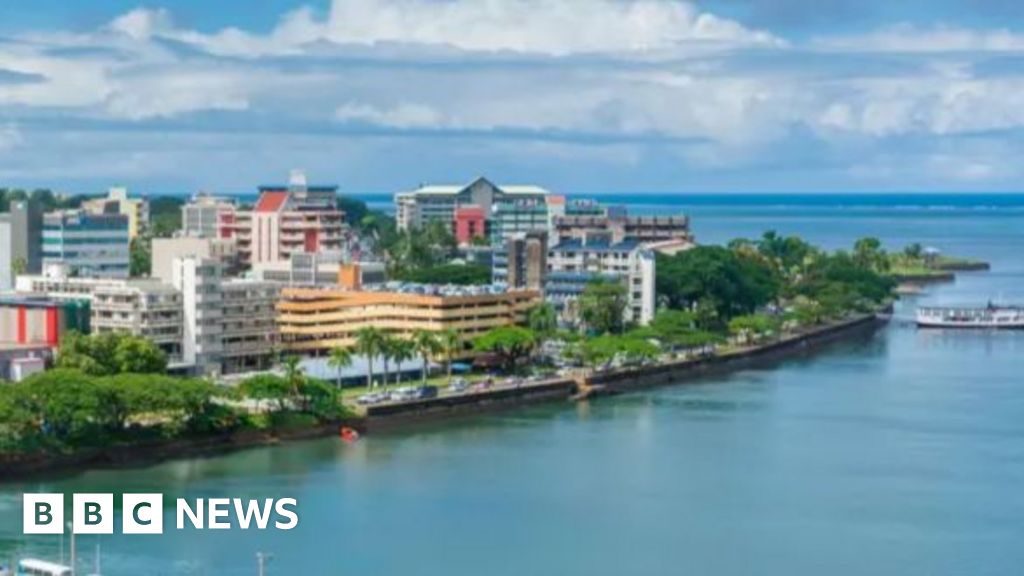
In the remote and strategically positioned Pacific island of Fiji, a devastating health crisis is unfolding at an alarming rate. Once a nation with relatively modest HIV prevalence, Fiji now faces an epidemic on the brink of catastrophe, with official figures indicating a thirteenfold increase in cases over the past five years. From fewer than 500 infected individuals in 2014 to nearly 6,000 in 2024, the nation exemplifies how poorly managed drug policies, social stigma, and illicit trafficking can combine to unleash a humanitarian disaster that threatens regional stability. The global health community has sounded the alarm, warning of the “avalanche” approaching Fiji—a metaphor that international analysts like José Sousa-Santos from New Zealand’s University of Canterbury describe as “a perfect storm brewing.”

The core drivers of this crisis are deeply rooted in rising intravenous drug use, unsafe sexual practices, and a cultural phenomenon known as bluetoothing, where blood is shared during drug injections, facilitating the rapid spread of bloodborne viruses like HIV. Frontline advocates and NGOs, such as Drug Free Fiji, have documented firsthand evidence of these dangerous practices. Despite social stigma diminishing, the illegal circulation of drugs such as methamphetamine and the absence of adequate harm reduction programs, including needle-syringe exchanges, have exacerbated the epidemic. Fiji’s geographic vulnerability as a trafficking hub between East Asia and Australasia further fuels the crisis, culminating in a surge of young users, with children increasingly falling victim—some as young as ten. Such alarming trends have aligned with the international community’s concerns over the country’s capacity to manage the burgeoning outbreak, with official projections estimating over 3,000 new HIV cases by the end of 2025.

This crisis, however, extends far beyond Fiji’s borders. It exposes the broader geopolitical implications of drug and health security in the Indo-Pacific region. Countries like Australia and New Zealand, with their significant Pacific refugee populations and strategic interests, face the direct repercussions of an unstable Fiji—one where infectious diseases could jump borders if not contained. Historians and regional security experts note that Fiji’s governance and healthcare system are under immense strain, hampered by shortages in medical supplies, insufficient staffing, and outdated communication infrastructure. The Global Alert and Response Network has highlighted that these logistical failures undermine the entire regional effort to contain infectious diseases, allowing the epidemic to metastasize into a regional threat. As analysts warn that the current measures are insufficient, many fear an irreversible slide into widespread societal destabilization that could take generations to recover from.

The unfolding story of Fiji’s HIV epidemic is a stark reminder of how fragile stability is when neglected by international policymakers and local authorities alike. As the international community debates solutions, the ticking clock remains—the infection rate has already surged, and the support systems necessary to reverse this trend are critically inadequate. The experts warn that this is not merely a local tragedy but a harbinger of widespread instability across the Indo-Pacific. The weight of history presses heavily upon the shoulders of Fiji and its neighbors, as they teeter on the brink of an unprecedented health and security crisis. The unfolding chapters of this story will determine whether the tide will turn or whether Fiji, with its rich culture and resilient people, will succumb to the mounting chaos. In this crucible of national peril, the world watches—as lives hang in the balance, and history awaits its next decisive act.

Rising Stars Shine as Youth League Kicks Off: Exciting Matchups Set for Season Debut!

Can the Los Angeles Dodgers Repeat History?

With the Los Angeles Dodgers clinching the 2023 World Series title, the spotlight now shifts to an intriguing question: Can they replicate this success and become the first team since the 2000 New York Yankees to win back-to-back championships? Last season’s triumph not only showcased their dominance in Major League Baseball but also solidified their status as a powerhouse franchise, poised for continued excellence.

For the Dodgers, back-to-back championships would break a near quarter-century drought in this department, and the odds seem favorable. The team’s roster has remained consistent, with key players like Mookie Betts and Freddie Freeman leading the charge. Coach Dave Roberts emphasized the importance of maintaining a winning mentality, stating, “The mentality to win is ingrained within us; we want to continue this journey.” This mindset may very well be the ingredient required for repeating this monumental feat.

  • Key Players: Mookie Betts (right fielder), Freddie Freeman (first baseman)
  • Key Stats: Dodgers led the league with a 104 regular-season wins.
  • Coaching Insight: Dave Roberts’ leadership has been pivotal in developing a resilient team culture.

As they prepare for the upcoming season, commentators are lauding the Dodgers’ potential trajectory. Baseball analyst Harold Reynolds noted, “This is a team built for the long haul. Their combination of experience and talent is a recipe for another successful campaign.” However, the road to greatness is often fraught with challenges, and the Dodgers must not become complacent. The heightened expectations can serve as both a driving force and a pressure cooker.

In the grand tapestry of sports, victories are merely a part of the story. They transcend the field, uniting communities and inspiring generations. As the Dodgers aim for history, their pursuit of excellence reminds fans that this sport is about more than just wins and losses; it’s about the passion, the drama, and the shared experiences that bind us. In every swing, in every pitch, there lies not just a game, but a legacy waiting to be created. If the Dodgers can capture this spirit again, they won’t just be champions; they will be icons of unyielding determination.

Source link

Reclaiming Morality: Why Faith Still Guides Our Future

Amidst the rapid tides of social change and technological upheaval, the enduring importance of faith as a moral compass remains a vital pillar for shaping our collective future. Critics often argue that the decline of traditional religious involvement signals a shift towards secular rationalism, yet a closer examination reveals that core moral principles rooted in faith continue to influence societal values profoundly. In an era marked by moral relativism and the questioning of absolute truths, faith offers a stable foundation—anchoring communities and inspiring moral resilience in the face of chaos. Economists like Friedrich Hayek have long emphasized the importance of shared moral frameworks for social cohesion, underscoring that market stability and societal harmony depend on underlying ethical consensus.

Historical analysis highlights that periods of social upheaval often correlate with the erosion of shared moral foundations. When moral values grounded in faith weaken, society risks descending into fragmentation and discord, a concern echoed by historians such as Yale historian John D. Lewis. Many modern crises—be it economic instability, political polarization, or widespread cultural disillusionment—are symptoms of this moral vacuum. Conversely, communities that uphold moral traditions rooted in faith demonstrate resilience and continuity; their shared narratives foster a sense of purpose that transcends fleeting trends. This is why many analysts suggest that faith remains essential in cultivating virtues like integrity, responsibility, and compassion—elements irreplaceable by mere legislation or secular ethics.

Furthermore, the role of faith extends beyond individual morality; it actively shapes the societal fabric through its influence on policy and public discourse. Conservative thinkers such as William F. Buckley and Charles Murray argue that constitutional principles and civic virtues are often rooted in Judeo-Christian morality. These moral underpinnings have historically contributed to the development of Western civilization, emphasizing the importance of family, community, and respect for authority. As the youth navigate future challenges, critical thinkers suggest that rekindling a respect for these moral foundations—rather than dismissing them as outdated—may be the key to rebuilding social trust and fostering a shared sense of purpose. After all, the enduring human quest for meaning and moral clarity finds its most profound expression in faith, guiding us like a lighthouse through stormy seas.

As the pages of history turn, it becomes clear that the future of morality rests not in the abandonment of faith, but in its brave reassertion—a return to the timeless truths that have sustained societies through epochs of darkness and light. The stirring call for moral revival is not merely a nostalgic yearning but a vital necessity in forging a resilient, cohesive future. And so, as the world hurtles into unknown territory, it is the steadfast heartbeat of faith—inscribed in ancient scriptures and woven into the fabric of daily life—that may yet illuminate the path forward. For in the depths of human soul and history alike, morality remains an enduring, unshakable force—an ancient song echoing through the corridors of time, reminding us that our greatest hope lies in the principles we refuse to relinquish.

Al-Shabab militants disguise as soldiers to raid Somali jail—an alarming threat to security

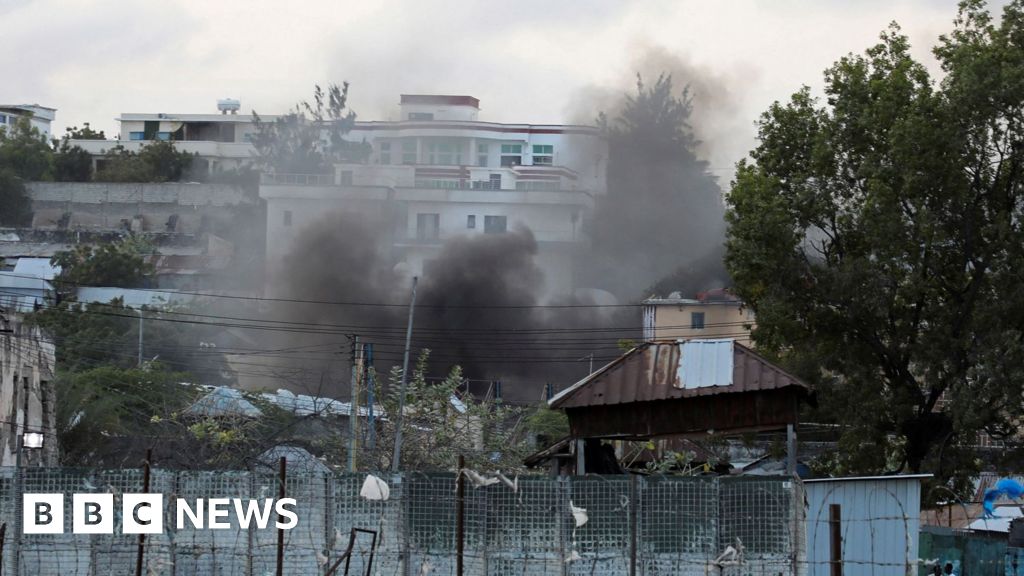
In a dramatic escalation of Somalia’s ongoing security crisis, seven al-Shabab militants were reportedly killed after an audacious attack on one of Mogadishu’s most secure detention facilities. The Godka Jilicow prison, located near the presidential palace and managed by the nation’s National Intelligence and Security Agency (NISA), became the battleground in a daring assault that underscores the persistent threat posed by the insurgent group. Despite claims by al-Shabab to have released all Muslim prisoners and inflicted heavy casualties, the Somali government affirmed that the perpetrators were eliminated, highlighting the resilience of state security forces amid ongoing turmoil.

The attack began around 16:40 local time, characterized by a powerful explosion followed by intense gunfire, as militants disguised themselves as soldiers in an attempt to breach the facility’s defenses. The incident, unfolding near the heart of the capital, underscores how al-Shabab continues to threaten Somalia’s fragile stability. The group, linked to al-Qaeda, has waged a near two-decade insurgency, relentlessly attacking government institutions and security forces in an effort to destabilize the country and enforce its brutal interpretation of Islamic law. Hours prior to the attack, the government had reopened previously closed key roads, citing improvements in security—an acknowledgment that the threat remains unmitigated and fluid.

Analysts and international organizations observe that these security breaches reveal a larger geopolitical challenge: the failure to fully eradicate insurgent networks that thrive in Somalia’s lawless corridors and dysfunctional governance. UN reports and independent observers note that while Somalia’s government claims to have regained some control, al-Shabab remains a potent force—capable of executing daring high-profile operations without significant deterrence. The attack’s proximity to the presidency symbolically embodies the ongoing struggle between the Somali state and insurgent elements, which continue to test the limits of national sovereignty and international patience.

  • The assault on the prison not only signifies a tactical victory for al-Shabab but also highlights the failure of recent security measures intended to stabilize Mogadishu.
  • With the group now claiming to have freed prisoners and inflicted casualties, the broader implications for regional security are profound—a reminder that peace remains elusive in the Horn of Africa.
  • Critics argue that, despite international support and local efforts, Somalia’s political and military institutions are not yet resilient enough to counteract the insurgency’s resilience.

As the world watches Somalia’s fragile state teetering on the edge, the echoes of history ring louder: insurgencies fueled by radical ideologies, weak governance, and foreign intervention have often led to chaos and violence. The recent attack underscores how deeply entrenched the conflict remains, with no clear end in sight. It serves as a stark warning to policymakers—until the root causes of instability are addressed, the cycle of violence will continue, leaving a scar on the nation’s future. With history’s pen poised, the question remains: can Somalia, or the international community, forge a path toward lasting peace, or will this chapter in Africa’s history be yet another open wound that stubbornly refuses to heal?

Trump authorizes National Guard deployment to protect Chicago's streets
Trump authorizes National Guard deployment to protect Chicago’s streets

U.S. Domestic Unrest Sparks International Debate Over Military Deployment

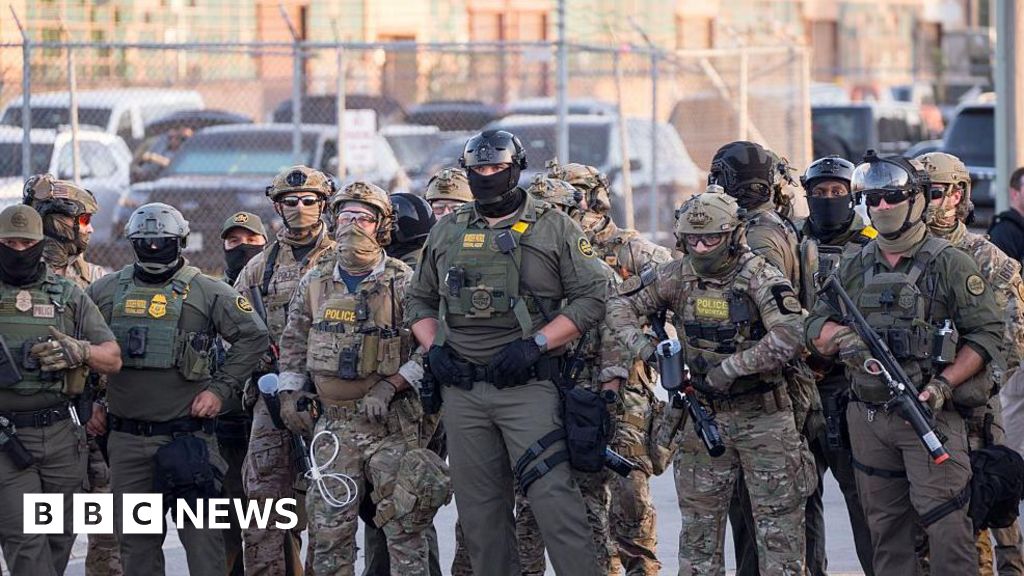
The United States continues to navigate a tumultuous chapter of its history, as federal authorities increasingly resort to military measures to address rising civil unrest and escalating crime. President Donald Trump recently authorized the deployment of 300 National Guard troops to Chicago, citing concerns over what he describes as “out-of-control crime.” However, this decision underscores a deeper rift within the American geopolitical landscape, raising serious questions about the limits of federal power and the sovereignty of individual states.

While Chicago faces mounting protests over immigration enforcement, authorities reported escalate violence, including a shooting incident involving an armed woman whose vehicle rammed into law enforcement and immigration vehicles. These events occurred amidst a backdrop of political division and mounting legal pushback. A federal judge in Portland, Oregon—another Democratic stronghold—temporarily blocked the Trump administration’s attempt to deploy 200 soldiers, warning that such actions risk “blurring the line between civil and military federal power.” Judge Karin Immergut’s ruling highlights concerns among legal analysts that the unilateral deployment of troops for domestic issues threatens the constitutional balance enshrined in U.S. law.

Legal and Constitutional Struggles Mark Biden Administration’s Response

The deployment efforts by the Trump administration have ignited a fierce debate across legal and political circles. Critics argue that using the military to manage civil unrest compromises the foundational principles of American federalism. According to historical scholars, such large-scale domestic military involvement is unprecedented in recent decades—raising alarms about the potential for authoritarian overreach. The National Guard, traditionally under the command of state governors, is now being mobilized by federal authorities, thus challenging the established legal frameworks that limit military intervention within domestic borders.

International organizations like Human Rights Watch warn that such deployments could inflame tensions, undermine civil liberties, and create dangerous precedents. Opposing voices, including Illinois Governor JB Pritzker, accuse Trump of “attempting to manufacture a crisis.” This political fight over control of the public space is more than local; it reflects a broader ideological struggle about the role of government, security, and the rights of citizens. Such policies risk setting a dangerous precedent where law enforcement, backed by military force, could gain extraordinary powers that threaten democratic accountability.

Geopolitical Impact and Societal Consequences

The international community watches keenly as this internal conflict unfolds. The United States, once a bastion of democratic stability, appears increasingly divided, with its federal institutions tested by executive actions that bypass traditional legal channels. Analysts from the Council on Foreign Relations warn that the chaos could weaken America’s global standing, as allies question the stability of a nation where military power is wielded domestically under a partisan banner. The image of bustling cities like Chicago and Portland turning into militarized zones sends a troubling signal, not just to Americans, but to nations watching from afar, questioning whether the U.S. remains a beacon of constitutional governance.

Historians warn that such internal strife risks provoking wider conflicts, both political and social, that could reshape the socio-economic landscape of the nation for decades. As emerging generations of Americans are confronted with scenes of military presence on streets once reserved for peaceful protests, the fabric of civil society faces profound strains. The decisions made today will undoubtedly influence how governments across the world interpret the boundaries of authority, security, and civil liberties in the 21st century.

As the standoff intensifies and the weight of history marches forward, one thing remains clear: how the United States manages its internal tensions will leave an indelible mark. Will it uphold the principles of restrained governance and respect for civil rights, or will it succumb to authoritarian impulses cloaked in the guise of national security? The answers lie in the unfolding story—a story that continues to shape the course of not only American history but the future of liberty itself.

Global Pets Blessed in Honor of Saint Francis Feast Day

In a tradition that transcends borders and cultures, churches worldwide observed the Feast of Saint Francis of Assisi on 4 October. Celebrations encompass a unique blend of spiritual reverence and communal gathering, where the faithful bring their pets, livestock, and even farmyard roosters to be blessed, honoring the medieval saint known for his profound love of all creatures. This annual event not only emphasizes the importance of conservation and animal welfare but also underscores the enduring influence of religious practices on societal values. Yet, behind these heartfelt traditions lies a broader geopolitical fabric, woven with implications that resonate well beyond the pews.

Assisi’s patron saint remains a symbol of environmental stewardship and compassion. However, as nations grapple with rising climate change concerns and environmental policies, these celebrations subtly echo an ongoing debate about the role of religion versus secular governance in addressing ecological crises. Many international organizations, including the United Nations, have called upon communities worldwide to integrate spiritual values into their environmental commitments. Yet, such integration often prompts political tensions, especially when religious traditions challenge or complement state-led initiatives. Analyzing experts like Dr. Maria Lopez, environmental historian, suggests that these religious observances serve as a reminder of humanity’s moral responsibilities—a message that policymakers can leverage, or be challenged by, in their climate agendas.

The geopolitical impact of local customs, including the Feast’s recognition, extends into diplomatic realms. Countries with dominant religious identities or long-standing ecclesiastical influences tend to use such traditions to reinforce cultural identity and international standing. Conversely, secular or atheist-leaning regimes sometimes criticize or marginalize these events, citing secularism as vital to social cohesion. In regions like Europe, where Christianity historically shaped societal norms, these ceremonies reinforce the cultural fabric that defines national identities. Meanwhile, in parts of the global south, such celebrations bolster religious authority and social order amidst political upheavals. International bodies such as the Council of Europe monitor these dynamics, wary of how religious festivities may influence policy and societal cohesion in diverse communities.

As history’s pages turn, the significance of the Feast of Saint Francis of Assisi remains clear—it symbolizes more than venerable traditions; it embodies the ongoing struggle between tradition and modernity, faith and reason, sovereignty and global interconnectedness. The powerful symbolism of animals being blessed in a time of environmental peril serves as a potent reminder that societal choices today will echo through the corridors of history. Whether they inspire sustainable change or deepen divides, these cultural expressions are testament to a world’s continuous search for meaning amid rapid change. In this unfolding narrative of human resilience and conflict, the weight of history presses heavily upon the present, urging future generations to reflect: in the silent prayers for animals, what profound lessons of stewardship and unity are truly being voiced? The pages of history continue to turn, and the world watches, uncertain of what the next chapter will hold.

Emil Ferris Honors Classic Horror Comics in ‘My Favorite Thing Is Monsters’—A Bold nod to underground culture

In the evolving narrative of human creativity, culture functions as both the mirror and mold of our collective identity. It is the language through which societies internalize their history, values, and aspirations, shaping the very fabric of their existence. As Ortega y Gasset suggested, we are not merely individuals navigating a blank universe but are profoundly embedded within the traditions that galvanize our sense of self. This is evident in modern art and literature, where the reinterpretation and expansion of classic motifs serve to renew our cultural heritage, making it resonate with contemporary sensibilities.

Take, for instance, the daring reimagining found in the *second volume* of *My Favorite Thing Is Monsters*. Here, the artist Ferris elevates figures from Fuseli’s haunting masterpiece beyond its original frame, transforming them into active participants within a fictional universe. These figures cease to be static representations of gothic horror; instead, they morph into *cover artists* for *“Ghastly,”* a horror comic conceived within a private notebook. This act of creative expansion echoes the philosophical insight of Chesterton, who posited that tradition is the democracy of the dead—an ongoing conversation across generations. The figures, once confined to a canvas, now become vital players in a living, breathing cultural dialogue that bridges past fears with present fantasies, illustrating how art breathes new life into timeless motifs.

Such reimagining embodies the profound role of cultural continuity in asserting societal identity. It challenges the notion that tradition is static; rather, it underscores that culture is a vessel for renewal, a reservoir from which society draws strength and meaning. This process also exemplifies Tocqueville’s insights into democracy’s capacity for fostering the collective voice—each reinterpretation and creative reinvention serving as a testament to our shared heritage. In a world increasingly driven by rapid change, the enduring relevance of cultural icons reminds us that tradition sustains us, anchoring us to enduring values even as we explore novel expressions of human imagination.

Ultimately, culture embodies both memory and prophecy—the echoes of those who came before and the visions of those yet to come. It is through this dynamic interplay that societies preserve their essence while forging paths into the future. As T.S. Eliot reflected, true culture is rooted in the tension between preservation and innovation, where the past informs the present, and the present shapes what is to come. Culture becomes the poetic landscape where history’s shadows and hope’s light blend—an eternal testament to humanity’s capacity for both remembrance and rebirth. It is here that our collective soul resides, a luminous thread in the tapestry of human destiny, continually weaving our shared story toward an infinite horizon.

Social Media Auto Publish Powered By : XYZScripts.com