Matox News

Truth Over Trends, always!

Trump sets Sunday deadline for Hamas to accept Gaza peace deal

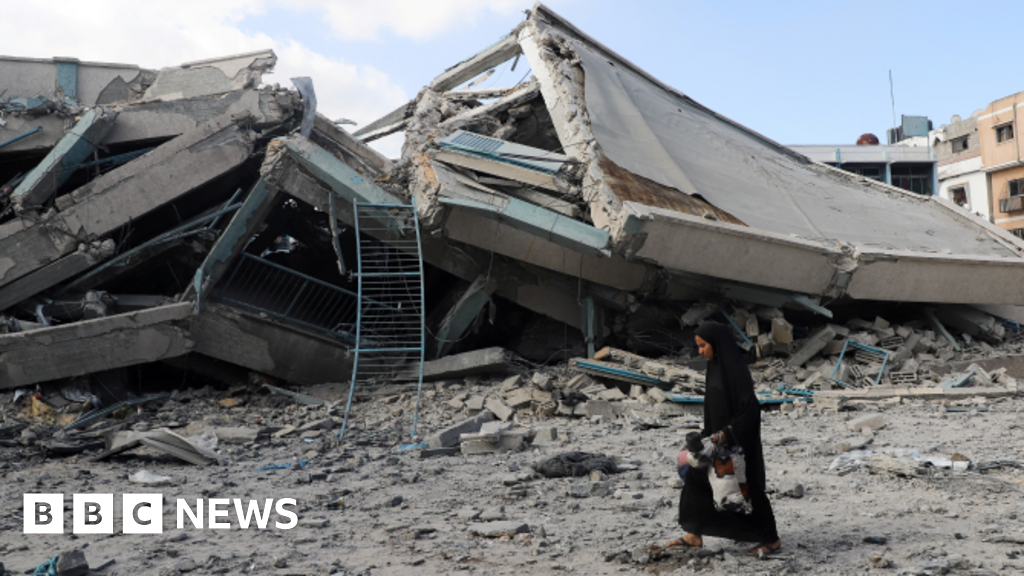
The escalation of violence in Gaza has once again thrust the Middle East into the global spotlight, with US President Donald Trump taking an unprecedented stance. On his Truth Social platform, Trump issued a stark ultimatum to Hamas, demanding the militant group accept a proposed US peace plan or face “all hell,” a phrase that underscores the gravity of the current situation. The plan, set to be enforced by a strict deadline of 18:00 Washington time (22:00 GMT) on Sunday, calls for an immediate cessation of hostilities and the release of 20 Israeli hostages within 72 hours—along with the remains of those believed to be deceased— in exchange for hundreds of Gazans detained by Hamas. This intense diplomatic ultimatums reflect America’s strategic pivot to project influence amidst rising tensions, a move strongly opposed by many analysts concerned about the unpredictable consequences of such escalations.

International mediators have reportedly engaged with Hamas’s military leadership in Gaza, but internal divisions threaten the viability of the US proposal. According to credible sources, Hamas’s military wing refuses to accept the plan, primarily because it demands the immediate handover of all hostages within the first three days of a ceasefire—a move analysts describe as effectively stripping Hamas of its strongest leverage. Meanwhile, some elements within Hamas’s political hierarchy in Qatar appear more receptive, though their influence remains limited due to their lack of control over the armed group’s core operations and hostages. Such internal disagreements highlight the complex web of power struggles within Hamas itself, complicating international efforts to mediate a sustainable resolution. The fact that only 20 of the roughly 48 hostages believed to be held are confirmed alive adds a layer of tragedy and urgency to the negotiations, with many fearing that the window for safe resolution is rapidly closing.

The backdrop to this crisis is the devastating Israeli offensive launched in response to the October 7 attack by Hamas, which resulted in approximately 1,200 fatalities and 251 hostages taken—an atrocity that shattered Israel’s sense of security and prompted a sweeping military campaign in Gaza. The Israeli Defense Forces have responded with relentless aerial and ground assaults, leading to over 66,288 Gaza residents reported killed by Hamas-controlled health authorities. These staggering figures illustrate the profound human toll of the conflict, and experts warn that continued fighting risks a broader regional escalation, with global powers watching intensely. The United Nations and other international organizations have issued calls for ceasefires and negotiations, but their influence is waning in the face of entrenched hostility and deep-seated grievances.

Within this maelstrom of violence and diplomacy, the geopolitical impact is undeniable. The unfolding crisis tests the limits of international diplomacy and underscores the fragile balance of power in the Middle East. Leaders from Europe to Asia are watching with wary eyes, aware that any misstep could trigger a larger regional conflict. Historians and strategic analysts warn that decisions made in these critical days could shape the course of history—either paving the way towards peace or unleashing a relentless cycle of violence. As civilians bear the brunt of these hostilities—caught between political agendas and military might—the question remains: how much longer can the world afford to stand by and watch as history continues to be written in blood?

In the shadows of diplomacy and war, the future hangs precariously, with each decision echoing through the corridors of power and the lives of those entangled in this enduring conflict. The weight of history presses down heavily—every choice a chapter in a story still unwritten, yet profoundly felt. The question now is whether the international community can forge a path toward lasting peace, or if the flames of ongoing hostilities will consume all hopes of resolution, plunging the region—and perhaps the world—into chaos once more.

Rising Stars Shine in Thrilling Matchup: Young Athletes Showcase Talent in High-Stakes Showdown

Niners Overcome Adversity to Triumph Over Rams in Thrilling Overtime Clash

In a spectacular display of grit and determination, the San Francisco 49ers edged out the Los Angeles Rams 26-23 in a nail-biting overtime showdown on Thursday night. Quarterback Mac Jones delivered a standout performance, throwing for 342 yards and two touchdowns, despite battling a sprained knee and cramping forearm. This extraordinary effort solidified Jones’s position as a key player for the Niners, showcasing the resilience that defines great athletes in high-pressure situations.

The match kicked off with both teams exchanging blows, but it was Mac Jones who proved to be the difference-maker. In a crucial moment, his pinpoint accuracy led to a stunning 50-yard completion that set the stage for a game-tying touchdown. Commentator Jim Johnson remarked, “Jones not only showed skill but also an unwavering spirit, embodying what it means to compete at the highest level.” This pivotal play resonated with both fans and analysts, underscoring the bravery athletes show when faced with adversity.

  • Mac Jones: 342 passing yards, 2 touchdowns
  • Rams Defense: Struggled against Jones’s passing, allowing critical completions
  • Overtime Highlights: Niners’ defense stepped up, forcing a crucial turnover

The Niners’ defensive unit also made significant contributions, including a key interception that swung momentum back into their favor. Head Coach Kyle Shanahan praised his team’s tenacity, declaring, “In moments like this, you find out the character of your players. I couldn’t be prouder of how they battled, particularly Mac.” The synergy between the offense and defense was palpable, transforming the field into a battleground where willpower and teamwork prevailed.

As the final whistle blew, the joy of victory was reflected not just in the scoreboard, but in the hearts of every player and fan present. Sports transcends mere numbers; it unites us all in the shared experience of triumph and defeat. This game was not just a test of skill, but a testament to the unbeatable spirit of competition. As teams like the 49ers and Rams continue to clash, they remind us that through every setback and comeback lies the true essence of sports—a force that binds us in our collective journey towards greatness.

Source link

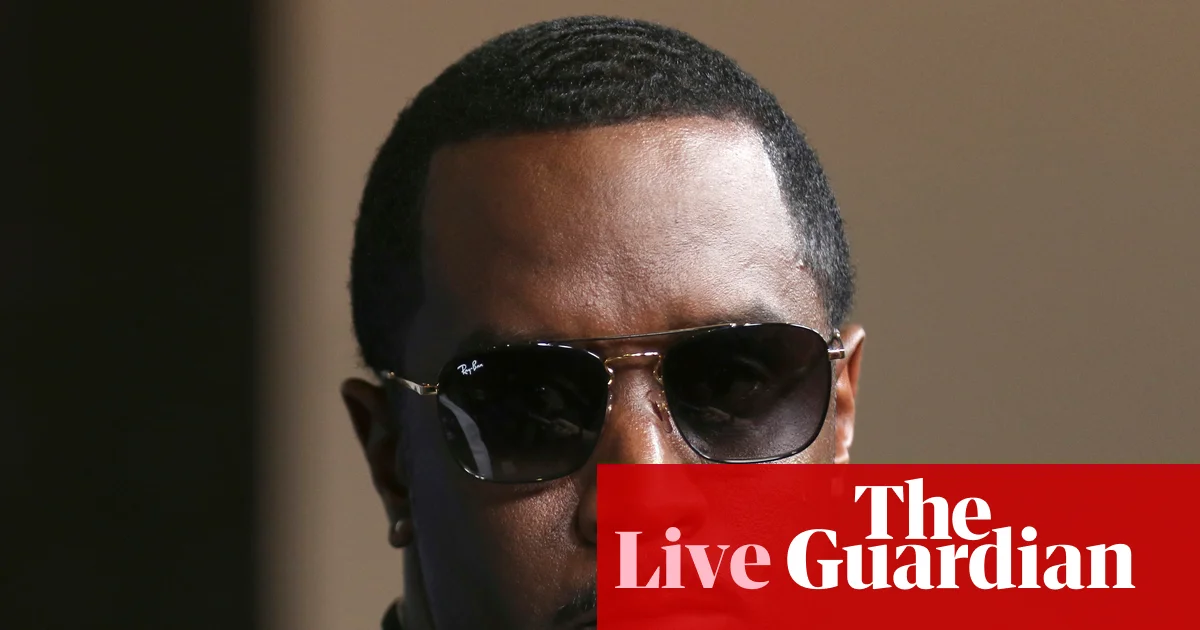
Sean ‘Diddy’ Combs Faces Sentencing After Plea for Second Chance — Live Updates

International Witness: The Geopolitical Ripple of Judicial Decisions and Power Struggles

In a world where the actions of Western celebrities often serve as mirrors to shifting societal and international norms, the recent developments involving Sean “Diddy” Combs exemplify how individual legal outcomes can ripple through global geopolitics. As Combs faces federal sentencing in Manhattan after his conviction related to prostitution charges, the ramifications extend well beyond the courtroom, touching on issues of international influence, legal sovereignty, and the moral fabric of societies worldwide.

Combs’ case highlights the intricate dance between law, influence, and global perceptions, especially considering his personal ties to political figures and potential presidential pardons. Reports suggest that supporters have appealed to the Trump administration for clemency, illustrating a blurred line between celebrity power and political interventions. This act of leveraging legal privileges underscores a broader phenomenon—the way in which powerful individuals can attempt to sway international perceptions, impacting diplomatic relations and the image of national justice systems. As historian and geopolitical analysts note, such cases are often more than personal; they are strategic vectors in the arena of soft power, shaping societal values and international trust in judicial institutions.

Meanwhile, the case’s domestic consequences are equally significant. The victims’ statements and the evidence presented reveal a disturbing pattern of violence and abuse intertwined with issues of morality, control, and societal decay. The amplification of victim voices in the courtroom underscores a global trend toward holding influential figures accountable, a movement with profound geopolitical impact—especially when combined with the potential for international clemency and diplomatic negotiations. International organizations, such as the United Nations, have raised concerns about the way powerful personalities influence justice, often at the cost of societal trust and societal norms.

As legal proceedings continue and Combs’ legal team considers appeals, the international community observes with bated breath. This is a turning point—one that signals the potential for a new era of accountability, yet warns of the risks of politicizing justice. In an era where societal values are in flux and the lines between celebrity influence and political power are increasingly blurred, each decision echoes across nations, societies, and generations. The unfolding story reminds us that the true weight of history is not solely in the verdicts rendered, but how those verdicts shape the course of nations and the moral compass of societies—a narrative still being written in the shadowed corridors of power and justice.

Embracing Cultural Roots: The Key to National Identity

In an era characterized by relentless globalization and technological upheaval, the significance of cultural roots as the foundation of national identity cannot be overstated. Critics argue that the rapid spread of Western ideals and the homogenization of cultures threaten the unique traditions that define a nation’s soul. Historically, nations have thrived by nurturing their distinct cultural narratives—whether it be the resilience of Japan’s samurai ethos or the enduring spirit of European renaissance. These cultural elements serve not merely as relics of the past but as living conduits of collective memory, shaping a nation’s worldview and guiding its future trajectory.

Economists such as George Friedman and Samuel Huntington emphasize that a strong national identity rooted in cultural heritage fosters social cohesion and resilience in times of crisis. When citizens share a common understanding of their history, values, and traditions, they are more inclined to unite against external threats and internal divisions. The erosion of this shared cultural fabric, critics warn, paves the way for fragmentation and a loss of sovereignty. As Huntington suggested in his seminal work The Clash of Civilizations, the future geopolitical order depends heavily on how well nations preserve their unique cultural identities amidst the external forces seeking to erase them.

Reclaiming cultural roots does not imply a retreat into insularity, but rather an empowering recognition of diversity within a shared national narrative. It involves championing traditional language, customs, and histories as vital components that shape a sense of purpose and belonging. Movements advocating for the preservation of indigenous languages, regional histories, and cultural practices highlight a collective desire to resist cultural dilution. Furthermore, embracing one’s heritage fosters a youthful sense of pride and authenticity, crucial for inspiring future generations to carry forward their cultural legacy. Such efforts often generate innovative cultural rebirths that bridge old traditions with modern realities, thus enriching the national tapestry rather than impoverishing it.

Amidst these developments, policymakers and cultural leaders must acknowledge that preservation and innovation are not mutually exclusive. The challenge lies in cultivating a balanced approach where cultural roots are celebrated and revitalized without becoming an obstacle to progress. As historian Yuval Noah Harari notes, humanity’s greatest achievements have often sprung from a profound understanding of shared stories and myths—a testament to the enduring power of cultural narratives. When a nation recognizes its cultural origins as a source of strength rather than chain, it embarks on a journey towards a resilient, authentic identity that can weather the storms of modern change. It is within this sacred act of remembrance and renewal that the true essence of a nation endures, whispering through the ages as a timeless echo—a reminder that, in embracing our roots, we embrace the very foundations upon which our future is built.”

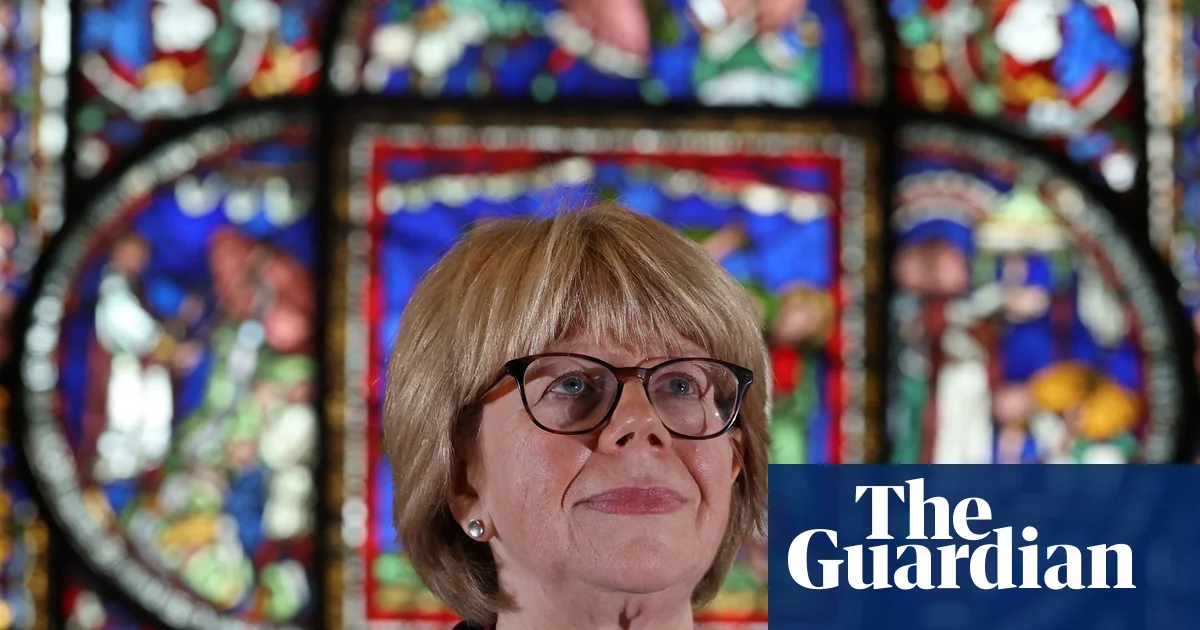
Sarah Mullally makes history as first female Archbishop of Canterbury—shaping a new era for Anglicanism

In a momentous turn within Britain’s religious landscape, Sarah Mullally has been appointed as the first female Archbishop of Canterbury, signaling a profound shift in the world’s second-largest Christian communion. Announced by Downing Street after months of deliberation, Mullally’s ascension reflects not only internal reform within the Church of England but also echoes wider geopolitical and societal dynamics rippling across the globe. Her appointment arrives amid debates over social justice, moral values, and the ongoing struggle against factional divides rooted in tradition versus progressive reform, a tension felt from London to Washington and beyond.

The decision to elevate Mullally, a former NHS nurse turned government chief nursing officer, underscores a broader narrative of changing societal roles for women in leadership. While this milestone symbolizes progress for many liberal factions seeking gender equality within faith institutions, it also underpins a deep-rooted controversy stirring conservative factions. Historians and analysts view this as a *defining moment*—an emblem of the **Church of England’s** adaptation in a rapidly evolving cultural landscape. Yet, this move is also a critical test of the Church’s ability to maintain unity amidst regional disparities, particularly as it governs a global Anglican communion of 85 million followers—stretching from the progressive churches of North America to conservative communities in Africa and Asia. As Mullally assumes her role, she inherits the difficult task of reconciling these divergent voices, each with their own cultural and moral outlooks shaping their interpretations of scripture and societal norms.

Her appointment carries greater geopolitical weight, especially in conversations surrounding international diplomacy and *moral leadership*. The Anglican Communion’s complex relationship with U.S. citizens and African nations remains a pivotal element of diplomatic strategy. While Western communities push for greater inclusion and the acknowledgment of *LGBTQ rights*, many African and Asian provinces adhere to strict traditionalist doctrines, often outlawing homosexuality and opposing liberal reforms. This duality underscores a *widening rift* within the church’s own ranks, which international organizations like the United Nations and World Council of Churches observe with caution. Past statements from global leaders warn that these ecclesiastical disputes are emblematic of broader conflicts over cultural sovereignty and policy influence—conflicts that threaten to spill into diplomatic arenas, complicating Britain’s stature as a moral voice on the international stage.

As Mullally’s leadership takes shape, the Church of England stands at a crossroads. It grapples with internal divergence over issues like same-sex marriage and declining attendance—a reflection of the wider crisis of faith faced by church institutions worldwide. Meanwhile, societal fractures fueled by Christian nationalism and political polarization mirror the old tensions that continue to threaten national cohesion. Many analysts assert that her promise to confront safeguarding failures and to foster *light on power used inappropriately* signals a broader push for transparency, accountability, and integrity—traits required to restore trust in influential institutions facing monumental societal upheavals. Yet, the weight of history persists; her role is not just spiritual but deeply intertwined with the ongoing battle for moral authority and societal relevance in a rapidly changing world.

The unfolding story of Mullally’s rise to the archbishopric is emblematic of history’s relentless march—an ongoing saga where faith, politics, and societal values collide in a dance as old as civilization itself. Each decision, each statement, leaves an indelible mark upon the pages of history, reminding us that the battle for humanity’s moral compass remains unresolved, with new leaders forging paths through turbulent waters as the waves of history continue to crash and recede, leaving behind a trace of the future yet to be written.

Unveiled Triumphs: Uncloaked Dominates at the British Podcast Awards

In an era where popular culture becomes both a mirror and a moulder of societal values, the triumphs of modern media forms—particularly podcasts and television—highlight a vital truth: the cultural fabric of a nation is intertwined with its narratives, symbols, and collective memory. The recent accolades garnered by shows like The Traitors and podcasts such as Pod Save the UK underscore the enduring power of storytelling to shape national identity and reinforce social cohesion. As Ortega y Gasset observed, “A nation’s culture is the outward expression of its soul,” and these cultural phenomena serve as modern conduits of that collective consciousness, embedding traditions and shared histories into the digital age.

The success of The Traitors—a BBC series that continues to captivate viewers with its blend of psychological intrigue and social strategy—illustrates more than entertainment; it exemplifies the resurgence of trust and suspicion in a fractured society. Its record-breaking viewership of over seven million during the finale, alongside the associated podcast Uncloaked, shows an appetite for narratives that explore human nature, allegiance, and deception. This echoes Tocqueville’s insights on democracy’s paradox: that in the pursuit of equality, societies often become engrossed in the stratagems of power and virtue. The show’s popularity signals a collective yearning to understand ourselves—our instincts, our loyalties, our fears—in a civilization increasingly defined by its fragmented yet interconnected stories.

Similarly, the rise of Pod Save the UK and its recognition as a Podcast Champion encapsulates the role of media in fortifying community and cultivating a sense of authentic identity. In a landscape where superficiality often threatens to erode tradition, such platforms stand as bastions of discourse—channels of culture that communicate the nuances, struggles, and humor of everyday life. Coco Khan’s reflection that their podcast “about being different, unique, authentic and funny” resonates with Chesterton’s notion that “The true artist is inspired not by a desire for fame but by a duty to capture the spirit of his age.” The emphasis on authenticity acts as a counterbalance to the relentless homogenization driven by global trends, reaffirming that cultural identity is rooted in our collective history and moral convictions.

  • Milestones in media recognition—awards for BBC True Crime series and podcasts exploring social justice—highlight that culture remains a dynamic vessel for societal reflection and change.
  • The emergence of the cultural critic’s voice as a guide in navigating the moral and philosophical questions of our time, exemplified by shows that delve into historical injustices and the human condition.
  • The enduring significance of storytelling as both memory and prophecy, linking past traditions with future aspirations in the continuous evolution of a national narrative.

Indeed, in this relentless pursuit of entertainment and information, the cultural landscape reveals itself as both a sanctuary and a forge—as Chesterton might suggest—where the collective memory of society is preserved and shaped anew. It is within these stories, both real and imagined, that we forge our understanding of who we are; and in doing so, we also glimpse who we might become. The culture of an age is its prophecy; its memory whispers the truths of generations past, while its stories forge the path ahead. As the poet T.S. Eliot warned, “The only wisdom we will ever have is the wisdom of remembrance.” With each narrative, each tribute to our shared experience, humanity affirms that it is both a monument and a prophecy—a testament that reminds us that in the tapestry of tradition, the future is woven.”

Animal bones uncovered in decades-old search for missing girl

The Unresolved Mystery of Cheryl Grimmer: A Reflection of Broader Failures

The recent false alarm in the search for the remains of British girl Cheryl Grimmer underscores the enduring complexities and shortcomings of Australia’s efforts in solving cold cases that span decades. The incident, which unfolded in New South Wales after volunteer teams employed cadaver detection dogs, is reminiscent of numerous unresolved disappearances that continue to haunt communities across the country. While initial hopes surged during the ongoing quest to uncover the truth, authorities quickly dismissed the bones found as belonging to an animal, reaffirming the persistent challenge of detecting and resolving such mysteries in remote or neglected regions.

Cheryl vanished at age three in 1970 from Fairy Meadow beach in Wollongong. Despite repeated investigations, her disappearance remains shrouded in ambiguity. The case gained renewed attention after a teenage confession from someone codenamed Mercury, which led to the suspect’s 2019 trial—only to be derailed when a judge disallowed the confession, emphasizing procedural limitations and questioning the credibility of evidence. As international analysts observe, the core issue extends beyond this case, exposing systemic flaws in Australia’s investigative processes for missing persons and unresolved crimes. With a reward of Ä1 million, authorities continue to seek clues, yet the shadows of past missteps loom large, raising questions about the efficacy of Australia’s law enforcement and judicial approach.

Furthermore, Ricki Nash, Cheryl’s brother, publicly voiced concerns about perceived errors within police investigations that date back to her disappearance. His calls for accountability have gained traction, with a petition garnering over 10,000 signatures demanding a formal inquiry into NSW’s missing persons investigations. Although the parliament debated these petitions, the authorities refrained from promising any concrete reforms, revealing a frustrating disconnect between public demand for justice and governmental willingness to confront institutional shortcomings. Such delays and dismissals threaten to deepen societal skepticism about whether justice will ever truly be served for unresolved cases like Cheryl’s.

Geopolitical Context and Broader Implications

  • The case exemplifies how domestic failures in law enforcement can undermine public trust in government institutions, impacting societal stability.
  • Meanwhile, international organizations like the United Nations emphasize the importance of effectively addressing unresolved crimes to uphold human rights and social cohesion worldwide.
  • Historians and analysts warn that neglecting systemic reform in criminal investigations may foster an environment of lawlessness, emboldening criminal elements and undermining rule of law.

As the story of Cheryl Grimmer remains one of unresolved tragedy, it echoes a broader truth: the decisions made in these cases ripple across nations, influencing policies, societal trust, and the very fabric of justice. In the relentless march of history, every unsolved crime becomes a scar—a reminder of how humanity’s pursuit of truth must be unwavering, even in the face of systemic failure. The weight of her story, and millions of others like it, serve as stark warnings that history is still being written, and that the struggle for justice is an ongoing mission that demands vigilance, integrity, and relentless resolve.

Replit’s Breakthrough After 9 Years — Can They Sustain the Momentum?

Replit Surges with $250M Funding, Disrupting the Coding Ecosystem

In a remarkable display of innovation and strategic agility, Replit, a Bay Area-based startup specializing in cloud-based coding environments, announced its latest funding round of $250 million, led by Prysm Capital. This influx of capital comes on the heels of a staggering growth trajectory — revenues skyrocketed from a modest $2.8 million last year to an impressive $150 million annually, demonstrating how technological disruption can reshape market landscapes when combined with bold vision. Such achievements underscore the increasing dominance of AI-driven tools in the software development space, signaling a fundamental shift that could redefine how programming is approached worldwide.

Integrating tremendous resilience and disruptive innovation, Masad‘s team has transformed a previously stagnant platform into a leader for non-technical users. The company’s strategic pivot away from professional developers, focusing instead on enabling everyday knowledge workers, represents a novel market shift that challenges longstanding industry assumptions. The launch of Replit Agent, hailed as “the world’s first agent-based coding experience,” exemplifies this disruptive approach. This AI-driven tool can not only write code but also debug, deploy, and provision databases, effectively acting as a full-fledged software engineering partner. Such capabilities threaten to democratize programming, lowering barriers and fostering a new wave of innovation driven by mass adoption.

Market analysts like those from Gartner highlight that this evolution could serve as a catalyst for industry-wide dislocation. Replit’s positioning at #3 in Andreessen Horowitz’s recent AI spending report — outranking traditional development tools — signals a shift in where startups and enterprises are channeling their AI budgets. Meanwhile, the company’s focus on securing a $350 million war chest and its deliberate capital efficiency underscore a strategic readiness to scale aggressively, acquire niche companies, and push forward with vertical agent automation. These moves could consolidate Replit’s technological moat, while highlighting the importance of disruption-driven business models that prioritize accessible, user-centric innovation.

Nonetheless, Replit’s journey has not been without hurdles. The incident involving an AI agent mistakenly deleting a CEO’s production database in July exemplifies the potential pitfalls of rapid AI deployment. Venture capitalist Jason Lemkin publicly condemned the safety failures, reminding the industry of the inherent risks in AI-driven decision-making. Yet, Masad considers these setbacks as necessary for establishing a technology moat—a hard-earned advantage in a competitive and evolving landscape. With this incident prompting even more focus on safety and security, Replit’s ability to overcome these challenges will be critical for maintaining its disruptive edge in a future where AI-powered programming becomes ubiquitous.

Looking ahead, Replit’s trajectory exemplifies both potential and urgency. As startups and giants alike race to embed AI into the core of software development, those who innovate boldly—like Replit—may soon dominate the industry, forcing traditional players to rethink how they operate. The coming years will likely see an acceleration of agent-based automation and a transition toward mass-market programming—a transformation that could redefine the very essence of digital creation. For entrepreneurs and investors alike, understanding and capitalizing on this wave of technological disruption will be the key to staying ahead in a fiercely competitive, ever-advancing tech landscape. The future belongs to those who act swiftly and decisively, leveraging innovation to forge industries anew.

Gen Z protests push president to clean house—new leadership on the horizon

Madagascar Faces Unrest Amid Economic and Political Turmoil

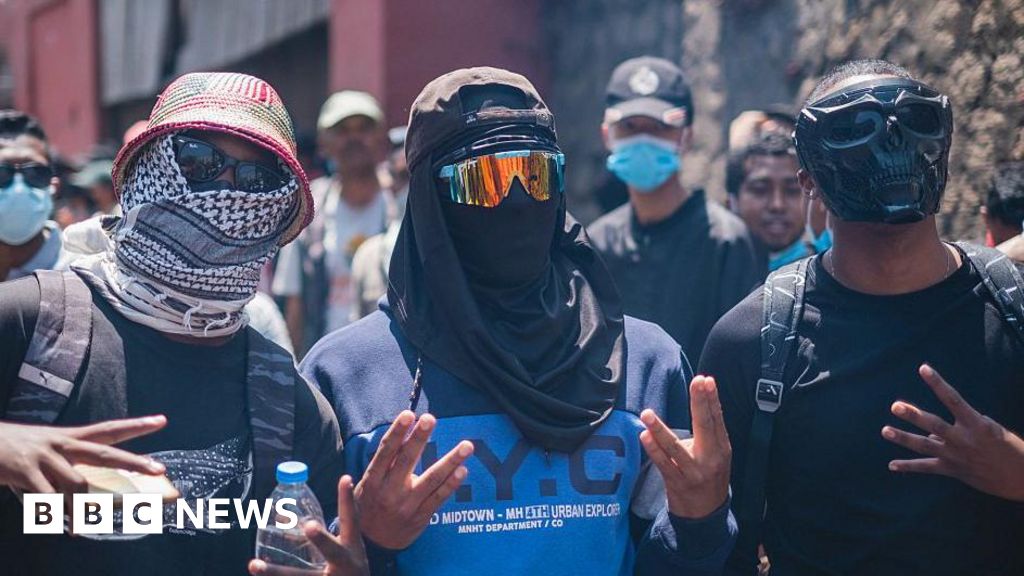
In an unfolding chapter of geopolitical instability, Madagascar is witnessing its most significant wave of protests in over 15 years, signaling a deepening crisis that could reshape the island nation’s future. This eruption of public dissent was largely sparked by endemic issues such as chronic shortages of basic utilities—power and water—coupled with widespread corruption and deteriorating living conditions. Many Malagasy citizens, particularly young people, are now demanding political accountability, with protests escalating rapidly across multiple cities and threatening the stability of President Andry Rajoelina’s government.

For years, Madagascar’s political landscape has been marred by instability and contentious elections. Rajoelina, who first seized power in 2009 during mass protests that ousted then-President Ravalomanana, was re-elected in 2018 amid accusations of electoral irregularities. His latest reelection in 2023, boycotted by opposition groups, only further intensified political divisions. Now, after the recent crackdown on opposition figures and the dismissal of his government, the nation’s fragile political fabric is under severe strain. Analysts and international observers, including the United Nations, warn that reliance on force to quell dissent could deepen the crisis, risking fragmentation and civil unrest. As historian Jean-Michel Roux notes, Madagascar’s history is punctuated by repeated uprisings, showing a pattern where governance struggles often spiral into broader chaos.

Factors Fueling the Uprising

The immediate trigger of the current unrest was the detention of two prominent political figures in Antananarivo, which civil society activists and youth leaders, especially the grassroots-based Gen Z Mada, blame on the government’s attempts to suppress legitimate grievances. The protests initially centered around persistent service outages—hours-long electricity blackouts and water shortages—that have become symbols of government neglect. Many protesters see these failures as symptomatic of entrenched corruption within state utilities like Jirama, which analysts say have been siphoned off for personal gain by political elites. The widespread frustration over deteriorating living standards—among the 75% of the population living below the poverty line—has turned into a call for fundamental political change. This movement, fueled by social media campaigns and united by a common desire for justice and accountability, has expanded beyond the capital, signaling that the unrest is not just about utilities but a broader rejection of President Rajoelina’s policies.

The unrest’s escalation has prompted heavy security responses. Armed forces have been deployed in urban centers, with reports of violent crackdowns, including tear gas, water cannons, and curfews. The government’s framing of these protests as threats to public order has led to accusations of suppression and human rights violations. Opponents, including opposition leaders and civil society organizations, warn that such tactics risk pushing Madagascar towards political instability or outright civil conflict. Meanwhile, international organizations, including the World Bank, have signaled willingness to fund development projects aimed at restoring basic services, but these measures are seen as insufficient amid escalating unrest.

How international and societal reactions shape Madagascar’s future

The international community watches closely as Madagascar’s crisis unfolds. Political analyst Dr. Claire Martin suggests that Madagascar’s trajectory hinges on whether the government pursues dialogue or opts for repression. The opposition, civil society, and even some former leaders advocate for inclusive talks to prevent the descent into chaos. However, recent actions such as dismissing UN casualty figures and imposing curfews suggest a government wary of outside interference and resistant to accountability. The possibility of military neutrality remains a critical flashpoint; as history has shown, Madagascar’s military has occasionally intervened in politics, and its stance could determine whether the island descends into prolonged unrest or begins a difficult path toward reconciliation.

As the world observes, the question remains whether Madagascar will embrace democratic reform or plunge into deeper turmoil. With each demonstration, each act of repression, and each political decision, the island’s future is being forged—one way or another. The weight of history presses heavily upon this young nation, as its people continue to march for justice and dignity, rewriting the story of a nation caught between the failures of the past and the hopes of a new dawn.

Rising Stars Shine: Youth Athletes Break Records at National Championships

Quarterbacks in Focus: A Look at the Future of College Football

As the college football season progresses, fans and analysts have begun to assess the performance and potential of key signal-callers, including Arch Manning and Beau Pribula. Both quarterbacks are drawing significant attention, not just for their schools but for their transformative potential in the sport. With the future of college football increasingly dependent on the prowess of its quarterbacks, this season offers a glimpse into the next generation of stars.

Arch Manning, the highly-touted recruit and grandson of legendary quarterback Archie Manning, serves as a focal point in conversations surrounding quarterback talent in college football. As he steps onto the field, fans look for the poise and dynamics that will shape his career. In his recent game against Texas A&M, he exhibited exceptional vision, completing 25 out of 34 passes for a whopping 320 yards. His decisive touchdown throws underscored his potential to lead his team through tough competition. As commentator Tim Tebow puts it, “Manning carries the weight of expectations, but he’s shown he can rise to the occasion.”

On the other hand, Beau Pribula of Penn State continues to show promise as well. His recent performance against Ohio State demonstrated his agility and ability to adapt under pressure. Pribula connected on 18 of 27 passes for 245 yards, which helped keep his team’s spirits high despite the challenging matchup. Coach James Franklin praised his quarterback’s growth, stating, “Beau has the skills to lead this team, and he’s proving it week after week.”

In summarizing the standout performances, here are some key takeaways:

  • Arch Manning showcased an outstanding ability to read defenses.
  • Beau Pribula demonstrated adaptability and poise under pressure.
  • Both quarterbacks are shaping up to be pivotal figures for their respective teams.

As the season unfolds, both Manning and Pribula stand as prime examples of the young talent transforming college football. Their journeys highlight the sport’s essence, illustrating that it serves as a unifying force beyond mere scores and statistics. Fans from across the nation will rally behind these young athletes, eager to see how their respective stories will contribute to the rich tapestry of college football. As each game adds to their narratives, one thing remains clear: the future of football is bright, and it will be shaped by these emerging stars.

Source link

Social Media Auto Publish Powered By : XYZScripts.com