Matox News

Truth Over Trends, always!

Report: Immigrants Less Likely to End Up Behind Bars in England and Wales

Global Tensions Rise Over Immigration and Security: The UK at a Crossroads

In recent months, Britain has found itself embroiled in a contentious debate surrounding immigration, crime, and national security—issues that resonate far beyond its shores and threaten to reshape the geopolitical landscape. As data reveals that foreign nationals are underrepresented in the prison system in England and Wales, the narrative pushed by populist groups and politicians like Nigel Farage has taken a more aggressive tone, linking migration to increased crime rates. Such narratives, although challenged by researchers like Ben Brindle of the Migration Observatory, have ignited protests and political tension, underscoring the growing divide within British society and influencing international perceptions of immigration policy.

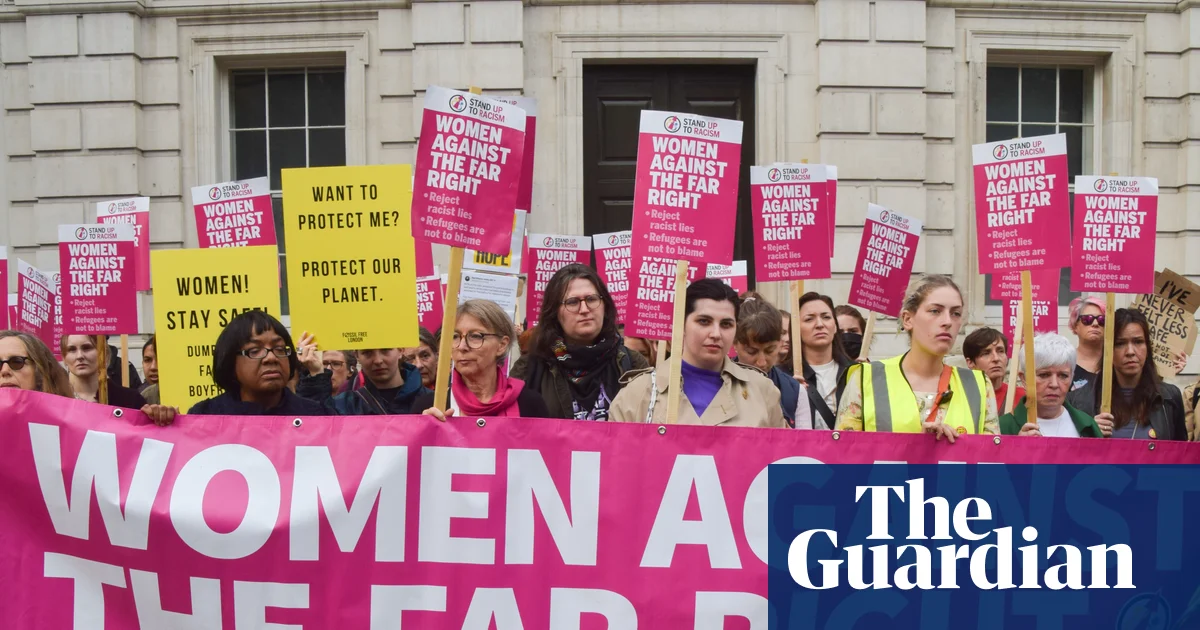
At the root of this turmoil lies a broader geopolitical struggle — how nations address sovereignty, borders, and security in an era marked by mass migration and international instability. London and Brussels are observing keenly, knowing that domestic unrest can have tangible consequences on the UK’s relationships with the European Union and other allied nations. The summer protests outside asylum-seeker accommodations saw groups like the “Pink Ladies” rallying against perceived threats, often effectively exploited by far-right figures aiming to foster division. Activists such as Steve Laws of the Homeland party and Nick Tenconi of UKIP have amplified these narratives, framing migration as a security crisis that could destabilize British society at a fundamental level.

Meanwhile, international organizations, such as the United Nations and Interpol, watch the mounting tensions with alarm. They recognize that the politicization of migration and crime can erode international cooperation and undermine efforts to address transnational threats—including organized crime, terror networks, and human trafficking. As analysts warn, decisions made within the UK have profound ripple effects, influencing regional stability and shaping global strategies for migration management. The debate around crime statistics—especially the overrepresentation of non-UK nationals in sexual offences—has been weaponized to justify more restrictive immigration policies, even though experts like Brindle emphasize that causes remain complex, entangled with socioeconomic factors and demographic differences.

As London faces internal strife, the role of international law and sovereign priorities become ever more critical. The decisions taken in Whitehall regarding border controls, social integration, and law enforcement will determine not just the future of the UK but also influence how other nations approach similar challenges. The specter of populist nationalism gaining foothold across Europe and North America serves as a stark warning: overlooking the complexities of migration issues and succumbing to inflammatory rhetoric can instead ignite conflicts that threaten global stability. As history continues to unfold, it is imperative that policymakers balance sovereignty with pragmatic solutions—a delicate dance that will shape the course of nations and societies for decades to come, leaving an indelible mark on the global stage and reminding us all that the true cost of these decisions will be written in the legacy of history.

Meet the startup co-founded by NBA star Russell Westbrook, redefining end-of-life planning for the next generation

AI-Driven Innovation Disrupts End-of-Life Planning Industry with Eazewell’s Vision

In a remarkable display of technological innovation and market disruption, Eazewell, an AI-powered platform dedicated to simplifying end-of-life and funeral planning, has entered a traditionally fragmented industry. Founded in 2024 by Donnell Beverly Jr.—whose personal loss catalyzed the venture—Eazewell leverages cutting-edge artificial intelligence to automate tasks that once weighed heavily on grieving families. This initiative exemplifies the seismic shifts occurring as AI begins to redefine how life’s final transitions are managed, with significant business implications for sectors ranging from funeral services to digital estate management.

The core innovation behind Eazewell is its AI agent, available around the clock, which empowers families to effortlessly coordinate funeral arrangements, manage paperwork, and even cancel credit accounts on behalf of the deceased. This automated approach resolves longstanding inefficiencies within the industry, often plagued by manual, time-consuming processes. The platform’s recent rollout of an enterprise solution for hospice providers, senior living facilities, and insurers further extends its disruption. By integrating seamlessly into existing software ecosystems, Eazewell positions itself as a market-changing enabler for enterprise-level stakeholders, promising to transform industry standards.

Market Implications for Traditional and Emerging Players

According to leading analysts from firms like Gartner, the integration of AI-driven automation into sensitive segments such as end-of-life planning is a strategic game-changer with broad implications. Already, Eazewell reports assisting over 100,000 families, a testament to the scalability of its approach. As the platform broadens to include digital asset management—an increasingly vital concern in a digital-first era—the industry is poised for a fundamental shift. The ongoing digital transformation hints at a world where legacy management and estate planning become seamlessly integrated into everyday digital life, challenging established traditional players resistant to technological evolution.

The Broader Context of Disruption and Innovation

Disruptors like Elon Musk’s Neuralink and Peter Thiel-backed startups have demonstrated the enormous potential of AI to overhaul deeply rooted industries. Eazewell’s focus aligns with this trajectory by highlighting how AI’s influence extends well beyond the here and now, into the posthumous realm. The company’s forward-looking vision, including managing digital assets and inheritance, exemplifies how innovation is converging with industry standards of trust and security. Notably, industry experts and forecasters see these advancements as not just improvements but essential evolutions for businesses seeking resilience amid changing consumer expectations and technological norms.

The significance of this evolution transcends mere convenience: it heralds a new era where disruption can unlock new revenue streams, reduce operational costs, and elevate service standards. As AI and automation continue to mature, competition will intensify, compelling entrenched industries to innovate or face obsolescence. The urgency for stakeholders—whether traditional funeral service providers or emerging digital estate managers—is clear: adapt rapidly or be left behind in a rapidly transforming landscape that demands technological agility and disruptive thinking.

Future Outlook: An Urgency for Strategic Adoption

Looking ahead, the potential of AI to revolutionize end-of-life services signifies more than just a niche innovation; it foreshadows a broader societal shift. Industry visionaries and technology leaders emphasize that the pace of change necessitates proactive engagement. Experts from institutions like MIT forecast that AI-driven end-of-life management will become a standard component of digital identity and estate planning platforms within the next decade. This evolution presents a crucial call to action for investors and businesses alike: position strategically now to harness the impending wave of disruption, leveraging innovation to serve a growing demand with compassion and efficiency.

As the industry broadens its horizons, it becomes evident that disruption is inevitable. The integration of AI into sensitive life-stage services embodies both a technological leap and a philosophical shift—one where technology’s role is to ease burden, empower families, and fundamentally reimagine what legacy means in a digital age. The race for innovation is on, and those who move decisively will shape the future of a trillion-dollar industry—and redefine how society handles its most profound moments.

US-Africa Deportations: From Ghana Back to the Streets — What It Means for the New Generation

Migration & Sovereignty: Lessons from West Africa’s Complex Tapestry

In an era where unstoppable global currents of movement define our collective destiny, West Africa exemplifies a continent navigating the turbulent waters of migration, sovereignty, and regional cooperation. Recent events surrounding the deportation of West African nationals—particularly from the US, Ghana, and Nigeria—highlight a shifting lifestyle paradigm rooted in resilience, adaptation, and a sense of shared identity. As young Africans strive for a better future, these stories serve as poignant reminders of how individual journeys are intertwined with larger political and cultural narratives, fueling a desire to reclaim agency over personal health, leisure, and national pride.

Recently, a Nigerian man deported from the US found himself unexpectedly stranded in Togo after being covertly transferred across borders—an incident that exposes the complex realities faced by migrants navigating emerging policies. The deportees, mainly from Nigeria, Liberia, and The Gambia, were flown out under contentious third-country deportation agreements, stirring debate around regional solidarity versus sovereignty. The man’s account reveals troubling details: they were allegedly moved through back routes, after bribing police and without Togolese authorities’ consent, demonstrating how unregulated migration flows challenge the very fabric of regional stability. Despite Ghana’s official stance emphasizing “pan-African empathy”, critics argue that such policies risk undermining sovereignty and individual rights, especially for youth seeking to build lives amidst uncertainty.

This ongoing tension underscores a keystone of youth resilience: the capacity to transform adversity into motivation for activism and cultural identity. Many young West Africans see borders not just as lines on a map but as opportunities for self-empowerment—whether through economic initiative, activism, or regional integration. The Nigerian deportee’s involvement with the Yoruba Self-Determination Movement exemplifies how personal struggles often fuel a broader aspiration for cultural preservation and sovereignty. Despite the risks, young activists draw strength from their collective history, advocating for autonomy while embracing the continent’s interconnected spirit—seeking to redefine lifestyle shifts rooted in community, resilience, and a shared cultural heritage.

  • Highlight regional cooperation: Engage with local and continental initiatives that promote safe migration and job creation.
  • Leverage cultural roots: Foster indigenous languages, arts, and histories to strengthen identity-based wellness among youth.
  • Advocate for transparent policies: Support legislation that prioritizes human rights and individual dignity amidst migration.

As stories like these unfold, the power of lifestyle as a form of resistance becomes evident—youth driven not only by immediate needs but also by an unyielding desire to construct a future rooted in self-determination. With a landscape marked by complex geopolitical shifts, West African youth are increasingly embracing their cultural capitals as engines of change, cultivating wellness and community resilience outside traditional constraints. These narratives illuminate a journey of reinvention: from navigating borderland complexities to forging a collective identity grounded in strength, hope, and the unbreakable bond of shared heritage.

In embracing this mosaic of challenges and opportunities, young Africans are charting a path toward a future where sovereignty meets innovation. Their stories remind us that personal impact—be it through advocacy, cultural expression, or resilience—serves as a vital thread in the larger tapestry of African renewal. As we reflect on this ongoing voyage, it becomes clear: lifestyle here is less about possessions and more about a conscious pursuit of dignity, hope, and autonomy. Embodying the spirit of self-empowerment, this generation is crafting a narrative where resilience is the new revolution, inspiring others to embrace their own journeys and rewrite the story of African greatness.

Please provide the feed content you’d like me to use for the fact-checking headline.

Unveiling the Truth Behind Trump’s Immigration Policies and Project 2025

In recent months, claims have circulated suggesting that former President Donald Trump’s immigration efforts closely mirror the policy proposals laid out in the conservative think tank initiative known as Project 2025. This connection has fueled debates about the direction of U.S. immigration policy under his administration. To determine the accuracy of these assertions, it is vital to examine concrete actions taken by Trump and how they compare to the recommendations in Project 2025, especially considering the complexities and legal challenges involved.

Factual evidence indicates that Trump’s policies during his first term did indeed implement numerous measures outlined or supported in Project 2025. For instance, the use of active-duty military personnel along the southern border was a prominent recommendation, and the Trump administration declared a national emergency at the border on day one, deploying thousands of troops to assist border enforcement efforts. This move included designating border regions as extensions of military bases, effectively bypassing certain legal restrictions through the “military purpose doctrine,” which expert Mark Nevitt from Emory University highlights as a significant escalation that potentially contravenes the Posse Comitatus Act. The Biden administration had previously constrained enforcement activities in “sensitive zones,” but Trump reversed or modified these restrictions, aligning with Project 2025’s call to expand enforcement authority.

Similarly, Trump’s efforts to enhance detention capacities and crack down on illegal worksite activities echo the proposals in the document. The administration added approximately 18,000 beds to detention facilities, and law enforcement carried out hundreds of worksite raids, arresting over 1,000 workers according to ICE data. Additionally, the use of mass worksite arrests through civil warrants—the controversial “Blackie’s warrants”—mirrors what Project 2025 recommended to further intensify enforcement. Notably, a Texas federal judge dismissed a government application for such warrants, citing constitutional violations, which underscores the legal tensions involved in these aggressive tactics.

Contrary to claims that Trump’s policies are purely executive gestures, government actions appear well aligned with the plan laid out in Project 2025. These include efforts to curtail refugee resettlement by significantly reducing admissions, including attempts to end the Deferred Action for Childhood Arrivals (DACA) program and terminating Temporary Protected Status designations for several countries. Court rulings have temporarily blocked some of these initiatives, but the overarching aim to limit asylum and refugee intake remains evident. Expert Julia Gelatt from the Migration Policy Institute emphasizes the intent to “send a message that those in the country without authorization aren’t safe,” which aligns with the rhetoric and objectives in the policy document.

In conclusion, the facts demonstrate a clear pattern of policies under Trump that have directly aligned with or gone beyond the proposals in Project 2025 regarding immigration enforcement, border security, detention, and visa restrictions. What remains crucial is that citizens and policymakers understand that these policies are backed by significant government action, legal battles, and expert analyses. Responsible citizenship depends on an honest assessment of such claims, ensuring that the foundation of democracy—truth—is upheld. Only with facts at the core can America’s democratic debates remain rooted in reality and work toward effective, lawful immigration reform.

France probes oil tanker linked to Russia’s covert fleet

Shadow Fleet and Drone Incursions Highlight Europe’s Geopolitical Tensions

Recent investigations by French authorities into a suspect oil tanker reveal a disturbing layer of hybrid warfare that threatens the stability of Europe. The vessel, known as Boracay, which was flagged in Benin and previously operated under the name Pushpa, is suspected of being part of Russia’s clandestine shadow fleet. This fleet is often used by Moscow to circumvent international sanctions by employing vessels whose ownership and operations are deliberately obscured. As European countries face a series of unexplained drone flights and airspace violations, the incident underscores the intensifying struggle for control over critical maritime and aerial domains, an unprecedented battlefield in modern geopolitics.

The drone sightings over Denmark in September, leading to airport closures in Copenhagen and Aalborg, mark a clear escalation in what officials now term a hybrid war. These drones—likely launched from ships in close proximity—were almost certainly larger, fixed-wing or delta craft that require substantial launch platforms, pointing to a sophisticated level of planning and resource deployment. Denmark’s Prime Minister, Mette Frederiksen, publicly accused Russia of threatening European security, framing the incident as part of Moscow’s broader strategy to destabilize the continent. Meanwhile, NATO and European allies have responded by deploying anti-drone defenses, and upcoming EU summits are now focusing on countermeasures such as the development of a “drone wall” to deter future incursions, revealing a shift toward militarizing new technological threats.

As investigations unfold, the shadow fleet emerges as a key element—one that significantly impacts global oil markets and international sanctions enforcement. The UK, the EU, and other nations have identified vessels like Boracay as integral to clandestine oil trafficking routes that skirt sanctions. The vessel’s history is emblematic: from being detained by Estonian authorities as Kiwala earlier this year, over uncertainty about its registry, to a recent transfer to the Russian fleet, the vessel signifies how Russia’s economic war efforts rely on deceptive shipping practices. Analysts warn that such fleets enable Moscow to evade sanctions, maintain its oil revenues, and fund military operations, thereby challenging Western efforts to isolate Russia economically.

The geopolitical impact of these developments extends beyond immediate security concerns. They highlight a shifting balance where maritime and aerial domains become new theaters for geopolitical competition, with Russia actively testing Western defenses and probing the vulnerabilities of allied nations. The example of vessels like Astrol-1 docking in St. Petersburg or the Oslo Carrier-3 carrying steel from Germany to Lithuania illustrates a complex web of economic and military signals. International organizations, including NATO, are now warning that these covert activities could escalate into open conflict if not decisively countered, creating a tense atmosphere reminiscent of Cold War stratagems but in the age of advanced technology. As history continues to unfold on this shadowy stage, it remains undetermined how long Europe’s resolve can withstand the relentless pressure and deception embedded in Russia’s hybrid tactics, leaving the world poised on the brink of a new era of unconventional warfare where the rules are continually rewritten.

Young Stars Shine as High School Championships Heat Up This Weekend

Week’s Fantasy Landscape: Matchups to Watch for the Fantasy Elite

As the NFL season unfolds, fans and analysts alike turn their attention to the critical matchups that can sway fantasy football success. This week’s spotlight shines on some of the most and least favorable matchups across key positions, particularly highlighting quarterbacks, running backs, wide receivers, and tight ends. Understanding these dynamics is essential for fantasy team owners looking to forge ahead in their leagues.

Among quarterbacks, the standout matchup features Patrick Mahomes of the Kansas City Chiefs going against a struggling secondary. With Mahomes posting an average of 300 yards per game this season, his potential for a breakout performance is monumental. Contrast this with Sam Darnold of the Carolina Panthers, who faces a top-tier defense that has stymied opposing quarterbacks all year. Emphasizing the ups and downs, commentator Joe Buck remarked, *“When the competition is fierce, a quarterback’s ability to adapt can indeed change the game.”*

  • Top QB Matchup: Patrick Mahomes vs. Average 300+ yards
  • Least Favorable QB: Sam Darnold facing a top-tier defense

Distribution of success continues with running backs. Derrick Henry of the Tennessee Titans is expected to shine against a defense that has consistently struggled against the run. On the flip side, Elijah Mitchell of the San Francisco 49ers finds himself up against a brick wall of defensive linemen, making his yardage outlook grim. This emphasizes the need for strategic plays as Coach Mike Vrabel suggests, *“In a league where every inch counts, you better be prepared.”*

  • Key RB Matchup: Derrick Henry expected to dominate
  • Challenging RB Matchup: Elijah Mitchell faces tough defense

In the realm of wide receivers, Tyreek Hill is in a prime position to capitalize against a vulnerable defensive backfield. His speed and route-running could lead to significant yardage and touchdowns. Conversely, Michael Thomas, despite his potential, may struggle against a defensive unit that has proven difficult for receivers to penetrate this season. The stakes are higher as commentator Tony Romo stated, *“Wide receivers must find a way to get open, or they risk being invisible.”*

Ultimately, sports are not just about victories and defeats. They embody a community, a sense of belonging, and shared excitement, lifting spirits high beyond the confines of the scoreboard. As fans rally behind their teams in the thrilling unpredictability of the season, it serves as a reminder that in the world of sports, unity and passion prevail, and every game is a testament to the resilience of the human spirit.

Source link

Selfridges pins tourist dip for luxury sales decline, retail struggles continue

Global Economic Shifts Impacting Luxury Retail: The Case of Selfridges

In recent years, Britain’s once-thriving luxury retail sector faces mounting challenges, emblematic of broader geopolitical and economic upheavals that threaten the stability of its international appeal. Selfridges, a storied retailer known for attracting high-net-worth individuals and tourists from around the world, has reported its fifth consecutive year of losses, a stark indicator of how shifts in global travel patterns and policy decisions ripple across economies and societies. This decline is not merely a business concern but reflects a deeper, transnational shift that influences the social fabric and economic stability of the United Kingdom.

The decline in sales—7% over 48 weeks to January 2025—stem from a confluence of intra-national policy changes and macroeconomic pressures. Notably, the UK government’s decision to abolish tax-free shopping for tourists —a key attractant for international luxury seekers—has significantly impacted London’s famed shopping districts. This move, part of broader post-Brexit economic realignments, is viewed by analysts as detrimental to the nation’s status as a global shopping destination. Selfridges highlights that weaker consumer confidence, inflated luxury prices, and ongoing cost-of-living crises have drastically constrained spending on non-essential luxury goods, especially among the wealthiest international visitors who once flocked to the UK for exclusive shopping experiences.

Adding urgency to the narrative are geopolitical factors and international investments that shape the future of global luxury markets. In October 2024, Saudi Arabia’s Public Investment Fund acquired a 40% stake in Selfridges, signaling a strategic pivot toward consolidating influence in the global luxury sector. This move underscores a broader pattern of Global South states expanding their footprint into luxury retail, aiming to leverage both economic power and geopolitical influence. Such investments, as noted by international analysts, are part of a broader trend where sovereign wealth funds seek to redirect economic influence through cultural and consumer markets, potentially shifting the balance of power in luxury retail from Western stalwarts to emerging economic powers.

The UK’s economic and cultural standing with this evolving landscape is under real strain. As historians and policy analysts warn, these challenges mark a pivotal moment where decisions made today will resonate for generations. The decline of iconic institutions such as Selfridges echoes the shifting tide of economic influence and societal values. With retail giants positioning themselves amid geopolitical flashpoints, the future of UK’s luxury industry and its socio-economic stability will be determined by how effectively it navigates these turbulent waters. As the clock ticks toward what could be a transformative period in global history, the unfolding story of luxury retail stands as a testament to the enduring, often turbulent, march of history—where decisions made in boardrooms and parliaments today will inscribe their legacy into the annals of international relations, economic power, and cultural identity for generations to come.

Civic Duty: The Foundation of a Stronger, Free Society

At the very core of a thriving, free society lies the intangible yet powerful principle of civic duty. This foundational concept, often sidelined amid debates over policy and economics, actually fuels the social cohesion, accountability, and resilience necessary for national greatness. Critics of civic participation might argue that it is a relic of older times, replaced by individualism or reliance on government. However, scholars and historical analysts suggest that the decline in civic engagement correlates with rising societal fractures, economic polarization, and eroding trust in institutions. It is through the active participation of citizens—whether through voting, community service, or local activism—that democracies are fortified and the collective spirit of a nation is rekindled.

Historical exemplars demonstrate that societies which emphasize civic responsibility tend to enjoy greater stability and prosperity. Alexis de Tocqueville, in his seminal work Democracy in America, observed that active civic engagement by citizens creates a “civil society” that guards against tyranny and fosters a sense of shared purpose. Today, experts maintain that a strong civic culture not only encourages political stability but also cultivates resilience during national crises, whether economic recessions or external threats. The essential nature of this duty is underpinned by the understanding that freedom does not arise passively but must be actively defended and sustained by those who cherish it. In this way, civic duty becomes the bedrock upon which sovereignty and individual liberty rest.

Furthermore, proponents argue that fostering a sense of collective responsibility begins with education and community engagement, cultivating future generations of responsible citizens. Economists like Milton Friedman have emphasized that personal responsibility and civic participation are intertwined with economic freedom and social stability. In a world increasingly driven by technology and global interconnectedness, the value of local civic engagement persists—as it creates a buffer against fragmentation and alienation. As Victor Davis Hanson notes, “A society that neglects its civic roots risks losing its moral compass,” and the erosion of these duties can lead to creeping government overreach, apathy, and a decline in the shared values that make democracy possible.

Yet, the struggle remains clear: amidst modern distractions and complex bureaucracies, fostering an engaged, responsible citizenry requires deliberate effort and leadership. As history teaches, the strength of a society is measured less by its material wealth and more by the resilience of its civic fabric. May the future forge ahead—not in reckless pursuit of transient liberties, but in the profound recognition that the true power of freedom flows from the collective promise of civic duty. For in the vast expanse of history, it is this quiet pledge—made and renewed— that keeps the flame of liberty burning brightly against the encroaching darkness of indifference. And so, the story continues: a tapestry of millions, united not just by laws or borders, but by an unwavering resolve to uphold the sacred duty that sustains a free society’s most elusive, most precious gift: its freedom.”

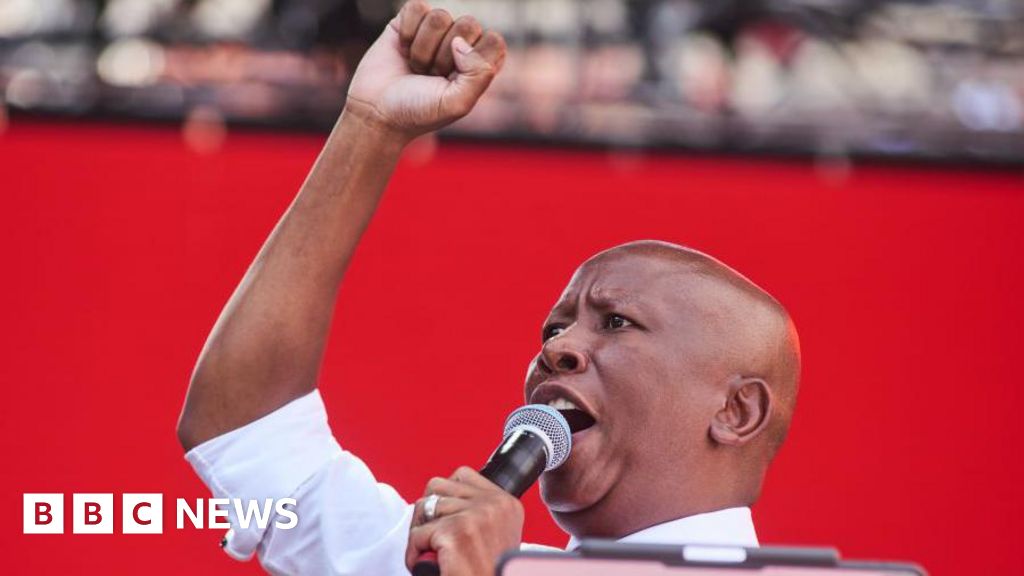
South African MP with strong views convicted for shooting in public

South Africa’s Controversial Political Actor Faces Legal and International Scrutiny

The recent conviction of Julius Malema, leader of the Economic Freedom Fighters (EFF), marks a significant chapter in South Africa’s ongoing struggle with internal divisions rooted in its apartheid past. The magistrate’s decision to find Malema guilty of discharging a firearm in public — an offence carrying a maximum of 15 years in prison — underscores the persistent tensions and volatile political landscape that continue to define post-apartheid society. The 2018 incident in the Eastern Cape, where he fired between 14 and 15 rounds during a party remembrance, was more than a youthful display; it became a symbol of the nation’s deeper struggles with violence, racial identity, and calls for radical economic reform.

Internationally, this incident has reverberated beyond South Africa’s borders, influencing perceptions of the country’s stability and leadership. The controversy surrounding Malema’s fiery rhetoric and actions reached as far as the White House, where then-President Donald Trump used a video of Malema as supposed evidence of genocide against white Afrikaners—a claim that has since been widely discredited by experts and international observers. Such gestures highlight the dangerous intersection of domestic politics and international narratives, where figures like Malema are weaponized to justify external interventions or pressure. Moreover, Malema’s vocal calls for the seizure of white-owned land and wealth redistribution continue to fuel a heated debate about racial justice and economic policies in a nation still wrestling with the legacy of apartheid.

Legal Battles, Rhetoric, and Regional Impact

  • Malema’s conviction for unlawful possession and discharge of a firearm coincides with his broader pattern of provocative speech, including recent hate speech convictions that have drawn sharp criticism from both domestic and international legal bodies.
  • His statements, such as advocating for “killing” during altercations and urging revolution through violence, raise alarms about the potential for social destabilization, especially in a country still suffering from racially charged tensions despite over three decades since the end of apartheid.
  • Foreign governments, notably the UK, have responded by barring him entry, citing support for terrorist organizations and incendiary remarks that are deemed “non-conducive to the public good,” reflecting mounting concern over the impact of figures like Malema on regional security and diplomatic relations.

Analysts and historians emphasize that Malema’s case exemplifies how post-conflict societies often struggle with balancing free speech against the threat of inciting violence and societal division. The international community watches closely as South Africa grapples with political extremism, racial grievances, and economic disparity—elements that threaten to undermine its stability and place it further at the mercy of global powers vying for influence in Africa’s most developed yet divided nation. As Malema prepares to challenge his sentence in the Constitutional Court, the fate of his influence remains uncertain, but the broader geopolitical impact of South Africa’s internal strife is undeniable. Every decision, every verdict, shapes not only the nation’s future but echoes across an increasingly unstable continent where history’s shadows loom large, and the weight of unresolved injustices presses down like an ominous cloud over the unfolding story of Africa’s “rainbow nation.”

From Fistful of Dollars to Rambo: Celebrating Renato Casaro’s Legendary Movie Posters — A Visual Tribute

In the contemporary landscape of visual culture, few names resonate with the weight of Renato Casaro. His passing at age 89 marks the end of an era where artistry in film promotion was handcrafted, imbued with a soul that digital transformations have often threatened to erase. Casaro’s work represented more than mere promotional material; it was a testament to the enduring power of image-making rooted in tradition, craftsmanship, and the cultural dialogue between cinema and society. By elevating the heroic stature of icons such as Arnold Schwarzenegger and Sylvester Stallone, Casaro lent a mythic aura to modern heroes—echoes of classical heroism reimagined for the heroic age of postwar America and the cultural manifestations of strength, valor, and resilience.

This tradition of handcrafted poster art, a symbol of cultural memory and societal aspiration, encapsulates what Ortega y Gasset might have viewed as the way in which art manifests the collective spirit. As studios transitioned to digital tools in 1998, the tactile and visceral qualities of Casaro’s work began to fade, yet his influence remains a vital marker of cultural heritage. It is not merely about aesthetics but about the role of art in shaping identity and societal values. When Casaro returned to craft posters for Quentin Tarantino’s Once Upon a Time in Hollywood, it signaled a conscious return to that romantic, heroic mythmaking—a refusal to surrender entirely to digital repetition and superficiality.

Throughout history, critics like Chesterton have championed the idea that culture is a battleground for meaning; it is where tradition confronts innovation, where memory solidifies into societal identity. The cultural critic Christopher Lasch argued that in an age of relentless progress, it is the memory of the past that anchors societal coherence. Casaro’s posters, vibrant with heroism, did precisely that—they connected audiences to a shared mythos, imbuing cinematic images with a symbolic purity that transcends the fleeting nature of trends. As Tocqueville warned, the preservation of cultural identity is vital in a democratic society—where uniformity often threatens the uniqueness of tradition. Casaro’s work exemplified the human desire for heroism rooted in tradition, a rallying cry for a society that seeks meaning through its cultural icons.

In the end, the significance of figures like Casaro extends beyond their craft; they serve as custodians of a collective memory and prophecy. Their creations, like the finest poetry or philosophy, remind us that culture is both a reflection of what we are and a vision of what we might become. The tapestry of human history, woven with images and stories, calls us to consider that our deepest identity lies not just in the present but in the echoes of the past and the possibilities of the future—a future illuminated by the enduring light of cultural memory, shining brightly like a hero’s silhouette against a great, timeless horizon.

Social Media Auto Publish Powered By : XYZScripts.com