Matox News

Truth Over Trends, always!

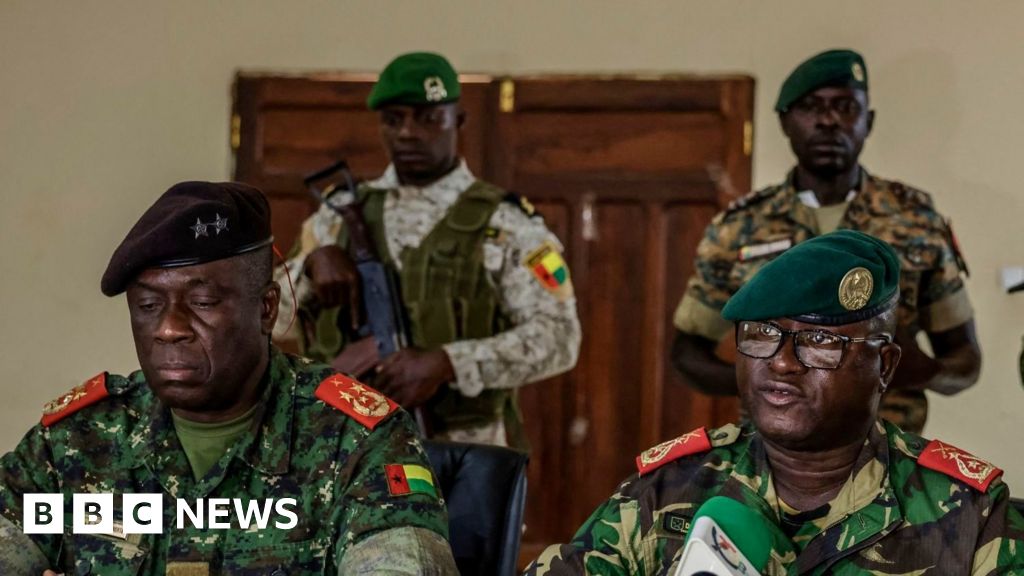
Guinea-Bissau Soldiers Claim Power Amid President Embaló's Arrest Reports
Guinea-Bissau Soldiers Claim Power Amid President Embaló’s Arrest Reports

Guinea-Bissau in Crisis: Military Coup and Political Unrest Shake West Africa

In an alarming development for the West African region, Guinea-Bissau has plunged into chaos following reports that a faction of military officers has **seized control of the government**. The country’s capital, Bissau, was rocked by gunfire around 13:00 GMT as witnesses reported hearing multiple shots. According to government sources, President Umaro Sissoco Embaló has been **detained**, marking a significant escalation in the nation’s ongoing political instability. This sudden military intervention comes just days after a contentious presidential election, in which the main opposition candidate was disqualified, raising fears of legitimacy concerns and deepening the political crisis that has persisted in Guinea-Bissau for decades.

Analysts warn that the unfolding situation could destabilize all of West Africa. Historically plagued by political upheavals—nine coups or attempted coups since 1980—the fragile maritime nation remains one of the poorest in the world, plagued by corruption, weak institutions, and a history of military meddling. The recent coup reflects long-standing frustrations with governance, compounded by the disputed election results and a lack of perceived legitimacy. In fact, both Embaló and his main rival, Fernando Dias, claimed victory, casting doubt over the announced results and fuelling tensions that quickly erupted into violence. International observers, including the African Union and the United Nations, have expressed concern over the escalation and called for restraint, but the military’s unilateral actions reveal a deep mistrust of civilian institutions.

The geopolitical impact of such instability extends beyond Guinea-Bissau’s borders. As a key player in West Africa’s maritime economy, the nation’s security is vital for regional stability, especially given its strategic position along Atlantic trade routes. Analysts from the International Crisis Group emphasize that continued military interference threatens to undermine efforts to stabilize the region’s fragile democracies. Additionally, the interruption of political processes may hinder international efforts to combat drug trafficking and illegal fishing, which are major economic and security concerns in the broader West African context. The coup also risks inspiring similar actions in neighboring countries with fragile political systems, threatening to reverse the gains made through diplomatic engagement and regional security initiatives.

Historians and political commentators highlight that Guinea-Bissau’s history of coups reflects a larger pattern of military influence on civilian governments, often justified by claims of corruption and inefficiency. As noted African political analyst Luís Monteiro observes, “This current upheaval is less about the immediate players and more about a broader trend of military-led governance emerging in many parts of Africa where democratic institutions remain fragile.” The international community’s response, therefore, could prove decisive in shaping whether Guinea-Bissau finds a path back to democratic stability or sinks further into chaos. For now, the echoes of gunfire and political uncertainty continue to reverberate across Bissau, leaving a nation at a crossroads that could determine its future for generations.

As history begins to write its next chapter in Guinea-Bissau, the world must watch closely—what happens here will ripple across borders, shaping the geopolitical landscape of West Africa for years to come. The question remains: will this be the moment when a nation collapses into prolonged chaos or the beginning of a resilient recovery? Only time will tell, but the weight of history—unfolding in real-time—reminds us that every decision has consequences beyond the horizon of today’s headlines.

Character.AI Debuts “Stories” for Teens After Chat Ban

Character.AI Unveils Enhanced AI Storytelling Platform Amid Youth Safety Initiatives

The AI landscape continues to evolve at a rapid pace, with Character.AI leading the charge in redefining interactive entertainment through innovative storytelling technology. Recently, the company announced the release of its latest feature, accessible to all users but specifically targeted at augmenting engagement for under-18 audiences. This move underscores a broader industry shift towards immersive, multimodal AI experiences that blend narrative, visuals, and user agency. By allowing users to select AI characters, genres, and influence story progression through active choices, Character.AI exemplifies disruption in the interactive entertainment space. Analysts from institutions like Gartner highlight that such narratives can significantly boost user engagement, fostering deeper emotional investment and new revenue streams.

The platform’s new story mode—dubbed Stories—complements its existing suite of AI functionalities by integrating AI-generated images and promising richer multimodal elements soon to be rolled out. This innovative approach aims to bring a more visceral and engaging experience, tapping into the trend of immersive content as predicted by industry leaders such as Elon Musk and Peter Thiel. As AI-driven content becomes commonplace, the ability to create personalized, dynamic stories could reshape how younger audiences consume entertainment, potentially disrupting traditional media and gaming models. However, this rapid expansion also raises questions about content moderation and safety, especially given recent policy shifts aimed at protecting minors.

In response to emerging concerns regarding youth safety and appropriate AI interactions, Character.AI announced plans to refine its policies, including the temporary shutdown of chats involving users under 18. The company is developing an age assurance feature that will automatically redirect underage users into “more conservative” AI chats. This adaptive approach reflects a broader industry trend towards responsible AI deployment, driven by regulatory scrutiny and heightened public awareness about potential risks associated with AI interactions involving minors. While such measures may slow immediate growth, they are essential for ensuring long-term sustainability and trust in AI ecosystems, particularly as governments increasingly craft policies to manage AI’s societal impact.

Looking ahead, the implications for businesses are profound. Innovative AI-powered storytelling platforms like Character.AI are not just shaping entertainment—they’re setting new standards for human-machine interaction, blending creativity with responsibility. As the industry accelerates towards richer, more human-like AI companions and storytellers, timing is critical: doubling down on safety, transparency, and user-centric design will be vital to capitalize on these disruptive trends. Companies that fail to adapt risk falling behind in a highly competitive landscape where technology and social expectations evolve at breakneck speed. With next-generation AI tools poised to redefine engagement, only those willing to navigate this complex intersection of innovation and ethics will seize the opportunities ahead.

In conclusion, the future of AI in interactive experiences is both exciting and fraught with challenges. As Character.AI exemplifies, the strategic fusion of cutting-edge technology with ethical safeguards can lead to a new era of storytelling and user engagement. The rapid pace of innovation demands that industry leaders remain vigilant and proactive, ensuring that technological disruption benefits society while mitigating risks. The next phase of AI-driven entertainment promises not just deeper immersion but also a reexamination of how digital narratives shape human interaction—an urgency that should inspire action today.

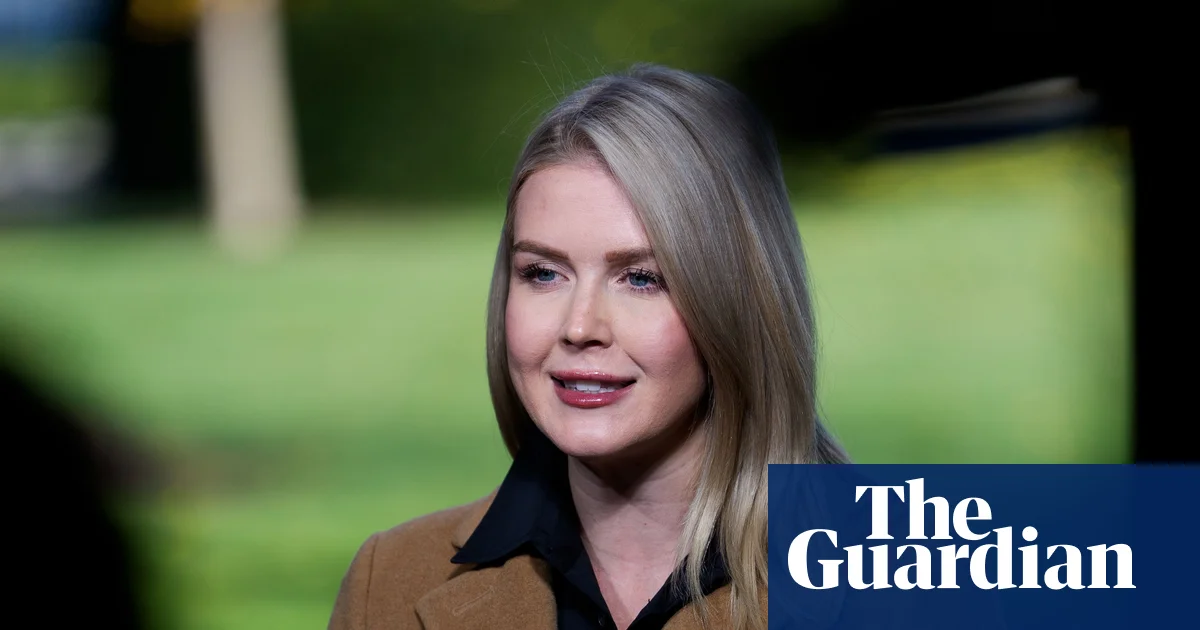
Karoline Leavitt’s relative detained by US immigration, raising questions about enforcement under Trump

The United States continues to lead a contentious crackdown on undocumented migrants, exposing the deep fissures in its immigration policy under the current administration. A recent incident highlights how its aggressive enforcement tactics ripple across international borders, affecting families and communities. Bruna Ferreira, a Brazilian-born resident of Massachusetts, was detained by ICE agents while leaving her home in New Hampshire to pick up her son. Ferreira’s case has quickly become emblematic of the broader debate over what it means to be American, especially for those who migrated as children and rely on programs like Deferred Action for Childhood Arrivals (DACA). Her detention not only underscores the government’s firm stance on illegal immigration but also stirs questions about the human cost behind these policies.

The Department of Homeland Security confirmed Ferreira’s arrest, citing her previous criminal record and her entry into the country on a tourist visa that expired over two decades ago. Official statements emphasize that, under President Trump and current policies, all individuals unlawfully present—regardless of their integration or personal contributions—are subject to removals. This stance aligns with the broader geopolitical strategy aimed at deterring unauthorized entry, yet it also invites extensive criticism from international observers, human rights advocates, and even some allies. For many, the enforcement actions reveal a harsh reinterpretation of immigration laws, motivated less by national security and more by political symbolism. The case brings into focus the >shifting global narrative on sovereignty, border control, and human rights, with historic institutions warning that such aggressive policies could undermine America’s moral authority and domestic stability.

Analysts note that Ferreira’s situation is emblematic of a *broader pattern* seen in the Trump-era immigration regime. As international organizations like the United Nations have expressed concern, critics argue that the aggressive deportations threaten to destabilize immigrant communities and fracture families, especially those with longstanding roots in the US. Ferreira’s family, for instance, has mobilized to fund legal efforts to contest her detention—a move mirrored across many immigrant groups facing similar threats. Commentators point out that these policies disproportionately target vulnerable populations, including DACA recipients, who, despite legal protections, remain vulnerable under a strict enforcement framework. Historians and human rights analysts warn that such policies risk creating a *deterrent effect*, discouraging future immigrants and fostering social division. The international response echoes these concerns, with diplomatic debates intensifying over whether such enforcement strategies align with global human rights standards.

As this chapter unfolds, the world watches with a mixture of skepticism and apprehension. Ferreira’s case exemplifies how decisions made within the U.S. have repercussions beyond its borders—impacting international perceptions of American values and sovereignty. It is a stark reminder that the decisions of **leaders and institutions** are not isolated; they are woven into an ongoing narrative of history — one in which today’s choices may condemn or elevate future societies. The weight of this moment lingers, leaving audiences worldwide to ponder: as the U. continues its fierce immigration stance, how will history remember these actions? Will they serve as a testament to strength or as a warning of moral decline? Only time will tell, but the story of Ferreira, her family, and countless others echo loudly in these halls of power—an enduring call to reckon with the true cost of national security in a rapidly changing world.

Rising Stars Shine: Young Athletes Ignite Excitement in Latest Championship Showdown

Ole Miss Encounters Turbulence as Coaching Rumors Swirl

The Ole Miss Rebels football program is currently under intense scrutiny as rumors of a potential shakeup within the coaching staff dominate discussions. With Thanksgiving week approaching, the uncertainty surrounding the future direction of the team has fans feeling uneasy. Head Coach Lane Kiffin has seen both success and controversy during his tenure, which has brought the Rebels into the national spotlight.

Despite managing a respectable season record, the program’s management is reevaluating Kiffin’s leadership. The Rebels currently sit at a crossroads, and rumors have emerged linking coaching changes to key playoff performance indicators. As noted by commentator Chris Low, “The mix of uncertainty and speculation can derail any team’s focus, especially during a crucial time of year.”

  • Lane Kiffin leading the team to a potential bowl game.
  • Losses against top-ranked teams raising questions about playoff viability.
  • Fan reactions highlight the emotional investment in the program.

Amidst this backdrop, the noise surrounding potential assistants being considered for the role has added fuel to the fire. Coaches and staff are navigating a stress-filled atmosphere, prompted by lapses in performance and ongoing discussions about program strategy. The coaching carousel is notorious in college football, but for a program like Ole Miss, every decision weighs heavy on the hopes of passionate fans.

As the Rebels gear up for a critical matchup, the camaraderie and community support surrounding the team remain strong. For the players, these challenges are more than just a hurdle; they represent a chance to unite as they pursue their dreams on the field. College football transcends wins and losses; it embodies shared experiences, resilience, and community. As the Rebels look to solidify their identity amidst an evolving narrative, one thing is certain: the spirit of the game unites us all, regardless of the scoreboard.

Source link

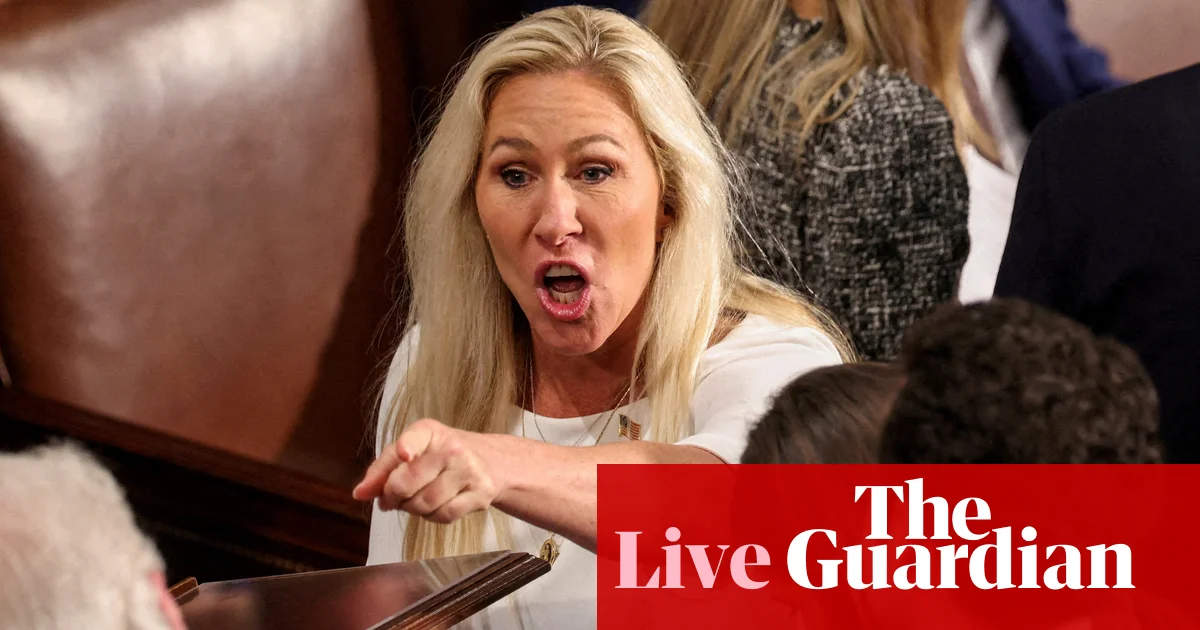
Former House Speaker Warns Greene’s Departure Signals GOP Warning Sign for Future Success

The recent upheavals on Capitol Hill and the evolving international diplomacy around the Ukraine conflict underscore a tumultuous chapter in U.S. and global geopolitics. As Marjorie Taylor Greene abruptly resigned from her congressional seat, analysts highlight this as a critical indicator—an emblem of the escalating internal crises within the GOP. Her departure signals a broader pattern of instability, with over twenty-two House Republicans already announcing retirements or plans to forgo re-election next year. Such mass withdrawals depict a party on the brink, fractured by internal divisions and teetering amidst impending electoral battles, which could fundamentally reshape America’s political landscape.

Beyond domestic upheavals, the international chessboard remains equally volatile. The Kremlin has confirmed that Steve Witkoff will return to Moscow next week, hinting at renewed efforts to broker peace in Ukraine. This follows reports of a leaked recording in which Witkoff advised Russia’s Yuri Ushakov on how to pitch a peace deal to Donald Trump. The recording reveals a hands-on diplomatic approach—one that many experts interpret as a testament to the fragile and complex negotiations underway. Furthermore, the US has rolled out a markedly concessionary peace plan, aimed at appeasing Russia and European stakeholders, but it risks further entrenching divisions, especially if those compromises undermine Ukrainian sovereignty.

The geopolitical impact of these intertwined developments is profound.

  • On one side, the U.S. appears to be shifting towards a more pragmatic, yet controversial stance, risking accusations of appeasement amid its support for Ukraine.
  • On the other, Russia’s diplomatic overtures—guided by a perceived desire to leverage the US’s internal discord—highlight Moscow’s strategic patience and its ongoing ambitions to weaken Western unity.
  • Within America, the Republican Party’s internal turmoil and leadership struggles threaten to weaken the United States’ global influence, particularly just as adversaries like China and Russia recalibrate their own geopolitical strategies.

International organizations and military analysts warn that decisions made in these critical moments will resonate through history, shaping the future of Western dominance and extending the shadows of conflict into the coming decades. As experts like prominent historians observe, the current period bears the hallmarks of a historic turning point—one where internal discord, diplomatic machinations, and strategic negotiations collide with unpredictable outcomes. The choices of today could either solidify a new era of resilience or usher in a perilous downslide into escalating conflict and chaos.

Indeed, as history unfurls its latest chapter, one cannot help but consider the weight of the decisions being made—in Capitol Hill, in Moscow, and amidst the Kremlin’s corridors of power. The tipping point may be just beyond the horizon, and the next move in this high-stakes game will determine the course of the world’s future, leaving us all to wonder: in this new epoch of geopolitical upheaval, what will be written into the annals of history, and what will be swept aside in the relentless tide of change? The stakes are clear—they are nothing less than the destiny of nations and the legacy we leave behind.

First Openly Gay Miss England Fulfills Dream, Inspiring a New Generation

In an era often overshadowed by chaos and fleeting trends, the enduring power of culture remains a testament to human resilience and the sacred connection to our roots. As philosophers like Ortega y Gasset have argued, culture forms the vital fabric of our collective identity, embodying both the memory of the past and the prophecy of our future. It provides a moral compass, grounding societies amid the tumult of modern life. Today, we witness a renewed emphasis on individual and national archetypes—figures who stand as living symbols of perseverance, pride, and tradition—reminding us that our cultural heritage is not only a mirror but also a blueprint for destiny.

Recent stories illuminate this truth with striking clarity. Consider the case of Grace Richardson, crowned as the first openly gay Miss England. Her journey from bullied schoolgirl in Leicestershire to a national icon encapsulates the transformative potential of embracing one’s true self. In her, we see a reflection of the cultural shift towards authenticity, a move away from superficial glamour towards substantive identity—challenging the postmodern tendency to reduce individuals to labels, and instead elevating them as symbols of hope and change. Richardson’s perseverance echoes the insights of T.S. Eliot, who advocated for a culture rooted in genuine experience rather than transient spectacle. Her triumph underscores the vital importance of defending societal tradition—an authenticity that breathes new life into archived values, laying the foundation for societal renewal.

Moreover, her victory is not merely personal but emblematic of a broader cultural renaissance—one that venerates resilience, individual talent, and the enduring significance of national pride. As Chesterton once observed, “The true cavalry of civilization is the everyday man,” and indeed, Richardson’s story inspires a generation to heed the call of tradition and courage. Her talents—shaped through years of musical theatre and ballet—are cultural milestones, showcasing how art serves as both a conduit for self-expression and a vessel of societal virtue. Such narratives serve as a reminder that culture is the armature upon which societies build their future, standing resilient against the erosion of moral compass and collective memory.

In the end, the preservation and celebration of culture are acts of defiance against nihilism, anchoring communities in the sacred soil of their history while gazing forward into the horizon of potential. Whether through the arts, traditional morals, or national symbols, these elements serve as prophets of human aspiration—foretelling a future rooted in the strength of our shared inheritance. As history’s great writers and thinkers have taught us, to remember is to forge, and to forge is to keep alive the eternal dance of memory and prophecy. Our culture, then, is not merely a reflection of who we are but a luminous road map to who we may become—a source of enduring inspiration and a testament that, through challenge and triumph, humanity’s noblest instinct remains to carve its destiny from the bedrock of its tradition.

Texas centenarian bus driver, 95, defies age with no plans to stop

Age, Work, and Societal Shifts: The Lifelong Dedication of Raymond Hager Sparks Broader Reflections

In an era marked by mounting economic pressures and evolving social norms, the inspiring story of Raymond Hager, the 95-year-old bus driver from Texas, resonates as a microcosm of a worldwide phenomenon. Recognized by Guinness World Records as the oldest active bus driver, Hager’s unwavering dedication to his career exemplifies the changing landscape of work and retirement across nations. While his personal story focuses on individual perseverance, it also underscores the broader implications of demographic shifts, economic realities, and societal values, influencing international debates on aging, labor policies, and economic resilience.

Hager’s commitment to his profession reflects a broader trend—an aging workforce that challenges conventional retirement norms. In the United States, economic stagnation, soaring living costs, and stagnant wages are pushing individuals to extend their working years well beyond traditional retirement age. According to international labor analysts, this trend is not isolated; many advanced economies face similar realities, prompting policymakers to reconsider social security systems and labor laws. Experts point out that this shift could reshape national economies, strain social safety nets, and influence societal perceptions of aging. Nations such as Japan and Germany are already grappling with these complexities as their populations age at unprecedented rates, threatening to redefine productivity parameters and social cohesion on the global stage.

The international community observes such individual stories with mixed emotions. On one hand, they highlight resilience and personal purpose; on the other, they raise questions about how societies can sustain economic vitality and social stability amid demographic transformations. Global institutions like the United Nations and the World Bank have issued reports emphasizing the importance of adaptable socio-economic policies that address the aging phenomenon. These organizations warn that unprepared societies risk increased healthcare costs, labor shortages, and diminished economic growth if they fail to implement reforms that encourage lifelong employment and flexible work arrangements.

The geopolitical impact of these demographic trends extends further when considering international migration, workforce mobility, and shifting power dynamics. Countries with youthful populations, such as India and parts of Africa, could find themselves at the cusp of new economic opportunities by attracting aging professionals from the West. Meanwhile, nations with declining populations may become increasingly dependent on foreign labor, potentially fueling migration debates, diplomatic negotiations, and geopolitical alliances. These shifts will unquestionably influence global power balances, economic alliances, and even cultural perceptions of aging and productivity.

As this chapter of history continues to unfold, the story of individuals like Raymond Hager serves as a symbol of perseverance and an indicator of systemic change. His story is a reminder that societal progress demands adaptability—not only in laws and policies but also in cultural attitudes towards aging and work. With the weight of emerging demographic realities pressing down on national leaders worldwide, the legacy of such figures warns us that the future hinges on our ability to redefine aging—transforming it from a symbol of decline into one of enduring contribution. In the ongoing narrative of human history, the choices made today will resonate for generations, leaving an indelible mark on how societies will navigate the uncharted territories of aging and economic resilience.

Australia bans high-dose B6 supplements: What young consumers need to know about their health choices

In today’s society, regulatory adjustments around health supplements reveal broader socio-economic tensions and the balancing act between consumer safety and industry influence. Starting from June 2027, Australia will place tighter restrictions on vitamin B6 products containing more than 50mg per daily dose, moving them behind the pharmacy counter. This regulation, initiated after a comprehensive review by the Therapeutic Goods Administration, underscores a rising concern about peripheral neuropathy—a nerve-damaging condition linked to excessive intake of this common vitamin in supplements. The move highlights the undeniable influence of the supplement industry and societal questions about how such commercialization impacts families and youth-driven communities.

The social repercussions of supplement overuse are especially pronounced among vulnerable populations. Elderly individuals, or those with specific health conditions such as alcohol dependence or autoimmune disorders, may face risks of deficiency, which specialists advise should be managed with professional consultation. Conversely, young consumers frequently ingest multiple B6-rich products—energy drinks, protein powders, vitamin mixes—often unaware of the cumulative danger. As Dr. Evangeline Mantzioris emphasizes, the ubiquity of vitamin B6 in common diets makes deficiency rare, yet overconsumption exists largely because of aggressive marketing tactics. This phenomenon raises concerns about how commercial interests shape youth behaviors and community health standards.

Historically, the societal response to supplement regulation mirrors past gaps between industry influence and public health. Sociologist Dr. Nathaniel Adams notes how government agencies, often swayed by powerful conglomerates, implement measures that span years—such as the five-year delay before restrictions take effect—allowing industry actors to adapt. This careful calibration mirrors societal patterns of compromise that, while necessary, perpetuate debates about trust, transparency, and the moral responsibilities of corporations towards young populations. Meanwhile, these regulations serve as a reminder that family units and community institutions are at the frontline of health advocacy, needing to remain vigilant in educational efforts.

Ultimately, the challenge extends beyond immediate health concerns toward a societal reflection: how do communities nurture resilience in youth amidst commercial pressures? How can families foster informed choices in an age dominated by quick fixes and marketing narratives? As experts like adjunct Associate Prof. Geraldine Moses suggest, patience is paramount—industry negotiations and regulatory changes take time. Still, the hope persists that through community education, transparent regulation, and moral courage, society can realign not just its health policies but its moral compass—ensuring that the well-being of future generations remains a collective priority. With ongoing vigilance and a united effort, society may yet transform these challenges into opportunities for genuine societal renewal, where youth grow up empowered by knowledge and protected by prudence, forging a society where health is a shared moral value rather than a commodity.

Sure! Please provide the content or the feed you’d like me to fact-check.

Sorting Through the Epstein Allegations: What Is Clearly Established and What Is Not

The recent surge in claims linking prominent politicians to Jeffrey Epstein’s sordid activities underscores the importance of carefully examining the facts. The House’s decision to mandate the release of Epstein investigation-related documents, and the subsequent political discourse, have prompted a closer look at the evidence and claims made by both sides. While some connections between Epstein and political figures are documented, many of the assertions circulating are either misconstrued or lack definitive proof.

Senate and House legislation, including a bill signed by President Trump, aim to unseal all unclassified Epstein case files, which are expected to shed more light on Epstein’s activities and associations. The official records do confirm that Epstein was arrested in July 2019 on sex trafficking charges and died in detention a month later, with the Department of Justice officially ruling his death a suicide. These facts are undisputed and form the baseline of what we know about Epstein’s criminal case. However, the political imperative to link Epstein’s connections to powerful figures often results in embellishments or misinterpretations of the available documentation.

Assessing Claims About President Trump and Epstein

One of the most prominent claims concerns Trump’s alleged knowledge of Epstein’s recruitment activities at Mar-a-Lago. Democratic Rep. Melanie Stansbury asserted that recent documents imply Trump “absolutely knew” Ghislaine Maxwell was recruiting young women from his property. This assertion exaggerates the current evidence. The released emails show Epstein commenting that Trump might have been aware of certain recruitment efforts, but they do not prove Trump knew about criminal conduct or sexual abuse specifically. In fact, Trump has repeatedly denied any knowledge of Epstein’s crimes, and none of the released documents definitively prove otherwise.

Further, regarding Epstein’s claims that Trump had been at his house with girls, the documents show Epstein’s commentary, but do not supply concrete evidence that Trump was involved in or aware of illegal acts. In public statements, Trump has distanced himself from Epstein, claiming he “threw him out of his club many years ago because I thought he was a sick pervert.” That’s consistent with the timeline many experts believe—most social connections ended before Epstein’s first arrest in 2006. Expert legal analysts, including institutions like the Justice Department, note that mere presence or association does not imply criminal knowledge.

The Controversies Over Congressional Contacts and Donations

The documents also reveal communication between Epstein and various members of Congress, notably Virgin Islands Delegate Stacey Plaskett and others. Republican accusations portray these exchanges as evidence of collusion aimed at damaging political adversaries. Analysts highlight that contact alone—such as texts or fundraising solicitations—does not equate to criminal collusion. For example, Epstein’s text exchanges with Plaskett, which centered around congressional hearings, are being sensationalized. Plaskett has clarified she never engaged in wrongdoing and emphasized her role as a prosecutor with a long record of combatting human trafficking.

Similarly, claims about Epstein-donated funds to politicians, including those named by Crockett, need to be interpreted carefully. The contributions from individuals named Jeffrey Epstein to campaigns—most of which occurred after Epstein’s death in 2019—have been traced to different people with similar names. The FEC’s public records confirm these donations were from unrelated individuals, such as physicians in New York and New Jersey, emphasizing that the evidence does not support a widespread pattern of political impropriety by the convicted sex offender himself or by public officials in relation to him.

The Need for Evidence-Based Understanding

While investigations are ongoing and unsealing documents may reveal new facts, the current available evidence does not substantiate the sweeping claims of direct knowledge or involvement by most political figures. Judges, experts, and official sources affirm that many of these claims are either based on assumptions or are taken out of context. As noted by institutions like the FBI, gathering concrete proof of criminal collaboration is methodologically challenging and requires clear, corroborated evidence—not speculation or partial disclosures.

In the arena of democracy, truth remains the most vital currency. Responsible citizenship depends on diligent verification and restraint from jumping to conclusions based solely on partial or misinterpreted pieces of information. As this investigation demonstrates, many claims made in the frenzy of political debate do not withstand rigorous scrutiny. By demanding transparency and evidence, the public safeguards the integrity of our institutions and the fairness of our electoral process.

In conclusion, while Epstein’s case continues to cast shadows over the political landscape, facts matter. Unproven allegations or misrepresentations—no matter how politically tempting—serve only to undermine trust and sow division. The responsible path forward is grounded in verified information, recognizing that unscrutinized accusations weaken the democratic fabric and obscure the pursuit of truth that is essential for justice and accountability.

Young researcher uncovers rare flower after 13-year quest—proof that dedication pays off

In a landmark discovery that has captivated the natural world, UK and Indonesian scientists have announced the re-emergence of the elusive Rafflesia hasseltii within the lush rainforests of West Sumatra. After over a decade of persistent searching, botanists Septian Andriki and Chris Thorogood confirmed the first wild sighting of this rare floral species since its disappearance from the wild, signaling a potential turning point in conservation efforts in the region. The find underscores the resilience of Indonesia’s biodiversity amid ongoing environmental challenges and highlights the importance of international scientific collaboration in safeguarding endangered species.

The arduous search commenced days prior when the team embarked on a challenging trek through dense, uncharted rainforest territory. Such expeditions are increasingly vital, as Indonesia’s vital tropical ecosystems face threats from deforestation, illegal logging, and climate change. According to conservation experts, this rediscovery could have profound geopolitical implications—not only emphasizing Indonesia’s critical role on the global biodiversity stage but also urging international stakeholders to bolster support for conservation initiatives. Notably, the United Nations Environmental Programme and other multinational bodies have been pressuring countries to protect their natural heritage, yet tangible results remain elusive. The latest breakthrough in West Sumatra now injects new hope—yet also a stark reminder—of the ongoing struggle to preserve such natural treasures against mounting threats.

Historians and environmental analysts warn that the reappearance of Rafflesia hasseltii could symbolize a broader shift in how nations approach conservation and sustainable development. With Indonesia now demonstrating its capacity to restore and protect vulnerable species, regional neighbors and global powers may reevaluate their priorities. The discovery also casts a spotlight on the *underlying tensions* surrounding land use policies in Indonesia, where economic development often clashes with ecological preservation. Such conflicts threaten to undermine international efforts; nonetheless, experts argue that discoveries like this serve as a wake-up call—a reminder of what is at stake if the world fails to act decisively. The implications extend beyond biology, touching the core of how nations balance growth with environmental responsibility.

As history continues to unfold, the sighting of this rare flower has become more than a botanical first—it is a symbol of resilience in a world increasingly at odds with nature. The moment resonates globally, hinting at a future where cooperation and dedicated conservation may still preserve our planet’s most endangered treasures. Yet, the shadow of uncertainty lingers, and the question remains: will this victory be enough to turn the tide of ecological decline, or will it merely serve as a fleeting glimpse of hope in the face of mounting crises?

Social Media Auto Publish Powered By : XYZScripts.com