Matox News

Truth Over Trends, always!

Discover the Essential Book of 2025: Let Us Guide Your Next Read

In an era saturated with transient distractions and fleeting impressions, culture remains the vital anchor of collective identity, a vessel that preserves our past and propels us toward the future. Literature, in particular, embodies this persistent dialogue between memory and prophecy. As Ortega y Gasset observed, our cultural existence is a “collective autobiography,” woven through stories, traditions, and artistic expressions that define who we are. This is particularly salient today, as young audiences navigate the complex landscape of modernity, seeking roots amid rapid change and ideological turbulence.

The cultural canon serves as the repository of our values and ideals, yet it is not static; it evolves by engaging with contemporary realities and reinterpreting age-old narratives. Movements like Romanticism and Modernism once challenged conventional notions, opening space for individualism, freedom, and spiritual inquiry—elements that continue to resonate in the fabric of national and personal identity. Today, social critics and thinkers like Chesterton have emphasized how culture is fundamentally a moral language, illuminating the virtues of tradition while defending them against nihilistic tendencies. For youthful minds, literature becomes both a mirror reflecting societal standards and a torch guiding future aspirations.

Historically, the link between cultural expression and societal structure can be viewed through the lens of Tocqueville, who lamented that democracy’s embrace of equality risked eroding the aristocratic virtues of excellence and distinction. Yet, in the modern revival of cultural classics—be it in literature, film, or visual arts—we witness an ongoing debate about what constitutes authentic tradition. The rediscovery of works like Chesterton’s essays or Eliot’s poetry reminds us that cultural heritage is not merely the preservation of relics but an active dialogue that molds our worldview. For the young, engaging with this heritage is an act of rebellion and reverence—a recognition that culture is both memory and prophecy.

As we stand at the crossroads of history’s vast archive, the poetic fabric of culture whispers of human hopes and fears—its stories echo in the collective memory while illuminating the path forward. For in culture’s ongoing symphony, each generation contributes a stanza, weaving continuity with innovation. It is a testament to humanity’s enduring quest: to remember who we are, while willing ourselves toward what we might become. Ultimately, culture is the soul’s script—a script that continues to write its crescendo through the ages, reminding us that we are both heirs and architects of an eternal narrative, destined to craft meaning from the threads of memory and the aspirations of prophecy.

South Korea’s beloved TV dad passes away at 91—legacy of family values endures

The Passing of an Icon and Its Broader Cultural Significance

The recent death of South Korean actor Lee Soon-jae at age 91 marks not only the end of an era in entertainment but also underscores the cultural clout of Korean wave (Hallyu) as a significant soft power in the global geopolitical landscape. Lee’s career, spanning over seven decades, positioned him as a universal figure whose influence extended beyond South Korea’s borders, embodying a cultural bridge that has helped shape perceptions of the nation on the world stage. His roles in television classics like High Kick! and in acclaimed films fostered a sense of shared identity among Korean youth and diaspora communities alike. As analysts from the International Institute for Cultural Diplomacy note, figures like Lee serve as cultural ambassadors, contributing to the positive diplomatic image of South Korea amidst the fierce regional competition for influence.

How Cultural Diplomacy Intersects with Geopolitical Strategy

  • The rise of South Korean popular culture has been a deliberate facet of global soft power strategy by the South Korean government, aiming to elevate national prestige and economic strength.
  • Leaders such as President Yoon Suk-yeol have explicitly linked entertainment exports to security policy, recognizing the importance of cultural influence in shaping international alliances and alliances formations.
  • Meanwhile, institutions like the United Nations have called on countries to leverage cultural assets for peacebuilding, but critics argue that cultural influence alone cannot mitigate underlying geopolitical disputes, particularly in the East Asian region where territorial tensions persist.

Such decisions are set against the backdrop of ongoing regional conflicts—notably, the Uighur crisis in China and the escalating militarization of the Korean Peninsula. Historians like Dr. Samuel Parks suggest that the cultural sphere serves as a strategic battleground, shaping narratives and perceptions. While South Korea’s cultural exports, including K-pop, TV dramas, and revered actors like Lee Soon-jae, foster unity and national pride domestically, their role in international diplomacy is double-edged. These cultural symbols are increasingly leveraged in hard power strategies to counterbalance China’s expanding influence and to Visegrad the United States’ regional interests, particularly in navigating the complex geopolitics of the Indo-Pacific corridor.

The Impact on Society and the Future Trajectory

However, the death of such a towering figure also sparks reflection on the fragile nature of cultural influence amid volatile geopolitical currents. South Korea’s ability to sustain its cultural ascendancy depends on continuous innovation and strategic diplomacy, as emphasized by international security analysts. The legacy of Lee Soon-jae, who remained active well into his nineties, exemplifies the endurance and depth that cultural figures can offer in fostering societal resilience and national identity. Yet, as the geopolitical landscape shifts with U.S.-China tensions and ongoing territorial disputes, the question remains whether cultural influence can translate into tangible security guarantees.

Just as Lee Soon-jae’s career conveyed warmth and familiarity, the broader process of nation-states maneuvering through international tensions often hinges on storytelling—narratives crafted by leaders, media, and cultural icons that shape global perceptions. With history witnessing a rising tide of powerful alliances and rivalries, the words of seasoned analysts echo with gravitas: the pages of history are still being written, and the world watches with bated breath as this complex story unfurls, leaving a legacy that will influence generations to come.

Oxfordshire Schools Step Up to Support More SEND Students, Shaping a Stronger Future for All

Across communities in the UK, a growing crisis in special educational needs and disabilities (SEND) support threatens to undermine the very fabric of inclusive education. As local authorities grapple with ballooning costs and a demographic shift towards greater demand for specialized care, families face the stark reality of limited resources and uncertain futures. Oxfordshire County Council exemplifies this trend, with a forecasted £153 million high needs funding deficit next year. To address this, the council is pioneering efforts to bring children with SEND into mainstream schools, aiming to reduce reliance on expensive private institutions, which can cost up to £64,000 annually per child.

But such solutions are far from simple. The financial pressures extend beyond just funding, affecting families, educators, and entire communities. As Oxfordshire seeks to expand its mainstream support, it faces the challenge of not only increasing funding but also fostering effective leadership and inclusive practices within schools. Paul James, chief executive of the River Learning Trust, emphasizes that creating truly inclusive environments requires more than policy adjustments; it demands ambitious, well-led teaching backed by adequate financial support. Without this, schools are compelled to make difficult cuts—reducing staff, resources, and enrichment activities—compromising the quality of education for all students, particularly those with complex needs.

  • Research by sociologists such as Hannah Arendt warns that without social support and equitable funding, the marginalized—like children with SEND—risk being pushed further into social isolation.
  • Historically, public education systems have reflected societal values; increasingly, the neglect of SEND funding signals that society’s priorities may be shifting away from inclusive justice.
  • Local authorities are calling for clear government strategies to address mounting debts, as the current funding model, approved and kept off councils’ books, leaves communities vulnerable to fiscal crises and potential bankruptcy, which would have devastating ripple effects through local families and services.

Social issues surrounding SEND support profoundly influence families’ stability, educational equity, and community cohesion. As costs escalate—highlighted by the fact that mainstream school support costs around £10,000 per child annually—families find themselves caught between inadequate systemic support and the relentless demand for specialized care, further emphasizing the urgent need for reform. The societal implications go beyond economics; they are a moral question about the human right to equitable education and the societal obligation to nurture every child’s potential. As social commentator Michael Sandel argues, our collective moral core is tested in how we prioritize vulnerable populations; neglecting these needs erodes the fundamental bonds that hold society together.

Yet, amidst these daunting challenges, glimmers of hope emerge. Communities, educators, and policymakers recognize that collaborative, well-funded leadership is essential for meaningful change. With plans to add 340 specialized school places and reduce dependency on private alternatives, local authorities are aiming to rebuild a system rooted in fairness and accessibility. Leaders like Paul James insist that “children only get one go” at their education, and it is a moral imperative that society commits to supporting them fully. Ultimately, society’s capacity for resilience and reform will determine whether we can transform these challenges into opportunities—building a future where families, education, and communities thrive together in the embrace of genuine inclusion.

As society stands at this crossroads, the question remains: can our collective resolve turn the tide of neglect into a wave of hope and transformation? The future of our children—the very essence of society’s moral health—depends on the answer we choose to write today.

Minister Warns of Rising Student Asylum Claims Amid Visa ‘Abuse’ Concerns

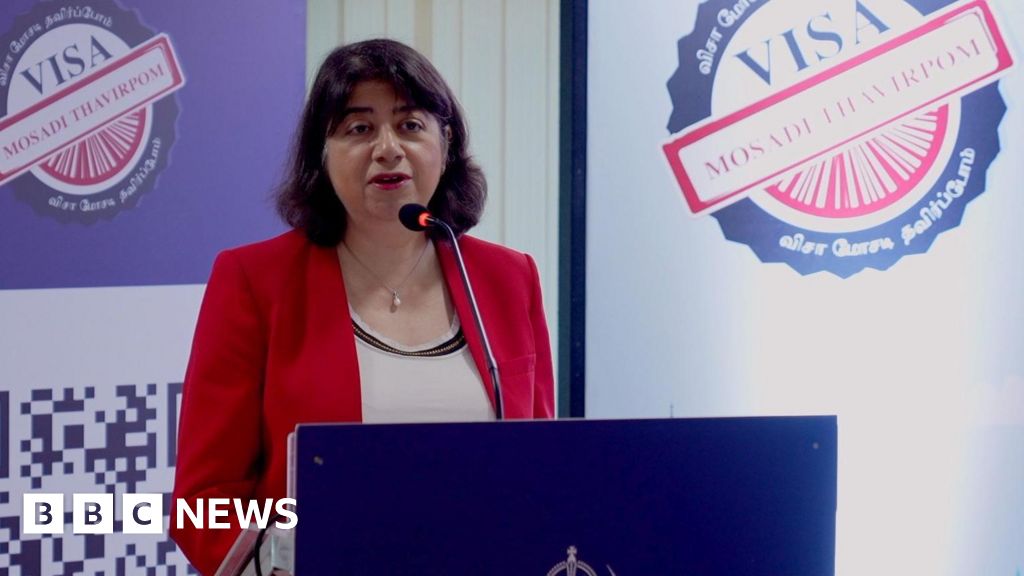
The United Kingdom is currently navigating a pivotal turn in its immigration and trade policies—an effort that reveals much about its strategic priorities within the Indo-Pacific and its relationship with India. UK’s Indo-Pacific Minister Seema Malhotra recently defended sweeping immigration reforms during a diplomatic visit to India, asserting that they are “in line with what countries around the world do” to curb system abuse. Yet beneath this rhetoric lies a complex web of geopolitical signals and domestic challenges that could reshape not only Britain’s immigration landscape but also its broader positioning on the global stage. The reforms, which could delay permanent settlement for migrants up to 20 years and extend eligibility for indefinite leave to remain from five to ten, target an estimated 2.6 million arrivals since 2021, reflecting a stark shift towards greater national control amid increasing pressure from both political factions and public opinion.

While Malhotra insists these policies aim to promote fairness and order, critics—ranging from Labour MPs to international analysts—highlight the potential fallout. The UK, long distinguished for its openness to international students and skilled migrants, now faces a decline in Indian student arrivals—off by 11% from last year—fueling anxiety among universities and economic stakeholders. India, historically the UK’s leading source of foreign students accounting for 25% of arrivals, is witnessing a cooling demand as higher visa restrictions are implemented. This is not merely an educational issue; it signals a shifting geopolitical dynamic. India’s significant role as a crucial nation of origin for migrant workers and professionals makes the restrictions a point of tension, especially as UK-India relations evolve through recent free trade agreement (FTA) negotiations—including the opening of UK university campuses in Bengaluru. London’s push to deepen economic ties while tightening migration controls underscores a broader phenomenon: a cautious balancing act between fostering international cooperation and safeguarding domestic political stability.

Analysts warn that these inward-looking policies could have far-reaching consequences that extend beyond the UK’s borders. Historians and policy experts observe that such shifts respond not only to immediate political pressures but also to an international climate where migration becomes a pawn in larger competitions for regional influence. Sir Keir Starmer’s recent pledge to retain strict visa rules for Indians, despite trade ambitions, exemplifies the tension between economic cooperation and political sovereignty. Meanwhile, the UK’s move toward a “contribution-based” immigration system—favoring economic merit over temporal residence—may redefine what it means to be a migrant in Britain. The implications for nations like India are immense: as a significant source of skilled labor, especially in healthcare, the potential exodus of nurses and care workers could weaken the very sectors critical for societal stability, with many falling prey to visa scams and financial ruin. Such internal fissures threaten to undermine the societal fabric the UK seeks to protect, revealing an inherent dilemma where global ambition clashes with domestic reality.

In the unfolding saga of Britain’s future direction, each policy shift echoes as a chapter in the larger narrative of a nation wrestling with identity, influence, and survival. The geopolitical impact is unmistakable: Britain’s effort to tighten borders and prioritize economic contributions signals a defiance of the permissive migration policies characteristic of its past. As the world watches, the decisions taken now are not just about border controls—they are about who Britain is and what it aspires to be in a rapidly shifting international landscape. The weight of history hangs heavy, as the UK’s leadership steers through storms of domestic discontent and global rivalry—constructing a future where sovereignty and prosperity hinge on choices that will resonate for generations to come. The unfolding story remains one of resilience, risk, and the enduring quest for national place amid the tumult of today’s interconnected world.

Please upload the feed content you’d like me to use for the fact-checking headline.

Fact-Check: Were Democratic Lawmakers Engaged in Seditious Behavior?

In the recent political debate swirling around a social media video posted by several Democratic lawmakers, President Donald Trump accused them of engaging in SEDITIOUS BEHAVIOR, punishable by DEATH. This provocative claim has generated widespread headlines, but a closer examination of the facts reveals a stark contrast between the president’s inflammatory language and the legal reality.

First and foremost, the lawmakers in question—a bipartisan group comprising senators and representatives with military backgrounds—did not advocate for violence or illegal activity. Instead, they issued a public service announcement emphasizing that service members have the legal right to refuse illegal orders. As Eric R. Carpenter, a law professor at Florida International University, explained, “Sedition involves attempting to overthrow the government using force or violence. The lawmakers only reiterated the law—they did not call for overthrowing the government.” The content of their message was focused on legal rights, not incitement, and this is a critical distinction.

What Was Truly Said?

  • Lawmakers highlighted that military personnel have a constitutional and legal obligation to follow lawful orders—an undisputed aspect of military law.
  • They explicitly stated that orders that violate the law or the Constitution should be refused—aligning with established military legal principles.
  • The video concluded with a patriotic phrase, “Don’t give up the ship,” referencing a historic naval motto, further emphasizing lawful conduct and duty.

Despite the absence of calls for illegal actions, President Trump responded with severe language, claiming that these lawmakers’ comments constituted sedition. The White House clarified that Trump did not suggest executing the lawmakers but instead labeled their words as “seditious behavior,” warning of the potential consequences of breaking the chain of command. However, legal experts have clarified that such rhetoric is both exaggerated and misleading. Victor M. Hansen of New England Law stated, “These statements are not seditious or evidence of conspiracy. Simply reminding service members of their legal rights is not criminal.”

Legal Clarifications and the Truth About Sedition

Regarding the president’s use of the term “sedition,” the law is quite specific. According to federal law, sedition involves conspiracy to overthrow or oppose the government through force. The key word here is “conspiracy” to commit such acts, which must involve coordinated planning and advocacy of violence.

Legal scholars, including Berit Berger of CNN, explained that the statements in the video do not meet the criteria for sedition. “It reflects the military law that lawful orders must be obeyed, and simply reiterates constitutional rights,” she clarified. Similarly, Brenner M. Fissell noted that under the Supreme Court’s decision in Brandenburg v. Ohio, speech that merely advocates legal rights without inciting imminent lawlessness cannot be classified as seditious.

Furthermore, the distinction between lawful and unlawful orders is vital. As Carpenter highlighted, service members are presumed to obey legal orders; refusing unlawful orders is within their rights, but doing so based on political disagreements or unsubstantiated accusations is legally risky. Importantly, the U.S. Military Justice System explicitly states that disobedience to lawful orders is a crime, yet refusing unlawful orders is protected by law. Therefore, the lawmakers’ message was rooted in upholding constitutional rights rather than advocating insurrection.

Conclusion: The Importance of Truth in Democracy

The narrative that Democratic lawmakers committed sedition over a lawful statement is a deliberate distortion of the facts. The law is clear that seditious conspiracy requires a conspiracy to forcibly oppose or overthrow the government, not a reiteration of legal rights or constitutional principles. Spreading misinformation about such serious charges undermines the rule of law and the foundations of responsible citizenship. Upholding truth is essential to ensuring our democracy functions with integrity, transparency, and accountability. As citizens and responsible individuals, it is our duty to seek and rely on facts, especially in the current climate of misinformation and political division.

Justice prevails as charges dropped against Australian debt collector Panthera Finance

Global Impact of Australia’s Shift in Debt Collection Laws

In a landmark decision, Australia has once again highlighted the delicate balance between consumer protections and corporate oversight, with significant geopolitical reverberations potentially influencing international standards. The recent court case involving Panthera Finance, a prominent debt collection firm, underscores shifting legal interpretations that extend beyond domestic borders. This case, centered on whether Panthera was technically engaged in illicit debt collection practices, marks a pivotal moment in how nations temper regulation with economic competitiveness in a rapidly globalizing financial industry. As legal experts and international organizations analyze the ruling, the core question persists: How do such decisions influence societal perceptions of corporate accountability and state sovereignty?

Legal Nuances and International Ripple Effects

  • The Victorian magistrates’ court dismissed charges against Panthera Finance, citing a narrow interpretation of debt collection statutes that hinge on whom the debt is owed to.
  • Legal counsel for the company argued that their client was in fact the owner of the debts, hence not technically engaging in prohibited collection activities.
  • The ruling raises a significant ambiguity in Australian law—one that many analysts fear could be exploited by other corporations operating across jurisdictions with varying laws.

Most notably, this outcome sparks debate among international legal circles and global economic policymakers. While some experts warn that broadening legal loopholes endangers consumers, others, like certain Australian lawmakers, see the decision as a safeguard against overregulation stifling economic activity. The situation draws parallels with past international legal shifts where corporate interests have challenged regulatory frameworks in pursuit of profit, often at the expense of societal protections. Thinkers such as Professor James Smith of the International Law Institute warn that such legal pragmatism must be balanced with international commitments to consumer rights, especially in a climate where cross-border transactions are becoming the norm.

The Geopolitical Impact and Societal Consequences

This legal outcome exemplifies the broader geopolitical impact of national regulatory philosophies. As Australia navigates its relationship with *international bodies* and trade partners, decisions like these signal a more cautious approach—one that could embolden other nations to relax rules under similar presumptions. Meanwhile, the economic repercussions of such legal shifts can ripple globally, influencing how financial firms operate in diverse regulatory environments. Consequently, societies face increasing pressure to adapt — balancing growth with transparency and making sure vulnerable consumers aren’t left behind in the pursuit of economic freedom.

Indeed, the case exemplifies a phenomenon observed by analysts—how strategic legal interpretations and international policy shifts shape the future of global commerce and societal trust. Governments, international organizations, and corporate players are now locked in a complex dance, where the slightest constitutional or legal nuance can define the trajectory of national and global stability. As historians like Dr. Anna Rodriguez reflect, this moment signals not just a legal victory or defeat, but a step in the larger evolution of how societies will regulate, control, and protect their citizens amidst a pluralistic and interconnected world—a story still being written with each court ruling, treaty, and policy change.

In the unfolding saga of nations striving to find the right balance of power, regulation, and economic liberty, the decision in Melbourne serves as a stark reminder: the true weight of history is carried not just in today’s verdicts, but in the future frameworks they forge — frameworks that will define what kind of world justice and societal harmony can withstand the test of time.

Four Killed in Nighttime Strikes on Neighborhoods—A Wake-Up Call for Our Streets

The recent surge in hostilities between Russia and Ukraine underscores the volatile state of Eastern Europe’s geopolitical landscape. Overnight drone strikes launched by both nations have resulted in tragic casualties and widespread destruction, highlighting a relentless cycle of violence that threatens regional stability. Kyiv reported a “massive” Russian drone assault targeting the Ukrainian capital, causing fatalities, injuries, and damaging critical infrastructure. Meanwhile, Moscow’s accusations of Ukrainian strikes in the Rostov region reveal how this conflict has expanded beyond conventional borders, with civilian lives caught in the crossfire.

This deteriorating situation follows palpable shifts in diplomatic negotiations. Ukrainian President Volodymyr Zelensky welcomed proposed modifications to a controversial 28-point peace plan brokered with the backing of the United States. However, these adjustments were swiftly dismissed by the Kremlin as “completely unconstructive,” exposing deep fissures in the international effort to forge a sustainable resolution. Analysts from the International Crisis Group warn that such dismissals portend a scenario where diplomatic efforts remain deadlocked, prolonging the suffering on the ground and entrenching divisions among allies.

Furthermore, the recent attacks underscore how disrupted energy and civil infrastructure amplify the war’s toll on societies. Kyiv’s authorities have reported multiple residential high-rises ablaze, with emergency services evacuating countless residents amidst ongoing threats. Ukraine’s energy ministry announced a “massive, combined enemy attack” targeting vital electrical and water supplies, a move that risks plunging the nation into deeper hardship during winter. These actions reflect not just military strategies but also a calculated effort to undermine Ukraine’s resilience, a move widely condemned by global observers. The impact of such destruction reverberates beyond immediate casualties, threatening to destabilize civilian life, hinder recovery, and test the endurance of the Ukrainian people.

On the geopolitical stage, the events illuminate how Russia and Ukraine serve as pivots in a broader contest involving Western allies and Eastern powers. US policymakers, including White House spokesperson Karoline Leavitt, express cautious optimism about the diplomatic process, citing hope that a comprehensive plan may eventually materialize. Yet, historical analysts warn that the war’s escalation, combined with entrenched national interests, could entrench a protracted conflict with unpredictable outcomes. Some experts interpret this turmoil as a pivotal moment—the potential for a breakthrough or the slide into further chaos—hinges on external diplomatic finesse and internal resolve.

As the frontlines continue to shift and the war’s toll mounts, the international community faces a profound moral and strategic dilemma. The story unfolding in Ukraine is not just a regional conflict but a defining chapter in the 21st century’s geopolitical narrative. Each decision, each strike, and each diplomatic gesture writes a new line in the chronicles of history—an unfolding drama where the weight of nations and the hopes of millions hang precariously in the balance. The shadows of this crisis threaten to shape the landscape of global power, with consequences echoing long after the fighting ceases, leaving future generations to grapple with the scars of today’s choices, while the world watches in tense anticipation of what tomorrow may bring.

Rising Stars Shine in Thrilling Youth Championship: A New Era of Sports Awaits!

McCaffrey Shines in Emotional Matchup Against Ex-Team

This past weekend, the San Francisco 49ers faced off against the Carolina Panthers in a highly anticipated matchup that held personal significance for Christian McCaffrey. This game marked McCaffrey’s first encounter with the franchise that traded him to the 49ers in 2022, and he certainly made his presence felt on the field.

The game was electric from the opening kick, with both teams hungry for a win. However, it was McCaffrey who stole the show, delivering a performance that will be talked about for weeks. With an impressive total of 150 yards rushing and two touchdowns, he single-handedly propelled the 49ers to a decisive victory over the Panthers. Notably, McCaffrey’s first touchdown came during a critical moment in the second quarter, changing the momentum and silencing the rowdy home crowd.

  • 49ers outgained the Panthers 450 to 320 in total yards.
  • McCaffrey averaged an astounding 7.5 yards per carry.
  • The 49ers defense held the Panthers to just 60 yards rushing.
  • Quarterback Brock Purdy threw for over 300 yards and two touchdowns.

As noted by analyst Troy Aikman, “It’s not just about the stats; it’s about how a player rises to an occasion.” McCaffrey’s performance exemplified this notion, showcasing his adaptability and determination—qualities every aspiring athlete should aspire to embody. Head Coach Kyle Shanahan expressed immense pride in his star player, stating, “Christian understands the game on another level; he was ready for this moment.”

Beyond the scoreboard, this matchup serves as a reminder of what sports can accomplish—it brings people together, creates lasting memories, and often reignites old rivalries. For fans and players alike, the anticipation surrounding McCaffrey’s return to Carolina encapsulated the powerful bond that sports can forge, transcending personal narratives. As the 49ers continue their push for the playoffs, McCaffrey’s contributions will undoubtedly inspire a greater sense of unity among fans and teams, illustrating that, in the world of sports, it’s not just about competition—it’s about shared experiences and collective triumphs.

Source link

15-Year-Old Facing Christmas Behind Bars After Sydney Teen Murder

Teen Violence in Sydney: A Microcosm of Societal and Geopolitical Shifts

The recent tragic incident in Sydney, where a 17-year-old boy lost his life after a stabbing near a local high school, underscores a disturbing rise in youth violence affecting even the most peaceful societies. The suspect, a 15-year-old, was accused of the brutal murder, an act that has sent shockwaves through the Australian community and raises pressing questions about social instability, youth crime, and the broader societal influences fueling this violence.

Analysts and international observers have pointed to a global trend where societal discontent, economic disparities, and cultural shifts contribute to increased violence among youth. Historian Dr. James Thornton notes that such incidents often reflect underlying fractures within a nation, exacerbated by declining social cohesion and economic uncertainties. This tragic event took place in broad daylight, close to several schools and within view of the community—highlighting how fragile societal order can be, especially when morals and law enforcement are strained by the complexities of modern urban life.

The geopolitical impact of localized violence, however, extends beyond Australia’s borders. It acts as a stark reminder that internal societal stability influences a nation’s reputation on the global stage, especially as China and Russia continue to challenge Western democratic values and institutions. In a time where Australia aligns increasingly with U.S. interests, incidents like these threaten national cohesion and national security by fueling societal divisions. Moreover, international organizations such as the United Nations have long warned that domestic instability distracts nations from engaging effectively in global geopolitics, exacerbating regional tensions and allowing authoritarian influences to gain ground.

The response from Australian authorities underscores the seriousness with which such violence is treated. The young suspect was remanded in custody, with forensic evidence—including a DNA swab—being collected to establish further details. This case, due to return to court in January, highlights the ongoing challenge of juvenile justice and law enforcement’s efforts to combat youth violence in an increasingly volatile social climate.

Critical voices from across the political spectrum insist that resolving these issues requires addressing root causes—namely, inequality, cultural dislocation, and lack of opportunities for youth. Prime Minister Anthony Albanese has expressed condolences to the victim’s family while emphasizing the need for community resilience and policy reform. But the clash between social well-being and rising violence reveals deeper fractures within<typeof "Western" societies, which now confront the ongoing repercussions of rapid globalization, identity shifts, and internal divisions.

As the world watches, the event in Sydney becomes more than a localized tragedy—it serves as a bleeding symbol of how internal societal struggles can have far-reaching consequences. When youth are pushed to the brink, societies risk losing their future, and the weight of history continues to unfold, reminding all nations that peace is fragile and must be fiercely guarded against the tides of chaos and discord.

Teen 'Slender Man' attacker Morgan Geyser caught after fleeing custody
Teen ‘Slender Man’ attacker Morgan Geyser caught after fleeing custody

In recent years, young individuals across the globe have become entangled in developments that underscore the fragility of societal safety nets and the influence of digital folklore. The case of Morgan Geyser, the 23-year-old involved in the infamous 2014 Slender Man stabbing, exemplifies how online mythologies can transcend virtual boundaries, inspiring real-world violence that shocks entire nations. Her escape from a group home in Wisconsin, and subsequent arrest at a truck stop in Illinois, serve as a stark reminder that the confluence of mental health challenges, youthful impressionability, and digital subcultures demands urgent international policy attention.

  • The attack was carried out by Geyser and her childhood friend, Anissa Weier, both aged 12 at the time, motivated by stories from creepypasta—the internet’s dark folklore describing the shadowy figure known as Slender Man.
  • Geyser was sentenced in 2018 to 40 years in a mental hospital—an outcome that reignited debate over juvenile justice, mental health treatment, and the influence of cyberspace on impressionable minds.
  • Her recent attempt to flee detention highlights the ongoing security and societal risks posed by individuals who have been conditionally released, especially when societal cohesion is strained by misinformation and the unchecked spread of fringe narratives.

This incident underscores a >concerning trend recognized by international organizations such as the United Nations, which warns that digital ecosystems can radicalize youth and obscure the line between myth and violent reality. Historians and analysts have long debated whether modern media amplify youthful vulnerabilities or simply reveal existing societal fissures. The Geyser case starkly exemplifies the <psychological toll> of digital mythology, which can distort perceptions of reality, especially among the most impressionable. Many experts argue that the online environment, unlike traditional folklore, is less regulated and more potent in shaping dangerous beliefs—an aspect nations worldwide are now grappling with.

The geopolitical impact of such incidents extends beyond criminal justice. They highlight potential vulnerabilities in national security frameworks, as online subcultures and misinformation networks can proliferate violent ideas across borders without regard for state sovereignty. Some international security agencies are advocating for strengthened cooperation to monitor and counteract the spread of harmful narratives that could incite violence, emphasizing the need for a coordinated approach that involving technological, educational, and legal measures. As nations prioritize these strategies, the consequences of their decisions—whether stronger mental health initiatives or internet regulation policies—will have lasting effects on how societies manage youth wellbeing and digital literacy.

In the broader context of an increasingly interconnected world, the Geyser case is a stark chapter in a narrative still being written. It reminds policymakers, communities, and families that the digital age demands vigilant stewardship of the minds of future generations. History will judge whether decisive, collaborative action can stem the tide of such tragedies or whether mankind will continue to watch helplessly as the line between myth and reality blurs in the chaos of a digital dawn—not with hope, but with the weight of the lessons lost and the future yet to be shaped.

Social Media Auto Publish Powered By : XYZScripts.com