Matox News

Truth Over Trends, always!

Top Air Purifiers of 2025: Coway, AirDoctor, IQAir Lead the Charge

Revolutionizing Air Quality: The Innovative Shift Disrupting Traditional HVAC and Air Purifier Markets

As the world faces an escalating climate crisis and a renewed focus on personal health, the industry of indoor air quality (IAQ) management is experiencing a seismic shift driven by cutting-edge innovations. Companies like Dyson, Blueair, Levoit, and startups like Mila are pioneering technologies that challenge conventional notions of air purification. These developments not only redefine how consumers approach IAQ but also carry profound business implications—disrupting legacy HVAC systems and opening lucrative new markets.

One of the major innovations fueling this disruption is the integration of AI-powered sensors and smart capabilities into compact, aesthetically appealing devices. For example, Mila’s Critter Cuddler employs built-in sensors and app dashboards that automatically adjust operation based on real-time air quality, echoing trends seen in MIT research on personalized environmental control. Meanwhile, Dyson’s Big+Quiet Formaldehyde BP04 employs gases-specific filtration with multi-stage purification, targeting VOCs with unprecedented efficiency. These devices, often featuring disruptive design—like wall-mounted units or minimalistic forms—contest the traditional bulky, noise-intensive models of yesteryear.

Industry Impacts and Market Shifts

  • Market Disruption: The rise of smart, portable units erodes consumer reliance on fixed, large-scale HVAC systems for everyday air quality management. Industry analysts like Gartner suggest this paradigm shift will accelerate as advanced sensors and AI deliver personalized air profiles, enabling real-time responses that legacy systems cannot match.
  • Business Implications: Legacy manufacturers face pressure to innovate or risk obsolescence. New entrants with disruptive technologies attract consumers seeking efficiency, portability, and precision. Companies investing heavily in AI, IoT, and VOC-specific capabilities will hold the competitive edge, much like Elon Musk’s approach to Tesla’s innovation culture.
  • Sustainability and Regulation: Growth in CARB-certified and ozone-compliant models indicates a market responding to tightened regulations and health-conscious consumers. This encourages sustainability — devices like Ikea’s Starkvind are adopting certifications while battling misinformation about filter capabilities.

Challenges and Future Outlook

However, technological **disruption** is not without its hurdles. Many AI-integrated units still grapple with reliability issues, filter saturation misconceptions, and noisy operation. For example, Morento’s Air Purifier faced challenges with sensor auto-regulation, highlighting the need for rigorous testing that goes beyond marketing claims. Meanwhile, some models, like Dyson’s, have functionality gaps—such as oscillation failures—calling for continued innovation. The combined demand for precision, silence, and affordability will dictate which companies succeed in this fiercely competitive space.

Looking ahead, industry leaders recognize the imperative of rapid adaptation. Thinkers like Peter Thiel note that the most disruptive companies will be those that converge innovation with consumer needs—delivering not just cleaner air but transforming indoor environments into personalized, connected ecosystems. As regulations tighten and consumer awareness heightens, the market is poised for an exciting surge of disruptive breakthroughs that will shape the future of healthy living. The race for technological supremacy is on, and those who innovate fastest will dominate the next chapter in indoor air quality management.

German acting legend Udo Kier, iconic star from indie to blockbuster, passes at 81

As the world stands at a pivotal juncture, it is vital to recognize how history’s chessboard continues to shift beneath our feet. Recent events serve as stark reminders that international decisions—ranging from military interventions to economic treaties—carry consequences that ripple through societies and shape the geopolitical landscape. The actions of major powers today echo the lessons of the past, emphasizing that the true cost of inaction or miscalculation can be measured not just in diplomatic terms, but in the loss of human lives and enduring societal upheaval. Organizations like the United Nations have long proclaimed the importance of diplomacy, yet their efficacy remains questioned amidst ongoing global destabilization, revealing a stark disconnect between rhetoric and reality.

The struggle over influence and sovereignty continues unabated, with recent conflicts exposing how fragile peace truly is. From the resurgence of regional conflicts to the contentious negotiations over trade and security agreements, the dynamic underscores that every alliance, every ceasefire, and every policy shift is a double-edged sword. Historians and analysts warn that such decisions often serve as turning points—defining nations’ futures. For instance, some argue that the breakdown of longstanding treaties accelerates the descent into chaos, echoing the diplomatic failures leading to the Second World War. In today’s interconnected world, any misstep has immediate consequences—affecting global markets, fueling refugee crises, and threatening democratic stability. Governments must internalize the lessons of history, understanding that the decisions made in the corridors of power today are often the catalysts for tomorrow’s widespread unrest.

Within this complex matrix, international institutions are called to task for their role—or lack thereof. Many see organizations like the European Union and NATO as crucial stabilizing forces; however, their effectiveness is often undermined by internal disagreements and external pressures. Meanwhile, emerging powers are recalibrating their strategies, challenging the existing international order. How nations navigate these choppy waters will determine whether the future is marked by cooperation or conflict. Experts caution that the mounting geopolitical tensions could result in a new global era characterized by power struggles reminiscent of Cold War rivalries. Yet, beyond the strategic calculations are the societal devastations—homes destroyed, communities shattered, and lives unalterably changed. The weight of history insists that these choices are not made in a vacuum but are woven into the fabric of human destiny, compelling nations to face the enduring truth that peace remains the most fragile of illusions.

As the pages of history continue to turn, the world watches with bated breath. The delicate balance of power teeters on the brink, and the looming shadow of unresolved conflicts reminds humanity of its ongoing voyage through tumult and hope. The decisions taken today will echo through generations, etching new chapters in the annals of history. Will future scholars look back and see a world that learned from its past, or one doomed to repeat its worst mistakes? The answer lies in the choices made now—choices that will determine whether the dawn of a new era will be heralded by renewed cooperation or overshadowed by an inescapable descent into chaos. The unfolding story of geopolitics is far from over; it remains an indelible imprint on the canvas of human history, awaiting the final strokes of those in power who shape our destiny.

Rising Stars Shine as Youth League Champions Clash in Thrilling Finale!

Buccaneers’ Baker Mayfield Ruled Out Against Rams

The anticipation surrounding the Sunday night matchup between the Tampa Bay Buccaneers and the Los Angeles Rams has taken a significant hit as Bucs’ quarterback Baker Mayfield has been officially ruled out due to a left shoulder injury. This announcement came on Friday, leaving fans and analysts pondering the impact on both teams as they prepare for a crucial contest in the hunt for playoff positions.

The decision to bench Mayfield stems from an injury he sustained during last week’s game against the Atlanta Falcons. His absence marks a critical moment, as Mayfield has played a pivotal role in the Buccaneers’ offensive strategy this season. With a strong arm and efficient passing, he has thrown for over 2,000 yards with 14 touchdowns in just eight games. The Buccaneers now look to backup quarterback Kyle Trask to step up in this high-stakes atmosphere, a situation that could define both his career and the team’s trajectory for the remainder of the season.

Former Buccaneers head coach Bruce Arians commented on the team’s adjustment, stating, “Injuries are part of the game, but it’s how you respond that defines a season.” This rings especially true as the Bucs face a formidable opponent in the Rams, who are looking to rebound from a tough loss last week. Rams quarterback Matthew Stafford is eager to capitalize on any weakness in the Buccaneers’ lineup. With both teams clinging to playoff hopes, the stakes have never been higher.

Fans can look forward to a thrilling battle on the gridiron, despite the setback for Tampa Bay. The game promises more than just a scoreline; it serves as a reminder of the enduring spirit of sportsmanship and camaraderie that transcends individual performances. The shared joy of victory and the resilience in defeat unite fans and players alike, forging connections that uplift communities. As the teams clash under the bright lights, the essence of the game shines through—a celebration of passion, perseverance, and the unbreakable bond between players and their supporters. In moments like these, it becomes clear that sports are about much more than wins and losses—they are about unity in the face of adversity.

Source link

Sydney’s Stylish New Pattern Designs: The Next Art Deco or Red Brick Classic?

Australia’s Urban Transformation: A Local Solution with Global Ramifications

In a move reflecting both dedication to modern urban planning and a broader international push toward sustainable, affordable housing, New South Wales (NSW) has unveiled a series of innovative mid-rise apartment designs aimed at addressing the nation’s housing crisis. These new pattern books, a product of the recent government’s design competition, lay the groundwork for constructing over 112,000 homes in the next five years. The move, while rooted in local policy, emerges against a backdrop of rising global concerns over urban overcrowding, housing affordability, and climate resilience. It underscores how decisions made in Sydney could influence urban development models worldwide.

The core of NSW’s reforms is a set of nine mid-rise building design patterns, ranging from three to six stories, tailored to suit diverse lot sizes and city districts. These patterns, developed by leading Australian and New Zealand architectural firms, incorporate energy-efficient and cross-ventilated features—reflecting a broader international trend towards sustainable living solutions. The designs are not merely aesthetic; they intend to facilitate a more rapid, streamlined construction process by simplifying approval procedures with local authorities. As analysts and historians note, this approach echoes Sydney’s historic use of pattern books dating back to the colonial period—building a bridge between the city’s architectural past and its future ambitions. Yet critics warn that such reforms, if not properly managed, could threaten the city’s cherished historic neighborhoods that feature art deco and red brick styles, raising questions about the preservation of cultural identity amidst relentless urban expansion.

Global Impact and International Concerns

This localized initiative resonates far beyond Australia’s borders. The push for “missing middle” housing—denser, affordable, and sustainable—has become a hot topic in global urban planning dialogues, especially in countries grappling with housing shortages like the United States and Canada. The NSW government’s strategic move aims to address the alarming exodus of youth from Sydney—a trend highlighted by the recent NSW Productivity Commission report, revealing that 45,000 young residents left the state for other regions or countries last year alone. The NSW premier, Chris Minns, emphasizes that “the onus is on us, builders, and architects, to design buildings that stand the test of time, are beautiful, and serve the most urgent societal needs.” Such rhetoric echoes a broader international demand for urban centers to become hubs of innovation, lifestyle, and economic vitality.

However, critics and international observers warn that these reforms have potential pitfalls. While the government claims the new designs will expedite housing projects and curb urban sprawl, questions remain about their long-term social and cultural impacts. Some argue that the rush to develop “highly sought-after” properties commodifies historical neighborhoods, risking the loss of local character. The United Nations and other international organizations have long called for sustainable, community-focused urban design—yet the rapid pace of development in Sydney suggests a tension between growth and preservation. As historians such as Dr. Elizabeth Evans caution, “urban reform must balance progress with cultural memory, lest cities become soulless mosaics of glass and concrete.”

The Future of Urban Development and the Weight of History

As the NSW reforms gain momentum, the question remains: how will this wave of change shape the city’s future and influence global urban policies? The design’s emphasis on speed and economy may serve as a blueprint for other nations seeking quick, affordable solutions to their housing crises. Yet, history teaches that rapid development often inadvertly erodes the very fabric that gives a city its identity. The decision to prioritize new, energy-efficient mid-rises over cherished historic districts symbolizes a broader geopolitical narrative—one of modernization versus preservation, speed versus sustainability.

In the shadows of these policy shifts, the world watches and debates—each city nervously contemplating how to move forward without losing its soul, each leader weighing the cost of progress against the weight of heritage. The unfolding story of Sydney’s urban transformation is not merely local—it is a chapter in the larger story of 21st-century civilization, where the choices made today will echo through generations. As history pivots on these crossroads, the question endures: will the future be built on the foundations of tradition or the visions of innovation? Beneath the bright facades, the true import of this moment lies in what cities and societies decide to preserve—and what they choose to leave behind.

Over 2,000 trafficked kids and unaccompanied teen asylum seekers disappear from UK council care—urgent action needed

UK Child Trafficking and Missing Unaccompanied Minors: A Shadow Crisis Unfolds

Britain’s social welfare system faces a grim reality as a recent report exposes alarming shortcomings in safeguarding trafficked children and unaccompanied minors seeking asylum. The investigation, titled Until Harm Ends, compiled through Freedom of Information requests across England, Wales, Scotland, and Northern Ireland, reveals a disturbing trend: hundreds of vulnerable children vanish from care settings, with little accountability or central oversight.

The data paints a troubling portrait of institutional failure. Out of 2,335 children identified as trafficked or suspected trafficked, a staggering 37%—or 864 children—were reported missing. Among nearly 12,000 unaccompanied child asylum seekers in care, 13%—or 1,501 children—disappeared while under local authority supervision. Such figures underscore an urgent warning about the vulnerability of these youths, many of whom are at high risk of re-trafficking and exploitation due to insecure immigration statuses and systemic neglect.

International and domestic analysts are sounding the alarm. Organizations like ECPAT UK and Missing People emphasize that repeated failures in safeguarding efforts are part of a broader paradigm where legislation and policy often fall short of humanitarian needs. Patricia Durr, ECPAT UK’s chief executive, explicitly criticizes the current system, citing a systemic pattern of neglect and societal division. She states, “This report highlights the risk trafficked and unaccompanied children face. It remains challenging to understand why these children continue to be failed. They are consistently let down by the systems meant to support them…

Policy Failures and Their Geopolitical Impact

The report also highlights how policy decisions—particularly regarding housing and care—compound the crisis. Although since September 2021, local authorities have been mandated to place children under 16 in settings that provide proper care, the situation for 16- and 17-year-olds remains dire. Many are housed in “supported accommodation”, settings that often lack the structure necessary to prevent exploitation. This discrepancy exposes a looming gap in youth protection, further fueling concerns over how migration and asylum policies intersect with child welfare.

From a geopolitical perspective, this crisis feeds into broader debates over national sovereignty, border control, and immigration policy. Critics argue that a lax approach to vulnerable migration flows facilitates traffickers’ operations, which exploit the ambiguities between legal protections and border management. The situation is also symptomatic of a wider European trend—where the political rhetoric surrounding immigration has often been exploited to justify austerity and security measures that neglect the most vulnerable.

Both domestic and international commentators, including analysts from Amnesty International and The United Nations, warn that neglecting these societal needs risks fostering unrest and external criticism. The failure to adequately protect trafficked children tarnishes Britain’s reputation and Challenges national standing as a bastion of human rights. Moreover, this issue’s complexity underscores a stark reality: policies crafted in the name of sovereignty and security sometimes undermine the moral fabric of societies, exposing their failure to protect the weakest among us.

The Battle for Systemic Reform and the Weight of History

The government’s response emphasizes reforms, such as the upcoming overhaul of children’s social care via the children’s wellbeing and schools bill. Yet, critics argue that policy declarations alone cannot undo systemic fractures without real accountability. The call to action is clear: authorities must prioritize safeguarding infrastructure, ensure transparency, and actively combat re-trafficking. Without such measures, the cycle of neglect risks perpetuating.

As the nation grapples with this shadow crisis, the story remains unfinished. The figures speak volumes, but behind them lie countless stories of innocence lost and futures shattered. Historians and policymakers alike warn that history will remember whether Britain’s leadership chose justice or complacency in the face of such vulnerability. The coming days will decide if the ongoing narrative of neglect turns into a story of renewal, or if the weight of responsibility remains a heavy burden on conscience—an enduring legacy etched into the fabric of history’s unfolding.

Rubio praises significant gains in Ukraine peace talks for a stronger future

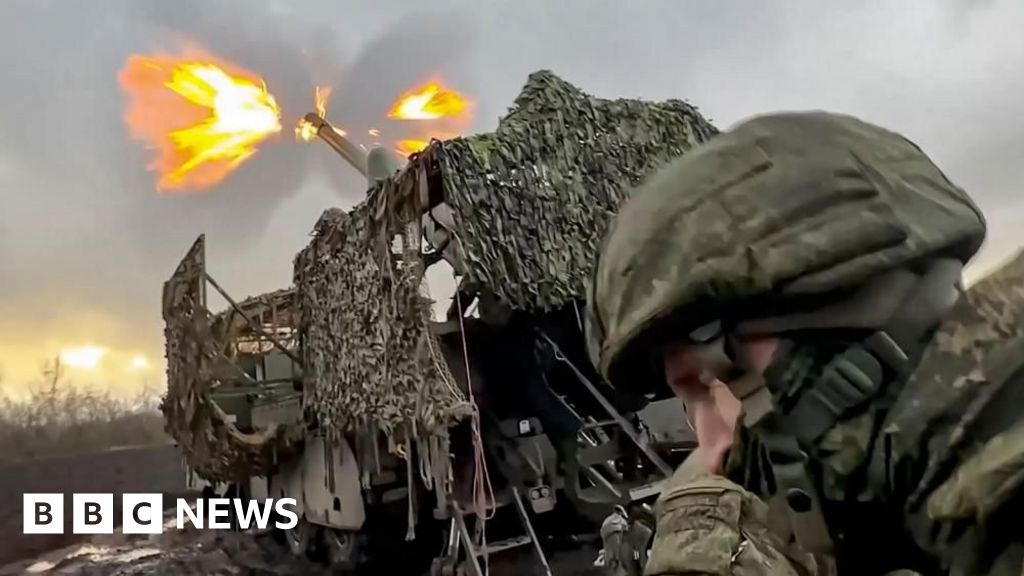
The recent developments in the ongoing Russia-Ukraine conflict indicate a pivotal chapter in international diplomacy, with the United States and its allies pushing forward a proposed peace framework amidst complex negotiations. According to Secretary of State Marco Rubio, significant progress has been made toward finalizing a deal, as the diplomatic focus shifts toward securing an agreement that could redefine the geopolitical landscape in Eastern Europe. These negotiations, held in Geneva, Switzerland, signal a delicate dance between diplomatic concessions and strategic interests, illustrating how core international decisions now hinge on the outcome of a handful of key issues. Washington’s pursuit of a peace plan—drafted to include troop withdrawals, border demarcations, and security guarantees—demonstrates a cautious but determined effort to reassert influence over the region, and perhaps, to contain Russia’s expanding footprint.

At the forefront of these negotiations lies the US draft plan, which aims to freeze Ukraine’s borders and impose limits on its military capacity. The proposal’s highly contentious element is Kyiv’s pledge to abstain from pursuing NATO membership—an announcement that has generated unrest both within Ukraine and among its Western partners. Many analysts interpret this as a strategic capitulation that risks undermining Ukraine’s sovereignty, while Russia views it as a critical buffer to prevent NATO’s eastward expansion. The plan also advocates for Russia’s reintegration into the global economy, including the lifting of sanctions and re-admission to the G7, signaling a fundamental shift in how the West approaches Moscow’s reintegration—an approach that has broad implications for global power balances. According to respected international relations experts, such strategies could either stabilize a fragile region or serve as a prelude to further geopolitical maneuvering, depending on how these agreements are enforced and respected.

Meanwhile, Ukrainian President Volodymyr Zelensky has expressed cautious optimism, emphasizing that signals from the US administration suggest the possibility of reaching an understanding. Yet, the underlying tensions remain palpable—Ukraine faces the dilemma of either accepting what many see as a compromised sovereignty or risking further losses to Russian forces. The leaked proposals, seen as favoring Moscow by some European nations such as the UK, France, and Germany, have stoked fears of a eroded Ukrainian dignity and a turning point in national sovereignty. The significance of these negotiations extends beyond Ukraine’s borders, as the potential for a broader realignment of alliances looms. Leaders and historians warn that the decisions made in Geneva could set a precedent, influencing regional stability and the future of NATO—possibly reimagining Europe’s security architecture for generations to come.

As international players grapple with these complex and sensitive negotiations, the geopolitical impact becomes increasingly evident: the outcome may either contain Russia’s ambitions or embolden it to pursue further advances. The stakes involve not only territorial control but also the very principles of sovereignty, security guarantees, and economic reintegration. The tense atmosphere underscores a critical warning that *the geopolitical chessboard remains perilously fragile*, and the decisions taken now will echo through history. With time running out—marked by President Trump’s ultimatum of Thursday for Kyiv to accept the proposals—the world watches with bated breath. The unfolding story of these negotiations is more than a diplomatic whisper; it is a clash of visions which, whether resolved peacefully or driven by conflict, will carve a new chapter in the ongoing saga of global power struggles. The question remains: will this be the dawn of a new era of cooperation or the prelude to a deeper, more enduring confrontation? Only time will reveal those critical answers.

Reeves Targets Benefit Fraud and Raises Two-Child Limit in Budget 2025

UK’s Domestic Policy Moves as Global Power Dynamics Shift

The recent fiscal blueprint announced by Britain’s government underscores a strategic pivot amid mounting economic pressures and escalating international tensions. The decision to scrap the two-child limit for universal credit—a measure long criticized for exacerbating child poverty—marks a significant shift in the nation’s social welfare approach. At a glance, this move appears to prioritize social cohesion and political stability domestically; however, its implications stretch far beyond, influencing the broader balance of power in Europe and the Atlantic alliance. The announcement coincides with a broader effort to project resilience against inflation and rising public debt, with officials emphasizing cost-cutting measures such as freezing rail fares and levies on electricity bills.

Yet, the government’s fiscal strategy faces fierce opposition from both domestic and international analysts. Conservative and reformist voices have criticized the increase in welfare spending as irresponsible, especially against the backdrop of rising taxes for working families. The opposition Labour Party under Sir Keir Starmer defends the budget, arguing that such investments are necessary to uphold social fairness, despite attempts by critics like Kemi Badenoch to frame the policies as a “tax burden on working people.” Meanwhile, the Libertarian-leaning Liberal Democrats warn that further freezes in tax thresholds will push millions into higher tax brackets, stifling economic growth at a critical juncture. This domestic drama underscores a broader geopolitical contest—one where economic stability and social policy serve as battlegrounds for influence and legitimacy.

Internal Controversies and International Repercussions

Amid the government’s focus on welfare reform, questions arise globally about what these changes signify for the UK’s position on the international stage. The proposed reforms to disability benefits and potential cuts to schemes like Motability have triggered protests from disability groups, reflecting a reckoning with social justice policies at a time when the UK seeks to solidify its global image. Historians suggest that these internal struggles reveal the tension between post-Brexit sovereignty and the obligation to adhere to international human rights standards, especially in a climate where international organizations are increasingly scrutinizing national social policies. Furthermore, the UK’s focus on increasing taxes on high-value properties and electric vehicle levies signals an attempt to align fiscal policies with green priorities while balancing public revenues, but critics warn that such measures could alienate middle-class voters whose socioeconomic stability depends on fair taxation.

The impact is particularly palpable when viewed through the lens of geopolitical impact: as the UK recalibrates its domestic policies, especially in welfare and fiscal responsibility, it risks losing influence within broader Western alliances, particularly with Europe grappling with economic uncertainty. The move to increase taxation on the wealthy and properties valued above £2m suggests a conscious effort to re-distribute wealth, but also raises concerns regarding how global financial markets will interpret these signals. Economists warn of the possibility of capital flight and reduced foreign investment if perceptions of fiscal instability persist, directly affecting the UK’s ability to project soft power within European and global forums. This internal political maneuvering, therefore, holds profound consequences for international stability: a nation balancing its social priorities while navigating an increasingly competitive geopolitical landscape.

Conclusion: The Epochal Choices Define the Future

As Britain crafts its new austerity measure and social policy landscape, the weight of history presses heavily upon its shoulders. The decisions made today—discussed among politicians, analysts, and international institutions—will ripple across generations, shaping perceptions of justice, economic resilience, and national sovereignty. This is a moment of transition—one that could redefine the UK’s role on the world stage as it faces internal dissent and external pressure. Will these reforms forge a resilient society capable of withstanding global upheavals, or will they fracture the social fabric that once made the nation a beacon of stability? The answers lie ahead, etched into the unfolding chapters of history where every policy, every debate, leaves an indelible mark on the collective destiny of nations.

Roblox CEO Clashes Over Child Safety Concerns

Roblox Initiates Major Shift with New Age Verification Technology

In a strategic move signaling disruption within the gaming industry, Roblox, the major digital entertainment platform, has announced the implementation of an advanced age verification feature designed to enhance child safety and platform integrity. Revealed during a recent interview with The New York Times’s Hard Fork podcast, Roblox CEO Dave Baszuki detailed how the platform will require users to submit a face scan to access messaging features—an AI-driven initiative marking a pivotal moment in digital security protocols.
This development exemplifies an industry-wide shift towards more sophisticated identity verification methods, aligning with broader technological trends promoted by institutions like MIT and industry leaders such as Elon Musk, who emphasize the importance of trust-building in online spaces. The move aims to combat emerging threats such as grooming and harassment, which have historically plagued youth-centric platforms. Such investments in AI and biometric verification point to a future where user authenticity is no longer secondary but central to online engagement, elevating standards across not just gaming but social media and education sectors.

However, this push for tighter safety controls has ignited debate about privacy concerns and the broader implications for digital freedom. During the interview, Baszuki appeared visibly frustrated with questions regarding prioritization—particularly concerns that Roblox has focused on growth at the expense of safety. This underscores an ongoing industry tension: how to innovate responsibly without compromising user privacy.

  • While facial recognition could revolutionize online safety, critics warn of potential misuse and data breaches.
  • Proponents argue that AI-enhanced age-gating is essential for protecting vulnerable users and maintaining platform integrity.
  • Leading analysts from Gartner and cybersecurity experts emphasize the importance of transparency and robust safeguards as the technology develops.

The disruption by Roblox amplifies a trend seen across the digital landscape: the integration of AI-powered verification systems as standard features, signaling a technological arms race among giants like Meta and Google. Notably, industry veterans warn that such rapid deployment without comprehensive regulation could lead to unforeseen consequences—posing a challenge for regulators and policymakers trying to Keep pace with innovation. With industry insiders including Peter Thiel predicting a new era of digital trust driven by biometric tech, the next several years will be critical in shaping the balance between safety, privacy, and user freedom.

In conclusion, Roblox’s bold step toward integrating facial recognition and AI-driven age verification underscores a rapidly evolving digital ecosystem. As startups and tech giants race to embed security innovations into platforms that connect millions of youth and adults worldwide, the urgency is palpable. The industry must grapple with not only technological hurdles but also ethical and regulatory challenges—making this a defining moment in the future of online interaction. With market leaders and innovators poised to push boundaries, stakeholders—from regulators to consumers—must stay vigilant. The question remains: can this wave of disruption create a safer, more trustworthy digital landscape, or will it open the floodgates to new vulnerabilities? The answer will determine the trajectory of next-generation digital platforms in the years to come.

Bolsonaro claims ankle monitor damage was just paranoia—nothing to worry about

The Unfolding Crisis in Brazil: A Turning Point in Global Politics

The recent legal developments surrounding Jair Bolsonaro, the controversial former Brazilian president, have sent shockwaves across both South America and the international stage. Convicted of plotting a coup after losing the 2022 presidential election to Luiz Inácio Lula da Silva, Bolsonaro’s odyssey from power to incarceration exemplifies the deepening political instability that threatens the fabric of democratic norms in Latin America. His sentencing, which bars him from running for office until 2060, coupled with his current detention, marks a pivotal moment that places the region under heightened scrutiny about the resilience of its democratic institutions. Does this event signify a shift towards political repression, or a necessary step to uphold justice in a polarized society?

Analyzing the broader geopolitical impact, experts warn that Bolsonaro’s actions, and the subsequent crackdown, could reshape regional alliances and influence global perceptions of Brazil’s political trajectory. The fact that Bolsonaro was implicated in a conspiracy aiming to keep himself in power—allegedly inciting violence and planning military intervention—raises alarms beyond national borders. International organizations like the Organization of American States (OAS) have expressed concern over escalating violence and the assault on democratic processes, emphasizing the importance of judicial independence while cautioning against politicized justice. Meanwhile, US President Donald Trump’s condemnation and the imposition of tariffs reflect the intensifying rivalry between right-wing populists and democratic governance, creating ripples well beyond the Amazon rainforest.

Efforts to Maintain Stability and the Shadow of International Influence

The events in Brazil come during a period of growing geopolitical competition. The conspiracy, uncovered and condemned by the Supreme Court, underscores the delicate balance of power and the persistent threat of authoritarian tendencies inspired by populist rhetoric. Notably, the Brazilian military’s refusal to support Bolsonaro’s coup plot indicates a crucial juncture where moderate forces restrain radical elements, reaffirming a fragile but essential commitment to democratic peace. However, analysts warn that the political fractures, along with Bolsonaro’s claims of a so-called “witch hunt,” sow seeds for ongoing unrest and undermine trust in institutions, both domestically and internationally.

As the world closely watches how this saga unfolds, the international community remains divided. While some emphasize the importance of upholding the rule of law, others raise concerns about the potential for political vendettas cloaked as justice. The intersection of domestic politics, regional stability, and global influence embodies the tensions that define the current era. The confrontation over Brazil’s political future signifies more than a national crisis; it embodies the struggle for sovereignty against the tides of external interference—an ongoing narrative shaping the 21st century’s geopolitical landscape. With Bolsonaro’s supporters rallying and the judiciary’s firm stance, the coming months will be decisive in determining whether Brazil will emerge with its democratic principles intact or succumb to the tumult of external pressures and internal division.

History’s Weight: The Future Unwritten

As history continues to unfold in Brazil, the question persists—what chapter will this turbulent period birth for the nation and the wider world? Will it serve as a cautionary tale about the dangers of populist excess and militarization, or will it ignite a new wave of political resilience? The choices made today will echo through generations, defining whether this land of giants remains a beacon of democracy or falls prey to chaos and tyranny. The weight of history presses heavily upon the shoulders of leaders, citizens, and international spectators. In the crucible of crisis, the true character of nations is forged, and the world watches — patiently, anxiously, awaiting the next move in this unfolding drama.

Private Funding for NHS Infrastructure: A Step Forward for Our Future

The True Cost of Privatization: How Social Divides Threaten Our Healthcare and Our Future

In the midst of ongoing debates about funding the National Health Service (NHS), a shadow looms—one that threatens to further fracture the social fabric of our communities. The proposal to tap into private capital for building neighborhood health centers, endorsed by Wes Streeting and some Labour voices, risks transforming our healthcare system into a profit-driven enterprise. This shift echoes a troubling trend observed across society: the encroaching influence of market forces on traditionally public services, often to the detriment of the most vulnerable.

Critics—including seasoned sociologists such as Michael Sandel—highlight that inviting private investment into public health exacerbates inequality. When health services become entangled with private finance initiatives (PFIs), we see hospitals burdened with debt that diverts vital resources away from patients and towards repayment costs. Research has shown that some trusts end up paying more in debt repayments than they spend on medicines for their patients, illustrating how financial debt overrides the fundamental moral obligation of care. This debt cycle results in crumbling infrastructure and overcrowding, challenges that primarily afflict working-class communities and those already marginalized. A society that allows its most basic human needs to be driven by profit risks turning healthcare into a commodity, deepening societal divisions.

Alternative solutions are within reach, but political will is required. Reclaiming public funds is one path forward. Governments have proven that they can recover wasted funds through measures such as clawing back money lost to failed Covid contracts, and investing directly in local community projects. The NHS Lift program, with its model of public-private cooperation, successfully built hundreds of health centers in deprived areas—proof that public investment can deliver necessary infrastructure without shackling the system with debt. Additionally, introducing measures like VAT on private healthcare, a policy supported by figures like Neil Kinnock, could generate billions of pounds to reinvest directly into public services, ensuring that families and communities have access to quality care without being pushed into financial hardship.

Ultimately, society faces a choice: continue down a path of privatization and everyday sacrifice, or champion a model rooted in equity and community resilience. As historian Eric Hobsbawm once noted, societal progress hinges not merely on economic growth but on cultivating social cohesion through just resource distribution. The challenge lies in dismantling the narratives that prioritize short-term fiscal gains over long-term human welfare. Society’s strength resides in its families, its educational institutions, and its local communities. To build a resilient future, society must choose policies that uphold these pillars, recognizing that healthcare is a moral right—a shared responsibility that transcends profit margins. As the shadows of social division lengthen, the hope remains: that through collective resolve, society can forge a future where the health of one is the health of all, and where societal transformation begins with safeguarding the dignity of everyday life.”

Social Media Auto Publish Powered By : XYZScripts.com