Matox News

Truth Over Trends, always!

UN Climate Summit Drops Fossil Fuel References from Draft Deal

World Stands at a Crossroads as COP30 Negotiations Enter Critical Final Phase

The COP30 climate summit in Belém, Brazil has reached a pivotal moment, with international leaders and activists watching closely as the negotiations approach their conclusion. At its core, the summit aims to forge a comprehensive global response to the escalating climate crisis, but deep divisions threaten to undermine the very goals it seeks to achieve. The intense diplomatic standoff revolves around one of the most contentious issues: the future of fossil fuels. Despite mounting scientific consensus—highlighted by climate experts from organizations like the Intergovernmental Panel on Climate Change (IPCC)—the draft deal now omits any direct mention of fossil fuels, the largest contributor to modern climate catastrophe. This omission marks a significant turning point, signaling the growing influence of oil-producing nations’ interests over global climate action.

In recent years, international forums such as COP have made progress on renewable energy adoption and conservation efforts. However, the current negotiations reveal a stark reality: the global elite remains fractured along geopolitical lines, pitting powerful oil-exporting nations against the push for accelerated transition to clean energy. Countries including Saudi Arabia, Russia, and India actively oppose stronger language targeting fossil fuels, citing economic dependency and sovereignty concerns. French Environment Minister Monique Barbut warned that these nations are effectively blocking the deal; their stance is driven by fears of economic destabilization and political influence, all while the climate crisis accelerates unabated. The latest proposals, which included pathways to phase out fossil fuels, have been dropped under these pressures, frustrating advocates who see this as a dire setback in global climate governance.

The summit has also been overshadowed by on-the-ground unrest, with indigenous groups and environmental activists vehemently protesting what they perceive as a betrayal of their future. At the summit’s edge, members of the Munduruku indigenous movement demonstrated fiercely, insisting their land and livelihoods are being sacrificed for corporate profits. Throughout the summit’s duration, campaigners have carried banners reading “Stop Amazon oil,” and chanted “Fossil fuels out,” emphasizing the impact of deforestation and resource extraction. As the Brazilian Amazon faces increasing deforestation—an issue that normally would be central to discussions—language on this front has also been watered down, igniting criticism from conservationists and indigenous leaders alike. Kelly Dent, from World Animal Protection, lamented that “for a COP hosted in the Amazon, it’s shattering that deforestation is taking a back seat,” highlighting how environmental and cultural concerns continue to be marginalized during these high-stakes negotiations.

Throughout its two-week course, the summit has been marked by dramatic interruptions—including evacuations prompted by protests and fires—underscoring the volatile intersection of environmental activism and geopolitics. Many analysts warn that the outcome of COP30 will largely depend on whether the 194 participating nations can break their deadlock. While some representatives, including President Luiz Inácio Lula da Silva, advocate for immediate and ambitious measures, the reality remains tangled in geopolitical interests. The debate over climate finance adds another layer of complication, with poorer nations demanding stronger commitments—or risk being left behind in the global effort to combat climate change. The draft now calls for the tripling of climate financing by 2030, yet critics dismiss this as insufficient, harking back to last year’s criticisms of COP’s unfulfilled promises.

As history continues to unfold in Belém, the choices made—and the compromises accepted—will determine whether this summit becomes a turning point for hope or another chapter in a long saga of broken promises. With each fiery protest, each diplomatic capitulation, the future of our planet hangs by a fragile thread, teetering on the edge of irreversible change. Whether the world awakens to its collective responsibility or sinks further into geopolitical paralysis remains the most urgent question of our time.

Thanksgiving 2025: The Bold Takes Shaping Our Holiday Scene — The New York Times

In an era where personal well-being becomes increasingly intertwined with everyday life, a _shift_ in how we approach our leisure and wellness routines is unfolding—one that champions the importance of rebalancing between productivity and genuine self-care. This new mindset invites us to reconsider the traditional schedules and expectations, emphasizing that _living intentionally_ can transform the way we experience daily routines. As wellness experts like Dr. Deepak Chopra have pointed out, _the journey toward self-awareness_ begins with simple, deliberate choices—starting with how we structure our days and the foods we consume.

One of the most significant lifestyle changes gaining momentum is the push toward eat-at-normal dinner hours. Simply put, aligning meal times with _natural circadian rhythms_ not only enhances your metabolism but also frees hours otherwise lost in hasty dining. Reports from leading food journalists like Priya Krishna highlight the benefits of eating at 7:30 PM, which paradoxically grants you extra hours to _unwind_, _prep_, and even _enjoy_ a relaxed happy hour featuring dishes like _bhel puri_. This approach encourages a _more mindful appreciation_ of food, turning meal times into daily rituals rather than rushed episodes. The core message: when we manage our schedule proactively, we create space for _meaningful leisure_, which is essential for developing resilience and _personal wellness_.

In parallel, contemporary culture is venerating the concept of _authentic connection_—whether through setting the right playlist for dinner parties or engaging in games that cultivate _shared joy_. Chef Natasha Pickowicz advocates for something as simple as saying, _“This should be the least formal scenario you can imagine,”_ urging us to dismantle the overcomplicated social scripts. Her advice emphasizes that in embracing _casual, honest interactions_, we foster communities rooted in _authenticity_. Foods and entertainment are no longer mere indulgences but tools for creating _memories_ and _meaning_, connecting us to our roots and each other on a deeper level.

  • Adopt a regular meal schedule to align with your body’s natural rhythms.
  • Prioritize _intentional_ leisure activities—like game nights or soulful playlists—over superficial social rituals.
  • Embrace _authentic connections_, whether through meaningful conversations or shared experiences that foster _resilience_.

Ultimately, this lifestyle shift is about _embracing your true self_—your instincts, your passions, your health. Figures like Andy Baraghani remind us that _the playlist_ is as vital as the food served; it sets the tone and creates an environment of _genuine enjoyment_. As Eddie Huang eloquently states, _“Thanksgiving is different when your team’s playing,”_ urging us to infuse tradition with personal passion, turning routine holidays into _celebrations of self_ and _community_. When we choose the paths aligned with _our authentic desires_, we pave the way for a life that feels less like obligation and more like _a journey we’re proud to walk_. With each deliberate choice, we write our stories—filled with health, joy, and resilience—culminating in a lifestyle that celebrates the _fullness of being_.”

Bangladesh earthquake claims five lives, injures over 450—urgent response needed

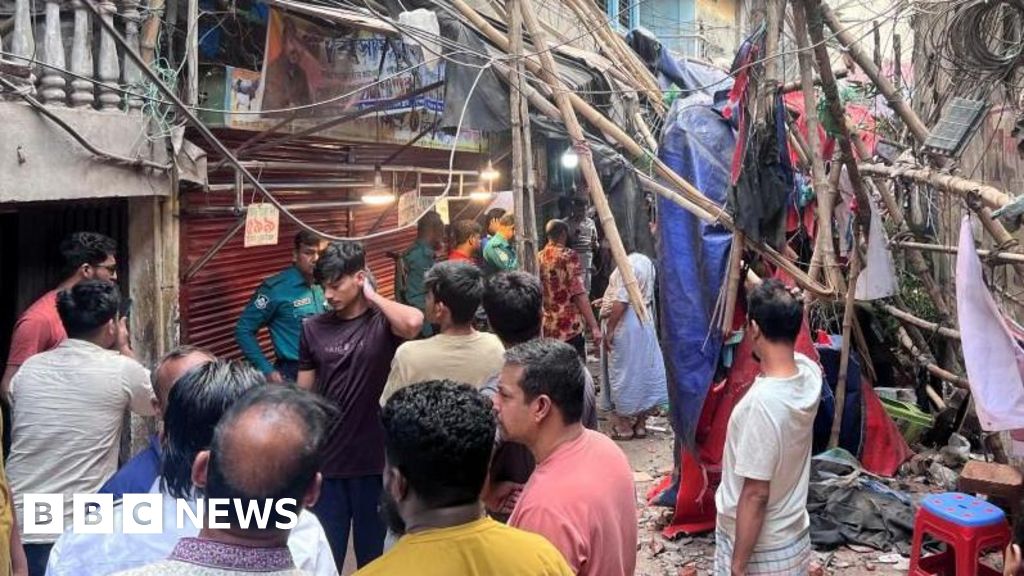
In a stark reminder of nature’s unpredictable force, Bangladesh was rattled by a 5.5 magnitude earthquake, resulting in at least five fatalities—including a child—and over 450 injuries. The quake’s epicenter was located near the Narsingdi district, approximately 30 kilometers from the capital, Dhaka. This seismic event has revealed underlying vulnerabilities in one of the world’s most densely populated nations, stirring concern about the resilience of its infrastructure and emergency response systems. As buildings swayed and makeshift structures crumbled under the tremors, the immediate human toll was stark: residents fleeing in panic and chaos, streets flooded with traumatized survivors trying to assess the damage. Such events, while localized, have the potential to catalyze broader questions about regional stability and the readiness of nations like India and Myanmar, which border Bangladesh and felt similar tremors, to respond to natural disasters rooted in the tectonic fault lines that crisscross this volatile region.

International analysts and organizations are warning that these seismic disturbances could foreshadow even greater challenges ahead. The United Nations Office for Disaster Risk Reduction has long emphasized the need for comprehensive infrastructure reinforcement in South Asia’s earthquake-prone zones. Yet, the rapid pace of urbanization combined with historic neglect has left many structures dangerously vulnerable. Local officials, such as Nitai Chandra De Sarkar, outlined their immediate priorities: casualty assessment and damage control, with rescue and debris management yet to be fully mobilized. The crisis underscores a critical geopolitical impact: as populations multiply and urban density increases, so too does the risk of catastrophic consequences from natural calamities. Countries in the region, including Pakistan and Sri Lanka, could face ripple effects, with resource allocation and disaster preparedness becoming increasingly strained amidst ongoing geopolitical tensions and economic challenges.

Meanwhile, the earthquake’s sudden disruption extended beyond borders, notably halting a cricket test match between Ireland and Bangladesh. This pause in the game was a stark reminder that even in moments of sport and leisure, humanity’s fragile grasp on stability can be swiftly shaken. Heinrich Malan, Ireland’s head coach, reflected on the experience, comparing it to past tremors from his time in New Zealand. The incident underscores how natural disasters transcend national borders, affecting diplomatic relations, trade, and regional security. How nations prepare and respond to such events will significantly influence their future resilience and international standing. As aid begins to flow into the affected areas, international bodies are reassessing their strategies for disaster mitigation, emphasizing the importance of swift response and infrastructural rebuilding to prevent future tragedies. Yet, as history repeatedly shows, prevention is often sidelined by short-term political and economic considerations, leaving vulnerable populations to face yet another chapter in the ongoing narrative of human resilience versus nature’s relentless force.

In the shadow of this seismic event, the geopolitical landscape appears to shift imperceptibly but profoundly. The region faces a choice: to invest in resilient infrastructure and emergency preparedness or to risk greater calamities that threaten to destabilize already fragile societies. As the earth trembles beneath them, these nations find themselves at a crossroads—one forged by the weight of history and the unpredictable fury of the natural world. The tremor in Bangladesh has left its mark not only on the landscape but also on the collective consciousness of a region on edge. In these moments of chaos and recovery, the question remains: how will history remember the choices made today? Will they be seen as mere responses to a fleeting crisis, or as a testament to humanity’s unwavering resolve to withstand nature’s mighty hand? The answer will define generations—an unfolding story of resilience, conflict, and hope shaping the future of South Asia and beyond.

Nigerian Catholic School Students Abducted in Shocking Attack

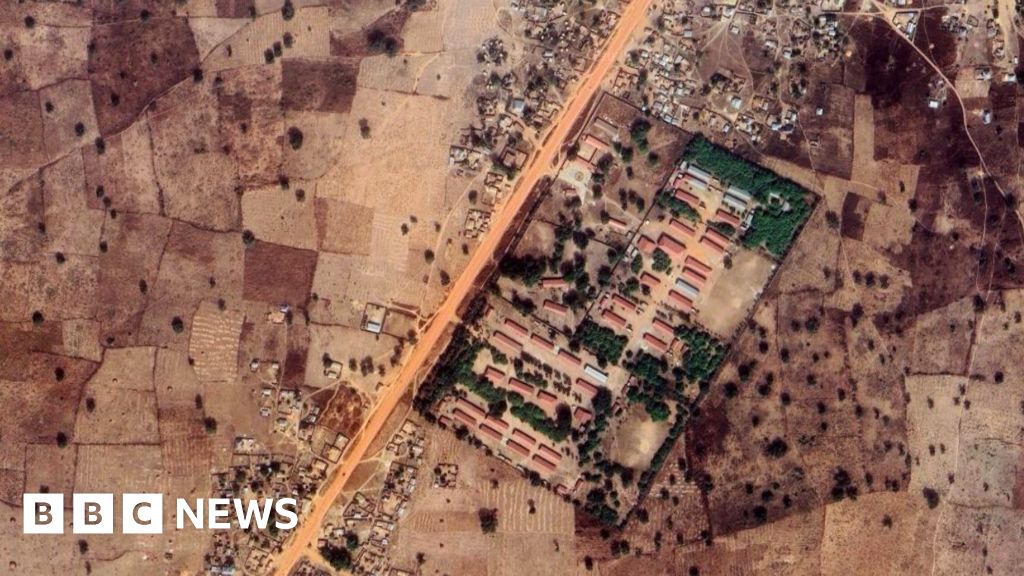
The recent surge of violence and insecurity in Nigeria has precipitated a crisis that threatens the stability of West Africa’s most populous nation. In a series of catastrophic events, armed groups—ranging from criminal gangs to jihadist factions—have intensified their operations, abducting thousands of innocents and unleashing chaos across multiple states. Amidst this upheaval, the recent abduction of students from St Mary’s School in Papiri, Niger state, underscores a disturbing trend: the deterioration of security that now engulfs Nigeria like a relentless storm. The attack, executed by armed men reportedly storming the educational facility in the early hours, left residents in fear and confusion, highlighting the reckless disregard for life and” safety,” as analysts warn of a **”nation on the brink.”**

Geopolitical Impact: Nigeria’s Crisis and the International Response

International observers, including prominent historians and security analysts, connect these domestic upheavals to the broader geopolitical consequences for Africa and the global community. From the mounting human rights concerns to the destabilization of regional economies, Nigeria’s security failures threaten to ripple far beyond its borders. Notably, US President Donald Trump has made controversial claims that Christians are being persecuted within Nigeria, fueling diplomatic tensions. His overt threat to deploy troops—asserting he would send “guns blazing”—was swiftly dismissed by the Nigerian government as a *”gross misrepresentation.”* Despite this, such declarations amplify the fragile perception of Nigeria as a failed state, where the rule of law is under siege.

Meanwhile, the United Nations and various regional blocs have expressed concern over the proliferation of violence, including the ongoing jihadist insurgency in the north-east and resource-driven conflicts between herders and farmers in the central region. Analysts warn that Nigeria’s overlapping crises—religious, ethnic, and criminal—test the limits of state authority and threaten to ignite even greater regional instability. “Without decisive action,” warns one international security expert, “Nigeria could become a failed state whose chaos spills into neighboring countries.”

How Decisions Shape Societies and Futures

The Nigerian authorities have faced immense criticism for their response—or lack thereof. Despite repeated warnings and intelligence reports, government agencies permitted the reopening of schools like St Mary’s, after ignoring directives designed to safeguard students in a time of heightened threat. This persistent neglect is symptomatic of deeper systemic failures, as local authorities scramble to contain the mounting crises without sufficient resources or coordination. Governments’ decisions to mismanage or neglect essential security measures directly influence societal resilience, shaping the lives of millions. For many young Nigerians, the long-term impact is clear: a loss of hope, disrupted education, and the risk of radicalization as chaos becomes the magnetic force drawing vulnerable youth toward insurgent factions.

Furthermore, the international community remains divided in how to address Nigeria’s multifaceted crisis. While some, like the U.S., threaten military intervention, others advocate for enhanced aid, diplomatic pressure, and internal reforms. Yet, as the violence persistently erupts, it becomes evident that the fate of Nigeria—the giant of Africa—may hinge on whether its leaders can muster the political will to confront these criminal and insurgent networks with unwavering resolve. “Decisions made today,” warns a renowned historian, “will determine whether Nigeria’s children can inherit a nation of peace, or a land awash in the blood of the innocent.”

As the world watches Nigeria teeter on the edge, history reminds us that the unfolding chapter remains unwritten—and that every choice, every response, will echo through generations. The duration of Nigeria’s tumultuous struggle is yet to be measured, but the weight of what is happening now leaves no doubt: the continent’s future, and perhaps the global order, hang in the balance as the shadows of conflict stretch across the horizon, looming ominously over a nation’s destiny yet to be determined.

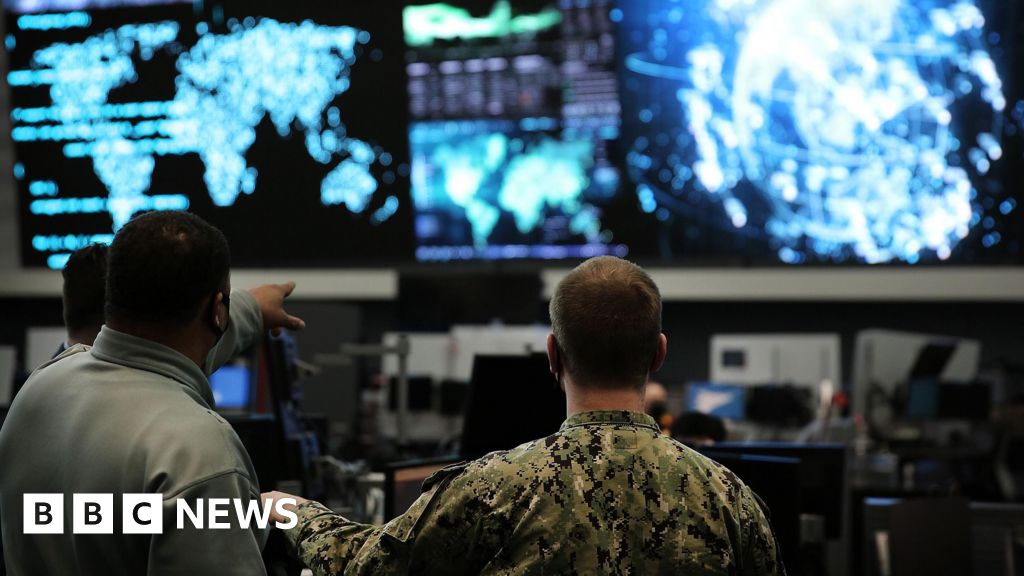
Trump’s FCC drops cybersecurity rules amid Chinese hack fears — a bold move for youth, tech, and free markets

FCC’s Cybersecurity Rollback Sparks Industry Disruption and Security Concerns

In a bold move signaling a shift in U.S. telecommunications policy, the Federal Communications Commission (FCC) voted 2-1 along partisan lines to rescind critical cybersecurity regulations previously enacted under the Biden administration. The decision, championed by the FCC’s two Republican commissioners, Brendan Carr and Olivia Trusty, effectively removes mandatory security standards aimed at safeguarding phone and internet networks from unlawful access and cyber threats. This strategic rollback aligns with a broader trend of deregulation in the tech sector, emphasizing market-led resilience over prescriptive government intervention.

The regulatory shift arrives amidst an escalating threat landscape, notably exemplified by the Salt Typhoon hacking campaign attributed to China-backed adversaries. This sophisticated operation compromised over 200 US telecommunications firms, including giants such as AT&T, Verizon, and Lumen. Hackers targeted fundamental infrastructure, including wiretap and surveillance systems mandated for law enforcement, exposing the fragility of existing security protocols. Industry analysts, including Gartner and MIT cybersecurity experts, warn that such vulnerabilities could be exploited further if regulatory oversight diminishes.

Adding complexity to the industry’s response are divergent opinions among policymakers. Democratic FCC commissioner Anna Gomez opposed the rollback, arguing it reverses the only meaningful cybersecurity efforts against nation-state cyber espionage. Critical voices, including Senators Gary Peters and Mark Warner, expressed alarm that deregulation will undermine national security, leaving critical communication channels exposed. Their assertions underscore a persistent industry question: Will market forces alone suffice to defend against increasingly sophisticated cyber threats, or is strategic regulation indispensable? Conversely, the NCTA, representing the telecommunications industry, welcomed the move, asserting that the existing rules were overly prescriptive and hampered innovation.

From a technological perspective, this deregulation potentially signals a disruptive phase for the industry, where innovation, rather than regulation, becomes the primary driver of security advancements. Cutting-edge solutions—such as AI-powered anomaly detection, blockchain-based integrity checks, and decentralized security architectures—are poised to redefine cybersecurity landscapes. Disruption driven by market competition could accelerate the deployment of these technologies, positioning nimble firms as leaders in the new security paradigm. Notable industry figures, including Elon Musk and Peter Thiel, have long championed decentralized innovation—foreshadowing a future where private entities spearhead cybersecurity guardrails, rather than bureaucratic mandates.

Looking forward, the industry faces a pivotal moment: balancing innovation and disruption with the safeguarding of national security interests. Policymakers, industry leaders, and technologists must collaborate to ensure that market-driven solutions do not come at the expense of foundational infrastructure resilience. As hackers refine their methods and geopolitical tensions escalate, the window narrows for meaningful action. The future of U.S. cybersecurity in telecommunications depends on adopting a proactive, forward-thinking approach that leverages technological innovation while maintaining robust safeguards—an urgent call for strategic agility in an increasingly volatile digital landscape. The coming months will determine whether deregulation fosters a pioneering security ecosystem or exposes critical vulnerabilities, with profound implications for the global tech frontier.

South Africa Labels Gender Violence a National Crisis Amid Youth-Led Protests

South Africa Declares Gender-Based Violence a National Disaster Amidst Growing Protests and International Concerns

In a decisive move reflecting the gravity of its ongoing crisis, South Africa has officially declared gender-based violence (GBV) a national disaster. The decision follows an unprecedented wave of public outcry and countrywide protests urging the government to confront a crisis that has persisted for decades, yet remains alarmingly unresolved. This escalation in official recognition underscores how deeply entrenched violence against women has become within South African society—a reality that international organizations, including UN Women, have long warned about. With women murdered at a rate five times higher than the global average, the country’s plight not only sparks domestic outrage but also highlights the broader geopolitical impact of failed governance and social norms.

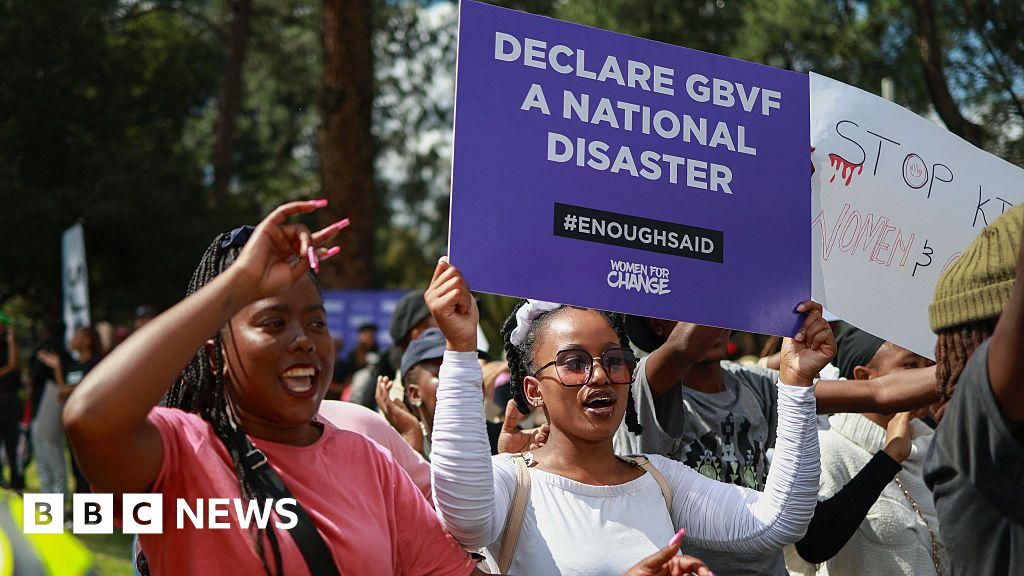
The protests, notably dubbed the G20 Women’s Shutdown, saw thousands of women and allies in major urban centers like **Cape Town**, **Durban**, and **Johannesburg** engaging in a symbolic act—lying down for fifteen minutes at noon, as a gesture of mourning and resistance. This coordinated effort was supported across borders, with formations in **Eswatini**, **Kenya**, and **Namibia** expressing solidarity. Significantly, the movement drew momentum from social campaigns where celebrities and ordinary citizens changed profile pictures to purple, symbolizing awareness and unity against GBV. Such mass mobilizations have begun to force the hand of a government historically reluctant to classify the violence as a crisis, despite repeated warnings from activists, legal experts, and international observers.

The launch of this declaration comes with a stark recognition of systemic failures. South Africa’s Ministry of Cooperative Governance and Traditional Affairs announced the classification after *”a thorough reassessment of previous reports”* and a push from civil organizations demanding action. Yet, despite a wide array of legislation aimed at curbing violence, critics argue that implementation has been lackluster—making the classification a symbolic victory rather than a tangible solution. Analysts from institutions like *International Crisis Group* suggest that such declarations, while crucial, often risk becoming mere gestures unless accompanied by concrete policy shifts. History warns that without action, the risk is a continued cycle of violence, societal normalization of fear, and a weakening of the social fabric.

This alarming situation has spurred individual action as well. Women’s organizations like Girls on Fire advocate for armed self-defense, with many women learning to wield firearms legally, hoping to shift the balance of power in their favor. The tragic stories of survivors like Prudence—who was raped and faced a bureaucratic nightmare to seek justice—highlight the urgent need for societal and legal reform. These grassroots efforts emphasize a crucialNational geopolitical impact: the ongoing struggle in South Africa is emblematic of broader regional instability, where governance gaps foster environments ripe for violence, often spilling over borders and exacerbating migration, refugee crises, and regional insecurity. Experts warn that unless national leadership prioritizes genuine change, South Africa risks further deterioration, with repercussions rippling across the continent and beyond.

As the weight of history presses down and the world watches, the question remains whether this declaration marks a genuine turning point or a fleeting political gesture. The unfolding narrative will test whether international solidarity, grassroots resilience, and government accountability can ultimately confront a societal scourge that threatens to erode the very foundations of a nation struggling to reconcile its promise with its harsh realities. In the shadows of the Union Buildings, beneath the banner of mourning and defiance, the battle for South Africa’s soul continues—its outcome uncertain, its significance immense.

Rising Stars Shine: Local Teens Dominate at State Championship!

NHL Rankings Update: Avalanche Maintain Dominance, Blackhawks Break Into Top 10

In a thrilling week of NHL action, the Colorado Avalanche continue their reign at the top of the rankings, showcasing their prowess and depth on the ice. With standout performances from their star players, the Avalanche have asserted their dominance in a league that grows more competitive by the day. Meanwhile, the Chicago Blackhawks have broken into the Top 10, marking a significant turnaround in their season and igniting hopes for their fans.

The Avalanche’s sustained success is no accident. Coach Jared Bednar has instilled a relentless work ethic that has translated into winning results. He stated, “We focus on playing our game, executing the small details that lead to big wins.” The Avalanche’s roster has been fortified with talent, including star forwards and a sturdy defense that has allowed them to maintain their top position in the league. Key moments in recent games—a dazzling overtime goal by Nathan MacKinnon and standout goaltending from Darcy Kuemper—have emphatically illustrated their championship aspirations.

  • Recent wins include a decisive victory over the Los Angeles Kings and a hard-fought battle against the St. Louis Blues.
  • MacKinnon leads the team in points, showcasing both skill and leadership.
  • The team has shown resilience, battling through injuries while keeping their focus on winning.

Conversely, the Blackhawks, under the guidance of coach Luke Richardson, have managed an impressive comeback. With their recent performances, they are channeling the energy of their passionate fanbase as they claw their way up the rankings. “We’ve worked hard to restore our identity as a competitive team,” Richardson noted after their latest victory. The combination of young talent and seasoned veterans has revitalized the squad, contributing to their resurgence in the standings.

As the season progresses, the Avalanche and Blackhawks both serve as examples of how teamwork, strategy, and a relentless pursuit of excellence can lead to success on the ice. The unifying force of sports runs deeper than just the scores; it’s about community, passion, and the stories that bind fans together. In a time where division can loom large, the camaraderie experienced in stands and living rooms alike reaffirms that while competition may divide, it is also the threads of unity that make the game beautiful.

Source link

Trump under fire for allegedly suggesting executions of Democrats – Breaking US politics

Shaping the Future: The Geopolitical Aftershocks of Recent US and World Events

In an era defined by rapid political shifts and intense international conflicts, recent developments signal a deeply uncertain yet fiercely consequential chapter in global history. Across the Atlantic and beyond, key decisions and statements by leaders are not only shaping domestic narratives but are also echoing through the corridors of power worldwide. The recent hostility between President Donald Trump and the new civic leadership of New York City exemplifies the fragility of American political stability and foreshadows conflicts that could pit city, state, and federal authorities against each other, destabilizing one of the world’s major economic hubs.

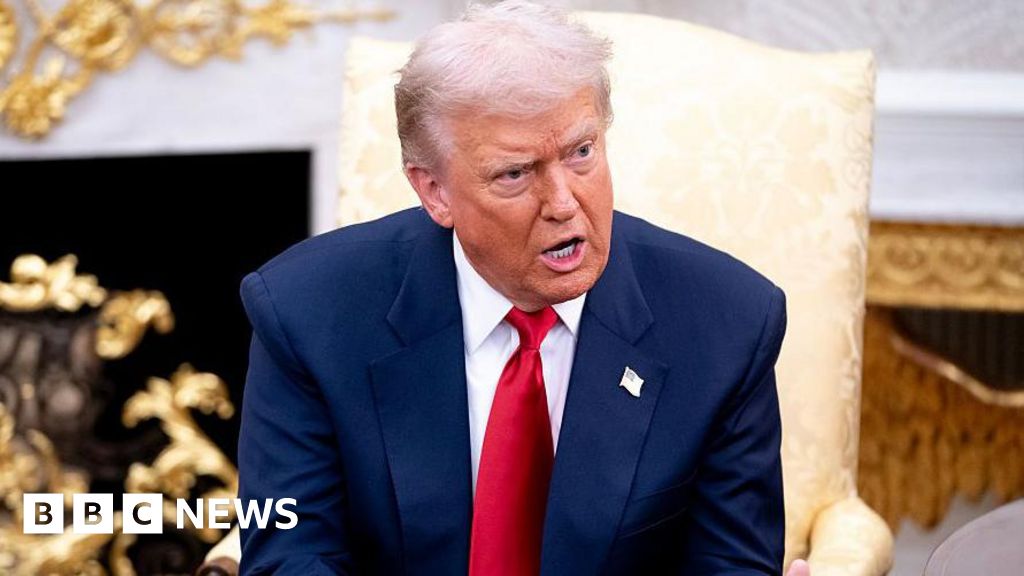
Just as Trump‘s rhetoric, filled with threats against Democratic lawmakers, draws condemnation, it underscores a broader pattern seen in many democracies: the rise of populist leaders who oppose the established political order. His call for the arrest and trial of elected officials accused of “sedition,” alongside claims of “punishable by death,” open the door to spiraling violence and undermine the very fabric of constitutional governance. Savvy analysts warn that this rhetoric, if left unchecked, could lead to further polarization and even violence—a turning point that history will scrutinize for generations. In reaction, figures such as Chuck Schumer have rightfully condemned the threats, emphasizing that such language threatens the core principles of American democracy. However, the underlying grappling with law enforcement, civil liberties, and political violence remains emblematic of a nation on edge, risking the descent into chaos if institutions falter.

Meanwhile, international scenes are equally tense. Ukrainian President Volodymyr Zelenskyy recently indicated an openness to negotiate with Donald Trump over a peace plan that calls for painful concessions from Kyiv—a stark reminder of how \_diplomatic negotiations\_ have become intertwined with the volatile domestic politics of the United States. The potential for such negotiations to influence the Kremlin’s calculus signals what could be a crucial shift in the \_geopolitical chessboard\_: the possibility of a diplomatic breakthrough amidst warfare that has threatened regional stability for over a year. That Zelenskyy, who is receiving pressure from Washington, might navigate this complex web of diplomacy under the shadow of American partisan tumult highlights the intertwined destinies of nations.

In a broader context, the recent announcement by the Trump administration to expand offshore oil drilling off the coasts of California and Florida signals a shift in the United States’ energy policies amidst a time of economic and environmental debate. This move, opposed by many state and local leaders, serves as a case study of how energy and climate priorities are becoming battlegrounds for national identity and economic interests. The decision, against the backdrop of a declining global oil market, underscores the importance of energy independence and resource security—yet also raises questions about the long-term sustainability and geopolitical influence of the US in energy markets.

With these developments unfolding concurrently—ranging from fiery rhetoric to diplomatic negotiations, and environmental policy shifts—the message for the world’s nations is clear: the stage is set for a tumultuous period where decisions made today will echo in history’s chronicles for generations to come. All eyes remain fixed on the unfolding drama, where the consequences of leadership, ideology, and power will determine not just the fate of individual nations, but the stability of the international order itself. As history’s wheels turn, one must wonder—how will the chronicles of this turbulent era be written, and who will emerge as the architects of the future?

Keir Starmer Confirms No Discussion Yet with Donald Trump Amid BBC Panorama Controversy

In an era where the boundaries between reality and narrative are increasingly blurred, the recent controversy surrounding the BBC’s Panorama fabricates a compelling reflection of how culture functions as both the custodian and the battleground for societal identity. When Donald Trump announced plans to sue the corporation over their editing of his speech, critics and supporters alike were reminded that media shapes memory—but also that it wields the power to distort reality, influencing the very fabric of national discourse. As Prime Minister Sir Keir Starmer emphasizes the importance of an independent and trusted BBC, we are reminded that cultural institutions are not merely repositories of entertainment but foundational pillars of our collective conscience.

Throughout history, culture has served as the ultimate vessel for tradition, identity, and societal continuity. The principle of an independent press, championed by thinkers like Ortega y Gasset, underscores the view that the vitality of a democratic society depends upon the integrity of its narratives. When media outlets are accused of editorial failings—whether through bias, omission, or manipulation—they threaten to fracture the very identity they are meant to serve. The BBC’s apology for the misleading portrayal of Trump’s speech and the subsequent legal threats reveal how fragile this cultural integrity can be, especially when harnessed as a tool in larger geopolitical and ideological struggles. Such moments echo the shifting sands of cultural authority, reminding us that the memory of a society is as susceptible to distortion as a fragile tapestry.

The current media saga is also a testament to the profound influence of cultural memory, echoing Tocqueville’s insights on how democracy relies on the shared narratives that uphold societal bonds. As critics deliberate over the rights to depict truth, the central question emerges: Whose story is being told? And for what purpose? The fact that Trump’s legal team has considered suing for billions underscores how cultural battles now take on economic and geopolitical dimensions—each contesting the narrative as if it were an existential inheritance. Meanwhile, behind closed doors, diplomatic gestures—like the rumored discussions involving Downing Street officials—highlight how culture is seldom divorced from power, each shaping the other in a relentless dance of influence and resistance.

As T.S. Eliot posited, “The past is never dead; it’s not even past.” The scars and stories etched into our media, our institutions, and our collective memory form the bedrock of society’s identity. Yet this legacy is also prophetic: it informs possible futures, guiding societies through the murky waters of misinformation and ideological manipulation. Culture, in its purest form, remains both the mirror of our memories and a blueprint for our destiny. Our challenge lies not merely in guarding this sacred treasury but in recognizing that the true power of culture rests in its capacity to inspire, to preserve, and to project the enduring spirit of humanity—a timeless force that whispers, even amid the chaos, that we are more than fleeting stories: we are an ongoing narrative of resilience and hope.

Many Mexicans skip the amphibian-themed banknote featuring axolotls they don't want to spend
Many Mexicans skip the amphibian-themed banknote featuring axolotls they don’t want to spend

The Enduring Symbol of Mexico: Gordita the Axolotl and the Fight for Nature

In a story that intertwines national identity, environmental crisis, and cultural resilience, Mexico recently spotlighted its beloved axolotl, affectionately named Gordita. Once a humble museum inhabitant, she has now become the face of Mexico’s ecological and cultural heritage, immortalized on a banknote that garnered international recognition. The depiction of Gordita as the model for the country’s iconic salamander has sparked both national pride and concern—highlighting the alarming decline of her species in the wild and raising questions about the impacts of environmental mismanagement. As the Bank of Mexico’s report shows, nearly 13 million Mexicans cling to this banknote, often valuing it far above its monetary worth, reflecting a deeper cultural connection to the species that symbolizes Mexico’s natural storytelling.

The fight to preserve the axolotl exemplifies a broader conflict that echoes across the globe: the struggle between development and conservation. Historically revered by the Aztecs—who considered the axolotl a divine creature linked to their gods—the species has now been pushed to the brink of extinction in its natural habitat. Today, fewer than 40 axolotls per square kilometer survive in Xochimilco, the last remaining natural refuge, making the species a living emblem of ecological crises faced by many Latin American countries. Historians and environmentalists warn that without urgent measures, this iconic species could soon vanish entirely from the wild, save for the controlled environments of museums and research facilities. This critical diminishing population is emblematic of how urbanization, water pollution, and habitat destruction threaten countless local species, with far-reaching consequences for Mexico’s biodiversity and cultural identity.

The cultural resonance of the axolotl extends beyond its ecological significance; it symbolizes resilience amidst adversity. As Mexican society grapples with rapid urban growth and environmental neglect, the story of Gordita reveals the importance of cultural conservation in environmental efforts. Pamela Valencia, founder of the Axolotitlán museum, underscores this connection, emphasizing that “we cannot save what we do not know exists.” The public’s attachment to Gordita on banknotes and souvenirs signifies a burgeoning awareness—yet it also highlights an urgent reality: traditional ecological knowledge and indigenous values are increasingly at risk as species like the axolotl slip toward extinction.

In an era marked by international tensions and shifting alliances, the fate of the axolotl serves as a stark reminder of the global responsibility to protect our natural heritage. The United Nations and several international environmental organizations have recognized that biodiversity loss is a crisis with geopolitical implications—an erosion of national identities and indigenous cultures. Some analysts suggest that the decline of Mexico’s native species could become a warning sign for other nations with similar biodiversity treasures under threat. The story of Gordita is more than a local concern; it underscores a critical turning point in how nations prioritize conservation, respect their natural history, and confront environmental challenges in a globalized world.

As the narrative continues to unfold, the question remains: will the world heed the cries of species like the axolotl, or will their voices be drowned out in the cacophony of development? The recent surge in hoarding and speculative trading of the banknote points to a profound emotional and cultural investment—yet the true battle lies in implementing policies that reconcile progress with preservation. The coming years will define whether Gordita and her kind will remain iconoclasts of a bygone era or symbols of a renewed commitment to environmental stewardship. The pages of history are turning—what story will be written when future generations look back on this time? Will they see a triumph of resilience or the tragic silence of extinction?

Social Media Auto Publish Powered By : XYZScripts.com