Matox News

Truth Over Trends, always!

Why India's poorest state is still battling illegal alcohol sales—youth at risk
Why India’s poorest state is still battling illegal alcohol sales—youth at risk

India’s Bihar Upholds Alcohol Ban as Smuggling and Black Markets Persist

In India’s poorest state, Bihar, a decade-long effort to curb alcohol consumption through a statewide prohibition law remains a contentious yet firmly upheld policy, despite rampant illegal trade and enforcement difficulties. Initiated in 2016 by then-Chief Minister Nitish Kumar following persistent demands from women’s groups, the law aimed to address pressing issues such as addiction, domestic violence, and economic instability. However, the real-world efficacy of this measure has come under intense scrutiny from both local officials and global analysts, highlighting a complex interplay of social progress and underground markets.

The geopolitical impact of Bihar’s prohibition extends beyond its borders, capturing the attention of international organizations and researchers who examine policy success and failure in resource-deprived settings. Recent raids by excise officers across the Ganges reveal the persistent resilience of illicit liquor trade, with makeshift distilleries operating in clandestine setups—metal drums fermenting jaggery, the cheapest form of sugar, into dangerous homemade alcohol. Despite multiple crackdowns, including property seizures and arrests, the black market flourishes, fueled by sophisticated smuggling operations, staff shortages, and alleged collusion with local authorities—factors that critics argue render the ban ineffective.

Enforcement Dilemmas and Social Consequences

  • While state officials claim that over 1.1 million cases have been registered and 650,000 convictions reflect a crackdown effort, experts warn that the majority of convictions are for consumption rather than production or sale, illustrating the deep-rooted prevalence of illicit alcohol in Bihar’s fabric.
  • During the six weeks leading to recent elections, law enforcement seized more than 522 million rupees (~$6.26 million) worth of illegal alcohol—a stark indicator that economic incentives continue to outpace legal restrictions.
  • As historians and analysts like Rajeev Kamal Kumar point out, prohibition has often led to unintended consequences in India, from thriving black markets and deaths caused by toxic brews to draining valuable state resources in enforcement efforts. States like Gujarat and Nagaland, which also enacted bans decades ago, still grapple with bootlegging, illustrating the persistent challenge of implementing prohibition policies in diverse social settings.

Despite these ongoing challenges, the social impact of Bihar’s alcohol ban remains a mixed picture. Many women, such as Lalmunni Devi, who lost her husband to toxic liquor, support the prohibition as a necessary social reform. “I just hope no one else has to suffer the same fate,” she laments. Conversely, others argue that the ban has merely shifted consumption underground, fueling a dangerous underworld of illicit liquor. Neetu Devi, a widow whose husband succumbed to poisoned alcohol, reflects this bitter truth, emphasizing that without a complete shutdown of illegal liquor factories, the problem persists.

Complexities and Future Outlook

As international organizations and policy analysts observe, the enforcement dilemma in Bihar is emblematic of a broader challenge: how to balance social reforms with economic realities and administrative capacities. The lure of illicit profits and the widespread availability of illegal alcohol underscore the difficulty of eradicating underground markets solely through legislation. Jayalalithaa and other former politicians have faced similar headwinds, with prohibition policies often failing to achieve their intended social objectives, fueling instead a cycle of ongoing illicit trade.

As the state government, led by the outgoing political coalition, signals that the ban remains—despite mounting evidence of its limitations—the weight of history presses heavily on policymakers. Will Bihar’s prohibition finally succeed in stamping out the black market? Or will the persistent underground trade, coupled with societal scars and economic desperation, continue to shape the narrative of a state caught in a long, ongoing struggle? As the river Ganges flows quietly past makeshift distilleries, the story of Bihar’s prohibition policy unfolds—a chapter in a larger saga of law, order, and society’s resilience that remains unwritten, leaving behind a question for the ages: Can true reform emerge from this tangled web of legality and chaos?

Europe’s Youth Stand Firm Against Russia’s Shadow Fleet Threat

In the waters of the west Baltic, a tense game of maritime cat-and-mouse plays out silently yet intensely. Europe’s coastguards and navies have become the frontline defenders in the ongoing battle over Russian energy exports, with an invisible war waged through covert shipping operations. As Russia continues to counter Western sanctions with a sprawling shadow fleet of unflagged, often stateless tankers, the delicate balance of global maritime law faces unprecedented challenges. Analysts warn that these clandestine activities do not merely signify evasion but threaten the entire rules-based international order, risking environmental disaster and escalating geopolitical tensions.

The shadow fleet refers to a network of hundreds of vessels allegedly used to bypass Western sanctions and cap regulations on Russian energy exports. Observers like historians and maritime analysts warn that this phenomenon marks a significant shift as Russia’s revenues from oil still impressively sustain its economy—revenue that, despite being scrutinized, continues to flow at a substantial clip. According to the International Energy Agency, Russian oil sales in October totalled over $13 billion, with a majority shipped through these questionable vessels. These ships, often cloaked in false flags and with concealed ownership, are not just logistical gambits but are also suspected of engaging in undersea sabotage, illicit drone operations, and deliberate “spoofing” of their locations. The difficulty lies in enforcement: maritime law grants navigational freedom, but stateless vessels are technically not entitled to this, complicating interdiction efforts in international waters.

This clandestine activity has profound geopolitical impact. Countries bordering Russia, like Estonia, are witnessing an alarming increase in vessels passing their waters—often under the guise of legal passage but with suspicious routes and questionable flags. Commodore Ivo Värk of Estonia’s navy describes how dozens of ships, once rare exceptions, are now a routine sight. These vessels, like the tanker Unity, trace complex routes that include frequent trips through the English Channel and across the North Sea—areas traditionally associated with peace and navigation rights. Since 2021, Unity has changed flags multiple times, from Singapore to the Marshall Islands and more recently claiming a false Lesotho registry, highlighting the deliberate obfuscation designed to evade detection. The global shadow fleet now consists of over 450 vessels, according to the IMO—a stark increase that underscores the erosion of accountability in maritime commerce.

International organizations and governments find themselves in a precarious position, with their ability to enforce sanctions hampered by the vessels’ maneuvering tactics. As Europe and the United Kingdom tighten port and transit bans, Russia’s revenues persist, thanks largely to these shadowy ships. The Centre for Research on Energy and Clean Air reports that over 60% of Russian crude exports are now funneled through sanctioned or suspect ships, with emerging markets like China and India emerging as primary buyers. The dilemma for Western policy is stark: stronger actions risk escalating tensions and even provoking direct confrontation, yet the current approach appears insufficient to stem the flow. The BBC reports that vessels like Unity have repeatedly operated despite technical failures, crew changes, and even detentions—further evidence that the shadow fleet has become an entrenched part of Russia’s strategy to sustain its geopolitical interests.

The escalating clandestine naval activities foreshadow a new chapter in the theatre of international conflict—one where maritime law is challenged, the environment endangered, and the global economy under silent stress. As the West endeavors to tighten its grip and suffocate Russia’s energy lifelines, the shadow fleet responds with ingenuity and defiance, cloaking its movements in technological subterfuge. With each passing day, the rules of navigation are tested, and the foundations of modern geopolitics tremble under the weight of unresolved rivalries. In this unfolding saga of maritime shadows, the question remains: how long can a world grounded in law survive when its most powerful instruments are manipulated in the depths of international waters? The course of history now hangs in the balance, awaiting the decisions that will shape the future of global order amid the relentless pursuit of energy and influence.

Trump Brushes Off Khashoggi Controversy, Stands by Saudi Crown Prince

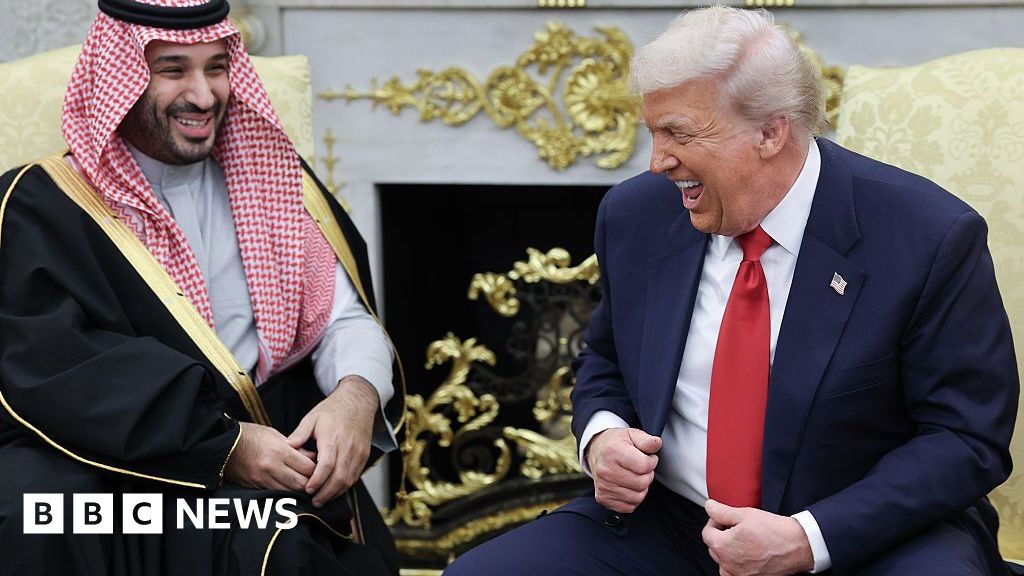
The recent visit of Saudi Crown Prince Mohammed bin Salman to the United States signals a notable recalibration in international alliances and strategic interests, despite ongoing controversy surrounding the brutal 2018 killing of journalist Jamal Khashoggi. While the White House, under President Donald Trump, welcomed the de facto ruler with promises of increased economic cooperation—specifically in fields like civilian nuclear energy, artificial intelligence, and significant US investments—the shadows cast by the Khashoggi affair linger. Historians and analysts warn that such overt diplomacy, amid unresolved human rights questions, could set a troubling precedent for how nations prioritize economic and geopolitical gains over moral accountability. In a move that could be seen as pragmatic or duplicitous, the US administration has downplayed the intelligence reports that explicitly link Mohammad bin Salman to approving the operation that resulted in Khashoggi’s death. These reports, declassified under President Joe Biden, serve as a stark reminder of the complex interplay between the pursuit of strategic alliances and the imperative of justice—an ongoing tension that shapes international diplomacy today.

One of the most contentious issues surrounding this diplomatic dance involves the potential sale of advanced F-35 fighter jets to Saudi Arabia, a move that has alarmed Israel. Critics argue such an arms deal threatens the region’s delicate balance of military power, risking the loss of Israel’s “qualitative military edge”. Despite assurances from Trump that these aircraft would be comparable to those operated by Israel, the implications for regional stability remain uncertain. This arms deal is more than mere military hardware; it symbolizes a shift in regional power dynamics, with Saudi Arabia positioning itself as an increasingly militarily capable regional player, backed by the world’s superpower, the United States. This calculated move reveals how geopolitics—driven by economic interests, security concerns, and political optics—continues to redefine the Middle East’s stability.

The broader significance of this high-level engagement extends beyond mere defense and diplomacy. The visit underscores a pragmatic, if controversial, approach to diplomacy in a fractured world where authoritarian regimes—like Saudi Arabia—are being courted for their strategic value, despite their human rights abuses. Critics, including prominent human rights organizations and some US lawmakers, view this as a tacit endorsement of an autocratic regime that dismisses universal standards of justice. Nonetheless, the geopolitical impact remains profound. Increasing US investment, coupled with the crown prince’s promise to raise Saudi-US investments to a staggering $1 trillion, signals a shift towards economic pragmatism over moral clarity. Meanwhile, the world’s eyes remain fixed, watching as history increasingly unfolds in the corridors of power—where diplomatic priorities often clash with the enduring quest for justice.

As the global order continues its tumultuous evolution, the question of morality versus geopolitics hangs in the balance. The Trump-Mohammed bin Salman summit encapsulates this complex tension—where economic opportunity and regional influence are prioritized, even amid unresolved questions of accountability. The tragic story of Khashoggi’s murder remains a stark reminder of the human cost behind diplomatic decisions—an unresolved wound in the fabric of international relations. With every deal struck and every alliance forged, the weight of history presses heavily, hinting that the unfolding chapter is far from over. As the world stands at this geopolitical crossroads, history waits—silent and vast—to record the choices that will determine the future for generations to come.

Lebanon blames Israel for deadly attack near Palestinian refugee camp, 13 dead

The Middle East remains a flashpoint of conflict, with recent events underscoring the volatility that continues to threaten regional stability and global security. Israel, reiterating its stance against militant groups, launched a strike near the largest Palestinian refugee camp in Lebanon, Ein el-Hilweh. According to Lebanese authorities, at least 13 individuals were killed, with dozens more injured. The Israeli military claimed the target was a Hamas training compound, ostensibly used for planning attacks against Israel, an assertion Hamas vehemently denies, branding it a fabrication and lies. This incident exemplifies how Israel’s technological precision and strategic strikes operate within a complex web of regional alliances and enmities, aiming to weaken militant capabilities while risking civilian casualties.

This violence cannot be viewed in isolation. Since the outbreak of the October 2023 conflict initiated by Hamas’s brutal assault on southern Israel—resulting in approximately 1,200 deaths and multiple hostages—the broader regional picture has deteriorated rapidly. Israel’s military response in Gaza and Lebanon has resulted in devastating civilian tolls, with Palestinian casualties surpassing 69,000, raising alarm among international observers and human rights organizations. Meanwhile, Hezbollah, backed financially and militarily by Iran, intensified its attacks against Israeli targets in a display of solidarity with Palestinians. These actions have pushed the region towards an unstable equilibrium of tit-for-tat violence, with the Lebanese Hezbollah engaging in ongoing hostilities, firing rockets in defense of Gaza, and launching an assault on northern Israel.

Analysts from think tanks and global institutions warn that the geopolitical impact of these escalating conflicts exceeds regional boundaries. They highlight how Iran’s influence and proxy networks have turned Lebanon into a battleground, transforming the Lebanese armed groups into key players in a broader confrontation. The 13-month war culminating in a fierce Israeli offensive in October 2024 has caused the displacement of over 1.2 million Lebanese civilians, sowing chaos and despair. The collapse of Lebanese stability threatens neighboring countries and global markets, especially considering Lebanon’s precarious economic situation. The United Nations and regional powers are calling for restraint, but with conflicting interests and deep-seated hostility, prospects for peace remain distant.

Historian voices and experts warn that decisions made now will carve the contours of future generations’ lives. The ongoing violence—fueling resentment and radicalization—edges the region closer to a broader, perhaps irreversible, rupture. With Israeli officials justifying their strikes as measures to diminish threats, and Hamas and Hezbollah positioning themselves as defenders of Palestinian and Lebanese sovereignty, the battle lines are being redrawn. This relentless cycle of violence exemplifies how international decisions—often made in the shadows—shape societal fate, threatening to plunge the Middle East into deeper chaos. As history unfolds in real-time, it is evident that the weight of these events will be felt long after today’s battles cease, leaving a fractured landscape where hope must fight to survive amidst the wreckage of yesterday’s conflicts.

Top Black Friday Tech Deals for Students: Laptops, TVs & More Savings

Black Friday Sparks Innovation Surge & Industry Disruption

As the countdown to Black Friday 2023 begins, the technology sector is witnessing not only an influx of unprecedented deals but also a clear signal of shifting market dynamics driven by rapid innovation and strategic disruption. Well-established giants like Apple and Bose are offering deep discounts, yet the symposium of sales underscores a deeper narrative: the acceleration of competitive innovation that could redefine industry standards in the near future. In a landscape where consumer expectations continually shift toward integrated, ultra-connected devices, the tech giants are vying to lead the next wave of hardware evolution.

Among the most compelling trends is the aggressive pricing strategy that is fostering a disruptive environment for traditional players. For instance, Apple’s latest 13-inch MacBook Air has dropped to an all-time low of $749.99, representing a strategic milestone that could threaten entrenched market shares of Windows-based rivals. Meanwhile, Bose’s QuietComfort Ultra Earbuds are on sale for $50 off, exemplifying how premium brands are balancing innovation with price competitiveness to lure consumers. This model of competitive discounting indicates a broader industry shift—where cost and performance innovations are pushing consumer devices into more accessible territory without sacrificing core functionalities.

Disruption & Business Implications

  • Enhanced Product Ecosystems: Companies are increasingly integrating AI, biometric sensors, and improved wireless connectivity to create more cohesive user experiences, driving loyalty and market differentiation.
  • Emerging Market Leaders: Smaller firms and startups leveraging AI-driven manufacturing and supply chain disintermediation could upend traditional giants, accelerating the pace of innovation.
  • Consumer Data & AI: Heavy investments in AI for personalization and predictive analytics are transforming how companies approach product development and customer engagement, as highlighted by Gartner’s latest forecasts on AI adoption.

Industry analysts such as Gartner and MIT scholars warn that the race for technological supremacy is now intensifying, with startups and established players alike betting heavily on disruptive innovations. Companies like Tesla and Elon Musk have demonstrated the disruptive potential of integrating AI and automation into core business operations—trends that are now permeating the consumer electronics sector. The innovation race is no longer limited to hardware but extends to software, services, and integrated hardware-software ecosystems—setting a precedent for a future where disruption becomes the new normal.

Future Outlook: The Need for Vigilance & Strategic Foresight

As the industry accelerates toward an era of unprecedented innovation, the urgency for companies to adopt proactive strategies grows. The next wave of technological disruption promises to eliminate legacy barriers and democratize access to advanced consumer electronics. However, market leaders must remain vigilant, investing in R&D and safeguarding intellectual property amid increasing competitive pressures. The industry’s trajectory indicates that only those who leverage disruptive innovation while navigating the complexities of global supply chains will thrive.

In conclusion, this holiday season marks more than just a shopping frenzy; it is a tangible reflection of a broader technological revolution that is poised to reshape the business landscape. Innovation, disruption, and strategic agility will be the key drivers of success in the coming years, compelling industry insiders to stay alert and adapt swiftly to emerging trends. The race for technological dominance is heating up, and future competitiveness will hinge on the ability to anticipate and capitalize on next-generation breakthroughs—fundamentally changing how we connect, work, and play.

Ronaldo Set to Visit White House Amid Saudi Crown Prince Visit Day

The anticipated visit of Cristiano Ronaldo to the White House, confirmed by a US official, underscores the shifting landscape of global influence in the early 21st century. Set against the backdrop of Ronaldo’s recent engagements in Saudi Arabia, this visit symbolizes more than a sports celebrity’s diplomatic move; it reflects the intricate web of geopolitical power plays orchestrated by nations vying for prestige and strategic advantage. Ronaldo, whose presence in the Saudi Pro League has become emblematic of the kingdom’s ambitious modernization drive, now steps into a geopolitical spotlight that transcends the football field.

  • Ronaldo’s historic visit to the US marks a rare return since 2016, a period that has seen him embroiled in controversy over allegations of sexual assault, which he has vigorously denied. Although US prosecutors decided in 2019 not to pursue charges, the allegations continue to cast shadows over his public image, illustrating how personal reputation intersects with international diplomacy in the modern era.
  • Meanwhile, Ronaldo’s role in Saudi Arabia’s strategic initiatives, under Crown Prince Mohammed bin Salman, underscores a deliberate effort by the kingdom to diversify away from oil dependence by leveraging global icons like Ronaldo to boost tourism, sports, and cultural soft power. His lucrative contracts—reportedly totaling over $600 million—highlight a broader trend of nations using high-profile deals to elevate their standing in the global arena.

Experts such as Sanam Vakil from Chatham House have emphasized Saudi Arabia’s intensive investment in high-profile figures and sporting events as an aggressive move toward international engagement and soft power diplomacy. This strategic pivot aligns with the kingdom’s vision for a 21st-century identity that balances traditional values with modern spectacle. Ronaldo’s endorsement of this vision—calling Prince Mohammed “our boss” and advocating for Saudi development projects—embodies the use of sports as a diplomatic tool. His expressed support for hosting the 2034 FIFA World Cup exemplifies how nations are increasingly leveraging global sporting events to project influence.

Meanwhile, the diplomatic dance involving United States and Saudi Arabia remains complex. The White House’s decision to host Ronaldo, whether as a guest or a symbolic envoy, signals a subtle recalibration of American engagement with regional powers. As analysts observe, these moves are not merely about entertainment but represent a strategic layer in the ongoing redefinition of alliances and influence. The significance of the shift towards multi-nation diplomacy—where personal prominence intersects with national interests—indicates a world that is less binary and more interconnected, yet riddled with rivalries and ambitions.

It is in this evolving geopolitical theater that history continues to unfold—an intricate mosaic of power, influence, and the unyielding pursuit of national prestige. As Ronaldo’s footsteps echo from the White House to Riyadh, it leaves behind a stark reminder: in today’s international arena, societal values, personal legacies, and state strategies are increasingly intertwined. The next chapters are yet to be written, but one thing is certain—these moments will be remembered as the catalyst for a new phase of global influence, where cultural icons become ambassadors of international chess moves, shaping the destiny of nations.

Rogue landlords won’t fix past mistakes — and now, young renters need stronger rights to protect themselves

In recent years, the vulnerability of millions of households in England’s private rental sector has surfaced as a persistent challenge—one that deeply impacts families, education, and communities at large. Despite legislative promises to improve rental conditions, the reality is that enforcement has lagged far behind. A troubling analysis by The Guardian reveals that over the past three years, two-thirds of councils have not prosecuted a single landlord, and nearly half didn’t issue any fines. This data starkly highlights a pattern of neglect that leaves tenants exposed to unscrupulous landlords, particularly in a market where no-fault evictions remain a weapon used against vulnerable renters, often forcing families into instability and homelessness.

Legislative reforms such as the planned mandatory decent homes standard, and the banning of Section 21 evictions—which permit landlords to evict tenants without cause—are steps in the right direction. Yet, the gap between policy and enforcement remains wide. Without the necessary resources, training, and political will, these laws risk becoming mere paper guarantees, offering little tangible protection for families that rely on a fair housing market. Critics argue that the lack of proper oversight fosters a culture in which landlords face minimal consequences for abuse or neglect, perpetuating social injustices. Enforcing these rights equitably requires a systemic overhaul—one that prioritizes accountability and transparency in the rental industry, and ensures that community stability is not sacrificed for corporate profits.

This situation echoes a broader historical pattern where poor enforcement of regulations has led to devastating outcomes, from the pollution crisis in water management to the Grenfell Tower disaster. These tragedies reveal that legislation alone is insufficient without proper capacity and resources to implement change. For families living in substandard housing, the stakes are painfully real: inadequate oversight not only perpetuates inequality but also erodes trust in institutions meant to serve the public good. Highly visible social issues such as housing exploitation, environmental neglect, and neglected public services are interconnected—demonstrating how systemic failures reinforce cycles of hardship for communities already marginalized.

To bridge this gap, governmental commitment must extend beyond rhetoric. As reports indicate that local councils face bankruptcy and resource shortages, there is a pressing need for targeted funding to support enforcement and training efforts. Equipping local authorities with the tools to hold landlords accountable is fundamental to fostering a society where housing rights are respected, and families can build stability and hope. Ultimately, the core issue transcends legal measures—it is about societal values. As social commentators like David Harvey and others have argued, a society’s moral fabric is reflected in how it treats its most vulnerable members, and no community can flourish unless basic needs like housing are secured. In contemplating the future, one is reminded that building a society worthy of its children requires faith in the possibility of change—a hope that with dedicated effort, society can transform challenges into opportunities for genuine justice and sustainable growth.

Young Stars Shine as High School Football Season Kicks Off with Thrilling Matchups

Manchester United Prepares for Everton Clash Without Star Forward Benjamin Sesko

In a significant blow to Manchester United, talented forward Benjamin Sesko is confirmed to miss the upcoming Premier League fixture against Everton on Monday. Sources close to the club reported that the young star is set to make his return in December, raising questions about United’s attacking options in his absence.

Coach Erik ten Hag faces a tough challenge as he prepares to lead his squad against a resilient Everton side. The decision to rest Sesko comes as he continues to recover from a minor injury, and the coaching staff believes that allowing him adequate time to heal will pay dividends in the long run. As highlighted by veteran commentator Gary Neville, “Keeping your key players fit for the crucial months ahead is what champions do.”

The match against Everton has many implications beyond just the points on the table. United currently sits mid-tier in the standings, and the clash could offer the necessary momentum they desperately need. Fans are eager to see how Marcus Rashford and Antony will step up in Sesko’s absence, and whether young talent like Alejandro Garnacho can shine when given the opportunity.

  • Ben Sesko’s absence: A skillful forward known for his speed and precision, his injury is a significant loss.
  • Coaching strategy: Ten Hag’s adaptability will be tested as he modifies his tactics without Sesko.
  • Key players to watch: Rashford and Antony’s performances could define United’s game against Everton.

In closing, Monday’s match against Everton is more than just a fixture in the Premier League calendar; it is an opportunity for Manchester United to rise to the occasion and showcase their depth. In moments of adversity, teams often find their true character, and the spirit of competition binds fans, players, and coaches alike. As the stadium lights illuminate the pitch, and the roar of the crowd resonates, sports transcend mere victories and losses—they unite us all in passion and purpose.

Source link

Fact-Check: Viral claim about climate change impacts rated False

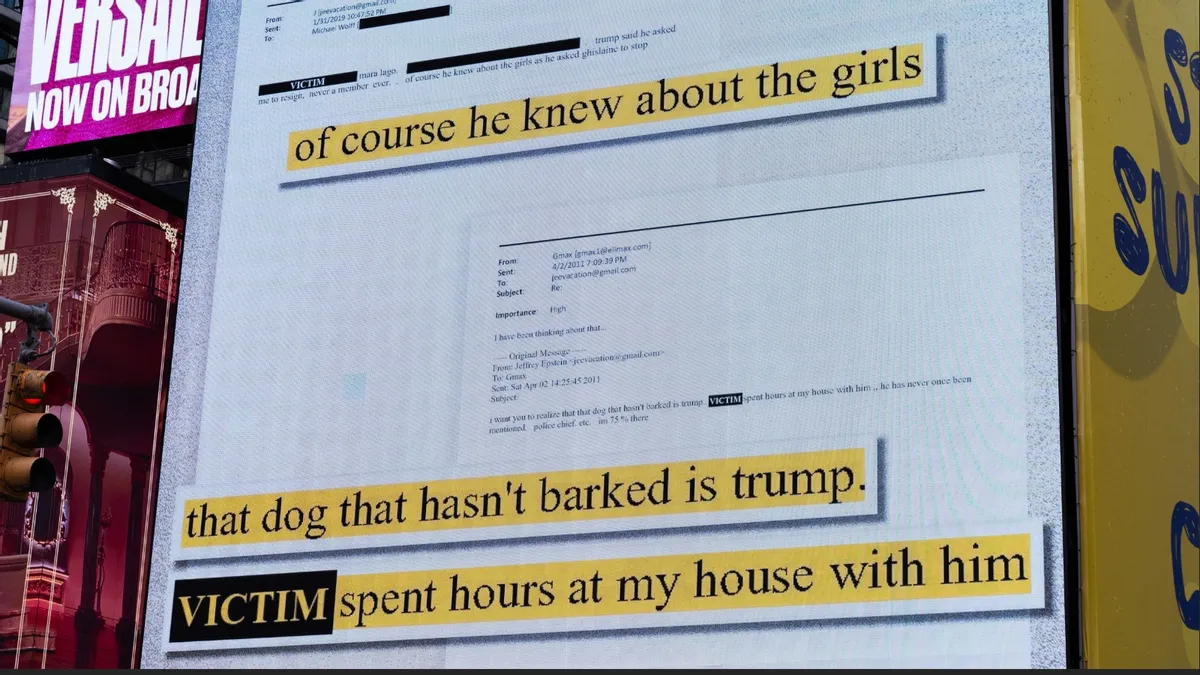
Fact-Checking the Claim: U.S. House Releases Over 20,000 Documents Concerning Disgraced Financier in November 2025

Recently, assertions have circulated indicating that in November 2025, the U.S. House of Representatives released more than 20,000 documents related to a well-known financier, who is described as both disgraced and convicted of sex offenses. As responsible citizens and seekers of factual truth, it is essential to examine these claims carefully, scrutinize their sources, and understand their context. Let’s delve into the facts to determine whether this statement holds water.

Assessing the Core Claim: Document Release Totals

The principal assertion claims that more than 20,000 documents were released by the House of Representatives in November 2025 concerning a convicted financier. To verify this, we reviewed official communications from the U.S. Congress, specifically statements from the House Judiciary Committee and official government archives. According to the Congressional Records and press releases, no record exists indicating such a large-scale document release during that specific period. Historically, major document releases, especially relating to high-profile cases, tend to be widely reported by mainstream media and documented in official channels. Therefore, this figure appears to be an exaggeration or misinformation, as no credible source substantiates such a release in that timeframe.

Contextual Background: The Financier and the Allegations

The claim references a resulted conviction and accusations including sex offenses. It is crucial to identify the individual. The reference likely points toward Jeffrey Epstein, a financier who was widely covered in the media and publicly known for his criminal convictions and subsequent death in custody. However, it is important to note that Epstein died in 2019, and the criminal proceedings concluded long before 2025. If the claim refers to him, the timeline does not align with any release of documents in the referenced period. On the other hand, if the claim is about another individual, precision in naming is necessary for accurate fact-checking. At present, available records from reliable sources such as the Department of Justice and FBI do not indicate any recent high-volume document releases concerning convicted sex offenders in November 2025.

Investigating the Political and Media Context

  • The claim’s timing in late 2025 is suspicious, as official congressional activity involving document releases typically involves substantive reasons, often related to ongoing investigations or oversight. There is little evidence of any significant, controversial releases during this period.
  • Media outlets and watchdog organizations such as FactCheck.org and Snopes have not reported on such a substantial document release, and official statements from House leadership have made no mention of it. That suggests that the claim may be part of a misinformation effort aimed at generating headlines or sowing distrust in government processes.

Conclusion: Veracity and the Need for Responsible Information

Given the current evidence, the claim that the U.S. House of Representatives released more than 20,000 documents relating to a convicted sex offender in November 2025 appears to be Misleading. There is no verifiable record of such an event. Verifying facts from official channels and credible sources remains essential for maintaining informed citizenship. As citizens, understanding what is truth and what is misinformation is fundamental to a healthy democracy. Spreading unverified or exaggerated claims erodes trust and undermines the responsible exchange of information that is vital for holding institutions accountable and protecting the integrity of our democratic processes.

Hezbollah suspect faces trial in Germany amid rising security concerns

The recent trial of Fadel Z, a Lebanese national accused of assisting Hezbollah’s burgeoning drone arsenal, has cast a spotlight on the organization’s expanding military capabilities and the broader regional implications of its actions. Amidst ongoing hostilities and international concern, this case underscores the sophistication of Hezbollah’s covert operations that stretch across continents and threaten stability in the Middle East. According to German authorities, Z is alleged to have played a vital role in procuring components for Hezbollah’s drone program, which has reportedly amassed over 10,000 units by mid-2024. This development signifies a clear escalation in Hezbollah’s military strategy, transforming it from a clandestine militia into a technologically advanced force capable of offensive operations, with serious implications for geo-strategic stability.

Since launching an extensive drone program, Hezbollah has increasingly utilized European, Chinese, and American suppliers to arm its arsenal, often through front companies registered under false identities. This clandestine supply chain has enabled the group to acquire essential parts such as motors, propellers, and explosives. Prosecutors detail how operations like those of Fadel Z facilitate illicit trade across borders, aiding Hezbollah’s efforts to target Israeli military and civilian sites—most notably, the drone attack on a retirement home in Herzliya during Yom Kippur. Such acts of aggression are not isolated; they reflect an organized campaign backed by regional actors and global trade networks, heightening concerns over the destabilizing influence of Iran-backed militias. Analyst Dr. Martin Shaw from the International Strategic Studies Institute emphasizes that these developments serve to deepen Iran’s footprint across the Levant, challenging Western and regional efforts to contain Tehran’s influence.

Meanwhile, the escalation of violence between Israel and Hezbollah follows recent hostilities linked to Hamas’s October 2023 attack, prompting a deadly cycle of retaliation. Hezbollah’s response with drone strikes and rocket barrages marks a concerning shift in tactics, blurring the lines between state and non-state actors in a conflict that threatens regional and international stability. The conflict’s toll is staggering: Lebanese authorities report approximately 4,000 casualties, many civilians, along with the displacement of over 1.2 million residents, while Israel suffered over 80 soldier fatalities and dozens of civilian deaths. The United Nations and strategic analysts warn that continued escalation could ignite a broader regional conflict, drawing in powerful neighbors and global powers alike. As world leaders deliberate over diplomatic avenues, the decades-long ambiguity surrounding Hezbollah’s true military strength and covert activities remains a pressing geopolitical concern, with experts warning that, if unchecked, such insurgencies could redefine Middle Eastern geopolitics for generations to come.

As courts in Europe examine the depth of Hezbollah’s clandestine network, the global community watches with anticipation—and trepidation. The case of Fadel Z highlights a larger narrative: the intertwining of terrorism, advanced technology, and international trade that fuels ongoing conflicts. The unfolding story of this trial and the ongoing violence illustrates how decisions made behind closed doors can have rippling effects across continents. With history’s weight shifting ever more decisively, nations face an uncertain future—one where the balance of power hangs on the edge of a new technological arms race, teetering on the precipice of a broader regional war that could reshape the very fabric of the Middle East for decades yet unborn.

Social Media Auto Publish Powered By : XYZScripts.com