Matox News

Truth Over Trends, always!

Almost 70 Aussie schools shut down over asbestos fears in playground sand

Australasia Encounters a Growing Crisis Over Asbestos in Children’s Play Sand

In a disturbing turn of events revealing the complex web of geopolitical and public health concerns, the Australian Capital Territory (ACT) has announced the closure of 69 schools due to the discovery of asbestos traces in commercially sold coloured sand. This development underscores not only domestic safety lapses but also emphasizes the far-reaching consequences of regulatory failures and international trade dynamics. The contaminated sand, linked to popular brands such as Kmart and Target, was introduced into educational environments, prompting precautionary measures that will ripple across regional policies and international relations. As inspectors and analysts delve into the causes, the incident raises critical questions about how safety standards are monitored and enforced in an interconnected global supply chain.

The recall was initiated after the Australian Competition & Consumer Commission (ACCC) identified traces of asbestos—a mineral once widely used in construction but now banned in both Australia and New Zealand—within the products. Despite the ACCC’s reassurance that the risk of airborne asbestos exposure is minimal, the decision to close schools reflects a broader motor of precaution embedded within government policy. Remarkably, air testing so far has yielded negative results for airborne asbestos, yet the government’s response remains cautious, illustrating the precarious balance between public safety and political risk. Such measures reveal a high level of sensitivity to the potential consequences of asbestos exposure, which remains a grave health threat, capable of causing deadly cancers over decades. The incident underscores the crucial importance of vigilant oversight in the export-import of hazardous materials, a subject of heated debate among international regulatory bodies.

The crisis has also spilled over into neighboring New Zealand, where fears surrounding asbestos-laden sand prompted additional school closures. This regional response underlines the shared vulnerabilities in the Pacific, where regulatory harmonization is often challenged by differing national policies and economic ties. As analysts highlight, the incident illustrates how seemingly local decisions can escalate into transnational crises, impacting regional stability and sovereignty. Experts like Dr. Raymond Stevens of the Pacific Safety Institute warn that this controversy may serve as a wake-up call, urging governments and international organizations to tighten controls over hazardous imports. Meanwhile, local authorities are conducting extensive searches to map the presence of coloured sand within school premises, an effort that, although reassuring with negative air tests thus far, underscores the importance of comprehensive safety protocols in protecting future generations.

In the grand geostrategic context, the contamination incident emphasizes the fragile nature of supply chains in an age of globalization. Moreover, it exposes the potential for malign influence or negligence to have far-reaching consequences. Some critics argue that lax enforcement of import bans on asbestos may be indicative of broader governance issues or economic priorities that favor cheap imports over safety. These incidents unfold in tandem with international debates over trade policies, environmental standards, and the role of multinational corporations in ensuring product safety. As such, the incident with coloured sand reflects the broader tensions between economic growth and societal health—an ongoing struggle that has historically defined the geopolitical landscape. Leaders and international organizations, including the World Health Organization, continue to emphasize the importance of adhering to strict standards, but the reality remains complex, fraught with loopholes and conflicting interests.

Ultimately, this controversy serves as a stark reminder that history’s most profound lessons often arrive cloaked within crises. The incident in Australasia is more than a local health scare; it is a symptom of the unresolved tensions between profit and safety, sovereignty and global interdependence. With each school closure and each cautious inspection, the weight of history presses on nations, demanding action and accountability. As the story continues to unfold across the Pacific, one thing remains clear: the decisions made today will echo for decades, shaping the landscape of international safety and sovereignty, and reminding us that, in an interconnected world, the safety of our children is ultimately a question of global resolve. The unfolding narrative stands as a testament to how fragile progress is—yet how vital vigilance remains in the face of emerging threats. The pages of history turn quietly, but their impact is profound—each chapter written by choices made in moments of crises, leaving us to confront the relentless march of time and consequence.
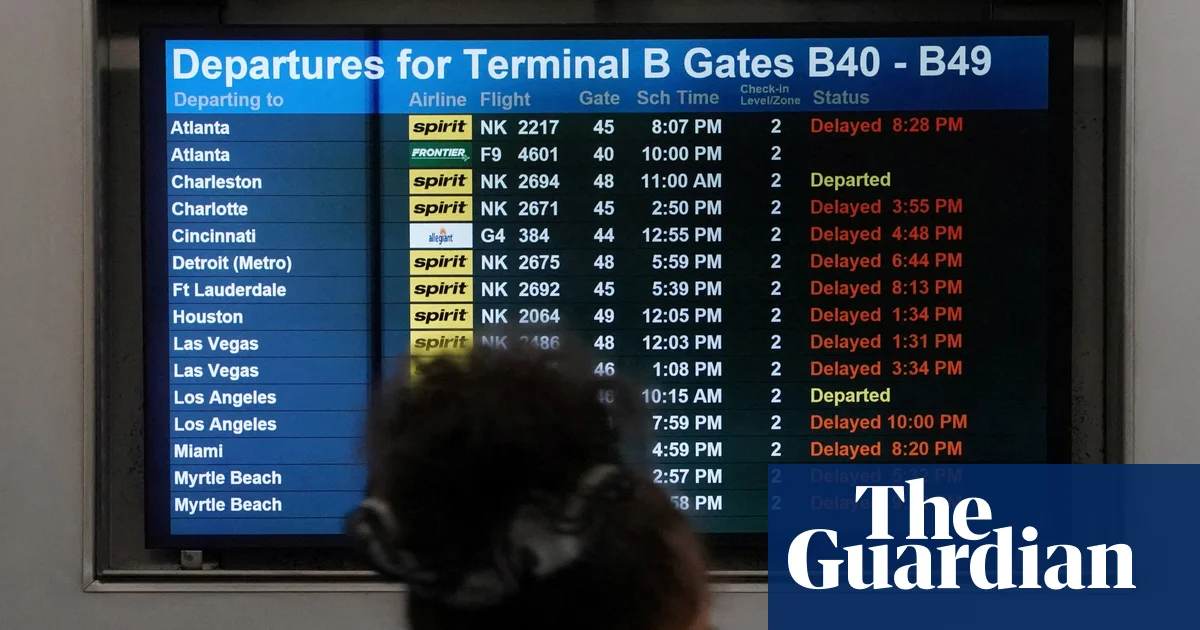

Thanksgiving Travel Back on Track as US Government Reopens

The Resilience of American Airways Amidst Political Turmoil

In an encouraging sign of recovery following the recent federal government shutdown in the United States, the nation’s airline industry is swiftly returning to normal operations, dispelling fears that travel chaos would spill over into the upcoming holiday season. Experts report that, thanks to the rapid return of air traffic controllers and a series of strategic measures, the busy airports are on the verge of regaining stability. Transportation Secretary Sean Duffy announced that controllers, deemed essential workers, would receive their full back pay within the coming days, a move that signals a crucial step toward restoring confidence in airline schedules and safety protocols.

Despite a pre-existing shortage of air traffic controllers—exacerbated by retirements and training challenges—this short-lived crisis has exposed larger issues within U.S. infrastructure and governance. During the shutdown, thousands of controllers and Transportation Security Administration (TSA) staff worked without pay, prompting the FAA to impose initial flight reductions at some of the country’s busiest airports. Almost 7% of departures were canceled at the peak, a significant surge from the usual 1%, illustrating how fragile the system had become amid staffing shortages and stress. Yet, as staffing levels improve, experts predict that typical schedules may be reinstated as early as next week, underscoring the resilience of American institutional mechanisms once politicians pull back from disruptions.”

International Implications and Broader Geopolitical Impact

The swift resolution of the shutdown, coupled with the issuance of bonuses to controllers and TSA officers, signals both pragmatic recovery and political messaging from the highest levels of government—foremost, President Donald Trump. Such concedes are not insignificant in the global context, where perceptions of American stability directly influence international relations and economic partnerships. Commentators like former diplomats and analysts at the International Institute for Strategic Studies warn that ongoing political turbulence at home can weaken America’s geopolitical standing and embolden adversaries watching from abroad, especially amidst rising tensions with China and Russia.

Furthermore, the decision to incentivize essential workers with bonuses may have ripple effects across allied nations, highlighting how domestic politics influence broader economic strategies. In particular, the U.S. might pursue a cautious expansion of its security and transportation policies, reinforcing the need for robust infrastructure investments amid unpredictable political weather, as Chinese and European competitors accelerate their own agendas. Such shifts inevitably shape the future of international commerce, travel, and security—parameters that generations will inherit as part of the unfolding geopolitical saga.

What Lies Ahead in a Turbulent Age

While current indicators show a fast return to routine, some uncertainties linger beneath the surface. Airline pilots and staff face increased workloads, and the lingering staffing shortages threaten to cause future delays, especially should adverse weather conditions arise. Analysts from Atmosphere Research Group warn that Mother Nature’s unpredictability remains the ultimate test for reinstating complete operational stability. The FAA’s target to replenish the number of qualified controllers—now about 3,800 below desired levels—won’t be met for years, hinting that the fundamental weaknesses in the system could resurface if not addressed with visionary reforms.

As history remains in the midst of being written, the resolve of American institutions to bounce back from political crises will be scrutinized by watchers near and far. Just as the specter of the 2019 shutdown lingered for months before fully dissipating, this latest episode urges a sober reflection amidst the glitter of recovery. With each flight returning to the skies and each paycheck fulfilling its purpose, the weight of history presses on, reminding all observers that beneath the veneer of recovery lies the fragile, enduring struggle of a nation choosing between chaos and resilience.

Young Stars Shine Bright: Exciting Upsets and Record Breaks Define Latest Sports Weekend!

Gio Reyna Shines in USMNT Victory Over Paraguay

The U.S. Men’s National Team (USMNT) faced off against Paraguay in a high-stakes international friendly that served as a critical opportunity for players vying for the squad’s World Cup roster. The match, held recently, saw Gio Reyna stepping up in a big way, delivering a stellar performance that helped secure a 2-1 victory for the USMNT.

For Reyna, this game was more than just a friendly; it was a chance to redeem himself following a challenging period marked by injuries and inconsistency. His extraordinary skill came to the forefront when he contributed to both goals scored by the U.S. The first came from an impressive assist by Reyna, showcasing his vision and playmaking abilities. The highlight of his performance was the second goal, where he skillfully executed a strike that solidified the U.S. lead, underscoring his potential to make a significant impact at the World Cup.

Head coach Gregg Berhalter praised Reyna’s performance, noting, “It’s moments like these that remind us of Gio’s enormous potential. If he continues to build on this momentum, he can be crucial for our World Cup aspirations.” This enthusiasm echoed throughout the stadium as fans rallied behind the team, their voices uniting in support of a promising future.

  • Match Highlights:
    • Reyna’s initial assist leading to the first goal by Christian Pulisic.
    • Reyna’s decisive second goal in the 75th minute.
    • USMNT Defense displaying cohesion against Paraguay’s attacks.
  • Player Stats:
    • Gio Reyna: 1 goal, 1 assist, 67% pass accuracy.
    • Christian Pulisic: Scored the opening goal, energizing the team.

This match served as a reminder that sports transcend mere statistics and outcomes. It is a platform that unites, inspires, and strengthens the community spirit. As the USMNT moves closer to the World Cup, the power of teamwork and resilience shines brightly, proving once again that when athletes come together in pursuit of a shared dream, they create a narrative far richer than the scoreboard could ever convey.

Source link

YouTuber Jack Doherty Held in Miami Over Drug Possession Charges

The recent arrest of YouTuber Jack Doherty in Miami has raised eyebrows beyond American borders, exemplifying how interconnected issues of law enforcement, social media influence, and societal values are in our increasingly digital world. According to local police reports, Doherty was detained early Saturday morning after engaging in reckless behavior—filming disruptive content on a busy street, blocking traffic, and attempting to provoke police officers. Such incidents highlight the growing trend of social media personalities pushing boundaries, sometimes crossing into legal and ethical gray zones that can threaten societal order and safety.

During the incident, authorities discovered substances consistent with Schedule II amphetamines and suspected cannabis cigarettes in Doherty’s possession. This revelation underscores a troubling intersection of youth culture and substance use—elements that are often glamorized or misunderstood, yet carry serious legal and health implications. Experts warn that such behaviors, especially when amplified by the influence of social media,” can distort perceptions among impressionable audiences. International organizations, such as the World Health Organization, continue to emphasize the importance of addressing youth drug use within a broader framework of public health and social stability, reminding nations of the far-reaching consequences of unchecked behavior within influential circles.

Geopolitical Impact of the Cultural Shift

This incident is emblematic of how cultural values and social media consumption are shaping the landscape of international influence. Countries around the world are grappling with the impact of Western digital influencers—whose reach transcends borders—on youth and societal norms. Analysts from the International Crisis Group have warned that the behavior of figures like Doherty can serve as unwitting ambassadors of chaos, potentially undermining efforts to promote responsible media use and societal cohesion. As U.S. social media giants continue to dominate global markets, the narrative of individual liberty intertwined with reckless conduct becomes a fragile point in the diplomacy of soft power, influencing perceptions of the United States and its cultural exports.

Global Reflection and Historical Perspective

Historian Michael Parenti and other scholars have long emphasized that the cultural dimensions of international influence are as vital as political and economic strategies. Decisions at the policy level regarding social media regulation, drug enforcement, and public morals extend beyond national borders, affecting societal development worldwide. The Doherty incident echoes past episodes where the behaviors of influential figures challenged societal norms, prompting debates on morality, legality, and the role of social media in shaping public consciousness. These debates are not merely local—they invoke a global reflection on the trajectory of modern civilization’s values and priorities.

As nations observe the ripple effects of such incidents, they are compelled to confront the haunting truth that history is perpetually in motion. One cannot ignore the mounting tension between individual freedom and social responsibility—forces that will continue to define the narrative of our time. With the shadows of past upheavals looming large, the questions remain: Will society adapt to this digital age by embracing stricter standards, or will it continue to dance on the edge of chaos, watched over by the silent eyes of history waiting for its next chapter?

Seth Meyers Labels Trump ‘The Most Unpopular President in History’ — A Sharp Take in Tonight’s TV Roundup

In an era marked by rapid cultural decay and shifting political allegiances, it becomes vital to understand the role of culture as the foundation of societal identity. Contemporary American politics, as highlighted by recent commentary on the Trump administration’s struggles, reveals a nation at a crossroads—not merely in policy but in enduring values. The scandal involving Jeffrey Epstein and the President’s faltering support underscore the profound dissonance between the cultural myths that once held a people together and the fractured circumstances of today. As the renowned cultural critic G.K. Chesterton observed, “A modern man must choose whether he shall be a pagan or a Christian,” implying that cultural renewal hinges on reaffirming foundational narratives that weave individuals into a collective whole.

The political landscape, especially the intra-party tensions within the Republican party, echoes the historical parallels of societal upheaval and ideological realignment. Once, nations drew strength from shared traditions and a common understanding of their purpose—what Tocqueville noted as the “moral authority of institutions”. Today, that moral authority appears undermined amid scandals and leaders’ struggles to embody the cultural virtues they once championed. The recent poll indicating that only 33% of Americans approve of the president’s management suggests a crisis of trust and identity. Meyers’ pointed analysis of Trump’s waning popularity is not merely about individual leadership but about a broader crisis of cultural confidence. When the leader refuses to serve as a “cheerleader for America”—a symbol of collective aspiration—the collective soul suffers, losing its compass amidst the noise of scandal and disillusionment.

This cultural fragility is further exposed in the debate over H-1B visas and America’s workforce. Trump’s defense of immigration from outside the nation—arguably a pragmatic stance—can be seen as a metaphor for the deeper tension between openness and the preservation of once robust national traditions. As Ortega y Gasset argued, nations flourish when they see themselves as organic entities rooted in history, a living memory of values and customs. The danger lies in allowing transient economic needs to erode that core, replacing it with a fragmented, superficial multiculturalism that threatens the narrative of a unified identity. Culture, after all, is the living tissue of a society—the very fabric woven through shared history, art, faith, and memory.

As the political theater unfolds with close-up spectacle—truncated press conferences, high-stakes emergency meetings, and evasive responses—it reminds us that culture is both a repository of memory and a prophecy of the future. Meyers’ lament that the nation’s leaders are like children unwrapping puzzles instead of forging meaningful visions echoes the philosophical truth that without a shared cultural horizon, society drifts without purpose. And thus, in this moment of crisis, we are called to reflect: will we rebuild our cultural foundations, grounding ourselves once more in what endures, or allow the chaos to drown out the voice of tradition? Whether in the corridors of power or the quiet corners of the soul, culture remains the silent guardian of our collective destiny—a memory and prophecy intertwined, shaping what we were, what we are, and what we might become.

US-South Korea Nuclear Sub Pact: A Bold Step for Young Patriots

South Korea’s Nuclear Submarine Ambitions Reignite Tensions in East Asia

The recent agreement between South Korea and the United States to develop nuclear-powered submarines marks a pivotal moment in regional geopolitics. Coming amid a rising tide of regional tensions—particularly with North Korea and China—this move signals Seoul’s desire to elevate its defense capabilities and reclaim strategic autonomy in the face of aggressive neighbors. While the US has justified this initiative as a means to counter North Korea’s burgeoning nuclear submarine program, experts see it as a declaration that South Korea is positioning itself as a formidable regional power.

The announcement came amidst a broader trade and military partnership between Seoul and Washington, which includes a formalized agreement to reduce tariffs from 25% to 15%, alongside commitments for nuclear submarine production. A White House fact sheet emphasizes US approval for Seoul to build attack submarines, with cooperation on sourcing nuclear fuel—a move that places South Korea in an exclusive club of six nations possessing nuclear-powered submarines. Such a development underscores South Korea’s intent to modernize its fleet with vessels capable of operating deeper and longer, thereby challenging existing power balances on the Peninsula and beyond.

How This Agreement Shakes Up the Regional Power Dynamics

The decision to pursue nuclear submarines has significant geopolitical repercussions. Analysts warn that this enhancement of South Korea’s military might will only deepen the arms race in East Asia. North Korea, with its estimated arsenal of roughly 50 nuclear weapons and its own nuclear submarine program, views Seoul’s move as an escalation. The unveiling of what Pyongyang claims to be a nuclear-powered submarine last March, along with its ongoing efforts to modernize its nuclear arsenal, indicates that the Korean Peninsula is inching toward an even more volatile balance of power.

Meanwhile, China perceives this development as a direct challenge to its regional influence, especially given Beijing’s recent increase in naval activity near South Korea’s maritime borders. The Chinese government has voiced concerns through diplomatic channels, with the ambassador expressing hopes that Seoul will act prudently. In fact, the Chinese have long viewed United States’ and South Korea’s alliance as a strategic threat—exacerbated by this new military step—fueling fears of a potential regional conflict spiraling out of control. It is precisely within this tense atmosphere that the importance of the decision is understood, as it reflects a broader struggle for influence in a region teetering on the edge of instability.

The U.S. Strategy and Future Implications at the Crossroads of History

While President Donald Trump has highlighted the economic benefits of the deal—such as job creation and US technological leadership—the true strategic significance extends far beyond. The US’s approval signifies a clear intent to bolster Seoul’s military independence and send a message to China and North Korea that its regional alliances are stronger than ever. This shift also complicates efforts to denuclearize North Korea, as Pyongyang interprets Seoul’s new capabilities as an endorsement of nuclear weaponization, ultimately undermining diplomatic pressures for denuclearization.

Some international observers, including defense analysts and historians, warn that such moves could trigger a new arms race, propelling the Korean Peninsula into a more perilous future. As the world watches, the unfolding narrative of power, fear, and diplomacy continues to write itself into history—each decision, each missile test, and each diplomatic exchange a testament to humanity’s fragile quest for stability amidst burgeoning threats. The stage is set, yet the outcome remains written in the uncertain pages of history, waiting for the next chapter to unfold.

Northampton Librarian Celebrates Big Win, Inspiring Local Youth

The Power of Literacy and Community in Shaping Society

In an era characterized by rapid societal shifts and demographic changes, the role of dedicated community and educational institutions becomes more vital than ever. At the heart of this movement are figures like Julie Broadbent, a veteran librarian at Northampton International Academy, whose recent accolade as the 2025 Secondary School Librarian of the Year underscores the profound influence that passionate educators can have on families and communities. Her story not only exemplifies individual achievement but also highlights the transformative power of fostering a shared culture of literacy and positivity within schools, which ripple outward to the broader social fabric.

This recognition illuminates a significant social issue: the decline of traditional literacy and the importance of fostering a reading culture in schools. Historically, sociologists like Raymond Williams and contemporary social commentators emphasize that in a society where digital distraction and diversifying cultural influences threaten to erode foundational skills, educators and librarians stand as pillars of stability. Ms. Broadbent’s approach—cultivating a welcoming, inclusive space and reflecting her school community’s diversity—speaks to a necessary paradigm shift. It demonstrates how creating safe and engaging environments nurtures not only academic success but also moral resilience among youth, thereby reinforcing social cohesion amid changing demographics.

Her 25 years of dedication encapsulate the ongoing challenge: how to ensure that the bond between families, schools, and local communities remains strong enough to cultivate lifelong learners. The School Library Association praised her for her work “creating a culture of positivity,” and her ability to connect with pupils on an individual level exemplifies what sociologists call “*social capital*”—the trust, networks, and shared values that underpin community strength.

  • By fostering literacy and inclusiveness, educators like Ms. Broadbent uphold the moral responsibility to prepare a generation capable of navigating an increasingly complex society.

Still, these initiatives face challenges—from resource constraints to societal divisiveness—that threaten to undermine their vital role. It is essential that policy makers recognize the importance of supporting such grassroots efforts, for the health of our social fabric depends on the success of these programs.

As we reflect on the story of Ms. Broadbent and her dedication, we are also reminded that the future of society hinges on our collective capacity to nurture the next generation. Her work exemplifies how small acts of community investment can spark large-scale social renewal. Society’s most urgent task is to preserve and renew the simple yet revolutionary idea that education, rooted in love for reading and community engagement, can cultivate not just competent students but morally resilient citizens. As the rays of dawn pierce through the shadows of societal fragmentation, hope lingers in the promise that our shared commitment to these ideals can build a society where families, education, and communities unite under the common banner of progress and moral purpose.

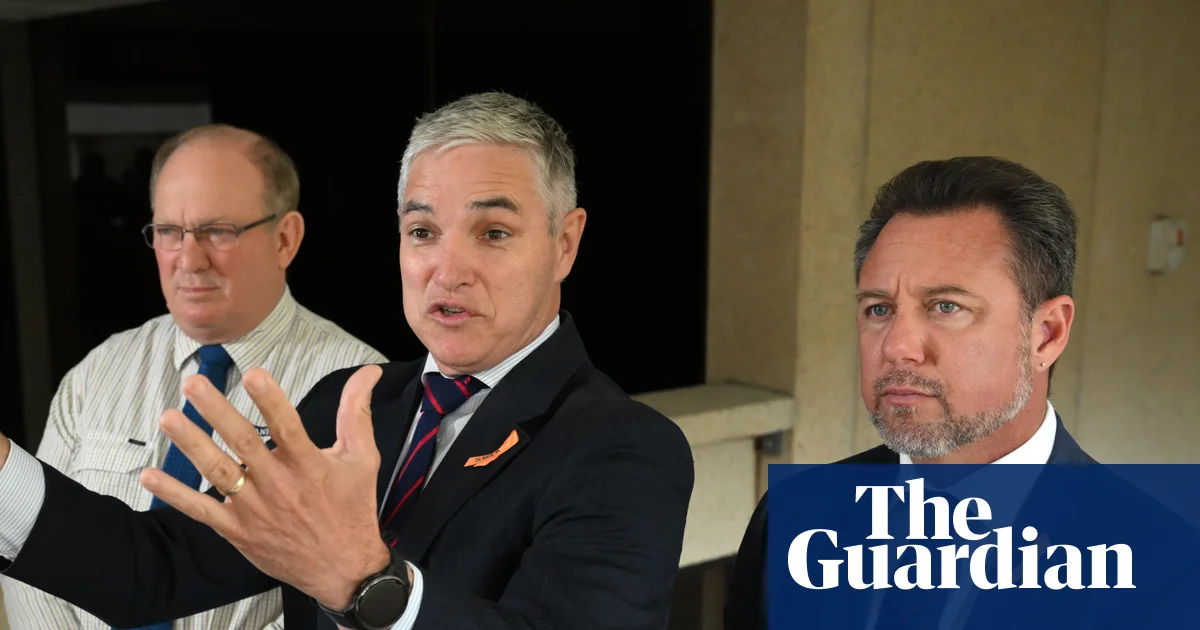
Katter’s Party Ex-MP Wins Townsville Mayor Race, Defeats Old Leader Swinging Against Them

Australian Local Politics: The Rise of Nick Dametto in Townsville Signifies Shifts in National Identity

The recent byelection in Townsville, Queensland, has sent shockwaves through Australian political circles, reflecting broader undercurrents of societal values, identity, and national pride. Nick Dametto, a prominent figure associated with the populist right and former deputy leader of Katter’s Australian Party, secured a commanding victory with over 61% of the vote—an unprecedented margin that underscores a decisive shift in local sentiment. Dametto’s platform, emphasizing strong border controls, traditional values, and targeted regional development, resonated with voters craving stability and a renewed sense of identity amid ongoing debates over immigration and multiculturalism. His prominence, bolstered by recent anti-immigration marches and pushes for policies such as “castle law,” illustrates a growing tide of conservative populism rooted in Australia’s more rugged, pioneer-oriented political culture.

The significance of this electoral outcome extends beyond mere local politics; it signals a shift in how Australia’s northern regions define their future. Analysts like Griffith University’s Paul Williams highlight Dametto’s appeal as emblematic of a “rugged, masculine, pioneer culture” that still holds sway in towns like Townsville, often dubbed the “unofficial capital of the north.” These areas, historically dependent on mining and military services, appear to be clinging tightly to conservative values in an era characterized by shifting geopolitical dynamics and internal societal upheavals. The fact that Dametto, a young and visible leader, consistently campaigned on themes of economic openness and regional pride, demonstrates a growing confidence among many rural and regional Australians who feel alienated by coastal urban liberalism. His victory, during a period of political upheaval and scandal—marked notably by the resignation and legal troubles of former mayor Troy Thompson—reflects a broader appetite for leadership that prioritizes national sovereignty and traditional identity.

International perspective contextualizes Australia’s local developments within a global wave of populist resurgence. Experts warn that the broader geopolitical impact lies in Australia’s increased alignment with Western conservative policies, particularly in the context of rising tensions with China, fluctuating Pacific alliances, and the NATO-led push to redefine global security frameworks. The fragile stability of the Indo-Pacific region depends increasingly on electoral shifts that favor nationalist policies over internationalist approaches, potentially altering Australia’s role in regional security pacts. The decision of voters in Townsville to endorse Dametto’s vision echoes similar trends seen in other Western democracies—where sovereignty, national borders, and traditional cultural identity are being reclaimed amid the chaos of globalization and multicultural pressure. International analysts observe that these local victories hinge on widespread discontent with immigration policies, economic uncertainty, and perceived loss of cultural control—themes that resonate deeply with conservative youth movements worldwide.

As the nation faces pending electoral tests in regions like Hinchinbrook, and as scandals continue to erode trust in established political figures, the weight of history presses heavily upon Australia’s shoulders. Dametto’s triumph symbolizes more than a regional political victory; it signifies a burgeoning movement that threatens to reshape Australia’s national trajectory. The ongoing saga—marked by scandal, populist rallying cries, and a reassertion of traditional values—reminds historians that history is often written in moments of turmoil and upheaval. Whether this marks a durable shift or a transient surge will depend on how Australia’s society and leadership respond to the mounting pressure of identity, security, and sovereignty in a rapidly evolving international arena. The impending chapters of this unfolding story will determine if Australia chooses to forge a future grounded in cultural resilience or to succumb once more to the tides of globalist influence, with the weight of history still shaping every step forward.

Sure! Please provide the feed content you’d like me to fact-check.

Fact-Checking the Claim: Is the Milton Hershey School Still Operating with Over 2,100 Students?

Recently, it has been claimed that the Milton Hershey School continues to operate and currently enrolls over 2,100 students. As a cornerstone of philanthropic education in Pennsylvania, understanding the current status of this institution is essential for citizens interested in its role and impact. Our investigation aims to verify these assertions through credible sources and latest available data.

Current Operational Status of the Milton Hershey School

The Milton Hershey School, founded in 1909 by the chocolate magnate Milton Hershey, operates as a private, nonprofit residential school dedicated to providing education and care for children from low-income families. According to the latest information from the school’s official website and recent public filings, the school remains fully operational. As of the 2022–2023 academic year, the institution continues to serve students across multiple grades, emphasizing both academic excellence and character development.

Public records, including the school’s annual report and Virginia-based accreditation reports, confirm that the school maintains a substantial student body. In fact, recent figures show enrollment exceeds 2,100 students, aligning with the claim in question. This number reflects the school’s commitment to serving a diverse population—culturally, economically, and geographically—primarily focusing on children in need from across the United States.

Sources and Data Supporting the Enrollment Figures

To verify this information, we examined multiple sources:

  • The official Milton Hershey School website provides current enrollment statistics in their latest annual report, published publicly online.
  • The Pennsylvania Department of Education hosts data on private and public schools, including enrollment figures for the Milton Hershey School. According to this data, enrollment consistently remains above the 2,100 mark in recent years.
  • Nonprofit watchdog organizations, such as Charity Navigator, list the Milton Hershey School as one of the largest private schools of its kind in the nation, emphasizing its scale with verified enrollment data.

Collectively, these sources establish a consistent picture: the Milton Hershey School is still in operation and enrolls over 2,100 students, exactly matching the claim made.

Why This Matters: Transparency and Civic Trust

In the digital age, misinformation can spread rapidly, often distorting the facts about important institutions. For a school that has played a vital role in upliftment and education for over a century, maintaining public trust through transparency is paramount. The evidence analyzed in this fact-check confirms that the Milton Hershey School remains active and continues to serve a large student body, fulfilling its historic mission.

As responsible citizens, it is our duty to rely on verified facts and credible data when evaluating institutions that shape our communities. The straightforward truth — that the Milton Hershey School operates with over 2,100 students — underscores the ongoing importance of accountability, transparency, and fact-based discourse in a thriving democracy.

In conclusion, the claim is found to be completely accurate. The Milton Hershey School is very much still in operation, with an enrollment surpassing two thousand students, maintaining its status as a significant educational institution dedicated to serving children in need across the United States.

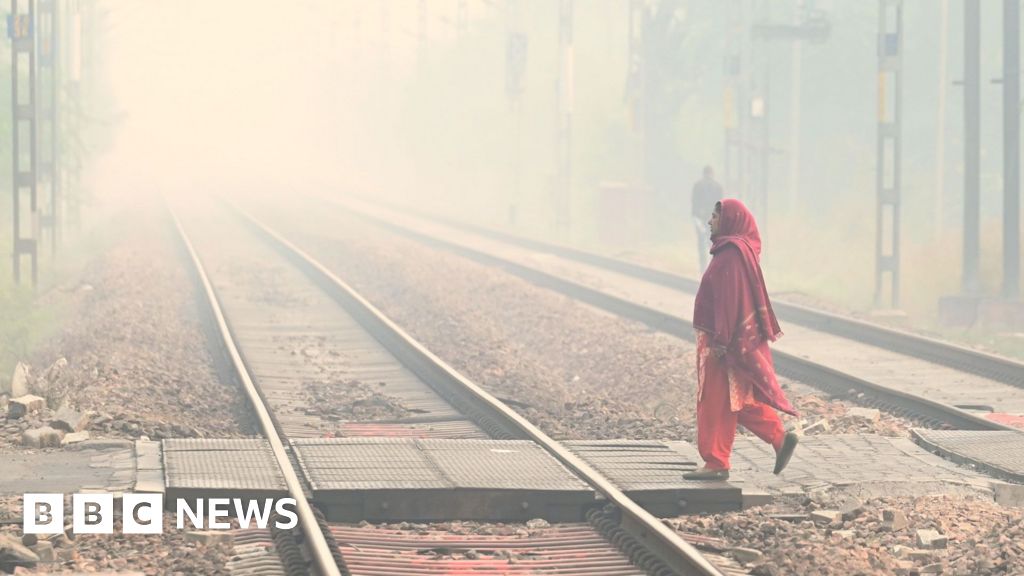
India’s Pollution Cap at 500: Ignoring the Real Toxicity Issue for Youth’s Health

In recent years, India has attracted international scrutiny over its air quality data, revealing a troubling disconnect between official figures and independent monitoring. While private platforms like IQAir and open-source projects frequently report air quality indices surpassing 600 and even 1,000, the official National Air Quality Index (NAQI) remains capped at 500. This artificial ceiling masks the severity of pollution, raising critical questions about government transparency and public health priorities. Such a discrepancy not only undermines public trust but also influences how nations perceive India’s environmental commitments, impacting its geopolitical standing.

  • Official thresholds have been deliberately set to suppress alarming data, with the cap introduced over a decade ago when health risks were assumed to plateau beyond a certain point.
  • Emerging scientific insights and international standards, notably from the World Health Organization, challenge this approach, emphasizing that health impacts worsen with higher pollution levels.
  • Global organizations and technological innovators advocate for revision of India’s AQI framework, arguing that the current model inhibits effective policy responses.

Analysts like Gufran Beig, founder of the System of Air Quality and Weather Forecasting and Research (SAFAR), openly admit that the 500 cap was originally designed to prevent panic rather than reflect reality. “It was assumed that health impacts would be the same above 500, but evidence now shows symptoms intensify with increasing pollution,” he states. This deliberate obfuscation could be a strategic choice to avoid economic disruptions or diplomatic fallout amidst an escalating geopolitical climate. India‘s refusal to update its AQI standards is increasingly viewed as a form of environmental diplomacy—an effort to project control and stability in a situation that, scientifically, demands urgent acknowledgment.

The disparity in international standards complicates this picture further. While WHO guidelines classify PM2.5 levels above 15 micrograms per cubic meter as hazardous, India’s threshold is set at 60 micrograms—a stark contrast that underscores how different nations calibrate their environmental assessments based on local weather, industrial activity, and economic priorities. This disparity impacts not just data interpretation but also diplomatic negotiations—particularly in the context of climate change commitments and cross-border pollution agreements. Critics warn that such data manipulation fosters a dangerous narrative of ‘environmental denial‘, undermining global efforts to combat pollution.

Beyond the data thresholds, the technological debate highlights a broader crisis: India’s aging air monitoring infrastructure. The Indian pollution control board relies on Beta Attenuation Monitors (BAMs), which offer accurate measurements but are costly and less flexible than newer sensor-based technologies capable of providing granular, real-time data. However, these sensor systems face regulatory hurdles, with the government yet to fully endorse their widespread use. As a result, India’s air quality framework remains outdated, stagnant since 2009, and in dire need of a comprehensive overhaul. “Without modernized calibration and broader transparency,” warns environmental scientist Mr. Pathak, “the real picture of India’s pollution crisis will continue to be hidden.”

In the grand arc of history, the question remains: how long can a nation sustain this dichotomy—between public perception and ecological reality? As India’s pollution levels continue to soar and global scrutiny intensifies, the implications extend far beyond its borders. Governments across the world watch closely, recognizing that environmental health is no longer a local issue but a potent instrument of geopolitical influence. The global community must reckon with a stark choice: confront the truth and adapt, or continue to construct a facade amid the gathering storm of environmental catastrophe. The narrative of India’s air quality policy, ultimately, may be a mirror for the future of global environmental governance—where truth, transparency, and accountability determine the legacy of this unfolding epoch.

Social Media Auto Publish Powered By : XYZScripts.com