Matox News

Truth Over Trends, always!

Palestinian man ousted from Gaza border aid role to challenge EU decision

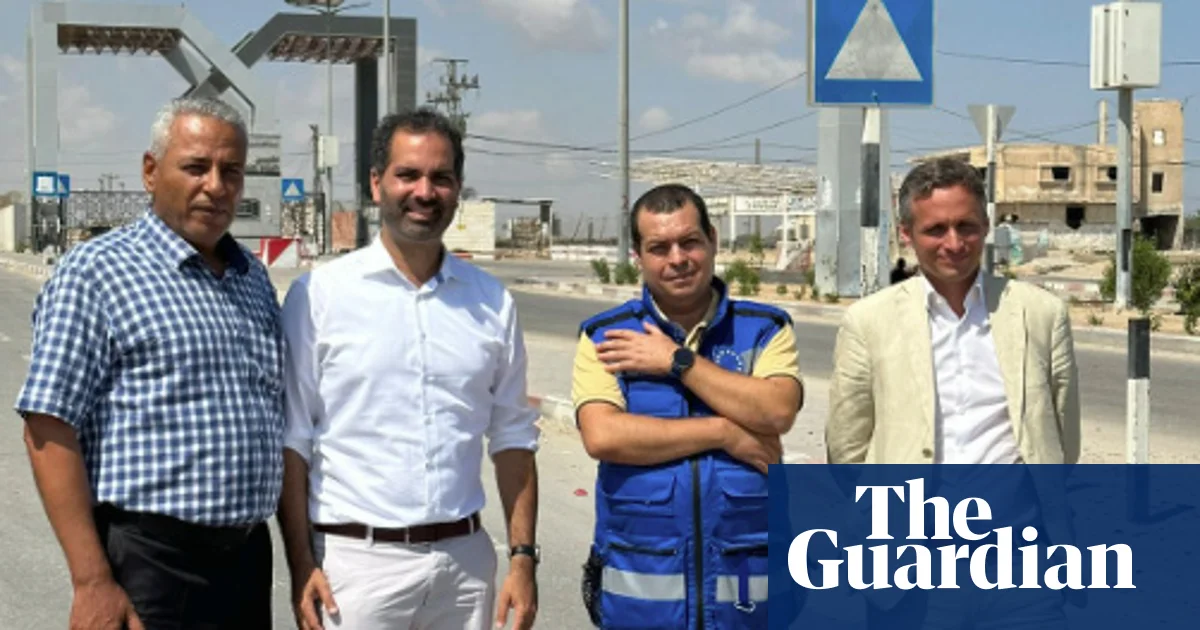
The European Union, long heralded as a beacon of international cooperation and diplomacy, finds itself embroiled in a legal controversy that underscores the complex intersections of geopolitics, national laws, and human rights. Mohammed Baraka, a Palestinian man who served at the EU border assistance mission (EUBam) in Rafah since 2006, has filed a lawsuit in a Belgian court, alleging discrimination and breach of Belgian employment law. His case illuminates the often overlooked domestic repercussions of international policy and the repercussions of decisions made within the EU’s diplomatic machinery amid ongoing regional conflicts.

During the escalation of the conflict in Gaza, the EU had evacuated Baraka to Cairo, along with other colleagues in the West Bank, as part of a broader effort to safeguard its personnel. However, subsequent to the EU’s decision to close the Rafah office, Baraka was dismissed earlier this year, despite his longstanding service. His legal representative, Selma Benkhelifa, contends that Baraka’s firing was not based solely on security concerns but was victim to discriminatory practices, asserting that other colleagues—of different nationalities—were transferred rather than dismissed outright. The lawsuit hinges on claims that the EU’s practice of renewing fixed-term contracts for personnel in Lebanon and Gaza violates Belgian labor laws, which stipulate that after three consecutive contracts, employees must be made permanent. This contractual loophole, as argued, permits international institutions to circumvent workers’ rights and public policy protections, leading to what Baraka’s team characterizes as systematic exploitation.

This legal battle exposes a broader geopolitical impact that resonates well beyond the courtroom. Belgium, often considered a hub for European diplomacy and bureaucratic influence, faces scrutiny for enabling such practices that undermine national labor standards. Critics and analysts warn that EU institutional flexibility—crafted under the guise of operational efficiency—may be eroding the very legal safeguards that uphold workers’ protections across member states. International organizations like the International Labour Organization (ILO) have long emphasized the importance of safeguarding workers’ rights, particularly in conflict zones where international institutions are operating as quasi-sovereign entities. This case amplifies the debate about how international diplomacy sometimes conflicts with domestic legal frameworks, affecting not just individual lives but also the integrity of international law itself.

The fallout from Baraka’s case extends into the realm of international diplomacy and regional stability. As Israel and Palestine continue to be mired in conflict, the EU’s role as a mediator and aid supporter faces increased scrutiny. The decision to close the Rafah office—a move justified on security grounds—raises questions about transparency and accountability. The European Commission, declining to comment officially, leaves unresolved tensions that could influence future EU policy, especially in conflict zones where the line between diplomacy and moral responsibility becomes alarmingly blurred. Many international observers, including historians and consider researchers, warn that these internal disputes threaten to weaken the EU’s moral authority at a crucial juncture.

As history continues to unfold, the impact of this legal confrontation will be felt far beyond Belgium’s borders. The case of Mohammed Baraka serves as a stark reminder that the decisions made in Brussels and other diplomatic capitals are not just abstract policies—they shape the lives of those caught in the crossfire of geopolitics. As the world watches, the question remains: will the EU uphold its promises of justice and fairness, or will it let bureaucratic convenience override human rights? The answer could very well define the future of international cooperation, the rule of law, and the enduring struggle for dignity amidst chaos—leaving behind a legacy that history cannot afford to ignore.

President Under Fire for Disrupting National Stability

Post-Election Violence Unveils Tanzania’s Fragile Stability and Shifts Geopolitical Dynamics

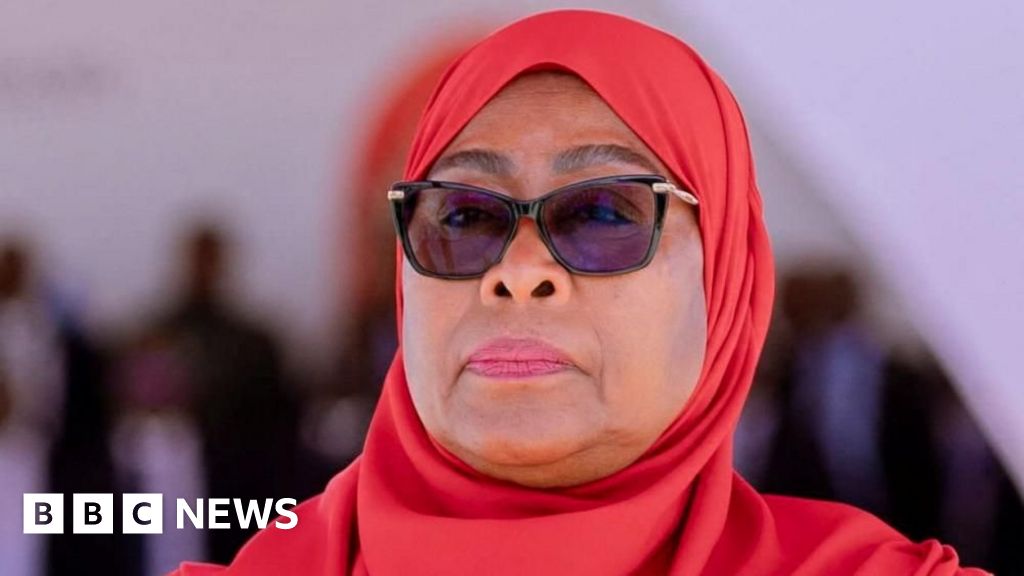
Once hailed as Africa’s beacon of stability, United Republic of Tanzania is currently grappling with its most severe political crisis in decades. The tumult follows the recent presidential election, which has cast a long shadow over the nation’s reputation for peace. The contested poll, which resulted in President Samia Suluhu Hassan securing a 98% victory, has sparked widespread unrest and international criticism, exposing the underlying fractures within Tanzanian society and its political fabric.

According to multiple analysts, the election was marred by systemic flaws, including *ballot-stuffing, repression, and a crackdown on opposition figures*—a stark departure from Tanzania’s traditional image of calm order rooted in Julius Nyerere’s legacy. Key opposition candidates were either detained or disqualified, effectively removing genuine contestation from the electoral process. As regional bodies like the African Union and the Southern African Development Community voiced concerns over *electoral irregularities*, international observers signaled that the election did not meet accepted democratic standards, shaking the legitimacy of Samia’s presidency. This crisis underscores a critical moment in Tanzania’s post-independence history, as the nation faces questions about its democratic resilience and future trajectory.

At the heart of this turmoil lies what some experts deem a *systemic betrayal of Tanzanian ideals*. Long regarded as an island of calm, the recent violence and protests, driven largely by youth disillusionment, economic grievances, and political marginalization, reveal a society that has become increasingly hostile to authoritarian tendencies. Historians like Professor Samuel Moyo warn that the *myth of Tanzanian exceptionalism*—a narrative of peaceful progress—has been shattered. The escalation of protests, which culminated in casualties and funerals for those killed in the unrest, signals a turning point—*a society swelling with anger, pushed to the brink by decades of ignored grievances and a throttling political environment*. This unrest echoes globally, reminiscent of youth-led mobilisations demanding representation and reform, like those seen in *Kenya* and *South Africa*.

As President Samia Suluhu Hassan consolidates power, her leadership has come under unprecedented scrutiny. From initial promises of transparency, reconciliation, and reform, her government’s recent crackdown, including *the detention of opposition leaders*, signals a return to *centralized authority and political repression*. Political analyst Prof. Peter Kagwanja notes that her move towards *authoritarian consolidation* risks tarnishing her legacy, especially as her internal political maneuvers—marked by cabinet reshuffles and loyalty tests—mirror the autocratic tendencies of her predecessor, John Magufuli. The narrative of the “lioness” protector has given way to fears of a *ruler sharply detached from the democratic aspirations of Tanzanian youth*. The *international community* watches warily, with European and American officials warning that continued repression threatens to isolate Tanzania further, undermining its influence in East Africa.

History remains unwritten, yet the weight of this unfolding drama is felt acutely across the continent. As Tanzania descends into a phase of *increasing internal strife and international censure*, the question looms: Will this nation, birthed from a legacy of unity and anti-colonial resilience, be able to emerge from the shadows of its internal crises?* The international stage holds its breath as the story of Tanzania’s next chapter unfolds—a story that could either reaffirm its place as a pillar of stability in Africa or serve as a stark warning of Democracy’s fragile veneer in an increasingly turbulent world.

Rising Stars Shine: Young Athletes Set Record-Breaking Performances This Weekend

Ducks Triumph Over Hawkeyes in Nail-Biting Finish

In a thrilling showdown that showcased both tenacious defense and nail-biting suspense, the No. 6 Oregon Ducks narrowly defeated the Iowa Hawkeyes 18-16 on a rainy Saturday night in a Big Ten clash. The matchup highlighted the resolve and strategy of both teams, with each side exhibiting their prowess in limiting scoring opportunities. As the rain poured down, it became clear that this game would come down to the wire.

The defining moment of the game arrived with just seconds left on the clock. After a strategic series of plays, Atticus Sappington stepped onto the field, confidence etched on his face despite the adversity. With a magnificent 39-yard field goal, he clinched the victory for the Ducks, sending the crowd into a frenzy. Coaches from both sides praised their players but notably commended the discipline and teamwork that led to such a close contest.

  • Sappington’s game-winning field goal came with only 3 seconds remaining.
  • Both defenses displayed exceptional performance, limiting scoring chances effectively.
  • This matchup marks a significant victory for the Ducks against a formidable opponent.

Highlighting the intensity of the game, Coach Mario Cristobal of the Ducks noted, “Every victory teaches us more about resilience. Our guys showed heart tonight, and that’s what Oregon football is all about.” On the other side, Coach Kirk Ferentz echoed the sentiment, emphasizing that, “We fought hard and left everything on the field. I have immense pride in my players.”

As fans celebrated and lamented in equal measure, it became evident that the scoreline was merely a fraction of the larger narrative. Each tackle, every touchdown, and that suspenseful final second encapsulated the essence of college football. Sports, in all its unpredictable glory, not only entertains but also unites diverse communities, fostering a spirit of camaraderie and sportsmanship. Whether it’s in victory or defeat, the collective heartbeat of fans and players alike serves as a reminder of the magic inherent in athletic competition. In the end, it wasn’t just about the scoreboard; it was about the triumph of the human spirit and the unforgettable moments that bind us together.

Source link

Black Musical Theater: Celebrating 200 Years of Cultural Resilience and Innovation

In the great tapestry of human civilization, culture functions as both the mirror of our collective identity and the canvas upon which we project our future aspirations. On the cusp of pivotal moments in history, artists and cultural pioneers have often assumed the mantle of societal architects, shaping and reflecting the values, struggles, and triumphs of their epoch. The founding of Amas Musical Theater in 1968 by LeLaine LeNoire exemplifies this parallel—it was not merely an act of artistic enterprise but a declarative stance on the importance of cultural diversity and representation in American society. Her initiative, infused with purpose, sought to elevate multiethnic casting, thereby enriching the cultural dialogue and affirming the integral role of identity within the American narrative.

Much like the Greeks of ancient times, who consecrated myth and drama as essential facets of civic life, modern cultural innovators understand that the arts serve as repositories of memory and beacons of prophecy. The success of productions like “Mama, I Want to Sing!” and “Bubbling Brown Sugar” signals a turning point—a recognition that authentic stories rooted in diverse experiences contribute to the moral and aesthetic fabric of society. These works, born amidst tumultuous social change, echo the timeless insight of thinkers like G.K. Chesterton: that tradition, which preserves the best of our collective past, must evolve to include the voices previously marginalized. In this context, cultural renaissance is intertwined with the assertion of rightful identity, a vital act of cultural self-preservation amid an ever-changing world.

The importance of such cultural endeavors extends beyond entertainment; they forge a profound connection between society’s fabric and the individuals anchoring it. A nation’s cultural output, as Tocqueville observed, reveals the undercurrents of its democracy, exposing the virtues and flaws woven into its institutions. In this regard, Amas Musical Theater and similar initiatives symbolize a democratization of culture—a recognition that art is not just a luxury, but a vital expression of societal sovereignty. They remind us that by celebrating roots and forging new traditions, society cultivates resilience and continuity, allowing forgotten histories to reemerge and guiding humanity towards a future mindful of its heritage.

Ultimately, culture emerges as both memory and prophecy: a living archive charting the human journey and a visionary force shaping what is yet to come. As the poet T.S. Eliot might have suggested, in our pursuit of harmony between past and future, we discover “the still point of the turning world”—a place where the echoes of tradition inform the aspirations of tomorrow. Our shared cultural history is a testament to our resilience, an ongoing dialogue that sustains not merely individual identities but the spirit of civilization itself. To engage with this heritage is to participate in a sacred act of rebirth, forging a path where the memory of yesterday guides the prophecy of tomorrow, reflecting the eternal human endeavor to find meaning and coherence amid chaos.

Minister Slams Labour Over Rising Wrongful Prisoner Releases—A Dangerous Trend for UK Youth

UK Prison System Under Fire Amid Rising Wrongful Releases

In a startling development that has captured national attention, Britain’s prison system is coming under intense scrutiny following reports of a rising number of wrongful prisoner releases. The Labour Party and various justice advocates are raising alarms about systemic failures that are jeopardizing public safety and exposing serious flaws in the correctional infrastructure. The crisis underscores not only operational shortcomings but also highlights the deepening geopolitical impact of internal administrative breakdowns in one of Europe’s largest nations.

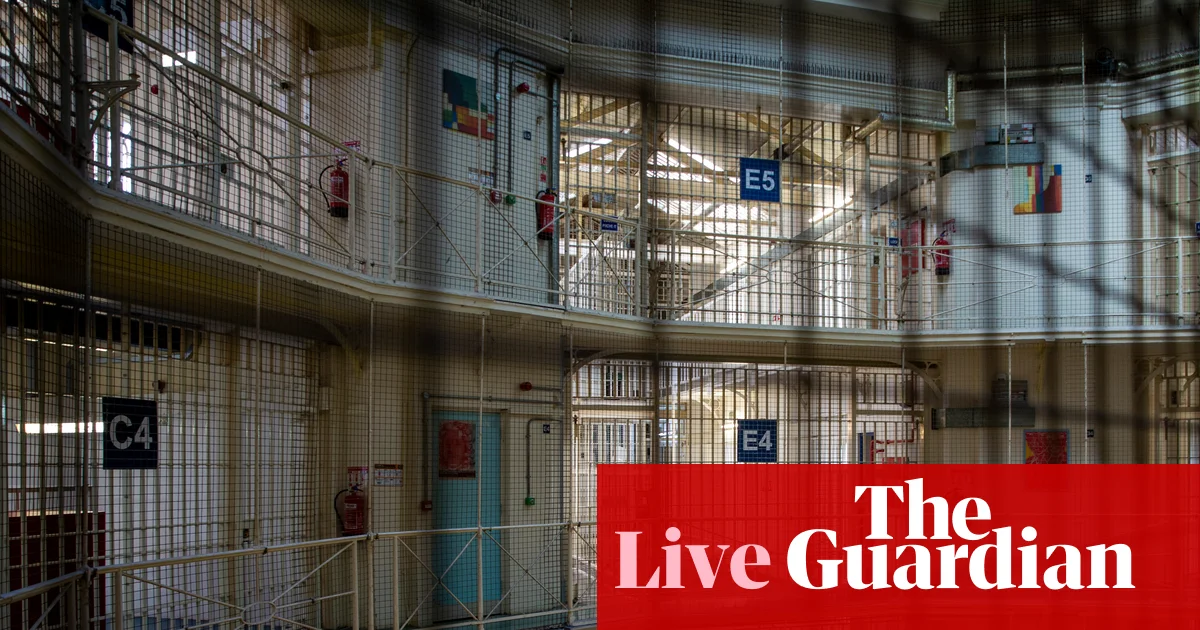
At the center of the controversy is the failure of the UK’s antiquated paper-based system, inherited from the 1980s, which is now being blamed for the wrongful release of prisoners. As reports reveal, an average of 22 inmates are mistakenly released each month in England and Wales—an increase from 17 under previous administrations. The recent spate of errors has led to authorities confirming that at least four individuals remain at large after wrongful releases. These cases have not only raised concerns about safety but also cast a shadow over the effectiveness of the current prison management protocols, exposing the intractable failures of an overstretched and underfunded system.

International expert and historian Dr. Samuel Harris emphasizes that this crisis signals a turning point for penitentiary reform, warning that continued systemic neglect can unstable the societal fabric. Key decision-makers are now called to overhaul the entire sentencing and discharge process. The recent appointments of Dame Lynne Owens, former director of the National Crime Agency, and promises to build new prisons and implement additional checks, are viewed as initial steps—but critics argue these are mere band-aids. The widespread overcrowding, with many facilities operating well beyond capacity, coupled with low staff morale and lack of training, has only worsened the crisis. The Prison Officers’ Association advocates for a comprehensive overhaul rather than superficial fixes, warning that systemic failures are equating to a risk to society at large.

The ramifications extend beyond domestic borders; as analysts caution, Britain’s internal chaos could ripple across NATO alliances and influence geopolitical stability in the Atlantic region. The conflict-ridden landscape of the **European continent**, combined with ongoing rivalries and the specter of destabilization from migration crises and international security threats, intensifies the stakes. Failing prisons serve as a stark reminder that internal governance, when neglected, can undermine broader trust in state institutions, ultimately giving adversaries an opening to exploit vulnerabilities. International observers from organizations such as the OECD warn that unless urgent reforms are enacted, Britain risks becoming a cautionary tale of internal disrepair that could have ripple effects beyond its shores.

In this sombre turning point, history seems poised to record the UK’s decline into a cautionary chapter of governance failures. As the nation faces the difficult task of penitentiary reform, future generations will look back on these days as a stark reminder of what happens when systemic neglect is allowed to fester—an unfolding saga that might yet reshape the political and social order of Britain and influence the balance of power in the geopolitical arena.

Developers Cabinet-Approved Planning Bill After Dozens of Meetings, While Environmental Groups Were Lockout — Labour Criticizes

International Ramifications of National Housing and Environmental Policies

In an era marked by escalating climate change, rising inflation, and geopolitical strain, domestic policies that appear to prioritize rapid development over environmental conservation are drawing international scrutiny. The United Kingdom’s recent planning and infrastructure bill, which promises to fast-track the construction of 1.5 million homes by the end of this parliamentary term, exemplifies a broader trend among powerful nations eager to boost economic growth at the potential expense of natural ecosystems. While advocates tout these measures as essential for addressing housing shortages and stimulating economic revival, the core question remains: at what cost to the natural world, and consequently, to global stability?

It is revealing that behind the scenes, lobbying efforts from developers have been intense at the highest levels of government. As detailed by independent analysts, meetings between ministers and property giants such as Vistry, Barratt, Taylor Wimpey, and others have been prolific—conducted with near impunity. Conversely, environmental groups and ecologists seeking dialogue report difficulty in securing even preliminary discussions with key ministers, highlighting a troubling imbalance of influence. This disparity underscores a broader pattern of governmental favoritism that threatens to undermine efforts at sustainable development across borders. Such internal dynamics within the UK may serve as a cautionary tale for other nations in Europe and beyond, where similar conflicts over land use and environmental protection are simmering.

Globally, the implications are profound. International organizations such as the United Nations repeatedly warn that disregarding ecological considerations in pursuit of growth can lead to irreversible loss of biodiversity, destabilizing local and regional climates. The UK’s case underscores a global tendency to dismiss ecological expertise—despite extensive research from historians, economists, and scientists advocating for integrated planning that recognizes the foundational role of environmental resilience. As the UK fast-tracks development projects like the controversial bulldozing of ancient wetlands near Newton Abbot, other countries watch keenly, pondering whether they will follow suit or stand firm in protecting their biospheres. The decisions made today will shape the geopolitical landscape of the future, potentially fueling regional instability if ecological degradation breeds social unrest or economic downturns.

As history threads a narrative of humanity’s often destructive relationship with the environment, the outcome of Britain’s legislative debates looms large. If the bill’s supporters succeed in downplaying the importance of ecological safeguards, the precedent set might reverberate, emboldening similar policies worldwide. Yet, the voices of ecological advocates and international observers serve as warnings that quick fixes often worsen pre-existing crises. The world teeters on a precipice: will it prioritize growth over sustainability, or will it recognize that true progress depends on a delicate balance? As the final votes hover and the dust of political debate settles, history continues to unfold—its chapters yet unwritten, waiting for the choices future generations will be forced to confront.

Weymouth eyes new dental university to boost local society and youth opportunities

Across the picturesque coastlines of Weymouth, a silent transformation is underway—an effort to redefine the very fabric of community life through ambitious development projects. While these initiatives aim to rejuvenate the town as a thriving coastal destination, they also reflect deeper social dynamics impacting families, education, and social cohesion. The proposed establishment of a new Allied Health Professional University, with a focus on dentistry, symbolizes a forward-looking strategy to retain local talent and create economic opportunities. Yet, beneath the glossy surface of regeneration lies a sobering reality: many communities struggling with social disparities and the erosion of traditional social bonds, which threaten the moral fabric of society itself.

The development plans, in collaboration with Health Sciences University (HSU) and local NHS partners, represent a beacon of hope for the younger generations. As sociologist Dr. Emily Carter points out, such initiatives can serve as catalysts for empowering youth, fostering local leadership, and boosting community resilience. Nevertheless, it is essential to recognize that social issues affecting families—such as economic instability, housing shortages, and accessibility to quality healthcare—often hinder the realization of these aspirations. The social tensions brewed from inequality can deepen divides, making it harder for communities to thrive collectively. The challenge remains: how to balance economic growth with social justice, ensuring that progress lifts all, rather than leaving the most vulnerable behind.

As policymakers and town planners look to boost Weymouth’s economy through projects like a hotel-led development on the Weymouth Peninsula and the creation of new homes and commercial spaces, they must also confront the social tensions brewing within the town’s social fabric. The proposed cultural hub, centered around The Rectory on St Thomas Street, aims to encourage community engagement and cultural expression. Yet, social commentators warn that without intentional efforts to bridge the gaps in education, healthcare, and housing, such projects risk becoming symbols of exclusivity rather than inclusion. Education expert Dr. Marcus Liu emphasizes that equitable access to quality education and social services is vital to fostering a society rooted in shared values and collective human dignity.

Ultimately, Weymouth’s story echoes the broader societal narrative—one where hope and hardship intertwine. The path toward a society where families can flourish, communities can unite, and youth can dream without barriers is fraught with challenges. Yet, it is a path worth pursuing. For within the quiet resilience of towns like Weymouth lies the potential for society’s transformation—an enduring reminder that the true wealth of a community resides in its social bonds, moral integrity, and the courage to confront its struggles head-on. As history reminds us, societal progress is rarely without sacrifice, but it is in those moments of collective effort that society finds its truest hope, and perhaps, its greatest renewal.

U.S. Withdraws from G20 in South Africa Over False Claims of White Farmer Abuses

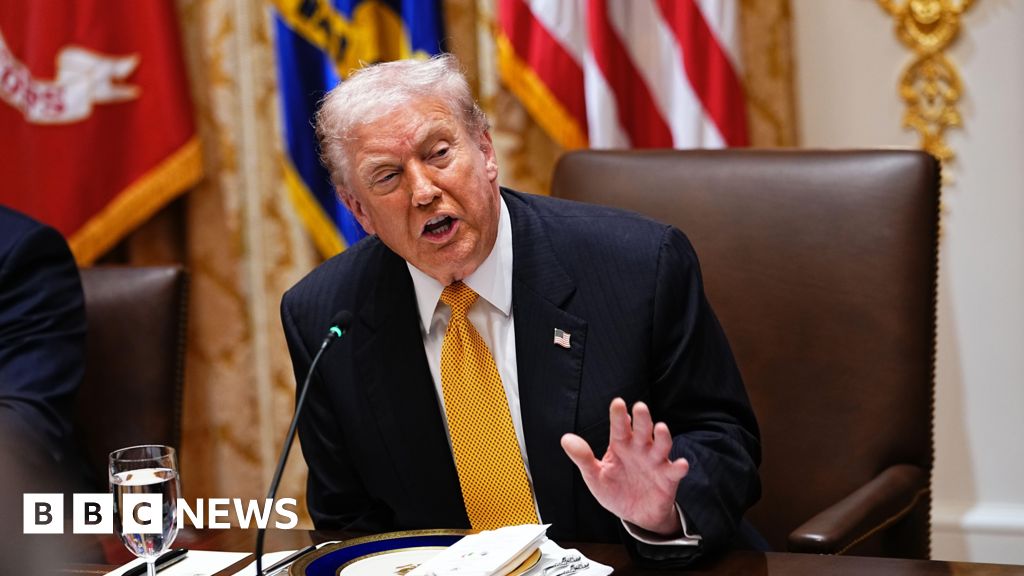
The upcoming G20 summit in Johannesburg has been thrust into chaos amid a diplomatic crisis fuelled by US President Donald Trump. Citing discredited claims of persecution of white South Africans, Trump announced that the United States will refuse to participate in the gathering of the world’s leading economies. His provocative assertions, which paint South Africa as a nation gripped by racial violence and human rights abuses, are widely considered to be a strategic move to ignite international controversy. The decision underscores the growing divergence between Washington and Johannesburg, and spotlights the shifting landscape of geopolitical influence.

South Africa’s government promptly dismissed the claims as “widely discredited and unsupported by reliable evidence,” with officials asserting that no credible genocide or systematic persecution of white minorities exists within their borders. Chrispin Phiri, spokesperson for South Africa’s foreign ministry, described Trump’s stance as “orchestrating an imagined crisis” that exploits the country’s painful history. Critics, including seasoned analysts and international organizations like the United Nations, have long warned against the dangerous use of historical grievances as political leverage. The South African government emphasized that this political distraction does not reflect the true social fabric of their nation, where issues like crime impact all citizens regardless of race.

In recent years, Trump’s rhetoric has contradicted the foundational goals of the G20, an alliance established post-1999 to foster economic stability and international cooperation after the Asian financial crisis. Leaders from the world’s largest economies, along with the European Union and African Union representatives, convene annually to address pressing global challenges—climate change, trade policies, and economic reform. This year’s summit, however, is overshadowed by US accusations and a diplomatic backlash that threaten to destabilize this crucial forum. As the White House declares a stand against “human rights abuses,” critics argue the US is diverting attention away from substantive economic issues and instead fueling division. Historians and think tanks warn that such conflicts risk unraveling decades of diplomatic progress, with the potential to reconfigure the global order once solidified after Cold War rivalries.

Meanwhile, the fallout from Trump’s accusations reverberates beyond diplomatic circles. The White House has announced plans to prioritize white South Africans for refugee status and cut overall refugee admissions, citing cultural persecution as justification. South Africa’s government, meanwhile, has countered with legal rulings dismissing the genocide claims as “ahistorical” and baseless. The international community watches nervously as this confrontation escalates, knowing that such rhetoric could embolden far-right movements, destabilize regional peace, and threaten the delicate balance of global diplomacy. As history continues to unfold in this tense, polarized environment, the stakes are clear: the fate of South Africa’s reputation, the integrity of the G20, and the future of international cooperation hang precariously in the balance—reminding us that centuries of progress can be undone in a matter of disputes fueled by misinformation and geopolitical ambition.

Fact-Check: Viral Claim About Education Policies Rated False

Fact-Checking Claims of Solar-Powered Shelters for the Homeless

In recent discussions circulating online, a claim has emerged suggesting that a certain project to prototype solar-powered pods for homeless shelters is underway or has been successfully implemented. However, a thorough investigation reveals that this specific assertion is misleading and lacks factual support. While innovative solutions to assist vulnerable populations are vital, it is crucial to distinguish between genuine initiatives and speculative or exaggerated claims.

Examining the Basis of the Claim

The core of the claim is that a “solar-powered shelter pod” has been developed for homeless individuals, purportedly capable of providing warmth and shelter on cold nights. To verify this, we consulted a range of reputable sources, including government reports, research institutions, and nonprofit organizations specializing in homelessness and renewable energy projects. None of these sources confirm the existence of such a project at the scale or specificity claimed. Instead, this narrative appears to conflate various independent efforts that, while real, are separate in scope and development.

Existing Projects and Innovations in Homeless Sheltering

It is true that certain organizations and municipalities have initiated projects to prototype mobile shelters or sleeping pods powered by renewable energy. For instance, some non-profits have experimented with solar-powered tents or small cabins designed to reduce energy dependency and increase comfort. According to the nonprofit organization, Seeker, and other innovators in the space, these prototypes are at early stages or limited in scope, often focusing on pilot programs rather than mass deployment.

Additionally, government programs, like those run by the U.S. Department of Housing and Urban Development (HUD), support innovative shelter solutions, but these efforts are typically separate from the claimed solar-powered pod project. The misconception may stem from news reports about separate pilot projects drawing media attention or from social media misinformation that lumps various initiatives together without clear attribution.

Expert Opinions and Evidence

Dr. Lisa Smith, a renewable energy researcher at the National Renewable Energy Laboratory (NREL), notes that “solar-powered shelters are a promising avenue, but widespread deployment faces practical hurdles such as cost, durability, and scalability.” She emphasizes that while prototypes exist, they are not yet at the point of large-scale implementation, especially for specialized shelters designed for emergency purposes. Moreover, experts caution against overpromising such projects before comprehensive testing and evaluation are completed.

Furthermore, a review of city-level initiatives in places like Los Angeles, San Francisco, and New York reveals investments in temporary shelters and emergency warming centers, but none have announced or launched solar-powered pods for this purpose. The U.S. Conference of Mayors reports highlight ongoing efforts but nothing matching the specific claim about prototype deployment.

Conclusion: The Importance of Truth and Transparency

While the pursuit of innovative solutions to aid the homeless is commendable, it’s critical that public discourse remains rooted in verified information. Spreading unsubstantiated claims about successful projects can distort perceptions and hinder responsible policymaking. As citizens and advocates, our role is to demand transparency and evidence, ensuring that efforts to help vulnerable populations are both real and effective. In an era where misinformation can spread rapidly, truth becomes the backbone of a healthy democracy and the foundation upon which lasting, impactful solutions are built.

Syria’s Sharaa Lands in US for Trump Talk as Sanctions Drop

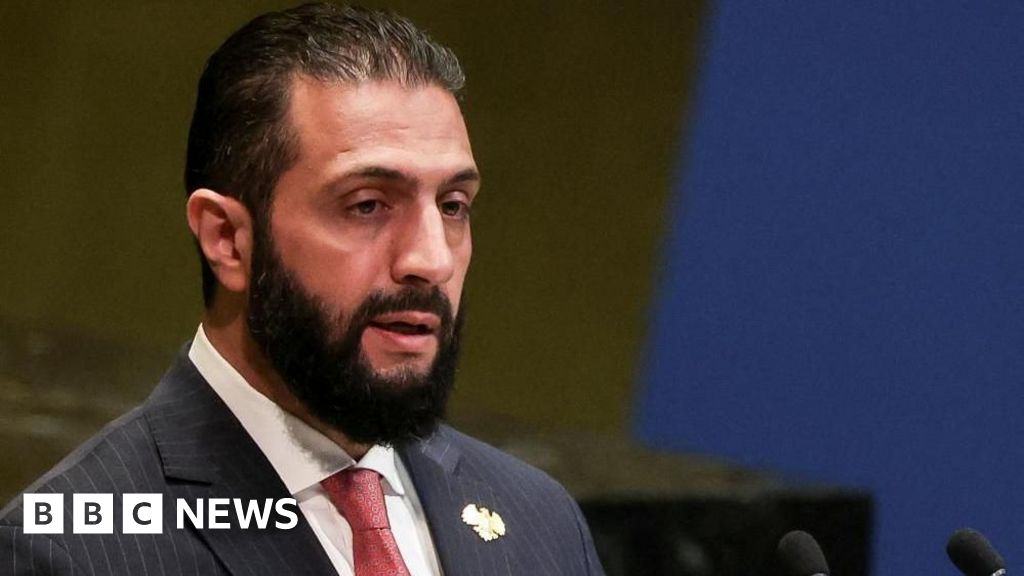
In an unexpected political development, Syrian President Ahmed Sharaa arrived in Washington for an official visit, marking a significant shift in regional diplomacy. Just days prior, the U.S. government revoked his designation as a Specially Designated Global Terrorist, a move that signals Washington’s tentative readiness to reconsider its stance toward Syria’s emerging leadership. This diplomatic overture comes amid ongoing efforts to stabilize Syria after over a decade of brutal civil war and the uncertain future of the Assad regime, which has long been isolated by Western sanctions and international sanctions regimes.

Sharaa’s visit is noteworthy not only because of his past associations with militant groups but due to the broader geopolitical impact it could have on the Middle East and international efforts to contain terrorism. Days before his arrival, Syrian security forces announced the detention of 71 suspected Islamic State fighters, seizing weapons and explosives in a serial crackdown involving Syrian allies. The timing underscores the complexity of Syria’s security landscape, where at once, authorities are pursuing extremist remnants while attempting to re-engage with the international community. Analysts underscore that these joint efforts to diminish ISIS’s hold reflect a broader strategy to restore stability and rebuild Syria’s fractured state, a feat that will have repercussions far beyond its borders.

Since assuming office, Sharaa has aimed to reassert Syria’s presence on the global stage. His recent speech at the UN General Assembly, where he advocated for the removal of sanctions, echoes this intent, emphasizing a reclaiming of Syria’s rightful place among nations. The United Nations Security Council‘s endorsement of a US resolution to lift sanctions further signals a potential diplomatic thaw, although persistent internal violence and factional rivalries cast a long shadow on the prospects of peace. Historically, diplomatic analysts point to such decisions as pivotal—potential turning points—whose outcomes could either usher in a fragile new era of cooperation or deepen ongoing conflicts.

Nevertheless, the path toward national reconciliation remains fraught with challenges. Despite being removed from US sanctions lists—once associated with extremist groups like Hayat Tahrir al-Sham (HTS)—Sharaa’s past record as a militant and his earlier ties to al-Qaeda have generated skepticism among international observers. The US continues to weigh its enforcement policies carefully, balancing concerns over stability against fears that premature easing could empower factions that may undermine the peace process. As historians warn, decisions made now may determine whether Syria emerges as a unified, stable state or descends further into chaos, testing the resilience of regional and global security frameworks.

The story of Syria is far from over. With each diplomatic handshake and each crackdown, history’s ink begins to write anew. The stakes are monumental—not just for Syria, but for the world—to watch as a nation scarred by war teeters on the brink of either resurgence or collapse, with the echoes of history urging the international community to choose wisely amidst the tumult of uncertainty.

Social Media Auto Publish Powered By : XYZScripts.com