Matox News

Truth Over Trends, always!

Cornell reaches deal with Trump admin to bring back $250M in university funds

The United States continues to exert unprecedented influence over its higher education institutions, deploying a mixture of intimidation and strategic leverage that extends beyond academic boundaries. Recent developments reveal the Trump administration reaching settlement agreements with prominent private universities such as Cornell, Columbia, Brown, and the University of Pennsylvania. These settlements are emblematic of a broader pattern: a government increasingly willing to scrutinize and manipulate educational autonomy under the guise of combating antisemitism and enforcing ideological conformity. The shift signals a fundamental recalibration of the international perception of American academic freedom, alarming allies and adversaries alike.

At the heart of this confrontation lies a controversial “compact” offered to universities—an agreement promising favorable access to federal funds in exchange for compliance with the administration’s ideological standards. Critics argue that this represents an erosion of institutional independence and a drift toward censorship under political pressure. Leading voices, including international analysts and historians, warn that such government overreach could have lasting geopolitical impact—not merely domestically but globally. Universities serve as epicenters of free thought and innovation, and their compromised autonomy risks diminishing the United States’ traditional standing as a bastion of academic freedom, thereby emboldening authoritarian regimes that have long sought to undermine Western values.

Furthermore, the administration’s use of anti-discrimination legislation as a means of extending political control raises urgent questions about the limits of state interference. When the focus shifts from protecting minority rights to silencing dissent, the very foundation of democratic discourse begins to shake. As international organizations such as the United Nations and human rights watchdogs scrutinize these actions, the global narrative increasingly depicts the US as adopting tactics reminiscent of regimes that misuse legislation to justify repression. Historians specializing in authoritarian studies warn that the ongoing pressure on higher education institutions could foster a new era of ideological conformity and intellectual stagnation, undermining the very qualities that have historically allowed American universities to innovate and lead the world.

Ultimately, the unfolding scenario underscores a pivotal moment in modern geopolitics. As international observers watch closely, the decisions made within these halls of power could redefine the future landscape of global education and influence. With each university that capitulates — or resists — the trajectory of American influence is written in real time. The weight of history presses down even as factions clash over the soul of higher learning. As new alliances form and old paradigms fracture, the world waits, studded with the shadows of what has been lost and the uncertain promise of what remains to be forged — a destiny still being written, one decision at a time.

Canadian Ostrich Craze Sparks Buzz, Concludes with Bird Cull—RFK Jr. Watchdog That Got Everyone Talking

In a striking display of the intersection between government authority and individual rights, recent events at Universal Ostrich Farms in British Columbia have ignited passionate debates about animal welfare, public health, and national sovereignty. The farm, which raised ostriches for medical research, became the epicenter of a controversy when federal authorities ordered their cull following an avian flu outbreak. The decision, upheld by the Supreme Court, spotlighted the extensive reach of government agencies like the Canadian Food Inspection Agency (CFIA), and how their mandates to protect the public can sometimes clash with personal and economic interests. The emotional protests, tearful testimonials, and international attention underscore how personal convictions about life, health, and property remain central to such national debates.

The story deepens when considering the **health protocols** involved. After two birds tested positive for H5N1 avian flu, a virus with a potentially devastating impact on Canada’s *billion-dollar poultry industry*, authorities moved swiftly to quarantine and cull the entire flock. The banished ostriches, which had also been used for research, became symbols of the balance between *public safety and private enterprise*. Critics argue that the government’s approach—guided by the World Health Organization’s policies—embodies a broader theme of *overreach*, even as supporters emphasize the importance of protecting both human health and agricultural stability. Notable figures like Dr. Mehmet Oz, a celebrity doctor and advocate for alternative research avenues, voiced support for studying the ostriches’ immunity instead of their wholesale destruction, highlighting a shift towards *more nuanced, science-based approaches* to biosecurity.

Meanwhile, the controversy has transcended borders as powerful voices from across the United States have rallied to support the farm. Billionaire John Catsimatidis and others have called for investigations, asserting that the Canadian government’s actions are overly hasty and perhaps driven by political or bureaucratic motives rather than sound science. This cross-border engagement hints at a broader cultural tension—where the *American* emphasis on *individual rights and entrepreneurial spirit* stands in contrast to what some perceive as *state-led overregulation*. The story also reflects a *wider societal shift*—an *emerging desire for more autonomy* over health decisions, food sources, and environmental management, especially among younger demographics eager to challenge the status quo.

  • Travel Tip: Canada’s rugged landscapes and vibrant towns like Edgewood are ideal for weekends of exploration—experience its wilderness and gain perspective on local struggles.
  • Lifestyle Hack: Staying informed on food safety and biosecurity measures can empower consumers to advocate for balanced policies that respect personal rights and environmental health.
  • Main Takeaway: The ostrich saga underscores that *lifestyle choices are political*, and engaging with these issues can inspire a more conscious, proactive approach to personal and national well-being.

Ultimately, the fate of the ostriches embodies a broader narrative about *embracing personal impact*—whether through health choices, activism, or engagement with the policies that shape our daily lives. As leaders and communities grapple with how best to protect the *public good*, the conversation remains a reminder that true wellness extends beyond mere health—encompassing *freedom, responsibility,* and the pursuit of truth in a complex world. In this ongoing journey, each individual’s voice contributes to shaping a future where *lifestyle* is not just about personal comfort but also about fostering resilience, innovation, and a steadfast respect for life’s diverse expressions.

Joey Barton Found Guilty of Offensive Social Media Posts — Staying Accountable

Global Impact of Social Media Censorship and Free Speech Laws

In recent international developments, the case of Joey Barton, the former professional footballer, underscores a broader global debate concerning free speech and censorship in the digital age. Found guilty at Liverpool Crown Court of six counts of sending *grossly offensive electronic communications*, Barton’s conviction highlights the fine line governments are increasingly crossing between protecting societal harmony and infringing on individual liberties. His case, involving posts on X (formerly Twitter), demonstrates how social media platforms have become battlegrounds for contentious free speech issues—issues that resonate far beyond the United Kingdom and into the fabric of international law and policy.

  • Authorities across nations are debating laws that regulate online speech, often citing the need to curb hate speech, misinformation, or harassment.
  • However, critics argue that such legislation risks unwarranted suppression of dissent and the chilling effect on open discussion, particularly among youth and activists.
  • Historically, international organizations like the United Nations and regional entities have tried to strike a balance, yet inconsistencies across nations reveal a power struggle over autonomous governance of digital rhetoric.

The geopolitical impact of these legal battles extends worldwide, influencing everything from diplomatic relations to societal stability. Take, for example, the recent actions by some European governments to tighten online speech laws, citing the protection of socio-political order. Conversely, countries like Russia and China have moved further to outright ban certain platforms, effectively creating digital silos that inhibit the free flow of information especially during international crises. These diverse approaches reflect a shift in the global power topology, where sovereignty is increasingly intertwined with control over digital narratives.

Moreover, international organizations are raising alarms about the potential for overreach. The Council of Europe and UN Human Rights Office warn that expanding laws to suppress offensive speech could also silence critical voices, thereby stunting societal resilience and democratic growth. Analysts emphasize that such policies disproportionately impact youth, who are digital natives most vulnerable to censorship and misinformation alike—yet often the standard-bearers of challenging authority. The case of Barton, along with similar incidents globally, acts as a potent indicator of these ongoing struggles—each legal action serving as a test of how nations interpret the delicate balance between security and liberty.

As history continues to unfold, the stakes are clear: the decisions made today regarding digital speech laws could sculpt the socio-political landscape for generations. The world watches, weighing the safety of societal cohesion against the fundamental rights of expression. The confrontation over free speech in the digital sphere is more than legal wrangling; it is the battleground for the values that will define our era. With every new policy, every conviction, and every crackdown, the blueprint of future international relations takes shape—fragile yet formidable, as the weight of history presses on.

Kenya Calls for Justice and Security After Post-Election Crackdown

Post-Election Turmoil and Its Geopolitical Reverberations

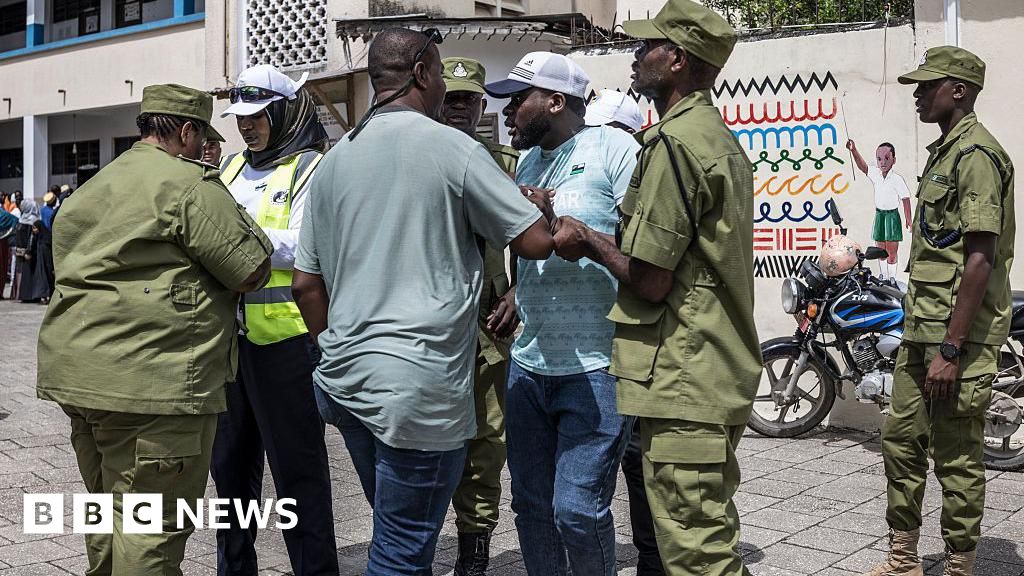
The recent election in Tanzania has ignited a complex web of domestic and international consequences, exposing the fragile stability of East Africa’s political landscape. President Samia Suluhu Hassan, who secured her position with an overwhelming 98% vote majority, declared her victory amidst allegations of electoral irregularities. Critics, including election observers and opposition figures, argue the polls fell short of democratic standards, citing the imprisonment and disqualification of key opposition candidates. This electoral outcome not only consolidates President Hassan’s power but also signals a narrowing of political space, even as her government attempts to project an image of stability on the international stage. Such developments are crucial for understanding how local governance can ripple across regional and global structures.

However, beneath the veneer of political legitimacy, unrest has erupted, especially in the wake of the contested election results. Reports of excessive force deployed by Tanzanian security forces during protests have sparked a wave of international criticism, with many alleging that hundreds of protesters and civilians were killed or injured in a crackdown that critics say was disproportionate and reckless. Tanzania’s government dismisses these claims, asserting that the opposition’s figure of casualties is exaggerated, but independent international observers and human rights groups contend that a troubling pattern of suppression persists. Analysts warn that such violent repression could destabilize Tanzania, potentially igniting broader regional tensions and complicating diplomatic relations with neighboring countries, especially Kenya.

The situation is further complicated by the plight of Kenyans residing in Tanzania, an estimated 250,000 people engaged in various economic activities across the border. This diaspora has become collateral damage in Tanzania’s internal conflicts, with reports of Kenyans being detained, injured, or even killed amidst the unrest. Kenyan authorities have responded by urging their Tanzanian counterparts to prioritize the safety of their citizens, emphasizing that diplomatic channels are now critical in addressing this crisis. The recent death of Kenyan teacher John Ogutu, shot by Tanzanian police, underscores the urgency of the matter; his family and international rights organizations demand transparency and accountability. The uncertainty surrounding these incidents reflects a broader pattern of governments using mass violence to maintain control, making the prospect of regional destabilization more imminent.

Historically, the East African Community (EAC) has tried to foster economic and political integration, but recent events threaten this fragile unity. Strained diplomatic ties, resurging political repression, and accusations of state-sponsored violence threaten to undermine decades of regional cooperation. In particular, Tanzania-Kenya relations, once aimed at economic expansion and shared development, are now a battleground of mutual distrust. The fallout from these conflicts suggests that regional geopolitics are on a knife’s edge, with the potential for violence and instability to spill beyond national borders and into wider international corridors. The role of international organizations, such as the United Nations and the African Union, looms large, as their ability to mediate and promote good governance in this volatile context is profoundly tested.

As history continues to unfold in East Africa, the implications of these events serve as stark warnings of what can happen when political contestation turns violent and international diplomacy falters. The emergency of new power dynamics, coupled with the unresolved tensions between established governments and dissenting voices, could usher in an era of prolonged instability. How the global community responds, and whether regional leaders prioritize dialogue over repression, will determine the course of history in this pivotal chapter of Africa’s story. The weight of future generations now hangs in the balance, as nations grapple with the double-edged sword of sovereignty and stability—each decision shaping the destiny of this strategically vital region.

Jakarta High School Mosque Blast Injures 54, Raising Security Concerns

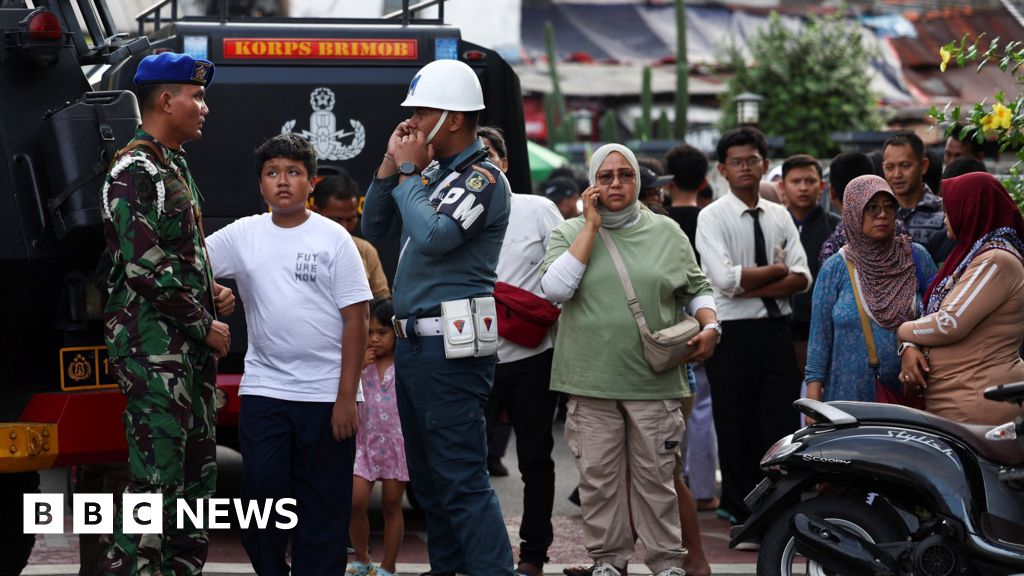
Jakarta, Indonesia — One of the world’s largest Muslim countries faced a harrowing moment this Friday when an explosion during Friday prayers at a mosque inside a high school complex injured dozens of individuals. Authorities report that at least fifty-four people have been hospitalized, with injuries ranging from minor burns to more severe wounds. The incident has sent shockwaves across the nation, raising questions about security, radicalism, and societal vulnerabilities within Indonesia’s diverse landscape.

Initial investigations point to a potentially complex motive, as officials have detained a 17-year-old student who is currently undergoing surgery. Police and bomb disposal experts continue to search the premises for evidence, with some preliminary reports indicating the presence of homemade explosives and suspicious objects resembling firearms. Authorities have yet to determine whether this tragedy was an isolated act of violence, a personal grievance, or a symptom of deeper societal unrest, but the emergence of such violent incidents in Indonesia—home to the world’s largest Muslim population—raises alarming questions about the current geopolitical climate.

Experts and analysts are scrutinizing the troubling details that have come to light. An anonymous pupil reported that the suspect had often been bullied and was known for drawing violent imagery, casting the incident in a troubling light concerning social alienation and mental health issues among youth. Additionally, a school cook described a “massive” blast with smoke billowing and windows shattered. The scene’s disturbing evidence included two objects resembling firearms and a belt designed for storing gun cartridges. Disturbingly, one such firearm bore inscriptions referencing “14 words. For Agartha.” and “Brenton Tarrant. Welcome to Hell.”—a chilling echo of Christchurch’s terrorist who murdered 51 worshippers in 2019, highlighting a disturbing crossover of violent ideologies.

Global institutions and security analysts are concerned about the broader geopolitical impact of such incidents. Historians warn that violence in Indonesia, while often framed as internal or local, reflects a shifting landscape where global radical ideologies can infiltrate societies, inciting unrest even in nations with strong Islamic traditions. The presence of the inscribed firearm, referencing a notorious mass shooter, signals a troubling nexus—whether imported extremism or domestic radicalization—posing a threat not only to Indonesia but to regional security. International organizations have called for heightened vigilance, emphasizing that societal resilience depends on addressing underlying causes such as extremism, societal alienation, and the proliferation of dangerous ideologies online—elements that threaten to destabilize the fabric of peaceful coexistence.

As investigators pursue answers, the incident serves as a stark reminder that history remains a fluid and ominous narrative. With each violent event, the trajectory of societal stability is challenged and reshaped by decisions made today. Indonesia’s leadership faces a critical crossroads: continue to grapple with internal divisions or confront the socio-political fractures fueling youth radicalization. The world watches with bated breath, knowing that how Indonesia responds will influence regional stability and could set a precedent for either resilience or further chaos. The echoes of this tragedy will continue to reverberate through the corridors of history, underscoring that the struggle against violence is unending—and often, the price of peace is paid in the silent, watchful moments of history’s unfolding story.

‘Landfall’ spyware exploits zero-day to target Samsung Galaxy devices

Emerging Threats in Mobile Security: The Landfall Android Spyware Disrupts Samsung Galaxy Ecosystem

In a significant development that underscores the vulnerabilities inherent in mobile hardware manufacturing and software ecosystems, security researchers at Palo Alto Networks’ Unit 42 have uncovered a sophisticated Android spyware named Landfall. This spyware, which targeted Samsung Galaxy phones in an extensive, nearly year-long hacking campaign, highlights the rapid pace of cyber-attack innovation and the critical importance of proactive security measures in the tech industry. The discovery points to the ongoing disruption within the mobile security landscape, with potential implications for global markets and enterprise security frameworks.

The Landfall spyware operated by exploiting a previously unknown security flaw in Samsung’s Android software—classified as a zero-day vulnerability—identified as CVE-2025-21042. Zero-day exploits are notorious for their ability to bypass traditional defenses because they leverage vulnerabilities that even the manufacturer is unaware of until they are actively exploited. The fact that Samsung did not have prior knowledge of the flaw until this threat emerged raises questions about the robustness of its security architecture, especially in an era where rapid patching is critical for maintaining consumer trust and product integrity. Although Samsung issued a patch in April 2025, the damage caused during the window of exposure exemplifies the risks associated with complex software supply chains and the need for advanced detection strategies.

What makes Landfall particularly disruptive is its geopolitical footprint, with infection samples uploaded from regions including Morocco, Iran, Iraq, and Turkey, which underscores the escalating nexus between cyber espionage and global geo-politics. The Turkish national cyber readiness team, USOM, identified suspicious activity stemming from associated IP addresses, suggesting targeted operations against specific populations or organizations. Moreover, the spyware’s code revealed targets within the Galaxy S22, S23, S24, and Z model series, spanning Android versions 13 through 15—indicative of an expansive vulnerability that affects a broad range of flagship devices. This targeted disruption signals a new wave of cyber actors leveraging zero-day flaws not just for espionage but potentially for more malicious intents such as data exfiltration or sabotage.

From a broader business and industry perspective, this incident underscores the urgent need for hardware manufacturers, software developers, and cybersecurity firms to innovate faster and implement disruptive security paradigms. Industry experts, including Gartner analysts and MIT cybersecurity scholars, stress that the traditional reactive approach to security vulnerabilities is no longer sufficient in a landscape dominated by sophisticated threat actors. This incident exemplifies a fundamental industry’s shift towards proactive, AI-driven, and disruption-ready cybersecurity solutions. Tech companies must integrate continuous monitoring, automated patching, and resilient architecture designs to disrupt emerging threats before they can exploit vulnerabilities at scale.

As global markets and consumers become increasingly dependent on mobile technology for critical operations, the security of devices like Samsung’s Galaxy series transforms from a technical detail into a strategic imperative. The Landfall espionage campaign offers a compelling warning: in an environment of relentless technological disruption, those who fail to innovate risk being left behind in the dust of cyber adversaries outpacing traditional defenses. Moving forward, industry leaders must prioritize revolutionary security strategies to safeguard their innovation pipelines and preserve user trust—because the future belongs to those who act with urgency and foresight in the face of an evolving cyber threat landscape.

Undercover cop fakes animal rights gun scheme, managers reveal at inquiry

Unfolding Shadows: The Undercover Police Inquiry Exposes Decades of Deception

The undercover policing inquiry in the United Kingdom has unveiled a disturbing pattern of duplicity, manipulation, and questionable operations spanning over four decades. At the heart of the revelations is James Thomson, an officer whose actions have cast long shadows over the legitimacy of covert state surveillance against political activists. The inquiry, which scrutinizes the activities of nearly 140 officers who assumed false identities from 1968 to at least 2010, exposes profound questions about civil liberties, state power, and accountability. As allegations emerge of lies, deceptive relationships, and manipulation, the geopolitical impact of such clandestine operations extends well beyond the UK, calling into question the integrity of governments committed to restricting freedoms in the name of security.

Historians and analysts argue that the deep-seated misuse of undercover tactics destabilizes the societal trust necessary for democratic accountability. The inquiry has revealed that Thomson, tasked with infiltrating activist groups, often fabricated threats and plots—some resulting in dubious arrests or public hysteria. For example, he claimed to have uncovered a plot involving animal rights activists seeking revenge with a gun aimed at a political opponent, a narrative he and his managers later doubted. Internal reports have cast doubt on the credibility of these alleged plots, with one manager explicitly describing the entire affair as “bollocks.” This raises crucial questions about how much of the state’s narrative is built on fabricated intelligence. If such fabrications originate at the highest levels, the implications threaten to undermine the legitimacy of entire cohorts of covert operations, potentially leading to widespread mistrust in law enforcement agencies worldwide.

Beyond the operational doubts, the inquiry has cataloged unethical behaviors, including the systemic manipulation of innocent individuals. Thomson deceived women into intimate relationships, lied about his identity, and even concealed travel and possession of firearms—actions that constitute serious breaches of trust and law. His claims of receiving a gun from contacts in France during the early 2000s, purportedly to prevent a violent plot, were later questioned by colleagues who believed he might have invented or exaggerated the story. Meanwhile, a witness—the activist accompanying Thomson during his alleged trip to France—testified that their week-long stay was nothing more than a holiday. Such revelations underscore how inner secrecy and deception tainted the agency’s role, often blurring the line between intelligence work and personal exploitation, thus eroding the moral authority of the state.

The international repercussions of these revelations resonate globally. Critics argue that covert operations, especially those that manipulate public perceptions or infiltrate civil society, risk creating conflicts both domestically and abroad. As Western governments face increased scrutiny, the danger lies in how such clandestine programs may serve as tools for political suppression or influence operations beyond national borders. The United States, Russia, and other nations with extensive intelligence apparatuses face growing pressure from international watchdogs and human rights organizations who warn that unchecked spying fosters authoritarian tendencies and diminishes global trust in institutions dedicated to safeguarding freedom. The European Union and United Nations continue to debate stricter oversight, but behind closed doors, covert powers remain deeply embedded, reminiscent of Cold War espionage and now driven by new-age fears of terrorism, extremism, and social upheaval.

As history’s pen continues to etch this chapter, the weight of these revelations signals a turning point—a stark warning that state power wielded without accountability risks straying into the abyss of tyranny and abuse. The story of James Thomson and the UK’s secretive undercover operations serves as a stark reminder. How far can the state go in the name of security before it becomes the very enemy it seeks to fight? With the unfolding of these dark secrets, the broader question remains: will the architects of these covert realms acknowledge the harm wrought or double down on secrecy and deception? This chapter in history is far from complete, and as the world watches, the shadows lengthen, casting a long, uncertain future for liberty and transparency.”

Emerging Stars Shine: High School Athletes Set New Records in State Championship!

Excitement Builds for the São Paulo Grand Prix at Interlagos

The stage is set for the São Paulo Grand PrixInterlagos Circuit

This sprint weekend will feature a full slate of action as teams prepare for a mix of qualifying and racing that brings a heightened level of unpredictability. As fans eagerly await the showdown, several key players stand out. The defending champion, Max VerstappenRed Bull Racing

  • Lewis HamiltonMercedes
  • Rising stars like Lando NorrisGeorge Russell
  • This year’s sprint race format not only presents a new challenge but also rewards teams that can adapt quickly to changing conditions on race day.

As the weekend unfolds, the ambiance in São Paulo is electric, underscoring the significance of these sporting events in uniting fans across the globe. It is moments like these where sports transcend scores and standings, bringing people together in shared passion and excitement. The São Paulo Grand Prix is not simply about which driver crosses the finish line first; it is a testament to the unifying power of competition, where national pride and personal achievement intermingle on one of the sport’s most revered stages.

As we prepare for the roaring engines and fervent cheers, it is clear that this weekend’s race will not only be a pivotal point in the championship but also a celebration of athletic prowess, resilience, and community. Sports remind us that beyond rivalry, there lies a shared humanity, sparking a connection that is both timeless and universal.

Source link

ITV shares surge ahead of talks to sell TV arm to Sky

In a significant move that underscores the shifting landscape of international media ownership, the United States telecom giant Comcast is eyeing a strategic acquisition of ITV’s media and entertainment assets in the United Kingdom. This proposed deal, which aims to expand Comcast’s global footprint, highlights the burgeoning influence of American corporations in shaping European media narratives and markets. While the deal explicitly excludes ITV Studios—the prolific program-making division responsible for hit shows like Love Island and I’m a Celebrity—it nonetheless raises profound questions about market dominance and regulatory oversight in an era dominated by digital and traditional media convergence.

Analysts warn that the proposed acquisition could consolidate a dangerously high market share within the UK advertising and broadcasting sectors, prompting renewed concerns over market monopolization. Specifically, the underway combination of ITV’s ad sales operations with those of Sky—another key player under the Comcast umbrella—could potentially command over 70% of the UK ad market. Such dominance would give Comcast unprecedented influence over both conventional and digital advertising spheres, effectively allowing the conglomerate to manipulate the flow of information and cultural output across Britain. International regulatory agencies, including the Competition and Markets Authority (CMA), are now under pressure to re-evaluate how they define and measure market power, especially as digital advertising continues to reshape the industry’s landscape.

This unfolding corporate narrative echoes historical patterns observed during the late 20th century, when dominant media conglomerates began amassing power across borders, often resulting in increased censorship, reduced media diversity, and a further consolidation of narrative control. Global institutions like the International Telecommunication Union (ITU) and EU regulators are now watching closely, wary that unchecked corporate acquisitions could threaten national sovereignty and democratic accountability. For critics, this move signals a broader retreat of independent media and a shift towards a corporate-mediated information environment—one that favors market supremacy over societal diversity. Moreover, the economic strain faced by ITV—announcing a £35m budget cut amidst a sluggish macroeconomic climate—further exemplifies the fragility of localized media outlets navigating a landscape increasingly overshadowed by foreign corporate interests.

Going forward, the future of media independence and societal influence will be firmly intertwined with geopolitical decisions, strategic corporate moves, and regulatory responses. If history teaches anything, it is that such consolidation may mark the beginning of an era where corporate interests eclipse national priorities. The unfolding drama over ITV’s assets may appear as a business deal on paper, but in reality, it symbolizes a battle over control of cultural narratives and societal values—an ideological contest with profound implications for the global balance of power. As this story continues to develop, the world watches with bated breath, conscious that today’s corporate mergers may shape the fabric of tomorrow’s societies, leaving behind a legacy that will be debated by historians and policymakers for generations to come. The pages of history are again turning, and the story of influence and control is far from over.

Jade, Reece Witherspoon, and Aimee Lou Wood celebrated at the Women of the Year awards—champions of resilience and female achievement

The Enduring Power of Culture: A Reflection of Heritage and Humanity’s Future

In an era where the rapid influx of information and shifting social paradigms threaten the continuity of tradition, cultural events serve as vital reminders of our shared heritage and collective identity. The recent Harper’s Bazaar Women of the Year Awards held at London’s prestigious Claridge’s Hotel exemplifies this phenomenon, drawing luminaries from entertainment, sports, and intellectual spheres to celebrate the enduring significance of culture as both a mirror and a mold of society. How we honor our achievements — be they in film, music, or activism — underscores the intrinsic bond between history, identity, and societal values. As Ortega y Gasset observed, “The greatest danger for most of us is not that our aim is too high and we miss it, but that it is too low and we reach it,” highlighting the importance of cultivating lofty ideals rooted in our cultural essence.

Within this mosaic, figures like Jade Thirlwall from Little Mix and actress Erin Doherty exemplify the potency of culture in inspiring new generations—serving as icons who, despite contemporary challenges, embody resilience and authenticity. Jade’s heartfelt tribute to Cheryl, her childhood idol, mirrors the way cultural icons function as beacons of aspiration and continuity; an echo of Chesterton’s assertion that “A dead thing can go with the stream, but only a living thing can go against it,” emphasizing the importance of preserving cultural integrity amidst pressures to conform. The recognition of Doherty’s performance in Netflix’s Adolescence reflects society’s appreciation for what T.S. Eliot called the “tradition,” a living consciousness that connects past art with present expression, ensuring that art remains a catalyst for societal reflection.

Moreover, the celebration of figures like Reese Witherspoon and Rosamund Pike underscores the role of cultural icons in shaping societal narratives, challenging the superficial and advocating for authentic storytelling. Witherspoon’s comment on creating Hello Sunshine in response to Hollywood’s inadequacies echoes the importance of storytelling as a form of cultural renewal. Likewise, Pike’s acclaimed performance in National Theatre’s Inter Alia reminds us that art and performance are vital repositories of historical memory, and through them, society continuously drafts its future. As Tocqueville observed, “The life of a democracy will be rich and earnest… only if the ideas which animate it are rooted in the family, in religion, and in the arts,” signaling that our collective cultural endeavors are foundational to societal health.

The Memory and Prophecy of Humanity

Ultimately, culture embodies both memory and prophecy; it is the archive of our ancestors’ wisdom and the forecast of future possibilities. Just as Chesterton saw in tradition the fellowship of the past with the present, our cultural expressions serve as the threads binding generations, offering continuity amid change. The ceremony’s celebration of human achievement—whether through art, entertainment, or activism—reminds us that our cultural pursuits are human anchors and guiding stars. They are where history whispers its lessons and where imagination envisions the horizons yet to come. As we stand amid the echoes of the past and the dawn of the future, it becomes clear: Culture is the canvas of human memory, painted with the colors of our aspirations—a living prophecy that carries us forward, both rooted and reaching, into the infinite unfolding of human destiny.

Social Media Auto Publish Powered By : XYZScripts.com