Matox News

Truth Over Trends, always!

Razer Blade 14: Still the Top Compact Gaming Machine for the Next Generation

Razer Sets the Stage for Gaming Laptop Disruption with Next-Gen Hardware

In a move that underscores the relentless push for innovation in gaming hardware, Razer has unveiled its latest gaming laptop configuration, harnessing the raw power of the AMD Ryzen AI 9 365 processor paired with the cutting-edge Nvidia RTX 50-series graphics cards. Starting with a foundational 1 TB of storage, users can choose between the RTX 5060 and 5070, two GPUs emblematic of Nvidia’s ongoing disruption in graphics processing technology. The new models reflect a strategic focus on performance optimization and user configurability, with Razer enforcing storage and memory upgrades based on their GPU selection—marking a shift that emphasizes tailored computing experiences in the gaming industry.

Performance Benchmarks Illuminate Industry Shifts

Initial reviews suggest that the Razer Blade 14 offers performance aligned with current expectations for high-end gaming laptops. Testing at a native resolution 2560 x 1600 strikes a balance between visual sharpness and smooth gameplay, though many gamers will prefer 1920 x 1200 for superior frame rates. Notably, the RTX 5070 performs approximately 14% faster than the previous RTX 5060 in comparable models, such as Lenovo’s Legion 7i Gen 10, signaling a step forward in GPU efficiency and power density.

Critically, the performance benchmarks were conducted without leveraging Nvidia’s advanced upscaling—such as frame generation or ray tracing—which means these numbers underrepresent the full potential of the hardware. By employing Nvidia’s DLSS technology, gamers can sustain higher frame rates without compromising visual quality, underscoring the industry’s shift toward AI-driven rendering advancements that challenge existing paradigms.

Business Implications and Industry Disruption

This latest release highlights how companies like Razer continue to disrupt traditional gaming laptop markets by integrating performance-centric innovations with modular, configurable platforms. The industry is witnessing a shift towards more user-customizable hardware, driven by consumer demand for mobility, power, and flexibility—all while maintaining competitive edge against competitors like ASUS, MSI, and Alienware.

Strategic differentiation lies in the advanced GPU offerings and their integration with AI-based features. As noted by industry analysts from Gartner and MIT, AI acceleration in graphics and workload processing will soon become standard, forcing incumbents to innovate swiftly. For instance, the RTX 5070 and upcoming RTX 5070 Ti models with increased VRAM will further challenge existing high-performance segments, especially as the demand for portable yet powerful machines grows exponentially.

Future Outlook: Innovation as a Business Mandate

The gaming hardware industry is on the precipice of significant transformation. Traditional perceived limitations—such as power consumption and thermal management—are being addressed through disruptive innovations in cooling systems, AI-optimized rendering, and component miniaturization. With giants like Elon Musk and investors like Peter Thiel emphasizing disruption and breakthrough tech, the race to dominate the next wave of AI-infused, ultra-portable gaming platforms intensifies.

In this environment, businesses that prioritize innovation, agility, and user-centric customization will lead the future of gaming hardware. As Razer’s latest models demonstrate, this is not merely about incremental upgrades but about redefining performance benchmarks and industry standards. The next few years promise to be a battlefield where disruption is the new norm, and those who fail to adapt risk being left behind in a rapidly evolving technological landscape.
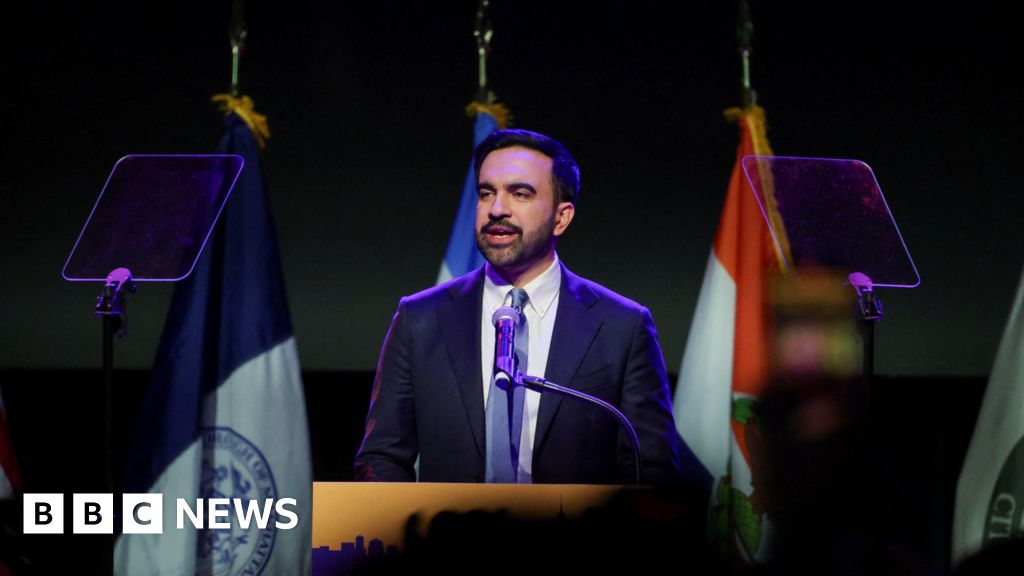
Zohran Mamdani Closes Gap to Claim NYC Mayoral Victory

New York City’s New Mayor Reflects Shifting Geopolitical and Societal Tensions

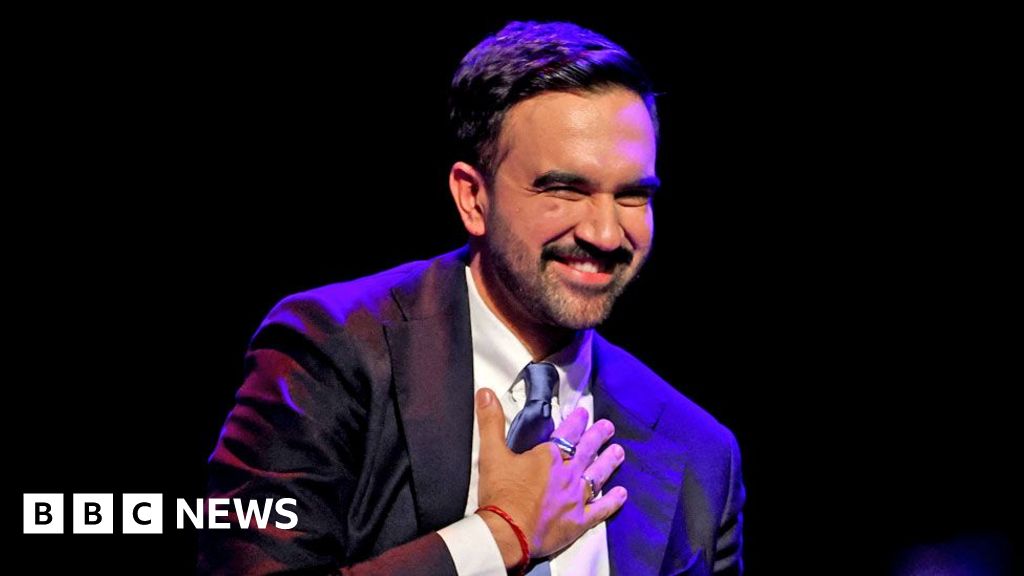
In a landmark victory that resonates far beyond the borders of the United States, Zohran Mamdani has been elected mayor of New York City. At just 34, Mamdani’s ascendancy marks a profound turning point: the emergence of a youthful, progressive leader anticipated to challenge the city’s political elite and redefine its social agenda. His victory signifies more than local politics; it heralds a nuanced shift in the geopolitical landscape, indicating a possible recalibration of American urban centers towards a more radical leftist future amid an escalating global ideological rivalry.

Throughout his campaign, Mamdani explicitly centered his platform on affordability, social programs, and taxing the wealthy—stances that align with broader left-leaning currents pulsating through many Western democracies. Despite limited initial recognition, online momentum propelled him to triumph over seasoned contender Andrew Cuomo, a move seen as a symbolic overthrow of entrenched political dynasties. Global analysts and historians view this as part of a larger pattern where urban centers are increasingly reflecting youthful discontent with traditional elites, prompting a reevaluation of governance models that could influence international political dynamics. In particular, Mamdani’s position as the first South Asian and Muslim mayor of New York underscores a message of diversity, but also raises questions about his capacity to manage a city with over $100 billion in annual budget. Critics warn that such ambitions could intensify existing ideological clashes, especially amid rising tensions with the federal government under President Donald Trump.

It is impossible to overlook the international geopolitical implications of this U.S. citywide shift. Donald Trump has openly attacked Mamdani, branding him a communist and threatening to withhold federal funds—an indication of how internal American politics now spill over into global discourses of governance and ideology. Republican critiques frame Mamdani’s victory as evidence of a “radical, big-government socialist” trend, echoing concerns prevalent in conservative circles across Europe and Oceania. Meanwhile, the Democratic establishment faces a dilemma: are they supportive of fresh, youth-driven leadership that echoes broader societal demands, or are they retreating into a cautious posture that risks alienating younger voters? The repercussions of this internal struggle extend beyond city limits, as international organizations and think tanks analyze whether these shifts presage a new epoch of American political identity—one that could ripple outwards, strengthening ideological alliances, or provoking backlash from conservative allies.

Other Key Elections and the Battle for Control

  • The Virginia and New Jersey gubernatorial races underscored a trend of modest victories for centrist Democrats, suggesting an undercurrent of desire for pragmatic leadership amid the ideological turbulence.
  • In California, voters approved a groundbreaking measure—Prop 50—to redraw electoral boundaries favoring Democrats, a strategic move aimed at consolidating influence ahead of the 2024 midterms. Such redistricting battles underscore how internal US contests are becoming increasingly pivotal for geopolitical influence and the future shape of parliamentarian power.

This electoral wave, especially Mamdani’s triumph, signals that the battle for America’s urban centers is more than about city policies; it is about the soul of a nation caught between tradition and upheaval. Critics worry that the newfound progressive surge portends a fundamental ideological shift—one that could polarize, destabilize, or even reshape the global balance of power. As historians and policy analysts observe these turbulent times, the message is clear: history is still being written, and the legacy of tomorrow depends on the choices made in these formative moments.

Breaking: Kentucky UPS cargo plane crash claims at least seven lives, raising serious concerns

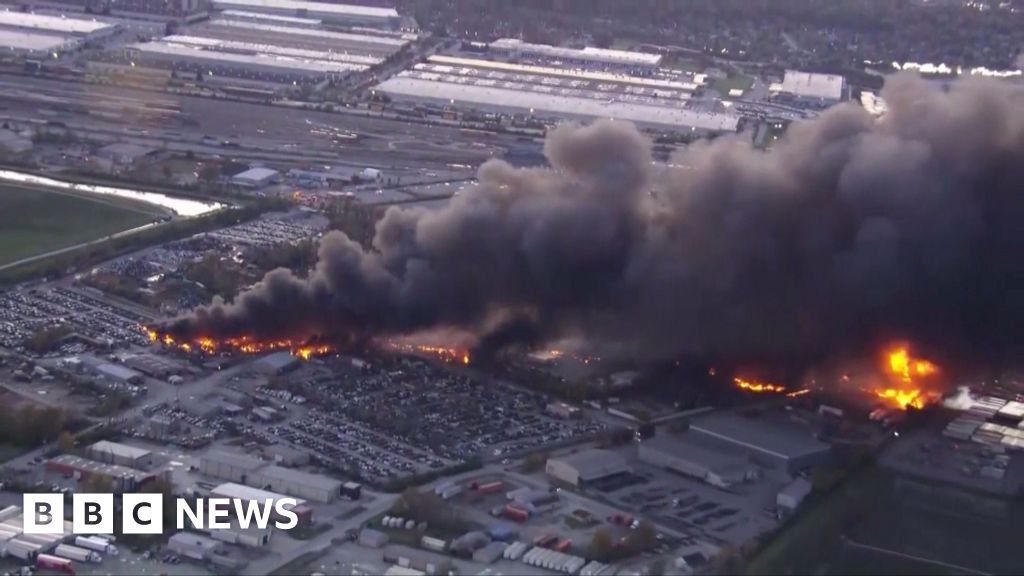
In an unprecedented event that has sent shockwaves through both local and international communities, a UPS cargo plane crashed during takeoff from Louisville, Kentucky, resulting in at least seven fatalities and numerous injuries. The incident, which took place Tuesday evening, underscores the critical importance of aviation safety standards and the potential consequences of technological or operational failures within the global transportation network. Louisville, home to the world’s largest UPS hub, finds itself at the epicenter of a tragedy that offers a stark reminder of the vulnerabilities embedded within our interconnected trade and logistics systems.

The aircraft involved was a venerable MD-11F, a model first introduced over three decades ago and part of the fleets that many logistics giants such as UPS and FedEx plan to retire over the next decade. The plane, carrying approximately 38,000 gallons of fuel en route to Hawaii, plummeted shortly after lifting off, igniting a massive fireball that consumed nearby businesses and triggered extensive emergency responses. While preliminary investigations are ongoing, questions persist about the causes behind this catastrophic failure—be it mechanical malfunction, human error, or an unavoidable mishap in the complex web of international aviation standards.

Notably, this event highlights the geopolitical impact of global logistics infrastructure, particularly the strategic significance of Louisville’s UPS hub. As one of the most critical nodes for international parcels, any disruption reverberates throughout global supply chains, highlighting the dependency of economies worldwide on short, reliable delivery channels. Analysts from international logistics organizations have warned that incidents like this threaten to erode public confidence in commercial aviation’s safety, especially amid an ongoing transition toward modernized and environmentally-friendly fleets. Historian and transportation experts stress that these accidents serve as stern warnings—not only about technological aging but also about the pressing need to adapt and ensure the resilience of our global logistics systems.

The incident also carries profound how decisions affect nations and societies. The immediate aftermath saw Louisville implementing shelter-in-place orders, and the airport temporarily halting all departures, illustrating how localized incidents can cascade into regional security concerns. Authorities have emphasized that the crash site will remain a guarded, active scene for days, with ongoing investigations led by the National Transportation Safety Bureau. Meanwhile, the broader international community observes, aware that the ripple effects of a single accident can challenge decades of progress in aviation safety. Aircraft manufacturers like Boeing, which supplied the MD-11 fleet, have issued statements reaffirming their readiness to support the investigation, demonstrating the interconnectedness of industry stakeholders amid crises.

As cities like Louisville grapple with the immediate damage and ongoing danger, the event’s ultimate impact extends beyond the boundaries of Kentucky. It acts as a stark chapter in a larger narrative—the relentless march of history where technology, human peril, and geopolitical shifts collide. The haunting image of smoke rising over a vital logistics hub becomes a symbol of the fragile balance that sustains the global economy. With each passing day, the story continues to unfold, leaving the world to wonder: how many more risks must society endure before our interconnected systems are truly resilient? As the investigation advances and the aftermath unfolds, this tragedy may well mark a turning point—one that demands reflection on our collective safety and future readiness in an increasingly complex geopolitical landscape.

Rising Stars Shine in Thrilling Youth Championship Showdown

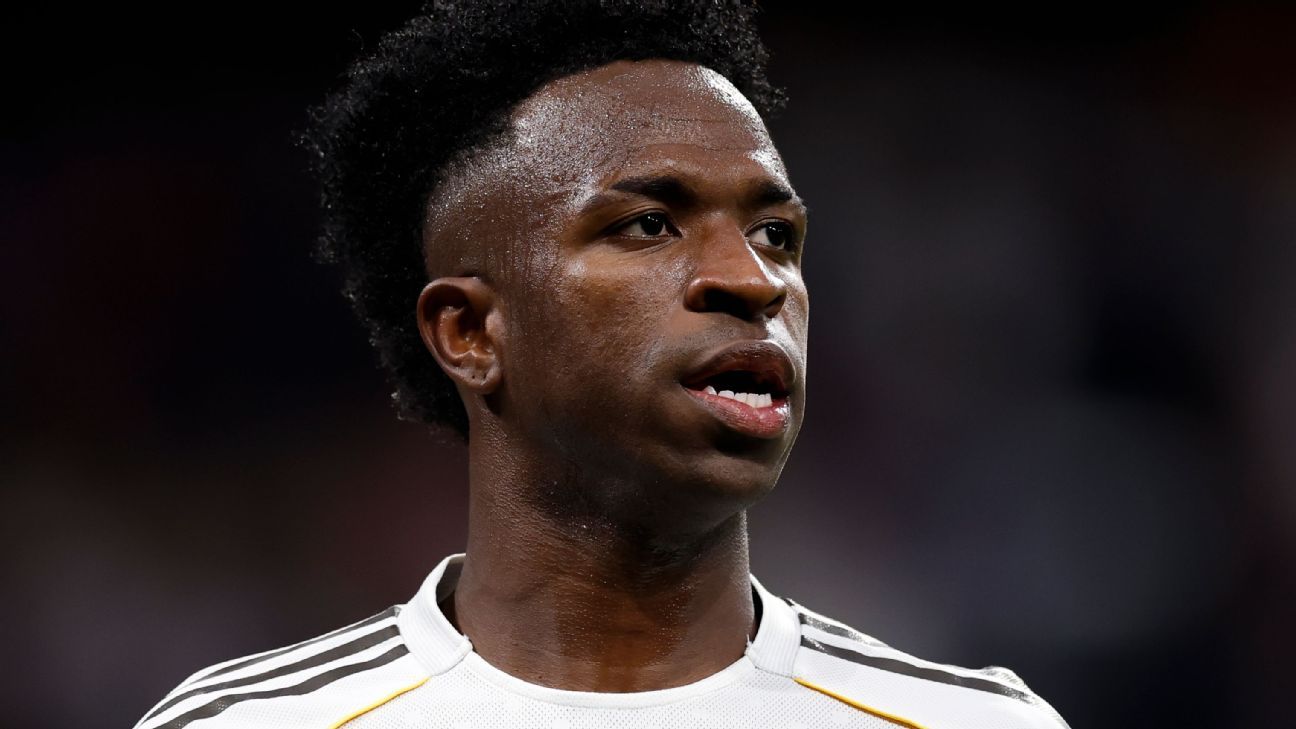
Transfer Uncertainty Surrounds Vinícius Júnior at Real Madrid

In the ever-evolving landscape of football, transfer rumors are as common as the games themselves. Currently, all eyes are on Vinícius Júnior, the Brazilian forward who has become a key player for Real Madrid. Recent reports indicate that his future with the club could be in jeopardy as transfer speculation heats up, sparking debates among fans and analysts alike.

According to Transfer Talk, discussions surrounding Vinícius Júnior‘s potential departure from the club have gained traction recently. While his performances on the pitch have made him a fan favorite, the financial realities of the sport may force Real Madrid to consider selling their star player. Coach Carlos Ancelotti recently remarked, “Every player has a price. The board’s decisions are often driven by the club’s financial goals.” These words highlight the precarious balance between sporting success and financial sustainability that clubs must navigate.

The speculation has led to mixed reactions among the football community. Analysts emphasize that losing Vinícius Júnior would not merely impact the team on the pitch but would also influence their brand and marketability. Commentator Fernando Palomo noted, “He is not just a player; he is an asset. Real Madrid’s global reach depends significantly on stars like him.” This sentiment reflects a nuanced understanding of the multi-faceted role that athletes play in the modern game.

  • Vinícius Júnior scored 20 goals last season, illustrating his critical role in the team’s offensive strategy.
  • The young forward has made 60 appearances for Real Madrid, solidifying his status as a vital part of the squad.
  • Speculation suggests that top clubs across Europe are monitoring his situation closely.

As the transfer window approaches, the pressure is mounting not only on Vinícius Júnior but also on Real Madrid as they consider their next steps. Regardless of where he lands, one thing remains clear: the world of sports serves as a powerful unifier, transcending the numbers on the scoreboard. It brings fans together, stirs emotions, and creates legacies that persist long after the final whistle. In this ever-shifting arena of talent and ambition, the true measure of success often lies not in the transfer fees but in the way athletes inspire and unite their supporters across the globe.

Source link

De Niro Challenges JLaw: Are Celebrities Obligated to Oppose Trump? | Culture

In an era where culture seems increasingly detached from the values that hold tradition and identity together, the spectacle of celebrity influence on politics has visibly waned. Historically, the powerful interplay between art, ideas, and society has offered a mirror and a prophecy—shaping collective memory while hinting at future pathways. Yet, as philosophers like Ortega y Gasset noted, when society loses its cultural compass, it drifts into superficiality and fragmentation. Today, the wave of celebrity activism, once heralded as a new form of societal engagement, appears to have receded, revealing that true cultural authority does not reside in Hollywood plaques or red carpets, but in the enduring principles that define a people’s soul.

  • The shift away from celebrity endorsements in political discourse signals a disillusionment with superficial sways capable of molding collective destiny.
  • High-profile figures like Jennifer Lawrence and Sydney Sweeney now prefer silence or nuanced expression over blatant opinion—a calculated retreat perhaps, but also a recognition of the limits of star power.
  • Veterans like Harrison Ford and Robert De Niro have stepped forward, embodying a rare voice of conviction rooted in an understanding that culture is more than fleeting opinion—it’s the moral fabric of society itself.

As the venerable Chesterton once argued, culture is the divine dialogue that binds past and future; it is both memory and prophecy. Today’s celebrity silence—an attempt to avoid fueling divisions—can be seen as an acknowledgment that the era of movie-star-swung elections is finally dissolving into a new epoch. This void, however, is not a sign of decline but rather a call to a deeper engagement with the roots of our cultural identity. The true power lies not in the endorsement of movements or politicians but in the cultivation of a society that understands its own past, preserves its traditions, and recognizes that art is the vessel of enduring values. Societies that neglect this vital connection risk losing their moral compass, swayed instead by superficial spectacle and ephemeral influence, the kind that politicians like Trump’s celebrity-like antics masterfully exploit.

In this shifting landscape, the voices of artists who speak from a place of genuine conviction serve as the custodians of culture’s deeper purpose. Echoing the sentiments of T.S. Eliot, who urged us to consider the shaping power of tradition, we are reminded that culture is a living organism—both rooted in memory and inherently prophetic. The role of the artist is thus to channel this divine dialogue, forging a path where truth and beauty serve as anchors in the storm of modernity. As we watch figures like Ford and De Niro take a stand against the chaos of politics, our task is to reclaim that sacred space—where the spirit of culture nurtures the soul of society, and history whispers the prophecy of human destiny.

In the end, culture is neither static nor mere decoration; it is the Subtle Rhythms of humanity’s eternal song—both the memory that sustains us and the prophecy that beckons us forward. To honor this divine narrative is to recognize that, beyond the spectacle and fleeting fame, it is the enduring insight of our shared history that offers true guidance—a silent, powerful testament to the human condition, echoing across generations like an almost-forgotten melody waiting to be rediscovered. And in that rediscovery, perhaps, lies our greatest hope: that what we cherish as our cultural memory will one day illuminate the pathway to a nobler future.

Tragic blaze at Bosnian retirement home leaves 11 dead—safety concerns mount for seniors

The recent fire at a nursing home in Tuzla, Bosnia-Herzegovina, represents a tragic flashpoint in the region, claiming the lives of 11 innocent souls and injuring at least 30 others. This disaster not only highlights the devastating toll such incidents take on local communities but also underscores the pressing need for international attention to safety standards in vulnerable institutions across Eastern Europe. The blaze, which erupted late Tuesday night on the seventh floor of the facility, has prompted widespread condemnation from regional leaders and international observers, raising serious questions about oversight and preparedness in a nation trying to stabilize amid political and economic challenges.

Authorities have yet to determine the exact cause of the fire, but Prime Minister Nermin Nikšić described it as “a disaster of enormous proportions”. The incident has ignited concerns about the infrastructural vulnerabilities that plague many post-conflict societies, where neglect or insufficient regulation can turn private tragedies into national crises. With footage showing flames engulfing upper floors and residents desperately fleeing, the incident underscores the urgent need for comprehensive reform — a point echoed by international agencies such as the United Nations Humanitarian Office. These organizations often warn that such tragedies may become more frequent without decisive improvements in safety standards.

Analysts emphasize how this event exposes the fragile state of Bosnia-Herzegovina’s social services amidst political instability. Historian Marko Petrovic notes that “post-war governance has neglected essential social infrastructure,” with many facilities operating under outdated regulations. The incident is a stark reminder that decisions made today will shape the social fabric of tomorrow. As the government initiates a full investigation, questions swirl about regulatory lapses and accountability. The tripartite presidency of Bosnia-Herzegovina has offered condolences; yet, some experts warn that until systemic reforms are implemented, similar tragedies are likely to recur, shaking public confidence in national leadership.

Ultimately, the fire at Tuzla’s nursing home exemplifies how local disasters ripple outward, influencing geopolitical stability and international perceptions of Bosnia-Herzegovina. As the nation grapples with internal struggles, this tragedy becomes a symbol of the wider human cost inflicted by neglect and systemic failure. Will this be a turning point or a mere chapter in a persistent pattern of crisis? It is a question that history now watches, waiting to see if the lessons of Tuzla will be heeded or lost amidst ongoing political tumult. In a world where the fragile threads holding societies together can unravel in moments, the weight of history presses ever heavier — holding the future of Bosnia-Herzegovina and its people in the delicate balance of remembrance and reform.

English schools to teach mortgages and AI—preparing youth for a stronger, self-reliant future

Society in Transition: How Modern Educational Reforms Reflect Broader Social Issues

In recent developments, the British government has embarked on an ambitious overhaul of the national curriculum in England, signaling a profound effort to adapt education to the demands of a rapidly changing society. Integrating lessons on financial literacy, AI, misinformation, and climate change, these reforms aim to equip younger generations with essential skills for navigating an increasingly complex world. As Hazel Shearing reports, the focus on preparing students for future economic realities—such as understanding mortgages and budgeting—underscores a pressing societal need to foster financial independence among youth. This initiative recognizes that what children learn today shapes the moral and economic fabric of tomorrow’s families and communities.

The Societal Roots of Educational Change

The revised curriculum reflects more than mere academic updates; it reveals *a societal recognition of the persistent inequalities and cultural shifts shaping social fabric*. Sociologists like Prof. Becky Francis emphasize that these modifications are part of an evolutionary step towards addressing disparities that tend to widen during the transition from primary to secondary education. The aim is to mitigate the attainment gaps faced by disadvantaged children, whose educational trajectories are often hampered by a lack of early support and resources. Yet, critics warn that structural barriers—such as insufficient funding and teacher shortages—may undermine these well-intentioned reforms. Families and communities are deeply affected by educational quality, with gaps in achievement translating into future opportunities or the lack thereof.

Cultural Tensions and the Education Debate

Notably, the review also tackles the contentious issue of cultural representation. While proponents argue that expanding curriculum diversity acknowledges *a global and historical truth*—highlighting contributions from various backgrounds—others, including Shadow Education Secretary Laura Trott, contend this risks weakening the core of national identity. Trott’s critique echoes a broader societal tension: should education prioritize foundational cultural knowledge or foster a more inclusive portrayal of our shared history? Historian David Cannadine notes that such debates are central to understanding how society constructs its identity amid demographic diversification. The government’s decision to exclude some recommendations—such as scrapping the English Baccalaureate (EBacc)—raises questions about whether the focus remains on raising standards or diluting core academic pursuits.

The Road Ahead: Hope and Challenge

Amid the debate, social commentators recognize the potential for education to become a catalyst for societal rejuvenation. As Pepe Di’Iasio from the Association of School and College Leaders notes, meaningful reform requires adequate resources and committed teachers, emphasizing that education is the backbone of community resilience. The challenge remains: how do we foster a society where families, schools, and communities work collectively to uphold high standards while adapting to new cultural realities?

The societal journey set before us is complex and arduous, yet filled with hope—a hope rooted in the belief that education can be the vessel for societal transformation. As society wrestles with its identity and future, the resilience of communities lies in their ability to adapt, nurture, and forge ahead. The story of our times is not just defined by policies or curriculum changes, but by the enduring human spirit to build a society where every child is given the opportunity to thrive and contribute to the collective good. Society’s greatest challenge remains: to ensure that these educational reforms translate not merely into policy, but into a future where hope blooms amidst the shadows of uncertainty.

Zohran Mamdani Secures Major Victory for the Future

Global Power Shifts: The Dawn of a New Geopolitical Era

In recent weeks, the geopolitical landscape has undergone a series of dramatic shifts that are echoing through the corridors of power across North America. The election of Zohran Mamdani as the youngest mayor of New York City, representing a new wave of progressive, multicultural leadership, exemplifies how societal change is intertwined with global trends. Mamdani’s victory, achieved against the odds with minimal institutional backing, signals a broader appetite among the youth and marginalized communities for leadership rooted in social justice, economic reform, and a willingness to challenge entrenched power structures. The implications extend beyond municipal borders, raising questions about the evolving political paradigm in the United States and its ripple effects on international diplomacy and alliances.

Analysts and international organizations are warning that such electoral shifts reflect a larger global phenomenon where traditional center-left parties face internal pressures, often due to rapid demographic changes and the rising influence of socialist-influenced policies. The United States, long regarded as a bastion of free-market capitalism and military power, is witnessing internal debates over issues like taxation, public welfare, and foreign policy — debates that are now entangled with identity politics and social justice. Mamdani’s outspoken condemnation of Israel’s conduct during the Gaza war, and his pledge to arrest Prime Minister Benjamin Netanyahu should he visit New York, underscore how domestic politics are increasingly shaping international relations. His stance risks being a flashpoint, stirring tensions within the city’s diverse communities and beyond, potentially complicating diplomatic ties with Israel and allied nations.

Meanwhile, Europe and Asia are observing these shifts with keen interest. The global community’s attention is focused on how fresh leadership in key cities and states influences broader geopolitical strategies. As historians and experts have observed, moments of political upheaval often serve as precursors to larger transformation — whether through electoral realignments or policy shifts. In Russia and China, authoritarian regimes watch with trepidation, knowing that the success or failure of these new liberal experiments could ignite similar movements further east or west. The turning point appears to be upon us, where the ‘rules’ of international politics are being rewritten in real-time, with every election, every policy decision, acting as a stroke on the vast canvas of history.

As Mamdani prepares for his inauguration, the challenges ahead are stark. His campaign, promising reform and radical change, clashes with existing power centers such as Wall Street and the city’s traditional political elite. The looming confrontation over taxes, public funding, and urban development signals that the battles for influence and policy dominance are far from over. Meanwhile, the American electorate remains divided, with rising conservative voices led by Donald Trump, eager to frame the new leadership as a threat to the nation’s stability. The ensuing conflict will shape the next chapter of American history, perhaps determining whether the nation continues its drift into a more progressive future or retrenches into familiar patterns of resistance and nationalism.

In the end, the ongoing saga of political change is not just about elections and policies; it is about the unfolding story of nations and their societies in the face of relentless global currents. The days ahead will test the resilience of this new leadership and reveal whether modern movements can carve their place in history or be consumed by the machinery of entrenched interests. The world watches as history continues to unfold—a terrifying yet hopeful reminder that, even in chaos, the seeds of change are sown, waiting for the right moments to blossom into something unprecedented. The future remains unwritten, but the legacy of these pivotal moments will forever shape the course of human destiny.

Fact-Check: Claims about climate science misrepresented in viral post

Unpacking the Facts: What Did Donald Trump Really Say?

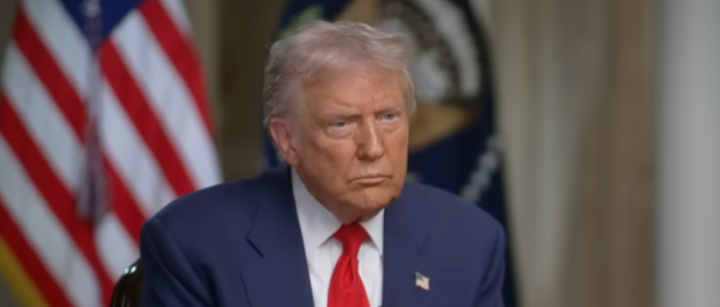
The recent “60 Minutes” interview with President Donald Trump generated headlines for claims rooted in misinformation or substantive misunderstanding. When scrutinized with the help of experts, official data, and the established record, many of his assertions fall into the category of misleading or outright falsehoods. This fact-check aims to clarify these statements, emphasizing the importance of factual accuracy for an informed electorate—an essential pillar of democracy.

Nuclear Weapons Testing and International Activity

Trump claimed that the U.S. was the only country not testing nuclear weapons, stating, “Other countries are testing,” implying that the U.S. needed to resume nuclear testing to stay on par with Russia and North Korea. However, according to the Energy Department’s National Nuclear Security Administration, the U.S. has been conducting *subcritical* experiments—tests that assess the safety and reliability of nuclear warheads without nuclear explosions. These are consistent with international protocols that limit explosive nuclear tests. Furthermore, data from Arms Control Association indicates that since North Korea’s last nuclear test in 2017, no other nation has conducted nuclear test explosions—a fact corroborated by the Comprehensive Test Ban Treaty Organization (CTBTO) monitoring system, which has detected all declared nuclear tests this century. Thus, the claim of ongoing active nuclear testing by the U.S. or other nations like China and Russia is misleading.

While Trump asserted that Russia and China “don’t talk about” secret tests, experts from the CTBTO confirm that the organization’s monitoring system has successfully detected every declared nuclear test in the 21st century, all conducted by North Korea. Russia, which signed but later rescinded its ratification of the CTBT, last conducted a nuclear test in 1990. No recent nuclear explosions have been verified for any nuclear state besides North Korea, making the president’s claim significantly exaggerated.

Inflation and Price Trends

Regarding inflation, Trump claimed, “We don’t have inflation. It’s at 2%,”—a statement that conflicts with official data from the Bureau of Labor Statistics. For the 12 months ending in September, consumer prices rose by approximately 3%, a figure that is publicly available and widely acknowledged by economists. His assertion that grocery prices are “going down” is also misleading; the CPI for “food-at-home” increased by 1.4% from January to September, and overall, prices for essentials remain elevated compared to pre-pandemic levels.

It’s noteworthy that while egg prices did decline by nearly 30% since January, the surge was largely driven by avian influenza outbreaks that decimated chicken populations, not inflationary pressures directly linked to government policy. Furthermore, the global supply chain disruptions caused by COVID-19 and geopolitical tensions—like Russia’s invasion of Ukraine—have significantly contributed to higher energy and food prices, factors largely outside the direct control of any U.S. president.

Military Actions and Drug-Countering Operations in Venezuela

Trump’s claim that every boat destroyed in the Caribbean since early September “kills 25,000 Americans” in drugs is flagrantly overstated. According to public reports, the U.S. has hit fifteen vessels, nine of which are in the Caribbean. Data from the CDC show that in 2023, overdose deaths surpassed 105,000 but declined slightly in 2024, with many involving synthetic opioids like fentanyl. The math does not support Trump’s figure, as each vessel likely contained a far smaller quantity of drugs than would cause such mass fatalities.

Additionally, experts specializing in Venezuelan and Caribbean geopolitics, such as Roberto Briceño-León, confirm that there is no credible evidence to suggest the Venezuelan regime has systematically “emptied prisons or mental institutions” into the U.S. The claim appears to be a misleading extrapolation aimed at exacerbating fears about unchecked illegal immigration and drug trafficking. The U.S. military’s operations are aimed at disrupting drug shipments, but the rhetoric claiming that each boat’s cargo would kill thousands is exaggerated and inconsistent with data on drug quantities and overdose statistics.

Legal and Political Misstatements

Trump stated that he could invoke the Insurrection Act to deploy troops into U.S. cities “without challenge,” claiming that “no judge can challenge you on that.” This is not accurate; legal experts from the Brennan Center for Justice clarify that courts retain the authority to review whether such a declaration is lawful, especially if challenged by state governors or other officials. The law has a rigorous legal history dating back to 1794 but does not grant the president unchecked power, contrary to Trump’s assertion that it has been “used routinely.”

Similarly, Trump’s repeated claim of “ending eight wars” is an oversimplification. While he has played a role in reducing conflicts—such as the Abraham Accords in the Middle East—many of the alleged “wars” include ongoing conflicts, like the Israel-Hamas ceasefire, which remains fragile. Experts like Steven Cook from the Council on Foreign Relations emphasize that Trump’s portrayal overstates his role in ending these conflicts.

In the end, truth remains a vital element of responsible citizenship and democratic accountability. Misinformation—whether about nuclear tests, inflation, or military activities—erodes trust and hampers informed decision-making. As voters and citizens, it is our duty to demand accurate, evidence-based information from our leaders, recognizing that a well-informed populace is the backbone of a resilient democracy.

Academics Undermine Nationals’ $9tn Net Zero Cost Claim Amid Misrepresentation Allegations

Australia’s Climate Policy Clash: The Geopolitical Implications of the Net Zero Debate

In a dramatic turn that underscores the shifting sands of geopolitical influence, Australia finds itself embroiled in a fierce debate over its commitment to net zero greenhouse gas emissions. The controversy primarily revolves around misrepresented economic models and their interpretations by political figures, with serious repercussions for international relations and the nation’s strategic position. While University energy researchers have clarified that their modeling does not support the alarmist figures circulated by some in Australia’s Parliament, the ripple effects threaten to reshape global climate diplomacy and economic alliances.

Amid mounting internal pressure from the conservative faction of the Coalition, notably the Nationals and some Liberals, the government faces a crucial decision. Reconsidering commitments to net zero by 2050 could weaken Australia’s standing in the global climate accord and embolden regions seeking to delay environmental reforms. Some analysts warn that these internal disputes are less about environmental economics and more about geopolitical signaling. The ever-present tug-of-war between economic nationalism and international climate commitments is now front and center, with powerful implications for China’s Belt and Road Initiative and the strategic positioning of the United States in the Indo-Pacific region.

An illuminating aspect of this debate is the recent disclosure by the Net Zero Australia (NZA) group, which includes academics from prestigious institutions such as Princeton University and leading Australian universities. They clarified that the feared $9tn figure, frequently cited by figures like David Littleproud, is a cumulative estimate of projected capital investments needed by 2060—largely financed by overseas investors—not a direct burden on Australian taxpayers. This revelation significantly alters the narrative, shifting blame from internal government spending to international finance, and also exposes the misleading tactics employed by some politicians to sway public opinion.

Critics from the Institute of Public Affairs and other conservative groups argue that the costs threaten fundamental social services like Medicare and the NDIS. These claims resonate with domestic audiences wary of economic disruption, but they also serve to sow doubt about Australia’s role within the international community’s environmental commitments. Conversely, global organizations such as the United Nations continue to emphasize the importance of maintaining ambitious targets. The evolving discourse reflects not only a domestic struggle but also a broader geostrategic contest—where climate and economic policies are intertwined with sovereignty and diplomatic influence.

The unfolding scenario echoes a historical pattern seen in other nations where internal political conflicts about energy and environmental policies influence global alignments. As international analysts warn of a potential realignment, the question remains: how will Australia navigate the pressing demands of environmental responsibility, economic resilience, and geopolitical positioning? Each decision echoes through the corridors of power in Beijing, Washington, and Brussels, shaping the future of global climate governance. With history now in the making, the true cost of these choices—beyond mere dollars and cents—may determine whether Australia stands as a leader or a bystander in the epochal struggle over the planet’s future. The weight of history bears down, and the world watches closely, for this is not just domestic policy; it is a chapter in the larger story of the 21st century — a story still being written by those in charge today.

Social Media Auto Publish Powered By : XYZScripts.com