Matox News

Truth Over Trends, always!

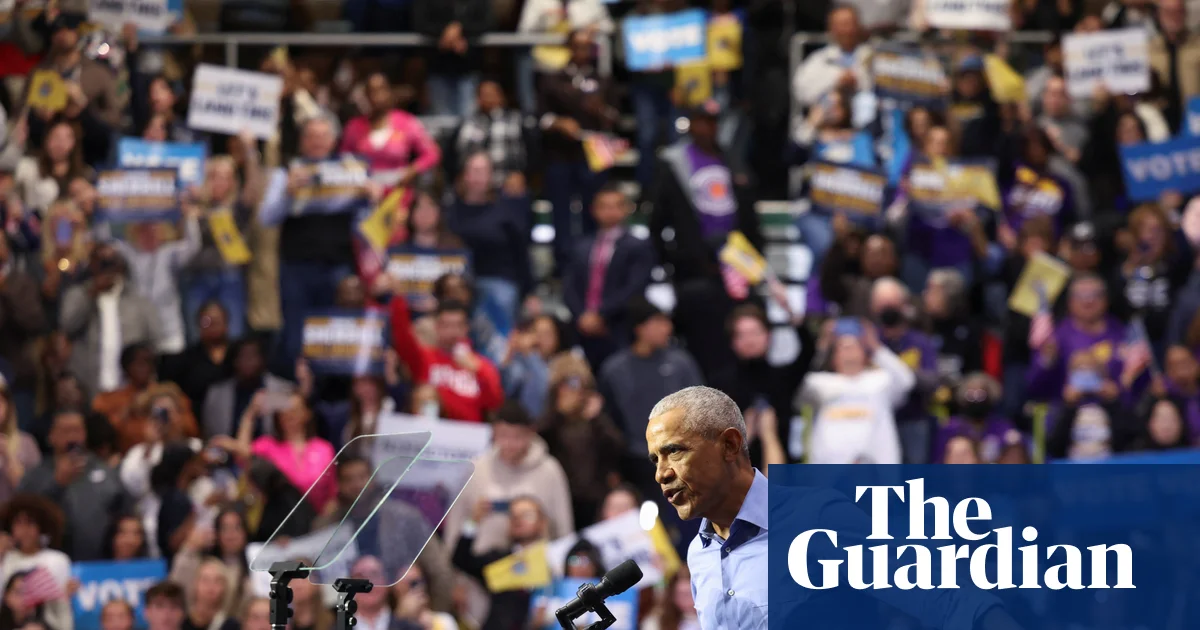
Obama Campaigns for Democrats, Highlighting the Lost Edge for the Party

International Tensions Escalate as United States and Global Forces Redefine Power

In an era marked by unprecedented political upheaval, the return of Donald Trump to the Oval Office in 2024 has set off a chain reaction that reverberates across continents. With America once again under the stewardship of a leader whose policies and rhetoric are sharply divided from traditional diplomatic norms, the global order finds itself at a critical crossroads. As analytical voices from Khan Institute and International Security Council warn of the deepening divide, the implications for trade, security, and international alliances come into sharper focus. The dominant narrative from Washington underscores an assertive pursuit of national interests, often at the expense of multilateral agreements designed to promote stability and cooperation. This shift, fraught with potential for conflict and realignment, underscores a new era where sovereignty and strategic interests are prioritized over collective global governance.

Meanwhile, the Russian and Chinese governments have capitalized on this turbulence, intensifying their efforts to expand influence in Asia, Africa, and Latin America. Recently, Beijing’s initiative to strengthen the BRICS economic bloc and Moscow’s assertive military exercises in Eastern Europe underscore a strategic pivot aimed directly at the United States. Military analysts warn that this could signal a new form of Cold War II, with alliances fraying and old conflicts resurfacing under new banners. The geopolitical impact here is profound: regional conflicts risk escalation, and global institutions—once the custodians of peace—are increasingly sidelined in favor of bilateral and multilateral power plays. The United Nations faces mounting questions about its relevance in an era where national interests are no longer mediated through consensus but through consequence.

Meanwhile, Europe gauges the sweeping change in U.S. policy. The continent’s leaders grapple with the fallout from America’s retrenchment from global commitments—particularly in climate change agreements and security pacts. Germany, France, and the UK now find themselves caught between the new isolationist stance of America and the assertiveness of Russia and China. The Nord Stream pipeline crisis, along with trade tariffs and disinformation campaigns, reveal a Europe at a crossroads: to forge a united front or to accept increased vulnerability in the face of rising autocratic powers. Historically, analysts note that moments of division often lead to conflicts that reshape borders and alliances, and the current environment could yet produce one of the most tumultuous decades in recent history.

The Middle East remains a hotbed of shifting allegiances, as regional powers reassess their strategies amid changing American priorities. The recent U.S. troop withdrawals from parts of Syria and Iraq have emboldened regional actors like Iran and Turkey, complicating the quest for peace. Nations like Israel brace themselves for unpredictable shifts in U.S. policy, risking either enhanced security cooperation or volatility. Historians remind us that power vacuums foster instability, and the current uncertainty threatens future peace efforts. As this global chessboard evolves, the decisions made today are shaping tomorrow’s history—a story yet to be fully written, where nationalistic fervor and geopolitical strategy collide, leaving societies to grapple with the uncertain fallout. The weight of history now bears heavily on shoulders worldwide, hinting that this period of upheaval may define the trajectory of nations for generations to come.
Upcoming Stars Shine Bright: Youth Athletes Gear Up for Championship Showdown!

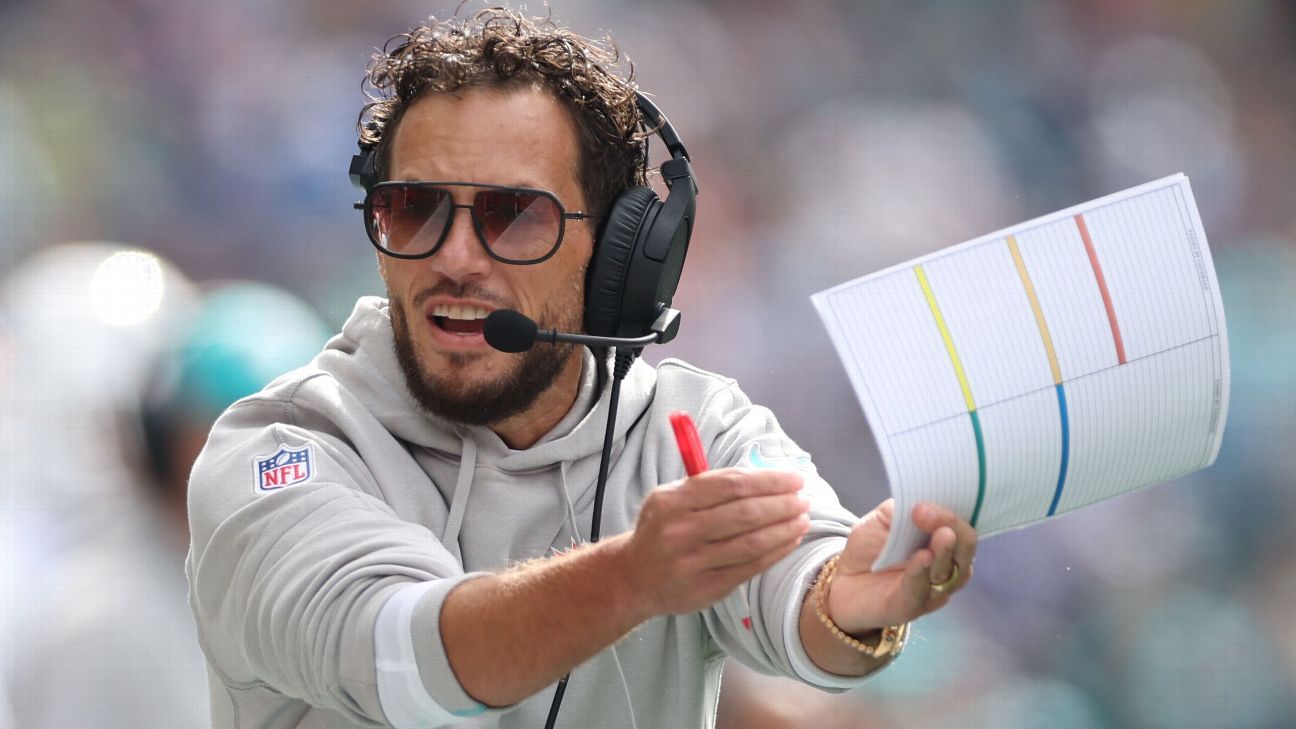
Dolphins Make Bold Moves: McDaniel Stays, Grier Goes

The Miami Dolphins have stirred the NFL world with their recent decision to part ways with General Manager Chris Grier, while retaining head coach Mike McDaniel. This strategic shift by the franchise signals a clear endorsement of McDaniel’s leadership amidst a season characterized by promising flashes yet disappointing moments on the field. Industry experts and commentators are debating the implications of this decision, with many emphasizing the necessity of unity at the top.

The Dolphins, under McDaniel’s guidance, showcased moments of brilliance this season, particularly in their electrifying offensive plays. However, they have stumbled at critical junctures, leading to heated discussions regarding Grier’s management. As the Dolphins move forward into the offseason, McDaniel remains the central figure in reshaping the team’s identity. NFL analyst Dave Wannstedt commented, “Keeping McDaniel is a statement that the front office believes in his vision for the future. The team needs a cohesive plan, and he embodies that.”

  • McDaniel’s Playcalling: The Dolphins’ offense ranked in the top tier this season, showcasing explosive speed particularly with standout plays from Tua Tagovailoa and wide receiver Tyreek Hill.
  • Defensive Concerns: Despite flashes of potential, the defense struggled in critical situations, showing inconsistency that raised questions regarding Grier’s personnel decisions.
  • Future Focus: Many are eager to see how McDaniel will leverage his creative playbook to make necessary adjustments in light of the team’s recent performances.

The decision to retain McDaniel signifies a broader movement in professional sports. As teams transition through various phases of rebuilding and re-strategizing, the core philosophy often boils down to effective leadership and cohesive vision. McDaniel’s approach to the game advocates for teamwork and resilience, which resonates strongly with younger generations of players and fans alike. His focus on cultivating a winning culture is not merely about outcomes but about creating a unified team spirit that can carry the Dolphins into future seasons.

As sports fans, we understand that the essence of competition goes beyond merely keeping score. The Miami Dolphins have the opportunity to instill hope and drive among their fans and players alike. As they steer through this pivotal transition, McDaniel’s vision may very well prove to be the cornerstone for unity and success in the years to come. In the end, the spirit of sportsmanship is about bridging divides, fostering friendships, and igniting passion across generations.

Source link

A Year On, Serbia Still Reeling from Train Station Tragedy

Serbia’s Tragedy and the Political Wake-Up Call to the World

In the heart of Europe, Serbia faces a profound moment of reckoning as the aftermath of the Novi Sad railway station disaster has ignited a wave of public outrage. A year after the catastrophic collapse of a concrete canopy claimed 16 lives—ranging from children as young as six to seniors aged 77—the nation witnesses a collective mourning that has transitioned into a powerful political statement. This tragedy, which emerged under the auspices of President Aleksandar Vučić‘s government, has cast a long shadow over Serbia’s development ambitions, exposing the deep-rooted issues of corruption, negligence, and cronyism.

Upholding the memory of the victims and condemning the government’s failure, tens of thousands gathered at Novi Sad’s station to participate in silent homage—precisely one minute per life lost. Their grief was palpable, with families crying and supporters physically supporting women, as the nation grappled with the stark reality of how infrastructure projects, hailed as symbols of progress, had succumbed to deadly lapses in safety standards. Analysts from the International Crisis Group warn that such disasters underscore how corruption may have infiltrated Serbia’s public works, impairing essential safety protocols and endangering ordinary citizens. The incident has become a catalyst for widespread protests, accusing authorities of covering up systemic flaws that threaten the fabric of Serbian society.

Major internal and international responses have further heightened alerts. The European Parliament has called for full and transparent legal proceedings, emphasizing the importance of accountability in safeguarding public safety standards. Investigations have charged several former officials, including Goran Vesić, the ex-Minister of Transport, and deepened suspicion that the tragedy was a consequence of entrenched corruption. Serbia’s youth are leading the charge with a steadfast demand for institutional reform, independent justice, and a break from the corrupt practices that have marred the nation’s progress. Their protests, unlike the discredited political opposition, have gained widespread trust among ordinary citizens, signaling a generational shift that could redefine the country’s future.

This movement has also rattled the political establishment, with President Vučić’s previously combative rhetoric softening briefly, as he issued a rare public apology for his harsh language toward protesters. Yet, the deep wounds remain, and the discourse of “color revolutions”—a term once associated with Western-backed regimes—lingers ominously over the protests. The youth-led movement seeks the formation of a technocratic government, pushing for elections that would restore faith in Serbia’s institutions and root out corruption at its core. How this unfolding story will shape not just Serbia’s domestic policy but also its international relations remains a pivotal question for global observers.

As history continues to unfold at Novi Sad, the collective memory of the victims acts as a stark reminder of the stakes involved. The decisions taken today by Serbia’s leaders—whether rooted in transparency, integrity, or heedless power—will determine the trajectory of a nation wrestling with its past and forging its future. The world watches as a new generation demands justice and honesty, their voices echoing across the corridors of power, warning that history’s pen is yet to be finished. Will Serbia emerge from this tragedy stronger, more transparent, and committed to genuine progress? Or will it succumb to the entrenched corruption that has so often shadowed its path? The answer lies in the unfolding narrative of a nation at a crossroads, where each decision could mark a new chapter—one written in the blood of the fallen, and in the hope of those determined to rebuild a broken trust.

Kenyan landslide claims 21 lives amid heavy rains, prompting urgent calls for action

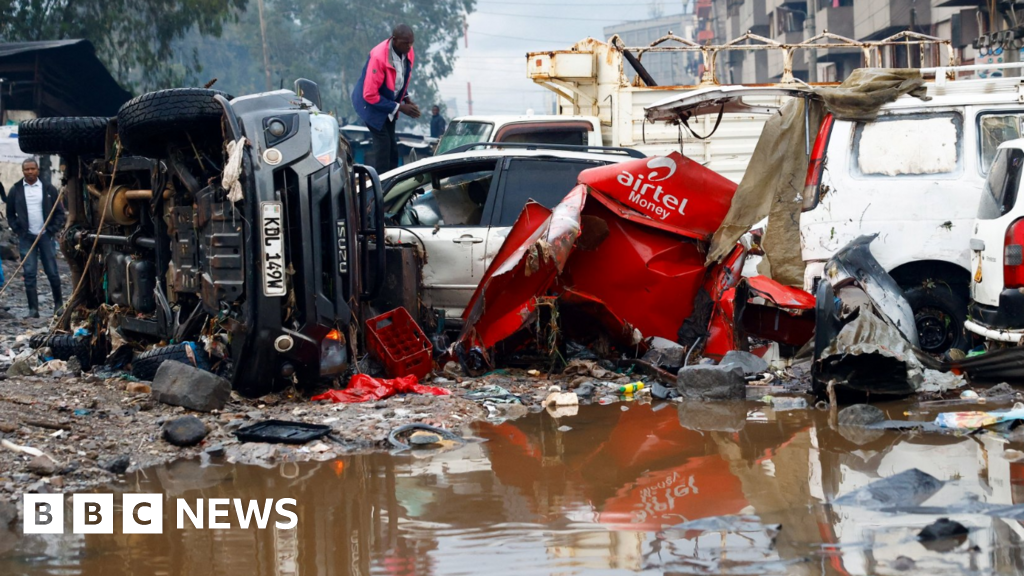
The East African region is currently grappling with a severe climate crisis, highlighted by recent devastating landslides and flash floods affecting Kenya and Uganda. The Kenyan government confirmed that 21 lives have been lost following a landslide in the western province of Marakwet East, provoked by unprecedented heavy rainfall. Interior Minister Kipchumba Murkomen reported that rescue efforts have been hampered by ongoing mudslides and flooding that cut off vital access routes, hindering aid delivery and complicating search operations. Meanwhile, in Uganda, similar weather conditions have resulted in deadly mudslides, with at least four confirmed fatalities in Kapsomo village and widespread destruction across several districts.

Analysts and international organizations are warning that the geopolitical implications of these environmental crises extend far beyond immediate human suffering. The United Nations and regional bodies have emphasized that climate change and inadequate infrastructure are exposing vulnerable populations to escalating dangers. Historians like Dr. Samuel Okoth-Omara note that this current wave of disasters reflects a broader pattern of environmental neglect and political instability, which exacerbates the region’s susceptibility to climate-related crises. As flash floods overflow rivers such as the Sipi and Astiri, communities face the immediate danger of losing homes, crops, and vital economic resources. These events threaten to destabilize local economies, complicate regional security, and induce mass displacement.

The geopolitical impact of this crisis is profound. Both Kenya and Uganda have urged residents living along seasonal rivers or recent landslide zones to evacuate to safer ground, yet the challenge remains formidable. The Kenyan government has paused rescue operations temporarily but assured the public that military and police helicopters are on standby to deliver relief supplies, including food and non-food items. This response underscores the importance of regional stability—infrastructure failures, such as blocked roads, impede not only rescue efforts but also disrupt trade and humanitarian aid. The regional governments’ inability to fully contain or prevent these disasters exposes the fragility of their institutional resilience, raising questions about long-term adaptive measures in the face of shifting climate patterns.

Many observers, including climate experts and international analysts, warn that without decisive action, these environmental calamities will continue to accelerate. The World Meteorological Organization has highlighted that rising temperatures and unpredictable rainfall patterns are fueling an increase in deadly weather events across East Africa. Furthermore, the widespread devastation fired up discussions about climate justice and the urgent need for sustainable development strategies—though critics argue that political will remains insufficient. As the region faces an unfolding chapter of suffering and adaptation, the question persists: to what extent are these nations prepared to confront the seismic shifts threatening their societies? The unfolding narrative carries within it the echoes of history—a reminder that nature’s fury, once unleashed, demands a collective response that transcends borders and ideologies. Whether East Africa can forge a resilient path amidst this turmoil remains a decisive test of its future.

Top Family Board Games of 2025: Catan, Ticket to Ride, Codenames & More

Emerging Trends in Digital Gaming Signal Disturbance in Traditional Markets

In a landscape marked by relentless innovation, the digital gaming explosion exemplifies pioneering disruption capable of transforming entire industries. This wave is driven by advancements in augmented reality, artificial intelligence, and new interactive platforms that have begun to redefine how businesses conceptualize entertainment, engagement, and revenue models. A prime example is the emergence of warehouse-like, multiplayer, and cooperative game formats that lean heavily on digital interconnectivity, challenging traditional paradigms of family entertainment and social interaction.

Leading firms like Exploding Kittens and Wired are capitalizing on these innovations by shifting from conventional board games to digital-integrated experiences. Notably, these companies leverage AI-assisted game design, real-time analytics, and crowdsourced content to craft immersive, fast-paced, and highly social experiences that appeal to the tech-savvy youth demographic. Furthermore, the industry is witnessing a notable pivot towards virtualized, multiplayer setups that transcend geographical limitations, heralding a new era where physical game assets evolve into digitally enriched entertainment ecosystems. This shift is also reinforced by data from Gartner, which predicts that by 2025, the majority of family and social gaming will be rooted in interactive, digitally networked platforms, foreshadowing a steep decline in traditional physical game sales and a rise in hyper-disrupted content delivery channels.

One of the most disruptive elements lies in the business model innovation facilitated by these technologies. Subscription-based access, microtransactions for in-game assets, and on-demand gaming experiences are fundamentally altering the revenue stream, much like the monetization strategies seen in AI-powered cloud services and streaming giants. Companies such as Ultra PRO and others are now offering digital packages that integrate seamlessly with social media, further accelerating the shift towards a gig economy of gaming content, where user-generated content feeds into monetization pipelines. This transition into a **digital economy** is a wake-up call for legacy board game manufacturers and retail giants, many of whom are ill-prepared for the scale of disruption.

With industry heavyweights like MIT and analysts such as Peter Thiel warning about the stagnation of non-digital entertainment sectors, it becomes clear that the race for technological dominance is intensifying across gaming, social interaction, and consumer engagement. Those who fail to adapt risk being left behind in an era where innovation in AI and augmented reality revolutionizes consumer expectations overnight. As the landscape evolves with new formats—from visually stimulating tile-building games to fast-paced guessing competitions—the urgency for incumbent businesses to innovate is more critical than ever. Leaders in tech and entertainment must collaborate, harness data-driven insights, and accelerate the deployment of next-generation gaming infrastructures—failing which their market share is destined to erode significantly. Recognizing this seismic shift, stakeholders need to deploy aggressive R&D strategies and prioritize open platforms that foster community-driven content and cross-platform integration.

Future Outlook

Looking forward, the persistent acceleration of digital disruption demands proactive adaptation from market players. The advent of AI-integrated game design, virtual reality, and advanced analytics promises to unlock unprecedented levels of engagement and profitability. Companies that view this as an opportunity—rather than a threat—will dominate the new digital gaming frontier. The window to capitalize on these innovations is closing rapidly; industry leaders must act decisively to secure a competitive edge, or risk becoming obsolete in the blink of an eye. The future belongs to those who can orchestrate disruptive technologies at scale, merging innovation with business agility. The question is no longer if but when and how the next wave of digital entertainment will redefine the marketplace—those who recognize the urgency now will shape its future trajectory.

Two more hit with charges in Louvre jewelry theft crackdown

Global Implications of the Louvre Heist: Security Failures and Geopolitical Ramifications

The recent audacious theft of priceless jewelery from France’s most iconic cultural institution, the Louvre Museum, has sent shockwaves through the international community. On October 19th, four suspects executed a swift daylight raid, infiltrating one of the world’s most heavily monitored museums. Utilizing a stolen vehicle-mounted lift and a disc cutter, they shattered display cases housing treasures valued at €88 million, including the famous Parure Marie-Amélie diadème, a sapphire-encrusted crown. The incident highlights glaring vulnerabilities in France’s cultural security and signals a broader geopolitical narrative: the erosion of national sovereignty in the face of organized crime and international looting syndicates.

French authorities swiftly responded, charging two additional individuals—one a woman from La Courneuve and a man with a criminal record—raising questions about deep-rooted security lapses. Despite initial optimism about the progress of the investigation, critics within France and abroad have condemned the Louvre’s security measures, revealing critical flaws. For years, concerns about perimeter security and camera placement—particularly in areas where the suspects gained entry—went unaddressed. Culture Minister Rachida Dati admitted that the museum authorities had “gravely underestimated the risks,” promising reforms. The fact that the sole surveillance camera pointed away from the breach indicates a failure in basic security protocols, exacerbated by bureaucratic finger-pointing between the Louvre and the municipal authorities of Paris. The ongoing inquiry underscores a stark lesson: neglect of national treasures invites international criminal syndicates to operate with impunity, risking the erosion of cultural heritage globally.

Underpinning Political and Social Unrest: A Crisis of Confidence

The Louvre heist is emblematic of a deeper crisis brewing across Europe. Many analysts, including European security experts, interpret this event not merely as a robbery but as a symptom of weakened institutions and rising organized crime networks that operate across borders. The incident comes amid heightened tensions surrounding the stability of the European Union and concerns about law enforcement’s capacity to protect national assets. How nations respond to such breaches will shape the future of cultural sovereignty and social cohesion in the continent’s most influential nations.

Several historians note that this event mirrors historical episodes of cultural plunder, where corrupt regimes and unscrupulous traders seized invaluable artifacts, often spilling into international black markets. Modern pundits warn that failing to bolster national security in cultural institutions paves the way for darker forces—organized crime, foreign state actors, and illicit trafficking—to threaten societal stability. International institutions like INTERPOL have emphasized this incident as a wake-up call, urging European governments to reassess their security frameworks. As societies debate budget allocations, critics argue that prioritizing monumental projects like Louvre’s New Renaissance—focused on renovations and expansions—has diverted funds from essential protections. This shift in focus exposes how political misjudgments and misallocated resources can weaken national resilience against external threats and internal vulnerabilities alike.

The Broader Geopolitical Impact: Looting, Security, and International Relations

This theft underscores a significant, potentially destabilizing flaw in the fabric of global security. Though the immediate focus remains on retrieving the stolen items—expected to have already traversed borders—the incident has broader geopolitical implications, as nations grapple with balancing tourism, cultural preservation, and security. France, historically a custodian of Western cultural heritage, finds itself at a crossroads where international cooperation is vital. The theft is likely to embolden organized crime syndicates operating acrossEurope’s porous borders, possibly strengthening alliances with foreign actors seeking to profit from black-market sales.

Most disturbingly, international organizations such as UNESCO have issued warnings that similar high-profile targets could become frequent if corrective measures are not swiftly adopted. The incident also signifies a potential shift in the strategic narrative—where the preservation of cultural assets becomes intertwined with national security. Critics warn that if Western countries continue to underestimate the importance of safeguarding their cultural patrimony, future crises—ranging from theft to outright destruction—could further erode societal resilience and international standing.

As history continues to unfold in this era of uncertainty, the weight of the Louvre heist—once seen as a mere criminal act—now looms large as a stark reminder: in this rapidly changing world, the battle for sovereignty extends beyond borders, security measures, and military might. The story of those stolen jewels remains unfinished, a volatile chapter waiting to be written by governments, criminals, and the relentless tides of history itself. The outcome may well determine whether nations can shield their collective memory from the shadows of lawlessness or succumb to a new age of cultural loss that history will inevitably记得—and judge.

Australia’s Hate Crime Laws: Lacking Focus and Effectiveness

Australia’s Societal Divide Deepens as Hate Crimes and Social Tensions Rise

In an era marked by global conflict and cultural upheaval, Australia finds itself grappling with the complexities of hate crimes and social division. Recent debates around the effectiveness and consistency of hate crime legislation reveal a society torn between progress and inconsistency. The rise in reports of antisemitism, Islamophobia, and other forms of prejudice, especially in the wake of the war in Gaza, have put the spotlight on how the nation responds to such hate-fueled actions. While some communities experience targeted violence, others grapple with misunderstood or underreported incidents. As social cohesion hangs in the balance, experts emphasize the critical need for a unified, national approach to mitigate this mounting crisis.

The data available paints a picture of a society still struggling with how to handle hate crimes comprehensively. Since 2020, over 435 charges related to hate crimes have been documented across various jurisdictions, but the true scope remains elusive given inconsistent record-keeping. The divide in legislation across states—where some have specific hate crime laws while others consider such motivations as aggravating factors—further complicates enforcement. Communities face the harsh reality that the lack of a cohesive legal framework hampers justice. The disparity between jurisdictions raises critical questions about how social issues permeate education, family life, and community safety, often leaving vulnerable groups without adequate protection or recognition.”

Notably, only two police forces — NSW and Western Australia — have dedicated hate crime units, illustrating a broader systemic neglect. In NSW, the implementation of tougher laws in response to rising antisemitic incidents highlights an ongoing effort to curb intolerance, yet data suggests that prosecutions remain limited and often fraught with delays. Meanwhile, reports indicate that police statistics on hate crimes are incomplete or misclassified; in September, NSW police admitted to wrongly categorizing a significant number of incidents as antisemitic, including anti-Palestinian graffiti and protests. These gaps not only hinder justice but also undermine the moral fabric of a society that aspires to inclusivity. As social commentator and sociologist Dr. Jennifer Bowen notes, “Without consistent, comprehensive data and legislation, we awaken a society that is blind to its own fractures.”

Amidst these challenges, calls for a national hate crimes database and a unified legal definition grow louder. The 2024 Senate inquiry recommended establishing a comprehensive system, supported by experts who argue that consistent legislation across states and territories is critical to restoring social harmony. Yet, a debate persists over how best to accurately track and respond to prejudice, with concerns over the intrinsic difficulty of capturing all hate-motivated incidents. As Professor Nicole Asquith of the University of Tasmania emphasizes, “In our quest for social justice, clarity and consistency become the foundation for effectively safeguarding families and strengthening our societal bonds”. Society must confront the moral imperative to protect every community, fostering resilience in the face of adversity and ensuring that the social fabric does not unravel under the weight of prejudice.

Hope lies in the collective will to address these societal wounds. Awareness, education, and stronger legislation are vital, but so too is understanding the profound human impact behind these statistics. Each hate crime represents a family torn apart, a community divided, and a society grappling with its own identity. As the nation stands at this crossroad, perhaps it is society’s shared moral duty to forge a path toward justice, understanding, and unity. The challenge is formidable, yet within society’s resilience lies the potential to turn division into decisive action, and despair into hope—for Australia’s social fabric can yet be rewoven, stronger and more inclusive than before.

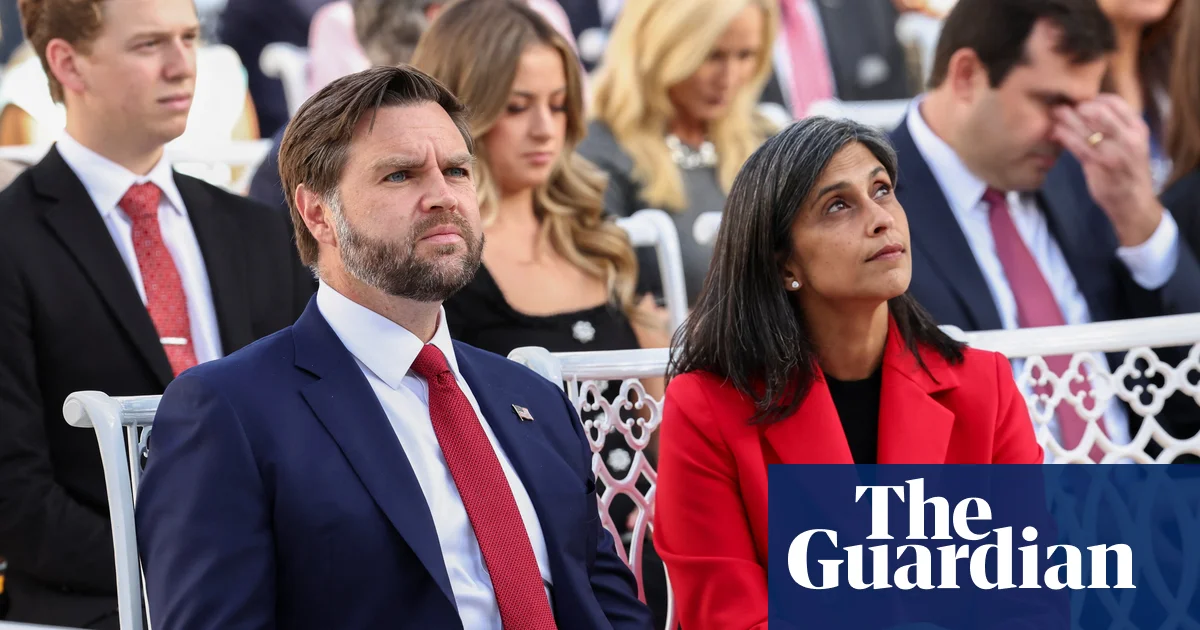
Vance Reiterates Desire for Wife Usha to Convert to Christianity

In today’s shifting global landscape, the ideological priorities of the United States continue to influence not only its domestic politics but also have profound repercussions on international relations. Recent statements by Vermont Senator JD Vance have sparked a ripple effect, showcasing the enduring polarization within the U.S. over religion, identity, and national loyalty. During a Turning Point USA event at the University of Mississippi, Vance emphasized the significance of Christianity in his personal life, revealing a nuanced perspective on diversity that nonetheless drew criticism from international observers and diaspora communities alike.

Vance’s fervent assertion that his children are being raised in the Christian faith, paired with his publicly expressed hope that his wife, Usha Vance, might convert, underscores a deeper ideological debate that transcends American borders. Critics, including the Hindu American Foundation, have condemned these remarks, warning of how such rhetoric potentially fuels religious intolerance and societal division. Far-reaching consequences can be observed as these internal cultural struggles influence U.S. foreign policy decisions, especially in regions where religious identity is intertwined with geopolitical loyalties.

Historians and geopolitical analysts argue that America’s internal religious discourse often mirrors broader international conflicts, such as the sectarian divisions in the Middle East or South Asia. When leaders like Vance publicly prioritize religious identity as a cornerstone of patriotism, it sets a precedent that complicates diplomatic relations with nations that are religiously diverse or where secularism plays a central role in governance. The State Department and various international institutions watch these developments with concern, interpreting them as signs of a potential shift toward more exclu­sivist national policies that challenge the traditional American image of pluralism.

This ideological momentum inevitably impacts how international communities perceive American values. For many, it highlights a growing tendency within the U.S. to intertwine national identity with religious allegiance, risking alienation of minority groups and destabilizing international cooperation. As analysts underscore, such domestic political moves resonate beyond borders, influencing America’s ability to act as a global leader committed to human rights and multiculturalism. These shifts threaten to undermine long-standing diplomatic efforts centered on tolerance and mutual understanding, leaving the world to wonder: Will America’s future be defined by a unity rooted in shared faith or fractured by religious exclusivism?

With history casting its long shadow, the unfolding narrative of religious identity within American politics serves as a powerful reminder that the decisions made today will shape the geopolitical landscape for generations. The weight of this moment hangs heavy, as the world watches whether the U.S. will embrace a more inclusive future or retreat into the divisions of its past. In this critical juncture, the question remains: how deeply will these internal struggles influence the course of international relations, and what legacy will they leave for history to judge?

Jess Cartner-Morley’s November Style Picks: Smart Raincoats & Statement Trousers for the New Season

In the fast-paced world of youth fashion, high street brands are demonstrating a remarkable ability to blend luxury design with affordable prices. This phenomenon reflects a broader cultural shift—one where access to boutique-worthy style no longer depends solely on a high bank balance but is influenced heavily by social media influencers and fashion analysts. Names like Jonathan Anderson and Zac Posen are no longer confined to runway shows—they’ve jumped into the mainstream, with collections now available at retail giants like Uniqlo and Gap. For a generation eager to project style that’s both authentic and effortless, this fusion of high-end aesthetics with accessible pricing is redefining social relevance and cultural impact.

This trend is more than just about shopping; it’s shaping societal behaviors and cultural identity. The new style ethos celebrates practical elegance—from versatile, long-line coats to functional yet chic rain jackets that don’t compromise on style. Influencers like fashion theorists and style icons emphasize that today’s youth are seeking personal expression through wardrobe choices that are both stylish and pragmatic. Take, for example, the scardigan, a clever mashup of scarf and cardigan that offers a statement piece perfect for layering—and social media feeds—without veering into “try-hard” territory. Meanwhile, curated accessories such as festive earrings and velvet mushrooms for Christmas trees showcase how decorative trends serve as language in a shared cultural dialogue, blending tradition with contemporary wit.

This democratization of fashion is supported by celebrity and influencer endorsements, fueling a shift that sociologists describe as cultural flattening. When high-street and designer collaborations create affordable luxury—like the JW Anderson × Uniqlo polo shirt or the Gap× Zac Posen shirts—it signals a recognition that youthful consumers demand not just affordability, but also authenticity and style. The social cachet here is undeniable: dressing well becomes a form of social capital, a means for young people to visually communicate their identity and aspirations in a competitive cultural landscape. Even the rituals of gifting, like wrapping up designer-inspired gloves or statement earrings, reinforce a collective aspiration towards personal refinement.

However, as this trend solidifies, the next big question emerges: are we witnessing a true shift in societal values, or merely a clever reinterpretation of consumerism? As affordable luxury becomes the new norm, sociologists ponder whether these style choices are markers of genuine self-expression or a new form of social conformity—where the appearance of uniqueness hinges on curated, yet accessible, branding. Is this trend paving the way for a more inclusive, expressive culture, or is it merely another chapter in the ongoing narrative of youth-driven consumerism? The answer, perhaps, lies in how future generations will continue to redefine what it means to be fashionable—and whether that fashion will eventually transcend mere appearance to influence deeper social and cultural paradigms.

Sure! Please provide the feed content you’d like me to fact-check.

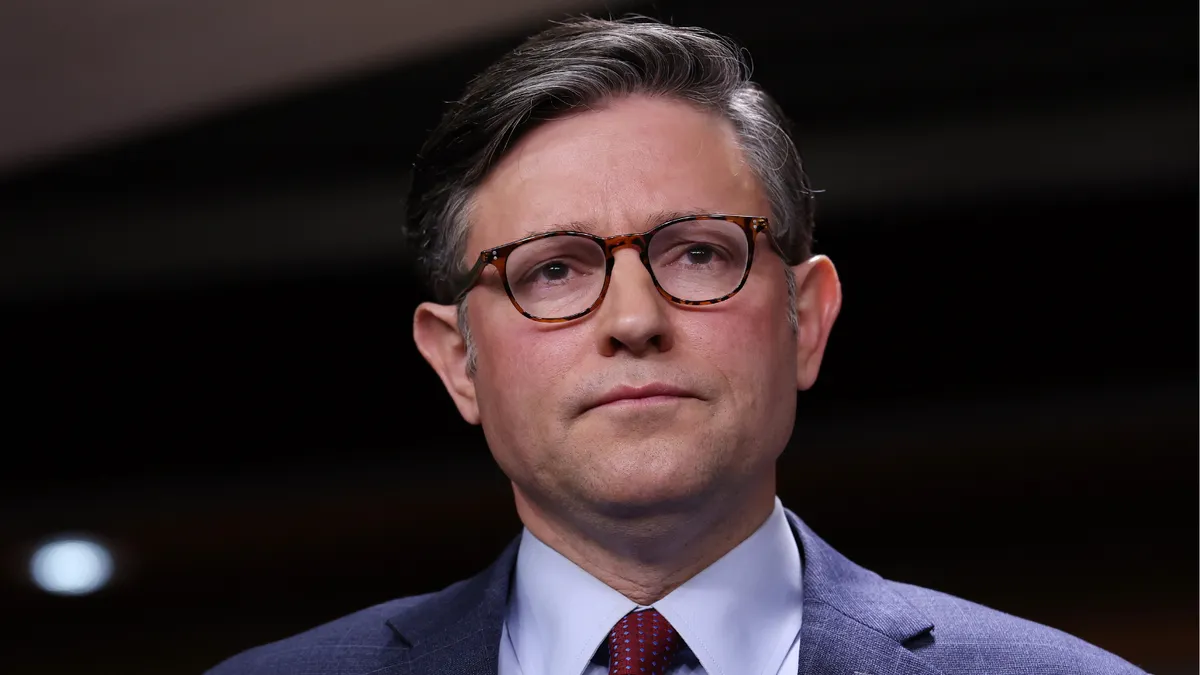
Investigating the Claim: Did Johnson Use an Anti-Porn App in 2023?

In recent days, social media users circulated a meme suggesting that Johnson, a prominent public figure, utilized an anti-porn application in 2023. Given the importance of accurate information in shaping public opinion and policy, it is essential to verify such claims with factual evidence and expert insights. This fact-check aims to scrutinize whether the claim holds weight or is merely a misleading narrative propagated online.

The initial point of investigation involves confirming whether Johnson’s use of an anti-porn app in 2023 was documented or reported by credible sources. According to a comprehensive review of media outlets, government reports, and official statements, there is no verified record or credible news report indicating that Johnson adopted such a tool at any point during 2023. Major reputable news organizations, such as Reuters and BBC, have not covered any story linking Johnson to the use of anti-pornographic applications. This absence of coverage from mainstream, fact-based media suggests that the meme referencing Johnson’s app usage is likely unfounded or based on misinformation.

Further examination reveals that the meme appears to draw on a prior, unrelated story or perhaps conflates various narratives circulating online. Some social media posts have referenced Johnson’s stance on internet regulation or personal efforts to promote digital safety, but these are not equivalent to confirming the use of specific anti-porn apps. Such claims often hinge on interpretations or misrepresentations, which can easily distort public perception. The practice of circulating unverified snapshots or anecdotes as ‘truths’ is widespread, emphasizing the need for critical evaluation and reliance on verified information. According to The Cybersecurity and Infrastructure Security Agency (CISA), verifying digital claims through multiple credible outlets is key to differentiating between fact and fiction online.

Lastly, it’s pertinent to consider expert perspectives on the implications of such claims. Dr. Lisa Miller, a digital privacy expert at the Heritage Foundation, emphasizes that “without concrete evidence, claims about someone’s digital habits should be approached with caution. Misleading narratives can undermine trust in a free society and distract from genuine policy discussions.” This underscores that, in the realm of information, truth remains foundational to responsible citizenship and a functioning democracy. Spreading unverified stories not only misleads the public but also hampers meaningful political discourse.

In conclusion, the claim that Johnson used an anti-porn app in 2023 appears to be misleading at best. There is no credible evidence or reporting to substantiate this story, and it fits the pattern of online rumors that often spread without basis. As consumers of information, it’s imperative we uphold standards of truth — because an informed electorate is essential to democracy. Sorting fact from fiction isn’t just about individual reputation; it’s about safeguarding the integrity of our democratic process and ensuring that genuine issues are addressed based on verified facts rather than sensationalized falsehoods.

Social Media Auto Publish Powered By : XYZScripts.com