Matox News

Truth Over Trends, always!

Exclusive Elf Movie Costume Goes for £239,000 at Auction, Setting New Record for Cultural Icon Status

In the realm of pop culture, memorabilia do not merely serve as relics of entertainment but stand as tangible symbols of collective memory. Recently, an unprecedented auction in London has brought to light the enduring power of cinematic artifacts. A costume worn by Will Ferrell in the 2003 comedy Elf fetched over £239,000, underscoring the profound cultural valuation placed upon physical tokens of entertainment. This green and yellow ensemble, worn during a humorous scene in which Ferrell’s character presses every button in a New York lift, exemplifies how modern mythology is curated through attire, dialogue, and iconic moments. Provenance, as noted by the auction house, links this piece directly to the film’s producer, Jon Berg, amplifying its desirability and reminding us that history’s greatest stories are often preserved not only in scripts but in fabric and costume.

This phenomenon challenges us to consider the role of cultural artifacts in shaping national identity and societal continuity. A matching fedora from Indiana Jones and the Temple of Doom sold for an astonishing £327,600, while original weapons from Star Wars characters like Boba Fett are expected to fetch between £350,000 and £700,000. Beyond their monetary value, these objects serve as touchstones of myth and heroism; they embody stories that inspire generations, embodying a shared sense of heroism, adventure, and nostalgia. Such artifacts remind us that culture—whether through literature, film, or art—is fundamental in molding societal self-awareness and preserving our ideals across the tumultuous tides of history. Philosopher Ortega y Gasset might argue that these relics are manifest the consciousness of the collective, anchoring us in the narrative of who we are and what we aspire to be.

Moreover, the surge in valuation of these items reflects a broader cultural truth: that in an era of fleeting attention and digital surfeits, tangible connection to the past becomes vital for maintaining a sense of tradition. The artifacts from these films and series are more than mere collectibles—they are embodiments of values, stories, and moralities that have shaped our social fabric. As Chesterton once remarked, the true culture is the persistent effort to keep alive the memory of what is worth keeping alive. These relics stand as testament that our history is not only recorded in books but etched into the fabric, props, and artifacts of our popular legends. They serve as symbols of continuity amidst rapid change, anchoring future generations to the roots of their cultural identity.

In this way, the journey of these artifacts parallels the rhythm of human history. They are both memory and prophecy, whispering what was and hinting at what will be. Whether it is the humorous innocence of Buddy the Elf or the adventurous spirit of Indiana Jones, such objects remind us that true culture is layered—an intricate tapestry woven through time with threads of memory and hope. As T.S. Eliot suggested, culture is “not a sum of facts but the image of a possible human destiny.” In the celebration and preservation of these relics, we find the silent promise that our stories endure, whispering endlessly through the corridors of time, guiding us with the light of tradition into the dawn of tomorrow.
US Boosts Support as Russia Targets Ukrainian Infrastructure—Progress in Diplomatic Talks

The ongoing conflict in Ukraine continues to shape the geopolitical landscape, as international diplomacy struggles to forge a path toward lasting peace amid relentless warfare. Senior Ukrainian and US negotiators have recently called on Russia to demonstrate a “serious commitment to long-term peace,” highlighting the persistent tensions and the profound difficulty in achieving reconciliation. Despite two days of “constructive discussions” in Florida involving US envoy Steve Witkoff and Ukraine’s security chief Rustem Umerov, no breakthrough has been announced. The central question remains: will Russia genuinely de-escalate, or is this dialogue merely a pause in a conflict that could escalate at any moment?

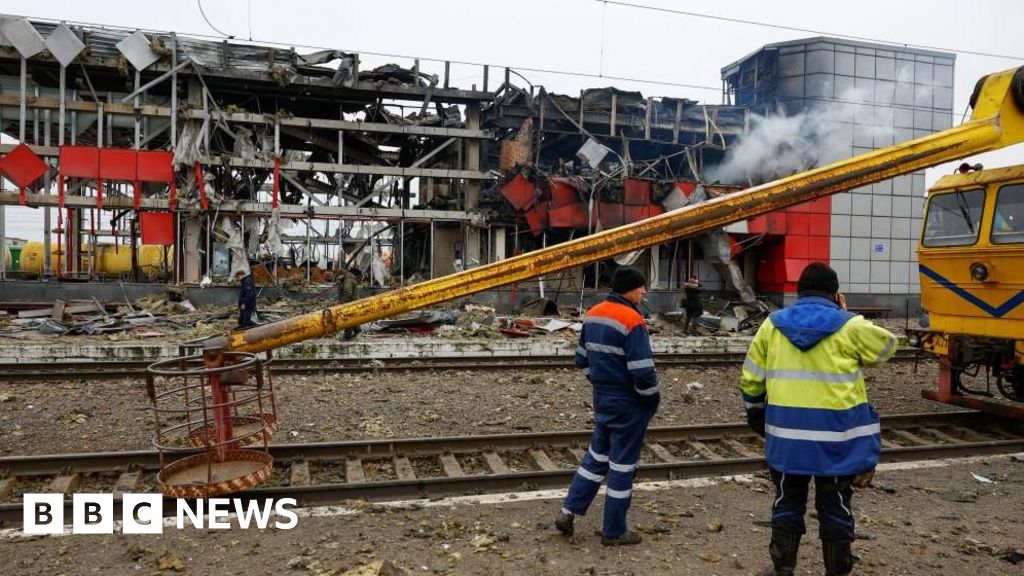
Meanwhile, on the battlefield, Russia has launched a brutal barrage of 653 drones and 51 missiles against Ukraine, striking critical infrastructure such as railway hubs and energy facilities. This attack underscores Russia’s determination to wear down Ukraine’s resilience, even as diplomatic talks continue. Ukrainian authorities report widespread damage, with recent strikes causing blackouts across eight regions and damaging vital energy infrastructure. Ukrainian Foreign Minister Andrii Sybiha condemns this as a blatant disregard for peace efforts, emphasizing that Russia’s strategy seems designed to prolong suffering and deepen divides. The escalation risks drawing international allies into an even more complex confrontation, forcing nations into difficult decisions about support and intervention.

The diplomatic negotiations, which also involved high-profile figures like Trump’s son-in-law Jared Kushner, reveal a layered approach to conflict resolution. American and Ukrainian representatives have agreed on security frameworks and deterrence capabilities, yet key issues—particularly security guarantees and territorial concessions—remain unresolved. Russia’s control over roughly one-fifth of Ukraine, including strategic regions like Donbas, continues to fuel disputes and harden positions. Vladimir Putin demands Ukrainian troops withdraw from these territories, threatening to liberate them by force if necessary. This stance exemplifies the deepening divide, as Russia’s military advances and claims of territorial gains threaten to rewrite the map of Ukraine. Meanwhile, Kyiv and its European partners push for NATO membership or comprehensive security arrangements as the most credible deterrence; yet Russia vehemently opposes NATO’s eastward expansion, framing it as a threat to its security.

Historians and analysts warn that these developments could be a turning point in the modern balance of power. International organizations like the United Nations urge restraint, but their influence diminishes as the conflict persists. As Putin claims recent military successes, and Ukraine seeks vital security guarantees, the global community faces a moral and strategic dilemma. Does the West risk confrontation, or do they must accept a fractured peace that might set a dangerous precedent? The dramatic escalation and persistent deadlock hint at a future where the struggle for influence and sovereignty defines the 21st-century chessboard. The world watches as history’s narrative continues to unfold—fragile, complex, and perilously close to tipping into an even darker chapter.

Tensions flare as Pakistan and Afghanistan clash again

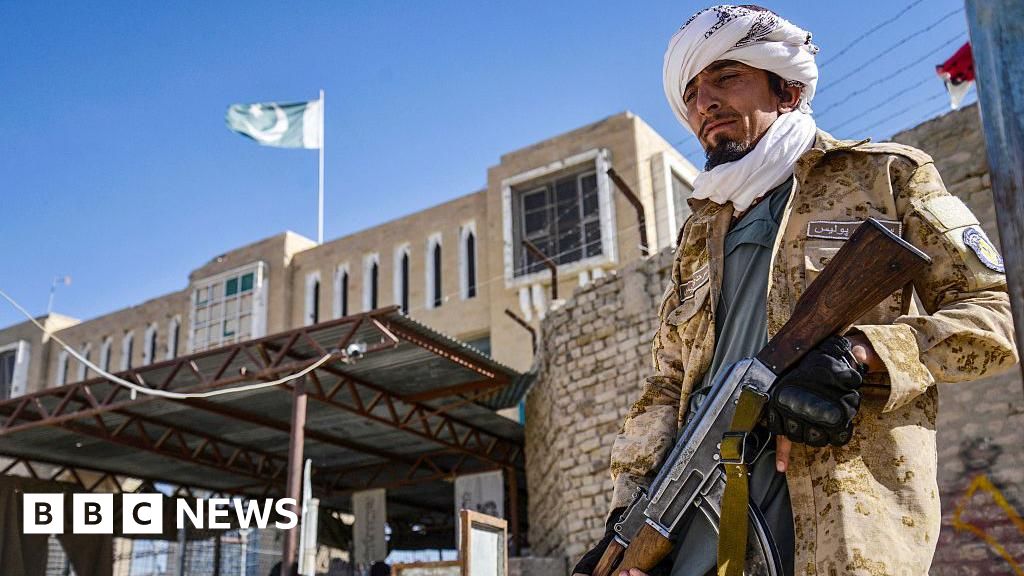
Recent border clashes between Pakistan and Afghanistan’s Taliban regime have once again underscored the fragile nature of peace in this volatile region. Despite international efforts to broker calm, hostilities erupted overnight along the nearly 1,600-mile frontier, resulting in casualties and mass civilian displacement. Both sides accused each other of initiating the confrontation, with sporadic fighting and accusations of air strikes igniting fears that longstanding tensions are reaching a boiling point. This flare-up highlights the complex interplay of security concerns, geopolitical interests, and deeply rooted mistrust that has persisted since the Taliban’s return to power in 2021.

The immediate aftermath saw residents fleeing in terror, with reports of mortar fire damaging civilian homes — a tragic reminder that regional conflicts often spill into innocent communities. Surgeons and aid workers describe a grim scene of the wounded arriving at hospitals, with at least four dead on the Afghan side and additional casualties reported across both nations. Analysts warn that these clashes threaten to undo recent diplomatic progress, casting doubt on prospects for a sustainable peace settlement sustained by mediators from Qatar, Turkey, and regional actors. Despite a ceasefire agreement inked less than two months prior, tensions flared anew, revealing how fleeting and fragile this diplomatic window has proven to be.

  • The Pakistan government accuses the Taliban of sheltering armed groups responsible for numerous attacks in Pakistan, cultivating a cycle of violence and suspicion.
  • The Taliban deny these accusations, asserting that Pakistan’s security failures and provocations are unprovoked and unjustified.
  • Both sides have engaged in repeated negotiations, including recent talks in Saudi Arabia, but a conclusive agreement remains elusive amid mutual accusations and geopolitical rivalries.

The geopolitical impact of these border conflicts extends well beyond Kabul and Islamabad. With international powers carefully watching shifts in influence, the ongoing violence complicates regional stability, especially considering the strategic interests of China, India, and the United States. Historians and global organizations warn of a potential escalation if unresolved grievances deepen, emphasizing the importance of balanced diplomacy and the dangers of allowing insurgency and militancy to flourish unchecked. As the world witnesses this tense chessboard, the future of centuries-old border lines—and the societies they divide—hangs in a delicate balance, their fates intertwined with decisions made in distant capital cities and hidden corridors of power.

Nazareth House Primary remains closed for a second day as society questions safety concerns

Societal Challenges in Education: A Reflection on Infrastructure and Community Welfare

Across communities in Northern Ireland, a troubling pattern reveals itself — one that exposes deep-rooted issues in the way society invests in its future. At the heart of this crisis are schools like Nazareth House Primary School in Londonderry, which recently faced closure due to *safety concerns over its aging roof*. Such incidents serve as stark reminders that underfunding in school maintenance not only jeopardizes physical infrastructure but also profoundly affects families, children’s education, and local communities. As the school doors remained shut for over 200 pupils, including children with special educational needs, the ripple effects threaten to undermine the stability of entire neighborhoods.

  • Unsafe buildings hinder access to education for vulnerable students.
  • Delayed or deferred maintenance thanks to inadequate funding leads to structural degradation.

These issues challenge the very foundation of societal equity and expose the moral failure of political institutions to prioritize future generations.

Adding to this troubling picture, long-standing concerns over school structures have persisted for decades. Principal Róisín Blackery of Nazareth House school revealed that the building—originally constructed in 1902—has been subject to repeated warnings concerning its safety, with requests for a new roof languishing in bureaucratic limbo since 2017. Her account underscores a broader government failure; calls for investment in essential infrastructure have been systematically overlooked.

  • More than 20 years of raised concerns have gone unaddressed.
  • Repeated underfunding compels schools to operate in dangerously compromised environments.

According to Bishop Donal McKeown, head of the Council for Catholic Maintained Schools, the sector suffers from *”huge under-funding of statutory services”* which leaves school buildings vulnerable to disrepair. His pointed critique emphasizes that, if our children are to succeed, their educational environment must be safe, stable, and conducive to learning.

The consequences extend beyond physical safety, influencing the social fabric of communities. When schools are forced to shut suddenly—sometimes without adequate notice—families and children face emotional strain. In interviews, students like 7-year-old Daniel express feelings of *sadness and anxiety*—missing friends and routines critical to their development. His mother laments, *”we have such a solid community base, but without immediate action, that strength begins to fracture.”* Pupil Gail, a girl preparing for transfer tests, worries about her academic progress and her social ties, illustrating how even demographic changes such as *an aging school infrastructure* have a tangible human impact.

  • Disruption to routine can impair children’s mental health and academic motivation.
  • Parents grapple with uncertainty and fear of ongoing instability.

Such disruptions threaten to widen societal divides, particularly as government agencies acknowledge their inability to cope with the scale of the problem due to budget constraints.

Adding to the crisis, the Education Authority admits to a *”deeply concerning”* backlog of maintenance issues across the region, a situation exacerbated by *severe funding shortages*. The result—schools can only prioritize emergency repairs, with most infrastructure decay left unaddressed. This cycle of neglect threatens the long-term integrity of educational environments and further diminishes societal trust in public institutions. Meanwhile, figures like Sinn Féin MLA Pádraig Delargy advocate for urgent, practical solutions that keep communities united during this testing period. He urges the Department of Education and the Authority to recognize that *”if we don’t deal with our children now,”* the societal costs will only escalate.

  • Increased funding is crucial to restore and maintain vital infrastructure.
  • Policy reform must prioritize education’s physical and social needs.

Ultimately, this crisis underscores a moral imperative: society must reevaluate how it invests in its youngest citizens, recognizing that their well-being reflects the moral fabric of the nation itself.

As society stands at this crossroads, the path forward remains uncertain but not hopeless. The fate of schools like Nazareth House, the resilience of its students, and the strength of community bonds hinge upon collective action—political will supported by societal recognition of the importance of education. This ongoing struggle reminds us that a society’s true strength lies in how it nurtures its young and repairs its foundations. In this moment of challenge, the hope persists that, through renewed commitment and responsible stewardship, the next chapter can be written—one where every child has a safe place to learn, and every community’s future is secured. Society’s resilience will ultimately be measured by its response—its capacity to transform crises into catalysts for enduring renewal.

Score Big on Vimeo: Up to 40% Off with Promo Codes!

Vimeo Reinvents the Video Landscape: A Disruptive Force in Content Creation and Business Solutions

In an era where video content dominates the digital economy, Vimeo is positioning itself not just as a content hosting platform, but as a comprehensive ecosystem for creators, businesses, and enterprises. With competitive pricing, state-of-the-art features, and strategic product diversification, Vimeo is accelerating its transformation from a niche video tool to an indispensable player in the fast-evolving digital media landscape. This shift is driven by innovative offerings that challenge legacy providers like YouTube and new entrants focusing on AI-driven content, streaming, and enterprise solutions.

At the core of Vimeo’s disruptive trajectory is its tiered membership plans designed to appeal across the spectrum—from individual creators to large corporations. The Standard and Advanced tiers bring game-changing features such as 7 terabytes of storage, AI-generated chapters and summaries, live streaming, and collaborative tools—all crafted to enhance content productivity and engagement. Notably, the Vimeo Enterprise program embodies a strategic push into the enterprise market, offering cutting-edge solutions that integrate AI-driven workflows, compliance, and seamless distribution. Industry analysts from Gartner highlight that such vertical specialization signifies a broader trend—disruptors leveraging AI and cloud tech to reimagine content management at scale.

Market Impacts: Innovation and Business Transformation

This evolving strategy signals a fundamental industry shift—a move away from general content hosting to specialized, scalable platforms optimized for modern business needs. Vimeo’s emphasis on AI tools, live broadcasting, and enterprise integrations resonates strongly with emerging trends, including the adoption of automated editing, AI summarization, and real-time engagement analytics. Experts like MIT researchers warn that companies prioritizing these innovations are less vulnerable to obsolescence, as they cater directly to the corporate shift towards digital-first workflows. As a result, modern organizations now view video not merely as a marketing asset but as a strategic operational tool.

  • Innovation: Integration of AI for script generation, chapters, and analytics
  • Disruption: Challenging traditional content platforms through enterprise-grade solutions
  • Business implications: Enabling scalable, efficient media workflows for digital transformation initiatives

Strategic Opportunities and Future Outlook

By actively stacking promotional offers and expanding features—such as the recently introduced Vimeo on Demand for original content—the platform is clearly targeting niche markets overlooked by larger giants. The flexibility of cancellation policies and tiered pricing underscores Vimeo’s understanding that agility and tailored solutions are keys to capturing the burgeoning creator economy and enterprise sectors. As Elon Musk and Peter Thiel have emphasized, innovation that leverages AI and cloud technology is the real differentiator in a hyper-competitive landscape. Ignoring these signals risks obsolescence in an industry where rapid iteration defines success.

Looking forward, the implications for the broader market are profound. Companies that harness Vimeo’s integrated, AI-powered solutions will likely set new standards for video production, distribution, and monetization. The platform’s push into enterprise solutions signals a future where video content is seamlessly embedded in the core operational fabric of organizations. As digital ecosystems become increasingly interconnected, Vimeo’s strategic evolution could catalyze a new wave of disruption—transforming video from a peripheral tool into a central pillar of business and culture.

In today’s competitive digital economy, the urgency to innovate and disrupt is paramount. Vimeo’s trajectory exemplifies how a forward-thinking company can leverage technology advancements to redefine industry standards, creating a landscape where efficiency, engagement, and enterprise integration are not optional but essential. With each new feature and strategic move, Vimeo signals that the future belongs to those who dare to transform, innovate, and lead the digital revolution.

Fact-Check: Video of meteor shower misleads viewers on celestial event

Vaccine Panel, Voting to Change Hepatitis B Shot for Newborns, Shares Misleading Information

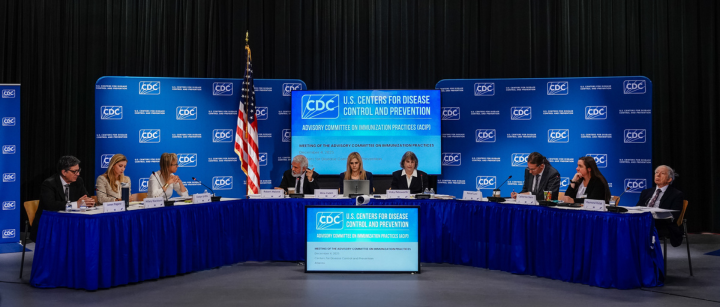
Recently, the CDC’s Advisory Committee on Immunization Practices (ACIP) made a significant shift in hepatitis B vaccination policy for newborns, moving away from a universal birth dose recommendation to a more selective, individualized approach. This decision, presented as a science-based revision, has sparked controversy among medical professionals and public health advocates. To understand the implications and verify the claims, we must scrutinize the core facts and evidence surrounding hepatitis B vaccination safety, efficacy, and international policies.

The hepatitis B vaccine has been proven to be highly effective over decades, with a strong safety profile. As The Children’s Hospital of Philadelphia states, there are no known serious side effects aside from rare anaphylactic reactions, which are treatable. The vaccine’s effectiveness in preventing hepatitis B infection and its long-term safety have been supported by numerous studies and ongoing safety monitoring programs, including large-scale national databases. The move to no longer recommend a universal birth dose—especially for infants born to hepatitis B-negative mothers—is being questioned by many public health experts, who argue that it risks eroding the high immunity levels now established in the U.S.

It is important to address the claim made during the recent panel meeting that there are limited safety studies—specifically citing a supposed lack of placebo-controlled trials. FactCheck.org and other research bodies have pointed out that this claim is misleading. Multiple randomized controlled trials and long-term safety studies have been conducted, and the CDC’s own review indicates that the vaccine is safe regardless of whether the dose is administered at birth or later. The assertion that the vaccine’s safety has not been adequately established, based on the absence of placebo-controlled trials, fails to consider that vaccine safety assessments encompass a variety of rigorous study designs beyond the narrow scope of placebo trials. Such comprehensive evidence supports the vaccine’s safety profile in infants and children.

Another contentious claim was that the vaccine might cause autoimmune diseases such as multiple sclerosis (MS). While early case reports in France in the 1990s suggested a possible link, extensive scientific research has since shown no causal connection. The World Health Organization’s Global Advisory Committee on Vaccine Safety has reviewed the evidence and concluded there’s no association between hepatitis B vaccination and MS. Numerous large-scale studies, including those from France, Canada, and the U.S., have reinforced this position. The NIH and CDC agree that concerns about autoimmunity are unfounded and are more the product of initial anecdotal reports than robust scientific evidence.

Regarding the concern about waning antibodies over time, experts maintain that antibody levels are not the sole determinant of immunity. Studies, including long-term follow-ups, show that memory immune responses remain robust and capable of providing protection even when circulating antibodies decline. As Dr. H. Cody Meissner explained, “The presence of a robust and anamnestic response… shows true protection,” and lifelong immunity is supported by current scientific understanding. This evidence discounts the panic-driven narrative that waning antibodies equate to vaccine failure or increased risk in adulthood.

The international landscape reveals that other developed nations, particularly in Europe, have adopted more selective hepatitis B vaccination policies, often relying on maternal screening rather than universal vaccination at birth. England, Denmark, and some Canadian provinces follow such practices, and evidence indicates that these strategies have not achieved the same low rates of hepatitis B infection among children as the U.S. with its universal vaccination program. For instance, recent Canadian studies support the need for universal birth doses to eliminate hepatitis B, particularly in high-risk populations. The U.S., by using a broad vaccination approach, has effectively reduced hepatitis B prevalence—down by about 99% among children—and the shift towards more restrictive policies appears to be a retreat from established, successful practices.

Conclusion

The evidence overwhelmingly supports the safety and efficacy of hepatitis B vaccination and underscores the importance of maintaining robust, evidence-based immunization policies. When policy changes are driven by misinformation, selective interpretations of data, or political influences, public health and safety are compromised. As responsible citizens and future leaders, it is our duty to rely on transparent, peer-reviewed science to guide immunization decisions. Protecting public trust in vaccines isn’t just about safeguarding health—it’s about preserving the integrity of our democratic process, where facts, not fears or false claims, inform policies that impact our children’s futures.

Swedish Navy Battles Repeated Russian Submarine Encounters—More Threats Ahead

Swedish Defense Reports Increasing Russian Submarine Activity in the Baltic Sea

The Baltic Sea has long been a pivotal flashpoint for escalating security concerns among NATO allies and Russia. Recently, reports from Sweden’s navy highlight a startling trend: encounters with Russian submarines are occurring on an almost weekly basis. Sweden’s Chief of Operations, Capt Marko Petkovic, emphasized that Moscow is actively reinforcing its presence in the region, modernizing its fleet, and increasing submarine capabilities. This pattern of persistent submarine sightings and naval activity signals a broader push by Russia to assert dominance over the Baltic, an extension of its deeper strategic ambitions amidst the ongoing Ukraine conflict.

Russian Naval Modernization and the Geopolitical Stakes

According to leading analysts, Russia’s naval modernization efforts are part of a deliberate strategy to project power and challenge NATO’s influence in Northern Europe. The Russian fleet, particularly its Kilo-class submarines produced annually in St. Petersburg and Kaliningrad, are being upgraded with advanced capabilities—a move that has only heightened tensions in a region already volatile from recent conflicts and hybrid warfare threats. Capt Petkovic points out that Russia is continuously modernizing its vessels, making the underwater theatre in the Baltic more dense and unpredictable.

Added to this, the “shadow fleet”—a fleet of civilian-flagged oil tankers allegedly used to carry crude oil from Russia—raises concern over potential covert operations. While not overt military threats, these vessels could be repurposed to support drone attacks or other hybrid tactics, blurring the lines between civilian and military assets. Such tactics align with Russia’s overarching approach to hybrid warfare, an indirect yet persistent threat that NATO and regional partners are increasingly wary of. Europa and NATO officials are warning that, in the event of a ceasefire or armistice in Ukraine, Russian escalation could shift focus toward securing and expanding influence in the Baltic basin.

European Responses and NATO Vigilance

The response from NATO nations underscores a renewed commitment to <undersea countermeasures> and regional security. Sweden recently hosted Playbook Merlin 25, a major anti-submarine warfare exercise involving nine countries, including Germany, France, and the United States. This exercise aimed to bolster submarine-hunting skills amid a complex underwater environment that, due to its hilly and unpredictable terrain, provides prime hiding spots for submarines. According to Capt Petkovic, increased NATO vigilance has already had a tangible effect, with a notable absence of cable incidents since the establishment of Operation Baltic Sentry earlier this year. Such operations demonstrate that NATO’s unity and strategic planning are key in mitigating regional instability and deterring further Russian assertiveness.

However, the geopolitical impact goes beyond mere military preparedness. It signals a broader contest over influence in the sovereignty of Baltic states and their access to vital sea lines of communication—a lifeline for their economies and national security. As these emerging threats pose risks to not only military infrastructure but also civilian infrastructure, the stakes are high. The ongoing tension has analytical voices warning that the Baltic Sea may soon echo the echoes of Cold War conflicts, with the possibility of a new, dangerous era of hybrid and conventional hostility.

While some champions of diplomacy argue for negotiations, the reality depicted by recent movements suggests that history is once again at a turning point. How the West responds to Russia’s naval expansion and hybrid tactics in the Baltic will shape the geopolitical landscape for decades to come. The outcome remains unwritten, but what is clear is that the wider world is on the brink of witnessing a new chapter of strategic confrontations, where control over the Baltic could become a crucial pawn in a larger struggle for dominance.

Rising Stars Shine: Up-and-Coming Athletes Make Waves in This Weekend’s Tournaments

Durant Reaches 31,000 Points as Rockets Tame Suns

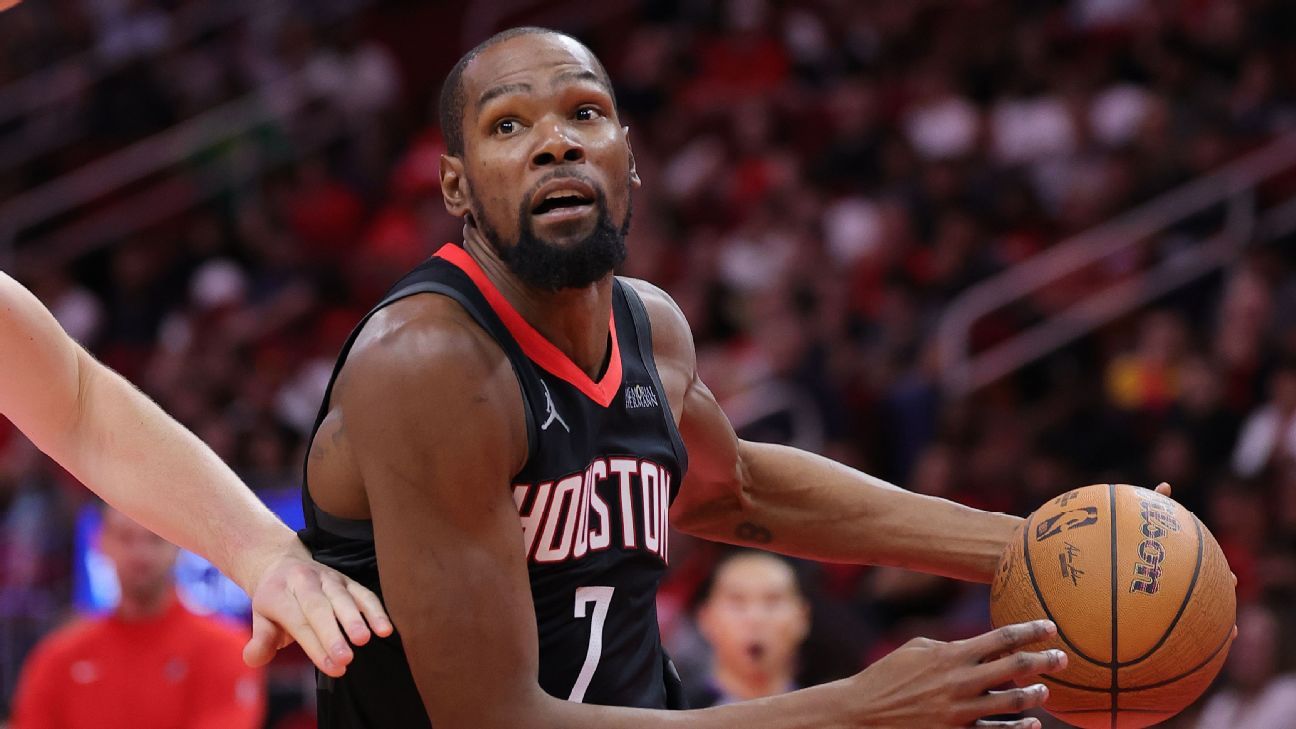
The NBA witnessed a historic moment on Friday night as Kevin Durant of the Houston Rockets became the eighth player in league history to surpass the 31,000-point milestone. This achievement came in the first quarter during a pivotal matchup against the Phoenix Suns, showcasing not just Durant’s individual prowess but also his significant impact on the game.

<p>Durant entered the game with 30,999 points, and it took him mere minutes to etch his name further into the history books. He hit a three-pointer that not only marked the milestone but also set the tone for the rest of the evening. As he celebrated this achievement, his teammates and coaching staff looked on with pride. *"Kevin is a generational talent,"* said head coach <strong>Stephen Silas</strong> post-game. *"To see him hit such a mark is inspiring for all of us.”*</p>

<h2>Game Highlights</h2>
<ul>
    <li><u>Durant's milestone three-pointer</u> sparked a scoring frenzy for the Rockets.</li>
    <li>The Rockets dominated the floor, showcasing teamwork and strong defense.</li>
    <li>Key contributions from players like <strong>Jalen Green</strong> allowed the Rockets to maintain momentum.</li>
    <li>Defensive plays by <strong>Alperen Şengün</strong> kept the Suns from finding their rhythm.</li>
</ul>

<p>Commentators noted the significance of Durant's achievement. Veteran analyst <strong>Chris Webber</strong> remarked, *“Surpassing 31,000 points is not just a testament to skill; it reflects hard work and dedication. Durant proves that great players can elevate their teams and inspire the next generation.”* This sentiment resonates even more as the NBA season drives forward, with teams eyeing playoff berths and glory.</p>

<p>Beyond the scoreboard, Durant's journey embodies the unifying spirit of sports. Moments like these remind fans and players alike that basketball transcends individual accolades. It showcases the hard work, sacrifice, and collective effort that binds us together as a community. Whether you are a die-hard supporter of the Rockets or a casual observer of the NBA, the beauty of the game lies in its capacity to inspire and unite people from all walks of life.</p>

Source link

Gaza’s Chaos Continues: Promises of Peace Broken as Violence Rages On

Global Impact of Gaza Conflict and Ceasefire Realities

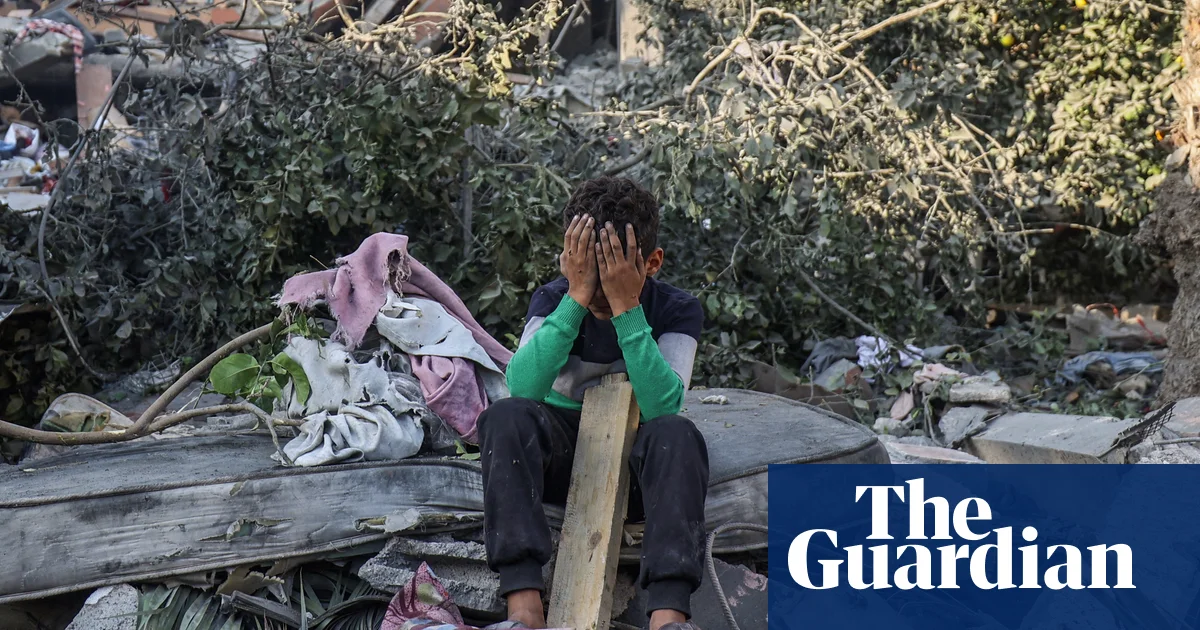
The recent conflict in Gaza has once again exposed the fragile veneer of diplomacy and the stark realities faced by civilians caught in the crossfire. Despite declarations of a ceasefire in October, the situation on the ground remains as volatile as ever. Reports from humanitarian agencies and international analysts reveal a disconcerting paradox: while official rhetoric suggests a lull in violence, the death tolls tell a darker story. On average, Israeli forces continue to kill seven Palestinians per day in Gaza, a rate that many would consider active warfare rather than an end to hostilities. The imagery of families like Hala Abu Assi’s, mourning the loss of her young boys Jumaa and Fadi, symbolizes the grim toll wrought by what is purportedly a pause in fighting. These tragedies underscore how decision-makers’ claims of peace often mask enduring violence and suffering.

The geopolitical landscape surrounding Gaza has reset into a tense and uncertain partition. Israel’s government, backed by its strongest allies, is solidifying a de facto division along the so-called “yellow line”, with recent construction of concrete outposts and the bulldozing of Palestinian neighborhoods on the Israeli-controlled side. While the Trump-planned peace process envisions a phased withdrawal, an international stabilisation force, and a technocratic Palestinian governance structure, these plans remain entrenched in ambiguity. Major questions persist: Who will control Gaza’s critical land and resources? Will the Palestinian residents have a meaningful say, or are they destined for further displacement? The emerging landscape resembles a modern apartheid in the making, with Palestinian communities being herded into scattered enclaves under international supervision. Historians and policy analysts warn this strategy could entrench the separation, embedding a new reality where ethnic and territorial divisions threaten to outlast the current violence.

The international community’s role remains deeply conflicted. European and Arab nations aligned with the Trump initiative argue they support the peace efforts to prevent a broader regional escalation and to foster stability. However, critics highlight that these political calculations often serve as a cover for maintaining strategic interests rather than genuine resolution. The UN’s recent resolutions, which drew support from some nations, plan for the disarmament of Hamas and the return of hostages—yet substantial obstacles remain. Hamas has returned most missing bodies and expressed willingness to discuss surrender of offensive weapons—but only outside of Israeli or Israeli-backed entities. Moreover, absent substantial troop contributions from countries like Indonesia or Pakistan, the envisioned @disarmament under international supervision remains a distant dream. Without a genuine Palestinian authority, efforts to rebuild or establish security are hamstrung, compounding the sense of inevitability regarding Gaza’s continued fragmentation.

The Humanitarian Toll and the Weight of Injustice

Marking a tragic chapter, Gaza’s population of over 2 million Palestinians now inhabits less than half of their original territory—confined to the barren “red zone” amid ruins and chaos. The recent floods, coupled with ongoing bombings, have devastated what little infrastructure remains, leaving families in tents with no adequate shelter before winter’s cold. Aid supplies, though increased, have yet to meet the need; the UN reports that fewer trucks are entering Gaza than prewar levels, and many Palestinians live on the brink of starvation. The international aid effort, hamstrung by diplomatic disputes and Israeli bans on organizations like UNRWA, struggles to address the scale of destruction. The plight of Gaza’s children, families, and the elderly reflects a humanitarian crisis that-growing figures warn could morph into a chronic catastrophe if international pressure wanes. Such conditions vividly illustrate a world that prudently calls itself “concerned,” but fails to act decisively. The ongoing destruction and suffering challenge global leaders and institutions to confront the moral cost of their policies—adventures in diplomacy that risk leaving Gaza as a symbol of unresolved injustice for generations to come.

As the quiet of the ceasefire festers into a new era of enduring division, the silence of true peace grows heavier. The stories of families like Faiq Sakhani’s, living just metres from the “yellow line” and daily fearing death, are the somber echoes of a story still unresolved. The specter of history—of nations divided and peoples oppressed—looms large over a volatile region in which every decision could ignite yet another cycle of war or forge a fragile hope for lasting peace. The world watches, but only time will reveal whether this chapter will be remembered as a step toward liberation or a prelude to darker days. The pages of history remain unwritten, yet one thing is certain: Gaza’s suffering is a stark reminder that peace, if not rooted in justice, is merely a brief interlude in an ongoing tragedy.

San Diego Settles for $30M in Police Shooting Death of 16-Year-Old Boy

San Diego Reaches $30 Million Settlement in Police Shooting of Teenager

In a landmark decision, the city of San Diego has agreed to pay $30 million in a settlement to the family of Konoa Wilson, a 16-year-old who was fatally shot by a police officer while fleeing dangerous circumstances at a local train station. This settlement, one of the largest civil payouts in the United States concerning a police shooting, underscores the ongoing crisis of police use of deadly force and raises critical questions about race, accountability, and systemic bias within law enforcement agencies nationwide. As international observers watch, this incident exemplifies the complex intersection of justice and public safety, fueling debates that resonate well beyond American borders.

Wilson’s tragic death occurred during a chaotic shootout at the Santa Fe station, where a youth had opened fire and injured another individual. Exiting the scene in fear, Wilson ran past officer Daniel Gold, who, according to police footage, immediately drew his weapon and fired multiple shots at the fleeing teen’s back—even as Wilson did not threaten or brandish a weapon at the moment of the shooting. Body camera footage reveals that Gold identified himself only after initiating the gunfire, further fueling allegations of excessive use of force. The civil lawsuit filed on behalf of Wilson’s family accused the officer of racial violence, emphasizing the racial dynamics at play and portraying the shooting as rooted in systemic biases.

By accepting this settlement, San Diego tacitly acknowledged the gravity of the incident—though city officials maintained it was a *business decision* rather than an admission of liability. Critics argue that police officers operating within a framework of systemic racism often perceive Black youth as threats, leading to tragedies like Wilson’s death. Historians and human rights advocates point out that such incidents are not isolated; they reflect a broader pattern of racial profiling that persistently undermines community trust and endangers vulnerable populations. International organizations, including the United Nations, have repeatedly voiced concern about racial disparities in police violence, urging reforms to ensure more just and equitable law enforcement practices worldwide.

This incident marks a significant turning point—highlighting the urgent need for comprehensive reforms and better accountability mechanisms within police forces across the globe. As governments grapple with these issues, the fallout from such tragedies shapes international discourse on state violence and human rights. How nations respond to this mounting pressure will influence the delicate balance between security and liberty, potentially redefining the role of law enforcement in societies seeking justice and fairness.

The saga of Wilson’s death remains a stark reminder that the weight of history and the pursuit of justice continue to unfold, forging a path that nations worldwide are watching with cautious anticipation. As the ripple effects of this settlement echo through the corridors of power, one fact remains clear: the fight for meaningful reform is far from over, and its outcome will shape generations to come. With each decision, policymakers stand at a crossroads—either advancing toward genuine justice or retreating behind the barriers of systemic inertia, risking the further erosion of public trust and the moral fabric of society.

Social Media Auto Publish Powered By : XYZScripts.com