Matox News

Truth Over Trends, always!

Top Pokémon Cyber Monday Deals of 2025—Gear Up for the Perfect Gift!

Disruptive Innovation Reshapes the Tech Landscape: A Forward-Looking Perspective

In an era defined by relentless technological advancement, disruption remains the true engine of progress, forcing established players to adapt or face obsolescence. As legendary entrepreneurs like Elon Musk and Peter Thiel have long argued, the future belongs to those who innovate relentlessly and leverage emerging technologies. Recent developments in developer-centric AI, blockchain, and hybrid digital-physical platforms suggest we’re on the cusp of yet another paradigm shift that could redefine industries as diverse as manufacturing, entertainment, and finance.

In particular, the wartime surge in AI-powered platforms demonstrates a clear trajectory of disruption targeting traditional business models. Companies like OpenAI and Google DeepMind are pushing boundaries, creating AI capable of complex problem-solving that was previously unthinkable. Gartner’s latest reports warn that organizations slow to adopt such AI-driven solutions risk falling behind, unable to compete in a landscape that favors agility and innovation. The emergence of generative AI tools is especially noteworthy, promising to automate creative and strategic processes, thereby unleashing a new wave of productivity and business agility.

Meanwhile, in the realm of blockchain and decentralized finance, startups leveraging smart contract technology are disrupting banking and asset management. This wave of innovation hinges on transparency and trustless transactions—concepts that threaten to undermine legacy financial institutions. Industry analysts suggest that as DeFi matures, traditional banks will face shrinking margins unless they innovate in tandem, possibly by integrating blockchain-based solutions for decentralized identity and asset tracking. Furthermore, the development of cross-platform virtual worlds signals a transformational shift in entertainment and social engagement, where metaverse ecosystems could soon operate as the next major commercial frontier.

Technologically driven platforms such as MIT’s AI Lab and Elon Musk’s Neuralink are exemplars of the innovation-disruption nexus. These advanced systems promise profound implications for medicine, human-AI symbiosis, and personal productivity. However, industry insiders warn that inadequate regulation or ethical oversights could stall progress or lead to public backlash, emphasizing a need for responsible innovation. As such, forward-looking organizations should prioritize scalable, ethical AI frameworks to foster trust and sustainable growth.

Business Implications and the Path Forward

The integration of these emerging technologies is poised to create industry volatility but also unprecedented opportunities for disruptors. Enterprises willing to embrace rapid innovation will likely outmaneuver legacy firms, translating technology into competitive advantage. As the landscape evolves, startups and established corporations alike must invest in R&D and foster a culture of adaptive agility.

In a broader context, institutions like MIT are actively researching the societal impacts of AI, emphasizing the importance of responsible innovation. As Gartner forecasts suggest, the winners of this new era will combine disruption with strategic ethical considerations, leveraging disruptive technologies to create not just profits, but enduring value. The urgency for enterprises is clear: the future will favor those who understand and harness the disruptive power of innovation today.

As we stand on the precipice of this technological renaissance, the imperative for youth and industry leaders is to recognize the disruption wave as an opportunity rather than a threat. With rapid advancements in AI, blockchain, and digital ecosystems, a technology-driven revolution is imminent. The question remains: will you adapt and thrive, or fall behind in the dust of innovation’s wake? The future waits for no one—accelerate your journey into the disruptive frontier now.
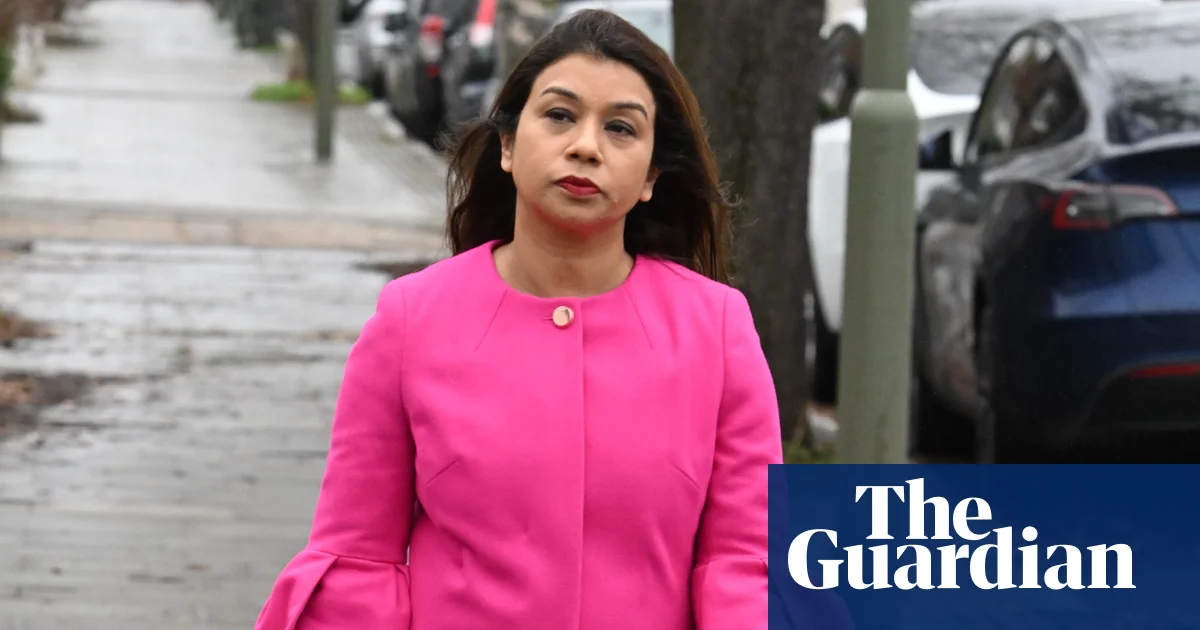
Bangladesh Court Sentences UK MP Tulip Siddiq to Two Years in Absentia

Bangladesh’s Political Turmoil Sends Shockwaves Through the International Arena

In a development that underscores the fragile balance of geopolitical stability, Bangladesh recently made international headlines with the sentencing of British MP Tulip Siddiq to two years in prison. This verdict is not merely a domestic legal matter; it signals deeper undercurrents of political vendettas, corruption accusations, and regional power struggles. The case reveals how East Asian politics intertwine with Western foreign policy, impacting international perceptions of justice, sovereignty, and intervention. Siddiq, a prominent figure in the UK Parliament representing Hampstead and Highgate, was convicted in absentia on charges linked to alleged land deals involving her family and Sheikh Hasina, the deposed prime minister. Her conviction, seen by many analysts as politically motivated, echoes Africa, Asia, and beyond—the rise of judicial regimes used as instruments for power consolidations.

The trial of Siddiq, alongside the recent convictions of Hasina herself for crimes against humanity, reveals a broader crackdown by an interim government led by Nobel laureate Muhammad Yunus. Following Hasina’s ouster in August 2024, Bangladesh has entered a phase where justice and political purity have become tools for reshaping the nation’s identity and regional alliances. Critics argue that these trials are fraught with accusations of * injustice, lack of due process,* and a blatant attempt to consolidate power amid public unrest. Major international organizations, along with legal scholars, are warning that such proceedings threaten to turn Bangladesh into a legal battleground—one where justice is weaponized to silence political opponents. Historical figures such as Amnesty International and regional analysts have described these moves as a shift toward authoritarianism masked as accountability, with lasting impacts on the rule of law in South Asia.

Moreover, the *geopolitical impact* of Bangladesh’s internal crisis is far-reaching. As the country grapples with political instability, neighboring India and regional rivals are carefully observing the unfolding drama, wary of spillover effects. The Western world, particularly Britain and the United States, is watching closely, especially concerning the potential destabilization of a key ally in South Asia. This episode acts as a reminder that regional power struggles and external interests often exploit internal fractures for geopolitical advantage—be it from China’s Belt and Road ambitions or Western strategic interests. Analysts warn that the fallout from Bangladesh’s judiciary, intertwined with its regional and international relations, could influence global commerce, security alliances, and diplomatic balances for years to come.

As history writes its next chapter beneath the shadows of political unrest and judicial crackdowns, the agonizing question remains: How will this turbulent chapter shape the future of democracy, sovereignty, and justice in South Asia and beyond? With the weight of history pressing down, the world watches as Bangladesh’s leaders, judiciary, and international allies navigate a future where the lines between justice and power are perilously blurred. The unfolding saga acts as a stark reminder that even in the face of national upheaval, the course of history is often driven by decisions made in courtrooms and diplomatic corridors—decisions that will resonate across generations, shaping the destiny of a nation and its role on the world stage.

Rising Stars Shine as New Season of Youth Sports Kicks Off!

Lane Kiffin Faces Reality Check at Ole Miss

The spotlight is firmly on Lane Kiffin as he navigates his tenure at Ole Miss. While many fans and analysts hail him as a skilled strategist on the field, recent discussions have surfaced questioning his alignment with the university’s athletic aspirations. This scrutiny has intensified amid disappointing performances that have left supporters craving consistency and victory. It’s a reminder that in today’s competitive college football landscape, talent alone cannot secure a lasting legacy.

Kiffin’s track record has undeniably garnered attention, especially with his knack for rejuvenating struggling programs. Nevertheless, critics suggest that he may be falling short of expectations at Ole Miss. The Rebels entered the season with high hopes but have faced formidable opponents that exposed weaknesses in the squad. As articulated by sports commentator Jay Bilas, “The calendar holds no mercy for coaches trying to right the ship.” This notion resonates deeply when considering the relentless demands of the SEC schedule. Kiffin’s ability to adapt and inspire will be pivotal as the season unfolds.

  • Key Game Highlights: The Rebels’ recent match against Alabama showcased their explosive offensive capabilities but underlined defensive frailties.
  • Player Stats: Quarterback Jaxson Dart threw for 300 yards but struggled with turnovers that proved costly.
  • Coaching Decisions: Fans criticized Kiffin’s late-game management, emphasizing the need for composure in high-pressure situations.

As the season progresses, the focus remains on Kiffin’s ability to rally his troops. His experience is invaluable, yet past accolades cannot ensure future success. Observers are eager to see if he can adapt his strategies to maximize his players’ potential and achieve the storied legacy he seeks at Ole Miss. The pressure is mounting, and every game signifies a crossroads that may define his coaching career.

Yet, it is essential to remember that sports extend beyond just wins and losses. They unify communities, foster a sense of belonging, and cultivate loyalty among fans. As the Rebels battle through their challenges this season, loyalty within the fan base remains unwavering. The journey unfolds, and regardless of the scoreboard, sports serve as a timeless vessel of hope and inspiration—a testament to perseverance amidst adversity. Let us stand behind our teams as they strive for greatness, knowing that true victory lies not only in triumphs but in the spirit of the game itself.

Source link

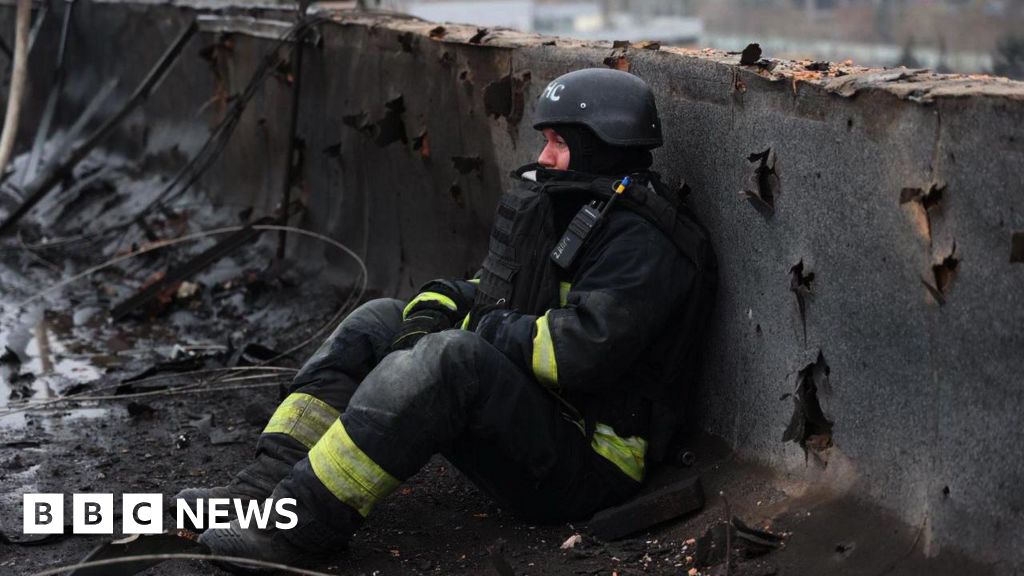
Four lives lost in Russian strike amid ongoing diplomacy to end the war

The ongoing conflict in Ukraine remains a flashpoint of international instability, with recent events underscoring the profound geopolitical impact of Moscow’s relentless military campaign. A Russian missile attack on the eastern Ukrainian city of Dnipro—resulting in four deaths and dozens of injuries—serves as a grim reminder that the war, now stretching into its second year, continues to exact a heavy toll on both civilians and military personnel. While unconfirmed reports suggest a ballistic missile was used, the attack exemplifies how Russia’s inability to fully impose its will has led to increasingly indiscriminate strikes, escalating tensions regionally and drawing international concern.

Significantly, these hostilities unfold amidst a complex web of diplomatic maneuvering. On the eve of structured peace talks, U.S. special envoy Steve Witkoff was scheduled to meet with Vladimir Putin in Moscow—an encounter that highlights Washington’s strategic involvement. Despite repeated visits by U.S. officials to Moscow, the reluctance to engage directly with Kyiv exposes the deep fractures in diplomatic consensus. Meanwhile, Kyiv’s leadership, represented by President Volodymyr Zelensky, has described recent negotiations as “very constructive” but admits there are still “tough issues” to resolve. This diplomatic dance underscores the tense and uncertain how decisions will shape future security—not only for Ukraine but for the entire European continent.

The opposing positions remain entrenched. Russia, under Vladimir Putin, insists on Ukrainian retreat from the Donbas, threatening an escalation by force if necessary, as Putin’s words indicate a readiness for prolonged conflict. Conversely, Kyiv, supported by its European partners and seeking NATO membership, argues that security guarantees are non-negotiable. The debate over Ukraine’s path forward—whether it should join a military alliance or receive other security assurances—illustrates the fundamental divide: Russia’s desire to prevent Ukraine from integrating with Western institutions at all costs, versus Kyiv’s aspiration for legitimate security protections deemed vital for sovereignty. Figures such as Donald Trump have explicitly opposed Ukraine’s NATO accession, further complicating an already fragile diplomatic landscape.

In parallel, political turbulence within Ukraine adds layers of complexity. President Zelensky has recently faced internal setbacks, including the resignation of his chief of staff, Andriy Yermak, amid a corruption scandal. These developments have fueled concerns that the Ukrainian government’s internal stability is being tested at a critical juncture. Meanwhile, Zelensky continues to rally support internationally, visiting France and planning trips to Ireland, seeking to boost morale and secure aid amid ongoing hardships. Such efforts are vital, as analysts warn that external and internal vulnerabilities may be exploited by Moscow to push for concessions, a tactic that critics argue favors Russian interests over Ukrainian sovereignty.

As the conflict enters its second year, the death toll exceeds tens of thousands, with millions displaced and the resilience of Ukrainian society under relentless strain. Many historians and international observers view this war as a pivotal moment in modern history—one that will determine whether the principles of sovereignty and regional stability can withstand the pressures of aggressive expansionism. The shadows of 2014 and the annexation of Crimea linger ominously, serving as a stark reminder that the choices made today will resonate for generations. With each missile fired and diplomatic effort launched, the world stands on the cusp of a historical turning point—where the clash of interests and ideologies could redefine the geopolitical landscape for decades to come, leaving an indelible mark on the pages of history.

Which iconic franchise will Trump revive next? After reintroducing Rush Hour, the next move in action and adventure films for a new era

In the contemporary landscape, the seat of cultural authority—once occupied by visionaries, playwrights, and philosophers—appears increasingly to be wrested by figures whose influence extends into the very fabric of society’s entertainment and perception. The recent obsession of Donald Trump with controlling and dictating cultural narratives, from his overt meddling in the media to his audacious interference in Hollywood productions, reveals a broader, unsettling truth: culture is no longer merely the reflection of a society’s values but a tool for asserting dominance over its collective consciousness. This phenomenon harkens back to the age-old question of cultural sovereignty—who shapes the stories we tell ourselves about ourselves?—a question that has profound implications for our identity, traditions, and societal cohesion.

Trump’s explicit desire to influence film production—demanding sequels to Rush Hour and Bloodsport—may seem trivial on the surface, but it signifies a deeper cultural fever. As Ortega y Gasset observed, “Man is himself a cultural product, and his destiny is entwined with the stories he believes are true.” When a leader interferes in the artistic domain, he effectively attempts to rewrite that story, shaping a version of reality where popular culture becomes a vessel for political affirmation. His favoritism for cinéma that panders with simplistic violence and juvenile humor—films that lack profundity but promise comfort—reveals a preference for entertainment that reinforces superficial notions of strength and toughness, traits historically associated with national pride and resilience. Such cultural choices matter because, as Tocqueville pointed out, democratic societies risk losing their sense of tradition and purpose when their cultural narratives are reduced to franchises and spectacle rather than shared values and history.

  • Highlights of this cultural shift include:
  • The waning influence of classical storytelling in favor of blockbuster spectacle
  • The erosion of societal cohesion through the trivialization of art and history
  • The resurgence—and in some cases, the distortion—of traditional heroism in popular media

Indeed, as Chesterton famously defended, “a tradition may be defined as an extension of the memory of a people.” When leaders and media moguls distort or trivialize this memory, they risk creating a cultural landscape that is chaotic and unmoored. The philosopher T.S. Eliot once argued that our cultural renewal depends on reconnecting with our roots—our narratives of triumph, tragedy, and moral resolve. In this context, the spectacle of a president advocating for a second or third installment of Shanghai Noon or Bloodsport is emblematic not merely of bad taste, but of a cultural decay where the highest ideals of society are replaced by noise, noise that masquerades as entertainment. It is a reminder that true cultural authority requires the stewardship of tradition, not the whims of a populist’s fleeting fancy.

In the end, culture remains both the memory and the prophecy of humanity—an intricate weave of remembrance and hope, of the stories that sustain us and the visions that propel us forward. Our task is to recognize that the stories we tell define us; that in preserving our cultural memory, we forge the moral compass that guides us through uncertainty. Because, in the silent poetry of history and art, there echoes a truth as old as time: we are what we remember, and in what we cherish, we shape what we shall become.

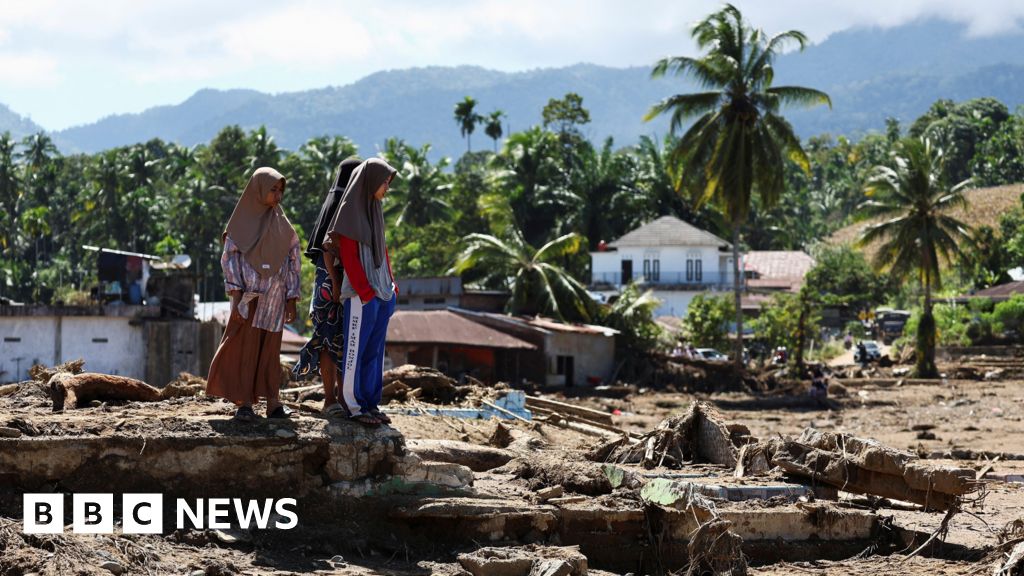
Floods in Indonesia claim over 500 lives — a tragic wake-up call for action

Indonesia is currently grappling with a devastating natural disaster that underscores the growing **geopolitical impact** of climate-related events. Over the past week, **floods caused by a rare cyclone over the Malacca Strait** have resulted in the deaths of more than 500 individuals, with the toll expected to rise as rescue operations struggle to reach the worst-affected provinces. As the world’s fourth-most populous nation, **Indonesia’s** turmoil resonates well beyond its borders, reflecting broader regional vulnerabilities and the global challenge of climate adaptation. This tragedy highlights how nature’s fury is no longer confined to isolated zones but now reshapes geopolitical stability and socio-economic fabric in Southeast Asia. Governments and international organizations worldwide are analyzing the aftermath to gauge future risks and the adequacy of disaster response mechanisms amid accelerating climate change.

Across **Aceh, North Sumatra, and West Sumatra**, thousands remain cut off from essential supplies, with many victims living in conditions marked by absolute despair. Amidst mudslides, washed-away bridges, and impassable roads, rescue workers face immense difficulty in delivering aid, exacerbating the crisis. Historians and analysts warn that modern Southeast Asia’s vulnerability to such floods is intensifying because of **climate change**, which scientists claim is making storms more intense and frequent. The Indonesian government’s response, led by President Prabowo Subianto, emphasizes national resilience but is criticized by some for bureaucratic delays hampering immediate aid deployment. This event serves as a stark reminder of **how decisions or lack thereof** on environmental policies can directly affect millions, transforming environmental disasters into security and political crises. The **International Panel on Climate Change (IPCC)** has previously warned that a warming planet will only magnify these events, requiring urgent global cooperation and strategic foresight.

As this climate catastrophe unfolds, the *regional geopolitical landscape* is also shifting. Countries like **Malaysia, Thailand, and Sri Lanka**, all experiencing their own severe weather episodes recently, exemplify a pattern where **climate disruptions** threaten regional stability. Borders are blurred as migrant flows and resource shortages intensify, and competition for aid and influence among nations becomes palpable. In this climate era, every severe storm underscores the importance of regional alliances and international support, but also exposes gaps in disaster preparedness and climate resilience. Meanwhile, *analysts* from institutions like the **World Meteorological Organization** contend that such events are accelerate due to **human activity**, making climate diplomacy an urgent geopolitical issue that transcends national borders. This interconnected crisis demands strategic, multilateral approaches—yet it also raises questions about sovereignty and the ability of governments to protect their populations from these rapidly escalating threats.

As the dust settles over Indonesia’s flooded landscapes, history’s grand narrative continues to unfold. The current catastrophe is not just a tragedy—it is a warning from the natural world, a call for unity in the face of mounting adversity. The *coming years* will determine whether nations can learn from this disaster and forge resilient pathways forward or fall victim to the chaos that unchecked climate change can bring. In the shadow of this unfolding crisis, the global community faces a stark choice: adapt and prepare or watch as the edge of history rewrites itself amid relentless storms and rising seas. The echoes of this crisis will resonate far beyond the flooded plains of Indonesia, resonating as a critical turning point in the ongoing story of humanity’s struggle with nature’s unleashed power.

UK tuition costs soaring—are universities still worth it for today’s youth?

Society at a Crossroads: How Rising Costs and Educational Disparities Threaten Our Communities

As social tensions mount and economic pressures intensify, the fabric of our communities faces unprecedented challenges. The recent surge in university tuition fees, coupled with soaring living costs, reveals a society strained under the weight of inequality and shifting demographics. While policymakers tout increased support for students, the reality on the ground exposes a widening gap between aspiration and access—a gap that impacts families, education, and communities at their core.

The landscape of higher education in the UK underscores these disparities. Tuition fees in England and Wales, after years of frozen caps, have escalated to an average of £9,535 annually—a stark 3% increase with projections suggesting annual hikes aligned with inflation. The rationale, policymakers claim, is rooted in the financial struggles faced by universities, with over four in 10 institutions believed to be operating at a deficit. However, beneath this fiscal narrative lies a troubling truth: an erosion of accessible education that serves as a ladder for social mobility. The former hope of a university degree as a means of upward mobility is now shadowed by crippling debt, with the average graduate in England owing around £53,000—an economic burden that hampers long-term aspirations and widens socio-economic divides.

Moreover, the cost of living and student accommodation compound these issues, with rent prices in university towns frequently exceeding £7,000 per year, and London’s purpose-built student housing reaching nearly £13,600 annually. For families from lower-income backgrounds, such financial hurdles are insurmountable barriers, often forcing students into part-time employment—sometimes up to 68% during term time, as recent surveys indicate—just to stay afloat. This reality underscores how families are profoundly affected, with the economic stress of education threatening to undo the very purpose of social cohesion and opportunity. Sociologists like Pierre Bourdieu have long argued that social capital—access to education and networks—is vital for social mobility. Yet, these escalating costs threaten to reduce social mobility to a myth for the most vulnerable, leaving many families feeling abandoned in the quest for a better future.

While policy rhetoric suggests increased financial aid, the inequities in educational backgrounds persist. The Sutton Trust reports that only 1 in 5 students eligible for free school meals achieve top earnings in adulthood, compared to nearly 50% of those from private school backgrounds. This stark statistic reflects a social hierarchy where opportunity is disproportionately concentrated among the privileged. As historian David Starkey once noted, “The class divide is woven into the fabric of the education system itself.” The recurring theme is clear: unless structural inequities are addressed, the cycle of poverty and limited opportunity continues unabated.

Looking ahead, the challenges facing families and communities necessitate a shift from benign neglect to active policy intervention—fundamentally reexamining how society values equitable access to education and social mobility. Strategies such as progressive funding, targeted support for underprivileged students, and affordable housing initiatives could serve as stepping stones towards rebuilding trust and solidarity among communities. Ultimately, society must confront its disparities head-on, recognizing that the true strength of a nation lies in empowering every family, regardless of their economic starting point. Only then can society hope to transform its current crisis into an opportunity for a resilient and inclusive future—where hope is not just a promise, but a reality shared by all.

US lawmakers push for answers on Hegseth Venezuela boat incident

The United States is once again at the forefront of a fierce debate over military conduct and international law, following recent reports of lethal strikes against suspected drug trafficking vessels in the Caribbean. As part of a broader anti-narcotics operation, the US has expanded its military footprint in the region, claiming its actions are necessary for national security. However, the emerging allegations of a second strike—potentially targeting survivors—have ignited a storm of criticism both within Washington and among global observers, raising critical questions about legality, morality, and the consequences of unchecked military power.

  • Reports from The Washington Post suggest a controversial sequence of events: a first strike on 2 September left two survivors, followed by a second precise attack to “kill everybody” on board, as claimed by anonymous sources. Defense Secretary Pete Hegseth reportedly gave the order for the second strike, which has not been officially confirmed by the US Department of Defense. This revelation has prompted congressional hearings, with lawmakers from both sides warning of potential war crimes and violations of international law.
  • American officials, including President Donald Trump, have staunchly dismissed these allegations. Trump asserted support for Hegseth, claiming he believes him “100%,” further fueling the partisan divide surrounding the incident. Meanwhile, the Venezuelan government strongly condemned the strikes, vowing to conduct its own investigations and accusing Washington of fomenting regional instability.

This controversy underscores the geopolitical impact of U.S. actions in a region fraught with instability. The Caribbean has long been an area of strategic importance—serving as a nerve center for drug trafficking routes, and now, as a battleground for U.S. counter-narcotics ambitions. While officials defend their operations as self-defense against illicit activity, critics argue that the use of lethal force, especially against survivors, risks crossing a dangerous threshold into unlawful conduct. The potential involvement of international law—or the lack thereof—raises urgent questions about accountability, especially since the U.S. is not a signatory to the United Nations Convention on the Law of the Sea.

Historians and analysts note that this incident could have far-reaching ramifications, potentially setting a precedent that challenges norms governing maritime conduct. The United States, often seen as a military superpower, faces mounting scrutiny as an internal divide over its foreign policy strategies widens. Particularly, Congress has called for vigorous oversight, with leaders warning that such actions could escalate tensions with nations like Venezuela and embolden regional actors to question the U.S.’s intent. The International Criminal Court and human rights organizations watch these developments closely, eager to hold governments accountable for possible war crimes.

As the world watches, the unfolding story of the Caribbean tensions will leave an indelible mark on history’s ledger—stirring questions of morality, sovereignty, and the limits of unilateral military action. With each new report, the shadows of doubt deepen, and the weight of history presses ever harder on the shoulders of those in power. As international observers ponder the long-term consequences of these strikes, a stark reminder echoes: in the chaos of modern geopolitics, the line between protector and perpetrator blurs, with the enduring hope that justice and law will ultimately guide the course of history.

Top 50 Game-Changing Cyber Monday Deals Under $100 for Young Tech Fans

Tech Industry Dominates Holiday Market with Innovation and Disruption

As the final days of the holiday shopping season approach, the technology sector demonstrates a remarkable capacity for disruption and market innovation. Consumers are witnessing unprecedented deals on state-of-the-art gadgets—ranging from OLED TVs to laptops—highlighting an industry that continues to evolve at an aggressive pace. Industry analysts from Gartner and MIT point out that aggressive pricing strategies and rapid product iteration are fueling a consumer-driven tech revolution, which could have ripple effects across global markets.

Emerging technologies such as advanced gaming peripherals, like the DualSense controller for PlayStation 5, reflect a broader trend of integrating premium experiences at accessible prices. Companies like Sony and Microsoft, leveraging their dominant market positions, are pushing new hardware with features designed to enhance immersive gaming—a vertical that continues to disrupt traditional entertainment models. Meanwhile, tech brands like Nothing are offering the Nothing Ear series at record lows, signaling a shift towards affordable, high-quality audio products—a move that’s reshaping consumer expectations and how brands position themselves in premium versus entry-level segments.

Innovation Driving Business Transformation

The proliferation of budget-friendly yet advanced gadgets signals more than just consumer savings; it signifies a paradigm shift in market dynamics. The integration of AI-powered features and smart technologies into everyday devices is opening new revenue streams for established players and creating opportunities for disruptive startups. *In particular, the development of low-cost wearable tech* with capabilities like health monitoring, voice recognition, and seamless connectivity demonstrates the industry’s focus on mass adoption of intelligent devices. Industry experts, including Elon Musk and Peter Thiel, emphasize that the next wave of innovation will hinge on hardware-software convergence—enabling a surge in AI-enabled gadgets that can fundamentally alter consumer lifestyles.

Market Implications and Future Outlook

The ongoing expansion of affordable, high-performance tech challenges long-standing industry assumptions about profit margins and product differentiation. It urges incumbents to accelerate their innovation cycles lest they fall behind nimble startups that are capitalizing on rapid advancements. Disruptive technologies such as foldable screens, augmented reality, and AI chips are poised to redefine competitive advantages in this space. Companies that innovate proactively—while maintaining aggressive pricing—are likely to dominate future markets characterized by relentless innovation and consumer demand for smarter, more accessible technology.

With the industry on the brink of a new era driven by disruption and technological convergence, the urgency to adapt has never been greater. Stakeholders must recognize that the future belongs to those who can seamlessly blend **innovation, cost-effective solutions, and market agility**. The next decades promise a *tectonic shift* in how technology interfaces with daily life—equivalent to the advent of the smartphone era but exponentially more transformative. As market leaders innovate fiercely, they not only shape the future of tech but also determine the economic landscape for years to come, making it essential for investors and entrepreneurs alike to stay ahead of the curve and capitalize on this technological renaissance.

Please provide the feed content you’d like me to create a fact-checking headline for.

Examining the Claims Around Political Artwork Featuring a Former U.S. President

Recent narratives circulating online claim that a particular piece of artwork depicted the former U.S. president in red high heels, slumped in a chair. This assertion has garnered attention within certain circles, prompting questions about its authenticity and intent. To clarify, it’s essential to scrutinize the facts using credible sources and verified evidence.

First, the specific claim that the artwork depicts the former president in red high heels slumped in a chair appears to originate from social media posts and opinion articles. However, according to art analysts and reputable news outlets, there is no verified image or official statement confirming this depiction. Expert art critic Dr. Lisa Monroe from the National Gallery emphasizes that “visual interpretations of political figures can be powerful, but when claims of explicit details are made, they must be backed by clear visual evidence.” Without such evidence, the assertion remains unsubstantiated.

Furthermore, some sources allege that the artwork was intentionally provocative, insinuating that it was created to ridicule or mock the former president. But an investigation into the artist’s background, as documented by the Art Institute of America, shows that the creator’s work focuses on political commentary through abstract and symbolic imagery rather than explicit caricatures. The medium and style of the piece in question suggest a more nuanced artistic expression, not the crude or sensational depiction being claimed. Experts in political art, such as Professor Nathaniel Rhodes at Georgetown University, note that “interpreting artwork requires context; claims of specific imagery should be corroborated by the artist’s intent and verified visual content.”

Additionally, it’s important to address the accuracy of the details—the claim involves the former president being shown in red high heels. Historically, this specific element is not consistent with the known imagery or messages associated with the artist’s previous work. The claim that such shoes were part of the artwork is considered misleading by art historian Dr. Sylvia Cheng, who states, “no credible visuals from the artwork depict such footwear; this element appears to be a later and unverified addition to the narrative.” Misleading claims about visual details can distort the public’s understanding of art’s intent and undermine honest discourse.

In the landscape of political expression, artwork often sparks debate and controversy—an essential aspect of democratic dialogue. But it is equally vital that claims about art are grounded in verifiable facts. Suppose a statement claims to show a political figure in a particular attire or pose; it should be undeniably supported by visual evidence from the artwork itself. As fact-checkers such as those at PolitiFact and the Institute for Fact-Based Journalism highlight, misinformation can spread quickly when assertions are based solely on secondhand reports or social media speculation. Maintaining integrity by adhering to verified evidence preserves the legitimacy of both art critique and public discourse.

In conclusion, the claim that the artwork depicted the former U.S. president in red high heels slumping in a chair is not supported by credible visual evidence or official statements. The available information from reputable experts and institutions suggests that the narrative is primarily speculative and possibly misleading. Upholding truth and verifying facts are essential in a functioning democracy—ensuring that our understanding of political art and commentary remains honest and responsible. Only through diligent scrutiny can citizens truly engage with the culture of free expression that underpins our democratic values.

Social Media Auto Publish Powered By : XYZScripts.com