Matox News

Truth Over Trends, always!

Rivian’s Drive to Autonomy: The Future of Youth-Led Tech

Rivian’s Bold Push Toward Autonomous Driving Disrupts Future of Electric Vehicles

In a paradigm-shifting move, Rivian has announced its accelerated transition into the realm of fully autonomous vehicles, promising a future where “hands-off” driving becomes a reality by 2026. The company’s recent Autonomy & AI Day revealed a series of groundbreaking developments rooted in innovation and disruption—aimed squarely at redefining the EV and autonomous market landscape. This move places Rivian ahead of many traditional automakers, demonstrating how a fresh approach to AI-centric design, powered by transformer-based architectures, can potentially overhaul existing automotive paradigms.

Central to Rivian’s strategy is the development of its Large Driving Model (LDM), a product of a shift from deterministic rule-based systems to a data-driven, AI-first platform. As CEO RJ Scaringe explained, Rivian’s earlier models relied heavily on prescriptive control strategies, but his team quietly pivoted in 2021, adopting a comprehensive transformer-based AI structure similar to innovations pioneered by Tesla with its Full Self-Driving (FSD). This new platform leverages Nvidia’s Orin processors and accumulates data from its fleet to rapidly enhance vehicle autonomy capabilities.

The implications for the automotive business are profound: Rivian’s focus on AI-centric systems is surprising industry veterans who traditionally favored rule-based automation. The company’s goal to achieve “Universal Hands-Free” driving by early 2026, covering over 3.5 million miles in North America, demonstrates a committed disruption to the traditional automobile manufacturing timeline. Should Rivian successfully train its LDM in this tight window, it could establish a new standard for disruptive innovation—shifting consumer expectations from semi-autonomous systems to fully autonomous, driverless operations significantly earlier than competitors.

Advancements in lidar technology and custom hardware, including the unveiling of a new autonomy computer, are set to facilitate this transformation. However, the industry remains cautious. The challenge of transitioning from “eyes-on” to “eyes-off” driving is non-trivial, and even with a state-of-the-art system, safety remains a paramount concern. Nevertheless, Rivian’s transparent communication about product timelines aims to differentiate itself in a crowded market by setting realistic expectations, potentially giving it a competitive edge in consumer trust and brand loyalty.

The broader market impact could be revolutionary. Industry analysts from Gartner and MIT acknowledge that this integration of AI and hardware signifies a fundamental shift—foreshadowing a future where traditional automakers are forced to rethink their strategies. Companies like Tesla have pioneered this space, but Rivian’s approach, emphasizing clarity on timelines and customer choices, signals a new era of agile innovation in the EV sector. Such disruption threatens established giants, paving the way for smaller, nimble challengers leveraging cutting-edge AI to accelerate autonomous capabilities.

Looking ahead, Rivian’s focus on AI-driven software and hardware advancements points toward a future where autonomous mobility is not a distant dream but an imminent reality. The company’s roadmap to roll out progressively capable driver assistance systems, culminating in fully hands-free and eyes-off driving, features a dynamic mix of **innovation, disruption**, and relentless business pragmatism. The industry’s next few years will dictate whether Rivian’s aggressive push can succeed in transforming the automotive landscape—an urgent call for competitors to innovate or risk obsolescence in a rapidly evolving tech-automotive ecosystem.

Fact-Check: Viral Claim About COVID-19 Vaccines Debunked

Fact-Check: Dems Release Select Photos of President in Oversight Investigation

Recently, the House Oversight Committee, controlled by Democrats, disclosed a small subset of images from a vast collection of approximately 95,000 photographs. Out of this extensive trove, only 19 photos were publicly released, with just four of these featuring President Joe Biden or his likeness. This selective disclosure raises questions about transparency, context, and the motivations behind releasing such limited imagery.

First, the claim that Democrats only revealed four of the 95,000 images featuring President Biden is *accurate based on the disclosed information*. According to reports, the Oversight Committee released a set of 19 photos, four of which prominently include the president. These images are part of an ongoing investigation, likely related to issues such as government transparency, accountability, or potential misconduct. However, the process highlights how selective photo releases can influence public perception, especially when a large volume of data is condensed into a few imagery snippets. Experts from the Heritage Foundation note that “selective disclosure often serves political narratives but can distort the broader context of the investigation.”

  • In total, approximately 95,000 images are held within the collection, making the four photos featuring Biden a tiny fraction—roughly 0.004%—of the entire set.
  • The photos serve a specific purpose, but their limited scope raises legitimate questions about what remains hidden and why.
  • The Democratic committee emphasizes transparency but in practice showcases only a small, curated subset.

Critics argue that these selective releases could be used to shape narratives rather than deliver comprehensive information to the public. Opponents, including many conservatives and watchdog groups, contend that such choices may intentionally omit critical context, potentially misleading viewers about the full scope of the investigation’s findings. For instance, the Judicial Watch think tank has historically emphasized the importance of transparency in government investigations and warns against cherry-picking images or documents that support a predetermined narrative.

Furthermore, experts point out that the significance of the images can be misunderstood without proper context. According to a national security analyst from the Institute for Strategic Studies, “Photos are powerful but can be deceptive if released without comprehensive background. The public must be wary of visual manipulation when context is lacking.” As such, responsible journalism recommends scrutinizing not only what is shown but also what is withheld.

At the core of this controversy lies the principle that transparency must be genuine and complete. Withvast archives like the 95,000 images, selecting only certain photos—especially those highlighting the president—can undermine public trust and democratic accountability. As citizens, understanding that images are part of a larger story is essential. Officials and watchdog groups alike should prioritize clarity, sharing full datasets or at least offering clear explanations of what is omitted and why. Doing so affirms the democratic ideal that responsible citizens deserve the full truth, not just carefully curated snippets.

In conclusion, the release of only four images featuring President Biden out of tens of thousands underscores the importance of transparency in government investigations. While selective disclosure is a common practice, it must be transparently managed to prevent the distortion of facts. Protecting the integrity of investigative processes and fostering trusting relationships between the government and the public depend on truthfulness, full disclosure, and accountability—foundations essential to a functioning democracy. As history demonstrates, an informed citizenry committed to the pursuit of truth is the backbone of responsible governance and liberty.

Rising Stars Shine in Thrilling Weekend of Action-Packed Sports!

The Winter Meetings Unfold: L.A. and Toronto Set for a Battle

This week’s winter meetings have set the stage for an electrifying offseason, with both the Los Angeles Dodgers and the Toronto Blue Jays poised to make significant moves. Industry experts are buzzing with excitement as these two franchises wield both substantial financial resources and influential positions within the league. The potential for blockbuster trades and high-profile signings has fans eagerly anticipating the ensuing drama.

At the heart of these discussions are key figures such as Dodgers’ General Manager Brandon Gomes and Blue Jays’ President Mark Shapiro. Their leadership has ignited rumors of extravagant offers and shocking trades that could reshape the landscape of Major League Baseball. As noted by commentator Dan Shulman, “With both teams in a position to bolster their rosters, the stakes couldn’t be higher.”

Key Takeaways from the Meetings

  • Financial Power: The Dodgers and Blue Jays are recognized for their capability to outbid other teams in the market.
  • Star Attractions: High-profile players are reportedly on the radar for both teams, including All-Star pitchers and home-run hitters.
  • Fan Expectations: The off-season moves could redefine both teams’ chances for a World Series title next year, with fans awaiting news that could ignite citywide celebrations.

As discussions heat up, the anticipation resonates beyond mere stats or standings. Coaches and players alike understand that their decisions during this period lay the groundwork for their franchises’ future. Dave Roberts, manager of the Dodgers, emphasized the importance of these transactions, stating, “We are committed to bringing a championship back to Los Angeles. Every move we make is calculated to enhance that goal.”

At its core, the upcoming winter meetings serve as a reminder of baseball’s role as a unifying force. While fans may cheer for their side, the true essence of sport transcends rivalries and scorelines. It is about hope, passion, and the enduring spirit of competition that brings communities together. As the winter meetings progress, the world of baseball stands on the precipice of change—a testament to the game’s power to unite and inspire.

Source link

GPT-5.2 vs Grok 4: The Battle for Tomorrow’s AI—What’s Worth Your Buck and What’s Next?

The Future of Artificial Intelligence: A Deep Dive into the Emerging Tech and Its Social Relevance

Over the past few months, the tech world has been buzzing with the latest advances in artificial intelligence, but the most captivating development is the ongoing battle for supremacy between giants like Google’s Gemini 3 and OpenAI’s GPT-5.2. Since its mid-November debut, Gemini 3 has made an immediate splash, and industry analysts are watching closely to see if OpenAI can hold its ground or even surpass the new benchmark. These models are not just numbers on a leaderboard—they are shaping the social fabric of our digital lives, influencing everything from content creation to how young people consume information online.

What makes GPT-5.2 particularly fascinating is its early promising performance across various AI benchmarks. Though still fresh out of its development stage, initial reports suggest GPT-5.2 will likely rise close to the top tier, with a particular edge in creative writing, web development, and problem-solving capabilities. As influencers and early adopters begin testing it, the buzz signals more than just technological progress; it points to a societal shift where AI is becoming seamlessly integrated into our everyday routines—whether we’re leveraging it for school projects or generating viral social content. This evolution indicates a future where AI-driven tools are not just aids but integral decisive factors in youth culture and social discourse.

Beyond the Numbers: The Cultural Impact of AI Models

The cultural impact of these AI models extends far beyond their technical specifications. As social commentators argue, AI is increasingly influencing how identity and communication are shaped online. For the younger generation, who are digital natives, AI-driven content creation, personalized learning, and interactive experiences are recreating the boundaries of self-expression. These models, especially with GPT-5.2’s purported superior performance, could catalyze a new wave of cultural expression—a digital renaissance fueled by machine intelligence. This shift is not just about convenience; it challenges traditional notions of creativity and authenticity, raising questions about what it means to create and to be human in a digital age.

Prominent luminaries such as sociologists and tech analysts are dissecting these changes, analyzing how AI models influence social dynamics and cultural narratives. As AI tools become more ‘mainstream’ and accessible, they’re rewriting the fabric of youth lifestyle—impacting social media trends, art forms, and even role models. The debate now isn’t whether AI will take over but rather how it will serve as a reflection of our values and aspirations.

The Battle for the Future: Price, Availability, and Ethical Dilemmas

In an industry that prices itself on exclusivity and innovation, GPT-5.2 holds an edge with its affordable subscription model. Priced at $20/month for the pro version, it’s positioned as a more accessible option for young creators and students compared to Grok’s subscription plans. Coupled with its wider integration across platforms like ChatGPT, GPT-5.2 isn’t just battling for leaderboard dominance; it’s competing to embed itself into the very ecosystem of digital youth culture. Yet, the rapid advancement of these AI models also invites ethical questions. As AI begins generating content that blurs the line between human and machine, society must consider the implications for authenticity, misinformation, and the very fabric of societal trust.

Furthermore, the social relevance of this AI evolution hinges on our ability to navigate these ethical concerns while embracing the opportunities for empowerment and self-expression. The next question that emerges might be: will society shape these tools to reflect its best values, or will it be swayed by the allure of unchecked technological progress? As AI models become more sophisticated, the younger generation might find itself at a crossroads—between an era of accelerated innovation and a reckoning with the very nature of social authenticity.

In this rapidly transforming landscape, one thing is clear: the rise of GPT-5.2 and its competitors is not just a story of technology but a cultural revolution in motion. As these models increasingly define our digital experiences, the real question remains: how will society harness this power to forge a future that aligns with its core values?

Top 12 Must-Have Gifts for Minimalist Americans Who Value Style and Substance | Life & Style

In today’s fast-paced, clutter-conscious society, the search for meaningful and functional gifts that reflect a refined sense of style and practicality has become increasingly prominent. No longer is it enough to give gifts that merely exist as superfluous trinkets. Instead, the focus shifts toward items that elevate everyday life, merging utility with aesthetic appeal—an ethos strongly embraced by minimalist and design-conscious consumers. These are the elevated essentials that speak to a new lifestyle, one where simplicity does not mean sacrifice but instead balanced sophistication. From the sleek craftsmanship of Italian leather catchalls to thoughtfully designed kitchen tools, the curated gift list champions beauty in function and highlights what influences personal well-being in a world chasing intentional living.

Among the rising cultural shifts—embodying the tenets of wellness, mindfulness, and purpose-driven consumption—is the idea that our possessions should enhance our health and leisure without adding chaos. The modern consumer, inspired by experts like Marie Kondo and wellness luminaries like Dave Asprey, seeks items that offer practical benefits while doubling as mood-boosting decor or tools for self-care. For instance, a steel pill case with a magnetic closure, engraved with personalized initials, pairs function with a sense of style—its appeal extends beyond the mere storage of medication, becoming a daily ritual that fosters mind-body harmony. This reflects a broader cultural trend: transforming mundane routines into moments of intentional self-care, fostering a wellness aesthetic that emphasizes quality over quantity, inspiring individuals to embrace a lifestyle centered on health, mindfulness, and design.

Curated Gifts for the Discerning Minimalist

Discovering the perfect gift involves understanding not just the recipient’s taste, but also how that gift can impact personal wellness. The Clare V. large catchall, a luxurious Italian leather piece with snap-button corners, exemplifies this harmony by offering a *sophisticated solution* for everyday clutter—keys, jewelry, receipts—all with a touch of elegance. Another standout is the Counterpart retractable USB-C charger, ingeniously designed to reduce cable clutter while ensuring energy efficiency—a seamless blend of form and function that speaks to modern technological needs. These items exemplify a lifestyle shift: emphasizing quality, craftsmanship, and versatility, encouraging a mindset that values less but better. This movement, championed by authors such as Joshua Becker, underscores that in minimalism, life is enriched through thoughtful curation and elevated essentials, fostering a sense of calm, clarity, and inspiration.

  • Prioritize gifts that serve dual purposes—beauty and utility—such as the sleek weekly pill case, which transforms a health routine into an expression of personal style.
  • Select items with sustainability in mind—durable, high-quality, designed to last—reflecting the shift toward conscious consumption.
  • Consider the aesthetic impact—items like the stack containers or the monthly calendar—which serve as tactile reminders to organize life with purpose and simplicity.

From durable kitchenware like the Finex cast-iron skillet to the resilient Gustbuster umbrella—crafted to withstand Portland’s notorious rain—these gifts transcend mere utility. They embody the contemporary ethos: a lifestyle of resilience, beauty, and personal impact. Selecting such items not only reflects a commitment to quality but also fosters an environment where personal well-being and aesthetic (‘beauty in everyday life‘) align seamlessly, inspiring a renewed appreciation for conscious living.

In the end, the art of meaningful gifting mirrors the broader journey of life itself—an embrace of simplicity without sacrificing style, a recognition that the pursuit of wellness starts with the small, intentional choices we make each day. A gift, thoughtfully chosen, becomes an emblem of that voyage: a reminder to cherish the essentials that shape our personal stories, fueling the spirit of embracing life’s beauty in every ordinary moment. As we curate these elevating touches, we are not merely giving objects but inspiring a lifestyle rooted in purpose, aesthetics, and wellness—a quiet revolution in how we define and embrace our best selves.

Awaken the Spirit: Dissecting the ‘Wake Up Dead Man’ Scene

In contemplating the essence of culture, one recognizes it as the living memory of existence, a tapestry woven through generations that sustains the identity of societies and shapes their moral and aesthetic fibers. Amid the accelerating tide of modernity, which often dismisses tradition as an obstacle to progress, it becomes crucial to reflect on how culture anchors us to our roots, serving as both remembrance and prophecy. As the philosopher Ortega y Gasset famously warned, “The great wound of the world is the loss of roots.” In this perspective, culture emerges not merely as entertainment or superficial ornament, but as the vital fabric that preserves our collective personality—our deep sense of who we are and where we come from.

This cultural continuity is vividly exemplified through the arts and storytelling—carriers of timeless truths and moral clarity. Consider the perennial efficacy of classical literature and philosophy: from the moral clarity of Chesterton to the poetic that beckons us to see life through a lens of transcendent meaning. Today’s filmmakers, such as Rian Johnson—a modern auteur—demonstrate a nuanced understanding of this narrative craft. His film scenes, rich with ensemble performances and layered dialogue, echo the theatrical traditions that stress the importance of human relationships and moral dilemmas. Just as the Shakespearean or Golden Age of Hollywood cinema built mythic worlds rooted in human virtue and vice, modern directors continue to remind us that storytelling remains a mirror held up to society, a vital conduit of cultural memory.

Milestones like the Enlightenment or the Renaissance serve as cultural touchstones, illustrating how societies have historically relied on their arts and ideas to define and reinforce shared virtues. Tocqueville’s analysis of American democracy highlights the importance of cultural cohesion—the “habits of the heart”—which sustains political liberty and social cohesion. Today’s cultural agents, whether in film, literature, or visual arts, wield the power to forge that same cohesion, fostering a collective spirit and moral clarity. Their work reminds us that the preservation and evolution of culture are central to community resilience and societal vitality. As fin de siècle critics warned against cultural nihilism, contemporary guardians of tradition stand as vigilant custodians of the moral compass that guides humanity through chaos toward the inevitable dawn of renewal.

In this continuous dialogue between memory and hope, culture wields its silent yet profound influence, shaping identities that anchor us in the present while pointing forward to the destiny of human civilization. As T.S. Eliot poetically asserted, “There is no pagan school of poetry but what the world is better for its existence.” Culture, then, is both the echo of the past and the prophecy of future virtues—a divine inheritance urging each generation to build on its foundations and extend the horizon of human excellence. In times of tumult, culture remains our steadfast compass, charting a course through history’s vast ocean toward a future where tradition and innovation intertwine—reminding us that who we are is always a prelude to who we shall become. Truly, amid fleeting epochs and shifting sands, culture endures as the most eloquent testament to humanity’s eternal hope and supreme memory, whispering silently that indeed, we are, and always shall be, its custodians and heirs silenced in the melody of history and destiny.

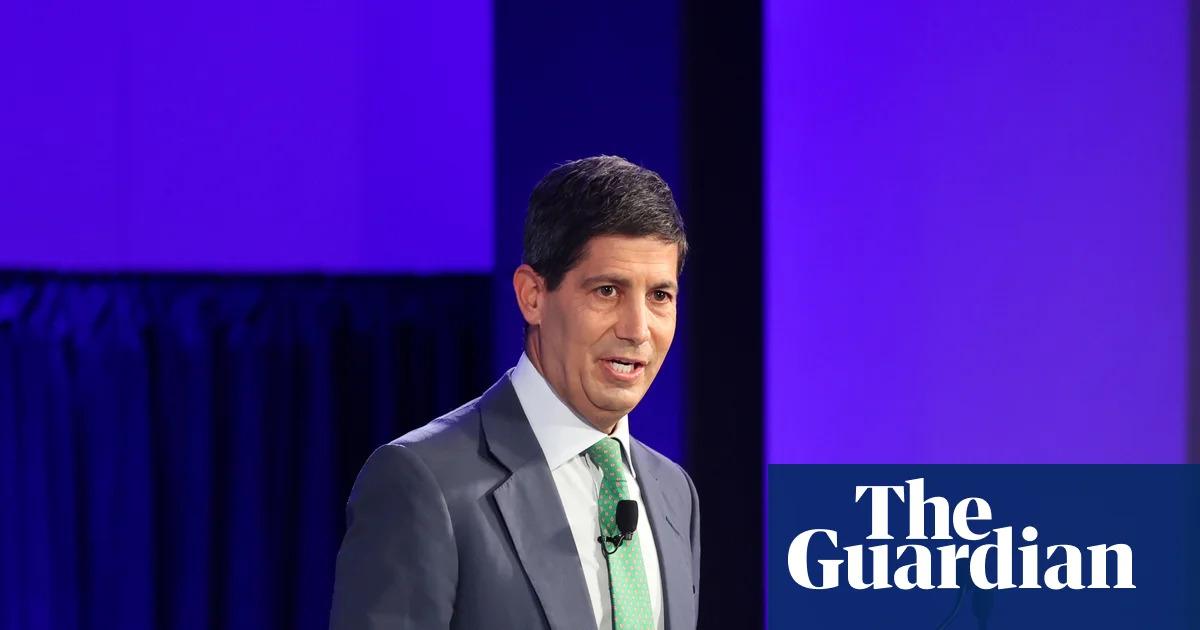
Trump urges Fed to heed his voice as he chooses new leader: ‘I’m a smart voice’

The United States finds itself in a turbulent era where the traditional independence of its central bank is being pushed to the brink. President Donald Trump has openly declared that he “should be listened to” by the Federal Reserve, signaling a bold challenge to the institution’s historical autonomy. As Trump weighs potential candidates to lead the Fed—most notably former Fed governor Kevin Warsh—the political pressure is mounting, with implications reverberating far beyond America’s borders. This unprecedented move underscores a larger trend where economic policy decisions are increasingly tangled with political agendas, raising alarms among global economists and analysts.

Traditionally, the Federal Reserve has operated as an independent entity, insulated from the political whims of sitting presidents. However, Trump’s vocal interference, including public attacks on current Chair Jerome Powell and attempts to influence rate-setting decisions, threaten to erode this independence. Powell’s cautious approach—resisting Trump’s calls for drastic rate cuts—has become a focal point of intra-governmental conflict. The president’s direct involvement in choosing a successor hints at a shift where economic stability and global markets could become pawns in political struggles. Analysts warn that this interference might diminish the credibility of the Fed, which could lead to increased market volatility and a loss of investor confidence worldwide.

The geopolitical impact of these developments cannot be overstated. As America grapples with internal political pressure, its relationship with key international economic institutions becomes more strained. The potential for a Fed influenced by partisan politics raises concerns among allied nations and rival powers alike. In particular, China and Russia, observing America’s internal turmoil and the potential weakening of its economic governance, may seek to exploit this vulnerability. The International Monetary Fund and other global monitors have started to warn that politicized monetary decisions could spark ripple effects, destabilizing the already fragile post-pandemic recovery in emerging markets and shifting the global economic balance of power.

Historically, figures such as Ben Bernanke and Janet Yellen emphasized independence of central banks as vital for maintaining economic stability. Today, Trump’s push to curtail this independence signals a shift that might redefine the very role of monetary policy in the 21st century. The analysis of geopolitical strategists suggests that the internal fight over the Fed’s leadership is an indicator of larger shifts towards greater nationalistic control over economic institutions. Whether this marks an inevitable deterioration or a turn towards a more politically accountable central banking system remains a question with profound implications. As the world watches, the unfolding saga of the US’s monetary leadership stands as a potent reminder that the decisions made in Washington will echo across borders, shaping the future of international monetary stability and societal prosperity.

In the grand theater of history, this chapter may be remembered as the moment where an economic empire’s internal integrity was tested by political ambitions. The clash between independent monetary policy and political interference sets the stage for a tumultuous era—one in which the outcome could determine the fate of global economic governance for generations. With each passing day, the weight of history presses heavily upon the shoulders of policymakers, and the world holds its breath to see if the next chapter will forge a path towards stability or descend into chaos—a testament to the enduring struggle between power and prudence in shaping our shared destiny.

Farmers protest French blockades over cattle cull crackdown

Amid mounting protests and widespread unrest, France finds itself at a crucial crossroads in an ongoing battle over agricultural sovereignty and economic stability. Angry farmers, disillusioned by government policies and EU directives, have staged intense demonstrations across rural regions, notably in the southern Ariège department, where clashes erupted between riot police and protestors over the controversial slaughter of cattle amid the outbreak of Lumpy Skin Disease (LSD). This highly contagious bovine affliction, transmitted predominantly through fly-bites, has ignited passions within France’s farming communities. Although the disease is rarely fatal, its economic toll—rendering cattle unsaleable and severely damaging milk production—has become a flashpoint in the broader struggle to preserve local agriculture and traditional ways of life.

The French government’s response, involving the mass slaughter of entire herds following isolated infections, has been met with fierce opposition from key farmers’ unions such as Conféderation Rurale and Conféderation Paysanne. These groups argue that the policy is an overreach, asserting that more nuanced methods like selective culling and vaccination could contain the disease without devastating farmers’ livelihoods. Nonetheless, most veterinary experts, including Stephanie Philizot, head of the SNGTV vets’ union, warn that the virus often appears in symptomless animals, making whole-herd slaughter a necessary, if harsh, precaution. With approximately 110 outbreaks since June, primarily in France’s east and increasingly spreading into the southwest, the situation underscores the challenge of balancing public health measures with economic survival in a climate of escalating farm crises.

Beyond the immediate health concerns, the crisis illustrates a broader geopolitical tension over EU policies, agrarian independence, and international trade. The French government fears that mounting protests and farmer unrest could escalate into a wider movement, fueling resistance against what many perceive as overreach by EU institutions. Upcoming protests scheduled in Brussels during an EU summit highlight the national frustration over policies perceived to threaten their economic sovereignty. These grievances extend beyond disease control; farmers vehemently oppose the impending EU free-trade agreement with South American nations. Many alarmed farmers see this treaty as a gateway for increased imports of cheaper food—often produced under looser environmental and sanitary regulations—posing a direct threat to France’s agricultural sector and its cultural identity.

International analysts and organizations continue to watch these developments closely, recognizing them as a microcosm of broader struggles faced by EU member states. Historian Dr. Marie Dubois notes that “the current unrest echoes the historical tension between national sovereignty and supranational mandates, reminiscent of past crises when local interests clashed with overarching EU directives.” The European Commission and national governments alike are under immense pressure to navigate these volatile waters—striving to enforce health policies without igniting societal backlash that could fracture the unity of the European project itself. The outcome of this confrontation—whether it leads to policy concessions, political upheaval, or a reevaluation of EU integration—remains uncertain, but the stakes could not be higher.

As France’s farmers brace for more protests and stand at the edge of an increasingly uncertain future, history’s pen continues to write its own story. The struggle for agricultural sovereignty, national identity, and economic survival is unfolding in real time, leaving the continent on the brink of a new chapter in its ongoing saga. The next few months may redefine not only French rural policy but also the very fabric of Europe’s unity—reminding the world that beneath every diplomatic handshake and treaty lies a fragile human pulse, beating with the hopes and fears of generations. History is watching, and what is written now will echo for decades to come.

House Democrats push for release of Jack Smith classified report in showdown with Republicans

In a bold move that signals ongoing domestic chaos, the Democrats on the House Judiciary Committee are pushing to unveil classified portions of special counsel Jack Smith’s report concerning former President Donald Trump. The report, which scrutinizes allegations of mishandling classified documents and interference in the 2020 election, remains shielded by court orders, but the Democratic-led committee aims to challenge these restrictions. This standoff is not merely a matter of American political theater; it resonates deeply beyond U.S. borders, impacting global perceptions of the rule of law and the stability of the world’s leading democracy.

Recent developments reveal powerful implications for geopolitical stability. Judge Aileen Cannon has refused to release the classified content, citing ongoing court protections, while House Democrats argue it is essential for transparency, especially with Jack Smith scheduled to testify in closed-door sessions. The clash underscores a broader fight over transparency versus legal boundaries—a tension that could unsettle international peace if perceived as a sign of lawfare or political weaponization. According to international analysts and critics of U.S. politics, these events serve as a stark reminder that internal political strife can escalate into a signal of internal erosion of legal integrity, threatening global alliances predicated on American stability.

As Republicans led by Jim Jordan escalate their efforts, including issuing subpoenas for Smith’s appearance, the situation emphasizes a dangerous polarization. Locally, these proceedings could influence legislation and law enforcement policies, but what’s truly alarming is how this chaos fuels uncertainty on the international stage, especially among allies and adversaries alike. The ongoing drama also ignites fears of politicized justice, reminiscent of narratives that global power players like Russia and China exploit to undermine American credibility. The geopolitical impact amplifies as nations watch Washington’s internal struggles unfold, questioning American endurance and the durability of its democratic institutions.

Historians and policy analysts warn that these events mark a pivotal moment—a test of the principles of justice, sovereignty, and leadership. The decision by Judge Cannon to withhold certain documents, combined with the congressional push for transparency, inputs into a broader conversation: Are American elites capable of balancing legal integrity amidst political turmoil? Or are we witnessing the dismantling of trust in the foundational pillars of democracy? As the world’s preeminent superpower. stares into this abyss, one thing is clear: history is being written in real time — and its consequences will echo across generations. The weight of these decisions extends far beyond the Capitol, shaping the narrative of power, justice, and national resilience for decades to come.

Exposed: Effort to Smuggle Nobel Laureate Out of Venezuela

In an unprecedented display of clandestine operations and international intrigue, Venezuela finds itself again in the global spotlight amid a tense geopolitical climate. A daring rescue mission, dubbed Operation Golden Dynamite, successfully extracted the prominent opposition leader and Nobel laureate, María Corina Machado, from her hidden sanctuary within the country. The clandestine plan, executed by the private intelligence firm Grey Bull Rescue, involved perilous sea crossings through rough, pitch-black waters, all designed to foil the ever-watchful eyes of authoritarian regimes. Such maneuvers are not just daring feats—they are emblematic of the rising tides of tension between Venezuela and Western powers, especially the United States, which has recently ratcheted up its rhetoric against Nicolás Maduro’s government.

The operation’s success raises serious questions about the underlying intentions behind U.S. involvement. Analysts and historians warn that these covert actions are indicative of a broader, behind-the-scenes escalation of non-conventional warfare aimed at regime change. The founder of Grey Bull, Bryan Stern, confirmed that preparations had been underway for months, with infrastructure built in the Caribbean designed to facilitate quick evacuations of key opposition figures or American allies should Venezuela’s internal crisis spiral further out of control. The fact that this rescue was financed privately, without formal government backing, underscores the shadowy nature of international power plays, where decisions made in secret can have profound and lasting geopolitical impacts across the region and beyond.

Critics and international observers contend that the rising unrest is deeply intertwined with U.S. attempts to weaken Maduro’s grip and promote regime change, echoing historical patterns seen in comparable conflicts. The move comes amid mounting speculation that the Biden administration is weighing more aggressive options, including possible military intervention, especially given President Donald Trump’s recent inflammatory remarks accusing Maduro of drug trafficking and violent crimes. According to international security analysts, such rhetoric is designed to serve as strategic pressure—a warning to authoritarian regimes and opposition groups alike. The unfolding drama suggests the region stands on the brink of a new conflict, where diplomatic negotiations may be overshadowed by covert operations, escalating tensions with long-lasting consequences for societal stability in Venezuela and the broader Latin American corridor.

Historically, conflicts driven by external interference have reshaped nations, often leaving scars that persist for generations. United Nations and other global organizations have repeatedly warned of the dangers posed by interventionist policies that undermine sovereignty and fuel cycle of violence. As Venezuela faces internal turmoil and external pressures, the decision-making funnel held by international actors will undoubtedly influence the course of history. The story of María Corina Machado’s rescue is more than an isolated event; it is a chapter in a much larger saga—one where the weight of history continuously shifts, and the fate of nations is decided behind the veils of secrecy and power. As the sun rises over a continent on the brink, the world must ponder: how many more secrets, more interventions, and more sacrifices lie ahead in this unfolding geopolitical chess game?

Social Media Auto Publish Powered By : XYZScripts.com