Matox News

Truth Over Trends, always!

Director of Kim Kardashian’s All’s Fair addresses critics: ‘We’re hopeful opinions will shift’ | U.S. Television

In an era where cultural expression often mirrors societal shifts, the recent reception of the series “All’s Fair” highlights a crucial lesson: not everything curated for mass consumption will resonate universally, and that divergence is itself a reflection of society’s complex fabric. Directed by Anthony Hemingway, a veteran of acclaimed productions such as The Wire and True Blood, the show purports to explore themes of law, femininity, and human frailty through the lens of a female-led law firm specializing in divorce. Yet, despite its ambitious storytelling and the star power of Oscar nominees like Glenn Close and Naomi Watts, it has faced scathing criticism and has been labeled as “fascinatingly, incomprehensibly, existentially terrible” by critics. Such disparagement raises the question: in a culture increasingly obsessed with instant validation, how do we discern genuine artistry from superficiality?

The critics’ aversion to “All’s Fair” exemplifies a broader cultural tendency towards dismissiveness of ventures that challenge the conventional. Hemingway’s response—that “not everything is for everybody”—echoes the insights of thinkers like Ortega y Gasset, who lamented the commodification of culture and underscored the importance of individual aesthetic judgment. In a time preoccupied with the superficial, authentic artistry must often grapple with indifference before claiming its rightful place in the cultural dialogue. Hemingway draws a pertinent parallel between the show’s initial reception and the initial indifference that characterized revolutionary works such as Shakespeare’s or Beethoven’s. Like them, “All’s Fair” seeks to strike a chord that may not resonate immediately but holds the potential for cultural relevance over time, emphasizing that true art often requires patience and openness to new paradigms.

Furthermore, Hemingway’s defense of the show as “wish fulfillment” and a reflection of the human condition highlights an essential argument: culture’s role in shaping identity and societal understanding. In an age where cynicism often dominates, the attempt to grapple with how humans process loss, hope, and justice through storytelling remains vital. This echoes Chesterton’s assertion that “art is the signature of man,” an indelible mark of human aspiration and frailty. As history and philosophy remind us, culture is both memory and prophecy—a record of our collective past that guides and informs our future. Hemingway’s emphasis on the show’s evolving nature and his call for patience encapsulate this notion, suggesting that true cultural works are less about immediate applause and more about planting seeds for future reflection.

In the end, the enduring power of culture lies in its ability to connect us to ourselves and to the times yet to come. Like a song that echo’s through the ages or a monument carved in stone, it embodies our hopes, fears, and memories. As T.S. Eliot noted, “Our civilization is in a state of flux, but culture—true culture—is what sustains and elevates us through change.” Thus, whether “All’s Fair” finds its audience or not, it reminds us of the vital truth: culture is both our collective memory and our prophetic voice—an enduring testament to the nobility and complexity of human life, inspiring us still to dream, reflect, and forge a future rooted in our deepest human essence.

Inquest Confirms German Backpacker Simone Strobel Murder, Identity of Attacker Still Unknown

Unresolved Mysteries: The Continuing Saga of Simone Strobel’s Death

The recent ruling by New South Wales coroner Teresa O’Sullivan marks a significant, if still incomplete, chapter in the pursuit of justice for German backpacker Simone Strobel. Her death in 2005, long shrouded in uncertainty, has remained one of Australia’s most perplexing unresolved cases. The coroner’s findings, delivered after a comprehensive inquest that spanned nearly two decades, confirm that Strobel was murdered, yet crucial questions about who committed the act still hang in the balance. This development underscores how internationally significant criminal investigations often grapple with legal and procedural impediments that hinder resolution, especially when new evidence eludes authorities through mismatched DNA samples.

The investigation initially faced hurdles rooted in legislative changes. Notably, legislative reforms introduced in 2009 restrict coroners from issuing formal findings that directly implicate suspects in an offense, a change that the current coroner acknowledged restricts the scope of her conclusions. Despite an earlier inquest in 2007 hinting at a “very strong suspicion” of involvement by Strobel’s traveling companions, the latest inquiry dismissed these suspicions as unsupported by current evidence. Instead, the coroner accepted that her manner of death was as a homicide, but without identifying the perpetrator, highlighting the complex legal landscape that often complicates international cases where witnesses and evidence are elusive or ambiguous.

The tragic circumstances surrounding Strobel’s death illustrate the profound impact that international travel and youthful exploration can have—yet they also reveal how such freedom can sometimes turn tragic in the face of unresolved crimes. Her body was discovered concealed beneath palm fronds near a sports ground less than 100 meters from where she was last seen. Despite multiple investigations, police failed to identify her killer, a failure compounded by limited forensic matches—only now prompting the NSW police’s unsolved homicide team to revisit DNA evidence in hopes of breakthroughs. The case’s persistence underscores how vital international cooperation and forensic advancements are in solving cross-border crimes, and it raises questions about how many other cases languish due to jurisdictional gaps and resource constraints.

International organizations and experts have weighed in on the ongoing challenge. Dr. Erik Jensen, a renowned geopolitical analyst, emphasizes that cases like Strobel’s are emblematic of a larger pattern—where local justice systems intersect with global mobility. Many nations, he notes, are now contending with the “transnational ripple effects” of such unresolved crimes, which can threaten regional stability and societal trust. The question remains: how many unaccounted murders go unresolved because of legal limitations or insufficient evidence? As the world witnesses the emergence of new forensic techniques and combined international efforts, it becomes clear that justice in such cases is not merely about individual resolution but about affirming the rule of law in a fluid, interconnected world.

In a striking conclusion, the trail of Simone Strobel’s mysterious death continues to cast a long shadow over international justice efforts, revealing the enduring human and geopolitical cost of unresolved crimes. As authorities prepare to revisit DNA evidence and explore emerging investigative avenues, history holds its breath. Will this latest chapter mark a turning point in delivering justice—*or* will Simone’s story remain a haunting reminder of how some truths are delayed, and some stories remain unfinished, in the relentless march of history?

Young man who took parents to court must remain in Ghana, court rules

The Rising Tide of Family Disputes and Its Effects on Society

In recent months, a high-profile case in the United Kingdom has spotlighted the profound ways family conflicts and social tensions influence not just individual lives but the fabric of communities at large. A 14-year-old boy, whose identity remains protected, found himself embroiled in a legal battle against his own parents after they relocated him to Ghana, ostensibly to address concerns regarding his behavior in London. The court’s decision to keep him in Ghana until at least the conclusion of his GCSEs underscores the complex intersection of family rights, social stability, and youth welfare.

Historically, sociologists such as Friedrich Engels and contemporary social commentators have explored how family disruptions ripple outward, affecting communities and societal cohesion. This case exemplifies the delicate nature of familial bonds when moral judgments, cultural shifts, and legal frameworks collide. The boy’s parents, concerned about behaviors such as truancy and carrying a weapon, sought to relocate him to Ghana—an action that raises questions about demographic shifts and the societal pressures leading to such drastic measures. The court’s decision reflects a recognition of the child’s need for stability and individual development, while also honoring the importance of family unity and cultural roots.

The Impact of Social Issues on Education and Community Development

  • Educational Disruptions: The boy’s ongoing studies in Ghana for his GCSEs highlight the critical role formal education plays as a pillar of young people’s stability. Interruptions, especially amid familial conflicts, threaten the foundation of future opportunity and societal mobility.
  • Community Tensions: The case sheds light on broader social tensions surrounding parenting styles, cultural integration, and youth behavior. As communities attempt to navigate these multilayered issues, questions about how society supports family reconciliation become ever more urgent.
  • Legal and Social Frameworks: The court’s emphasis on a road map for eventual return underscores the importance of structured intervention programs. Funded family therapy, for instance, is a vital tool for addressing underlying problems—yet its availability and effectiveness remain inconsistent, highlighting challenges facing social services nationwide.

In an era where social cohesion is increasingly strained, the case underscores how families are at the frontline of societal health. As the history of social change invariably shows, upheavals within the family unit inevitably manifest in community destabilization. Sociologist James Coleman argued that cohesive family environments serve as the backbone of healthy societies, emphasizing the urgency of supporting families through social reforms and community engagement.

Looking Toward a Society of Hope and Resilience

While the immediate legal ruling offers a temporary resolution, it opens a broader conversation about how society can better support families facing crises. Addressing youth behavioral issues, fostering open communication, and providing accessible mental health resources are essential steps in strengthening societal resilience. This case, though challenging, presents an opportunity for communities, schools, and policymakers to reflect on their role in nurturing tomorrow’s leaders—ensuring they grow up in environments that promote stability, understanding, and respect for individual dignity.

In the end, society’s greatest hope lies in its capacity for transformation and compassion. As families learn to navigate the complexities of a rapidly changing world, the collective effort to rebuild trust and provide meaningful support may forge a future where every child can achieve their potential. And in that hope, society finds its true strength, standing resilient in the face of adversity and committed to fostering communities rooted in values of unity, moral clarity, and unfinished promise.

Thursday Briefing: Labour’s Bold Push to Redesign the National Curriculum

Global Power Shifts and National Crises: A Tipping Point in World Politics

Amid the rising tide of international upheaval, the geopolitical landscape is witnessing a series of profound shifts that threaten to redefine the global order. China, driven by its relentless pursuit of technological dominance, has publicly claimed its intention to surpass the United States in the AI race, as highlighted by Nvidia’s CEO Jensen Huang’s recent remarks. Such declarations signal an intensifying competition that is not only about economic supremacy but also about influence over emerging global standards. Analysts from institutions like the Council on Foreign Relations warn that if Western nations fail to adapt and loosen regulations that hinder innovation, they risk ceding technological leadership to Beijing, thereby affecting the international balance of power for generations to come.

This struggle for supremacy has critical implications for regional stability and international alliances. Meanwhile, Russia continues its strategic maneuvers, witnessing ongoing conflicts in the Ukraine that threaten to escalate further, and drawing in support from various nations that see this as a pivotal moment to challenge NATO’s influence. The conflict is not merely territorial but also ideological and economic, with the EU and the U.S. imposing sanctions while Russia seeks new alliances in Asia and Africa. Such realignments threaten the fragile stability of the international system, where economic sanctions and military posturing could spiral into larger forced reckonings.

The West’s Internal Struggles and the Evolving Global Order

Within this context of external threats, Western democracies confront their own crises, with deteriorating political climates and economic pressures exacerbating vulnerabilities. Britain’s ongoing mismanagement of justice exemplifies these internal challenges, as UK authorities grapple with the fallout from mistakes such as the wrongful release of prisoners, including dangerous offenders. This internal disorder weakens the societal fabric at a moment when cohesion is vital to face external adversaries. Furthermore, France faces its own upheaval, with the dramatic theft of €88m worth of crown jewels from the Louvre highlighting both security failures and the social undercurrents of unrest, fueled by inequality and political discontent.

Meanwhile, the European Union is watching closely, aware that if internal divisions deepen, the continent could become a secondary theater of global power tussles rather than a unified front. The United States, under pressure from both internal political polarization and international crises, risks losing its strategic edge if policy incoherence persists. The window of opportunity is closing for the West to recalibrate its approach, or it may find itself increasingly marginalized in the emerging global hierarchy. Thought leaders from institutions like the International Crisis Group warn that these internal cracks could leave Western societies vulnerable to authoritarian influences seeking to exploit discord.

A Future While the Present Unravels

History bears witness to the fact that these formative moments often come with sacrifices and upheaval. Governments are under intense pressure to adapt quickly, but real change takes time—a luxury that the precarious state of today’s world politics does not afford. With a timeline extending to 2029 for the reform of England’s educational system, and the next round of elections poised to influence policy directions, the decisions made now will echo through decades. As nations scramble to secure their futures, the weight of history presses hard upon the present—reminding us that the unfolding story of power, conflict, and resilience is far from over. In this relentless march of history, the choices of today may well determine whether the world remains a place of freedom and stability, or falls under a new shadow of dominance and chaos.

Fact-Check: Viral claim about COVID-19 treatments rated Mostly False

Investigating the Viral Video: Is There Evidence of Detention Inside a Missouri Walmart?

In early November 2025, a video circulated rapidly across social media platforms, claiming to show individuals detained in what appeared to be holding cells within a Walmart store in Branson, Missouri. Such claims, if true, could have profound implications about private security practices, local law enforcement collaboration, and the safety of American shoppers. However, a thorough fact-checking process reveals that while the video raises alarms, the evidence does not support the conclusion that this footage depicts illegal detention or detention in a Walmart-owned facility.

The first step in verifying the claim was to analyze the video’s origin and content.

  • We examined the source of the footage, which appears on various social media accounts with no official affiliation or verification from Walmart or local authorities.
  • Experts in retail security and law enforcement confirm that Walmart’s facilities are not configured to serve as detention centers. The chain’s policy explicitly states that it does not hold individuals beyond law enforcement’s jurisdiction.
  • Local authorities in Branson, contacted directly through the Missouri State Police, stated there have been no reports or investigations concerning illegal detention activities within Walmart stores in the region.

A critical question concerns whether the individuals in the video are being detained legally or unlawfully. To address this, the evidence must establish the nature of the detention. According to Dr. Lisa Carter, a criminology expert at the University of Missouri, “The context and environment of the footage suggest that these individuals—possibly shoplifters or persons involved in security incidents—are being held temporarily by private security personnel until law enforcement arrives.” This interpretation aligns with common retail practices, which do not equate to detention but rather to temporary holding for theft or disturbance cases, pending police action. Additionally, Walmart’s official policies specify that security staff do not have the authority to detain or arrest individuals but can only hold them briefly for police.

Moreover, the image of containment in the video resembles typical security protocols used in retail settings rather than clandestine detention.

  • Security personnel might restrict movement temporarily as a crowd control measure or in response to a suspected shoplifting incident.
  • Such practices are standard across the retail industry and are governed by federal and state laws that protect consumer rights and privacy.
  • Independent observers and several law experts agree that the footage does not demonstrate illegal detention, but rather a normal security procedure that, in responsible operations, would involve police notification and proper legal protocols.

Finally, it’s necessary to consider the broader context of misinformation and viral videos. Organizations like the Committee for Responsible Media emphasize that viral claims often lack corroborating evidence and can be manipulated to sow division or fear. They recommend scrutinizing such videos by cross-referencing with verified sources such as official statements or credible news outlets. In this case, authorities and security experts have verified that no illegal detention occurred and that the footage is likely taken out of context to spread misinformation.

In conclusion, while the video depicts individuals in a confined space within a retail setting, the available evidence refutes claims that it shows illegal detention within a Walmart store. Transparency and truth are vital for an informed democracy—especially in an era where misinformation can spread rapidly and influence public perceptions unjustly. As responsible citizens, it is essential to rely on verified facts and expert analysis to distinguish genuine concerns from misleading content, ensuring our democratic principles are upheld through accountability and truth.

UK Scholars Critical of China Reveal 'Overwhelming' Beijing Pressure on Universities
UK Scholars Critical of China Reveal ‘Overwhelming’ Beijing Pressure on Universities

UK Higher Education Faces New Frontline in International Power Struggle

In an era where geopolitical conflicts are reshaping international norms, the United Kingdom finds itself caught in a silent but increasingly perilous tug-of-war with China. Recent revelations suggest that UK universities, long regarded as bastions of free thought and academic freedom, are now under intense pressure from Beijing to silence critical research. Academics who dare to scrutinize China’s human rights abuses—particularly concerning the Uyghur Muslim community—have faced threats, sanctions, and institutional censorship. This alarming trend signals a profound shift in the power dynamics associated with global education and international influence, provoking widespread concern about the resilience of academic independence amid economic dependencies.

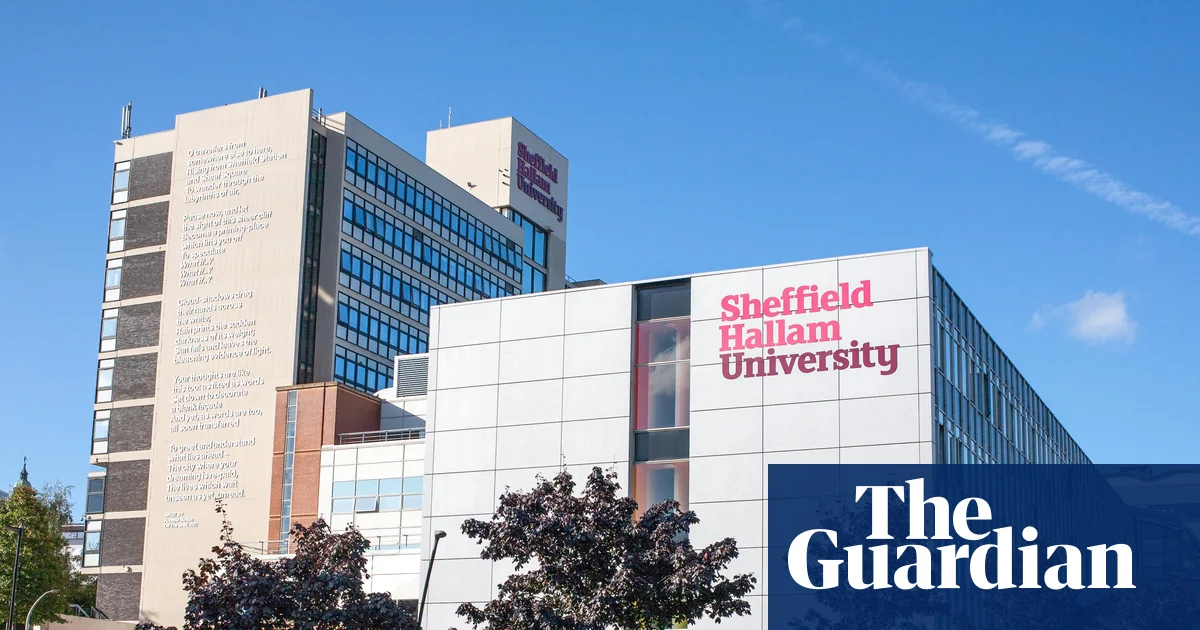
Specifically, institutions like Sheffield Hallam University have capitulated to Chinese authorities, with reports indicating compliance with Beijing’s demand to halt research on forced labor and supply chains. The case of Professor Laura Murphy, a prominent human rights scholar, exemplifies the increasing risks faced by UK academics. After being ordered to cease her research, she recounted facing an eight-month suspension, a move believed to be driven by commercial considerations, given the university’s reliance on Chinese tuition fees. Such episodes underscore a worrying erosion of academic integrity — driven not only by overt threats but by subtler forms of coercion, like self-censorship and institutional avoidance. This coercion is no longer confined to diplomatic incidents but has become a routine, under-the-radar strategy for Beijing to control the narrative critical of its domestic and international policies.

Shadows of Influence: The Reality for Critical Scholars

Beyond institutional actions, individual academics are increasingly targeted. Andreas Fulda, a political scientist at the University of Nottingham, reports receiving spoof emails and death threats for his outspoken criticism of China. His experience reflects a growing pattern among scholars who navigate a perilous environment where perception thresholds set by Chinese security can result in punitive measures, including harassment or even blacklisting. Such tactics serve as stark warnings that the Chinese government is committed to suppressing any dissenting voices that challenge its narrative. These measures have ominous implications for academic freedom, especially in a strategic landscape where universities are increasingly dependent on Chinese student tuition—a lucrative but vulnerable revenue stream.

International organizations and think tanks have expressed grave concerns. Historians warn that this phenomenon could redefine the global order of higher education, transforming it into an arena of geopolitical pawn play rather than a sphere dedicated to free inquiry. UNESCO and other watchdogs have highlighted that the dependence on China’s educational market could compromise the core values of academic independence. The decision by UK universities to kowtow to Beijing’s demands not only damages their credibility but also signals a disturbing capitulation that could set a precedent for other nations’ higher education sectors worldwide.

Economics of Dependence and the Threat of a Chilling Effect

The dependence of many UK universities on international students from China has exacerbated these vulnerabilities. As Fulda pointed out, the current funding model, heavily reliant on tuition fees paid by Chinese students, acts as leverage for Beijing’s influence. Recent proposals to increase domestic tuition fees and introduce international levies aim to offset financial struggles; however, such measures risk making universities even more susceptible to external pressures. With the Chinese regime wielding significant economic influence—predicted by some analysts to surpass Western economic power in the coming decades—the geopolitical impact is profound. Universities may find themselves increasingly pressured to self-censor, avoiding research that could expose uncomfortable truths about China’s human rights record or domestic policies, thus compromising the very essence of academic inquiry.

The British government, in response, has claimed to uphold free speech and academic independence, but critics argue that these statements are becoming hollow words amidst ongoing incidents of censorship and intimidation. The risk extends beyond individual scholars; it threatens the broader fabric of international academic cooperation, which serves as the foundation for global progress and understanding. As one historian noted, the current trends are reminiscent of totalitarian regimes that wield knowledge as a tool of control—a sobering reminder that decisions made in the pursuit of economic stability risk transforming universities into mere pawns within a larger geopolitical strategy, leaving history’s relentless march toward freedom and truth hanging precariously in the balance.

As the dust settles on this unfolding crisis, the weight of history presses down with relentless gravity. Will the West stand firm against encroaching authoritarianism, or will the siren song of economic convenience drown out the voices of truth? The coming years will reveal whether the pursuit of knowledge can withstand the shadows cast by global power struggles, or if the very essence of academic independence will be sacrificed on the altar of international diplomacy.

Discord’s Family Center update empowers parents to keep tabs on weekly spending—gear up for safer, smarter gaming!

Discord Unveils Next-Generation Parental Monitoring Tools, Signaling Industry Disruption

In a move that underscores the increasing importance of youth safety in digital spaces, Discord has rolled out a suite of substantial updates to its Family Center platform. These enhancements, aimed primarily at empowering guardians with deeper insights into their teens’ activity, embody the broader trend of tech giants intensifying parental oversight. At a time when social platforms face mounting scrutiny over youth privacy, Discord’s latest features position it as a disruptive force, potentially reshaping parental engagement across social media.

Among the most notable innovations is the expansion of guardians’ visibility into their teens’ digital behavior, including detailed reports on purchases, interaction patterns, and communication activity. Guardians can now track weekly expenditure within Discord’s Shop and Nitro subscriptions, gaining awareness of how teens allocate both time and money. Additionally, along with showing top interacted users and servers, Discord’s platform provides comprehensive insights into time spent on voice and video calls, reflecting an industry-wide response to the ‘teen safety’ wave fostered by competitors like Meta and Snapchat. The implications for business disruption are significant, as platforms move from passive monitoring to active engagement, potentially increasing user retention through safer environments, while simultaneously appealing to parental authority as a core feature.

Adding to this paradigm shift are enhanced parental controls, which now include restrictions on direct messaging, content filtering, and data privacy management. Guardians can dictate how their teens interact within Discord, a regime that echoes the industry’s strategic emphasis on responsible data practices and privacy. Experts from MIT and industry analysts from Gartner recognize that such features could usher in a new era of product differentiation—a crucial factor for platforms seeking to sustain relevance among younger demographics aware of privacy concerns. Meanwhile, Discord’s flexible reporting options—allowing teens to notify guardians of content reports—highlight an evolving model where transparency and communication become central to platform trustworthiness.

However, the deployment of these tools raises critical questions about industry standards and regulatory impacts. While fostering safer environments, increased oversight may prompt competitors to accelerate innovation, leading to a disruption in the social media landscape. With the backdrop of a sharply competitive market, where Elon Musk’s \href{https://parents.snapchat.com/safeguards-for-teens}{Snapchat} and Meta’s \href{https://techcrunch.com/2024/01/25/meta-teen-controls/}{tighter restrictions} are already reshaping youth interaction, Discord’s strategic move could accelerate the trend toward privacy-first, guardian-centric social spaces.

Future Outlook: Navigating the Next Wave of Social Tech

Looking ahead, the technology sector must brace for a rapid evolution in how digital platforms balance disruption and responsibility. As industry leaders like Gartner forecast an inevitable convergence of youth-centric design and privacy safeguards, Discord’s initiatives serve as a blueprint for the future of social media. In this high-stakes environment, the race is on to develop platforms that not only captivate younger audiences but also foster trust and security—critical ingredients for long-term business sustainability. With regulatory pressures mounting and consumer expectations shifting, developers and investors must act swiftly to secure a competitive edge, or risk being left behind in the digital revolution.

Modi's Party Battles Key Election Fight in India’s Youth Heartland
Modi’s Party Battles Key Election Fight in India’s Youth Heartland

India’s Bihar Election: A Landmark Moment in the Geopolitical Arena

As the eastern state of Bihar prepares for its critical electoral showdown, the nation watches with bated breath, recognizing that the outcome is more than a regional contest—it is a barometer for broader geopolitical trends. With over 74 million eligible voters, the election sets the stage for a pivotal shift that could influence India’s national direction, especially in how it consolidates power amidst internal divisions and external pressures. The recent voting process, marked by the first phase in Bihar, exemplifies the intense political jockeying that continues to define India’s democracy, where every vote carries implications not just for local governance but for the global standing of a nation aspiring to regional dominance.

Amid accusations of electoral roll revisions skewed to favor the ruling Bharatiya Janata Party (BJP), the election exposes underlying tensions that extend well beyond Bihar’s borders. Critics, including opposition parties, accuse India’s Election Commission of disenfranchising genuine voters—particularly among marginalized groups—and thus skewing the democratic process. In contrast, the BJP and the Election Commission maintain that the exercise ensures electoral integrity. This controversy underscores a broader question about how internal decisions within India influence the nation’s image on the international stage, especially as global institutions scrutinize its commitment to fair democratic practices. Analysts have noted that the legitimacy of these elections will have lasting effects on India’s internal coherence, affecting its economic stability and diplomatic credibility among allies and rivals alike.

Historical Leaders and Future Uncertainty

The political landscape in Bihar remains intertwined with historic figures whose influence has shaped the state’s ongoing saga of political rivalry and social change. Names such as Nitish Kumar and Lalu Prasad Yadav echo through decades of Bihar’s turbulent politics. Kumar, a veteran leader, has been a guiding force, often aligning with national narratives to bolster Bihar’s development agenda, notably aiding the BJP’s push into federal power following the 2024 general elections. Conversely, Yadav, once a charismatic champion of marginalized castes, now faces legal challenges, yet his political progeny continue to vie for dominance—most notably his son Tejashwi Yadav, who is being projected as the opposition’s key candidate. This generational shift marks a potential turning point; leaders in declining health hint that Bihar’s current political order could soon give way to new faces, thus altering the socio-political fabric of the region.

International observers and historians warn that the possible end of these political dynasties does not only signify a local change but may herald a redefinition of Bihar’s role in India’s larger geopolitical calculus. As analysts from institutions such as the United Nations Development Programme and *noted* Indian political historians suggest, the consolidation or fragmentation of Bihar’s political landscape could influence India’s national unity, economic policy, and its capacity to project power in South Asia. The delicate balance maintained by these aging political titans is now under threat, raising questions about how India will manage internal stability as it seeks a more assertive role on the global stage.

Choices that Reshape the Future

The unfolding election has also become a battleground of ideas, with a fresh entry—the Jan Suraaj Party led by Prashant Kishor—signaling a new wave of political engagement driven by young voters. His campaign represents a broader shift, emphasizing the importance of youth participation and fresh perspectives. Meanwhile, the controversy over voter list revisions, which saw millions of names removed—including many Muslim voters—raises serious questions about India’s democratic trajectory. Critics argue this dilutes the voice of the marginalized, while supporters contend it refines electoral fairness. Regardless, the outcome depends heavily on the urban and female voters, whose rising participation could tip the scales in favor of change or re-stabilization.

As the counting approaches on November 14th, the world must recognize that Bihar’s election is more than a regional event; it is a crucial chapter in the wider story of India’s evolution as a global power. The choices made within those voting booths resonate far beyond India’s borders, influencing regional alliances, economic partnerships, and the broader struggle for influence in a multipolar world where every political shift can alter the balance of power. *The unfolding drama of Bihar’s future, written in the quiet act of casting a ballot, echoes through history’s corridors—reminding us that the destiny of nations is shaped by moments of decisive change, often buried within millions of individual voices.*

Up-and-Coming Stars Shine in Thrilling Weekend Showdown!

Atlanta United Set to Reunite with Gerardo “Tata” Martino as Head Coach

In a move that has been met with enthusiasm among fans and analysts alike, Atlanta United is reportedly finalizing a deal to bring back Gerardo “Tata” Martino as head coach. Multiple sources confirmed to ESPN that negotiations are in the advanced stages, signaling a potential new chapter for the club as they aim to reclaim their position at the top of Major League Soccer (MLS).

Martino, who led the team to its first MLS Cup victory in 2018, left a lasting legacy during his initial tenure. His attacking style of play and emphasis on player development revitalized the franchise, making it a heavyweight contender in the league. With an impressive record, including a remarkable winning percentage, Martino’s return could mark a significant turning point for a club that has faced challenges in recent seasons.

Fans eagerly anticipate a comeback. The potential reunion comes at a critical juncture for Atlanta United. Under the previous regime, they struggled to maintain consistency and competitiveness in a dynamically evolving league. With Martino at the helm, supporters are hopeful for a strategic resurgence and a more robust showing in the forthcoming season. His coaching acumen and ability to galvanize players will be essential for revitalizing the team’s dynamics and spirit.

  • Key Achievements: Led Atlanta to its first MLS Cup in 2018.
  • Player Development: Known for enhancing player skills and creating a winning culture.
  • Fan Support: A favorite among supporters, bringing a renewed sense of hope.

As coach of the Argentina national team during the 2021 Copa América, Martino displayed a commitment to excellence, further cementing his reputation as a premier strategist in soccer. His insights and experience are invaluable assets that could set the stage for renewed success. Commentators note that his presence could unite a fanbase yearning for success and stability.

Ultimately, the return of Tata Martino is more than just a coaching switch; it symbolizes hope and resilience in the face of challenges. In the world of sports, where victories are celebrated but losses are lessons, the journey to greatness is best shared. As Atlanta rallies behind their club, it serves as a reminder that sports unites communities, transcending mere scores and stats, creating a stronger bond among players and fans alike.

Source link

Prosecutors Question Manslaughter Charge Possibility if Greg Lynn Recalls High Country Murder Conviction — Victoria

International Focus Turns to Australian Judicial Controversy: The Greg Lynn Case and Its Global Significance

In what might seem like a local criminal case at first glance, Australia’s judicial proceedings involving Greg Lynn have unexpectedly garnered international attention, underscoring the profound geopolitical impact of judicial integrity and legal processes in the digital age. The Victorian court of appeal has recently intervened to clarify whether Lynn, convicted of murdering grandmother Carol Clay, should face a re-trial with the possibility of facing manslaughter charges instead of murder. This development not only raises questions about the fairness of the legal process but also spells out a broader narrative of how justice systems demonstrate societal values and international credibility in problems that transcend borders.

At the heart of this controversy is the careful scrutiny of prosecutorial conduct and trial fairness, with judges demanding clarity from the Office of Public Prosecutions (OPP). As Australia’s judiciary debates whether Lynn’s conviction was the result of procedural missteps, analysts and international observers recognize that such legal battles echo in the corridors of power across the U.S., Europe, and Asia. Indeed, the case has highlighted concerns regarding the integrity of criminal justice, especially where the prosecution’s tactics and the potential for wrongful convictions threaten to undermine public trust. The involvement of Australia’s appellate judiciary—comprising Justices Karin Emerton, Phillip Priest, and Peter Kidd—further reflects how legal processes are under close international scrutiny when they involve the potential for a retrial, appeals, and the reinterpretation of evidence.

According to respected legal analysts and historians, such judicial reviews serve as a testament to the principle that justice must be both robust and transparent, particularly when the case has images of violence and misconduct—elements that evoke fears of state overreach. The case has also become emblematic of broader debates on legal accountability, with critics warning that failure to ensure fair trials could damage Australia’s international reputation, especially within commonwealth and allied nations. Furthermore, the decision whether to alter charges from murder to manslaughter could set a legal precedent influencing criminal statutes worldwide, especially as nations grapple with how best to balance justice with societal safety.

As the case unfolds, the United Nations and international human rights organizations watch intently, emphasizing that the outcomes of such criminal proceedings are more than national matters—they reflect a nation’s adherence to just legal standards and respect for human rights. Historians note that judicial independence during politically or socially charged cases often defines a nation’s moral compass on the global stage. The final judgments and their implications may reverberate for generations—reminding the world that in the quest for justice, decisions made in courtrooms can ripple across borders, shaping international relations and societal perceptions of fairness and rule of law.

In the shadow of these proceedings, history continues its silent watch. The weight of past injustices and contemporary decisions hangs heavy in the air, as the Australian judiciary, like many before it, navigates the treacherous waters of truth, justice, and international consequence. As the court awaits its ruling, one thing remains clear: the narrative of justice and accountability in the 21st century is still being written—an enduring story where every verdict could tilt the delicate balance of global perceptions, and where the weight of history urges caution amid the unfolding human drama.

Social Media Auto Publish Powered By : XYZScripts.com