Matox News

Truth Over Trends, always!

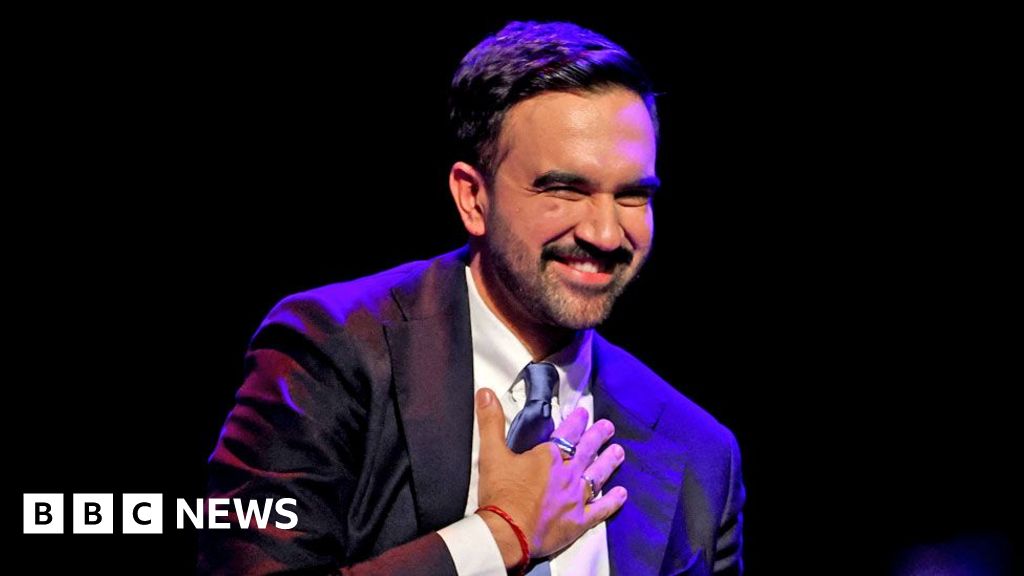
Zohran Mamdani Secures Major Victory for the Future

Global Power Shifts: The Dawn of a New Geopolitical Era

In recent weeks, the geopolitical landscape has undergone a series of dramatic shifts that are echoing through the corridors of power across North America. The election of Zohran Mamdani as the youngest mayor of New York City, representing a new wave of progressive, multicultural leadership, exemplifies how societal change is intertwined with global trends. Mamdani’s victory, achieved against the odds with minimal institutional backing, signals a broader appetite among the youth and marginalized communities for leadership rooted in social justice, economic reform, and a willingness to challenge entrenched power structures. The implications extend beyond municipal borders, raising questions about the evolving political paradigm in the United States and its ripple effects on international diplomacy and alliances.

Analysts and international organizations are warning that such electoral shifts reflect a larger global phenomenon where traditional center-left parties face internal pressures, often due to rapid demographic changes and the rising influence of socialist-influenced policies. The United States, long regarded as a bastion of free-market capitalism and military power, is witnessing internal debates over issues like taxation, public welfare, and foreign policy — debates that are now entangled with identity politics and social justice. Mamdani’s outspoken condemnation of Israel’s conduct during the Gaza war, and his pledge to arrest Prime Minister Benjamin Netanyahu should he visit New York, underscore how domestic politics are increasingly shaping international relations. His stance risks being a flashpoint, stirring tensions within the city’s diverse communities and beyond, potentially complicating diplomatic ties with Israel and allied nations.

Meanwhile, Europe and Asia are observing these shifts with keen interest. The global community’s attention is focused on how fresh leadership in key cities and states influences broader geopolitical strategies. As historians and experts have observed, moments of political upheaval often serve as precursors to larger transformation — whether through electoral realignments or policy shifts. In Russia and China, authoritarian regimes watch with trepidation, knowing that the success or failure of these new liberal experiments could ignite similar movements further east or west. The turning point appears to be upon us, where the ‘rules’ of international politics are being rewritten in real-time, with every election, every policy decision, acting as a stroke on the vast canvas of history.

As Mamdani prepares for his inauguration, the challenges ahead are stark. His campaign, promising reform and radical change, clashes with existing power centers such as Wall Street and the city’s traditional political elite. The looming confrontation over taxes, public funding, and urban development signals that the battles for influence and policy dominance are far from over. Meanwhile, the American electorate remains divided, with rising conservative voices led by Donald Trump, eager to frame the new leadership as a threat to the nation’s stability. The ensuing conflict will shape the next chapter of American history, perhaps determining whether the nation continues its drift into a more progressive future or retrenches into familiar patterns of resistance and nationalism.

In the end, the ongoing saga of political change is not just about elections and policies; it is about the unfolding story of nations and their societies in the face of relentless global currents. The days ahead will test the resilience of this new leadership and reveal whether modern movements can carve their place in history or be consumed by the machinery of entrenched interests. The world watches as history continues to unfold—a terrifying yet hopeful reminder that, even in chaos, the seeds of change are sown, waiting for the right moments to blossom into something unprecedented. The future remains unwritten, but the legacy of these pivotal moments will forever shape the course of human destiny.
Fact-Check: Claims about climate science misrepresented in viral post

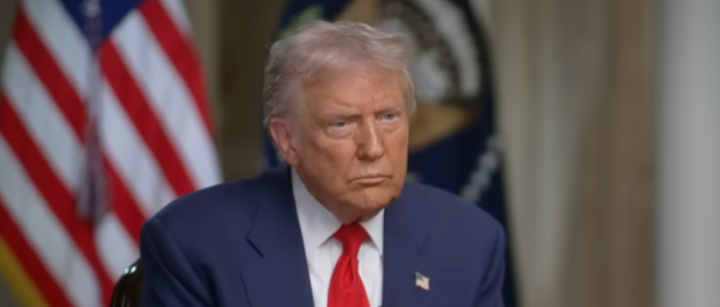
Unpacking the Facts: What Did Donald Trump Really Say?

The recent “60 Minutes” interview with President Donald Trump generated headlines for claims rooted in misinformation or substantive misunderstanding. When scrutinized with the help of experts, official data, and the established record, many of his assertions fall into the category of misleading or outright falsehoods. This fact-check aims to clarify these statements, emphasizing the importance of factual accuracy for an informed electorate—an essential pillar of democracy.

Nuclear Weapons Testing and International Activity

Trump claimed that the U.S. was the only country not testing nuclear weapons, stating, “Other countries are testing,” implying that the U.S. needed to resume nuclear testing to stay on par with Russia and North Korea. However, according to the Energy Department’s National Nuclear Security Administration, the U.S. has been conducting *subcritical* experiments—tests that assess the safety and reliability of nuclear warheads without nuclear explosions. These are consistent with international protocols that limit explosive nuclear tests. Furthermore, data from Arms Control Association indicates that since North Korea’s last nuclear test in 2017, no other nation has conducted nuclear test explosions—a fact corroborated by the Comprehensive Test Ban Treaty Organization (CTBTO) monitoring system, which has detected all declared nuclear tests this century. Thus, the claim of ongoing active nuclear testing by the U.S. or other nations like China and Russia is misleading.

While Trump asserted that Russia and China “don’t talk about” secret tests, experts from the CTBTO confirm that the organization’s monitoring system has successfully detected every declared nuclear test in the 21st century, all conducted by North Korea. Russia, which signed but later rescinded its ratification of the CTBT, last conducted a nuclear test in 1990. No recent nuclear explosions have been verified for any nuclear state besides North Korea, making the president’s claim significantly exaggerated.

Inflation and Price Trends

Regarding inflation, Trump claimed, “We don’t have inflation. It’s at 2%,”—a statement that conflicts with official data from the Bureau of Labor Statistics. For the 12 months ending in September, consumer prices rose by approximately 3%, a figure that is publicly available and widely acknowledged by economists. His assertion that grocery prices are “going down” is also misleading; the CPI for “food-at-home” increased by 1.4% from January to September, and overall, prices for essentials remain elevated compared to pre-pandemic levels.

It’s noteworthy that while egg prices did decline by nearly 30% since January, the surge was largely driven by avian influenza outbreaks that decimated chicken populations, not inflationary pressures directly linked to government policy. Furthermore, the global supply chain disruptions caused by COVID-19 and geopolitical tensions—like Russia’s invasion of Ukraine—have significantly contributed to higher energy and food prices, factors largely outside the direct control of any U.S. president.

Military Actions and Drug-Countering Operations in Venezuela

Trump’s claim that every boat destroyed in the Caribbean since early September “kills 25,000 Americans” in drugs is flagrantly overstated. According to public reports, the U.S. has hit fifteen vessels, nine of which are in the Caribbean. Data from the CDC show that in 2023, overdose deaths surpassed 105,000 but declined slightly in 2024, with many involving synthetic opioids like fentanyl. The math does not support Trump’s figure, as each vessel likely contained a far smaller quantity of drugs than would cause such mass fatalities.

Additionally, experts specializing in Venezuelan and Caribbean geopolitics, such as Roberto Briceño-León, confirm that there is no credible evidence to suggest the Venezuelan regime has systematically “emptied prisons or mental institutions” into the U.S. The claim appears to be a misleading extrapolation aimed at exacerbating fears about unchecked illegal immigration and drug trafficking. The U.S. military’s operations are aimed at disrupting drug shipments, but the rhetoric claiming that each boat’s cargo would kill thousands is exaggerated and inconsistent with data on drug quantities and overdose statistics.

Legal and Political Misstatements

Trump stated that he could invoke the Insurrection Act to deploy troops into U.S. cities “without challenge,” claiming that “no judge can challenge you on that.” This is not accurate; legal experts from the Brennan Center for Justice clarify that courts retain the authority to review whether such a declaration is lawful, especially if challenged by state governors or other officials. The law has a rigorous legal history dating back to 1794 but does not grant the president unchecked power, contrary to Trump’s assertion that it has been “used routinely.”

Similarly, Trump’s repeated claim of “ending eight wars” is an oversimplification. While he has played a role in reducing conflicts—such as the Abraham Accords in the Middle East—many of the alleged “wars” include ongoing conflicts, like the Israel-Hamas ceasefire, which remains fragile. Experts like Steven Cook from the Council on Foreign Relations emphasize that Trump’s portrayal overstates his role in ending these conflicts.

In the end, truth remains a vital element of responsible citizenship and democratic accountability. Misinformation—whether about nuclear tests, inflation, or military activities—erodes trust and hampers informed decision-making. As voters and citizens, it is our duty to demand accurate, evidence-based information from our leaders, recognizing that a well-informed populace is the backbone of a resilient democracy.

Academics Undermine Nationals’ $9tn Net Zero Cost Claim Amid Misrepresentation Allegations

Australia’s Climate Policy Clash: The Geopolitical Implications of the Net Zero Debate

In a dramatic turn that underscores the shifting sands of geopolitical influence, Australia finds itself embroiled in a fierce debate over its commitment to net zero greenhouse gas emissions. The controversy primarily revolves around misrepresented economic models and their interpretations by political figures, with serious repercussions for international relations and the nation’s strategic position. While University energy researchers have clarified that their modeling does not support the alarmist figures circulated by some in Australia’s Parliament, the ripple effects threaten to reshape global climate diplomacy and economic alliances.

Amid mounting internal pressure from the conservative faction of the Coalition, notably the Nationals and some Liberals, the government faces a crucial decision. Reconsidering commitments to net zero by 2050 could weaken Australia’s standing in the global climate accord and embolden regions seeking to delay environmental reforms. Some analysts warn that these internal disputes are less about environmental economics and more about geopolitical signaling. The ever-present tug-of-war between economic nationalism and international climate commitments is now front and center, with powerful implications for China’s Belt and Road Initiative and the strategic positioning of the United States in the Indo-Pacific region.

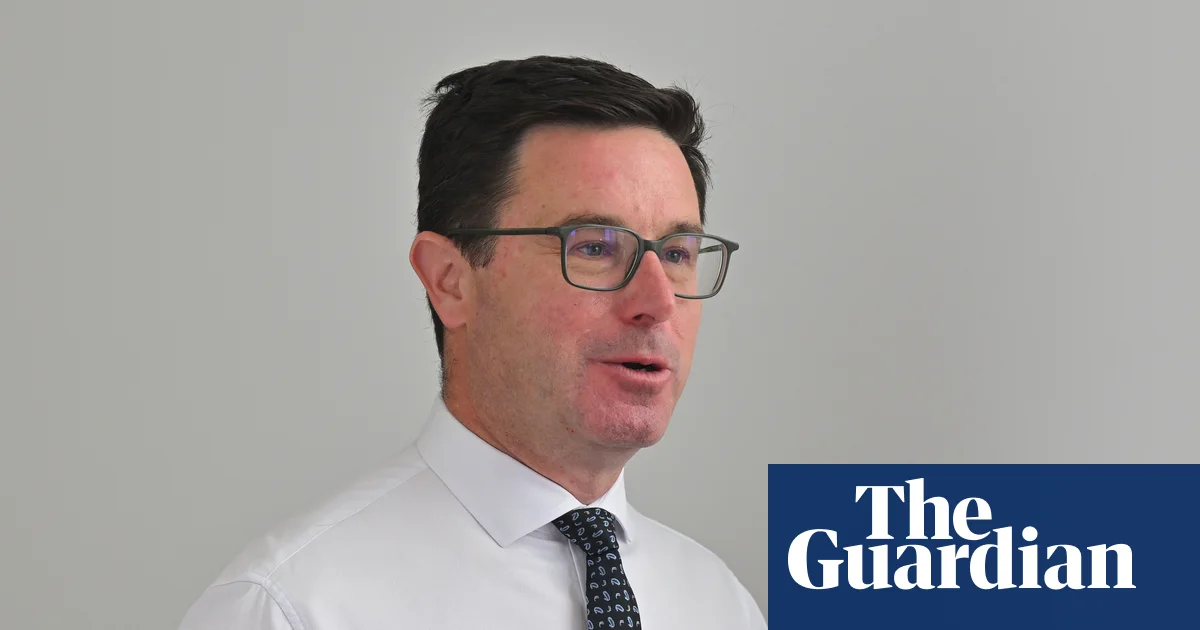
An illuminating aspect of this debate is the recent disclosure by the Net Zero Australia (NZA) group, which includes academics from prestigious institutions such as Princeton University and leading Australian universities. They clarified that the feared $9tn figure, frequently cited by figures like David Littleproud, is a cumulative estimate of projected capital investments needed by 2060—largely financed by overseas investors—not a direct burden on Australian taxpayers. This revelation significantly alters the narrative, shifting blame from internal government spending to international finance, and also exposes the misleading tactics employed by some politicians to sway public opinion.

Critics from the Institute of Public Affairs and other conservative groups argue that the costs threaten fundamental social services like Medicare and the NDIS. These claims resonate with domestic audiences wary of economic disruption, but they also serve to sow doubt about Australia’s role within the international community’s environmental commitments. Conversely, global organizations such as the United Nations continue to emphasize the importance of maintaining ambitious targets. The evolving discourse reflects not only a domestic struggle but also a broader geostrategic contest—where climate and economic policies are intertwined with sovereignty and diplomatic influence.

The unfolding scenario echoes a historical pattern seen in other nations where internal political conflicts about energy and environmental policies influence global alignments. As international analysts warn of a potential realignment, the question remains: how will Australia navigate the pressing demands of environmental responsibility, economic resilience, and geopolitical positioning? Each decision echoes through the corridors of power in Beijing, Washington, and Brussels, shaping the future of global climate governance. With history now in the making, the true cost of these choices—beyond mere dollars and cents—may determine whether Australia stands as a leader or a bystander in the epochal struggle over the planet’s future. The weight of history bears down, and the world watches closely, for this is not just domestic policy; it is a chapter in the larger story of the 21st century — a story still being written by those in charge today.

NVIDIA, Qualcomm Team Up with US & Indian VCs to Power India’s Next Deep Tech Wave

India’s Deep Tech Ecosystem Gets a Major Boost with US-India Coalition

In a significant move toward disruption of traditional markets and the acceleration of technological sovereignty, major players like NVIDIA and Qualcomm Ventures have joined forces with leading Indian venture firms to bolster India’s deep tech startup scene. Launching in September with over $1 billion in commitments, this coalition signifies a strategic pivot aimed at fostering innovation in areas such as satellite technology, semiconductor design, and quantum computing. Known for transforming industries through breakthroughs like AI accelerators and advanced chipsets, NVIDIA’s involvement as a strategic advisor—without direct funding—underscore the increasing importance of technical mentorship and ecosystem validation.

Indian startups have already demonstrated remarkable growth, boasting over 180,000 enterprises and more than 120 unicorns, yet a gap persists in capital dedicated to *fundamental infrastructure-scale innovations*. These ventures require long-term investments, often facing reluctance from risk-averse venture capitalists favoring proven, lower-risk models. This market gap is crucial for future global leadership and technological sovereignty, especially as major economies race to dominate core sectors such as biotech, space tech, and AI. The latest alliance, led by the India Deep Tech Alliance (IDTA), aims to fill this void by integrating capital, mentorship, and access to networks for startups involved in these high-impact domains.

Strategic Partnerships and Policy Acceleration

  • Participation from top U.S. and Indian investors, including Accel, Blume Ventures, and YourNest Venture Capital.
  • NVIDIA’s contribution as a technical guide will facilitate best practices in AI and accelerated computing deployment.
  • Qualcomm Ventures extends beyond funding to help startups leverage their internal expertise and network, emphasizing business disruption at the infrastructure level.
  • The Indian government’s recent ₹1 trillion (approximately $12 billion) Research, Development, and Innovation (RDI) scheme aims to empower long-term projects in key sectors like space, quantum, and biotechnology, positioning India as a burgeoning epicenter of deep tech innovation.

Experts such as Elon Musk and Peter Thiel have long emphasized the importance of building an ecosystem capable of sustaining disruptive innovation. The coalition’s strategy aligns with this vision, recognizing that *role models and substantial investment* are necessary to propel India into a new era of high-tech manufacturing and innovation. The alliance’s collaborative policy efforts could catalyze India’s emergence as a global hub for frontier technology, challenging incumbents in Silicon Valley and Shenzhen.

Implications for the Global Tech Landscape

While India’s deep-tech funding rose 78% year-over-year to $1.6 billion in 2024, disparities with mature markets remain stark. The new coalition and India’s proactive government initiatives could serve as catalysts to bridge that gap, drawing increased global capital and corporate interest. As MIT researchers note, ecosystems built on a foundation of strategic mentorship and long-term vision tend to produce market-changing companies within a decade. The current momentum indicates a potential surge in Indian-based, science- and tech-heavy firms that will become mainstays on global exchanges.

This shift signals a time-sensitive race for technological leadership; companies and nations that act decisively now will shape the future of innovation and economic power. With the participation of industry giants like NVIDIA and Qualcomm, combined with supportive government policies, India is poised to become a dominant player in the emerging frontier sectors. Tech entrepreneurs and investors alike must recognize that **the next wave of industry disruption is already under way**, and strategic engagement today will determine who leads tomorrow.

France probes Shein and Temu amid sex doll controversy, raising concerns for young consumers

In an era marked by rapid digital transformation, France has taken decisive action against major online retail giants such as Shein, Temu, AliExpress, and Wish amidst mounting concerns over their potential role in facilitating access to harmful content by minors. The Paris prosecutor’s office announced an investigation into these platforms for enabling minors to access pornographic and violent material, sparking an international debate on digital regulation and the protection of societal morals. As authorities scrutinize the content disseminated through these global marketplaces, particularly allegations of child exploitation and inappropriate material, the implications extend beyond France’s borders, casting a shadow on the operations of these companies worldwide.

  • Major platforms are under investigation for allowing minors access to inappropriate content, including violent, pornographic, and “undignified messages.”
  • Shein faces additional scrutiny concerning the dissemination of content related to children of a pornographic nature, with French authorities explicitly linking their product descriptions to potential child exploitation.
  • The Office des Mineurs, responsible for safeguarding minors, is now overseeing the legal case, highlighting the seriousness with which France is treating digital safety in tandem with traditional enforcement tools.

The global influence of these investigations cannot be understated. Experts and international organizations have increasingly voiced concerns over how unregulated online spaces threaten youth and societal values. The European Union, along with international watchdogs, has repeatedly warned that digital commerce platforms often escape stringent oversight, allowing harmful content to slip through the cracks. France’s move signals a potential shift towards tighter regulatory frameworks, with other nations watching closely. Particularly remarkable is the case of Shein, a Chinese-founded company preparing for its first permanent store in France, amidst protests opposing its expansion. These protests underscore how local communities are awakening to the broader consequences of unchecked digital and retail practices, driving discussions on sovereignty, morality, and economic influence in an interconnected world.

Historian and geopolitical analysts posit that such regulatory actions are reflective of a broader geopolitical contest. The United States and China are engaged in a quiet but relentless competition over digital dominance, with countries like France and other European nations becoming battlegrounds for establishing standards and safety protocols. As global institutions grapple with defining jurisdictional boundaries and enforcement, the decisions made today will shape the digital landscape for decades to come. The danger lies not only in protecting minors but also in how these policies could redefine sovereignty, digital independence, and cultural values in a new era of international diplomacy.

Ultimately, the unfolding story of France’s crackdown on online platforms encapsulates a crucial moment in world history—one where the powers of regulation and corporate influence collide amidst societal fears and the relentless march of technology. As the world watches, history continues to write itself, with each decision echoing across borders and societies. The weight of these choices will resonate for generations, setting precedents in the ongoing battle to secure a safe, moral, and sovereign future in an increasingly interconnected world. The scales of power are shifting, and history waits for no one.

Next Generation Stars Shine: Emerging Athletes Make Waves in Latest Action!

NFL Trade Deadline: A Game-Changing Day

The NFL trade deadline delivered a whirlwind of action, leaving fans buzzing and analysts scrambling to assess the deals executed by their favorite teams. This season, front offices across the league made bold moves, with a focus on both immediate impact and future potential. With playoff aspirations on the line, teams like the Miami Dolphins and San Francisco 49ers emerged as clear winners, while others, such as the Seattle Seahawks and New York Giants, grappled with questionable decisions that may come back to haunt them.

For the Dolphins, acquiring star receiver Tyreek Hill has paid off in dividends. His explosive speed and route-running ability, combined with a high-powered offense led by quarterback Tua Tagovailoa, positioned Miami as a formidable contender in the AFC. Commentator Chris Collinsworth remarked on Hill’s impact, stating, “He changes the entire dynamic of the field.” In today’s vintage showdown against the Buffalo Bills, Hill recorded over 100 yards receiving and a touchdown, further cementing his status as a key player.

Conversely, the Giants faced criticism after sending away mainstay linebacker Blake Martinez without securing a strong return. Head coach Brian Daboll defended the move in a press conference, emphasizing his commitment to youth and future growth: “We’re building something that will last.” However, many speculate this decision may weaken an already thin defense, leaving fans concerned ahead of the crucial upcoming games.

  • Dolphins secure vital win against the Bills with Hill leading in receiving yards.
  • 49ers make impactful trades to strengthen their offensive line.
  • Giants risk their defense’s integrity during the trade deadline.

As the dust settles on this year’s trade deadline, it is apparent that the NFL is much more than just a game; it is a theater where emotions run high and fortunes change in the blink of an eye. Whether through thrilling plays on the field or strategic moves off it, sports unite fans, players, and communities in a profound experience that transcends mere scores. Now, as teams regroup and assess their rosters, the stage is set for what promises to be an electrifying conclusion to the season.

Source link

Hegseth touts successful US strike on suspected drug smuggling boat

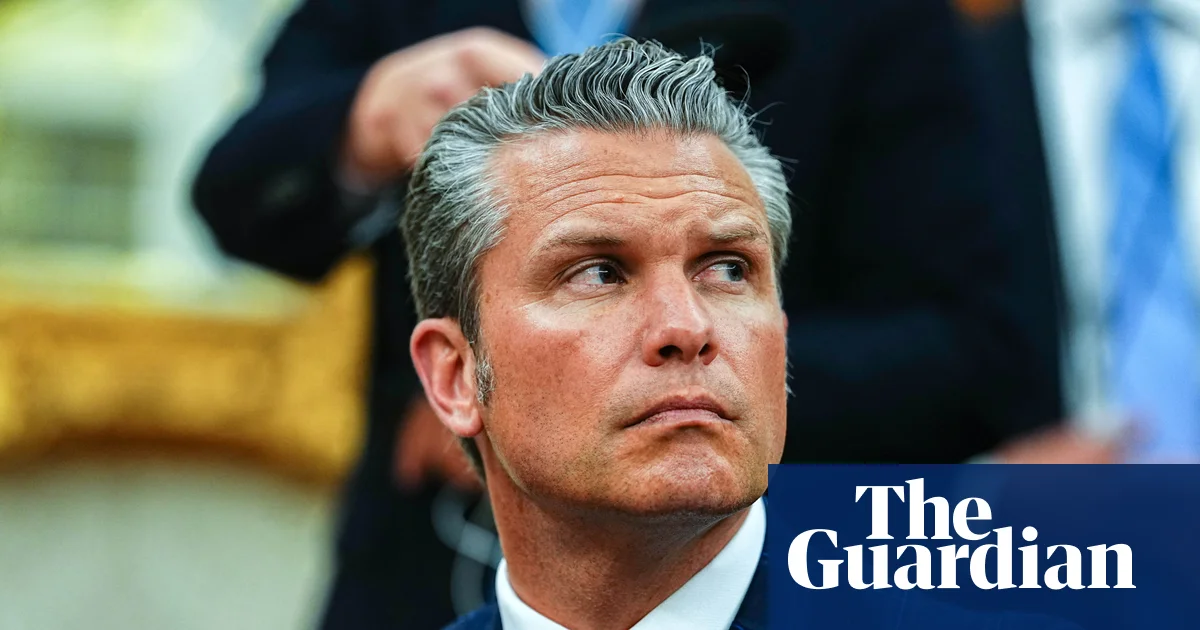
The United States continues its assertive military push in the South American and Caribbean regions, signaling a shift towards more aggressive tactics in its ongoing war against drug trafficking and perceived threats. Defense secretary Pete Hegseth announced a recent deadly strike against a vessel suspected of ferrying illegal narcotics. This strike, which claimed two lives, marks at least the 16th in a series of actions authorized by the Trump administration, raising crucial questions about the legal justifications and the broad implications of such unilateral interventions. The administration claims it is engaged in an armed conflict with drug cartels and foreign terrorist organizations, but critics and lawmakers alike demand more transparency and adhere to international norms.

This escalation coincides with the deployment of the USS Gerald R. Ford aircraft carrier to the Caribbean, a move that signifies the extent of America’s military buildup in the region. Having left the Mediterranean through the Straits of Gibraltar, it joins a formidable fleet—including destroyers like the USS Bainbridge and USS Winston Churchill—forming a show of force that many analysts see as an effort to assert dominance over critical maritime routes. Experts from think tanks warn that such actions could destabilize regional diplomacy, creating a climate of uncertainty that threatens both regional stability and international law. This buildup is not merely about combatting drugs but is viewed as a broader message of U.S. geopolitical resolve amid rising tensions with rival powers.

International response to these American maneuvers remains divided. While some narrative voices inside the U.S. emphasize a need for ‘tougher’ stance against illicit trafficking, others, including diplomatic organizations and historical analysts, interpret these moves as part of a strategic effort to project power and influence in an increasingly contested global arena. The deployment of large naval assets to Latin America underscores a broader trend identified by geopolitical scholars: the U.S. aims to capitalize on regional vulnerabilities, positioning itself as both protector and hegemon. Meanwhile, whether these actions will bring peace or further conflict remains a matter debated in global corridors, where the tension between security and sovereignty plays out.

As the smoke of recent bombings clears and the ships traverse international waters, the weight of history presses heavily upon the unfolding narrative. The decisions made today echo through decades, shaping the future alliances and conflicts that will define the global order. With each vessel, each strike, the silent story of ambition, power, and the relentless pursuit of America’s strategic interests continues—leaving the world on the precipice of a new chapter where the lines of engagement are redrawn and the true cost of such power is written in the shadows of history yet to be fully revealed.

Carney's federal budget ramps up spending to fight back against US tariffs, youth demand stronger economic resilience
Carney’s federal budget ramps up spending to fight back against US tariffs, youth demand stronger economic resilience

Canada’s Bold Fiscal Shift: Carney’s Budget Sparks Global Geopolitical Ripples

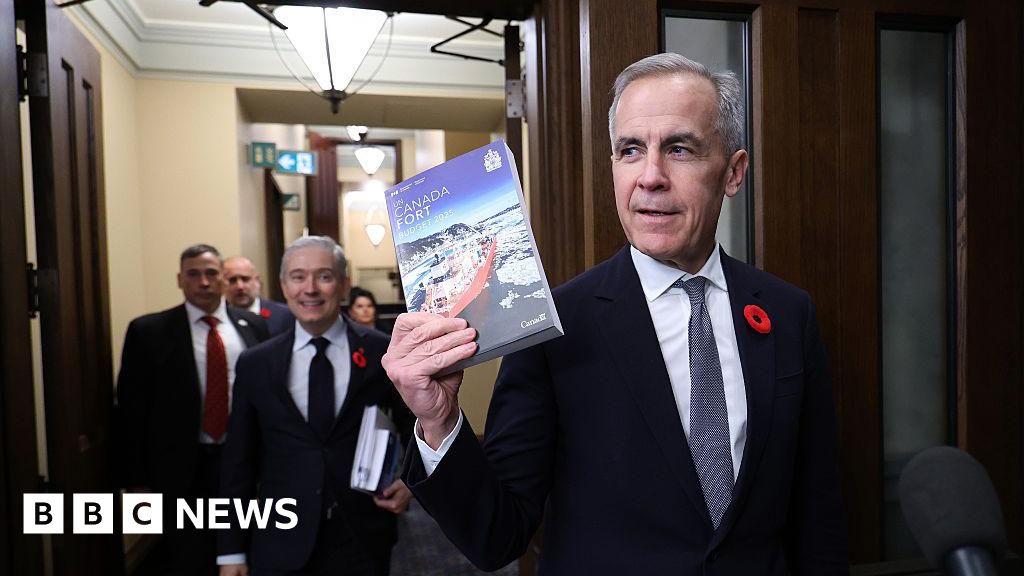
In a decisive move reminiscent of emerging economic strategies, Canada’s Prime Minister Mark Carney has unveiled his government’s inaugural federal budget, an ambitious blueprint aimed at transforming Canada’s economic landscape amid increasing US tariffs and trade tensions. Touted as an “investment budget,” it signifies a deliberate pivot towards resilience and global competitiveness, with a stark acknowledgment of Canada’s economic vulnerabilities and the need for swift, bold action. The plan projects a record-breaking deficit of C$78 billion—second only in Canadian history—yet underscores a strategic gamble: attracting C$1 trillion in foreign investment over the coming five years to offset the fiscal deficit and energize growth.

Internationally, the geopolitical impact of Canada’s budget resonates beyond its borders. By committing to a C$280 billion investment in trade infrastructure, the government aims to double exports to non-US markets over the next decade, signaling a strategic diversification of its trade dependencies—a move heavily scrutinized by analysts as a potential recalibration of North American economic ties. This shift is part of a broader bid to challenge the US’s economic dominance and make Canada a more attractive hub for international business than its southern neighbor. In tandem, the budget allocates nearly C$1 billion to integrate artificial intelligence into government and commercial sectors, reflecting a forward-looking approach in harnessing technological advancements to bolster national resilience and global influence.

However, critics skewer the plan as a double-edged sword, pointing to the austerity measures within its framework. The government plans to cut 40,000 federal jobs by 2029 and slash international aid to pre-pandemic levels, demonstrating a readiness to accept short-term societal pain for long-term strategic gain. This, combined with lowering immigration targets and restricting student visas, fuels internal debate about how decisions shape Society’s fabric. The budget’s passage, hampered by a fragile minority government and potential defections—such as the recent defection threat from a Conservative MP—heightens the risk of political upheaval, possibly even triggering a federal election. Such instability only underscores the *turning point* at which Canada finds itself—a nation at crossroads, balancing economic revitalization against social and political turbulence.

Recognized by international organizations and historians alike as a critical moment, this expansive budget reflects a broader blueprints for national sovereignty amid global shifts. Analysts from the International Monetary Fund and economic historians warn that Canada’s strategies could redefine the geopolitical landscape of North America, challenging the U.S.’s supremacy while building a more autonomous Canadian economy. Yet, the true impact remains uncertain—whether these bold initiatives will succeed in rescuing the nation’s future or merely deepen the shadow of mounting deficits and social unrest. As the dust settles over Ottawa, the world waits, shoulder to shoulder with Canadians, for the next chapter in this unfolding saga—an era where the decisions made today may well dictate the course of history for generations to come.

Teachers Face Threats After MAGA Claims Over Halloween Costumes Mocking Charlie Kirk

Disruptive Social Media Campaign Ushers in New Challenges for Educational Privacy and Political Discourse

In a stark illustration of the rapid evolution of information warfare, a recent incident involving a high school in Arizona underscores the profound business implications and societal disruption driven by social media’s power to amplify misinformation. The controversy originated when Turning Point USA (TPUSA) spokesperson Charlie Kirk was falsely associated with an innocent Halloween costume worn by teachers, sparking viral outrage. The incident exemplifies how disruptive platforms like X (formerly Twitter) have become conduits for rapid-spread misinformation that can threaten personal safety and reputation on an unprecedented scale.

The incident reveals a pivotal challenge confronting educators and businesses: the ability of malicious actors to weaponize social media for mass psychological operations that threaten privacy, safety, and trust. In this case, an image of teachers in bloodied T-shirts was wrongly interpreted, leading to doxxing, targeted online harassment, and even death threats—an unsettling reminder that the digital landscape’s regulatory and ethical frameworks are lagging far behind technological capabilities. The impact extends beyond individual rights, striking at the core of institutional stability and public confidence in grassroots institutions like education systems.

The incident also signals a burgeoning market for advanced content verification technologies, with industry leaders like Gartner emphasizing that the future of digital trust hinges on automated fact-checking and AI-enabled content moderation. These solutions are critical for preventing similar disruptions at scale, as disinformation campaigns grow more sophisticated. For instance, AI-based image analysis and network tracing mechanics could be employed to preempt false narratives, but such innovations require significant investment and legal safeguards, given the privacy concerns involved.

  • Emerging tools are capable of identifying manipulated images and videos quickly
  • Automated alerts can notify stakeholders of potential misinformation spikes
  • Legal and ethical frameworks remain underdeveloped, risking misuse or overreach

Furthermore, the incident underscores the necessity for businesses, educational institutions, and policymakers to reevaluate their engagement with social media. The disruption also presents an opportunity: those who develop and implement cutting-edge verification and safety technologies could become essential partners in safeguarding digital spaces. Pioneering entities like MIT’s Media Lab are exploring such solutions, recognizing that true innovation in this realm is crucial for maintaining integrity in digital communication. As these technologies mature, they could serve as the foundation for a new era where truth prevails over misinformation, transforming the social media landscape into a more resilient, trustworthy environment.

Looking ahead, this incident serves as a clarion call for all stakeholders to urgently invest in disruption-resistant technology and foster a culture of digital responsibility. Rapid technological advancements—ranging from blockchain-based verification systems to AI-driven content analysis—are poised to redefine how truth is maintained in an age overwhelmed by data. The coming decade is critical: failing to adapt could mean allowing malicious actors to shape perceptions, destabilize institutions, and influence societal outcomes. As Elon Musk and Peter Thiel have often emphasized, the future belongs to those pioneering disruptive, innovative solutions that can turn the tide against digital chaos and misinformation. Strategic foresight and swift technological deployment will determine who leads this new digital frontier—those who act now will shape the foundations of a more secure, transparent digital world.

Israel receives purported Hamas coffin with Gaza hostage's body, says group
Israel receives purported Hamas coffin with Gaza hostage’s body, says group

The ongoing conflict between Israel and Hamas has entered a new, unsettling chapter as recent developments reveal the grim reality of war’s toll on human lives and geopolitical stability. Reports confirm that Israel has received a coffin via the Red Cross, ostensibly containing the remains of a hostage believed to be deceased, according to the Israeli prime minister’s office. This development underscores the fragile progress—or lack thereof—in the broader context of the ceasefire agreement mediated by the United States, which aimed to de-escalate the violent escalation that began with Hamas’s brutal attack on Israel in early October. The transfer of remains to Tel Aviv’s National Centre of Forensic Medicine signifies an ongoing quest for accountability amid an environment riddled with mistrust and political motives that complicate recovery efforts.

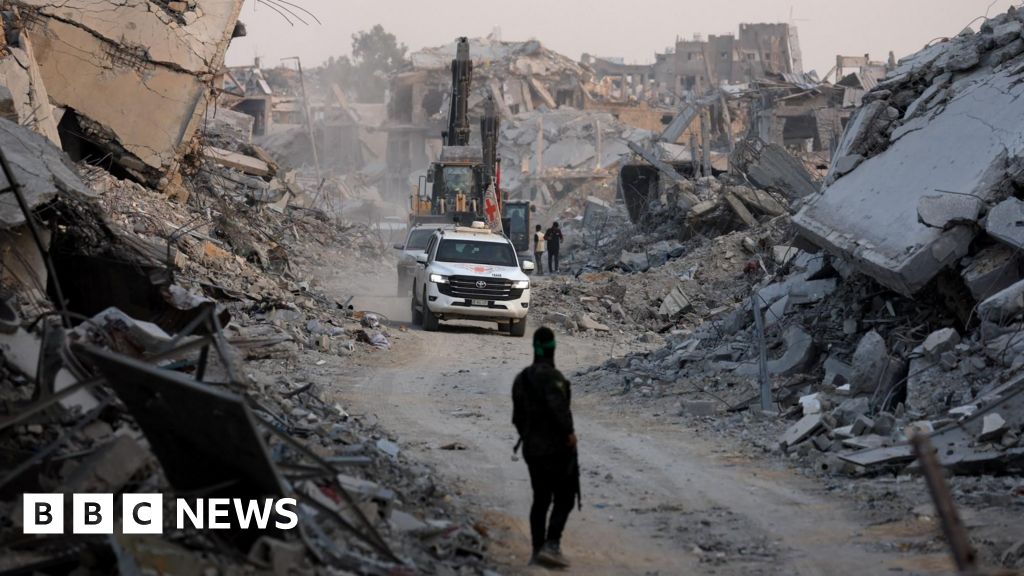
Hamas’s military wing claimed to have recovered the body of an Israeli soldier in Gaza’s eastern Shejaiya neighborhood—an area still under __territorial control of Israeli forces__. Israel, on its part, accuses Hamas of intentionally delaying the return of hostages, both dead and alive, despite commitments made during the US-brokered ceasefire. The agreement stipulated that Hamas would release 20 remaining hostages and return 28 others within 72 hours—a promise that remains unfulfilled, fuelling accusations of bad faith. The complex negotiations reflect how these diplomatic efforts are deeply intertwined with the legacy of ongoing conflict, where each side contends over images of humanity and the perceptions of moral responsibility.

While Israel successfully secured the release of all its civilian hostages on 13 October in exchange for 250 Palestinian prisoners and 1,718 detainees in Gaza, the situation remains volatile. Israel has also handed over the bodies of 270 Palestinians, including those of two foreign hostages—one from Thailand and another from Nepal—in a grim exchange that highlights the human cost of this entrenched confrontation. The death toll on Gaza’s side exceeds 68,800, according to Gaza’s Hamas-run health ministry, underscoring the catastrophic scale of the ongoing military campaign. Historians and analysts warn that these levels of casualties could irrevocably shift regional dynamics, sowing deep-seated resentment that might seep into generations.

In this chaotic mosaic of international crisis, the geopolitical impact is clear: the conflict’s escalation threatens to destabilize broader regional alliances, challenge global diplomatic efforts, and threaten the fragile balance of Middle Eastern peace. Israel’s military actions have provoked condemnation but also garnered support from key allies, reaffirming its defensive stance. Conversely, Hamas’s rhetoric continues to galvanize its supporters, asserting that their actions are acts of resistance against occupation and oppression. As military strikes ripple into northern Gaza, with reports of civilians killed in areas like Jabalia, the world witnesses the horrifying human cost of unresolved conflicts that have persisted for decades. In the shadow of this unfolding tragedy, international observers ponder whether the tide of chaos can be stemmed, or if this chapter will become only the latest in a long and tragic saga of regional destabilization. The pages of history are still being written, and the world holds its breath before the inevitable next act of this enduring conflict.

Social Media Auto Publish Powered By : XYZScripts.com