Matox News

Truth Over Trends, always!

China ready to loosen chip exports in new trade deal, White House confirms

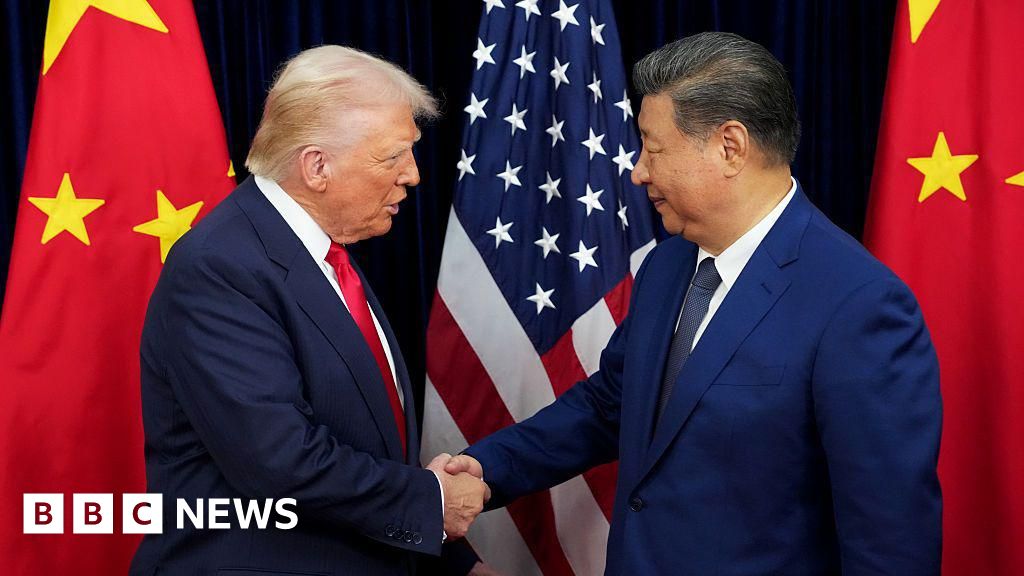
In a significant move that signals a cautious step toward de-escalating the simmering trade tensions between the two global superpowers, China has agreed to begin easing its export ban on critical automotive computer chips. This decision emerges from a landmark deal struck during a summit between Chinese President Xi Jinping and former US President Donald Trump in South Korea, the first major diplomatic breakthrough in the last few years of economic brinkmanship. The White House confirmed that this deal could have profound geopolitical impact, with trade policies once viewed as tools of coercion now potentially shifting toward cooperation.

This agreement is not merely about trade; it carries broader implications, affecting global supply chains, international relations, and the balance of economic power. According to analysts, the deal demonstrates how both nations recognize the cost of instability. The US and China jointly agreed to a series of measures that address bottlenecks and vulnerabilities, especially within high-tech manufacturing and raw material sectors. The reopening of critical chip supplies from China’s Nexperia—a Dutch-based Chinese-owned company—aims to stabilize global automobile markets, which have been thrown into disarray by previous restrictions. Historians cautious about the momentum note that these “breakthroughs” are fragile, warning that the geopolitical chess game remains incomplete, and recent policies could revert if disagreements resurface.

  • Trade war tariffs — Previously, Trump’s tariffs on Chinese goods aimed at boosting American industries but backfired by raising consumer prices worldwide. The new deal proposes a gradual lowering of these tariffs, signaling a possible return to more normalized trade relations.
  • Export controls on rare earth minerals — Beijing has agreed to pause export restrictions for a year, alleviating fears of a technological blockade that could cripple industries like aerospace and defense, underscoring the strategic importance of China’s resource control.
  • Supply of fentanyl-related chemicals — The delicate issue of chemical exports used in fentanyl manufacture is set to be addressed with new measures aimed at limiting the drug’s devastating impact on US society, amidst rising concern about the opioid crisis.
  • US soybean exports — China’s renewed commitment to purchase billions of dollars worth of American soybeans signals a move toward economic normalization, following a year of destructive trade disruptions that hurt American farmers profoundly.

International institutions like the World Trade Organization and economic think tanks have hailed the deal as a potential turning point, but many remain skeptical. This cautious optimism is echoed by analysts warning that the core issues—trust, sovereignty, and influence—remain unresolved, merely postponed for the moment. Historian Henry Kissinger and other diplomatic veterans stress the importance of robust, transparent commitments, cautioning that the path to lasting peace remains fraught with uncertainty and regional rivalries.

As the world watches these developments with bated breath, the ultimate question persists: is this agreement a genuine breakthrough or a strategic pause in a longer, ongoing contest for supremacy? With each handshake and signed document, history appears to hold its breath, perched on the brink of a new chapter—one that could reshape the global order, or plunge the world back into chaos and confrontation. The echoes of this moment will resonate through generations, reminding us that in the realm of geopolitics, peace is often fleeting and fragile—yet always worth striving for amidst the shadows of power.

Trump urges military to prepare for 'action' over Nigeria Christian crisis claims
Trump urges military to prepare for ‘action’ over Nigeria Christian crisis claims

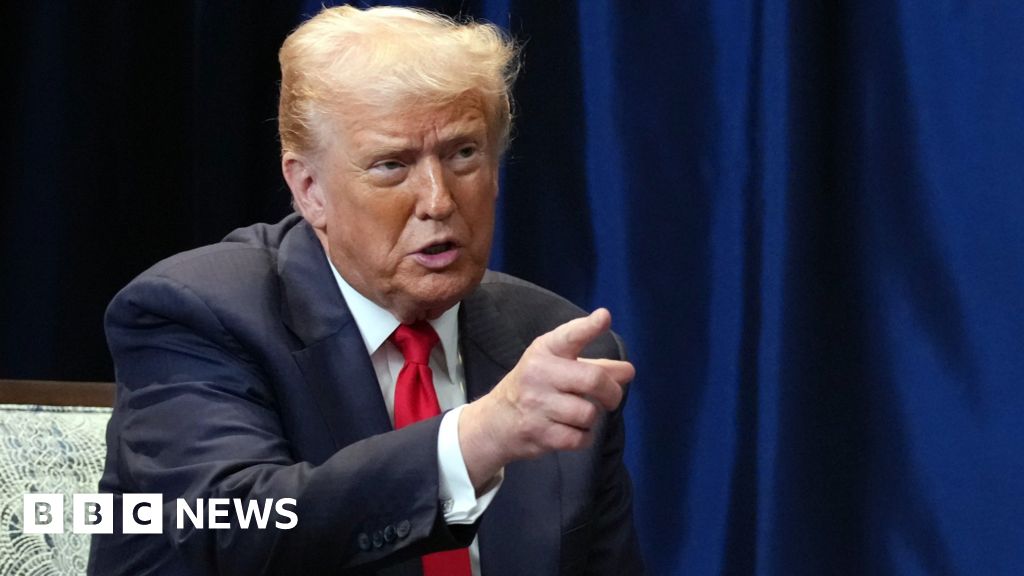
The recent escalation of tensions between Nigeria and the United States signals a new chapter in the ongoing struggle for religious and geopolitical dominance in West Africa. President Donald Trump has issued a provocative directive, instructing the US military to prepare for potential intervention amidst claims of religious persecution—specifically targeting Nigeria’s Christian population. Citing alleged atrocities, Trump labeled Nigeria as a “Country of Particular Concern”—a designation with significant sanctions implications—arguing that thousands have been killed in what he describes as a genocide against Christians. While these claims have been met with skepticism by many analysts, the move underscores a broader strategy to leverage religious conflicts as a tool for geopolitical influence, and highlights the US’s repositioning amid a shifting global landscape.

Much of the international community remains divided over the narrative of widespread persecution. Human rights organizations and regional experts assert that evidence does not support claims that Christians are targeted more than Muslims in Nigeria, which is approximately evenly divided between the two faiths. Groups monitoring violence report that both Muslim and Christian communities have suffered atrocities, often driven by complex local conflicts—including the long-standing insurgency of Boko Haram and the Islamic State West Africa Province (ISWAP). These militant groups have wrought havoc in northeastern Nigeria for over a decade, causing unparalleled human suffering. Yet, the global media and narrative promoted by Trump’s administration portray Nigeria’s crisis as primarily religious—a framing that risks oversimplifying a multifaceted conflict rooted in economic, ethnic, and political issues A

  • Trump’s executive actions have included labelling Nigeria as a security threat, intensifying international diplomatic tensions
  • US threats to cut aid if Nigeria does not protect Christians have alarmed regional leaders
  • Analysts warn that such interventionist rhetoric risks escalating violence rather than resolving internal strife

Meanwhile, Nigeria’s President Bola Tinubu has vigorously rejected the US’s characterization of Nigeria as a religiously intolerant nation, emphasizing instead that his government promotes religious tolerance. Speaking amid mounting international pressure, Tinubu’s administration insists that violent incidents are driven by regional conflicts affecting communities of all faiths. Historians and regional experts argue that the US’s focus on religious persecution offers a skewed perspective, neglecting the broader socio-economic factors fueling violence. International organizations like the United Nations and African Union have called for measured diplomacy, but the United States’s aggressive stance signifies a potential shift toward more interventionist policies—a move that could reconfigure alliances and power balances across the continent. As debate rages, the unfolding international response will likely influence Nigeria’s trajectory for years to come, with repercussions extending well beyond its borders.

In the shadows of this rising geopolitical tension, history looms—the intricate web of faith, power, and influence that has defined Nigeria’s recent past is now on the brink of transformation. As America’s rhetoric casts a long dark shadow over the continent’s future, the weight of history presses heavily on all nations involved. Will this be the moment when outside forces redraw Nigeria’s destiny, or will local resilience and diplomacy prevail? The pages of history continue to turn, with each chapter more critical than the last, leaving the international community to ponder whether true peace is within reach or forever beyond grasp amid the tumult of prophecy and power.

Austin Business Tips for 2025: Young Pros’ Guide to Getting It Done

Innovating the Heart of Texas: Austin’s Tech Scene Sparks Disruption and Business Transformation

Once renowned for its eclectic music and cultural vibrancy, Austin is rapidly transforming into a powerhouse of technological innovation and entrepreneurial disruption. The city’s evolution from the “Silicon Hills” to a central hub of startup activity exemplifies industry shift towards tech-driven urban economies. As major players like Big Tech and innovative startups converge, this epicenter encapsulates how disruptive technologies are reshaping business landscapes and redefining the future of work and commerce.

At the core of Austin’s burgeoning tech ecosystem are its creative co-working spaces, incubators, and a thriving network of entrepreneurs who embody the spirit of fast-paced innovation. Resources like Austin Coworking and Deskpass exemplify this shift, offering flexibility and fostering community among young, ambitious professionals. These platforms are not merely about workspace—they symbolize a broader paradigm shift in how the next generation of tech talent collaborates and innovates. Industry analysts from Gartner highlight that adaptability in work environments and access to agile resources are pivotal for startups aiming to disrupt traditional industries and attract top talent.

Equally notable is Austin’s vibrant hospitality and lifestyle scene, which caters to a new class of digital entrepreneurs and remote workers. Iconic hotels like The Otis and Omni Hotel blend comfort with innovation, offering amenities tailored to the needs of tech-savvy visitors. Concurrently, Austin’s food scene—characterized by legendary BBQ joints like Terry Black’s—demonstrates how local businesses are embracing disruption through online ordering, unique culinary twists, and a focus on experiential dining. This symbiotic relationship between tech and lifestyle underscores a market shift towards a digitally connected, experience-driven economy with enormous implications for business models across sectors.

Moreover, Austin’s brewing and beverage industry, featuring innovative venues like Breakside and local breweries, reinforces the city’s stance on disruptive consumer experiences. These establishments integrate cutting-edge brewing techniques with community-centric outdoor spaces, reflecting how traditional industries are leveraging technology and creative marketing to capture a new generation of consumers. Forward-looking firms such as Breakside focus on crushable lagers and West Coast-style IPAs, exemplifying how brands are embracing innovation at both product and experiential levels, which is critical for maintaining competitive advantage in a crowded market.

From a strategic perspective, this trend signals a broader industry transformation driven by emerging technologies like AI, IoT, and data analytics. Entrepreneur peter Thiel and MIT’s research underscore that early adoption of disruptive innovations is essential for startups to leapfrog established competitors. As Austin continues to attract top-tier talent and investment, the urgency to harness these technologies accelerates, promising a future where disruption is not optional but imperative for survival.

Looking ahead, Austin’s transformation offers a compelling template for other cities aiming to compete in the 21st century economy. The rapid integration of innovation into every facet of urban life—from coworking hubs and hospitality to lifestyle and food—underscores the importance of agility, adaptation, and bold experimentation. Entrepreneurs, investors, and industry leaders must recognize that the race for domination in the tech-driven future is already underway, and those who leverage this momentum today will shape the world of tomorrow with unprecedented velocity and impact.

Five German climbers tragically killed in avalanche in northern Italy

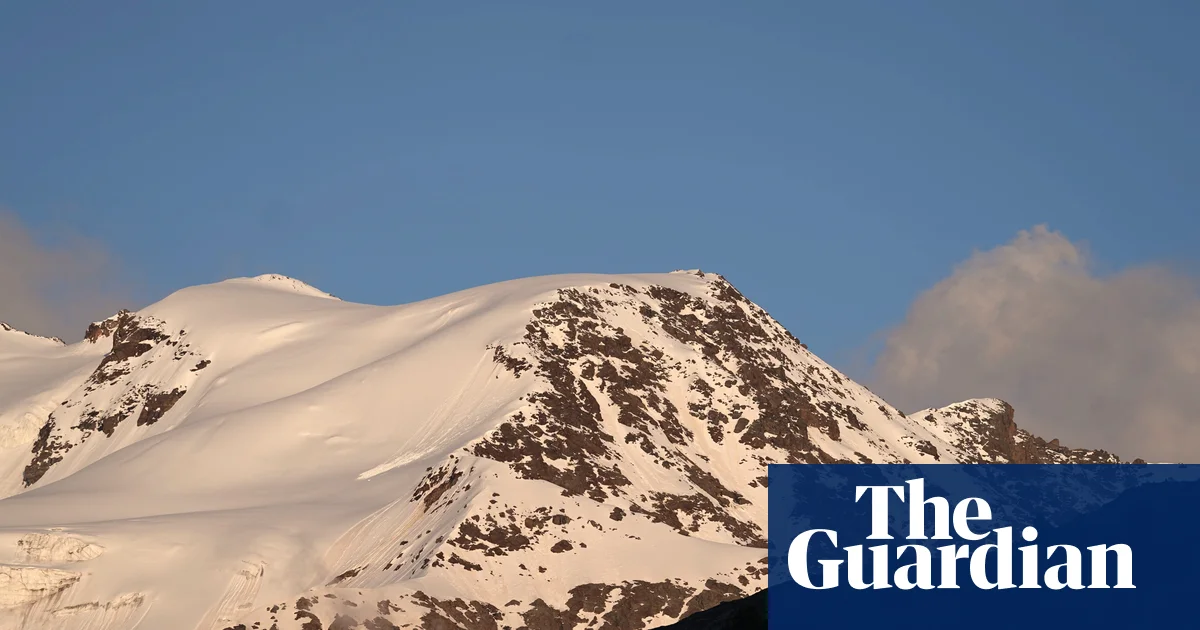
The Italian Alps, long a playground for European thrill-seekers, have recently claimed another tragic chapter in their storied history of mountaineering accidents. Five German mountaineers lost their lives after being caught in a deadly avalanche near the summit of Cima Vertana in the Ortles mountain range. The harsh realities of the high-altitude environment and the increase in dangerous backcountry activities highlight a broader issue that resonates far beyond Italy’s borders.

Rescue authorities reported that the avalanche struck around 4 pm on a Saturday, an hour when many climbers are seeking to reach or descend from the peaks. The victims belonged to three separate groups, each pursuing their own ascent independently—an indication of the expanding appeal and accessibility of alpine mountaineering among amateurs from Germany and neighboring nations. The bodies of three hikers—two men and a woman—had been recovered by Saturday evening, while two others— a man and his 17-year-old daughter—were tragically found the following morning. The incident illustrates how a single event can cascade into a national tragedy, emphasizing how choices to pursue dangerous pursuits without regard for conditions can have fatal consequences.

This tragic event is not isolated but instead underscores a persistent risk that endures across the European mountain regions. Avalanche accidents remain a significant concern in the Italian Alps, where fatalities average higher than in other major ski nations over the past decade. According to international hazard assessments, these tragedies are often compounded by factors such as unpredictable weather, increased snowpack, and rising numbers of adventure tourism enthusiasts heading into remote, less-charted terrains. European mountaineering experts warn that the increase in accidents correlates with more adventurous tourists eager to exploit fresh snow—an unfortunate risk that highlights the ongoing struggle between human ambition and nature’s unforgiving power.

The geopolitical impact of such incidents extends beyond individual tragedies, stirring debates over safety regulations, tourism policies, and regional cooperation in mountain rescue operations. As the Alpine regions attract record numbers of visitors from across the continent—to boost local economies and foster international camaraderie—the responsibility to ensure safety becomes a shared issue among nations. European organizations, including the European Avalanche Warning Services and Mountaineering Federations, are increasingly calling for standardized safety protocols and better risk education, yet gaps persist in enforcement and resource allocation. Meanwhile, the Italian government and local authorities are under pressure to balance economic interests—such as tourism—with the imperative to protect lives in increasingly perilous environments.

International analysts point to a broader climate shift and changing weather patterns that threaten to escalate the frequency and severity of natural disasters in mountainous regions, making the call for international cooperation even more urgent. In the words of historians, such as John Lewis Gaddis, history often teaches that human hubris and underestimation of nature’s power can have profound consequences. The recent avalanche serves as a stark reminder that in regions where nature’s beauty masks its ruthlessness, decisions by a few can alter the course of history—not just for those directly involved, but for entire societies watching from afar. As rescue teams brace for more adverse weather conditions, the stories of these five mountaineers become part of a larger narrative—one of ambition, vulnerability, and the relentless call of the mountain, echoing across borders and generations, whispering that the unfolding story of our highlands remains unwritten, and the weight of history presses ever closer.”

Unlocking the Power: ‘A House of Dynamite’ — Behind the Scenes of a Defining Moment

In the realm of cinema, the craft of storytelling has often served as a mirror reflecting the core tensions of our society—our fears, our hopes, and the underlying philosophical currents that shape our collective identity. The recent depiction of a nuclear crisis in “A House of Dynamite” exemplifies how contemporary cinema continues to explore the profound stakes of our geopolitical realities. Director Kathryn Bigelow masterfully constructs a seamless narrative that underscores the visceral urgency of national security, where the choreography of locations—from a reconstructed White House Situation Room to the strategic command centers in Omaha—serves as a testament to the cultural obsession with control, technology, and the brinkmanship that defines the modern age.

What emerges from this cinematic tableau is an intricate dance between philosophical paradigms—one hawkish, the other cautious—embodying the perennial debate over the use of power and restraint. On one side, the aggressive posture of military command reflects a view echoed in Ortega y Gasset‘s assertion that “life is a sum of battles fought in the name of civilization.” Conversely, the advocates for measured deliberation evoke the wisdom of T.S. Eliot, who warned against the chaos of unrestrained action. The scene captures a cultural battleground, where the tension between tradition and innovation manifests not only in command decisions but also in the very architecture—standing as silent witnesses to the epochs of history, crafted to resemble colonial-era pillars and porticoes akin to the White House’s original form. Such details evoke a sense of continuity, of culture as a vessel of collective memory.

This rigorous emphasis on authenticity, as seen in the meticulous recreation of military and political venues, demonstrates that culture is no mere backdrop but the foundation of societal identity. The response of military personnel, convinced by the set’s accuracy, exemplifies the power of cultural elements to forge realism and authority. This echoes G.K. Chesterton’s sentiment that “tradition means giving a vote to the most obscure of all classes—our ancestors.” For a society that perceives itself as rooted in historical continuity, culture becomes a safeguard against the chaos of fragmentation.

Ultimately, the depiction of nuclear threat in cinema is more than entertainment; it is a symbolic allegory of humanity’s ongoing struggle to balance power and prudence. Like the works of Chesterton and Eliot, this portrayal reminds us that culture is both memory and prophecy—a luminous bridge linking the sacred inheritance of our traditions with the divine potential of our future. As we contemplate the flickering lights of ICBMs streaking across the sky, we are called to remember that our culture, steeped in history yet alive with prophecy, is the sacred script of human destiny—one that demands we choose wisely the words we inscribe on our collective soul.

Rising Stars Shine: Young Athletes Make Waves in Latest Championship Showdown

Transfer Talk: Morten Hjulmand a Target for Manchester United

In the competitive arena of football, Manchester United is reportedly eyeing Morten Hjulmand, the talented midfielder from Sporting CP. As the summer transfer window looms, the Red Devils have identified Hjulmand as a key asset to bolster their midfield and enhance their title aspirations. With both fans and pundits keenly observing the transfer market, Hjulmand’s name has gained traction due to his impressive displays in the Primeira Liga.

Hjulmand, a versatile and dynamic player, has already made a significant impact this season. His combination of defensive tenacity and attacking flair has drawn comparisons to several elite midfielders. According to United’s coaching staff, his ability to dictate play and contribute to both defense and offense makes him a standout option. A source close to the club mentioned, “Hjulmand has the potential to be a game-changer for us. His vision and work rate complement our current squad.”

This interest in Hjulmand reflects a strategic approach by manager Erik ten Hag, who is determined to build a team capable of reclaiming glory in both domestic and European competitions. Moreover, as the transfer window heats up, Manchester United is also looking to address other areas of concern, prioritizing experienced players who can contribute immediately to their campaign. Hjulmand’s recent performances, including a standout match against FC Porto, position him as an ideal candidate for the coming season.

  • Morten Hjulmand has a knack for reading the game, often interrupting opposition play effectively.
  • He is known for his crucial assists, having recorded several during the season.
  • Coaches praise his adaptability to different tactical setups.

The prospect of Hjulmand joining Manchester United underscores a pivotal moment not only for the player but also for the club’s ambition moving forward. With the right players in place, the journey to reclaiming their former glory could soon transcend the scoreboard, forging a deeper, more meaningful connection with a passionate fanbase. As the saga unfolds, it serves as a reminder that sports, at their core, unite us through shared dreams, fierce rivalries, and the collective spirit of competition.

Source link

Hermosillo Shop Fire Claims 23 Lives, Authorities Report

In a tragic event that has once again underscored the fragility of public safety in Mexico, a devastating fire erupted at a branch of Waldo’s, the nation’s largest discount retail chain, located in the city of Hermosillo. The blaze, which broke out on a Saturday in the heart of northwestern Mexico, resulted in the loss of at least 23 lives and injured 11 others, including children. The incident has sent shockwaves through the community and raised questions about safety standards, corporate oversight, and the underlying vulnerabilities within Mexico’s urban infrastructure amidst a broader socio-economic climate that struggles to keep pace with rapid development.

Authorities initially described the fire as an explosion, though the cause remains under investigation. Regional Governor Alfonso Durazo emphasized that the cause had yet to be determined, ruling out the possibility of an attack or deliberate act of violence. This measured response appears calibrated to avoid unnecessary panic, but the incident raises concerns about the safety protocols of widespread retail outlets, many of which operate under similar conditions across the country, often with lax enforcement. The loss of life during a festive weekend—coinciding with Mexico’s *Day of the Dead*—also highlights how societal and cultural vulnerabilities intersect with ongoing issues of urban safety and economic inequality. Mexican President Claudia Sheinbaum expressed her condolences via social media, yet such expressions often seem inadequate in the wake of recurrent tragedies, exposing a gap between political rhetoric and actionable change.

The geopolitical impact of this disaster extends beyond Mexico’s borders, shedding light on ongoing debates about regional safety standards and economic stability. Experts warn that such incidents threaten to undermine confidence in Mexico’s retail sector and could provoke foreign investment hesitancy, especially in the wake of recent economic shocks and political turmoil. Historians and analysts have noted that urban disasters in Mexico are often symptomatic of deeper issues—weak government oversight, corruption, and insufficient emergency response infrastructure—that hamstring efforts to safeguard lives. As Mexico’s government promises an “extraordinary, transparent, and thorough” investigation, the incident becomes a stark reminder that how nations respond to moments of crisis shapes their international image and internal resilience.

Furthermore, the incident highlights an unsettling pattern of neglect that pervades many developing economies. The cancellation of cultural events linked to the *Day of the Dead* reflects the societal impact of such tragedies—disrupting traditions and communal mourning. As international organizations monitor Mexico’s response, questions persist about how political will and institutional reform can prevent future calamities. The loss of young lives, including a 15-year-old girl, is a poignant reminder that beneath the statistics lie innocent victims whose fates are intertwined with the decisions made in halls of power. As history continues to unfold, the world watches Mexico’s next steps—knowing that what transpires could well define its trajectory for decades to come, shaping the legacy of this generation’s response to tragedy.”

Government blocks Derbyshire mum's push for fine-free school absences
Government blocks Derbyshire mum’s push for fine-free school absences

School Absence Policies Spark Debate on Impact to Families and Communities

In recent weeks, the discourse surrounding school attendance policies has intensified, revealing profound societal tensions about how education, family life, and social equity intertwine. The UK government’s firm stance against allowing students to miss up to 10 days of school without a legitimate reason has ignited a controversy that underscores the critical importance of balancing discipline with compassion. A petition launched by Natalie Elliott from Ripley, Derbyshire, gathering more than 180,000 signatures, has challenged the prevailing approach, which has led to minimum fines of £80, escalating to thousands of pounds or even custodial sentences for non-compliance. This debate highlights societal concerns about the effects of rigid attendance enforcement on families, especially those facing financial hardship or extraordinary circumstances.

Social commentators and educational sociologists argue that such policies, while intended to boost school standards, often fail to account for the complex realities faced by families. The current system, as described by Elliott, fosters an environment where parents may feel too afraid or stigmatized to call in legitimate absences. The result is a growing divide between state expectations and familial needs. For many families, especially those with children with special educational needs and disabilities (SEND), the rigid penalty framework compounds stress, depriving children of valuable de-stress time during family holidays—time that could be vital for mental health and familial bonding. Meanwhile, critics like Conservative MP Robbie Moore highlight how costly travel during school holidays exacerbates inequalities, making it difficult for low- and middle-income families to afford quality breaks without risking penalties, thus widening the social gap.

Experts warn that the emphasis on strict attendance compliance risks erosion of community trust and the moral fabric of educational institutions. In a society that values equity and resilience, policies must adapt to recognize the diversity of family circumstances. Some argue for more flexible systems, including appeals processes and family-friendly initiatives like fairer holiday pricing. Sociologist Annette Lareau has long emphasized how families’ socioeconomic resources influence educational engagement, and the current pandemic has only deepened these disparities. The debate calls into question whether the solution lies solely in punitive fines or in holistic community-based strategies, aimed at fostering cooperation rather than fear.

As society stands at a crossroads, the challenge lies in reconciling the need for educational standards with the necessity of human empathy. The societal promise, after all, is not merely to educate but to nurture resilient communities rooted in support, understanding, and compassion. While the government remains committed to reducing ‘absence epidemic’, as stated by Minister Georgia Gould, there is a burgeoning hope that society can evolve towards policies that prioritize the human experience. In the quiet hopes of every parent and teacher, there remains a conviction that society’s true strength lies in its ability to adapt—to recognize that behind every statistic is a family, a child, a future seeking the dignity of understanding over the fear of punishment. Society’s greatest challenge, and its profound hope, is to build a future where education serves not just as a system of discipline but as a pillar of community resilience and human kindness.

Victorian climbers question ban on Mount Arapiles Indigenous sites: "Are they really going to chase us away?"
Victorian climbers question ban on Mount Arapiles Indigenous sites: “Are they really going to chase us away?”

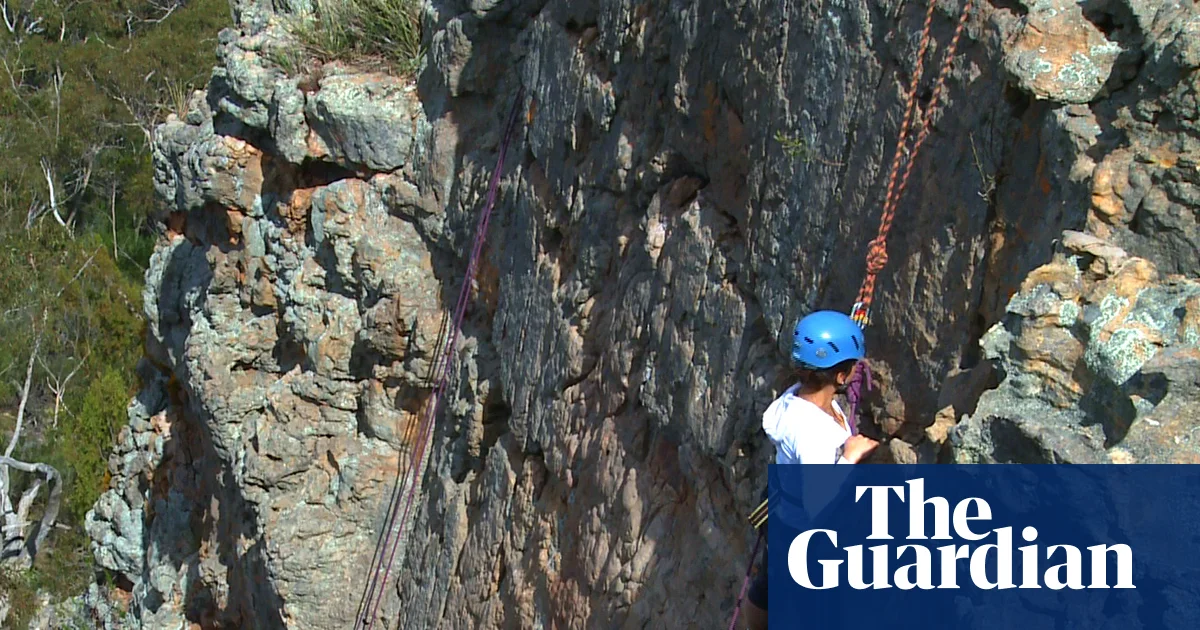
In a striking display of international tensions over land use, the ongoing controversy surrounding rock climbing in Victoria, Australia underscores a broader geopolitical debate over the recognition and respect of Indigenous heritage versus individual freedoms and recreational pursuits. At the heart of this dispute lies Mount Arapiles, a globally renowned climbing destination, which is also a site of immense cultural significance containing ancient rock art and artefacts dating back over 3,000 years. Despite governmental efforts to curb access—through voluntary bans and proposed legal restrictions—climbers, backed by passionate communities, continue to challenge these measures, highlighting the deep rift between cultural preservation and personal passion.

This spat isn’t just about climbing; it echoes worldwide conflicts over preservation of Indigenous sites and sovereignty. Australia’s Dyurrite region, as highlighted by officials from Parks Victoria, is teeming with tens of thousands of artefacts and a giant Indigenous stone quarry complex, demanding a nuanced management response. The state government’s proposal to amend the management plan, possibly leading to a full ban on climbing in key areas, has ignited fierce opposition. According to a recent consultation, involving over 1,000 voices—90% of whom are climbers—there’s a palpable sense of loss within the community. Many see restrictions as a dismissal of the land’s cultural and recreational importance, threatening the very soul of one of Australia’s most cherished outdoor pursuits. Analysts like Dr. John Edwards, a cultural historian, warn that such measures risk alienating local communities and emboldening anti-heritage sentiment, if not carefully balanced with meaningful respect for Indigenous rights.

The international impact of this conflict extends beyond the borders of Australia. As debates about Indigenous sovereignty and land rights intensify worldwide—spanning regions from North America to Africa—this saga serves as a proxy battleground for global discussions. The decisions made here could influence international policies on cultural heritage management, highlighting the delicate diplomacy necessary to navigate conflicting interests. The dispute at Mount Arapiles also exposes the potential for international organizations like UNESCO to step into the fray, urging governments to handle such matters with respect, transparency, and inclusivity. Meanwhile, climbing communities, inspired by stories of Indigenous resilience and ecological importance, are mobilizing with increased vigor, urging policymakers to reconsider restrictions.

As the struggle deepens, the climbers’ defiance stands as a testament to a broader cultural movement questioning not just land use, but the very nature of freedom and heritage in a globalized world. Despite official claims that “the great outdoors are to be experienced and admired, not locked away,” the fierce determination of activists and climbers alike magnifies the weight of historical responsibility and the enduring clash of values. With each new protest and legal challenge, history continues its relentless march, leaving the world to face the enduring question: can a nation honor its ancient past without sacrificing its modern pursuits? As the future of Mount Arapiles hangs in the balance, so too does the message that the decisions made today will echo through generations—defining the cultural landscape of tomorrow amid the echoes of history’s unfolding narrative.

LA Dodgers Dominates again, Secures Back-to-Back World Series Titles Over Blue Jays

In an era marked by geopolitical upheaval and shifting alliances, the recent World Series victory by the Los Angeles Dodgers over the Toronto Blue Jays somewhat mirrors the international landscape’s complex dance of competition and resilience. Just as baseball fans around the world observed tense moments in a gripping game seven—where both teams displayed remarkable strategic flexibility—nations worldwide grapple with the unpredictable nature of their geopolitical contests. The game’s culmination, highlighted by a dramatic home run from Smith that set the Dodgers within reach of the title, echoes a broader theme: in the global arena, pivotal moments often hinge on fleeting opportunities and decisive actions.

Historically, sports championships serve as microcosms of larger geopolitical dynamics, reflecting the interplay of strategy, timing, and resilience. Meanwhile, international analysts note that the current geopolitical climate is anything but predictable, with challenges emanating from resurging powers, technological rivalries, and regional conflicts. The recent series and its unpredictable turns remind observers of how swiftly alliances can shift and decisions can alter the course of history. The involvement of high-profile athletes and tactical substitutions in the game also exemplify the same strategic calculus that nations pursue on the diplomatic stage—where the sight of a single, game-changing move can redefine the outcome for entire populations.

Moreover, the series’ narrative of perseverance amidst adversity parallels the ongoing struggles of nations facing territorial disputes, economic sanctions, and ideological clashes. Just as Toronto’s Blue Jays threatened to take the game into extra innings—building up to a crescendo of collective anticipation—so too do global conflicts build to critical junctures where diplomacy, or lack thereof, determines whether peace holds or erupts into turmoil. According to international organizations like the United Nations, the world’s stability now hinges on whether leaders recognize the consequences of their choices—a concept vividly illustrated by the high-stakes performances of baseball pitchers like Yoshinobu Yamamoto, whose relief victory underscored the importance of resilience and tactical ingenuity.

As history’s echoes reverberate through today’s shifting alliances, it becomes clear that the decisions made now will echo through generations. The outcome of this ongoing saga, like the game’s final innings, remains unwritten—awaiting a decisive moment that could turn the tide of progress or plunge the world into further chaos. Just as fans held their breath during those critical last plays, the international community must reflect on the profound impact of leadership, foresight, and unity. In this fragile closing chapter of a complex game, the weight of history presses heavily upon us, reminding all that the unfolding narrative of global conflict and cooperation is far from over, and the playing field remains unforgiving and unpredictable.

Social Media Auto Publish Powered By : XYZScripts.com