Matox News

Truth Over Trends, always!

Jennifer Lawrence Addresses Gaza: “What’s Happening Constitutes a Grave Genocide”

In the midst of today’s tumultuous cultural landscape, the words of Jennifer Lawrence serve as a reminder that art and society are profoundly intertwined — that they are, in essence, mirrors and molders of our collective identity. As she boldly addressed the Israeli offense in Gaza, calling it “no less than a genocide,” Lawrence ventures beyond the superficial to confront the enduring moral questions that define a civilization. Her candidness underscores what critics like Ortega y Gasset have long argued: that culture is both the expression and the foundation of a society’s soul. In this, her voice becomes an act of cultural resistance, asserting that art is not merely entertainment but a vital form of truth-telling and moral engagement. It is this conviction that elevates the artist from mere creator to custodian of civilization’s memory, challenging us to look deeper into the currents shaping our world.

During her discourse at the San Sebastián film festival, Lawrence also touched upon the perilous state of free speech and the pervasive loss of respect in American political dialogue. Her comments highlight an often-overlooked cultural phenomenon: the war over narratives, the battles over what is remembered, and what is silenced. Philosophers like Tocqueville have observed that democracies are fragile not merely because of political division but because of the erosion of shared cultural values and the attack on individual moral agency. Today, as entertainment figures like Lawrence push back against the rising tide of censorship—exemplified by the recent pledge of over 4,000 Hollywood insiders to boycott Israeli institutions —they remind us that culture is the battlefield of identity and morality. This moral stand is rooted in a broader fight to safeguard our ingrained traditions, to ensure that the memory of our civilization remains resilient amid the shifting sands of modern ideologies.

Furthermore, Lawrence’s emphasis on responsibility within the cultural sphere echoes Chesterton’s assertion that “Art is the signature of man,” an enduring testament to the human spirit’s desire for meaning amidst chaos. Her vigilance against the normalization of dishonesty in politics underscores the importance of maintaining a moral compass through art and cultural expression. As history reveals, from the classical ideals of ancient Greece to the Renaissance’s renewal of humanism, society’s identity is preserved through its stories, its shared symbols, and its collective memory. The cultural battles we face are not merely about words or works of art—they are about the very soul of our society, our tradition, and our future. Truly, as T.S. Eliot suggests, if we understand our history as a poetic process, then each act of cultural resistance is a step towards the realization that humanity moves forward through remembering and reimagining.

In the end, culture emerges as both memory and prophecy: the memory of our ancestors’ victories and sacrifices and the prophecy of a civilization yet to come. The powerful images of art and the compelling stories told through film, music, and literature become a living record of who we are and who we might become. As Lawrence prepares to accept her honorary award, she reminds us that beneath the noise of modern conflicts lies the enduring truth—our culture, with all its beauty and brutality, is the living, breathing testament to human hope and resilience. And thus, as we ponder our roots and our future, let us remember that culture is both a mirror of humanity’s past and a lantern guiding us into the uncharted realm of human possibility—forever reminding us that, in the words of Eliot, “the only hope is to rediscover the poetry of ourselves.”

Singapore blocks exiled HK pro-democracy activist from entry

The recent incident involving Nathan Law, a prominent pro-democracy activist from Hong Kong, underscores the escalating geopolitical struggles defining the modern international order. Law, a former legislator and exile, arrived in Singapore with a visa—only to be detained and swiftly deported after the city-state’s authorities invoked concerns over “national interests.” This move resonates profoundly within the intricate web of global power dynamics, highlighting how national security and sovereignty have increasingly taken precedence over international openness and democratic advocacy.

Singapore’s decision to deny Law entry, despite prior visa approval, reflects the thin line that international diplomacy, sovereignty, and security policy now tread. The government’s official statement underscored that Law’s presence “would not be in Singapore’s national interests,” a phrase emblematic of a broader trend among nations prioritizing their sovereignty amid mounting external pressures. This event comes within a context where China asserts greater influence over its territories and regional actors, prompting consequential questions about the reach and limits of western influence and human rights activism. Analysts warn that such policies serve as a warning: the global battleground for ideological and political supremacy is intensifying, and ideological dissenters like Law are increasingly caught in the crossfire of international realpolitik.

Historically, Singapore has maintained a delicate balance, promoting economic openness while ramping up security measures against what it describes as “foreign political influence.” Past actions, such as fining activists for online forums involving Joshua Wong in 2019, suggest the city-state’s cautious approach to activism tied to Hong Kong. Critics argue that these steps align with a broader pattern of suppression against pro-democracy voices, especially as Beijing actively consolidates influence in the region. The references from the Chinese Foreign Ministry—describing Law as “anti-China” and a “troublemaker”—underline how international conflicts are increasingly characterized by narratives of sovereignty versus external interference. The decision raises compelling questions about the future of international support for democracy movements and the role of regional hubs like Singapore in shaping these contentious dynamics.

The broader geopolitical impact is undeniable. This incident exemplifies how a democratic advocate’s fate can hinge upon geopolitical alignments, security concerns, and the strategic interests of powerful states. As China continues its assertive expansion, Western nations and allies face a dilemma: support democratic activism at the risk of diplomatic fallout or capitulate to authoritative pressures to maintain economic and political stability. The critics argue that by denying Law entry, Singapore bowels to Chinese influence, perhaps prioritizing economic ties and regional stability over the principles of free speech and political dissent. This shifting landscape is a stark reminder that, in today’s world order, every border closed, activist detained, or speech censored signals a deeper transformation—one where the fight for democracy is increasingly contested on multinational stages.

As history unfolds, the narrative of Nathan Law and similar activists serves as a warning—an ongoing battle for the soul of democratic values amid rising authoritarian resilience. The decisions made by regional powers such as Singapore will echo through generations, shaping the destiny of free societies and the reach of authoritarian influence. The clock is ticking, and the weight of history presses down as the world teeters on the cusp of a new, uncertain chapter, where the lines between sovereignty, security, and liberty are being redrawn—often in the shadow of the next geopolitical crisis.

Apple’s ‘Veritas’ Chatbot: Exclusive Peek at Siri’s AI Boost for Employees

Apple’s Siri Revamp Signals New Wave of AI Innovation and Industry Disruption

In a rapidly evolving landscape dominated by AI innovation, Apple is taking a strategic step forward with its latest internal initiative, Veritas. Sources close to Bloomberg’s Mark Gurman report that the tech giant is testing a next-generation iteration of Siri, aiming to redefine the personal assistant experience through advanced machine learning capabilities. This move highlights Apple’s recognition that AI-driven disruption is no longer optional but a necessity to stay competitive amidst rising rivals like ChatGPT and Google Gemini.

Though delayed multiple times due to challenges in keeping pace with industry leaders, Apple’s renewed focus on internal AI tools underscores a broader strategic shift. Industry experts such as Gartner point out that integrating conversational AI within ecosystems confers a significant competitive advantage, especially as user expectations evolve towards more intuitive, context-aware interactions. The newly developed chatbot allows Apple engineers to simulate real-world conversations, testing features that enable Siri to perform complex tasks—like searching through personal data or editing media—more seamlessly. While the decision to keep Veritas internal indicates a cautious approach, the underlying technology underpins Apple’s broader ambition to embed AI at the core of its ecosystem, fueling innovation, and customer loyalty.

However, the industry implications extend beyond mere product enhancements. As Apple grapples with boosting Siri’s capabilities, it faces an industry-wide dilemma: how to balance innovation, user privacy, and market disruption. Given the company’s historical emphasis on privacy, partnering with Google’s Gemini for AI search suggests a pragmatic approach—prioritizing technological synergy over complete in-house independence. This strategic reliance could set a precedent, prompting a reshuffling of AI development partnerships across the industry.

Looking ahead, the trajectory of Apple’s AI initiatives signals an inevitable disruption of the digital personal assistant paradigm. The parts are aligning for a new wave where everyday AI interactions are more intelligent and contextually aware, transforming how users engage with technology. Analysts such as those from MIT’s Computer Science and Artificial Intelligence Laboratory emphasize that such advancements could usher in smarter, more autonomous devices that fundamentally reshape consumer expectations. As Apple and its competitors race to dominate the AI-powered future, one thing remains clear: the next decade will be pivotal. Disruption is accelerating, and those unprepared risk falling behind in the emerging AI-driven ecosystem that is poised to redefine tech industry benchmarks.

In this pivotal moment, the tech world must watch closely—not just for the innovations announced, but for the shifts in power and influence that will determine the dominant players of tomorrow’s digital age. For industries and consumers alike, the race to AI supremacy is a high-stakes game, with innovation and disruption now the currency of success.

Man gets 5 years for arson targeting YouTube star FriendlyJordies’ Bondi home

In recent developments that underscore the fragile stability of modern nation-states, incidents of domestic terrorism and organized crime reveal broader questions about law enforcement capabilities and the influence of international criminal networks. A disturbing attack in Australia, where a popular YouTuber, Jordan Shanks, known as FriendlyJordies, had his home set ablaze, highlights the dangerous intersections of organized crime, political activism, and societal unrest. The arson attack, reportedly linked to the Alameddine gang, signals a worrying trend: criminal organizations extending their reach into the fabric of democratic societies, threatening the safety of citizens and the integrity of public discourse.

Analysts suggest that this incident is not isolated but a symptom of escalating crime syndicates’ influence in Australia, with police indicating possible connections to larger organized crime groups operating across borders in Southeast Asia and the Pacific. The plight of Jordan Shanks, who had been targeted for exposing local issues, underscores how free speech is coming under assault in the age of organized crime and political censorship. These developments have significant geopolitical impact: they jeopardize sovereignty, undermine rule of law, and highlight the importance of international cooperation to combat transnational criminal networks, which often operate under the radar during global power struggles.

Decisions made at the international level, such as the strengthening of extradition treaties, regional security pacts, and intelligence-sharing agreements, are crucial in curbing such threats. However, the rise of domestic violence and lawlessness also reflect broader societal shifts—a failure of social cohesion, economic instability, and political polarization—continuing to shape a volatile landscape that the global community must address. Teachers, students, and the rising youth generation are watching intently, aware that the tone of today’s decisions could define the world they inherit.

As history witnesses moments of transformation and conflict, the ongoing saga of crime, censorship, and international collaboration remains an indelible part of the larger narrative of our era. The recent events in Australia serve as a stark reminder that the battleground of tomorrow’s geopolitical conflicts lies not only in distant borders but within the very societies we strive to protect. The weight of history presses down, urging global leaders and citizens alike to consider: how do we preserve our freedoms amid rising chaos? How do nations stand firm against the rising tide of organized threats? The answers will be written in the coming days—yet, the storm of change, like the flames that consumed a simple home, leaves behind an echo that resonates far beyond the shores of Australia.

Young Stars Shine as [Team Name] Clinches Victory in Nail-Biting Championship Match!

Game of the Season: Warriors Dominate Lakers in Stunning Turnaround

In a pivotal matchup last night, the Golden State Warriors faced off against the Los Angeles Lakers, and what transpired will undoubtedly reshape the trajectory of both teams’ seasons. The game concluded with a resounding victory for the Warriors, as they outplayed their rivals 128-102. This decisive win might be just what the doctor ordered for the struggling Warriors, igniting a spark that could carry them through the challenging season ahead.

Stephen Curry delivered a masterclass performance, scoring an impressive 36 points and dishing out 8 assists, while Klay Thompson added 24 points. The effectiveness of their three-point shooting was particularly noticeable, with the Warriors sinking a staggering 16 threes throughout the game. Their defense was equally impressive, limiting the Lakers to just 42% shooting from the field. Commentator Mike Breen aptly remarked, “When the Warriors are firing on all cylinders, they become an almost unstoppable force.”

The game was characterized by multiple turning points, especially in the third quarter, where the Warriors erupted for a 15-0 run that demoralized the Lakers and energized their home crowd. Coach Steve Kerr emphasized post-game the importance of such performances: “This is the team we know we can be. It’s about maintaining that energy and consistency moving forward.” These sentiments encapsulate the hope Warriors fans have for their team as they move deeper into the season.

  • Final Score: Warriors 128, Lakers 102
  • Key Performers: Stephen Curry (36 pts, 8 ast), Klay Thompson (24 pts)
  • Next Game: Warriors vs. Spurs on Saturday

As the season unfolds, it’s abundantly clear: no single game can entirely define a team’s journey. The power of sports lies not merely in the numbers on the scoreboard but in their ability to galvanize fans and unite communities. The Warriors’ victory serves as a reminder that hope and passion endure, propelling teams forward amidst uncertainty. In the end, every dribble, every shot, and every cheer brings a nation together—cordially infused with the challenges and triumphs that weave the fabric of sports. Whether for fans in the stands or those watching from home, the essence of competition elevates the spirit of camaraderie, making each game an essential chapter in the ever-evolving narrative of basketball.

Source link

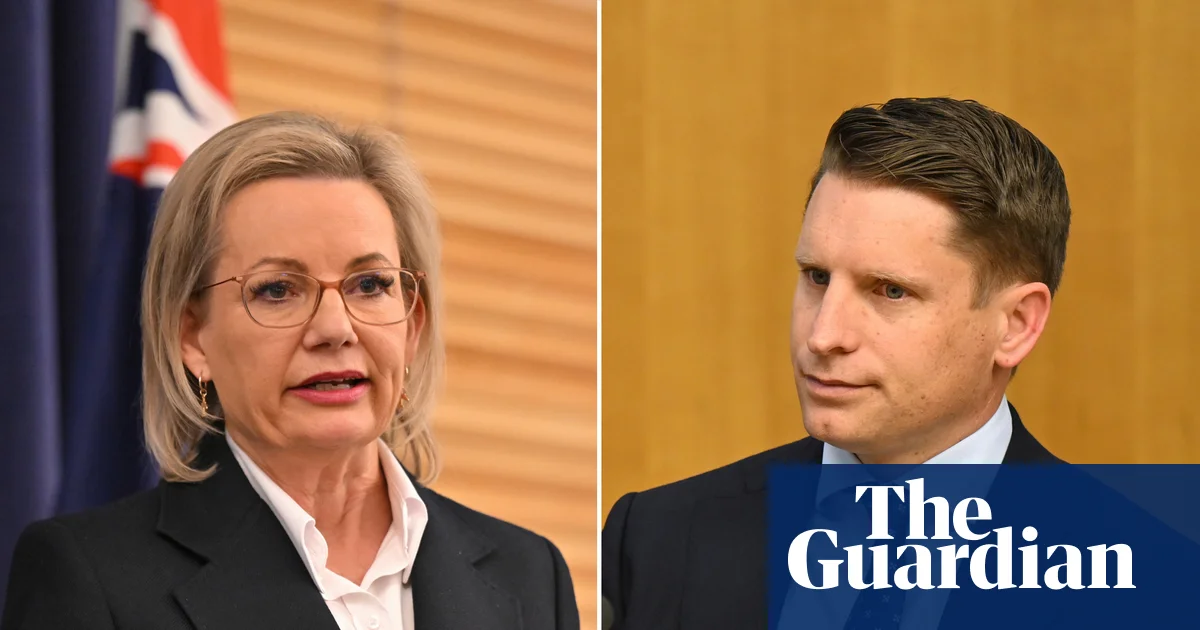
Ley dismisses Hastie’s immigration claims, says daily pressures aren’t caused by migrants | Liberal Party

Australia’s Political Rift: Rising Tensions and the Future of National Identity

In a climate of mounting internal strife, Australia finds itself at a pivotal juncture as political figures grapple with divisive narratives surrounding migration and infrastructure. Recently, Deputy Prime Minister Jessica Ley declined to endorse comments from her colleague, Andrew Hastie, who has adopted a provocative stance on immigration, warning that the Liberal Party risks “dying” if it fails to curb overseas migration. These debates are not merely rhetorical; they strike at the heart of Australia’s national identity and expose underlying geopolitical tensions that could reshape the continent’s role on the world stage.

Hastie’s alarmist rhetoric echoes historic European fears of multiculturalism, reminiscent of Enoch Powell’s infamous “rivers of blood” speech in 1968, which predicted dire consequences for Britain’s demographics. The Australian MP’s social media warnings about “states of crisis” linked to unchecked migration reveal a nationalist undercurrent that conflicts with globalist trends and Australia’s multicultural ethos. Analysts warn that such rhetoric feeds into a broader global struggle over sovereignty and cultural integrity, with China and the United States watching closely. The former, as China’s influence expands into the Indo-Pacific, is likely to interpret Australia’s internal divisions as signs of instability that could be exploited.

Internal Divisions and External Implications

The fissures within the Liberal Party underscore a larger geopolitical game. While some MPs, like Jacinta Nampijinpa Price, have praised Hastie’s frankness—perhaps viewing it as a bold assertion of sovereignty—others view it as dangerous freelancing that threatens party cohesion. International observers and historians alike see these factions as indicators of a nation struggling to balance its traditional values with the realities of a rapidly changing global environment. Such internal debates are vital, as they influence Australia’s capacity to craft a unified foreign policy response in a time when alliances are shifting and regional power dynamics are reordering.

Global institutions like the United Nations warn that widespread nationalistic rhetoric could destabilize regional peace and exacerbate migratory tensions worldwide. The Australian debate mirrors similar conflicts in Europe and North America, where concerns over sovereignty and cultural preservation have fueled populist movements. As political leaders like Keir Starmer in the UK express regret over incendiary language about multicultural Britain, Australia’s internal discourse reveals how fragile the consensus on multiculturalism remains in a volatile international landscape.

The Road Ahead: A Test of National Resolve

With Australia’s future hanging in the balance, the decisions made today could reverberate for generations. As analysts warn of the dangerous potential of extremist rhetoric, history reminds us that such divisions often precede profound upheavals. The global order is in flux, and nations on the frontlines—like Australia—must navigate the turbulent waters of sovereignty, identity, and international influence. The path they choose will not only define their own future but also shape the geopolitical landscape of the Indo-Pacific and beyond. Indeed, the pages of history are turning swiftly, and the story of Australia’s internal struggles—and the wider struggle for national identity—remains a critical chapter yet to be written.

Parents deserve real support — Why is free 30-hour childcare still out of reach?

In recent years, the landscape of childcare in the United Kingdom has undergone significant shifts, reflecting broader societal transformations and underlying social tensions. The expansion of government-funded childcare hours represents a conscious effort by policymakers to bolster family stability and support working parents. As of 2025, working parents with children aged nine months to four years can access 30 hours per week of funded childcare during term time—an increase from previous provisions and an acknowledgment of the critical role early childhood education plays in society’s fabric. However, beneath these policy initiatives lies a complex reality for families and communities, shaped by economic pressures, staffing shortages, and regional disparities.

While the scheme has benefitted approximately 530,000 more children since its expansion, the challenges are evident. The high costs of childcare remain a major societal concern, with the average full-time nursery place costing £12,425 annually for children under two — a figure that has declined by 22% following recent policy implementation. Yet, affordability is not evenly distributed across the nation. Wales, for instance, witnesses the highest average costs at £15,038, while Northern Ireland reports monthly expenses around £520 for infants. For working families, the financial burden of early childhood care can hinder employment prospects and economic independence, especially in social strata where household incomes are lower and “childcare deserts” are more prevalent, according to Ofsted. 

The quality and accessibility of early years education are further compromised by systemic issues. The decrease in the number of childminders—as fewer providers operate in private homes—exacerbates regional inequalities, creating disparities that sociologists like David H. Shonnard have identified as deeper manifestations of *social stratification*. The government’s promise to add 100,000 new childcare places and foster more nurseries could help bridge the gap, but the distribution remains unequal, with disadvantaged communities disproportionately impacted. Many children from these backgrounds are now receiving fewer free hours—nor is there clear evidence that current efforts sufficiently reach the most vulnerable families.

The moral question at the core of this social issue revolves around the societal responsibility to nurture equitable childhood development and empower families. Early childhood sociologists like Katherine Levine Einstein emphasize that investing in affordable, accessible quality care is not merely a family issue but a societal imperative. As policymakers debate funding rates and regulations, the human cost of inaction endures in communities where parental employment hinges on unreliable or prohibitively expensive childcare. With the societal fabric stretched thin, the hope remains that continuous reform, combined with community-driven solutions, can transform these challenges into opportunities. Society’s true resilience lies in its capacity to adapt, to believe in a future where every child, regardless of social standing, begins life on an equal footing—so that society as a whole can thrive in the face of longstanding social tensions and economic uncertainties.

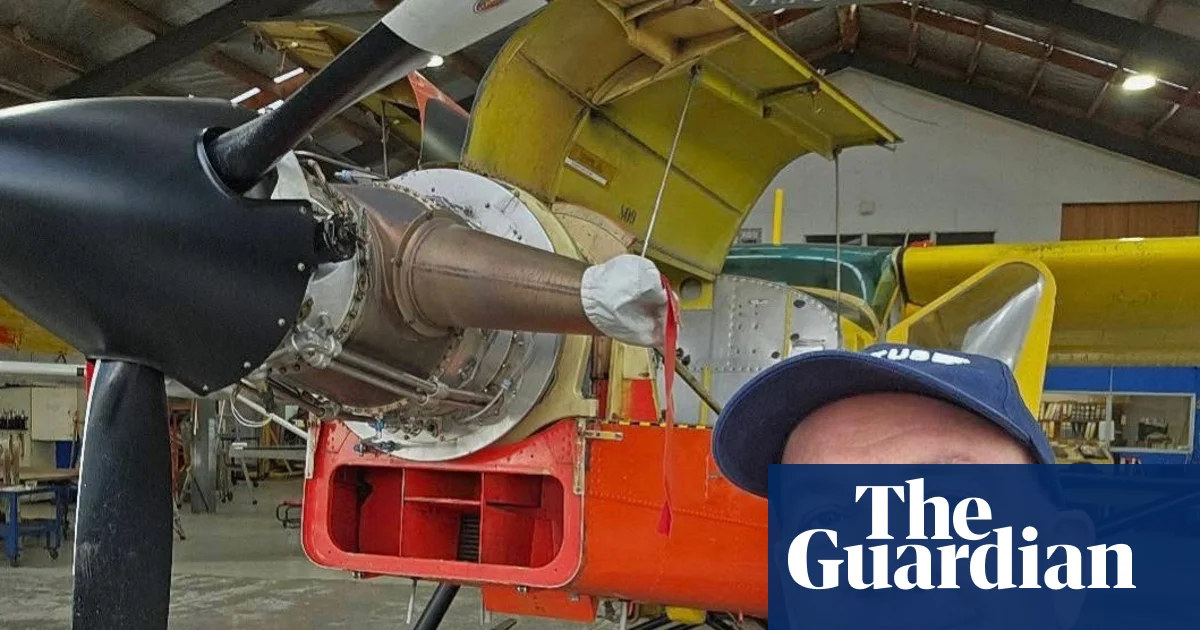
Eight thrill-seekers parachute from plane seconds before deadly crash in NSW

In a stark reminder of the inherent risks associated with extreme sports and aviation, a recent incident near Moruya airport in New South Wales has captured international attention. Eight experienced skydivers, including the renowned instructor Paul Smith, leapt from a light plane just minutes before it tragically crashed, killing Smith and leaving the other skydivers unscathed. The event underscores ongoing debates about aviation safety standards, which are not just national issues but have broader geopolitical implications as countries worldwide grapple with balancing innovation, safety, and economic interests.

The crash, which occurred roughly two minutes after the skydivers exited the aircraft at approximately 14,000 feet, has prompted an investigation conducted jointly by Australian authorities and the Australian Transport Safety Bureau. According to initial reports, witnesses observed “unusual sounds and flight patterns,” indicating potential mechanical or pilot error, though investigators are still to speak directly with the skydivers. The aircraft, built around 1980 and subjected to recent maintenance checks, had completed multiple flights before the incident, raising questions about the adequacy of maintenance standards amid evolving aviation safety protocols. As the world watches, the Australian case exemplifies how local safety lapses can ripple across international boundaries, raising concerns about global standards for small aircraft operations.

Experts like aviation analyst John Fletcher highlight that incidents such as this serve as cautionary tales, reminding nations of the critical importance of investing in rigorous safety czars and oversight, especially within a competitive global industry where international corporations often operate across multiple jurisdictions. While Australia’s aviation safety agencies work to determine the root causes, the incident arrives amidst an era of heightened geopolitical tensions, where the safety and regulation of transportation infrastructure are often intertwined with national security concerns. Moreover, the tragic loss of a distinguished figure like Paul Smith, who earned the highest honors in parachuting and boasted more than 20,000 jumps, sharply underscores how the stakes extend beyond individual tragedies, affecting social cohesion and public trust in safety systems worldwide.

The broader geopolitical impact lies in how this incident echoes across the international community, rallying calls for united efforts to standardize safety regulations—especially in sectors vulnerable to rapid technological changes. International organizations such as the International Civil Aviation Organization (ICAO) are under pressure to reinforce stringent safety protocols, ensuring that such tragedies do not become catalysts for diplomatic disputes. Countries with burgeoning aviation sectors, like China and India, are increasingly scrutinized as their industries expand rapidly without uniformly high safety standards. Historically, failures in aviation safety have had profound consequences: recent accidents have spurred reforms, yet inconsistencies remain a concern. As analysts warn that such tragedies can erode public confidence and serve as leverage in geopolitical conflicts, nations must view aviation safety as an integral part of national security and international diplomacy.

As observers consider the unfolding investigation, the weight of history presses heavily. The incident in New South Wales is not simply an isolated accident but a catalyst for a larger discourse—one that insists humanity must learn from its failures, lest history’s lessons be lost amid political tensions and economic pursuits. With the future of international safety standards hanging uncertain, the world now looks to the findings from Australia, hoping that they mark the beginning of renewed vigilance rather than the continuation of complacency. For history, this tragedy remains a chapter still being written—a stark reminder that, in the quest for progress and thrill, the price of oversight can be measured in lives lost, leaving nations to confront the enduring question: how safe is the sky we all share?.

Fact-Check: Viral claim about vaccine effectiveness rated False

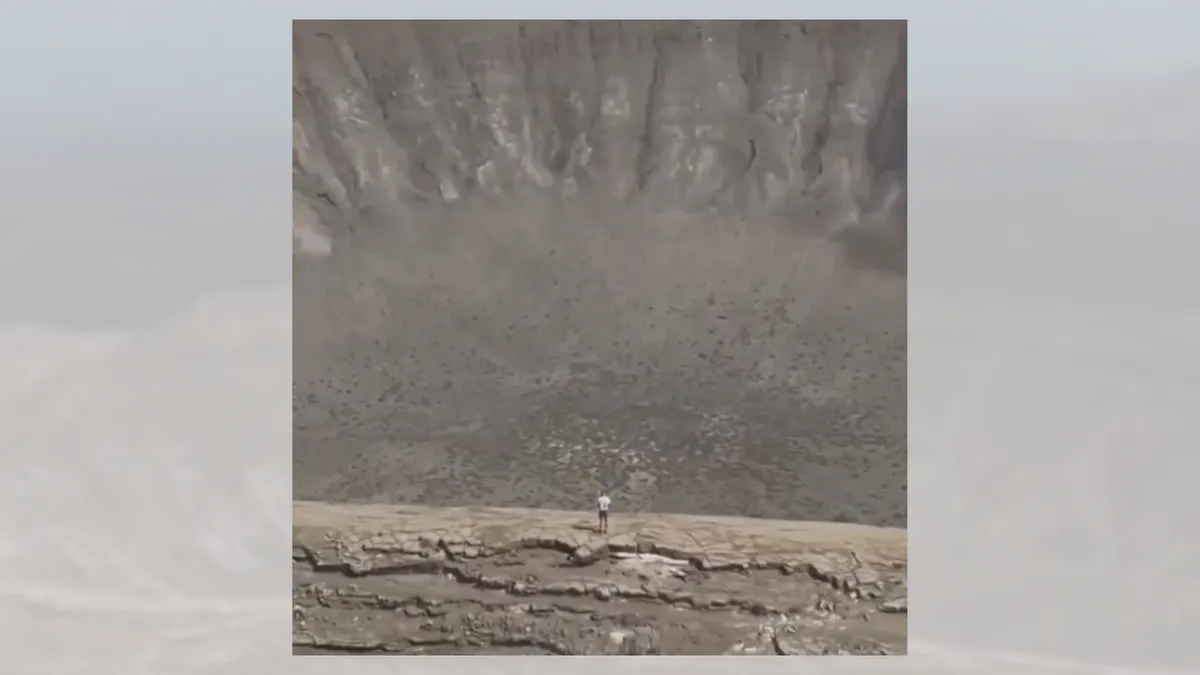
Fact-Check: Is That Video Actually of a Meteor Crater?

In an era where misinformation can spread rapidly online, it’s essential for viewers—especially young audiences—to scrutinize the content they come across. Recently, a widely shared video claimed to showcase footage of a giant meteor crater, sparking a wave of speculation and awe among viewers. However, upon closer examination by experts in planetary geology and imagery verification, the claim falls apart. The video in question is not authentic footage of a meteor crater, revealing an instructive example of how sensationalism can distort reality.

Evaluating the Claim

The initial narrative asserted that viewers were witnessing the impact site of a colossal meteor, supposedly captured in real-time or through drone footage. Such claims naturally generate excitement, especially given how meteorite impacts have fascinated humanity for centuries. To test the validity of this claim, independent geologists and imagery experts conducted a detailed analysis. Dr. Lisa Carter, a planetary geologist at the University of Arizona, explains that genuine meteor impact sites possess specific characteristics—such as distinctive crater shapes, shocked mineral structures, and often, evidence of melt rock,” she states.

  • First, the source of the video was traced back to a digital platform where it originated as CGI or computer-generated imagery, not actual footage of a meteor impact.
  • Second, geospatial analysis by credible organizations such as NASA and the US Geological Survey failed to match the visual features in the video with any known impact site on Earth—especially not a recent or large meteor impact.
  • Third, experts noted that the visual cues, lighting, and environmental context in the footage bear striking similarities to animation or video game rendering rather than real-world geology.

The Science Behind Actual Meteor Impacts

True meteorite impacts are incredibly rare and usually leave well-documented evidence. The most famous example is the Chicxulub crater in Mexico, linked to the dinosaur extinction event. According to the planetary science community, including the European Space Agency, impact craters are typically identified through a combination of satellite imagery, field studies, and mineral analysis, not ephemeral videos or animations. Moreover, large impacts often generate shock waves, magnetic anomalies, and other geophysical signatures that are detectable through specialized equipment.

The Importance of Critical Thinking and Scientific Integrity

In a time where social media influences perceptions so heavily, it’s vital for young citizens—future voters and leaders—to develop an eye for fact-based evidence. Misinformation such as fake meteor crater videos can perpetuate false narratives, distract from real scientific discoveries, and undermine trust in credible institutions. Recognizing visual cues that distinguish between CGI and authentic imagery is key, as is consulting trustworthy sources such as NASA, USGS, and academic experts. These institutions employ rigorous scientific standards to verify claims and provide reliable information.

Conclusion: Trust But Verify

Ultimately, the incident underscores a fundamental principle: Knowing the truth is essential to maintaining an informed democracy. Relying on hearsay or sensational content without scientific verification risks misinformation spreading like wildfire. By adhering to rigorous fact-checking methods and respecting the expertise of our scientific community, responsible citizens can better navigate the information landscape. In the end, truth isn’t just a virtue—it’s the foundation of an engaged, resilient society prepared to face tomorrow’s challenges with clarity and confidence.

US Citizen Amir Amiry Secured by Taliban in Afghanistan

The recent release of Amir Amiry, a US citizen detained in Afghanistan, underscores the fragile and complex geopolitical dance ongoing in the heart of Central Asia. After weeks of diplomatic negotiations facilitated by Qatar, the Taliban’s decision to free Amiry highlights the layered diplomacy at play, one influenced heavily by strategic interests and international pressure. This development is not merely a humanitarian milestone but a clear signal of shifting power dynamics, where regional players and global institutions shape the future of a nation whose stability remains pivotal for global security.

U.S. Secretary of State Marco Rubio framed the release as a reflection of America’s unwavering commitment to protect its citizens abroad, especially in the shadowy corridors of Taliban-controlled Afghanistan. His remarks echo recent directives from President Trump, emphasizing that the United States will pursue a policy of relentless pursuit of justice for those unjustly detained. Yet, the broader question remains: what are the true costs and implications of such negotiations? Reports suggest that Qatar’s involvement in securing the release demonstrates how regional powers now hold significant sway in Afghanistan’s ongoing saga. This diplomatic leverage raises questions about the long-term influence of outside nations and whether their roles inadvertently legitimize Taliban governance.

The case of Mahmood Habibi, an Afghan-American businessman vanished in 2022, underscores the ongoing suffering of families caught amidst the fragile peace process. Habibi’s disappearance, attributed by his family to Taliban custody, illustrates a broader reality: many Americans and Afghans remain ensnared in a web of uncertainty and danger. While the US government insists that any future exchanges will be ‘all or nothing,’ the situation on the ground suggests that Afghanistan continues to be a geopolitical chessboard, with the Taliban serving as a key piece manipulated by larger regional and international interests. Analysts warn that these negotiations might merely yield short-term relief without resolving the underlying political crisis, which remains a tinderbox for future conflict.

Meanwhile, Afghanistan’s economic and humanitarian crisis deepens amid dwindling international aid and mounting humanitarian disasters, such as the recent magnitude-6 earthquake. The country’s isolation is compounded by global indifference and internal instability, which threaten to turn Afghanistan into a breeding ground for terrorism and insurgency. Despite this, Trump remains fixated on regaining former US military positions, such as Bagram airbase. His repeated demand to recapture strategic facilities signals an enduring interest in asserting military dominance. Yet, this pursuit risks reigniting conflict in a country exhausted by decades of war, potentially triggering broader regional destabilization, especially with Iran, China, and Russia watching with keen interest. Such actions could entrench Taliban control further and complicate efforts to forge a stable, tolerant society.

As history continues to unfold, the question endures: who truly benefits from the ongoing negotiations and what footprint will this leave on international stability? The story of Afghanistan illustrates how decisions made behind closed doors ripple outward, influencing global power shifts and shaping the lives of millions. With each release, each diplomatic handshake, the silent weight of history presses down, reminding us that in the shadows of diplomacy, the fate of nations remains precariously balanced — a turbulent dance where every move writes the next chapter of an enduring saga of freedom, control, and survival.

Social Media Auto Publish Powered By : XYZScripts.com