Matox News

Truth Over Trends, always!

Tulip Siddiq MP handed jail sentence in Bangladesh amid unresolved legal issues

International Impact of Bangladesh’s Political Crackdown: A Warning to Global Power Dynamics

Recent developments in Bangladesh’s political climate have sent shockwaves through the international community, highlighting a rising trend of judicial activism intertwined with political persecution. Sedition, corruption, and influence-peddling allegations have led to the sentencing of prominent opposition figures and politicians, including Labour MP Tulip Siddiq, whose case underscores the complexity of justice and governance in a nation where the rule of law is increasingly under threat. Siddiq’s conviction—two years in prison and a fine—follows a highly politicized trial in Dhaka, where scrutiny from international legal experts and former officials has raised questions over the fairness and transparency of the proceedings.

This case is emblematic of a broader pattern in South Asia, where authorities have launched sweeping legal actions against former leaders, their families, and political opponents, often in the wake of regime changes. The former Prime Minister Sheikh Hasina now faces a death sentence for her alleged role in a brutal crackdown, with her conviction occurring in absentia—a move that, critics say, further consolidates the government’s power while undermining international standards of justice. According to numerous analysts, including members of the United Nations and prominent legal voices in the UK, such proceedings often lack due process, serving as tools to marginalize opposition rather than seek truth. The ramifications extend beyond Bangladesh, threatening regional stability and raising alarms over similar tactics potentially spilling over into other fragile democracies.

Historically, India, Myanmar, and other neighboring nations have demonstrated how judicially driven political purges can destabilize societies and diminish citizens’ trust in institutions. The recent crackdown on Hasina’s regime has unleashed a wave of concern regarding the erosion of democratic principles. The international community, including India and Western democracies, remains divided over how best to respond, balancing calls for justice with warnings about instrumentalization of legal systems for political ends. Analysts warn that if this pattern persists, it could further weaken Bangladesh’s nascent democratic institutions and entrench authoritarian tendencies under the guise of combating corruption. The case notably questions the integrity of the judicial process and reflects a broader geopolitical struggle—where regional influence is contested by global powers eager to shape Bangladesh’s future.

Implications for Global Diplomacy and Future Stability

The diplomatic fallout from Bangladesh’s judicial actions has potential reverberations across the international stage. The UK and European Union have expressed concern over the fairness of Siddiq’s trial, prompting debates over international standards of justice and the limits of national sovereignty. Interestingly, while Siddiq’s case highlights the challenges faced by foreign nationals entangled in foreign legal systems, it also underscores the fragile nature of international alliances based on shared democratic values. The fact that the UK does not have an extradition treaty with Bangladesh complicates efforts for legal accountability but does not diminish the importance of global scrutiny in protecting political dissidents from potential abuses.

Some international legal experts argue that the unfolding developments serve as a stark warning—how alliances are tested when national interests clash with human rights considerations. The ongoing political turbulence acts as a catalyst for further geopolitical contests in the region; nations keen on expanding influence may utilize or oppose such legal proceedings as leverage to sway regional balances. How the international community responds—either by backing democratic norms or turning a blind eye—could define the future of political stability in South Asia and influence global perceptions of justice and sovereignty. As Bangladesh navigates this turbulent period, the world watches with anticipation, bearing witness to a chapter that could either cement its democratic resilience or serve as a cautionary tale of power abuse under the veneer of legal reform.

In the shadow of these upheavals, the weight of history remains heavy: the unfolding saga in Bangladesh is a stark reminder that the pages of our shared story are being written not only through elections and treaties but through the silent, often unseen, battle for the soul of justice itself. As international observers debate the legitimacy of these trials, the true question persists—how long can a society sustain its legitimacy when justice is weaponized for political gain? This is a question whose answer could shape the course of democracy, stability, and human rights for decades to come.

Rising Stars Take Center Stage: Major Upheavals in Youth Sports Championships!

LeBron and SGA Among NBA’s Elite Scoring Streaks

As the NBA season heats up, the spotlight is firmly on two remarkable players, LeBron James of the Los Angeles Lakers and Shai Gilgeous-Alexander (SGA) of the Oklahoma City Thunder. These athletes have proven themselves indispensable assets to their respective teams, both enjoying impressive scoring streaks that are reshaping the narrative of their seasons. Even seasoned commentators like Stephen A. Smith cannot ignore the electrifying energy each brings to the court, with the potential to sway the outcomes of crucial games.

The highlight of this dynamic season has been SGA’s consistent ability to put points on the board. Recently, he has not only secured his spot among the top scorers in the league but is also competing for recognition as a potential All-Star. The support of head coach Mark Daigneault has significantly contributed to SGA’s performance, emphasizing the importance of teamwork and strategy. This resurgence has sparked conversations about whether the Thunder can make a playoff push, leveraging their star player’s momentum.

Meanwhile, LeBron James, even in the twilight of his career, continues to defy expectations. His ability to maintain a high scoring average has been nothing short of inspirational. With recent accolades, he is undoubtedly solidifying himself as one of the greatest to ever play the game. Coach Darvin Ham has praised LeBron’s leadership both on and off the court, stressing that his experience is invaluable in guiding younger players. “LeBron is more than just points; he’s a mentor,” said Ham, highlighting the star’s pivotal role in shaping the Lakers’ future.

As the season progresses, fans are not just watching records; they are witnessing unfolding stories of resilience and camaraderie. The NBA transcends mere statistics, serving as a platform uniting fans and players alike. In a world fraught with challenges, the pursuit of excellence in sports stands as a testament to the power of perseverance and passion. Whether through jaw-dropping dunks or a nail-biting final buzzer, it is moments like these that remind us why we tune in: it’s about the love of the game and the bonds it fosters across communities.

Source link

Japanese singer Maki Otsuki halts performance over China controversy

Embattled Diplomacy: How Japan and China Are Fighting Beyond Borders

The recent cancellation of Japanese music events in Shanghai, including a concert by pop icon Ayumi Hamasaki and a partial performance by anime singer Maki Otsuki, marks a significant escalation in the underlying strains between Tokyo and Beijing. These sudden withdrawals, characterized by disruptions mid-performance and restrictions on cultural exchanges, are not mere inconveniences but symbolic manifestations of deeper geopolitical conflicts simmering beneath the surface. The public reactions—ranging from social media memes to nationalistic outcries—underscore the profound impact of diplomacy on societies and how cultural exchanges have become casualty of political discord.

At the core of this confrontation lies Japan’s assertive stance on regional security, notably articulated by Prime Minister Sanae Takaichi. Her confidant declaration that Tokyo might consider military action should Beijing attack Taiwan marks a sharp departure from years of cautious diplomacy. Given China’s unwavering claim over Taiwan, this statement fuels perceptions of escalating militarization in East Asia. Notably, Beijing perceives Taiwan as part of <u>its</u> territory, vehemently opposing any foreign military influence in the region, a stance articulated in recent military drills and diplomatic protests. It has prompted a vigorous response from Chinese authorities, who have not only issued official protests but also resorted to censorship and suppression—such as halting Japanese entertainment—thus shaping how societies perceive this intense geopolitical standoff.

Analysts and international observers emphasize the broader geopolitical impact of these actions. The cultural restrictions placed on Japanese artists in China symbolize more than diplomatic petulance; they serve as a strategic tool to impact Japan’s soft power. The postponement of Japanese anime films, the abrupt halting of music events, and the viral memes comparing the cancellation to the sudden removal of Hu Jintao in October 2022 highlight how China is weaponizing its cultural sphere. Meanwhile, U.S. ambassador to Japan, George Glass, publicly expressed disappointment—a reminder that, despite regional tensions, Washington continues to wield influence over the geopolitical chessboard, allied with Tokyo. These developments underscore a critical juncture where culture, diplomacy, and military posturing converge, and where the world watches as the next moves are quietly yet strategically prepared.

As nations such as Japan and China navigate a landscape fraught with historical grievances, territorial disputes, and the ever-present specter of military escalation, the symbolic power of cultural expression takes on renewed significance. In shutting down concerts and censoring films, Chinese authorities aim to project strength and control, but they also risk alienating a generation that views entertainment as more than just escapism—it’s a bridge fostering understanding and connection. Meanwhile, the echoes of these cultural battles extend beyond the immediate region, influencing alliances and shaping the future of international stability. Historical commentators warn that such tensions, if left unresolved, could spiral into broader conflicts that irrevocably change the geopolitical order—reminding us all that history is an ongoing narrative, written anew with each decisive action and each silent cultural silence.

Special Forces Boss Hid Worries Over SAS Conduct in Afghanistan, Inquiry Reveals

UK Special Forces Under Scrutiny: Allegations of Unlawful Killings in Afghanistan Shake International Trust

In a developing chapter of military accountability and international law, the ongoing inquiry into alleged war crimes committed by UK special forces in Afghanistan has unveiled disturbing evidence of a possible cover-up and systemic misconduct. Led by Lord Justice Haddon-Cave, the investigation has revealed chilling allegations that extrajudicial killings may have been sanctioned or overlooked by senior military figures, raising profound questions about Britain’s military ethics and adherence to international law. The revelations jeopardize not only the United Kingdom’s military reputation but also threaten to undermine the broader legitimacy of Western interventions in conflict zones.

At the heart of the scandal lies a whistleblower, known only by the codename N1466, who has accused high-ranking officials of ignoring clear warning signs of war crimes dating back to 2011. According to transcripts and testimony, N1466 detailed how concerns about unlawful shootings—resentfully dismissed by the chain of command—were met with an intent to conceal rather than rectify. Of particular gravity are accusations that special forces units carried out **shootings of children and unarmed civilians**, including a tragic incident where two toddlers, Imran and Bilal, were shot in their beds in 2012, with their parents killed during the raid. These reports not only evoke horror but also threaten to further destabilize public trust in the British military’s role abroad.

International analysts, including war crimes experts and human rights advocates, have expressed concern that such misconduct, if proven, could set a dangerous precedent. How nations handle allegations of misconduct in wartime impacts their standing on the global stage: failure to address, investigate, or prosecute these crimes may invite international sanctions or diminish the moral authority of Western allies. The UN’s Office of the High Commissioner for Human Rights and other global bodies have historically condemned extrajudicial killings, emphasizing the importance of accountability, especially when detainees are executed or evidence suggests weapons are planted on victims.

Revealed Patterns of Cover-Up and Systemic Issues

  • Allegations that military authorities ordered reviews of tactics to obscure evidence of unlawful killings, reflecting a potential **institutional effort to avoid accountability**.
  • Inconsistent official responses, with the Ministry of Defence claiming commitment to transparency while waiting for the outcomes of a probe that reveals troubling systemic issues.
  • Evidence suggesting a disproportionate ratio of killings to recovered weapons in raids, with repeated reports of detainees being shot after being taken along in operations. Such patterns raise questions about adherence to the Geneva Conventions and international humanitarian law.

This scandal echoes a broader debate about the limits of military power and the cultural forces within special forces units that may prioritize secrecy and success over legality and human rights. Historians and security analysts warn that if these allegations are true, it could irreparably damage the UK’s international reputation, casting a shadow over previous military achievements and calling into question the moral integrity of the forces involved. As one veteran remarked, “We didn’t join UKSF for this—children shot in their beds or random killings. It’s not what being ‘special’ or ‘elite’ should stand for.”

The Road Forward: Justice or Denial?

As the inquiry continues, the weight of potential justice hangs heavily in the balance. The international community watches cautiously, aware that how Britain addresses these allegations may influence future standards of conduct for all military forces involved in complex conflicts. The outcome may determine whether the legacy of the UK’s special forces is one of heroism or shame, shaping global perceptions of Western military intervention for generations to come. In the shadows of history, it is the decisions made today—whether to confront or conceal—the ones that will ultimately define the moral framework of a nation torn between security and justice.

Sydney Cops Charge Four Men Over Alleged International Child Abuse Scandal

The recent apprehension of four Australians accused of operating a satanic child sexual abuse material ring in Sydney highlights a disturbing chapter in the ongoing battle against transnational crime and the dark web. With law enforcement executing multiple searches across key locations—such as Waterloo, Ultimo, and Malabar—this case underscores the brutal reality of how illegal networks exploit technological vulnerabilities and societal silence. The Australian authorities’ swift action, including the arrest of individuals like Landon Germanotta-Mills and others, reflects a growing international consensus on the importance of crackdowns on child exploitation, even amidst battles against free speech and digital privacy rights.

According to NSW Police, Germanotta-Mills, who claims to be the founder of the independent news platform The Underground Media Network, is alleged to have played a leading role in distributing and facilitating child abuse materials, some with satanic and ritualistic themes. His platform, which articulates a mission to “expose institutional abuse,” appears paradoxical in light of his alleged activities—highlighting a recurring theme where online spaces ostensibly dedicated to justice become tangled in the very issues they oppose. International analysts warn that such cases could set distressing precedents, enabling criminal networks to manipulate the perception of legitimacy and undermine public trust in advocacy outlets. This case further illuminates the intersection of digital activism and clandestine operations, testing the resilience of societal morals and law enforcement’s capacity to adapt to rapid technological shifts.

Elsewhere in Australia, three additional men—Benjamin Raymond Drysdale, Mark Andrew Sendecky, and Stuart Woods Riches—faced court proceedings, with bail requests denied in each case. Their alleged involvement spans accessing, possessing, and disseminating child abuse and bestiality materials. The breadth of charges indicates a concerted effort by authorities to dismantle elements of this network, but the deeper warnings resonate beyond mere criminal prosecution. Many international human rights bodies and security analysts argue that such cases expose vulnerabilities in global digital infrastructure and legal frameworks, urging nations to reinforce their protections against these heinous crimes. The international community remains watchful—some experts speculating that these revelations could stimulate a broader multilateral effort or, conversely, incite resistance from those attempting to thwart law enforcement’s reach.

This disturbing episode exemplifies a larger geopolitical landscape where nations grapple with how to balance freedom of speech against the need for security. The impact on societal trust, particularly among youth, is profound; as the internet becomes more accessible, so do the risks of exploitation. Critics argue that overly broad or vague legislation may threaten civil liberties, yet the global push to clamp down on child exploitation remains firm. As noted by international security agencies and renowned historians of digital rights, the outcome of these cases may well influence future policies—either strengthening resilience or unleashing unintended consequences that could embolden underground networks.

In the shadowed corridors of this ongoing war against corruption and decay, the weight of decision-making presses heavily upon global and national leaders. History records that the battle against evil disguised as activism often tests the very fabric of society. Today’s crackdowns could set decisive precedents, but tomorrow remains unwritten. As the world watches, the unfolding story of justice, morality, and international cooperation continues—a stark reminder that the fight for innocence, truth, and human dignity is far from over. In the silence that follows, history’s pen waits—recording a chapter where darkness was challenged, and hope endured against all odds.

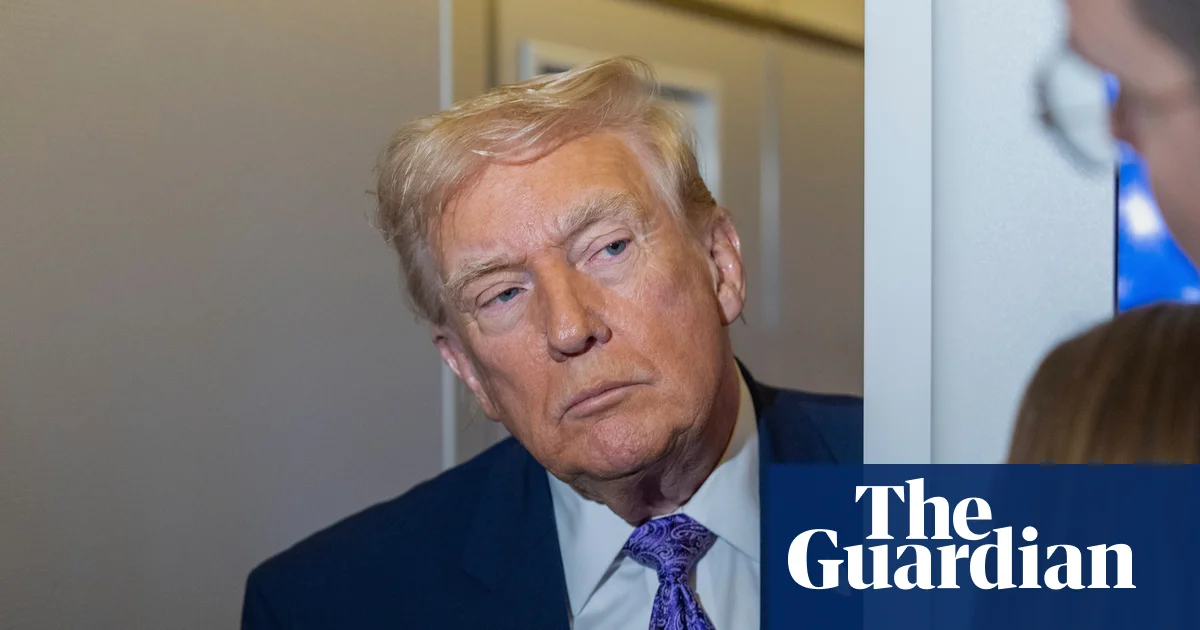
Trump just confirmed a recent chat with Maduro—what’s really going on?

The recent developments in Venezuela signal a pivotal shift in international relations and regional stability. President Donald Trump publicly confirmed his communication with Venezuelan President Nicolás Maduro, although details remain scant. This clandestine interaction marks a notable departure from previous US policies that predominantly isolated Maduro’s government, emphasizing potential shifts toward diplomacy amidst ongoing tensions. While Trump’s comments downplay the nature of the conversation as “just a phone call,” analysts worldwide acknowledge the significance of such a dialogue, especially in the context of escalating US measures against Caracas.

For months, U.S. policy has oscillated between aggressive unilateral actions and cautious overtures. The recent naval and airspace maneuvers—such as closing off Venezuelan airspace and contemplating military strikes—reveal a strategy rooted in maximum pressure. However, the fact that Trump entertained discussions with Maduro fuels speculation about a potential pivot. Prominent geopolitical experts, including analysts at the Council on Foreign Relations, argue that this engagement could be a response to expanding US fears over regional influence. It signals a broader geopolitical calculus—one that recognizes Caracas as a vital pawn in the chess game of US and Russian interests in Latin America.

The US’s hardline stance is driven by concerns over Venezuela’s alleged role in illegal drug trafficking, which Washington claims fuels the deadly opioid crisis back home. Despite these claims, Maduro vehemently denies links to drug trade, asserting that accusations serve as pretexts for regime change. The ongoing military buildup, including strikes on suspected drug trafficking boats, raises profound questions about respect for international law and sovereignty. Critics, including human rights organizations, decry the strikes as potential extrajudicial killings, further complicating the US’s moral and strategic standing. The looming threat of military intervention—coupled with diplomatic overtures—embeds Venezuela as a volatile hotspot, with its geopolitical impact resonating throughout the Americas.

Historian and international analyst Dr. Maria Lopez emphasizes that this phase of US policy reflects a fundamental shift: “We are witnessing a fusion of threat and diplomacy that may redefine the region’s political landscape,” she states. How the Biden administration, or future US leadership, navigates this delicate balance could determine whether Venezuela spirals into open conflict or slowly transitions toward negotiations. Meanwhile, Latin American nations invested in regional stability are watching with mounting concern, aware that any miscalculation could ignite a wider crisis. Neighboring countries, some sympathetic to Maduro, insist that international law requires dialogue over force, yet the US appears ready to escalate.

As history continues to unfold, the weight of these decisions hangs heavily over the Caribbean and beyond. The decisions made today—whether through war, peace, or strategic diplomacy—will craft the narrative of an era marked by global shifting alliances and enduring struggles for sovereignty. The curtain has been raised on what could be the defining chapter of the 21st century’s geopolitical saga, leaving philosophers and statesmen alike pondering: are we witnessing the birth of a new Cold War, or merely a temporary upheaval in Latin America’s tumultuous history? Only time will tell, but one truth remains certain: the story of Venezuela, and indeed the world, is far from over.

Swatch MoonSwatch Earthphase Moonshine Gold: Price, Specs & How to Get It

Swatch’s MoonSwatch Continues to Disrupt Traditional Watch Industry, Signals a Tech-Driven Future

The watch industry is experiencing a seismic shift driven by innovation and disruption, with Swiss giant Swatch once again leading the charge. The company’s MoonSwatch collection, a remarkable fusion of horological craftsmanship and mass-market savvy, has revolutionized how consumers perceive and purchase high-end timepieces. Despite its playful, affordable appeal—priced at just $285—MoonSwatch is netting hundreds of millions of dollars in sales, threatening traditional luxury brands’ dominance. This strategic move exemplifies how industry giants are leveraging unique collaborations and branding to harness a new era of consumer engagement.

The product itself is a testament to innovative market disruption. The collection melds Swatch’s bioceramic materials—a sustainable, lightweight composite—with design elements inspired by Omega’s iconic Moonwatch, creating a hybrid product that appeals to both nostalgia and modern sensibilities. Features such as

  • Playful hidden messages revealed under UV light
  • Customizable straps and aesthetic variants
  • Limited editions with unique moon phase displays

highlight Swatch’s strategic use of innovation not just in product design but in consumer experience.

Current industry leaders, like Gartner analyst Dr. Lisa Lopez, underscore the impact on the traditional luxury watch sector. She notes that this disruption is driving a wave of business model innovation, where quick-to-market collaborations and digital appeal threaten the long-standing exclusivity of haute horology. Additionally, Elon Musk’s ventures into mass-market wearables and MIT’s research into smart accessories further illustrate the trend toward integrating technology seamlessly into daily fashion. These developments push the market towards a landscape where disruption and innovation are no longer optional but essential for survival.

Despite the playful aesthetic, the MoonSwatch’s success with younger demographics signals a broader market shift. Industry shifts towards accessible luxury, combined with emphasis on sustainability and technological integration, are redefining the horizon. Swatch’s recent release of the Moonshine Gold Cold Moon model, featuring intricate moon phase mechanics with golden snowflake accents, exemplifies this trend. The release not only demonstrates technological innovation but also highlights the importance of timely, culturally resonant products that generate buzz and brand loyalty. As Peter Thiel often emphasizes, the pace of innovation is accelerating, and companies that fail to adapt risk being left behind in the dust of incumbents driven by tradition.

The future of the watch industry rests on how well brands can blend disruption, innovation, and consumer-centric strategies. Market watchers and tech innovators alike agree that the upcoming decade will be pivotal, with rapid advancements in materials science, smart tech, and augmented reality poised to redefine what a watch can be. The critical takeaway? In an era marked by unprecedented technological disruption, remaining passive is a path to obsolescence. Forward-looking companies must harness the full potential of technological innovation, disrupt traditional paradigms, and stay ahead of the consumer curve—because the next wave of market leadership hinges on their ability to do so.

Daring Exit from El-Fasher: Darfur Youth Courage Amid Crisis

As the Sudanese civil war escalates into a new chapter of brutality, el-Fasher, the capital of Darfur, has fallen after an 18-month brutal siege, marking a significant turning point in an ongoing conflict that continues to threaten regional stability. Fighters from the Rapid Support Forces (RSF), a paramilitary group once allied with the national army, seized the city from government control, leaving a trail of devastation and prompting a mass exodus of civilians fleeing with only the clothes on their backs. The geopolitical impact of this victory for the RSF cannot be overstated, as it pushes the paramilitary group into the last stronghold of western Darfur and weakens the fragile authority of the central government—a move that may reshape long-term power dynamics in Sudan.

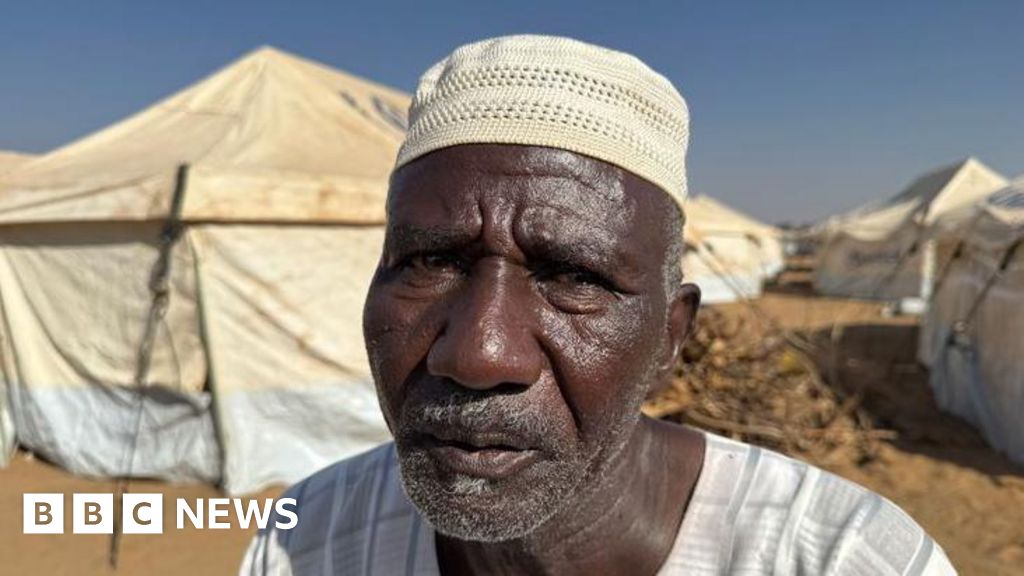
International organizations and analysts are quick to condemn the aftermath of el-Fasher’s fall, with widespread reports of atrocities that include mass killings, sexual violence, and destruction of civilian life. Witnesses, including survivors like Abdulqadir Abdullah Ali, recount harrowing tales of shootings and indiscriminate violence inflicted by RSF fighters, who reportedly used live ammunition against fleeing populations. The UN has documented that less than half of the approximately 260,000 citizens who inhabited the city before its fall have been accounted for, indicating an ongoing humanitarian catastrophe. The rise of the RSF in Darfur signals a potential shift in regional power, emboldening a militant faction but also drawing sharper international focus on the crisis—especially as accusations of genocide and war crimes gain traction globally.

The unfolding chaos has displaced millions, with many fleeing into neighboring countries or settling into hastily assembled camps in northern Sudan, such as the camp in al-Dabbah. Here, survivors paint a grim picture of violence, including systematic looting, sexual violence, and brutal interrogations—actions denied by the RSF, which claims to be misrepresented by political enemies. Yet, the clarity of eyewitness testimonies, like those of Mr. Ali and others, underscores the brutal reality: civilian suffering is mounting, and the fragile ceasefire prospects remain distant. How international powers respond to this escalation will have profound implications for regional security and U.S. geopolitical interests, especially as President Donald Trump promises increased involvement to broker peace.

As history continues to unfold amid the dust and chaos of Sudan’s shattered cities, the geopolitical impact of this conflict extends beyond Africa’s borders. The internal chaos threatens to destabilize neighboring countries and fuels allegations of war crimes that could invoke sanctions and international intervention. The narrative spun by the RSF’s leadership, claiming innocence and accusing their enemies of orchestrating a media campaign, does little to mask the true horror taking place. Many survivors, battered but resilient, cling to their hope amid despair, waiting for a turning point—and for the weight of history to decide whether this dark chapter will be remembered as a turning point of liberation or a tragic descent into further chaos. In the shadows of this unfolding tragedy, the whispers of history remind us: what happens in Sudan echoes far beyond its borders, shaping the destiny of nations and the future of global justice.

Rising Stars Shine as Youth League Kicks Off: A New Era of Talent Emerges!

Flamengo Makes History with 2025 Copa Libertadores Triumph

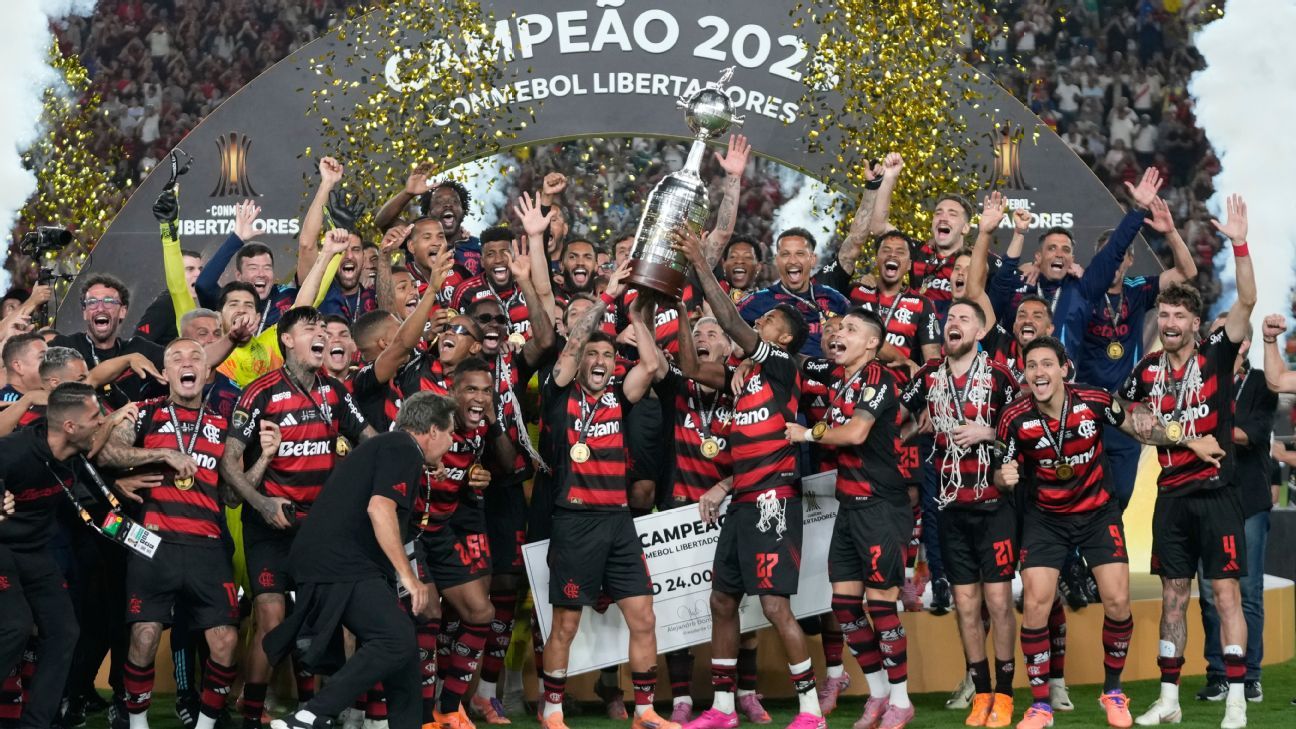
In a thrilling showdown on Saturday, Flamengo clinched the 2025 Copa Libertadores title, overcoming Palmeiras with a narrow 1-0 victory. This triumph not only marks a significant milestone for Flamengo but also cements their legacy as the first Brazilian team to secure four titles in South America’s premier club competition.

The decisive moment of the match came late in the second half when Gabriel Barbosa, affectionately known as “Gabigol,” delivered a stunning strike that left the Palmeiras goalkeeper helpless. This pivotal goal not only showcased his remarkable skill but also highlighted Flamengo’s resilience throughout the tournament. Their determination was evident on the field, as Coach Jorge Jesus emphasized the importance of teamwork and strategic execution leading up to the match.

Throughout the tournament, Flamengo demonstrated resilience and skill, overcoming some of the toughest opposition South America has to offer. Commentators noted the team’s unyielding spirit and tactical prowess, with ESPN analyst Gabriel Nascimento stating, “Flamengo has proven yet again that they are a force to be reckoned with in South American football.” This championship run saw the team make history, solidifying their status as a football dynasty.

  • Match Highlight: Gabigol’s decisive goal in the 78th minute.
  • Key Player: Gabriel Barbosa, who scored the match-winning goal.
  • Historical Achievement: First Brazilian team to win four Copa Libertadores titles.

As Flamengo hoisted the trophy into the São Paulo sky, it became more than just a victory; it symbolized the unity and passion that football ignites across Brazil and beyond. This latest triumph demonstrates how the game transcends mere competition, forging connections among fans and players alike. In the world of sports, victories come and go, but the shared emotions, camaraderie, and dedication to the game will continue to inspire generations. As Flamengo celebrates, they remind us all of the power of sports to unite, uplift, and celebrate the enduring spirit of competition.

Source link

Authorities threaten parents as 1,000 adopted children are forcibly taken back—what’s happening to our families?

Across the United Kingdom, a silent crisis is unfolding within the realms of adoption and foster care. Deep within families tasked with providing love and stability to society’s most vulnerable children, there is a disturbing narrative of neglect, misunderstanding, and broken support systems. An investigative report by the BBC reveals that numerous adoptive families are being pushed to the brink—being threatened, harassed, and sometimes driven to the point of despair, all while grappling with children who have suffered severe trauma before their placement. These families, often lauded as heroes of society for welcoming children in need, are instead becoming casualties of a system that fails to back them in their darkest hours.

This troubling scenario threatens the very fabric of families, communities, and the future of social cohesion. Sociologists such as Prof. Laura Machin have highlighted the devastating effects such failures have on families, noting that nearly 38% of adoptive parents consider returning their child to care amid the mounting crises. Many families report being misled about the level of post-adoption support and subjected to a culture of blame from social workers overwhelmed by caseloads and systemic limitations. When behavior problems emerge, instead of receiving compassionate intervention, adoptive parents often face the language of blame, legal threats, and even police involvement—an experience that can fracture communities that operate on trust and shared morals. The social impact is profound, with trauma routinely dismissed or misunderstood, leaving families feeling isolated and betrayed.”

Within this chaos, family units are suffering as children with complex needs are returned to care or are left in environments unfit for healing. The BBC investigation uncovers a shocking number—more than 700 children—who are returned to care before their adoption is finalized, and hundreds more after, illustrating a failing system that lacks the preventative support necessary to keep families intact. These breakdowns are often precipitated by inadequate early intervention, with research from Lancaster University indicating that many such disruptions could be avoided with proper, timely help. Social workers, under immense pressure, sometimes resort to disinformation or blame parents for issues rooted in trauma, neglect, or abuse that originated long before adoption. The moral and human toll is immeasurable, with stories like that of Verity and Ian, who adopted their children from a violent environment, only to face threats of prosecution when their own efforts to protect and nurture were met with legal and bureaucratic hostility.

At the core of this social dilemma lies a profound need for reform—a society that recognizes the lifelong commitment of adoption and the essential role of support systems. Advocates like Fiona Wells from the grassroots group Patch emphasize that adoption should be a lifelong journey, backed by continuous, meaningful support. The current landscape, however, often leaves families to fight alone, with legislation outdated and social services strained beyond capacity. As Sarah, a seasoned social worker, admits, social workers on the ground frequently harbor a blame culture, and systemic neglect leaves many families in crisis. But in the light of this ongoing crisis, there is hope. Movements pushing for policy reforms and better resources are gaining momentum, advocating for early intervention, proactive mental health support, and a compassionate approach to trauma—cornerstones of restoring trust and healing fractured lives. Society must reckon with these painful stories, recognizing that behind every statistic are real families burdened by systemic failures, human suffering, and the need for societal compassion.

As society stands on the precipice of change, it reflects a timeless truth: that the strength of our communities is inherently linked to our ability to nurture the vulnerable with dignity and respect. Liam’s story, from trauma to independence, reminds us that amid systemic flaws there is potential for renewal—if society chooses to face its challenges head-on and build a future rooted in compassion and support. For in the quiet resolve of families fighting for their children, lies the hope that society’s moral compass can be recalibrated—toward justice, toward healing, and ultimately, toward a society that truly values every human life, no matter how scarred or lost it may seem.

Social Media Auto Publish Powered By : XYZScripts.com