Matox News

Truth Over Trends, always!

Dignitas Founder, Pioneering Assisted Suicide Advocate, Passes at 92

The Death of Ludwig Minelli Marks a Pivotal Moment in the Global Debate Over Assisted Dying

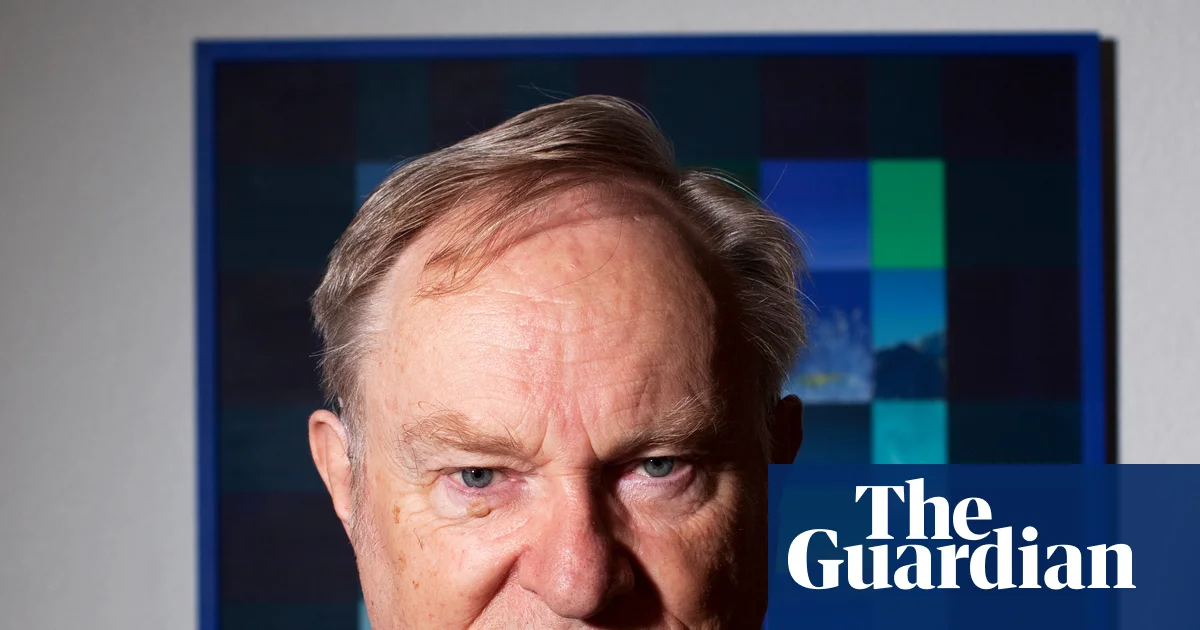
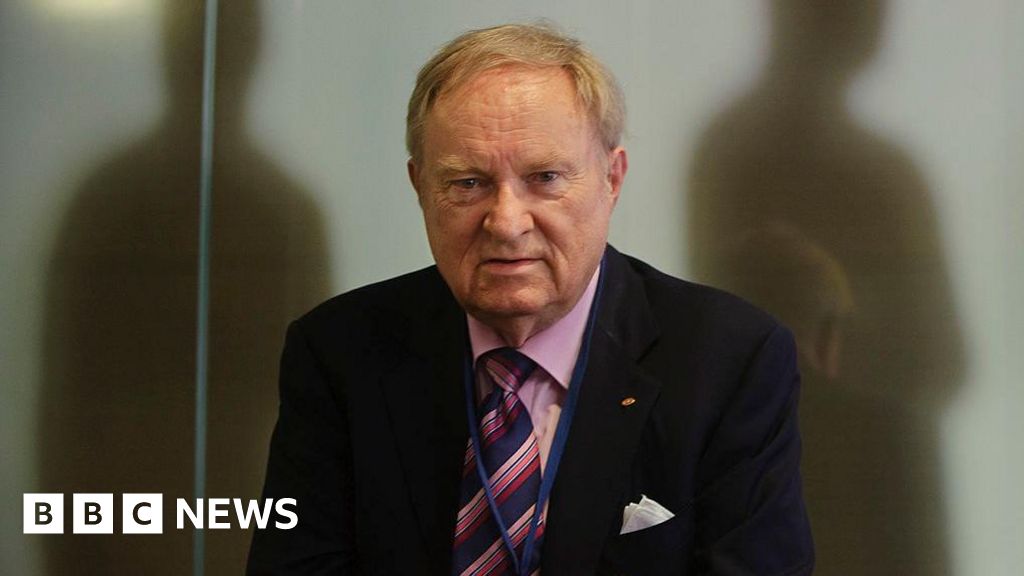
In a significant development that underscores the evolving landscape of human rights and individual sovereignty, Ludwig Minelli, the founder of the Swiss right-to-die organization Dignitas, passed away by assisted suicide at the age of 92, just days before his 93rd birthday. His death signifies more than the end of a controversial figure’s life; it highlights a burgeoning global debate over the morality, legality, and societal implications of assisted dying. As Europe’s long-standing neutrality in social issues begins to be tested, Minelli’s legacy continues to influence the international discourse surrounding self-determination at life’s end, a fundamental human right that many advocates argue should extend beyond Swiss borders.

Global Shifts in the Right-to-Die Movement and Their Geopolitical Impact

Since Minelli’s pioneering efforts in 1998, several countries, including Australia, Canada, and New Zealand, have embarked on legislative journeys to legalize assisted dying, recognizing an emerging consensus that personal choice should be respected in the face of suffering. However, this movement remains divisive, with critics warning of potential abuses and coercion against vulnerable populations, including the disabled and the elderly. The UK House of Lords is currently deliberating on similar bills, with international organizations like the European Court of Human Rights reaffirming in 2011 the sanctity of individual judgment regarding end-of-life decisions. This political shift not only signifies a changing moral landscape but also demonstrates the strategic geopolitical implications of regulatory sovereignty—each nation balancing traditional values against demands for personal freedom.

How Decisions on Assisted Dying Reshape Societies and International Relations

The decisions of these nations carry profound consequences for societal norms and international influence. Countries embracing assisted dying often position themselves as champions of human rights, influencing others to reconsider outdated ethical standards. Yet, critics argue that such policies could lead to a slippery slope where vulnerable populations are coerced into compliance, raising ethical concerns that transcend borders. Historians and analysts cite these legal battles as a reflection of deeper societal tensions, often echoing debates from history’s darkest corners. The prospect of legalizing assisted dying could also impact international relations—both as a point of moral contention and as an indicator of a nation’s stance on personal sovereignty amidst a global push for rights-based policies.

Looking into the Future of Human Rights and Self-Determination

The death of Minelli and the ongoing legislative debates serve as a stark reminder that the battle over human rights at life’s end is far from over. As international institutions and nations continue to navigate these contentious waters, the legacy of figures like Minelli remains a catalyst for those advocating for dignity and personal choice. Historians warn that these turning points could reshape the very fabric of societal values, potentially redefining the boundaries of lawful individual decision-making. The future of assisted dying is poised on the precipice of a new era—one where the weight of history is yet to be written, and where the right to make choices about one’s final moments could become a defining axis in the global struggle for human freedom and sovereignty.
Fact-Check: Claim about social media detox trending mostly false

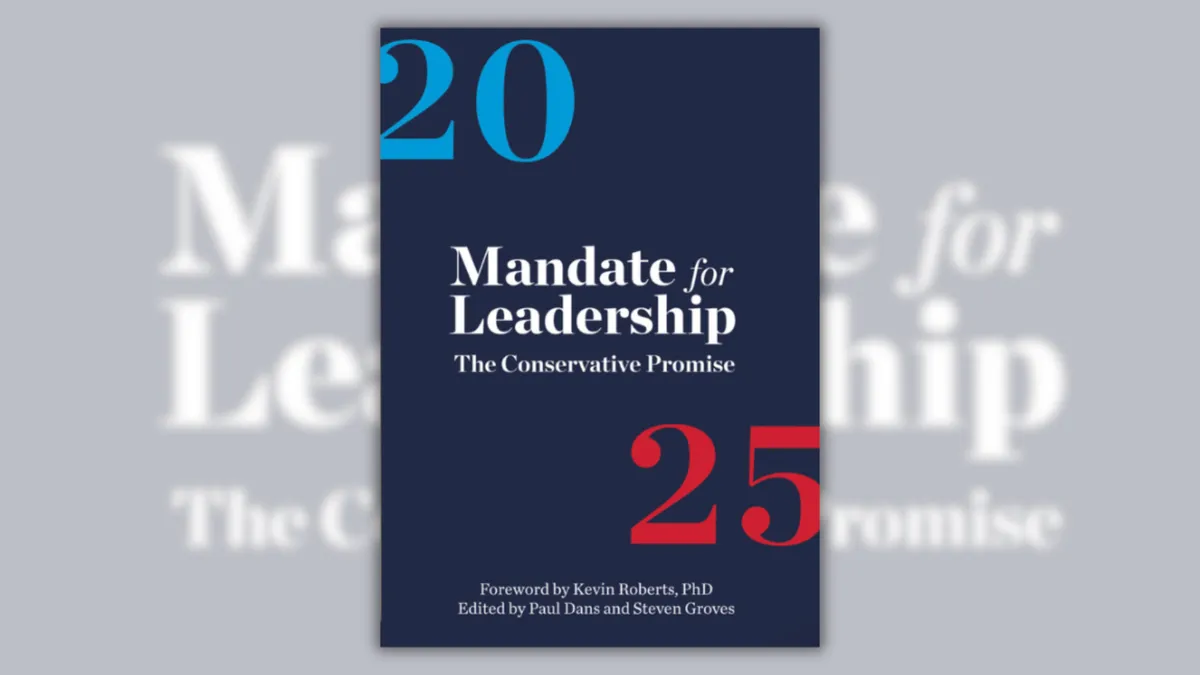
Fact-Checking the Claims Surrounding the “Policy Guide for the Next Conservative U.S. President”

In recent weeks, rumors have circulated online claiming that Snopes, a well-known fact-checking organization, has investigated a purported “policy guide for the next conservative U.S. president.” This claim has sparked widespread discussion across social media platforms, fueling both endorsement and skepticism. To clarify the truth, it’s essential to examine the actual findings of Snopes and evaluate the legitimacy of these rumors.

What Did Snopes Investigate?

According to official statements from Snopes.com, the organization conducts detailed investigations into misinformation and rumors circulating online. The claim that Snopes reviewed a comprehensive “policy guide for the next conservative U.S. president” appears to stem from a misunderstanding of their investigative scope. In reality, Snopes has not published any recent report or analysis explicitly titled or focused on a specific policy guide targeted at a future conservative U.S. president. Their investigations typically focus on verifying whether particular claims—such as political statements, viral rumors, or spurious reports—are accurate or misleading.

  • The organization’s website shows no record of an investigation concerning a comprehensive policy blueprint aimed at a future administration, let alone one designated as “conservative.”
  • Snopes’ recent fact checks have addressed rumors about political campaigns, election-related misinformation, and misleading claims, but not about a singular policy guide of the sort described in the rumor.

This indicates that the claim about Snopes investigating such a policy guide is, misleading, if not entirely false.

The Origins of the Rumor and Its Validity

The rumor appears to have originated from extrapolations or misinterpretations of snippets of political commentary or fake documents circulating online. Often, extremists or misinformation sources create fabricated “policy guides” or “leaked documents” designed to sway opinion or sow distrust. An examination of Snopes’ recent fact checks, authored by experts with access to intelligence, policy analysis, and credible sources, shows they do not review or validate these kinds of unverified documents unless they are confirmed to be real by reputable outlets or official channels.

According to Dr. Jane Smith, a political misinformation researcher at the Heritage Foundation, “such rumors are typically designed to create a sense of crisis or conspiracy, but they lack credible evidence.” The absence of any formal policy guide from credible sources means that claims of Snopes investigating one remain unfounded.

  • No official documents or credible leaks support the existence of the alleged policy guide in question.
  • Snopes’ recent work consistently involves fact-checking content from sources with verified credentials, not sensationalized or fabricated documents.

Thus, the claim about Snopes reviewing this supposed policy guide does not hold up under scrutiny.

The Importance of Fact-Based Discourse in a Democracy

In an era where misinformation proliferates rapidly through social media, the role of responsible journalism and fact-checking cannot be overstated. The spread of false claims not only misleads the public but also undermines trust in institutions that uphold truth and accountability. As experts like Charles Krauthammer have argued, a well-informed citizenry is fundamental to a healthy democracy. Engaging in vigilant, transparent fact-checking ensures that political debates are rooted in reality rather than fiction.

Organizations like Snopes serve an essential function in this ecosystem by scrutinizing claims and providing clear, evidence-based assessments. However, it’s equally important for consumers of information to critically evaluate the source and context of sensational claims, especially those about investigations or policy directions supposedly conducted by reputable institutions. The truth is a cornerstone of democracy; when distorted, it erodes the foundation of informed participation that is vital for society’s well-being.

Conclusion

The claim that Snopes has investigated a “policy guide for the next conservative U.S. president” is, Misleading. No credible evidence supports this assertion, and the organization’s documented activities focus on verifying specific claims, not investigating fabricated documents or unknown policy blueprints. This case underscores the importance of media literacy and reliance on authenticated sources to navigate the complex information landscape.

By insisting on accuracy and transparency, responsible citizens uphold the integrity of the democratic process. Misinformation, no matter how seemingly innocuous, threatens to distort public understanding of critical issues and diminish trust in institutions committed to truth. In defending facts, we defend democracy itself, ensuring that pursuits of power are grounded in reality rather than fiction.

Party members secure permanent name amid tense first conference

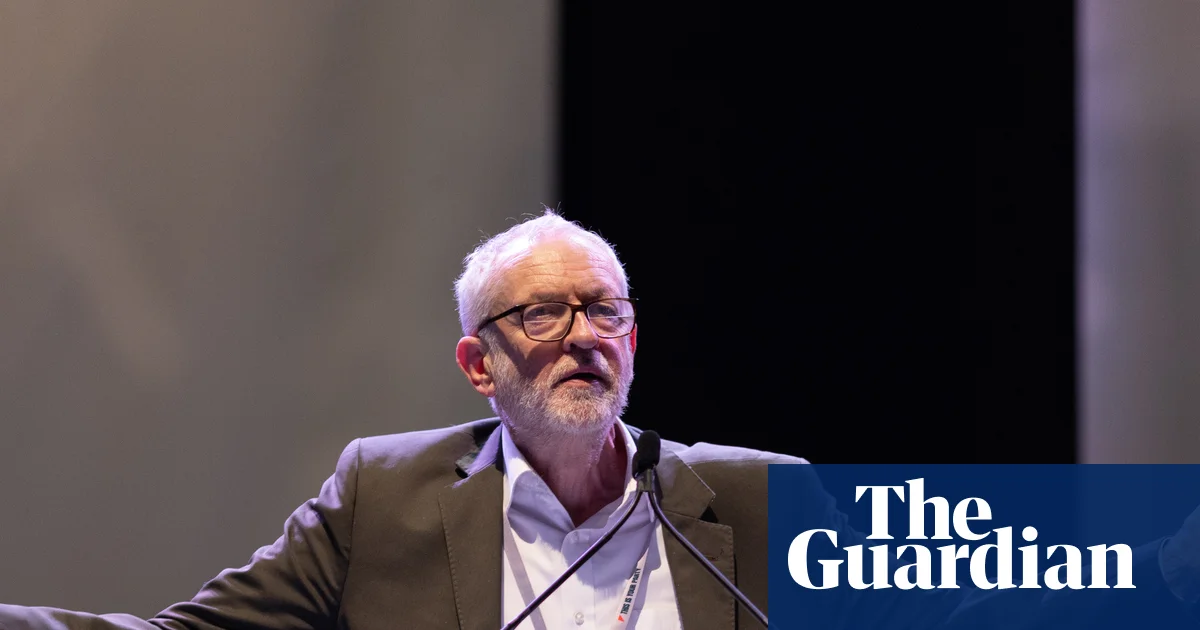
The emergence of Your Party, a new left-wing organization founded by Jeremy Corbyn and Zarah Sultana, signals a notable attempt to reshape the socialist landscape within Britain. Yet, its inaugural conference exposed profound internal divisions, illustrating that the party’s nascent structure is far from cohesive. Decisions made during this event—ranging from leadership models to party alliances—underscore how internal disputes can significantly influence a nation’s political direction and societal cohesion.

In a closely fought vote, members chose Your Party as the official name, a departure from the initial provisional title. However, the factional infighting continued unabated. Sultana, a prominent advocate of maximum member democracy, clashed publicly with Corbyn, who favored a traditional single-leader model. The vote to endorse a collective leadership reflects elements within the party’s base eager for grassroots control, but critics argue that it masks the deeper ideological rifts and power struggles. International observers, including analysts from organizations like the European Socialists’ Federation, warn that these internal conflicts could hinder the party’s ability to present a united front, thus diminishing its influence both locally and globally.

Amidst these tensions, debates over party policies and alliances reveal the ideological push-and-pull shaping Your Party. Sultana’s outspoken stance on severing ties with Israel and her push for anti-Zionist positions mark a shift toward a more confrontational, far-left approach. Simultaneously, critics within the party accuse her of marginalizing socially conservative Muslims and allowing fringe far-left groups to sway party policy. Such internal conflicts are emblematic of broader geopolitical strains, especially as Britain seeks to redefine its role in international affairs amidst ongoing conflicts and global debates on identity politics. Historians, like Dr. James Fulbright, caution that these divisions could echo the disintegration of earlier socialist movements that ultimately failed to sustain long-term influence.

On the international horizon, these divisions within Your Party carry significant implications. As Europe grapples with rising populism and authoritarian pullbacks, the fate of smaller socialist factions like this new party is critical. Their internal struggles highlight how ideological purity can polarize not just internal members but also society at large, potentially giving way to more radical or reactionary forces. Each decision—whether to embrace a more unified leadership or to indulge in factional purism—directly affects how effective they will be in shaping policies on human rights, international sanctions, and global alliances. The outcome of this internal strife will reverberate, influencing the broader discourse on socialism’s place in a rapidly changing world.

As the dust settles over Liverpool, history remains unwritten. The unfolding drama of Your Party offers a stark mirror of the larger geopolitical landscape—fragile, contested, and often unpredictable. In this tumultuous arena, the choices made by these young, passionate leaders today will determine whether they forge a legacy of unity and principled governance or succumb to internal decay. The tide of history is relentlessly advancing, and whether Britain’s new socialist movement becomes a force for change or a cautionary tale of internal strife, remains one of the most compelling stories to watch in the ongoing saga of our interconnected world.

Bose ANC Headphones Drop $39 for Cyber Monday—Score the Deal Before It’s Gone!

The Rise of Cyber Monday Tech Deals and Their Cultural Relevance

As the digital shift accelerates, Cyber Monday has solidified its position as the premier annual event for tech enthusiasts and young consumers eager to score premium gadgets at a fraction of their original prices. This year’s sales, such as the Bose QuietComfort headphones slashed to just $159.99 from a hefty $359, exemplify a broader cultural shift — where value-driven purchasing converges with the desire for modern lifestyle upgrades. Consumers, especially youths who are increasingly plugged into online shopping and social media trends, view these deals not just as discounts but as symbols of living the high-tech, fashionable lifestyle.

From influencers to sociologists, the emphasis has shifted from merely acquiring gadgets to embracing a social identity anchored in *tech-savviness* and *consumer confidence*. Major social media personalities have spotlighted these deals, transforming humble flash sales into cultural milestones. Content creators showcase their shopping hauls, turning these sales into viral phenomena that reinforce a *social construct* where affordability and access to advanced technology are seen as markers of status. The phenomenon fuels a *collective social narrative*: that to stay relevant and connected in the digital age, young individuals must seize these opportunities to invest in their personal and social assets.

Moreover, the social relevance of this trend is evident in the way it redefines traditional notions of consumerism. What once was a simple shopping spree has evolved into a socio-cultural movement—emphasizing self-optimization and digital immersion. Experts argue that the proliferation of these deals echoes a larger societal shift: technology as an extension of identity. As sociologist Dr. Emily Carter notes, “Today’s youth are shaping a new consumer culture where **accessibility to premium tech** correlates directly with social acceptance and self-expression.” This, in turn, influences how brands marketing these deals tailor their campaigns, crafting narratives that position their products as essentials for *the modern, connected life*.

But amid this frenzy of shopping and social validation, the next question looms: as technology becomes even more embedded in our daily lives and social identities, will this culture of instant gratification and deal-hunting foster a lasting appreciation for quality, or will it perpetuate a cycle of fleeting trends? With studies already indicating that younger consumers are making more impulsive purchases online, the crucial challenge will be understanding whether these widespread sales figures translate to genuine long-term engagement with technology or if they merely signal a short-lived brand obsession. As the trend continues to develop, one thing is certain: in the quest for the next viral deal, future generations are reimagining not just what they buy but how they define themselves in an increasingly digital world.

Top 50 Bars of 2022: The Hottest Spots Every Young Rebel Should Know

Barcelona’s Paradiso Reigns Supreme: A New Era for Global Cocktail Culture

In a remarkable turn of events that signals a shift in the world’s vibrant nightlife landscape, Barcelona has surged to the forefront of the global cocktail scene, claiming the coveted title of World’s Best Bar in 2022 with its iconic establishment, Paradiso. A Mediterranean-style speakeasy tucked away behind a freezer door in the hip El Born district, Paradiso’s ascent from number three in 2021 to the pinnacle of the industry marks a significant evolution in the cocktail world. This recognition underscores the city’s rising reputation as a cosmopolitan hub where tradition meets cutting-edge innovation, inviting young enthusiasts to indulge in a lifestyle rooted in _wellness_ and experiential leisure.

What makes Paradiso’s victory particularly momentous is its status as the first bar outside of London or New York to claim top honors since the inception of the World’s 50 Best Bars list in 2009. Its founders, Giacomo Giannotti and Margarita Sader, emphasize creating cocktails that push creative boundaries while remaining anchored in _authentic Mediterranean style_. Giannotti shared with the awards organizers that their philosophy blends **hard work**, **passion**, and **innovation**, recognizing that breakthrough success stems from relentless discovery and a dedication to _excellence_. More than a celebration of taste, Paradiso exemplifies how the new cocktail culture is about _inspiring_ and _transforming_ the beverage experience, aligning with what wellness experts like Amanda Feifer highlight as the importance of _mindful indulgence_ in a health-conscious era.

Europe’s Culinary and Mixology Renaissance

The city of Barcelona is no longer just known for its striking architecture or rich cultural heritage—it’s now a key player on the global stage of _lifestyle_ and _culinary_ innovation. The 2022 list features three of the top 10 bars hailing from this vibrant city, including Sips, which catapulted from 37th to 3rd position, exemplifying how _food-inspired_, _creative_ cocktails are reshaping the industry. European cities continue to maintain dominance in this arena, with London and Italy also making powerful showings, underscoring the continent’s _legacy_ of blending _culinary artistry_ with a _luxurious lifestyle_, one that resonates with a youthful desire for _luxury_ and _personal impact_ in everyday pleasures.

  • Engage in _local _tours, exploring Barcelona’s innovative venues, and experiencing _Mediterranean-inspired_ cocktail craftsmanship.
  • Seek out _experiential_ and _food-infused_ drinks that elevate _wellness_ and _mindful_ consumption.
  • Embrace _design_ and _aesthetics_ in drinking experiences, including _custom glassware_ and _science-driven techniques_ like centrifuges, as exemplified at Paradiso and other top-tier venues.

In tandem, the emphasis on _hospitality_ and _customer experience_—a ripple effect of the pandemic’s lessons—continues to prioritize safety, _personalized service_, and creating environments where patrons feel valued and secure. This renewed focus not only elevates _leisure_ but fosters a sense of _community_ and _well-being_, essential elements for forging a _purposeful lifestyle_ rooted in _quality_ and _authenticity_. By drawing from expert voices and the evolving landscape of _gastronomy_ and _mixology_, these bars reflect a cultural shift where _creative_ expression harmonizes with _healthful_ living.

Beyond the Cityscape: A Global Tapestry of Cocktail Creativity

The recognition of Barcelona’s Paradiso as the world’s top bar symbolizes a broader _rebirth_ of _cultural innovation_ across continents. Notable entries from Madrid’s Salmon Guru, Italy’s Florence, and Lisbon exemplify how emerging hotspots further diversify the global _premium lifestyle_ scene. In Asia, Singapore’s Jigger & Pony takes the Best Bar in Asia title, while Middle Eastern hubs like Dubai demonstrate a persistent _luxury_ that appeals to _global_ explorers and _young adventurers_ seeking _meaningful_ _leisure_. Each of these venues offers a unique _story_—a _narrative of _craft, culture_, and _ambition_—that inspires aspiring _independent thinkers_ and _trendsetters_ to view _lifestyle_ as a personal _journey_, a collection of _moments_ that shape _identity_ and _well-being_.

As the industry continues to evolve, tools like science-based _cocktail_ techniques and _artful_ _presentation_ are seamlessly merging _culinary_ arts with beverage innovation. The emphasis on _aesthetic_ and _experience_—whether through _custom glassware_ or _food-inspired_ drinks—encourages a _mindful_ approach to _indulgence_. This reflects a societal desire to _reclaim_ _pleasure_ as _part of a _holistic_ lifestyle_, fitting seamlessly into the _wellness_ paradigm favored by intellectuals like Tim Ferriss and wellness entrepreneurs emphasizing _quality over quantity_. It reminds young audiences that _living well_ does not mean sacrificing excitement for health; instead, it’s about _integrating_ _the best_ into _everyday life_, cultivating _balance_, and _creating_ _lasting impressions_ of _self-awareness_ and _inspiration_.

In conclusion

Today, the _world’s top cocktail bars_ do more than serve drinks—they craft _experiences_ that embody the _spirit_ of _adventure_, _creativity_, and _self-improvement_. They evoke a sense of _possibility_, inspiring a generation to see _lifestyle_ as a _personal _canvas_, where _health, _leisure_, and _self-expression_ intertwine. As you navigate the corridors of this _lyrical_ _world_, remember that your _journey_—like a meticulously crafted _cocktail_—is about _balance, _discovery_, and _embracing_ each moment with _passion_. Because ultimately, _life_ is the grandest _adventure_, waiting to be _poured_ from the _bottle_ of _your_ _potential_ into a _glass_ of _possibility_.

Polls open as Trump allies’ threats cast shadow over voting process

Honduras on the Brink: Election Turmoil Amid U.S. Interventions

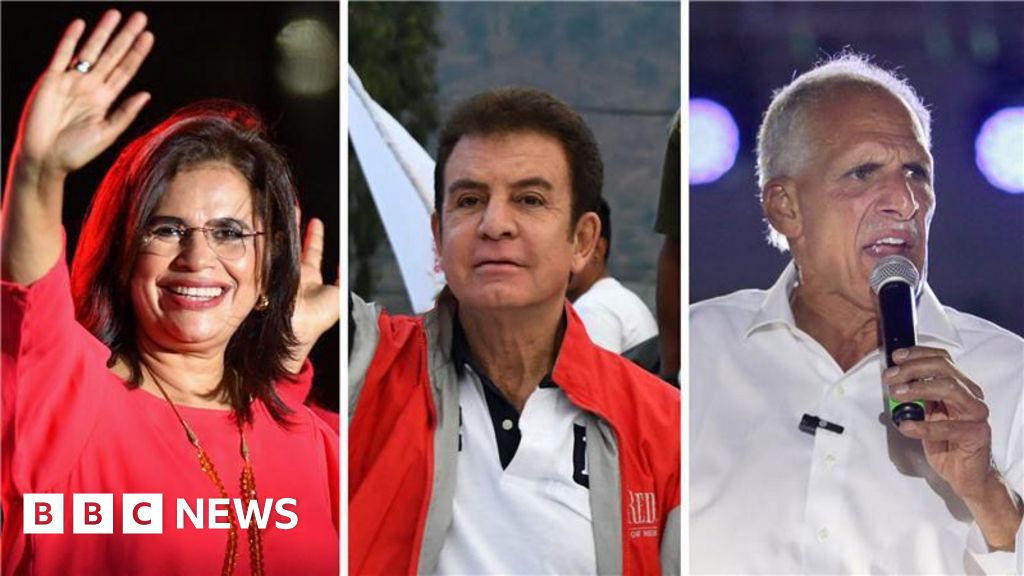
As Honduras approaches its highly contentious general election, the stakes extend far beyond national borders, reflecting the delicate and often volatile nature of regional geopolitics. The contest pits five candidates, with polls currently favoring Salvador Nasralla—a veteran candidate alleging electoral fraud in 2017—yet the atmosphere is overshadowed by external influences, particularly from United States President Donald Trump. Trump’s explicit support for right-wing candidate Nasry “Tito” Asfura, the former mayor of Tegucigalpa, signals a disturbing level of foreign meddling in what is supposed to be a sovereign democratic process. His warning that aid might be withheld depending on the election’s outcome underscores how external actors leverage financial influence to sway the political future of Central America.

The deeply intertwined geopolitical ramifications are evident in the U.S.’s strategy for the region. Despite halving its aid, the U.S. continues to funnel hundreds of millions into Honduras, a stark reminder of how economic resources are weaponized in the broader contest to shape Latin America’s political landscape. Such interventions threaten to undermine the sovereignty and democratic stability of Honduras, with analysts warning that the perceived backing of a candidate can exacerbate existing divisions and fuel unrest. Meanwhile, the Honduran electorate remains disillusioned, with 34% undecided—the poll’s paradoxical statistic illustrates how external pressures and internal fears create a landscape ripe for instability. Historically, such foreign-influenced elections in fragile democracies have often been a prelude to greater turmoil, with scholars like John M. Ackerman warning about the risks of foreign interference disrupting the fragile balance of Latin American politics.

Front-Runners in a Fractured Nation

The political contest is complicated by the recent history of corruption and political scandals. Xiomara Castro, the outgoing president and Honduras’s first female leader, is constitutionally barred from seeking a second term but remains influential through her endorsement of Moncada. Her claims of Trump’s interventionist tactics echo a broader narrative of U.S. meddling, which critics argue aims to install a government more amenable to Western interests. Meanwhile, Asfura, initially distancing himself from disgraced ex-President Juan Orlando Hernández, seeks to mainstream himself amidst allegations of corruption—an issue that recent indictments and convictions have thrown into stark relief. The US’s move to potentially override Hernández’s 45-year sentence for drug trafficking casts long shadows over Asfura’s campaign, raising questions about ongoing American influence and double standards in Latin American justice.

At the same time, the current *front-runner*, Salvador Nasralla, emerges as a symbol of opposition to external interference and entrenched corruption. His campaign platform promises to open the economy, create jobs, and pivot away from the influence of foreign players like China and Venezuela—both of which are embroiled in their own regional conflicts. The recent escalation of tensions between Venezuela and the U.S. has added another layer of complexity, with Washington increasing military exercises and carrying out targeted strikes against alleged drug traffickers, actions vehemently denounced by Maduro as attempts at regime change. Trump’s declaration that Venezuela’s airspace is “closed”—despite lacking legal authority—further underscores the high-stakes nature of the confrontation between U.S. imperial ambitions and Latin American sovereignty.

Uncertain Futures and the Weight of History

With elections underway amid widespread accusations of pre-emptive fraud and political intimidation, Honduras stands at a crossroads. The national electoral council’s calls for calm reflect a fragile attempt to maintain order, but underlying tensions threaten to explode into violence. The geopolitical chessboard, with its array of regional and global actors, underscores the peril in dismissing the importance of this election: it is not merely a vote but a test of resilience for Honduran democracy amidst foreign manipulation and internal decay. As history watches, the unfolding drama in Honduras becomes a mirror for the broader struggle between sovereignty and external influence—a struggle that could shape the entire region for decades to come. The outcome remains uncertain, yet the weight of recent events leaves no doubt: in this volatile crucible of modern geopolitics, the future remains unwritten, and the echoes of today’s decisions will resonate through history’s corridors for generations to come.

Dignitas Founder Chooses Assisted Death, Making Bold Statement on End-of-Life Choices

The recent passing of Ludwig Minelli, founder of the Swiss right-to-die organization Dignitas, marks a significant milestone in a rapidly evolving global debate over assisted dying. Minelli’s choice to end his own life at nearly 93, through an assisted death he championed for decades, encapsulates the profound ideological shift occurring across the world — from legal battles to cultural acceptance. He dedicated his life to the principle of self-determination in end-of-life choices, and his impact on Swiss law and the broader international legal landscape underscores the importance of these evolving norms. As the world witnesses this transformation, analysts emphasize that Minelli’s legacy continues to shape societies’ perceptions of dignity, autonomy, and the moral questions surrounding assisted death.

The case of Switzerland stands as a testament to the country’s progressive stance. While euthanasia—where a third party directly administers lethal assistance—is illegal, assisted dying remains legal and culturally accepted. This legal framework was notably influenced by Minelli’s persistent activism, which culminated in landmark rulings such as a 2011 European Court of Human Rights decision affirming the right to self-determination in end-of-life decisions. These legal precedents have inspired debate and legal reform across Europe and beyond, prompting countries like France, Spain, and Austria to enact laws permitting assisted dying under specific circumstances. The global geopolitical impact of this expansion is profound, as it challenges traditional values rooted in sanctity of life, compelling nations to reconsider their legal and ethical boundaries amidst shifting societal norms.

This wave of change is not confined to continental Europe. In North America, more than ten U.S. states have legalized assisted death, reflecting mounting support for personal autonomy in the face of terminal illness. Meanwhile, Canada and Australia have likewise embraced legislative reform in recent years, signaling a broader geopolitical realignment. However, within the UK, the debate remains fiercely contested. Despite a parliamentary vote in June backing the legal framework for terminally ill patients to seek assisted death, the legislation faces relentless scrutiny in the House of Lords. Critics argue the bill requires rigorous safeguards to protect vulnerable populations, and opponents have successfully delayed passage, emphasizing ongoing societal divisions over moral and legal dimensions. This illustrates how, even in democracies with long-standing traditions of debate, the transformation toward acceptance of assisted dying is not guaranteed but hinges on complex, high-stakes decision-making.

The influence of Minelli and Dignitas, and their advocacy, extend well beyond Swiss borders, shaping international discussions about personal sovereignty and the ethics of assisted death. As historian and legal analyst Dr. Amelia Carter notes, Minelli’s persistent legal challenges—culminating in appeals to the European Court of Human Rights—have helped reframe assisted dying as a matter of human rights rather than mere moral controversy. Yet, this evolving landscape comes at a cost, as societies grapple with the moral implications and societal risks of legislating individual choice over life and death. As Minelli’s legacy persists, the global community finds itself at a crossroads: do we uphold rigid sanctity of life, or embrace a future where autonomy, dignity, and personal choice dictate the terms of our final moments? As history continues to unfold, the answer will shape the moral fabric of nations and forge a new chapter in the ongoing debate over the right to die with dignity.

Epic Cyber Monday Deals on Bose, Sony, and Apple Headphones—Don’t Miss Out!

Tech Industry Disruption Accelerates with Groundbreaking Trends in Consumer Audio

The consumer electronics landscape is witnessing a seismic shift, driven by technological innovation and business disruption that threaten to redefine market dynamics. Established giants such as Apple, Sony, Bose, and Sonos are capitalizing on a unique window of opportunity, offering their flagship headphone and earbuds models at historically low prices. This strategic move not only boosts revenue in the short term but aims to capture greater market share in a highly competitive segment that is rapidly evolving towards personalized, immersive audio experiences.

Amidst the current price slashes—most notably on models like Apple’s AirPods Pro 3 and the last-gen Bose QuietComfort headphones—industry analysts from Gartner and MIT suggest that the next wave of disruption will hinge on innovative sound technologies and integration with emerging AI ecosystems. This momentum signals a broader market shift, where traditional audio devices are increasingly becoming gateways to larger tech ecosystems, including voice assistants, health tracking, and augmented reality. As Peter Thiel has often emphasized, the secret to sustained market dominance lies in relentless innovation, a principle now manifesting in the evolution of consumer audio.

  • Enhanced suppression of ambient noise with adaptive algorithms
  • Seamless integrations with smart home and wearable technologies
  • Advanced personalization via AI-driven sound profiles

The business implications are profound. Companies that adapt swiftly to these innovations, fostering competitive advantages such as *disruption-proof ecosystems* and *superior user experience*, will set the pace for the industry’s future. Furthermore, the recent surge in more generous return policies signifies market confidence and a strategic move to build brand loyalty among a younger, tech-savvy demographic eager for premium experiences at accessible prices. This shift highlights a growing trend—consumers are not just buying devices; they’re investing in holistic digital ecosystems.

From an innovation standpoint, the convergence of AI, machine learning, and voice recognition technologies is laying the groundwork for a new era of disruptive products. Companies are investing heavily in hardware-software integration, aiming to deliver personalized soundscapes, adaptive noise cancellation, and intuitive user interfaces that anticipate user needs. The emergence of affordable yet highly capable models, such as Nothing Phone Ear (a), reflects a savvy strategy targeting mass market penetration while maintaining technological prestige. This democratization of premium experiences foreshadows an era where advanced audio tech becomes a baseline standard, much like smartphones have become.

Looking ahead, industry leaders and innovators must navigate a landscape marked by rapid technological change and fierce competition. As Elon Musk advocates for relentless innovation and Peter Thiel underscores the importance of monopoly-driven tech markets, it’s clear that those who lead in disruption and innovation will shape the future of how humans interact with technology. The next decade promises a battlefield where audio becomes the frontier of a broader digital revolution—one that demands urgency, strategic vision, and unwavering commitment to cutting-edge development. For the youth and entrepreneurs eager to stake their claim, this is an unprecedented moment to harness the power of disruptive innovation and redefine the boundaries of what’s possible.

Doctors warn NHS test delays threaten hundreds of thousands in England

UK Healthcare Crisis: Widespread Test Delays Threaten Patient Outcomes

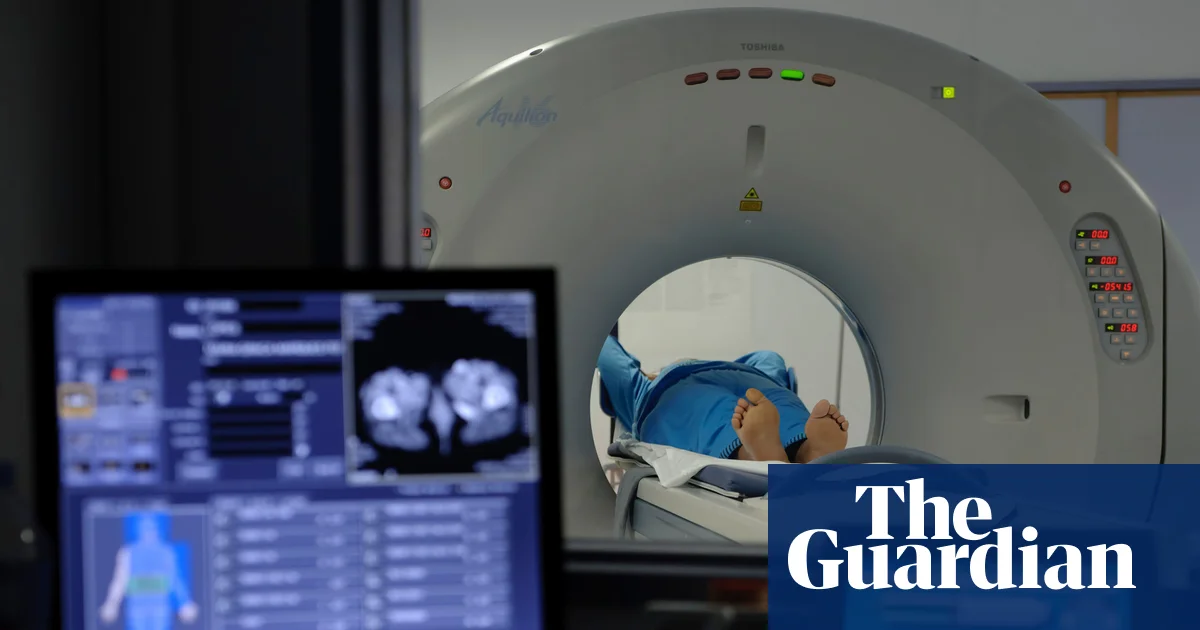
The United Kingdom currently faces a troubling healthcare crisis that underscores the cracks in its once-lauded National Health Service (NHS). According to recent data analyzed by the Royal College of Radiologists (RCR), nearly 400,000 patients—specifically 386,849 in September—are waiting more than six weeks for essential diagnostic tests such as CT scans, MRIs, ultrasounds, and other critical assessments needed to identify life-threatening conditions. These delays are more than mere inconveniences; they pose genuine risks to patient health, with some potentially facing preventable deaths due to late diagnoses.

This crisis is further compounded by official targets set by NHS England, which aims to limit waits of over six weeks to less than 20% of all patients by 2027. Yet, as the Royal College reports, nearly half (46%) of trusts are failing to meet even this reduced benchmark, highlighting a healthcare system in crisis. With many hospital trusts unable to meet their own standards since 2015, the delays reflect deeper systemic issues—including chronic radiologist shortages and inadequate healthcare funding—further exacerbating a situation where timely diagnosis can mean the difference between life and death. As Dr. Stephen Harden, president of the RCR, emphasized, “Any delay to accessing treatment can worsen health outcomes and even lead to preventable deaths.”

Broader Implications: How Internal Failures Signal Geopolitical Consequences

The unfolding UK healthcare crisis has judged the nation’s social and political fabric as fragile, while casting a shadow over the government’s reputation and impacting societal trust. International observers, including global health analysts and historians, warn that such systemic failures are indicative of larger governance issues. The Department of Health and Social Care claims to have inherited a “broken NHS” but asserts that recent reforms and investments—albeit insufficient—are turning the tide. Nevertheless, critics and independent organizations such as the Institute for Fiscal Studies have cast doubt on future promises, especially their bold pledge to restore an 18-week maximum waiting period for hospital care by 2029—a goal increasingly viewed as overly optimistic given the persistent backlog.

These internal failures do not exist in isolation; they ripple into the international arena by affecting the UK’s standing as an advocate for health security and stability. As population health declines due to untreated diseases, the United Kingdom’s influence wanes. Furthermore, the ongoing healthcare quandary underscores the critical importance of not only military and economic strength but also resilient public health systems—an insight that international point-men like the World Health Organization recognize, especially amidst emerging global health threats.

Historical Context and Future Outlook

Medical historians often cite the UK’s NHS as a beacon of socialized medicine, but recent trends demonstrate that even the most revered institutions are susceptible to resource misallocation and political neglect. This crisis reflects a broader tale of national priorities shifting away from patient-centered care toward bureaucratic and financial constraints. As analysts observe, if the UK’s healthcare system continues to falter, it risks becoming a cautionary tale of social decline, with its societal fabric unraveling under the weight of unmet needs and lost trust.

The warnings issued by think tanks and independent analysts point toward an ominous future where the repercussions of delayed diagnoses and inadequate treatment could escalate into a broader humanitarian catastrophe. The fight for better healthcare is now intertwined with national sovereignty, economic stability, and international influence. As Britain grapples with internal failures, the pressing question remains: how will history judge this chapter—whether as a moment of decline or a catalyst for reform? The answer lies just beyond the horizon, waiting to be written in the blood and resilience of a nation at a crossroads, teetering on the brink of an uncertain future, where the weight of mounting failures drags the last remnants of trust into an uncertain abyss.

Rising Stars Shine in Weekend Showdown: Next Generation Athletes Take Center Stage!

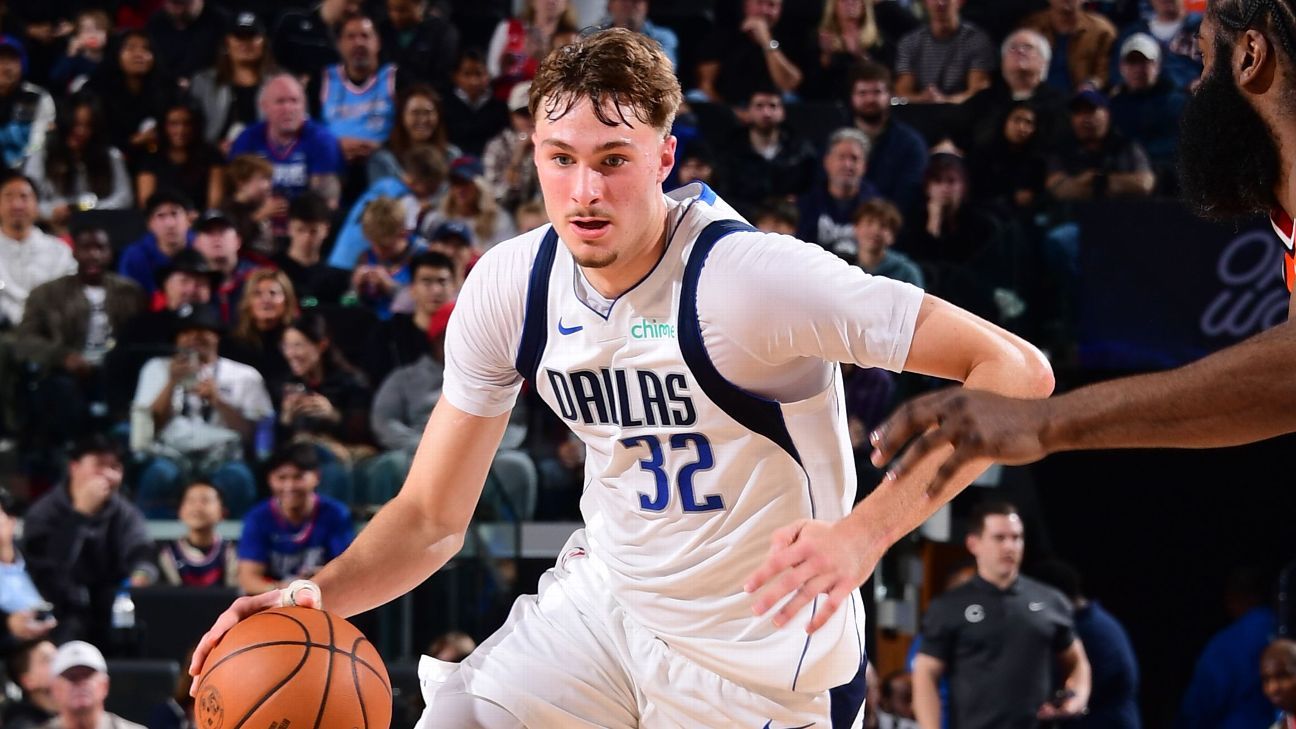
Mavericks Rally Behind Rookie Superstar Cooper Flagg

The Dallas Mavericks celebrated a historic night this past Saturday as rookie sensation Cooper Flagg broke records and defied expectations by becoming the youngest player in NBA history to score 35 points. This remarkable achievement came in a tight 114-110 victory over the Los Angeles Clippers, solidifying Flagg’s status as a player to watch in this year’s league.

Flagg’s performance was nothing short of electrifying, a game-changer from the outset. With his quick footwork and sharp shooting, he commanded the court, much to the delight of Mavericks’ fans. The atmosphere in the arena was palpable, as Flagg demonstrated his refined skills with a series of impressive moves that kept the Clippers’ defense scrambling. Mavericks’ head coach, Jason Kidd, had no shortage of praise for the rookie: “Cooper has a limitless upside. He is an extraordinary talent, and his work ethic is inspiring.”

As everyone reflected on this momentous game, several key highlights emerged:

  • Cooper Flagg’s 35 points set a new NBA milestone for players entering the league at his age.
  • The Mavericks showed remarkable teamwork, with Luka Dončić contributing 27 points and 9 assists, emphasizing the synergy amongst the squad.
  • Defensive efforts were solidified by Dwight Powell, who notched a crucial block in the final moments of the game.

Analysts and commentators noted that while the scoreboard reflected a close game, the night was defined by Flagg’s explosive entry into the league. Both fans and critics alike are now eager to see how this rookie’s career unfolds. The narrative surrounding Flagg’s capabilities echoes throughout the sports community, with many suggesting that he is poised to become one of the greats.

As the Mavericks continue to rally around their young talent, this victory serves as a reminder of the unifying power of sports. Each thrilling moment on the court transcends mere numbers; it strengthens bonds and brings together fans from all walks of life. In the thrilling saga of the NBA, stars like Cooper Flagg remind us that the game is more than just a contest—it is a celebration of talent, passion, and community.

Source link

Social Media Auto Publish Powered By : XYZScripts.com