Matox News

Truth Over Trends, always!

Stylish and bold, but always classy: sheer skirts punch above their weight in youth fashion trends

In an era where extreme fashion trends often push the boundaries of everyday wear, a compelling shift is quietly reshaping the style landscape. Enter the sheer skirt, a versatile piece that combines daring transparency with an innate sense of modern sophistication. While the concept of naked dressing—wearing transparent or minimal attire on red carpets—still turns heads at events like Cannes, today’s fashion scene is embracing a more accessible, yet equally impactful, alternative. This trend is bridging the gap between high-octane runway statements and wearable street style, signaling a societal shift toward more nuanced expressions of individuality.

What makes the sheer skirt particularly noteworthy is its cultural and social relevance. With appearances on influential runways at brands like Chanel and Simone Rocha, and celebrities such as Jacqueline Bisset and Victoria Beckham sporting them at high-profile events and casual outings alike, the sheer skirt has transcended its initial novelty status. It’s not just a passing trend; it symbolizes a broader movement emphasizing layered, multi-dimensional fashion. According to sociologists and trend analysts, this shift mirrors society’s fascination with reinterpreting classic femininity and masculinity through the lens of subtle transparency, allowing wearers to convey confidence without fully revealing themselves. The trend’s popularity on platforms like Depop, with searches up nearly 100% since January, underlines its burgeoning appeal across generations, especially among youth eager to express their bold individuality within a socially conscious framework.

Experts like Gaëlle Drevet, founder of The Frankie Shop, highlight how the perceived balance of daring and subtlety makes the sheer skirt a modern staple. Drevet notes that their bestselling Peri skirt exemplifies this, striking a “sexiness” that remains approachable. Meanwhile, Karin Gustafsson, creative director of Cos, attributes its rising popularity to the “underwear as outerwear” trend” and a fresh approach to layering, especially with transparent fabrics that radiate color and light. This desire for innovation in self-expression is also reflected in how fashion-forward individuals imagine pairing sheer skirts with winter-ready pieces, such as turtlenecks, tights, and boots—making transparency a year-round statement of style.

Interestingly, the appeal isn’t solely rooted in exposing skin. Many see the sheer skirt as an elegant tool to hint at sensuality—a delicate balance that allows women to “show their legs without showing,” as Gustafsson describes it. This shift indicates a broader cultural conversation about the power of modesty and confidence in fashion. As layering becomes more sophisticated, the sheer skirt offers a platform for personal storytelling through style, emphasizing that fashion’s next frontier isn’t about revealing everything but about revealing just enough. So, as we enjoy this low-key revolution in the wardrobe, one glaring question remains: Will future trends continue to blur the lines, making transparency and layering not just a temporary phase but the next permanent evolution in how society defines beauty and self-expression? Only time will tell, but one thing is clear—fashion’s willingness to experiment with boundaries reveals much more than just style; it reflects a society increasingly eager to challenge norms and redefine identity.
Flooding in Southeast Asia claims 600 lives, urgent call for action

South Asia Faces Devastating Floods and Landslides Amid Climate Unrest

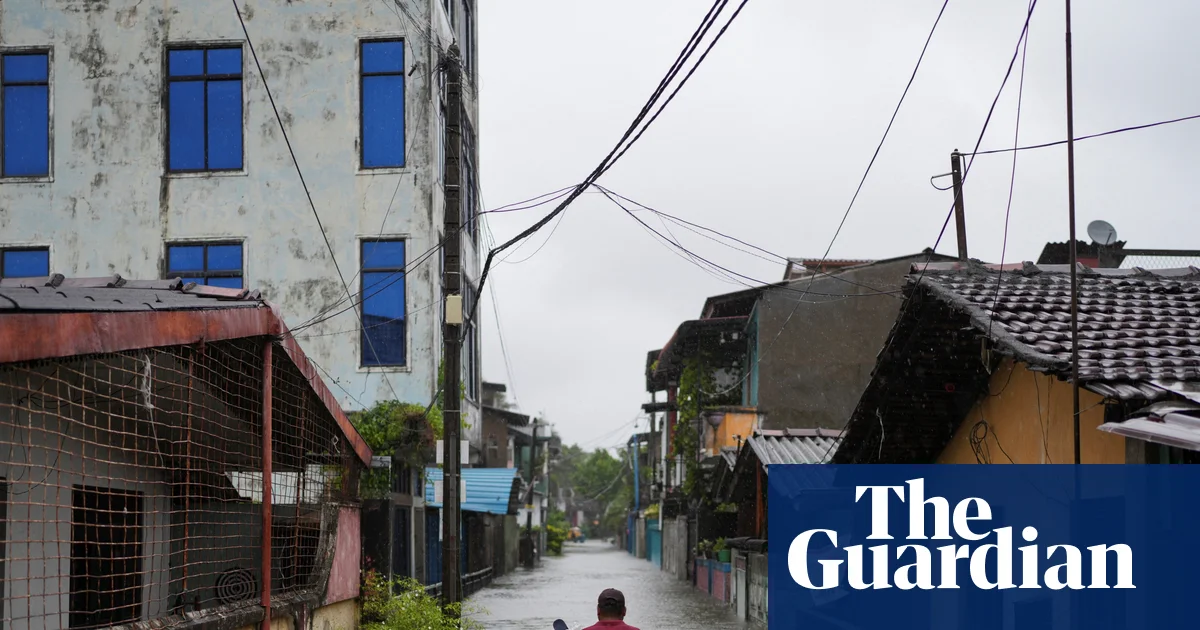
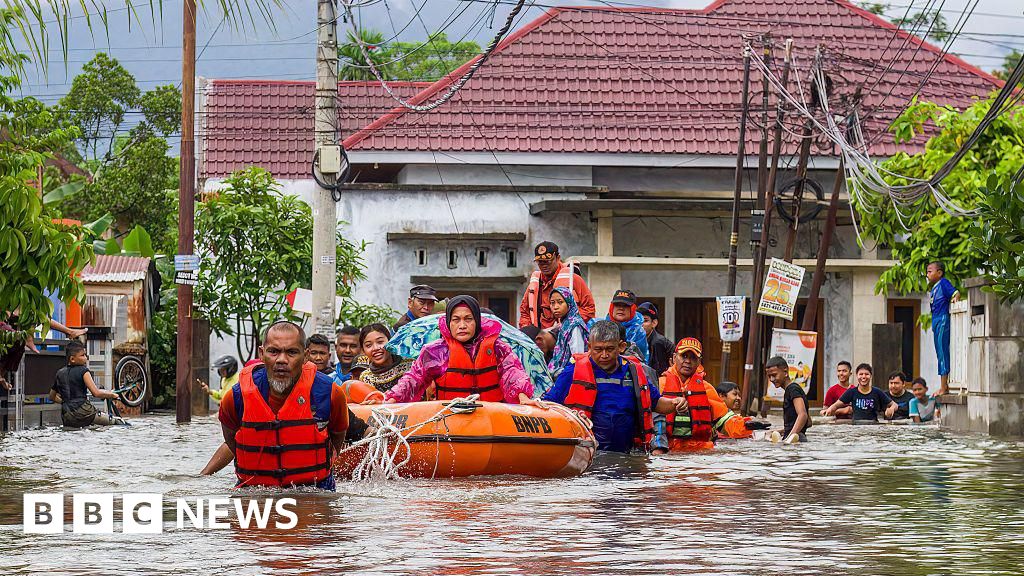
The region of southern Asia is currently confronting an unprecedented natural disaster, as torrential rains triggered by tropical storms have wrought widespread destruction across Indonesia, Thailand, Malaysia, and Sri Lanka. These devastating floods, compounded by rare cyclonic activity, have claimed the lives of approximately 600 individuals and left millions displaced, exposing the perilous intersection of climate change and geopolitical stability. As rescue operations continue amidst chaos and destruction, analysts warn that such extremes are likely to become the new norm if global actions remain delayed.

Historically, the monsoon season has been a predictable component of Southeast Asian weather patterns, yet this year’s events mark an alarming deviation. In Indonesia, the arrival of Cyclone Senyar, a once-in-a-lifetime tropical cyclone, has caused catastrophic landslides and flooding, sweeping away entire communities on the island of Sumatra. Officials report nearly 300 individuals are still missing, with some homes submerged and entire neighborhoods washed away in seconds, according to local residents and disaster agencies. Similarly, in Thailand, the city of Hat Yai faced record-breaking rainfall—over 300mm in a single day, a figure unseen in three centuries—leading to a death toll exceeding 160. Entire districts have seen infrastructure decimated, with hospitals overwhelmed and bodies needing refrigeration under emergency conditions.

Meanwhile, Sri Lanka bears the brunt of a country battered by both Cyclone Ditwah and relentless rain, with over 130 lives lost and more than 170 still missing. The government has declared a state of emergency, mobilizing emergency aid and international assistance. Climate scientists and regional analysts attribute this pattern to the interaction of Typhoon Koto in the Philippines and Cyclone Senyar in the Malacca Strait, embodying a disturbing trend of intensified and prolonged weather crises fueled by climate change. The regional climate crisis, yielding heavier than typical monsoons, underscores the geopolitical challenge: how to adapt and respond before the damage becomes irreversible. Globally, organizations such as the United Nations warn that climate-related disasters are no longer isolated incidents but a direct threat to stability and security.

Ultimately, this confluence of natural calamities is more than just a reminder of Earth’s volatile climate; it exposes how poorly prepared vulnerable nations remain to confront such upheavals. To many analysts, these incidents serve as a stark warning that the global community must act decisively to curb emissions and bolster resilience. The ongoing rescue efforts, while heroic, highlight the disparity—wealthier nations can invest in advanced infrastructure and swift aid, yet millions across South Asia continue to face the brutal impact of nature’s fury with limited resources. As the waters recede and emergency services tend to the injured and displaced, the question remains: how much longer can societies endure these relentless onslaughts before the fabric of civilization itself begins to fray? For now, the waters keep rising, and history eagerly watches to see if this crisis will inspire meaningful change or be just another chapter in a long story of neglect, leaving future generations to contend with a planet in peril.

Sri Lanka's Floods and Landslides Claim 153 Lives—A Stark Wake-Up Call for National Resilience
Sri Lanka’s Floods and Landslides Claim 153 Lives—A Stark Wake-Up Call for National Resilience

In recent weeks, Sri Lanka has experienced catastrophic flooding triggered by the relentless force of Cyclone Ditwah. Torrential rains, breaking records during the island’s northeast monsoon season, have inflicted widespread devastation across the nation, leaving a trail of death, displacement, and economic upheaval. Official reports confirm that at least 153 lives have been lost, with approximately 191 individuals still missing, underscoring the grave human toll of this natural disaster. The Disaster Management Centre (DMC) reports an urgent rescue operation involving thousands of soldiers and police personnel, who have evacuated over 78,000 people from submerged areas to safer refuges—an action that highlights the severity of the crisis and the resilience of Sri Lanka’s security forces under mounting pressure.

Historically, Sri Lanka faces recurrent floods during its monsoon season, yet the current disaster surpasses prior calamities, drawing concern from global analysts and climate experts. As climate change accelerates, scientists warn of increasingly unpredictable weather patterns, with some referencing the 2003 floods—considered the worst of the 21st century—set to be eclipsed by recent events. The flooding area includes critical regions such as the district of Kurunegala, and the densely populated outskirts of Colombo, where the Kelani River burst its banks, forcing residents to evacuate to temporary shelters. Notably, the rescue of stranded civilians, including international tourists, demonstrates both the human drama and the logistical chaos, with helicopters and naval boats working tirelessly amid gale-force winds and rising waters.

International responses have begun to mobilize, with neighboring India providing immediate aid and supplies, a move that reflects the geopolitical reality of regional cooperation primarily driven by mutual interests. Prime Minister Narendra Modi expressed condolences and reassured allies that New Delhi stands ready to extend further assistance as the crisis unfold. Nevertheless, international organizations and seasoned analysts underscore that such floods are symptomatic of a deeper, systemic vulnerability—how nations manage their environment and climate policies determines not just local resilience but global stability. Decisions made today regarding climate adaptation and disaster preparedness will influence the geopolitical landscape for decades, prompting commentators to warn that neglecting these challenges threatens to destabilize entire regions.

As the waters recede, Sri Lanka faces a critical juncture in its national story—a stark reminder that climate-induced disasters are no longer distant threats but imminent realities shaping international diplomacy, economic stability, and social cohesion. Historians and environmental experts warn that neglecting the lessons of this catastrophe may leave future generations unprepared for a planet increasingly plagued by unpredictable weather extremes. In the unfolding chapters of this global crisis, Sri Lanka’s suffering serves as a haunting prelude: unless decisive action is taken, the devastating power of nature will continue to rewrite the rules of geopolitics and human endurance, leaving the weight of history to judge whether mankind has learned or continued its perilous drift toward climate catastrophe.

Trump Shots Down Venezuela Airspace, Locks Out Maduro’s Regime

Geopolitical Tensions Escalate as United States Targets Venezuela

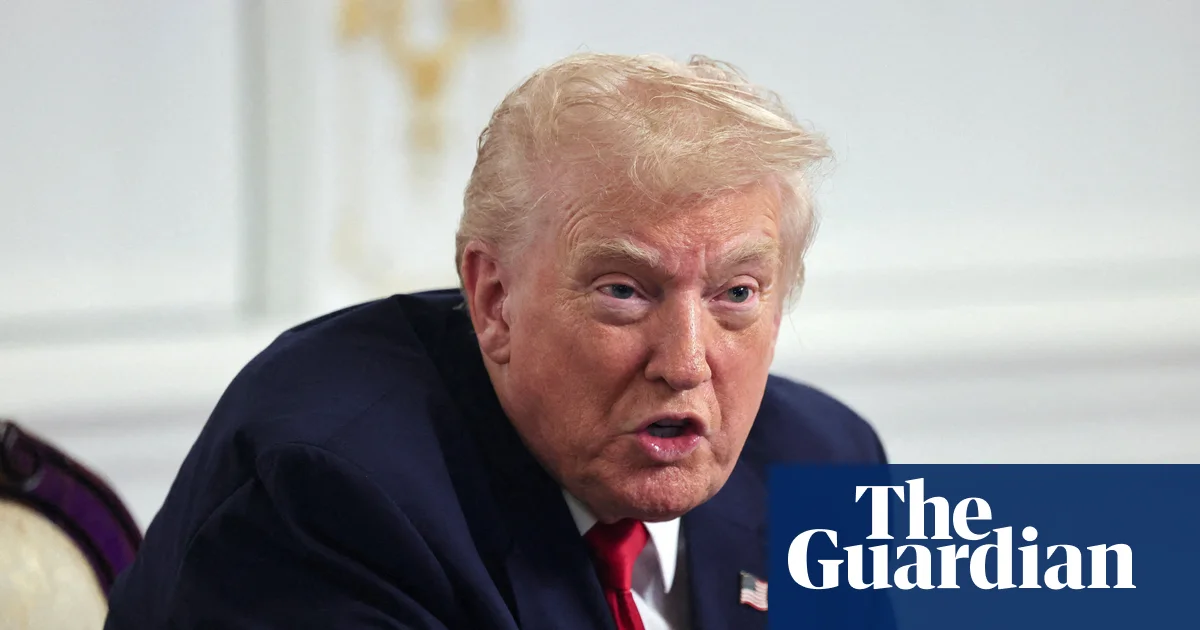
In a striking escalation of policy and rhetoric, President Donald Trump announced on Saturday that the airspace above and surrounding Venezuela would be declared entirely closed to all aircraft—an unprecedented move that signals a deepening crisis in U.S.-Venezuela relations. His public declaration on Truth Social explicitly targeted airlines, pilots, and illicit traffickers, raising alarms across international corridors—particularly among airlines and regional neighbors who now face potential chaos and economic fallout. This declaration comes amid rising U.S. military activity in the region, with analysts warning that such provocative measures could herald broader strategic shifts in the Western Hemisphere.

Simultaneously, US authorities have intensified their counter-narcotics operations against suspected drug trafficking networks linked to the Venezuelan regime of Nicolás Maduro. For months, the U.S. military has engaged in strikes against alleged drug boats moving through Caribbean and Pacific waters, with at least 21 known attacks, resulting in over 80 casualties—an unmistakable show of force that many experts interpret as signaling a preparedness for more aggressive action. The US Defense Department and intelligence agencies have also authorized covert operations, while Trump has publicly indicated that land-based missions to dismantle trafficking networks could soon commence. These developments, critics warn, risk destabilizing an already fragile region and could set a dangerous precedent for unilateral military interventions.

International agencies and regional analysts have raised concerns regarding the potential fallout from Washington’s aggressive posture. The Federal Aviation Administration (FAA) issued warnings that the security situation in Venezuela has *deteriorated significantly*, prompting the revocation of flight rights for six major airlines. This move not only isolates Venezuela economically but also complicates global air travel in the region, highlighting how targeted sanctions and military actions affect broader societal stability. The Venezuelan government, led by Nicolás Maduro since 2013, has vehemently denied all charges of drug trafficking, asserting that the U.S. seeks to overthrow the legitimate government—an assertion supported by many in the region who view Washington’s actions as imperial overreach.

Historians and geopolitical analysts see this phase of confrontation as reminiscent of Cold War-era tensions, where proxy conflicts and economic sanctions served as tools for regional dominance. The aggressive U.S. stance in preventing drug trafficking marries a broader strategy of containing and undermining the Maduro regime—though at what cost remains uncertain. As regional alliances recalibrate and global powers watch cautiously, the outcome of this escalating crisis could reshape the political landscape in South America and influence international security policies for years to come. The weight of history urges caution, yet the march toward conflict seems inevitable, leaving the world on the precipice of a new Cold War—one where sovereignty and sovereignty are constantly tested by the relentless hunger for influence.

Zelenskyy Confronts Rising Chaos as Yermak’s Fall Reshapes Ukraine’s Power Balance

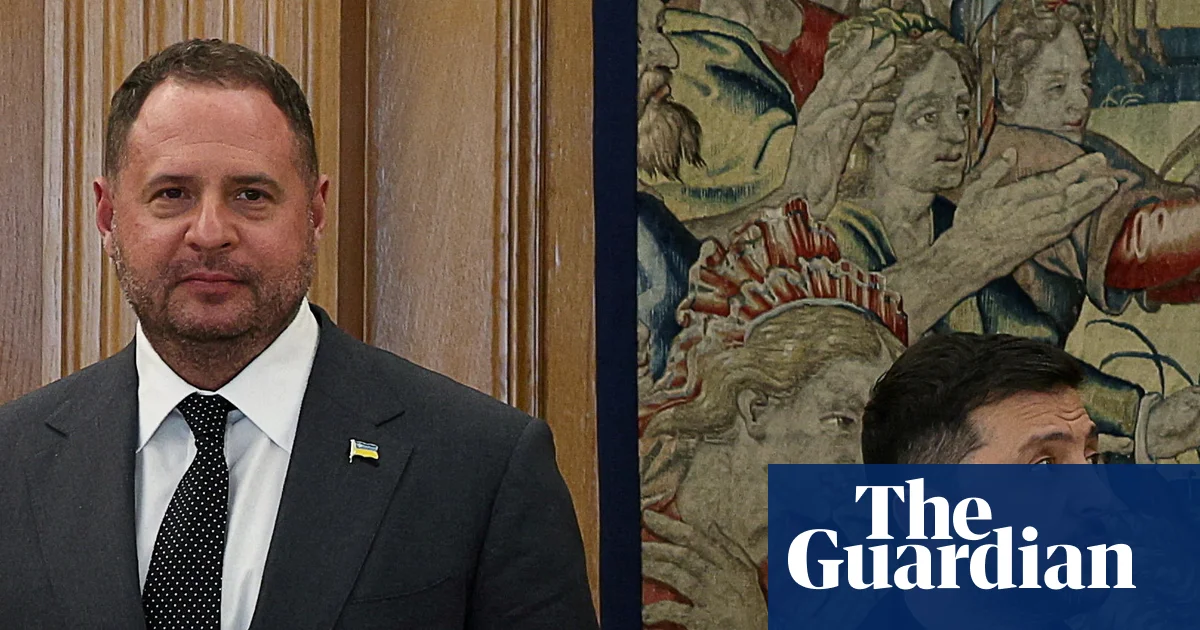
Ukraine stands on the brink of a major political upheaval, as it grapples with the fallout from the recent resignation of Andriy Yermak, President Volodymyr Zelenskyy‘s closest adviser and key figure in domestic and international negotiations. Yermak’s departure, triggered by anti-corruption searches of his residence, signals a disruption of the carefully balanced power structure in Kyiv—a city already under immense pressure from the ongoing conflict with Russia. Renowned analysts warn that this event could serve as a watershed moment in Ukraine’s internal governance, with reverberations felt across its international alliances and peace prospects.

  • Yermak, a former lawyer and film producer-turned-politician, became the backbone of Zelenskyy’s inner circle, wielding influence over foreign policy, security talks, and political strategy.
  • The anti-corruption probe, which seized laptops and phones from his residence, has cast a shadow over Ukraine’s leadership, threatening to unravel years of political consolidation and shaking public confidence.
  • Political insiders highlight that Yermak’s control over sensitive connections and information made him an indispensable gatekeeper, effectively limiting access to the president from the wider elite and opposition elements.

Historians and international observers cite the anti-corruption crackdown in Ukraine as a potential turning point that could either pave the way for reform or deepen societal division. The scandal follows years of popular discontent with endemic corruption—a persistent problem that undermines Ukraine’s democracy and deters foreign investment crucial for recovery. As Kyiv attempts to strike a delicate balance between internal stability and external support, the fallout from Yermak’s demise underscores the broader geopolitical struggle between Western interests and entrenched local elites. commentators like veteran analyst Michael Lee have warned that losing a figure like Yermak may weaken Ukraine’s bargaining position in ongoing peace negotiations with Russia, making the prospect of a negotiated settlement even more tenuous.

International organizations such as the International Monetary Fund and the European Union have been pushing Kyiv for political reforms and transparency, viewing the recent developments as evidence of the urgent need for structural change. The scandal has exposed how intertwined Ukraine’s political elite are with vested interests, chipping away at the fragile trust necessary for sustained reform. Many experts believe that if Kyiv is to maintain Western support, it must confront these internal fissures head-on, even if it means a painful reorganization of its political hierarchy. Meanwhile, the events in Ukraine serve as a sobering reminder of how internal power struggles and corruption can threaten to undo years of international efforts aimed at stabilization and democratization.

As the dust settles, the nation faces a period of uncertainty—some fearing that further revelations could ignite instability, others hopeful for a second chance at reform. The echoes of this crisis will resonate well beyond Ukraine’s borders, shaping regional stability and the global strategic calculus. The unfolding saga of Yermak’s fall is more than a domestic story; it is a chapter in the larger narrative of a nation fighting not only external enemies but also confronting the corrosive effects of corruption within. The true test will be whether Ukraine’s leadership can harness this moment to forge a more transparent and resilient political future — or whether this turbulence will become yet another scar in the evolving history of a nation determined to forge its destiny amid the chaos of a world still at war.

Stars Shine in Thrilling Youth Championship Showdown!

MLS Postseason: A Clash of Titans Awaits

The Major League Soccer (MLS) postseason has reached an electrifying crescendo, narrowing the field down to just four formidable teams. Among them, the spotlight shines brightly on Inter Miami and LA Galaxy, buoyed by the immense talents of worldwide stars such as Lionel Messi and Thomas Müller. Both athletes are expected to play pivotal roles in their respective teams’ quests for the coveted MLS Cup.

Messi’s arrival has been a game-changer for Inter Miami, lifting the team to heights previously thought unattainable. Since joining the league, Messi has not only showcased incredible skills but has also drawn increased attention to the sport in the United States. As Inter Miami’s head coach, Gerardo Martino, aptly noted, “Lionel transcends the game; his presence alone can alter the course of a match.” In his inaugural season, Messi has already contributed significantly, netting critical goals that helped his team advance through earlier playoff rounds.

On the other side of the tournament, LA Galaxy is led by the ever-competitive Thomas Müller, who brings a wealth of experience and skill honed on the international stage. His ability to dictate the pace of the game has proven invaluable, especially during tense playoff scenarios. Commentator John Champion remarked, “Müller knows how to deliver in high-stakes situations. His veteran instincts could be the key to LA Galaxy clinching a spot in the finals.”

  • MLS Cup Playoff Standings: Only four teams remain in contention.
  • Lionel Messi’s Stats: Multiple goals scored in decisive matches, leading Inter Miami to the semifinal.
  • Thomas Müller Impact: Key assists and leadership on the field keep LA Galaxy strong.

The upcoming matches promise to deliver more than just scoreboard updates; they serve as a stage for unity among fans, transcending rivalries and geographical divides. In an era where sports can often feel fragmented, the passion ignited by stars like Messi and Müller represents a collective hope for what can be achieved in unison. As the teams prepare for their final showdowns, one thing is certain: the beautiful game will continue to draw people together, turning rivals into partners in the love for the sport. As the MLS postseason progresses, all eyes will be on these athletes to see who ultimately hoists the trophy higher than before.

Source link

Inside the downfall of Zelensky’s top aide

Shifting Tides in Ukraine’s Power Politics Amid War and Corruption Allegations

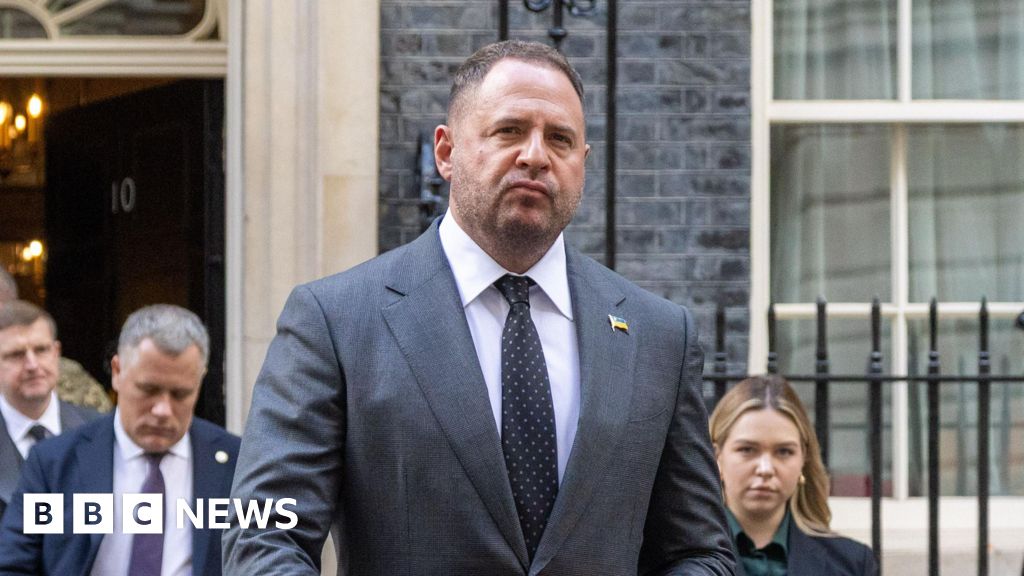
In the heart of ongoing global conflicts, Ukraine stands at a pivotal crossroads, as internal political upheavals threaten to destabilize its resilient stance against Russian aggression. The recent dramatic fall of Andriy Yermak, Kiev’s formidable chief of staff and a cornerstone in Ukraine’s wartime leadership, underscores the complex interplay of power, corruption, and international diplomacy. Once viewed as the second most influential figure in President Volodymyr Zelensky‘s administration, Yermak’s sudden departure follows a mounting scandal that has rocked Ukraine’s fragile governance structures. Amid allegations of high-level corruption, the very fabric of Ukrainian political integrity is under intense scrutiny from both domestic citizens and the international community.

The catalyst for Yermak’s downfall was a series of escalating investigations into corruption within Ukraine’s top echelons, reaffirming the persistent challenges faced by a nation fighting to defend its sovereignty while battling internal betrayals. The repression of anti-corruption agencies—initially a bold move by Zelensky to Russian interference—boomeranged, sparking mass protests and international criticism. When the government attempted to tighten control over bodies like the National Anti-Corruption Bureau (NABU) and the Specialized Anti-Corruption Prosecutor’s Office (SAPO), public outrage erupted. Later, the agencies released findings implicating members of Zelensky’s inner circle, including ministers and former allies, in siphoning off up to $100 million from public funds during a period when Ukraine is desperately trying to bolster its energy defenses against relentless Russian missile strikes.

Analysts warn that these revelations deepen the crisis of legitimacy for Zelensky’s government. The internal conflicts within Ukraine’s leadership evoke echoes of historic political scandals in transitional democracies — where the battle against corruption is often a proxy war for real power struggles. Historians and policy experts underscore that the geopolitical impact of this turmoil extends beyond Kyiv’s borders. Alliances with Western nations, especially the United States and the European Union, hinge on Ukraine’s ability to demonstrate genuine reforms and stability. Yet, the chaos suggests that Ukraine’s path remains perilously uncertain — a fragile nation whose destiny influences the entire security architecture of Eastern Europe.

As Kyiv grapples with political upheaval, the international community watches closely. Discussions continue on a proposed US-backed peace plan, which has faced criticism for allegedly favoring Russia’s interests. Yermak’s influence in these negotiations, particularly his recent diplomatic engagements in Geneva with figures like US Secretary of State Marco Rubio, highlighted his role as a key broker in Kyiv’s wartime diplomacy. The loss of such a central figure raises questions about the resilience of Ukraine’s diplomatic front. Many see this moment as a *turning point*, where internal strife could either propel Ukraine toward renewed unity or precipitate further chaos, possibly weakening the country’s negotiating position at a time when the stakes could not be higher.

A Critical juncture: Ukraine’s future in the balance

One thing remains clear: determined forces within Ukraine and among its allies recognize that the fight is as much against corruption as it is against the Kremlin. The story of Yermak’s fall exemplifies the perilous nature of leadership amid war — a reminder that even those who seem invincible are vulnerable when the foundations of trust crumble. With Kyiv’s leadership in flux and ongoing debates over how to best support Ukraine’s sovereignty, history will remember this moment as a test — a moment when the faith of a nation and its quest for genuine independence are either cemented or shattered in the crucible of internal upheaval. The weight of the future bears heavily on the shoulders of Ukraine’s leaders and citizens alike, as the unfolding narrative of resilience, betrayal, and hope continues to be written in the shadows of a war that defines a generation.

RuPaul’s Drag Race UK names its seventh reigning queen, fueling the next generation’s fierce talent

In an era characterized by rapid change and digitized chaos, the enduring significance of culture persists as the vital foundation upon which societies forge their identities. As Ortega y Gasset famously asserted, “The culture of a nation is the collective memory that shapes its future.” In this light, contemporary cultural phenomena serve not merely as entertainment but as the living record of a peuple’s values, traditions, and aspirations. The recent triumphs and innovations within cultural expression—be it art, music, or even televised art forms like drag culture—strike at the core of national and individual identity, underscoring that culture remains our most profound and personal form of history—a mirror and a prophecy.

Take for instance the spectacle of RuPaul’s Drag Race UK, which has garnered global attention yet remains intrinsically rooted in the UK’s vibrant craft of performance art. The recent series finale exemplifies how artistic performance functions as a battleground of cultural values, where beauty, self-expression, and resilience converge to challenge superficial stereotypes and to celebrate authentic individuality. Bones, crowned the series winner, embodies more than a flashy persona; she embodies a narrative of perseverance, tradition, and the reclaiming of cultural space, a testament to how artistic identity can serve as social commentary. Her journey from Soho’s underground scene to national recognition reminds us that the true power of culture lies in its capacity to foster community, affirm identity, and inspire societal reflection. As the philosopher Chesterton once observed, “Art may imitate life, but authentic art is life itself, expressed through beauty and courage.”

Nevertheless, as Tocqueville warned, the saturation of cultural products can lead to a kind of cultural exhaustion, diluting the richness of tradition in favor of fleeting trends. Critics argue that the fans’ call for greater diversity in drag—less homogeneity and more authentic representation—speaks to an inevitable evolution of a culture that must continuously refashion itself to stay vital. This is not a sign of cultural decline but a testament to its dynamic resilience. Yet, amidst this flux, the core principles of tradition—values of family, community, and authentic selfhood—must remain preserved. As G.K. Chesterton remarked, “Tradition means giving votes to the most obscure of all classes, our ancestors. It is the democracy of the dead.” In this way, culture remains a living dialogue between past and future, inspiring the youth to cherish their roots while daring to redefine them.

Ultimately, culture is both memory and prophecy—an ongoing reflection of who we have been and a vision of what we may become. The mosaic of our collective heritage guides us through the turbulent waters of modernity, reminding us that our true strength lies in honoring the principles that have sustained us. As T.S. Eliot contemplated, “We shall not cease from exploration, and the end of all our exploring will be to arrive where we started and know the place for the first time.” It is in this cyclical dance of remembering and dreaming that humanity finds its most eloquent voice—an anthem of tradition, a call to renewal, and a testament to the unbreakable unity of culture’s eternal dialogue.

Over 600,000 Americans Still in the Dark After Russian Attacks

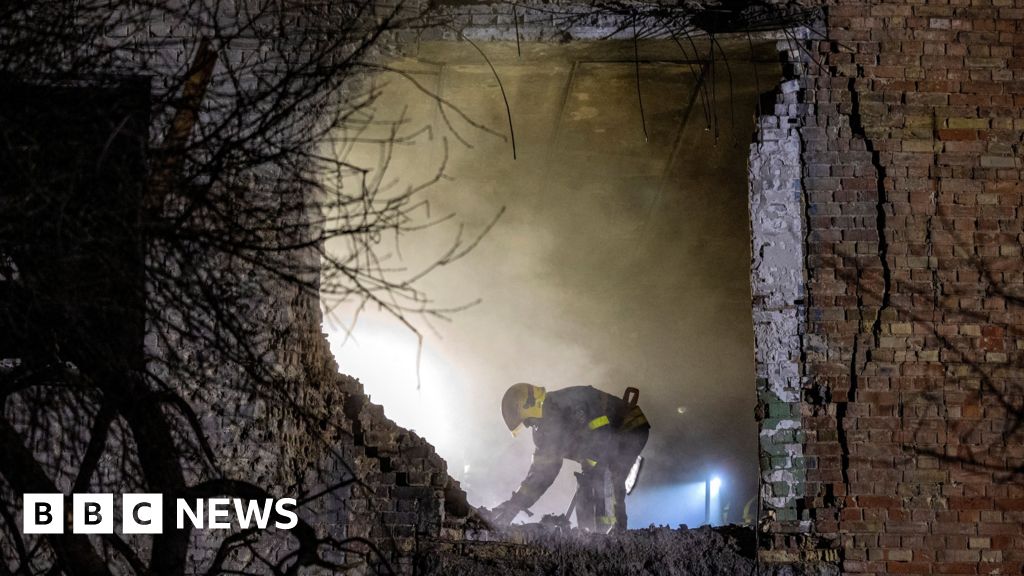
In a stark reminder of the ongoing geopolitical conflict, Ukraine faces darkness and despair following a relentless attack that has left over 600,000 residents in the Kyiv region without power. According to Ukraine’s energy ministry, over 500,000 individuals in the capital are grappling with the loss of electricity in the wake of Russian missile and drone strikes targeting critical energy infrastructure. The strikes, which involved approximately 36 missiles and nearly 600 drones, are part of a broader escalation by Russia aimed at crippling Ukrainian resilience—especially as winter’s cold begins to set in. The outbreak of violence underscores a brutal strategy: weaken Ukraine’s ability to sustain itself, and thus, bend it to Moscow’s geopolitical will.

For Russia, these attacks are presented as a “massive strike” against Ukraine’s military-industrial complex and energy supplies, as per the Russian defense ministry. However, these targeted strikes extend beyond military objectives, hitting residential buildings and causing civilian casualties, including a 13-year-old injured during the latest assault. Ukrainian authorities report 29 injuries in Kyiv alone, with emergency services battling to contain the chaos. Despite Kyiv’s assertion that their air defenses shot down 558 drones and 19 missiles, the scale of destruction vividly illustrates Moscow’s refusal to cease its campaign of terror. The targeting of civilian infrastructure not only devastates communities but also seeks to undermine morale, especially with the harsh winter forecast that will see Kyiv temperatures plummet below freezing, putting vulnerable populations at further risk.

This latest escalation arrives amid clandestine diplomatic talks, with Ukrainian negotiators preparing to meet with U.S. officials this weekend. International diplomatic efforts, including a proposed draft peace plan spearheaded by President Donald Trump, aim to find a resolution—though both sides remain entrenched in their respective war aims. While Kyiv stresses the importance of safeguarding sovereignty and defending its territory, Vladimir Putin has reiterated a hardline stance: Russia will only cease operations if Ukrainian forces withdraw from territories Moscow claims as its own. This rigid stance, combined with Moscow’s control of most of the Donbas, and parts of Zaporizhzhia and Kherson, underscores a dangerous deadlock that risks prolonged suffering.

Many analysts warn that these armed confrontations serve as a microcosm of a larger global contest for influence. Historians suggest that this conflict is not merely a regional dispute but a pivotal moment shaping international norms and power structures. The European Union and the United States have called for a frozen front along existing lines, but with Moscow’s recent escalation, such an outcome seems increasingly elusive. As the world watches, the weight of history presses heavily on the shoulders of leaders, whose decisions could either usher in a fragile peace or deepen the chaos—leading towards a future written by war, resilience, and unresolved tensions that threaten to redefine international order itself.

In the shadow of winter’s bleakness, the true cost of these decisions remains unseen by many but felt profoundly by those suffering in Ukraine. As history’s pages turn, the question remains: will diplomacy prevail, or will the relentless tide of conflict forge an unyielding new chapter in a world teetering on the edge of chaos? The weight of this moment is a stark warning—what is decided today will echo through generations to come, shaping the destiny of nations and societies alike.

What are NEETs, and why are they a rising concern among Britain's youth?
What are NEETs, and why are they a rising concern among Britain’s youth?

Societal Challenges: The Rising Tide of Neets and Society’s Response

In recent months, the British social landscape has been confronting a distressing reality: a growing number of young people are classified as Neet, a term that denotes those not in education, employment, or training. The latest figures from the Office for National Statistics (ONS) reveal that nearly 947,000 individuals aged 16 to 24 fall into this category, accounting for approximately 12.7% of the demographic. Most of these Neets are classified as economically inactive, which signifies a troubling disengagement from the workforce and educational opportunities that are vital for individual growth and societal stability. Sociologist Peter Saunders warns that this persistent trend threatens to foster a generation with diminished prospects, potentially burdening communities with long-term socio-economic difficulties.

The causes behind this surge are multifaceted but deeply intertwined with economic shifts, health issues, and social inequality. The Youth Futures Foundation emphasizes that a significant driver is the rise of **long-term sickness among youth**, notably mental health conditions. Approximately 18% of Neets confront mental health challenges that hinder their ability to access opportunities. Additionally, those with learning difficulties are disproportionately represented within this group. The challenging job market, particularly in sectors like hospitality that traditionally employ a high volume of young people, has grown more hostile. The falling number of vacancies and the increased reliance on low-paying, unstable jobs exacerbate this issue, leaving many youth stranded on the sidelines, unable to contribute meaningfully to their communities.

Society’s Response: Government Initiatives and Community Strategies

Recognizing the urgency, the government has announced measures aimed at reinserting these young individuals into the fabric of society. In her November Budget, Chancellor Rachel Reeves committed £820 million over three years to fund the “youth guarantee”, targeting 18 to 21-year-olds who have been inactive for over 18 months. This scheme promises to provide access to apprenticeships, training, and dedicated work placements—crucial stepping stones toward sustainable employment. Reeves articulates a moral imperative—*”to give young people the support and opportunities they deserve,”*—yet experts like David Hughes from the Association of Colleges argue that the funding remains insufficient to address the scale of the problem.

Precise actions include offering six-month paid work placements for those persistently inactive, with an emphasis on incentivizing participation through potential benefit sanctions for refusal. Additionally, schemes to make internships and apprenticeships in small and medium businesses entirely free aim to create accessible pathways into the workforce. An independent investigation led by former Health Secretary Alan Milburn will further probe the underlying social and health issues, particularly focusing on mental health and disability’s role in youth inactivity. It’s a comprehensive response that reflects an understanding of how social issues ripple through families, disrupt community cohesion, and challenge schools and local institutions.

The Broader Spectrum of Community and Regional Efforts

Beyond Westminster, regional initiatives bolster national efforts, illustrating a shared understanding that systemic change requires localized action. In Wales, the Young Person’s Guarantee offers young adults tailored support for apprenticeships, employment, or entrepreneurship. Similarly, Scotland‘s Developing the Young Workforce (DYW) scheme emphasizes early intervention and formal mentorship, acknowledging that transforming the future of youth necessitates community-driven resilience and tailored solutions. These initiatives caringly recognize that social cohesion hinges on offering every young person the opportunity to find their footing amidst turbulence. While funding and programs provide essential scaffolding, social commentators stress that true empowerment stems from addressing gaps in mental health support, combating entrenched inequality, and fostering environments where aspiration is nurtured, not suppressed.

As society stands at this crossroads, the challenge lies not only in immediate intervention but in cultivating a culture that values the vibrant potential of its youth. The story of those labeled as Neets is, in essence, a mirror reflecting our collective priorities—whether we choose to invest in hope and resilience or accept a future shadowed by disenfranchisement and stagnation. In this societal journey, there remains a quiet, persistent hope that through committed community efforts and moral resolve, society can weave a new narrative—one where every young person can rise, contribute, and renew the social fabric for generations to come. Their future, like society itself, depends on whether we dare to prioritize hope over apathy, action over silence, and unity over division.

Social Media Auto Publish Powered By : XYZScripts.com