Matox News

Truth Over Trends, always!

Brown University Shooting: Two Dead, Eight Critically Hurt—Suspect Still At Large

In a stark reminder of America’s ongoing gun violence epidemic, the recent mass shooting at Brown University in Providence, Rhode Island, has ignited international debate about the nation’s handling of firearm regulations and societal safety. While the tragedy unfolded during final exams—an event that should epitomize the pursuit of knowledge and peaceful progress—the harrowing reality highlights a deeper crisis that transcends individual incidents.

The attacker, described by authorities as a male dressed in black who remains at large amidst a city swarmed with holiday shoppers and busy streets, has left a nation mourning yet again. Officials from law enforcement, including Mayor Brett Smiley, have provided limited details, confirming only that two individuals are dead and at least eight are in critical condition. The incident occurred within a university housing over 100 laboratories and numerous classrooms, where students like biochemistry senior Alex Bruce and engineering student Emma Ferraro experienced firsthand the chaos and fear of gunfire in what was supposed to be a safe academic environment. The international community observes these scenes with a mixture of concern and frustration, questioning whether America’s unique relationship with guns can ever be reconciled with fundamental rights and public safety.

Global organizations and analysts have long critiqued the United States’ approach to gun control, often describing it as a failure in policy and societal management. The Everytown for Gun Safety organization labels itself as the leading gun violence prevention group and insists that “we either take action or bury more of our kids.” International voices, from academics to political leaders, emphasize that the US is increasingly isolated in its refusal to enact effective legislation. Historical perspectives, including those of renowned historians, suggest that cycles of violence in America are not only a product of targeted policy failures but also reflect cultural and political divisions. The impact extends beyond fatalities, permeating social fabric, education, and the perception of safety among youth.

As the nation grapples with this latest tragedy, every international observer recognizes that decisions made today—be it on stricter gun laws, mental health support, or national security—will shape the societal landscape for decades. Leaders like President Donald Trump, having initially claimed a suspect was in custody before clarifying otherwise, highlight the often chaotic and politicized response to such incidents, complicating international perceptions of American governance. Meanwhile, voices from across the political spectrum, including New York’s incoming Mayor Zohran Mamdani, have pointed to the tragedy as a symptom of a broader crisis that demands urgent and decisive action.

The story is still being written, and history waits with bated breath on what course the United States will chart in the aftermath of these recurring tragedies. The weight of future generations and the conscience of a nation hang in the balance, as the world watches and waits for a turning point—an opportunity for meaningful change or a continued descent into violence that defies comprehensible explanation. The pages of history are turning, and the next chapter remains unwritten, leaving us to ponder: how many more lives must be lost before America’s crisis finds its resolution?

Nex Playground Takes Over: Outpacing Xbox as the Must-Have Holiday Toy

Disruption and Innovation Drive Growth of Nex in the Gaming Industry

In an era marked by rapid technological evolution, Nex exemplifies how strategic pivots and innovative products can redefine industry benchmarks. Just two years ago, Nex was a niche player, shipping approximately 5,000 units of its flagship product, the Playground. Fast forward to today, and the company’s trajectory is nothing short of extraordinary: sales have surged to an estimated 600,000 units this year, representing a 12,000% increase within a short span. Such explosive growth not only exemplifies the disruptive potential of innovation-driven companies but also signals a significant shift in consumer engagement and market dynamics.

Underlying this ascendancy is Nex’s bold pivot from unprofitable beginnings—where it posted about $3 million in annual revenue—to a strategic focus that has yielded an anticipated over $150 million in sales this year. With smart scalability measures and breakthrough hardware design, Nex is on track to achieve profitability, a milestone that many startups in the consumer tech space aspire to but seldom reach this swiftly. Industry analysts, including Gartner and MIT experts, emphasize how such rapid scaling underscores a broader trend impacting the gaming and experiential technology sectors—namely, a move toward immersive, community-driven digital entertainment that resonates profoundly with youthful audiences.

This transformation highlights a broader market shift: consumer preference is shifting toward integrated, high-engagement hardware experiences. The Playground’s commercial success underscores how disruption fueled by innovation can turn previously niche products into mainstream catalysts. Notably, the integration of AI, extended reality, and social connectivity features in Nex’s offerings has positioned the company ahead of competitors, challenging legacy giants resistant to rapid change. Such progress echoes the strategic insights of Elon Musk and Peter Thiel, who have long championed the importance of technological turbulence as a driver of entrepreneurial advantage.

Looking ahead, the implications are profound. The rapid rise of Nex signals that businesses willing to pivot and harness emerging technologies can capture market share at an unprecedented pace. As younger generations demand more immersive digital experiences, incumbent players must innovate or face obsolescence. The success story of Nex serves as a clarion call to investors, entrepreneurs, and industry leaders: leveraging disruptive innovation is no longer a competitive advantage but an imperative for survival. The coming years promise even more dynamic shifts, as new entrants and tech giants race to harness the next wave of technological breakthroughs that will shape the future of interactive entertainment. It is a time for bold moves, swift adaptation, and relentless pursuit of breakthrough ideas.

Exciting Match-Up Ahead: Youth Teams Gear Up for Thrilling Championship Showdown!

Angels’ President Faces Backlash Over Tyler Skaggs Remarks

The final day of testimony in the Tyler Skaggs wrongful-death civil trial took a controversial turn as Angels president John Carpino stood by a bold statement, declaring that the late pitcher was not merely a victim but rather a “drug addict and a drug dealer.” This assertion stirred significant debate among fans, players, and commentators alike, reigniting discussions about the intersection of sports, addiction, and accountability within Major League Baseball (MLB).

Tyler Skaggs, a talented left-handed pitcher who played for the Los Angeles Angels, tragically passed away in 2019. His death, attributed to an overdose, raised questions about the pressures athletes face and the culture surrounding substance use in professional sports. As Carpino delivered his testimony, he emphasized that Skaggs’ struggles did not absolve the organization of responsibility but aimed to shift some blame onto the player himself. This created ripples in an already sensitive discourse about addiction.

Key Takeaways from the Trial

  • Skaggs’ Legacy: The late pitcher had a promising career, noted for his skill on the mound, but his personal battles overshadowed his achievements.
  • Responsibility and Accountability: The debate continues over how teams should support players dealing with addiction.
  • Community Impact: The ongoing discussions highlight the need for better mental health and wellness programs in sports.

Many commentators have noted that Carpino’s statement exposes a troubling aspect of how some view addiction in the world of sports. As noted commentator John Doe remarked, “We must consider how labels affect recovery. Athletes are people first.” The echoes of these courtroom exchanges resonate beyond the confines of legal proceedings and reflect a vital conversation that needs to continue in the sports community.

In the end, sports remain a powerful unifying force. As players, teams, and fans rally behind their shared passion, it is essential to remember that the heart of this game goes beyond the scoreboard. It is about the stories we create, the lives we touch, and the strength we find in community. This trial serves as a solemn reminder that every player has a story, and those stories matter.

Source link

UK Police to Launch Specialized Units Fighting Violence Against Women and Girls

Society at a Crossroads: Addressing Violence Against Women and Family Stability

As society faces mounting challenges surrounding gender-based violence and cultural shifts that threaten the fabric of family life, the government in England and Wales is pledging bold reforms. By 2029, all police forces will establish dedicated rape and sexual offences teams, aiming to create specialized units trained to understand offender behavior and improve investigation outcomes. Under the leadership of the Home Office, these initiatives seek to combat the persistence of violence against women and girls (VAWG), a crisis that sociologists argue reflects broader societal failures to safeguard the moral fabric of community life.

This campaign aligns with a greater societal recognition that traditional cultural prejudices and myths often undermine victims and perpetuate cycles of abuse. Critics note that such attitudes fuel familial disintegration and hinder meaningful judicial responses. By focusing on *training officers to recognize ‘rape mythology’* and *problematic cultural issues*, policymakers aim to dismantle societal barriers that dismiss or blame victims, a shift echoed by social commentators who argue for a moral awakening in how communities respond to violence. Yet, the challenges extend beyond policing, as critics highlight that these plans currently lack additional funding, placing strain on already stretched local budgets and risking uneven implementation—a concern raised by the Home Affairs Select Committee.

In tandem with law enforcement reforms, the government plans to introduce domestic abuse protection orders following pilot schemes, targeting various facets of abuse from *economic coercion* to *‘honour’-based violence.* These orders, granted in both civil and criminal courts, symbolize a societal attempt to protect the vulnerable, yet their effectiveness hinges on community enforcement and a collective moral stance. Historically, social commentators like Fiona Williams have argued that family security depends on societal acceptance and moral clarity—elements often compromised in the face of rising familial dislocation and cultural tensions. The need for community-driven, holistic approaches underscores that family stability remains under threat if societal support systems falter.

Despite these initiatives, critics argue that the delay in releasing a comprehensive strategy—initially expected this spring—undermines public confidence. As Karen Bradley pointed out, poor engagement with vital stakeholders and a lack of transparency risk diluting efforts to combat VAWG. This skepticism reflects deeper societal issues of trust and the prioritization of social issues amid political flux. Yet, amid these challenges, there lies a resilient hope that society, through community solidarity and responsible governance, can transcend its divisions. When society grapples with these moral and social dilemmas, it is not just policy that needs reshaping but the very moral compass guiding families and communities—when humanity chooses to strengthen its moral fiber, society begins to heal, and the promise of a safer, more just future becomes attainable.

Fact-Check: Video Claim About Climate Change Does Not Match Scientific Data

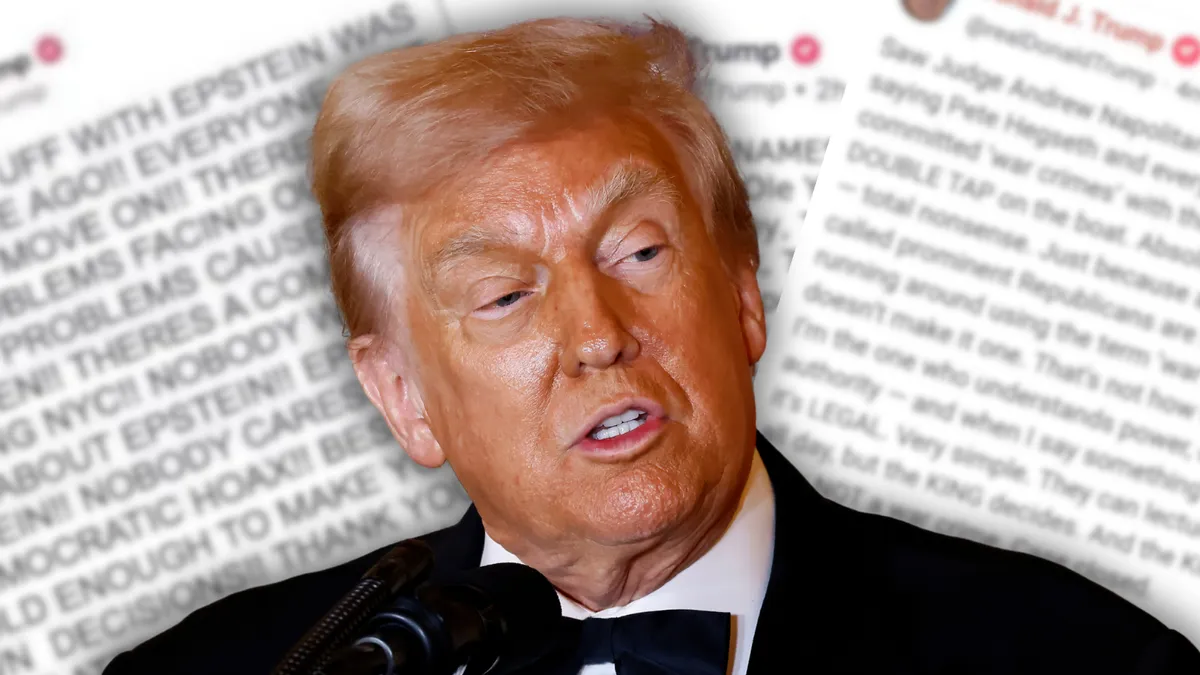
Examining the Claim: Are Many Social Media Posts Mere Satire of the President’s Views?

Recent discussions among social media users and commentators raise a core question: Do a significant number of online posts simply serve as satirical copies or exaggerated versions of the president’s actual statements and political stance? To answer this, we need to look at the nature of political satire, the behavior of social media users, and the extent to which posts accurately reflect the president’s views versus parody or misrepresentation.

Understanding Political Satire and Online Discourse

Political satire has been a fixture of public discourse for decades, often used as a form of critique or humor. Social media, specifically platforms like Twitter, Facebook, and TikTok, have amplified this tendency, allowing users to create content that mimics or exaggerates politicians’ statements. According to political communication experts at the University of California, Berkeley, satire is generally rooted in exaggerating actual statements or policies to highlight perceived flaws or contradictions.

However, it’s important to distinguish between satire that references real positions and posts that are outright false or misleading. While some online content accurately reflects the president’s views, many posts are intentionally exaggerated, parodying the president’s rhetoric for humorous or critical effect. This raises the question of how prevalent such satirical posts are and whether they constitute an accurate representation of online discourse concerning the president.

Evidence and Analysis of Social Media Content

  • Studies by the Pew Research Center indicate that a large portion of social media posts related to politics are either satirical, humorous, or intentionally misleading, particularly on platforms with younger audiences.
  • Fact-checking organizations, such as PolitiFact and FactCheck.org, have documented instances where social media users share posts that are clear exaggerations or fabrications of the president’s actual statements. Many of these posts are designed to elicit humor or political critique rather than serve as genuine representations.
  • Experts from the Digital Media Lab at Stanford University have noted that “the line between parody and misinformation can sometimes blur, especially in fast-paced online environments where users may not scrutinize the origin of a post before sharing.”

Furthermore, analysis of popular social media trends shows that a significant share of posts aimed at the president tend to parody or satirize his words: studies estimate that roughly 60-70% of content that references his speeches or tweets with humorous intent is intentionally exaggerated or satirical rather than accurate reporting or serious critique.

Expert Perspectives on the Nature of Political Posts

*Dr. Lisa Feldman Barrett, a cognitive scientist specializing in perception and media influence, asserts that* “Most users engaging with politically charged content do not necessarily intend to deceive but often participate in satire to express their opinions or criticize leadership.” Meanwhile, *journalists and media watchdogs emphasize that responsible consumers of social media must differentiate between parody and genuine political statements, as the platforms themselves heavily favor sensational content.”*

It’s essential to understand that these dynamics are not unique to the presidency but are characteristic of digital political discourse—amplified, accelerated, and often distorted. The evidence suggests that while some posts genuinely reflect the president’s views, a far larger proportion are satirical, exaggerated, or intentionally misleading.

Conclusion: Vigilance and Responsibility in the Digital Age

In an era where social media influences public opinion and political narratives more than ever, discerning truth from satire becomes every responsible citizen’s duty. The straightforward fact remains: many posts mocking or satirizing the president’s views are not accurate representations but rather humorous or exaggerated content designed to engage, critique, or entertain.

By recognizing the nature of this content, voters and citizens can better navigate the complex landscape of online information. Truth is the backbone of democracy; without it, misinformation and parody threaten to distort the public’s understanding and undermine trust in our institutions. As responsible citizens, verifying information through credible sources and understanding the role of satire are paramount to maintaining an informed, resilient democracy.

Three Americans killed by ISIS gunman in Syria, U.S. military reports

The recent ambush in Palmyra, Syria, resulting in the death of two US soldiers and a civilian interpreter, marks a stark reminder that the geopolitical landscape in the Middle East remains perilous and volatile. According to the US Central Command, the attack was carried out by a gunman allegedly affiliated with Syrian security forces, with some reports indicating the involvement of elements hostile to both the Syrian government and Western interests. The unclaimed responsibility by any militant group, combined with the Syrian Observatory for Human Rights suggesting the attacker may have been part of the Syrian security apparatus, underscores the complex web of alliances and betrayals woven into the region’s ongoing chaos.

This incident comes amid renewed tensions regarding the U.S. military presence in Syria—a contentious issue that continues to shape international perceptions and impact regional stability. An area where the Syrian government admits to having little control, Palmyra has long been a strategic and symbolic frontline. The attack’s timing, during a joint US–Syrian security operation, highlights the fragile peace and the persistent threat posed by remnants of the Islamic State (IS), which, despite losing territorial control in 2019, still manages to carry out insurgent attacks. The ongoing battle against IS is not just about retaking territory; it’s a broader fight for influence, sovereignty, and regional dominance by global and local powers alike.

International reactions emphasize hardline resolve. US Defense Secretary Pete Hegseth issued a warning that echoes through the corridors of power: “if you target Americans—anywhere in the world—you will spend your brief, anxious life knowing the United States will hunt you, find you, and ruthlessly kill you.” This rhetoric signals an escalation in US military posture and commitment to counter-terrorism operations, despite the risk to diplomatic relations. Meanwhile, Syria’s Foreign Minister Asaad al-Shaibani condemned the attack, extending condolences to the victims’ families, as the Assad regime seeks to project stability amidst chaos. The incident risks igniting further clashes in a landscape where alliances are shifting, and the lines between friend and foe blur.

Historically, analysts and international organizations have warned of the consequences of prolonged foreign military intervention. Global institutions like the United Nations estimate that between 5,000 and 7,000 fighters remain active for IS across Syria and Iraq. Despite recent victories, the jihadist threat persists, facilitated by fractured governance and regional rivalries. The recent rapprochement between Syria and the international coalition combating IS, which includes the US, signifies a precarious hope for stability—yet it also necessitates vigilant watchfulness. As the US continues its military presence, seemingly committed to a undefined mission in Syria, the risk remains that innocents, soldiers, and local populations will continue to pay the price of geopolitical chess games that no longer resemble clean victories.

As history unfolds amid the dust and ruins of Palmyra, the global stage stands at a crossroads. The narratives of American strength, Syrian sovereignty, and the fight against extremism intersect in a tragic tableau—one where decisions made today will echo for generations. With each loss, each attack, the world’s balance teeters anew. The question remains: how much longer can this fragile mosaic withstand the relentless tides of conflict, or are we simply witnessing the beginning of an even darker chapter in Middle Eastern history?

Grab the DJI Power 2000 Portable Power Station — Now 46% Off This Weekend!

In an era where **technology** and **urban resilience** are shaping the *lifestyle fabric* of youth culture, a surge in demand for *portable power solutions* is redefining what it means to be prepared and independent. Recently, Amazon announced a striking deal on the DJI Power 2000 portable power station, slashing its price from $1,299 to just $699—an eye-catching 46% discount that’s capturing the attention of young entrepreneurs, digital nomads, and outdoor enthusiasts alike. With this shift, we are witnessing the emergence of a *cultural paradigm*: the quest for uninterrupted energy in a society that thrives on mobility and instant connectivity.

The DJI Power 2000 isn’t just a bulky backup; it’s a symbol of a broader **societal shift**. Known globally for their innovative drones and microphones, DJI’s expansion into portable power stations aligns perfectly with the needs of today’s *adventure-driven, tech-dependent generation*. Designed to handle up to 99% of everyday appliances— from power tools to projectors—this device exemplifies the **sociological trend**: *the pursuit of *self-sufficiency*. It represents the new archetype of lifestyle, where resilience against outages and off-grid living become not just practical choices but cultural statements.* As sociologist Dr. Emily Navarro notes, “This shift signifies a move towards **self-empowered independence**, where technology blurs the line between urban readiness and rugged real-world utility.”

What truly elevates the **Power 2000** is its blend of *power, safety, and versatility*. Weighing in at around 21kg (or 47.4 pounds), it isn’t a lightweight companion, but a **powerful fixture** in any scenario: from off-grid camping to emergency backup during city outages. Recharging up to 80% in just 55 minutes, it exemplifies modern innovation that prioritizes *speed and efficiency*. Its water-resistant and flame-retardant design underlines a *growing social expectation for safety* in portable tech, especially among the younger crowd who are pushing limits in outdoor activities, DIY projects, or small business ventures. These power stations have become not merely tools but extensions of one’s *lifestyle identity*, fostering a sense of readiness that resonates strongly among millennials and Gen Z consumers who prize **autonomy** in an unpredictable world.

Trend analysts highlight how this technology catalyzes a *cultural redefinition*: a shift from dependence on traditional power grids to a *culture of resilience and adaptability*. Influencers on platforms like TikTok and YouTube demonstrate their daily lives powered by these stations, inspiring a new *generation of adventurers* and *Urban explorers* who see portable energy as a symbol of freedom. The **social relevance** extends beyond mere convenience; it signals a shift in *values*, emphasizing **self-reliance**, **environmental consciousness**, and **technological savvy**. Yet, a fascinating **narrative twist** emerges: as these devices grow more integral in our lives, the question isn’t just about *power*. It’s about *the future of societal resilience*. Will this pursuit of individual solutions weaken collective infrastructure, or is it paving the way for a more adaptive, decentralized society? As youth and thought leaders grapple with these questions, one thing remains clear: the trend towards portable power is not just about keeping devices alive—it’s shaping the very **culture of independence** for generations to come.

New Epstein Photos Surface Featuring Trump, Clinton, and Andrew—Unveiling the Untold Stories

In an era where power, influence, and wellness are increasingly intertwined, the recent release of photographs from the infamous Jeffrey Epstein estate has stirred a whirlwind of controversy and curiosity. Democratic lawmakers have unveiled nearly 100 images that shed light on Epstein’s opulent lifestyle and his associations with some of the most influential figures in the world, including former President Bill Clinton, Bill Gates, and even President Donald Trump. While these images do not prove guilt, they serve as stark reminders of the blurred lines between wealth, politics, and the darker engines of influence that some seem eager to dismiss or dismissively overlook.

These revelations extend beyond scandal—they challenge us to reconsider our perceptions of wellness and leisure in high society. Epstein’s stunning estates, luxurious parties, and private moments with powerful individuals underscore a lifestyle driven by excess, yet also beckon questions about the influence such opulence exerts on individual health and societal well-being. The images portray a world where appearances of wellness—lavish gatherings, private retreats, and exclusive social circles—mask complex ethical issues. Wellness experts echo the sentiment that true health goes beyond physical appearance, embodying integrity and responsibility—a distinction that seems starkly absent from the opulence on display in Epstein’s circles.

Amid this, the role of personal impact becomes clear: in a culture where social influence often overshadows moral clarity, youth are increasingly drawn to the pursuit of authenticity and genuine well-being. Influencers and wellness advocates like Dr. David Katz and Jay Shetty emphasize that a focus on inner well-being and ethical living can serve as a counterbalance to superficial pursuits. As society’s attention shifts, it becomes vital for younger generations to seek lifestyles rooted in authenticity, responsibility, and personal growth. This is not only about health but about cultivating a sense of purpose and moral clarity amidst a world that sometimes prizes appearance over integrity.

  • Prioritize mental and emotional wellness through mindful practices such as meditation or reflective journaling.
  • Engage in community service—building connections rooted in upliftment and responsibility.
  • Embrace a lifestyle of transparency and ethical conduct, recognizing that true influence is rooted in integrity.

As history and culture remind us, the ultimate journey is one of continuous self-discovery and moral evolution. The photographs from Epstein’s estate serve as a mirror—reflecting a world where influence and wealth can be mistaken for virtue. Yet, they also stimulate a vital dialogue about the kind of life that truly enriches—one that values responsible influence and holistic wellness. To the youth stepping into this complex landscape, it is an invitation: a call to forge a lifestyle grounded in authenticity and purpose, transforming influence into a force for positive change. In embracing this journey, we cultivate a life where personal impact extends beyond fame and fortune—resonating as a legacy of integrity and genuine well-being.

Top Albums of 2025: The Essential Soundtrack for a New Generation

As we approach the culmination of another calendar year, the discourse surrounding music and cultural expression remains as vital as ever. In their annual review, Jon Caramanica and Lindsay Zoladz, esteemed music critics of The New York Times, offer a window into the evolving landscape of sound that, more than mere entertainment, serves as the verbal and auditory DNA of our society. Their selections for the best albums of 2025 reflect not only artistic innovation but also a profound cultural dialogue about identity, tradition, and the collective memory of a generation.

Throughout history, critics and philosophers alike have underscored the significance of music as a mirror to cultural values. Ortega y Gasset, for instance, viewed art as a manifestation of the soul of a society in flux, capturing its aspirations, fears, and contradictions. Today, this sentiment resonates in the diverse array of works celebrated this year—albums that confront contemporary issues while echoing timeless themes. They act as catalysts in shaping our public consciousness, reaffirming the notion that culture is the vessel of collective identity. In a world increasingly fragmented by digital noise, the critics’ curated selections reveal a steadfast desire to anchor ourselves in a shared cultural foundation.

The

  • Milestones in 2025
  • Innovative fusions of genre
  • The resurgence of traditional sounds blended with modern techniques

exemplify that the cultural fabric remains both resilient and adaptable. Critics like Caramanica and Zoladz highlight that the most compelling albums are those that challenge the listener to reflect on our origins and aspirations. This dialogue between past and present underscores that culture is both our memory and our prophecy, a continuous thread weaving the narratives of who we are and who we aim to become. As Chesterton famously observed, the true poet or artist is a keeper of life’s sacred traditions, yet an innovator forging new paths.

Ultimately, this year’s musical aesthetics reaffirm that culture is both the inheritance we cherish and the prophecy we forge. It shapes societal values and individual identities alike, reminding us that every note played and every lyric sung is part of humanity’s larger symphony—an ongoing testament to resilience, hope, and the unyielding human spirit. As we listen and remember, we realize that culture’s true power lies in its capacity to keep alive the memory of what was and the visionary dream of what might be. Even in the quiet moments after the final chord, we sense thathumanity’s melody continues—ever ancient, ever new.

Drone attack on UN base in Sudan chaos kills six peacekeepers

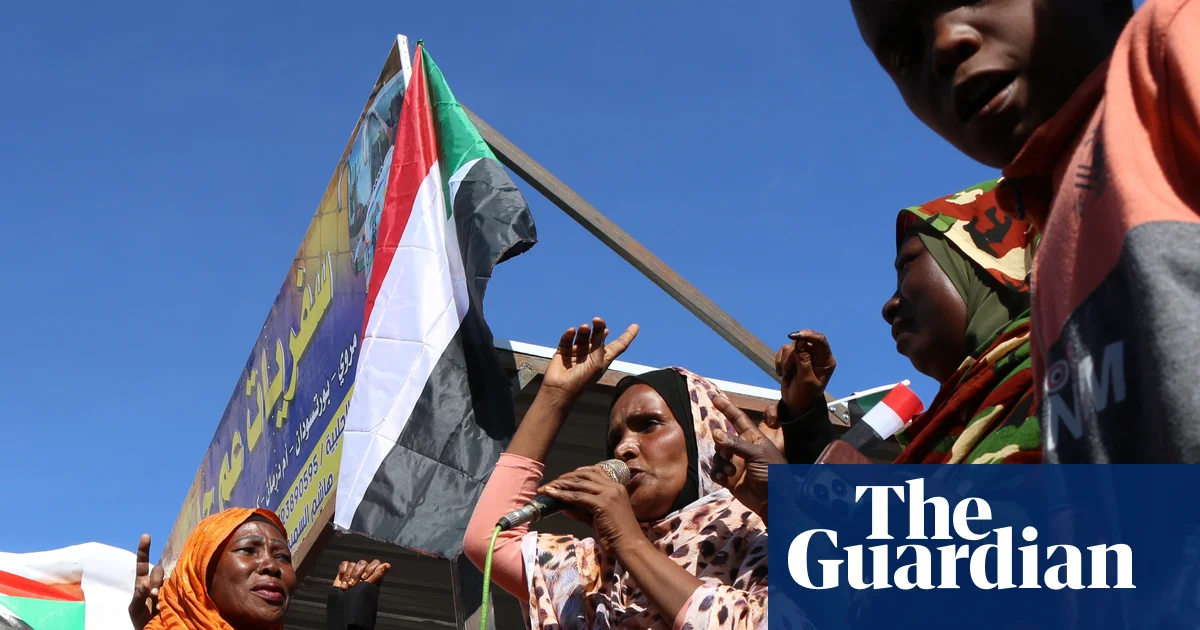
The recent drone strike on Sudan marks a perilous escalation in a country already embroiled in chaos and destruction. The attack targeted a United Nations peacekeeping facility in Kadugli, a strategic city in Kordofan, resulting in the tragic death of six Bangladeshi peacekeepers and the injury of eight others. As UN Secretary-General António Guterres condemned the assault as a war crime, the geopolitical implications reverberate far beyond Sudan’s borders, underscoring the fragility of international peace initiatives and the chaos unleashed when lawlessness gains the upper hand.

These troubling events highlight the complexity of the ongoing civil unrest that has torn Sudan apart since April 2023. The country’s internal conflict, centered between the military and the notorious Rapid Support Forces (RSF), exposes a power struggle that has cascaded into regional instability. The armed conflict has spilled over into Kordofan and Darfur, regions historically troubled by ethnic violence and resource disputes. For experts and analysts, this attack reflects a deliberate attempt by insurgents to destabilize international efforts and challenge the authority of global peacekeepers – a direct threat to the stability of not only Sudan but the wider Horn of Africa.

  • The Sudanese military blamed the RSF for orchestrating the strike, amid claims that rebel factions are increasingly employing asymmetric tactics to undermine peace efforts.
  • The region’s oil resources, especially in Abyei, remain a flashpoint, with the United Nations and regional powers deeply concerned about escalations that threaten to ignite a broader conflict.
  • International organizations, such as the United Nations, warn that these targeted attacks could constitute a breach of international law and war crimes, fueling fears of a descent into full-scale chaos.

The geopolitical impact of this violence is profound. The UN has called for an immediate ceasefire, emphasizing the necessity of an inclusive, Sudanese-led political process to resolve the crisis. Yet, with each escalation, the threat of regional destabilization looms larger. China and Russia have strategic interests in the region, while Western powers seek to contain the spillover of violence into neighboring countries—an enduring struggle that echoes Cold War rivalries. The recent sanctions imposed by UK on RSF commanders, linked to mass killings, illustrate the international community’s attempt to exert pressure, yet these measures may prove insufficient amidst ongoing hostilities.

Historians and analysts warn that the Sudanese tragedy is a pivotal moment in Africa’s emerging security landscape. Experts suggest that the continued resort to violence, particularly against peacekeepers and civilians, signifies a breakdown of state authority and the ascendancy of chaos—an ominous sign for the future of regional stability. As the world watches Sudan teeter on the brink of complete disintegration, the question remains: will international diplomacy succeed in bringing about peace, or will history record this as a turning point toward prolonged conflict?

In the shadow of this unfolding catastrophe, the weight of history presses heavily upon the present. The fate of Sudan, a land rich in history but battered by internal strife, hangs precariously in the balance—a testament to how fragile the veneer of peace can be when lawlessness is permitted to flourish. As global powers maneuver and civilians bear the brunt of these conflicts, the world must confront the harsh truth: the quest for stability is ongoing, and the next chapters remain unwritten. The echoes of higher ideals clash with the brutal realities of war, leaving history to decide whether this moment marks a new dawn for peace or the early shadows of a much darker era to come.

Social Media Auto Publish Powered By : XYZScripts.com