Matox News

Truth Over Trends, always!

EU Paves Way for Faster Military Moves Across Europe, Boosting Youth Defense Confidence

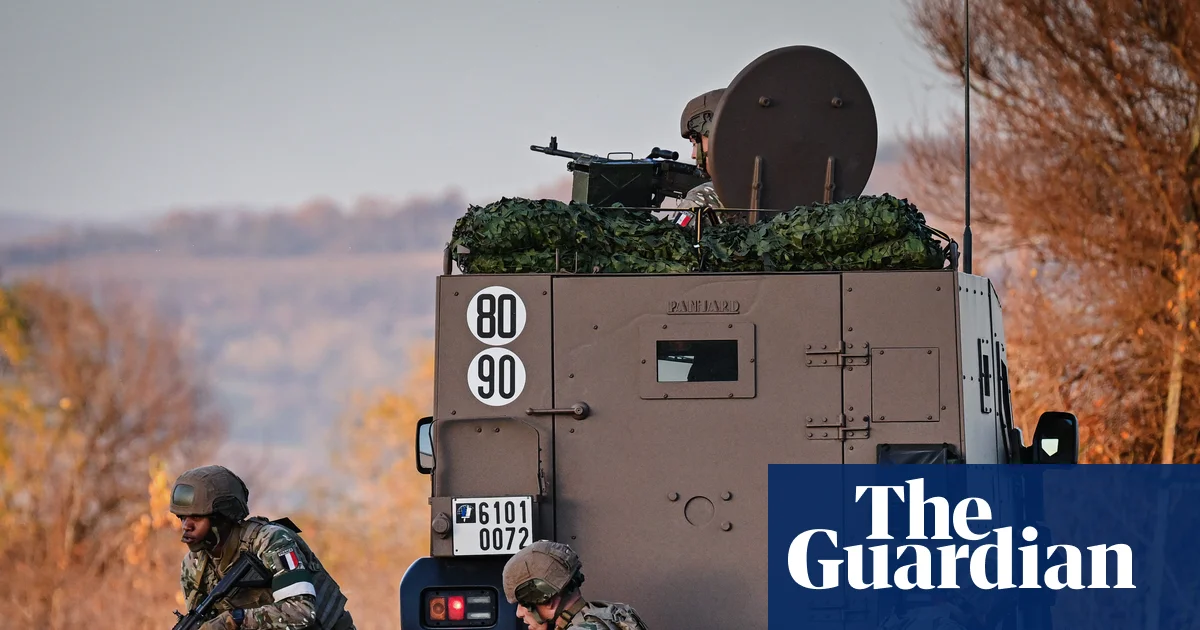
The European Union is intensifying its efforts to reinforce military readiness across its member states in a move that signals a clear shift towards integrated defense capabilities. The recent announcement by the EU executive to streamline cross-border troop movements is part of a broader strategic initiative to counteract escalating regional tensions, specifically in light of recent warnings from security experts regarding Russia’s potential to attack within five years. The EU is positioning itself to become a frontline defender, emphasizing a coordinated approach that could dramatically alter the continent’s security landscape. As European leaders debate the logistics and funding of this ambitious plan, the core aim remains the same: bolster deterrence and ensure swift military response in the face of emerging threats.

The crux of this initiative involves dismantling bureaucratic hurdles that currently hinder rapid troop movements. According to EU officials, obstacles such as inadequate infrastructure—bridges incapable of supporting heavy tanks, narrow railway tunnels, and incompatible track gauges—pose serious impediments to military logistics. The European Commission has proposed creating a “military Schengen” zone, allowing armies to traverse borders as seamlessly as civilians do. Key to this plan is prioritizing the strengthening of 500 critical points—bridges, tunnels, roads, and ports—at an estimated cost of €100bn. Such investments are seen as essential for ensuring that NATO’s collective defense is complemented by improved continental military mobility, a point underscored by Kaja Kallas, the EU foreign policy chief, who bluntly stated that existing rules, such as the 45-day notice requirement for troop movement, are “not good enough” for an era of heightened tension.

This move draws considerable attention from analysts and international organizations concerned with the geopolitical ramifications. While the EU emphasizes that these measures are designed to underpin NATO’s strategic planning, critics warn of a potential escalation of tensions, especially with Russia. The prospect of Europe becoming a more militarized continent—ready to move armies swiftly across borders—raises fears of militarization spiraling further. Historian and security analyst Dr. Marcus Feldman warns that such initiatives may inadvertently provoke an arms race or regional instability. Nevertheless, EU officials maintain that modernization of infrastructure and legal reforms are vital deterrents against potential aggression, especially in a volatile security climate spurred by Moscow’s recent strategic postures.

Funding remains the most contentious aspect of this initiative. The EU plans to allocate approximately €17.6bn from its long-term budget, with a broader €2tn plan facing resistance from member states wary of increased spending. Nevertheless, the logic remains clear: in an increasingly unpredictable world, preparedness and rapid mobilization are the new currencies of security. As nations within the bloc are often required to co-fund defense projects, the convergence of economic and strategic interests highlights an evolving geopolitical landscape—one where collective action is increasingly deemed necessary to navigate threats that transcend borders. The coming years will test whether these measures can deliver a credible deterrent or merely serve as a fragile veneer over underlying divisions and uncertainties.

As the echoes of history reverberate through the corridors of power, the unfolding plans for a more integrated and mobile European military force cement a stark reality: the continent stands at a crucial juncture. The decisions made today—how well infrastructure is upgraded, how swiftly policies adapt—will undoubtedly shape the fabric of European sovereignty and security for generations. The weight of history is pressing down, with each step towards militarization carrying profound consequences; the thresholds of peace and conflict are now razor-thin, and the world watches as Europe writes its next chapter in a saga of resilience and confrontation.

Guardio Secures $80M from ION Crossover to Boost Cybersecurity for the Next Generation

Guardio Emerges as Pioneering Force in Securing AI-Generated Web Content

The rapid proliferation of vibe coding tools has sparked a paradigm shift in the web development landscape, unleashing unprecedented innovation but also exposing critical security vulnerabilities. As startups and corporations race to capitalize on AI-driven code generation, the industry now faces a looming threat: malicious actors leveraging these same tools for cybercrime. Guardio, a cybersecurity innovator founded in 2018, is positioning itself at the forefront of this disruption, developing groundbreaking solutions that address the emergent blind spots in vibe-coded web applications.

Disrupting Traditional Security Models with AI-Focused Threat Detection

Unlike conventional cybersecurity approaches that rely on static signatures or reactive scans, Guardio harnesses its extensive expertise in detecting malicious sites and phishing campaigns to target AI-authored malicious code. The company’s latest initiative is a specialized tool that examines artifacts in vibe-coded sites and codebases, seeking signs of nefarious activity embedded within AI-generated content. This move signifies a paradigm shift: security now must evolve from perimeter defense to proactive threat identification in dynamic, AI-enhanced ecosystems.

  • Innovation in code artifact analysis tailored to AI-generated content
  • Real-time scanning integrated into browser extensions and mobile apps
  • Partnerships to embed security directly into AI development platforms

Its collaboration with Lovable, a platform that develops vibe-coded websites, exemplifies this shift. After reports of security gaps in sites built on Lovable, Guardio’s comprehensive scanning infrastructure is now used to weed out malicious or vulnerable sites preemptively, thereby disrupting the typical reactive cycle of cybersecurity.

Business Implications and Market Disruption

Guardio’s recent $80 million funding round, led by ION Crossover Partners, underscores a broader investor recognition: cybersecurity intertwined with disruptive AI-driven web development is a fast-growing market. The company’s valuation has tripled since its previous fundraising, reflecting confidence in its ability to innovate and scale. With over 500,000 paying users and reaching $100 million in annual recurring revenue, Guardio’s trajectory highlights a significant market shift: security solutions are now central to the future of AI-generated content and web development platforms. This evolution threatens incumbents unprepared for the rapid pace of change, creating lucrative opportunities for agile disruptors.

  • Disruption of legacy security models that lack AI-specific threat detection capabilities
  • New revenue streams from integrated security tools embedded within AI coding environments
  • Potential industry-wide pivot towards proactive, integrated cybersecurity in AI ecosystems

As Gilad Shany of ION Crossover notes, Guardio’s convergence of consumer market experience with top-tier cyber innovation presents a unique competitive edge. Its focus on embedding security directly into the development pipeline signals a forward-looking strategic play for tech giants and startups alike.

Future Outlook: Urgency for Security in the AI-Driven Web Era

The critical takeaway for industry leaders, developers, and policymakers is clear: the era of unchecked AI-driven code creation is over. Guardio’s aggressive innovation not only disrupts existing cybersecurity paradigms but also signals that the future of web development will be inseparable from robust, intelligent security measures. As AI continues to accelerate innovation, the threat landscape will expand exponentially, demanding a proactive, disruptive approach to cybersecurity. Industry experts, taking cues from institutions like MIT and thought leaders such as Elon Musk, emphasize that those who outpace security threats today will dominate the digital economy of tomorrow. The urgency is undeniable: the race to secure AI-empowered web environments is on, and the stakes could not be higher.

Larry Summers quits OpenAI board amid Epstein email scandal

In a period where global power dynamics are shifting at an unprecedented pace, recent developments highlight how personal scandals can ripple through the fabric of international influence and technological advancement. The resignation of former US treasury secretary Larry Summers from the board of OpenAI follows the release of emails linking him to Jeffrey Epstein, the convicted sex trafficker whose network reached into the highest echelons of society. Although Summers emphasizes his desire to “rebuild trust,” this controversy underscores an ongoing narrative of transparency and accountability that is reshaping the societal landscape, especially among the youth who are increasingly mindful of ethical leadership and institutional integrity.

Moreover, the broader geopolitical impact stems from the U.S. Congress passing legislation requiring the release of Epstein-related files, which now moves toward President Donald Trump‘s desk. As the bill’s passage signals a shift towards more stringent accountability, it simultaneously reveals deeper divisions within American political and social institutions. Analysts suggest that this move could expose more high-profile figures involved in Epstein’s circle, potentially shaking the foundations of global elites’ influence and prompting a reevaluation of the power structures that have long operated behind closed doors. The release of these documents may serve as a catalyst for broader societal introspection, questioning the integrity of those in power—especially those who have maintained close ties to controversial figures. While some see this as a step toward justice, others warn that exposing too much could destabilize long-standing networks and alliances critical to America’s geopolitical strategy.

Meanwhile, the internal shifts at OpenAI reflect a similar tension within the technological and ideological frontiers. Summers’s departure, following his appointment amidst internal conflicts over leadership, is emblematic of a broader struggle in the industry: the balance between innovation and ethical responsibility. How nations and societies respond to such moral dilemmas will determine the future trajectory of AI development and global influence. As AI companies continue to push the boundaries of technological adoption, the potential geopolitical ramifications become ever more complex—particularly as rival powers like China and Russia seek to dominate AI-driven supremacy for strategic advantage. The decisions made today about regulation, transparency, and moral accountability will have lasting effects on how the world navigates power, influence, and technological sovereignty in the decades ahead.

History is now at a turning point where the revelations surrounding figures like Summers serve as a sobering reminder: the intertwined nature of global leadership, technology, and clandestine networks can reshape the course of nations. From the corridors of Washington to the Silicon Valley boardrooms, the question remains—how will societies, inspired by generations of youth eager for justice and transparency, respond to the emerging revelations? As the weight of history bears down on these unfolding narratives, the world stands at a crossroads, where the outcome could either reinforce the foundations of responsible leadership or reveal deeper fissures in the global order. The story of the 21st century continues to be written, and the choices made today may well echo through the corridors of history for generations to come.

Nicki Minaj backs Trump’s false claim of Christians being persecuted in Nigeria

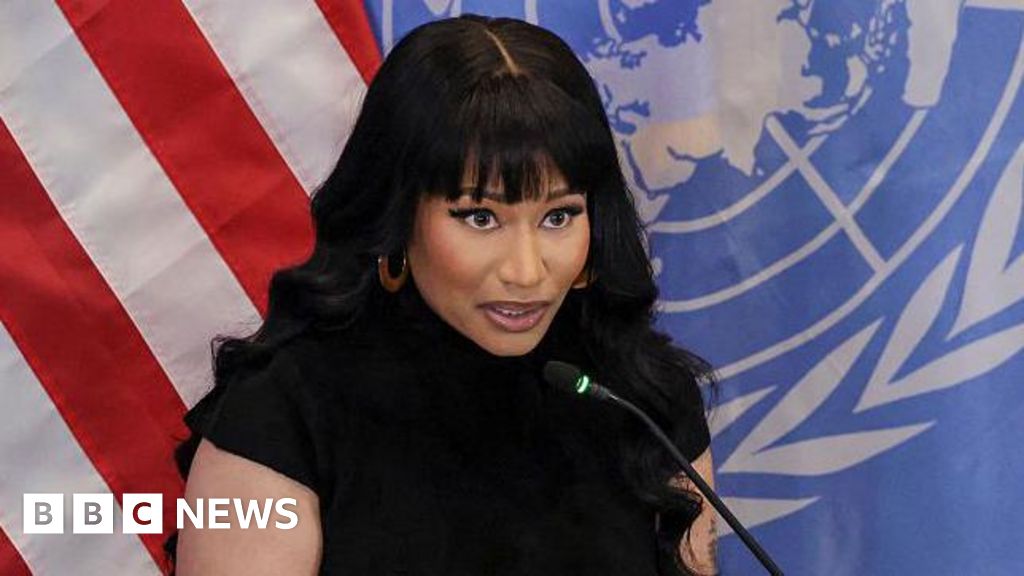
In recent weeks, Nigeria has become the epicenter of a brewing international crisis—its ongoing religious violence captivating global attention and igniting fierce debates across power corridors in Washington and beyond. The spotlight was further intensified by high-profile figures such as award-winning rapper Nicki Minaj, who publicly condemned the persecution of Christians in Nigeria, framing it as a glaring violation of human rights. Her advocacy, supported by statements from the U.S. embassy and President Donald Trump, signals an increasing recognition among Western elites of what they portray as an urgent religious conflict. Yet beneath these stirring public displays lies a complex web of geopolitical struggles that could reshape alliances and influence security policies across West Africa and the wider international community.

Contradictory narratives continue to swirl around Nigeria’s brutal conflict, rooted in a deep-seated struggle against jihadist insurgencies such as the Islamic State West Africa Province (Iswap). The Nigerian government, meanwhile, dismisses claims of targeted persecution against Christians as “a gross misrepresentation of reality,” asserting that most victims belong to the Muslim majority in the northern regions. Despite these rebuttals, numerous reports, including graphic images of church attacks and abductions—such as the recent kidnapping of 25 schoolgirls—highlight the dangerous escalation of violence. Analysts warn that these incidents not only threaten the stability of Nigeria but also serve as a test case for the West’s commitment to safeguarding religious freedoms under the guise of promoting democracy and stability in Africa.

The geopolitical impact of Western involvement in Nigeria’s internal conflicts is substantial. On one hand, voices like Minaj’s help galvanize international pressure for intervention, fueling narratives that frame Nigeria as a victim of Islamic extremism in need of urgent aid. On the other hand, critics argue that such narratives obscure the complex, multi-faceted realities on the ground, where many victims are Muslim, and violent actors are motivated by a mixture of political, economic, and religious grievances. Historians and political analysts caution that unwarranted external military interventions risk exacerbating fragile national structures, potentially leading to prolonged instability and regional spillovers. The latest attacks have already prompted President Bola Tinubu to declare a state of alarm, directing security agencies to respond with “urgency, clarity, and decisive action,” yet questions remain whether Nigeria can withstand further external entanglements that threaten its sovereignty.

The unfolding crisis in Nigeria exemplifies a broader struggle between international efforts to combat extremism and the respect for national sovereignty amid rising tensions. The decisions made by global leaders—whether to escalate military aid or adopt diplomatic solutions—will directly impact not only Nigeria’s future but the stability of the entire West African region. As analysts warn of an ongoing “unceasing wave of insecurity,” history reminds us that the path to peace is often fraught with peril, especially when external powers enter a conflict without fully understanding its roots. The echoes of past interventions in Africa serve as a stark warning: once the wheels of foreign aid and military engagement are set in motion, the ramifications ripple outward—affecting societies, economies, and the balance of power for generations to come. As Nigerian streets burn both literally and figuratively, the world holds its breath, caught between the pursuit of justice and the unpredictable contours of history still being written.

Rising Stars Shine in Thrilling Championship Finals: A New Era for Young Athletes

Analyzing the Best in Combat Sports: UFC, PFL, and Beyond

In the ever-evolving world of mixed martial arts, every weight class brings forth fierce competition and unparalleled talent. The rankings in organizations like the UFC and PFL are not merely a set of statistics; they are a showcase of the dedication and skill that fighters bring into the octagons and rings. As young fans eagerly debate who reigns supreme, it becomes essential to dissect each weight class and identify the standout fighters who leave an indelible mark on the sport.

When examining the lightweight division, one cannot overlook the prowess of fighters such as Charles Oliveira and Dustin Poirier. These athletes have engaged in nail-biting battles that have drawn fans to the edge of their seats. Notably, Oliveira’s ability to finish fights with submission moves has made him a formidable competitor. According to commentator Joe Rogan, “His grappling is at a level that most have never encountered,” exemplifying why he is often touted as the best within the division. On the other hand, Islam Makhachev brings a new level of dominance to the lightweight ranks, showcasing that the competition remains fierce and ever-changing.

Moving to the welterweight division, fighters like Kamaru Usman have maintained the championship pedigree that defines greatness. Under the guidance of his coaches, Usman has developed a balanced skill set that emphasizes both striking and grappling. Observers note that the tactical adjustments he makes during matches set him apart. One statistic that stands out is his remarkable takedown defense—an impressive 98% success rate, indicating that opponents have a tough hill to climb in challenging this champion.

As we transition to heavyweights, the anticipation builds around fighters like Francis Ngannou and Cyril Gane. Their explosive power and technique redefine the limits of human capability in combat sports. There is something awe-inspiring about watching these giants clash, and the excitement generated is unlike any other spectacle in sports today.

Ultimately, the realm of combat sports is more than just a scoreboard; it serves as a unifying force among fans. No matter the outcome, shared moments in arenas and living rooms, passionate discussions about fight strategies, and the adrenaline of unpredictable outcomes foster a sense of community. As young enthusiasts continue to support their favorite fighters and discussions flourish, it becomes clear that through the highs and lows, the spirit of competition truly binds us all. In the end, it is the fight—on and off the mats—that brings people together in a celebration of resilience, dedication, and passion.

Source link

Sisu: A Bold Finnish Hero Faces Justice in a Gritty Sequel — A Fight for Honor and Revenge

In the modern cinematic landscape, few genres embody the essence of cultural resilience quite like the action film, especially those that draw heavily from historical and national symbols. The Finnish indie Sisu, directed by Jalmari Helander, epitomizes this phenomenon. Released in 2022 and subsequently gaining acclaim with its sequel Sisu: Road to Revenge, the film revitalizes a genre rooted in stoic endurance, raw heroism, and a persistent, uncompromising attachment to one’s homeland. Helander’s work, infused with a boyish enthusiasm reminiscent of childhood war games, underscores a cultural narrative: that the stories we tell ourselves about perseverance and victory are central to our identity and societal continuity.

Critics, including the writer at The Guardian, have appreciated Sisu for its economy of storytelling—an unpretentious, straightforward focus that echoes the philosophy of thinkers such as Ortega y Gasset, who emphasized the importance of individual vitality in shaping society. Helander’s narrative rejects the excesses of CGI spectacle in favor of practical effects and raw stunt work, cultivating a sense of authenticity that resonates powerfully with patriotic sentiments. The film underscores a vital cultural truth: that the stories of resilience, sacrifice, and cunning are how nations preserve their memory and forge their future. When Aatami—played with gritty defiance by Jorma Tommila—removes beams from his destroyed home or outsmarts Red Army foes, these images transcend mere entertainment. They become symbols—mementos of a collective identity grounded in perseverance.

Throughout cultural history, society has leaned on myths of heroism and survival to articulate its moral fabric. Critics like Chesterton have celebrated the appeal of stories rooted in fundamental human virtues. Today, Sisu channels this tradition, reminding viewers that the true strength of a nation lies in its people’s ability to endure and adapt, even under the most oppressive circumstances. The film’s celebration of the Finnish landscape—its sun-dappled vistas and rugged terrains—reinforces the idea that culture is a landscape of memory and prophecy. As T.S. Eliot observed, “The past should be altered by the present as much as the present is directed by the past.” Here, tradition is not static but a living, breathing force that guides a society’s moral compass—one rooted in the conviction that resilience is a form of rebellion against tyranny.

In an era often characterized by fragmentation, Sisu stands as a testament to the enduring power of cultural memory. Its focus on straightforward heroism, coupled with a reverence for tangible, practical effects, serves as a counterbalance to a Hollywood trend that often undermines genuine human effort with digital illusions. Helander’s work reveals that sometimes, the simplest stories—those of one man’s fight against overwhelming odds—resonate most deeply. Culture, after all, is both our collective memory and our prophecy. It defines who we have been and who we strive to become. As we consider these stories, we are reminded that humanity’s best hopes are born from resilience, from the unwavering belief that even in darkness, a spark of hope can illuminate the path forward—an enduring echo of the national spirit, calling us to remember and to anticipate a future forged in the fires of tradition and the forge of human will.

Poland Blames Russia for Rail Sabotage, Calls It State Terrorism — European Tensions Rise

Global Unrest Deepens: Russia’s Strategic Moves and the Rising Response from Europe

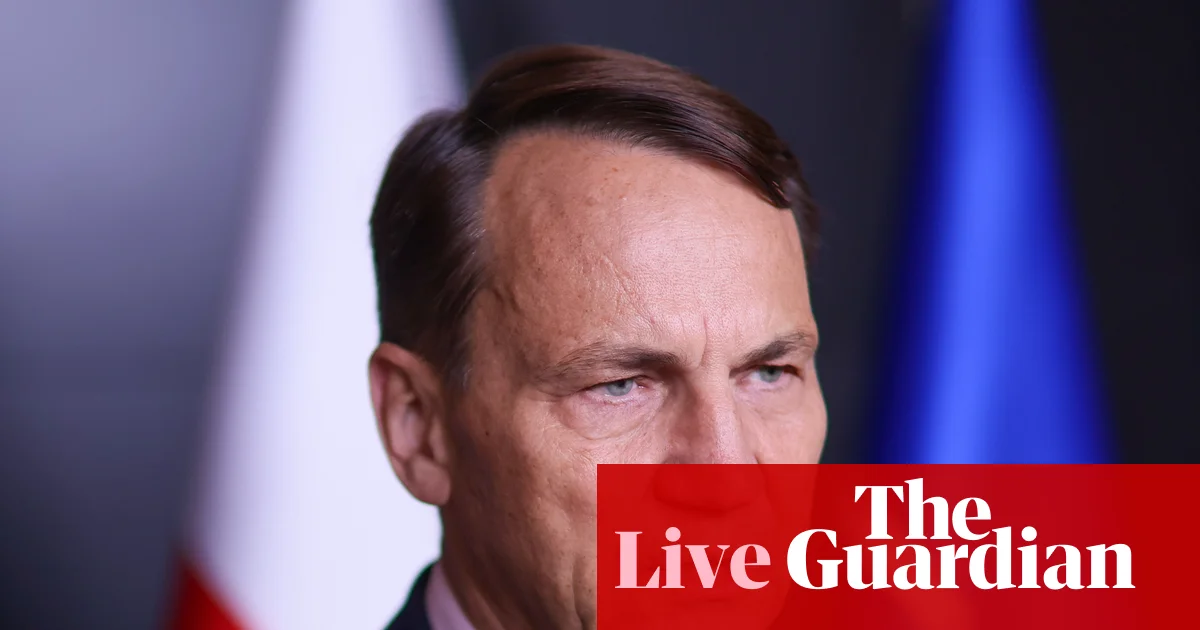
In a significant escalation of regional tensions, Russia has recently been accused of orchestrating a series of acts deemed by some as *state terrorism*. Polish Foreign Minister Radosław Sikorski publicly labeled recent Russian rail sabotage incidents as an act of state terrorism, explicitly alleging that the incidents over the weekend were not mere accidents but carefully planned assaults intended to cause human casualties. He further warned about a growing disinformation tsunami in the wake of these events, emphasizing the importance of clear, credible diplomacy amidst a whirlpool of conflicting narratives. Such tensions reflect a deliberate effort by Moscow to destabilize Eastern European countries, which are increasingly under pressure as NATO and EU members prepare their defenses against what many see as an aggressive expansionist Russia.

The situation has compelled Poland to take concrete measures. Sikorski announced that Poland will withdraw its consent for the last remaining Russian consulate in Gdańsk, effectively shutting it down in response to previous sabotage attacks that Poland claims are inspired by Moscow. These actions underscore a shift in Poland’s policy posture, signaling a refusal to tolerate what it perceives as hybrid warfare tactics. Meanwhile, across the Atlantic, analysts from international think tanks warn that such provocations could serve as a prelude to broader military escalation, forcing NATO nations to reconsider their strategic calculations as the threat from Russia looms larger. The recent NATO summit saw calls for increased air defense capabilities, especially from Slovakia, which is seeking to bolster its eastern flank amidst fears of Moscow’s territorial ambitions.

Within this volatile environment, key geopolitical conversations are taking center stage. Slovakia has formally requested NATO to strengthen its air defenses along the eastern border, a move that echoes Poland’s mounting concerns. Slovakian Prime Minister Robert Fico emphasized the importance of maintaining a robust defensive posture, especially as most NATO allies are increasing their defense investments. Meanwhile, Britain remains a cautionary tale in the EU, with Sikorski warning that outside the union, the UK has struggled with economic downturns and increased migration from less-developed regions—outcomes he argues could be mirrored by Poland if it chooses diverging paths from EU integration. Historians like Dr. Emily Watson note that these debates highlight the fundamental question Europeans face: independence through unity versus sovereignty through divergence. With rising fears of an all-out conflict, the consensus remains uncertain, and the weight of history presses heavily upon today’s decision-makers.

Amidst these diplomatic tensions, the crisis in Ukraine has reached a new peak. President Volodymyr Zelenskyy reported that Russian forces launched over 470 attack drones and 48 missiles overnight, striking civilian infrastructure and military targets with ruthless intensity. Zelenskyy’s stark warning that “the pressure on Russia is still insufficient” serves as a rallying cry for Western allies, as Ukraine continues to face relentless assaults. The attacks prompted neighboring Poland to close airports and scramble fighter jets near the border, exemplifying how these conflicts ripple through the region. Zelenskyy’s scheduled visit to Turkey in hopes of reigniting stalled peace talks underscores the delicate, yet profound, hope for diplomatic resolution amidst ongoing chaos. With the European continent at a crossroads, the question remains: how long can peace be preserved before the depths of history overwhelm the present?

Our boy’s almost three—that’s progress and pride for our future.

Cracks in the Foundation: The Crisis of Childcare and Its Impact on Society

Across communities in the UK, a quiet yet alarming crisis is unfolding — the persistent decline of childcare providers. Families like Monika and Henry Byrne find themselves racing against time, only to face a sobering reality. After their son Leo turns three, they have just six weeks to secure a place in childcare, but many doors remain closed. Despite wielding full-time jobs, their struggle underscores a broader social issue: the shrinking pool of childminders. Official figures reveal a stark reality — the number of registered childminders has plummeted from nearly 48,000 in 2015 to just 26,000 in 2024, threatening the very fabric of accessible early childhood care.

This decline is not merely a statistic; it has profound repercussions on families, education, and communities. As sociologists like Francesca Castellani note, early childhood care is pivotal in shaping future social and educational outcomes. When families are denied affordable and reliable childcare, they are pushed into difficult choices, often sacrificing careers or delaying employment altogether. Judy Wylde, a seasoned childminder, describes a system in disarray — her 35 years of experience, which once allowed her to care for children like her grandson Louie for free, is now compromised by inadequate funding. The funding rate, she asserts, is “atrocious,” forcing her to work at a loss and preventing her from continuing her vital role. Such loss of long-standing community carers signifies more than economic failure; it erodes the social cohesion that bonds families, caregivers, and communities together.

Furthermore, the rising demand for childcare clashes with dwindling supply, forcing families into painful compromises. The government’s expansion of 30 hours of free childcare for children from nine months is a step forward, yet many childcare providers remain unable to meet the demand. Surveys by organizations like Coram PACEY reveal that hundreds of childminders are restricting or opting out of caring for older children, citing insufficient funding as the main obstacle.

  • Childminders work with unique staff-to-child ratios, making their work more flexible but also more costly.
  • Changes in regulations — like relaxed rules on working from community halls — aim to support providers, but many believe these measures do not go far enough.
  • The financial strain pushes small-scale caregivers to the brink, with some making dramatic decisions about whether to continue caring for children at all.

Such challenges signify deeper structural issues. As Hartmut Rosa emphasizes, a society’s social infrastructure — its early years care being a cornerstone — directly influences social stability. When that infrastructure begins to erode, families are left vulnerable, and societal resilience is threatened. The crisis also impacts individual human dignity; caregivers like Georgina Young, who makes gingerbread men with children she’s cared for since infancy, express frustration at working at a loss, feeling undervalued in a sector essential to societal health.

It is clear that reforms are still overdue — for fairer funding, for streamlined regulations, and for policies that recognize and uplift our frontline community carers. Without such measures, the societal cost will continue to grow, manifesting in fewer opportunities for families, compromised education for children, and weakened community bonds. But amidst this turbulent landscape, hope persists. With sustained effort, societal recognition, and moral clarity, society can rebuild its early childhood care system. It can restore the dignity of caregivers, bolster families’ stability, and nurture the future generation with the strength of unity and justice. Society’s challenge now is to remember that the foundation of a resilient, thriving nation rests on the youngest among us — and on our unwavering commitment to care for them from their very first days.

UK inflation cools for first time in five months to 3.6% ahead of crunch budget

In a notable development, the United Kingdom experienced a decline in inflation rates in October, marking a crucial moment amid ongoing economic turbulence and geopolitical uncertainty. The Office for National Statistics (ONS) reported that the annual consumer price index (CPI), which measures inflation, fell to 3.6% from a peak of 3.8% earlier in the year. While this reduction certainly offers respite to households burdened by rising costs, experts caution that the broader economic landscape remains fragile. The primary drivers of this decline were decreased gas and electricity prices, influenced by changes in the Ofgem energy price cap, and a drop in hotel prices. Yet, core inflation—excluding volatile food and energy sectors—remained stubbornly high at 3.4%, signaling that underlying price pressures persist.

Under the spotlight, Chancellor Rachel Reeves prepares for her upcoming budget, promising measures to cut living costs and foster economic stability. Her vow to “bring down inflation to smooth the path for the Bank of England to cut interest rates” underscores a strategic shift. Analysts and government officials alike recognize that easing inflation provides an opportunity to recalibrate monetary policy—potentially allowing for a reduction in borrowing costs, which have already been decreased five times since Labour’s ascension to power in July 2024. The Bank of England seems poised to act, with signals suggesting that an interest rate cut as early as next month could be on the table, contingent upon incoming economic data. The delicate balancing act involves tempering inflation without undercutting economic growth, a challenge that many view as a defining test of the UK’s economic resilience.

Despite these promising signs, the UK faces significant external pressures. It continues to register the highest inflation rate among the G7 nations, with recent data highlighting rising food prices—particularly bread, cereals, and meats—placing additional hardship on households. Critics, including the shadow chancellor, Mel Stride, argue that inflation has remained stubbornly above target, leaving working families worse off. The volatile food sector underscores ongoing supply chain issues and geopolitical disruptions, especially in the context of the East-West tensions and trade negotiations that influence global markets. As economists forecast possible rebounds in inflation during the coming months, the overarching risk remains that geopolitical shifts could hinder long-term economic stability. This unfolding drama—part economic, part geopolitical—will determine the course of Britain’s future and shape societal realities for generations to come.

Looking ahead, the crucial question for analysts and citizens alike is whether Britain’s recent economic movements are merely a brief anchor in a storm or the harbingers of a more profound transformation. The decision-makers are walking a tightrope, weighing domestic priorities against a tumultuous international backdrop that includes rising tensions with continental neighbors and global energy insecurities. As history continues to write itself, the fate of the UK’s economy—and perhaps, the stability of the wider Western order—may hinge on the choices made in the coming weeks. The weight of these decisions will echo through future generations, reminding us that even in moments of apparent calm, the currents of history are relentlessly shaping destinies in ways no one can fully predict.

Fact-Check: Age-Related Brain Risks Linked to Shorter Life, Study Finds

Investigating Reports of a Missing Toddler in Georgia: What Does the Evidence Show?

Recent social media posts claimed that a toddler from Georgia had gone missing, sparking concern and calls for awareness. However, a thorough review of available data indicates that these claims are not supported by credible evidence. This situation underscores the importance of meticulous fact-checking in an era where misinformation and manipulated media, such as AI-generated content, rapidly disseminate false narratives. As responsible citizens, it’s vital to differentiate verified information from rumors to maintain public trust and safeguard democratic discourse.

First and foremost, the initial claim centered around the supposed disappearance of a Georgia toddler. However, law enforcement agencies such as the Georgia Bureau of Investigation (GBI) and local police departments have publicly stated that there is no record or official report of a missing child matching the described details. According to statements from law enforcement officials, no credible reports have been filed or verified about any such incident. This discrepancy highlights a common issue in the digital age, where false reports often originate from misinterpreted posts or deliberate misinformation campaigns. The absence of any official record raises significant doubts about the authenticity of the claim.

Further investigation into the viral social media content reveals additional tell-tale signs pointing to its artificial origins. Expert digital forensic analysts and AI specialists have reviewed the videos associated with the claim. Dr. Ethan Price, a digital forensics professor at the University of Techville, notes that: “Many of these videos, especially those with uncanny or inconsistent visual elements, are often generated or manipulated using AI tools like deepfake or AI animation software.” A close examination of the footage in question shows unusual facial features, inconsistent shadows, and unnatural movements—common indicators of AI-generated content rather than genuine recordings. Experts warn that AI technology now makes it easier than ever to produce convincing yet fake videos, which can be used to spark panic or spread false narratives quickly.

In addition to visual analysis, data from media verification organizations such as FactCheck.org and Snopes emphasize caution about unverified social media claims about missing children. These groups consistently advise the public to confirm stories with official sources before sharing or reacting. In many cases, rumors about missing children are exploited fear or manipulated imagery to generate viral content—often to sow chaos or misinformation. Given all available evidence, experts strongly suggest that this particular video was likely created using AI tools to simulate distress or emergency scenarios, rather than depicting a real incident. Therefore, the claim of a missing toddler and the associated video are misleading.

Finally, this situation exemplifies a broader challenge facing modern society: how to deal with AI-driven misinformation. Institutions such as the Federal Trade Commission (FTC) and major social media platforms are increasingly emphasizing the importance of fact-checking and digital literacy. As noted by Dr. Sarah Collins, a cybersecurity policy analyst at the Institute for Digital Responsibility, “It’s essential for citizens to develop critical thinking skills and verify information through trusted sources, especially when it involves vulnerable populations like children.” Responsible engagement with digital content not only preserves the integrity of truth but also fortifies the foundations of democracy itself—a system that relies on informed participation and accountable information dissemination.

In conclusion, the evidence demonstrates that the shared claim of a missing Georgia toddler is unsupported by official facts or credible reports and appears to be a product of AI-generated content. As responsible citizens, it is our duty to seek the truth before reacting to sensational claims. Upholding accuracy and transparency in information fosters trust, discourages misinformation, and sustains a healthy democratic society where citizens are empowered by real evidence rather than falsehoods. Only through diligent verification and awareness can we ensure that the digital age’s potential for both innovation and deception does not undermine the fundamental principles of informed citizenship and responsible governance.

Social Media Auto Publish Powered By : XYZScripts.com