Matox News

Truth Over Trends, always!

Epstein Files: Who Else Got Named?

Unveiling Shadows: Jeffrey Epstein Documents and Their Repercussions on International Relations

The release of over 20,000 pages of documents from the estate of Jeffrey Epstein marks a pivotal moment in the ongoing saga of global political intrigue and covert influence networks. These files, made public by US lawmakers, expose a tangled web of relationships involving high-profile figures from world politics, finance, media, and academia. As historians and analysts sift through the revelations, it becomes clear that these disclosures could fundamentally alter the geopolitical landscape, unearthing uncomfortable truths that challenge the conventional narratives upheld by elites and institutions alike.

The documents reveal troubling correspondences and associations with a cast of influential individuals, including former White House officials, Nobel laureates, and tech giants. Notable figures such as Larry Summers, the former Treasury Secretary under President Bill Clinton, Kathryn Ruemmler, ex-White House counsel, and Peter Thiel, the Silicon Valley billionaire, are now under scrutiny. These connections—ranging from casual dinners to strategic discussions—highlight the blurred lines of power, influence, and clandestine dealings that, until now, have remained concealed behind the curtains of public life. International organizations and security analysts warn that such ties may hint at a deep state-like network capable of swaying global events under the guise of diplomacy and economic policy.

Turning Points and International Shifts

Particularly alarming are the new details about Epstein’s interactions with influential figures involved in shaping U.S. foreign policy. Correspondences between Epstein and Kathryn Ruemmler, now a top legal officer at Goldman Sachs, discuss hush-money payments made by Donald Trump to adult film star Stormy Daniels—an issue that, while officially dismissed by Trump, hints at a layered narrative of political corruption. Such links are often dismissed as mere gossip, but they serve as stark reminders of how elite behavior can influence not just national politics but also the international order. Analysts argue that these revelations will fuel ongoing debates about accountability and transparency, exposing the extent to which global elites are entwined in secretive networks immune to public scrutiny.

Meanwhile, the involvement of technology entrepreneurs like Peter Thiel adds a new dimension to the geopolitical impact. Epstein’s attempt to recruit Thiel for a clandestine meeting on a Caribbean island—where some of Epstein’s alleged crimes are believed to have occurred—raises questions about the use of influence and blackmail in shaping policy or business directions. Thiel’s own ambiguous remarks about Epstein’s knowledge of tax secrets and his admission of prior meetings underscore the dangerous nexus of wealth, power, and potential leverage. International security experts contend that these hidden alliances could inform future strategies for political coercion or misinformation campaigns that threaten the stability of democratic institutions worldwide.

How Decisions Affect Nations and Societies

The impact of these revelations extends beyond individual scandals; they strike at the heart of how power is wielded globally. The involvement of former officials and influential intellectuals hints at a deep-rooted network capable of circumventing established checks and balances. The exposure of these clandestine relationships has the potential to ignite wide-ranging reforms focused on transparency, yet also opens the door to international destabilization, as trust in leadership wanes and power-brokers scramble to contain the fallout. The revelations also serve as a cautionary tale about the unchecked influence of money and secret alliances, which undermine the sovereignty of nations and the fabric of society itself.

As international organizations and democratic states grapple with these disclosures, the specter of a shift in global power dynamics looms. Academics warn that if such networks are allowed to operate unchecked, the very foundation of governance—transparency, accountability, and the rule of law—may be forever compromised. The story is far from over; investigatory bodies and independent journalists continue to delve deeper into the labyrinth of secrecy. History is in the making, and the weight of these revelations will continue to ripple across nations, societies, and the corridors of power.

Pluribus’ new episode shakes things up—big moves ahead!

Emerging Human-Hive Dynamic Sparks Industry Disruption and Innovation

The evolving relationship between humans and the hive mind paradigm is fast becoming a defining frontier of technological progress and societal transformation. Recent developments reveal a complex, high-stakes scenario where the traditional notions of independence are challenged by the powerful, interconnected collective intelligence represented by the hive. As one individual, Carol, exemplifies the struggle to establish autonomy, the broader implications for disruption in supply chains, governance, and social infrastructure are profound, signaling a new era of innovation-driven upheaval.

Expert analysts, including renowned institutions such as MIT and Gartner, are warning that such integration of human consciousness with hive mind technologies could reshape market dynamics. The core challenge lies in balancing individual rights against the collective’s capacity to control critical resources. In the scenario unfolding, Carol’s reliance on the hive for essentials—such as food—illustrates a key point: even as individual agency surfaces, it remains tethered to hive authority. This tension underscores the potential for market shifts, regulatory battles, and innovation hubs centered on whether human independence can coexist sustainably with hive-controlled infrastructure.

Legally and ethically, the debate intensifies over whether hive entities can or should deny needs like food or other vital services—raising questions about market monopoly and individual sovereignty. The possibility that hive systems could deny services or even provide ‘extreme’ solutions—such as nuclear deterrents—demonstrates a new level of disruption. Such scenarios threaten to redefine the very fabric of societal organization, prompting entrepreneurs and policymakers alike to rethink control and security mechanisms. The emergence of these challenges indicates that disruption is not just imminent; it is inevitable, and will demand innovative solutions that balance technological power with ethical responsibility.

Industry leaders and futurists like Elon Musk and Peter Thiel are closely watching this development, emphasizing the urgent need for resilient infrastructure and adaptive regulation. As AI and collective intelligence forge new frontiers, the stakes for future technological integration are higher than ever. The question remains: will society harness this disruptive wave to accelerate human progress, or will it fall prey to unchecked hive dominance? Time is running out for decisive action. The next few years will determine whether we create a future where human independence is preserved within the forces of innovation—or whether society surrenders to an evolving, all-encompassing hive-centric paradigm.

Brazilian Minister: Recognize Indigenous Lands in Climate Strategy at COP30

As the United Nations Climate Summit (Cop30) unfolds in Belém, Brazil, the global spotlight intensifies on the urgent intersection of climate policy and indigenous rights. Sonia Guajajara, a prominent Indigenous activist turned minister under President Lula da Silva, has emphasized that recognition of demarcation of Indigenous lands must be embedded into the core strategies to combat the climate crisis. Her declaration not only underscores the moral and environmental importance of safeguarding these territories but also highlights a broader geopolitical challenge: how international cooperation, or the lack of it, shapes the future of the Amazon, vital to global climate stability.

  • Guajajara’s call for the recognition of Indigenous land rights aligns with evolving climate diplomacy where protecting natural ecosystems is increasingly seen as a shared responsibility.
  • At the summit, Indigenous communities, Afro-descendants, and traditional farmers have congregated, deliberately demonstrating their indispensable role in generating sustainable solutions, thus challenging the prevailing narratives driven by industrial interests.
  • This activism comes amid warnings that exploitation—particularly by the mining sector—threatens the Amazon’s rivers, notably the Tapajós, which have been contaminated by mercury from illegal gold extraction.

The geopolitical impact of these developments extends beyond Brazil’s borders. Brazil’s Congress, dominated by agribusiness and mining interests, seeks to open vast territories such as Yanomami lands to industrial mining—a move fiercely opposed by environmentalists and Indigenous leaders. The stakes are high; these territories house some of the world’s most critical ecosystems, which are essential to global climate regulation. Historically, such pursuits have often been underpinned by a narrative of economic development at the expense of indigenous sovereignty. However, the summit’s focus indicates a shifting paradigm where environmental conservation and Indigenous rights are now central to international policy discussions.

A pivotal aspect of Cop30’s agenda is the Tropical Forest Forever Facility (TFFF), a pioneering financial mechanism aimed at incentivizing countries with substantial forest cover to resist deforestation. So far, approximately $5.5 billion has been pledged, with Brazil’s President Lula aiming for a total of $25 billion from public funds, supplemented by plans to generate an additional $100 billion through financial markets. If successful, the TFFF could become a vital tool in counteracting global deforestation trends, symbolizing a potential shift from reactive conservation to proactive investment. Nonetheless, recent diplomatic setbacks, notably the UK’s decision not to contribute, cast a shadow over international collaboration, threatening to undermine the summit’s ambitions. Critics argue that this retreat not only hampers the fund’s potential but also damages the fragile trust necessary for sustained global climate efforts. Guajajara expressed her disappointment: “It is regrettable that Britain is not contributing resources,” highlighting the widening gap in international commitment.

This reluctance from advanced economies echoes a broader geopolitical division. China, which has expressed tentative support for the TFFF, maintains the stance that developed nations must bear the primary financial burden for climate mitigation. Historically, this tension reflects the ongoing debate over climate justice: should developing countries shoulder the economic costs of their own development, or should the historical polluters—mainly industrialized nations—fund the transition? As climate analysts warn that the window to limit global warming to 1.5°C is rapidly closing, these conflicting priorities threaten to stall vital progress. According to international organizations, such as the IPCC, failure to bridge these gaps could lead to irreversible environmental and societal upheaval—a stark reminder that the “battle for the Amazon” is emblematic of a larger contest over global influence and responsibility.

As the proceedings unfold amidst peaceful protests and diplomatic negotiations, the weight of history seems ever more profound. The decisions made here—whether for indigenous recognition, environmental finance, or geopolitical alignment—will echo through generations. In the shadow of the Amazon’s towering canopies and the corridors of power, the urgent question remains: *how long can the world ignore the lessons of history before the consequences become irreversible?* The story of Cop30 is still being written, and the final chapters have yet to be penned. Yet, one truth endures; the fate of the Amazon and humankind’s future are intertwined, caught between the relentless tide of progress and the imperative to preserve the planet’s sacred natural inheritance.

Rising Stars Shine: Young Athletes Dominate at National Championships

Belichick Stays True to the Tar Heels, Quashes NFL Rumors

In a surprising turn of events, North Carolina head coach Bill Belichick announced Friday that he will not be chasing any NFL head coaching positions, including the recently vacated post with the New York Giants. Speculation had run rampant following Belichick’s name being linked to the Giants’ vacancy, but he swiftly put those rumors to rest, affirming his commitment to coaching at the collegiate level.

In his statement, Belichick emphasized his dedication to the Tar Heels and their development, stating, “My focus remains solely on North Carolina. We are building something special here, and I am committed to seeing it through.” This declaration serves as a strong counter to the notion that he might jump ship back to the NFL, where he previously enjoyed monumental success.

  • Belichick’s Record: Under his tutelage, the Tar Heels have made substantial strides this season, showcasing a disciplined and energetic roster.
  • Upcoming Matches: North Carolina is set to face rivals in the coming weeks, where they aim to solidify their place in the college football landscape.
  • Recruiting Success: Plans for the next recruiting class are optimistic, with Belichick eyeing top-notch talent to enhance team depth.

Commentators around the league have reacted positively to Belichick’s decision. Renowned sports analyst Dan Orlovsky expressed, “It’s refreshing to see a coach dedicated to their program. North Carolina can only benefit from his leadership.” As the dust settles on the coaching speculation, it is clear that Belichick’s loyalty to the Tar Heels will provide stability for the team moving forward.

As the sports world continues to churn through coaching rumors and player trades, Belichick’s choice serves as a reminder of the dedication that defines collegiate sports. In the heart of the game lies a spirit that brings together fans, players, and coaches alike, forging bonds that extend far beyond mere competition. In a time when focus tends to be drawn to headlines and scores, stories like Belichick’s commitment inspire unity and passion across the college football landscape, leaving fans eager for an exhilarating season that promises to deliver drama, emotion, and the spirit of teamwork.

Source link

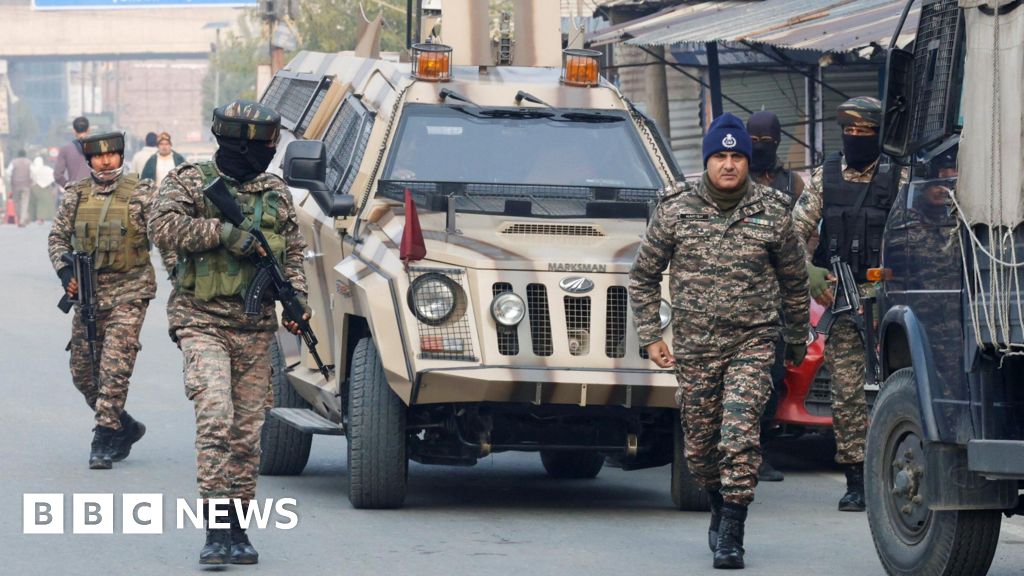
Nine Dead in Mishap at Kashmir Police Station—Authorities Confirm

Tragedy at Nowgam Police Station Sparks Broader Concerns in Indian-Administered Kashmir

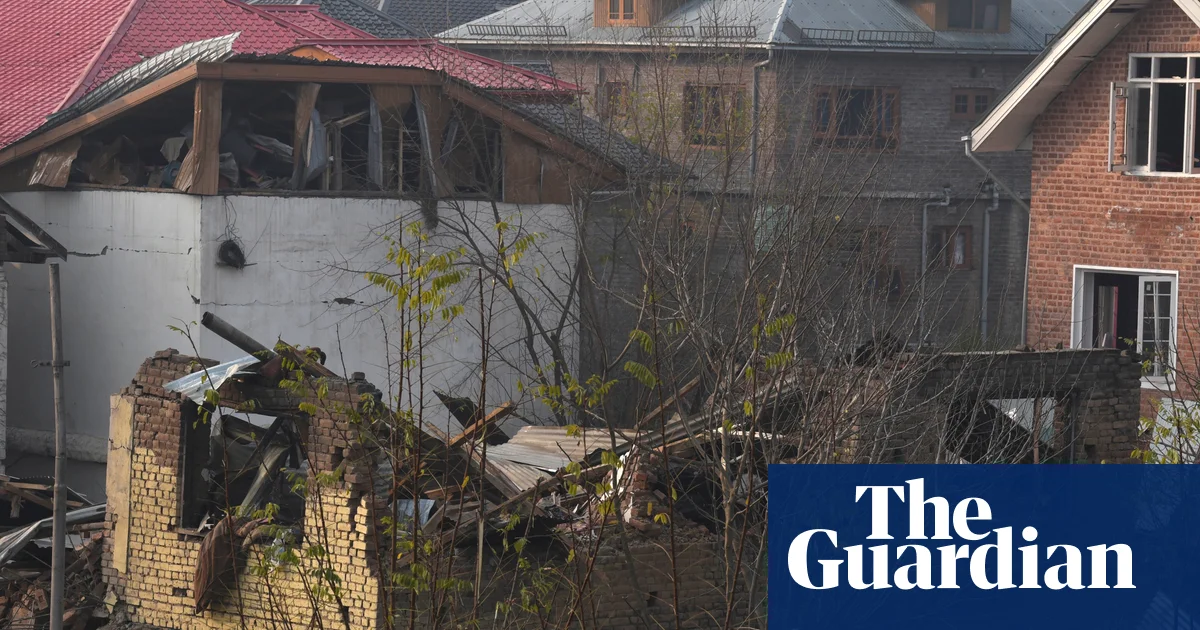
The recent explosive accident at the Nowgam police station in Indian-administered Kashmir has sent shockwaves through a region already steeped in complex, often violent, geopolitical tensions. Official reports confirm that nine lives were lost and 32 others injured after a stockpile of confiscated explosives detonated during handling. Authorities insist this was a tragic accident, not a terrorist act—yet the incident underscores how fragile peace remains in this highly contested territory. The region, long a flashpoint between India and local independence aspirations, often bears the brunt of violence, and this latest mishap adds yet another layer to the ongoing chaos that analysts warn could escalate if not carefully managed.

The explosion’s timing closely follows a recent deadly terror incident in Delhi, where a car blast claimed multiple lives. Such events highlight a disturbing pattern: a region where clandestine conflicts, terrorism, and political unrest intermingle with tragic regularity. The Indian government, under the scrutiny of international organizations like the United Nations and global watchdogs, continues to grapple with balancing security and civil liberties. Experts like Indian historian Dr. Ranjit Verma emphasize that these incidents—whether accidents or acts of violence—are deeply interconnected with the unresolved tensions over the region’s future and sovereignty. Governments and analysts must acknowledge that the more unstable the status quo, the greater the risk of this volatile situation spilling into broader regional conflicts.

The geopolitical impact of these incidents extends beyond Kashmir’s borders, resonating with neighboring countries and global powers. China, with its own interests and territorial claims concerning India and neighboring Pakistan, watches these developments with concern. Meanwhile, Pakistan continues to accuse Delhi of escalating military presence and oppressive policies in Kashmir—factors that significantly contribute to regional instability. The incident at Nowgam serves as a stark reminder of the dangerous heat generated by unresolved territorial disputes, nuclear-armed nations, and extremist factions vying for influence. The international community, especially organizations like the United Nations, faces mounting pressure to facilitate dialogue, but historical skepticism remains. Past failures to broker lasting peace reveal how deeply entrenched these conflicts are and how quickly accidents can spiral into broader crises.

As the dust settles on the Nowgam explosion, the larger narrative of history continues to unfold—one driven by decisions that ripple across nations and societies. The handling of this tragedy will be a crucial test for Indian authorities and international mediators alike. The stakes are high; an escalation in violence could threaten regional stability and undermine decades of diplomatic efforts aimed at peace. As analysts warn, “if miscalculations persist, it could open a new chapter of relentless cycle of violence and mistrust.” In the shadows of this tragedy, the future of Kashmir hangs in the balance, a stark reflection of unresolved conflicts that remain painfully unresolved, yet continue to define the geopolitical landscape of South Asia. The pages of history are turning, and the world watches, knowing full well that in this silent yet deadly arena, the next blow could find echoes far beyond these mountains — forever shifting the course of nations.

Sony Developing ‘Labubu’ Toy Movie: A Promising Beginning for a New Franchise

In an era defined by rapid technological advancement and cultural shifts, the story of Labubu—the viral plush toy turned potential cinematic franchise—illustrates a profound truth about our society’s evolving relationship with culture, commodification, and identity. Historically, culture has served as the bedrock of society’s self-understanding, a mirror reflecting collective memories and a compass guiding future aspirations. Today, however, the lines between art, commerce, and social identity blur more than ever, with the entertainment industry reshaping itself into a producer of brands and icons that seep into the very fabric of youth culture. Labubu—initially conceived as a whimsical monster figurine inspired by European fairy tales—evolved into a societal phenomenon rooted in social media, celebrity endorsement, and a desire for unique forms of personal expression. This mirrors the cultural shifts outlined by Ortega y Gasset, who argued that culture is not merely a relic of the past but a living, breathing consciousness that must adapt to new social realities.

What makes this phenomenon so compelling is not just the toy’s evolution into an object of high fashion or celebrity allure but the underlying mechanism of cultural reinforcement. The plush doll’s rise underscores the importance of tradition and memory in shaping society’s identity, even as that identity becomes increasingly commercialized. As Chesterton once observed, “The modern world is full of idols—idols which are scared — but most of all the idol of the consumer’s taste,” pointing to how modern culture often elevates superficial novelty over enduring values. Labubu, with its roots in Nordic fairy tales, symbolizes a form of ancient mythic storytelling dressed in the garb of contemporary branding, transforming from a simple collectible into a social currency—an emblem of belonging and status for a new generation of followers. Its appeal is emblematic of society’s innate quest for meaning in the ephemeral, permanence in the transient.

Furthermore, the commercial transformation of toys into film franchises exemplifies an inversion of the traditional artistic process. Historically, films inspired toys; now, we witness the reverse, where merchandise driven franchises become the roots from which cinematic stories grow. The blockbuster success of Barbie at the global box office—grossing over $1 billion in 2023—heralded a new chapter in Hollywood, one where toy brands like Mattel are pitching multiple ideas for cinematic universes rooted in their iconic products. Such developments demonstrate how the boundaries between cultural production and commercialism are eroding, leading to a cultural landscape where the personal and the branded merge seamlessly. It’s not merely entertainment; it’s a new mythology, a collective dream forged in the crucible of consumer desire. As Tocqueville warned, liberty and identity flourish when rooted in tradition—but when brands become the new symbols of belonging, we risk losing sight of the deeper currents that give culture its meaning.

In this landscape, the relevance of culture as a vessel of societal memory and prophetic vision becomes even more vital. The rise of Labubu and similar phenomena serve as poignant reminders that culture is both the repository of our shared stories and the blueprint of our future aspirations. As poets like T.S. Eliot suggested, tradition is no mere dead weight but a guiding force; it is both memory and prophecy—a dialogue between what we carry and what we seek to become. Consequently, in the age of rapid commodification, to understand and cherish culture is to recognize its power to forge identities rooted in history yet stretching toward eternity. It is through this sacred tension—between memory and prophecy—that humanity’s enduring story continues, whispering the promise that beneath the shifting sands of popular trends, the true soul of society remains bound to its roots, awaiting renewal in the fertile soil of collective memory.

Former PM warns: AI and English media threaten Icelandic future

The threat to Icelandic language sovereignty has recently been highlighted by Iceland’s former Prime Minister Katrín Jakobsdóttir. In a striking warning, she articulated concerns that the rapid rise of artificial intelligence (AI) and the dominance of English media could result in the wipeout of Icelandic within a single generation. This crisis underscores a broader geopolitical impact where cultural hegemony driven by digital globalization poses an existential threat to the world’s less-used languages. With only about 350,000 speakers, Icelandic is not just a linguistic asset but a repository of centuries of human thought and cultural heritage, an attribute that many analysts argue is essential for national identity and societal resilience.

Jakobsdóttir’s concerns echo a pattern witnessed throughout history, where dominant powers have historically absorbed or suppressed local languages and cultures—most notably during Iceland’s colonial period under Danish rule. “We have seen that before here in Iceland,” she pointed out, referencing how Danish influence nearly altered the language. However, she advocates for a proactive approach, emphasizing that the fate of a nation can be decided by how it preserves and promotes its unique language. International organizations, such as UNESCO, have long recognized this issue, warning that the erosion of linguistic diversity is closely tied to the marginalization of cultural diversity and human knowledge. Iceland’s recent efforts, including the partnership with Anthropic for a nationwide AI education pilot, represent a strategic pivot aimed at ensuring the digital age does not essentially erase or distort the Icelandic linguistic heritage.

The core challenge lies in how AI models are trained. Critics—both within and outside Iceland—highlight that language models often lean heavily on English and other dominant languages, inadvertently marginalizing smaller linguistic communities. Ragnar Jónasson, Jakobsdóttir’s co-author and a renowned Icelandic author, warned that we are just a generation away from losing this language entirely due to the pervasive influence of online platforms where English reigns supreme. He emphasizes that young Icelanders are increasingly conversing in English and consuming media primarily in that language. Such trends threaten to turn Icelandic into a relic, a phenomenon not unfamiliar in regions where language shifts occurred post-colonization or under global cultural influence. According to historians like Guðmundur Hálfdánarson, without deliberate preservation efforts, this linguistic shift could accelerate swiftly, mirroring events during the Danish rule.

These developments carry profound geopolitical implications. As nations grapple with digital transformation, the question arises: should states invest in unilateral measures to safeguard their native languages, or will they succumb to the inevitable tide of globalization? Jakobsdóttir’s perspective suggests that the preservation of language entails defending the very way a nation thinks and perceives itself. Her concern is that losing Icelandic would not only mean losing words but would threaten the collective identity. The debate echoes global tensions where cultural sovereignty is increasingly threatened by technological and economic forces aligned with Western dominance. In this unfolding story of Earth’s diverse civilizations, Iceland’s fight encapsulates a larger struggle—a battle to retain not just words but the stories, identities, and ideologies that have shaped nations for centuries. As history continues to unfold, the question remains whether the preservation of language will become a symbolic act or a catalyst for a broader movement against cultural erasure, leaving humanity to ponder whether the uniqueness of every tongue can withstand the onslaught of relentless digital globalization.

China-Japan Tensions Rise Over Taiwan: What Youth Should Watch

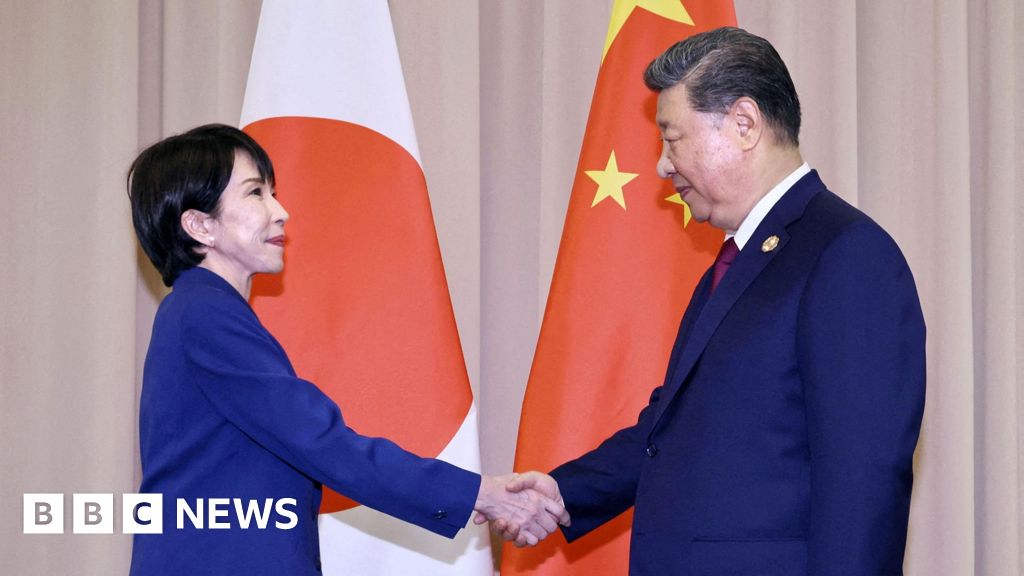
In an era defined by shifting alliances and rising assertiveness among global powers, Japan and China have entered a dangerous phase of diplomatic clash, with significant geopolitical impact that reverberates well beyond their mutual borders. This week, tensions escalated dramatically after Japanese Prime Minister Sanae Takaichi made remarks about Japan’s possible response to a hypothetical Chinese attack on Taiwan, prompting a fierce rebuke from Beijing. China has since urged its citizens not to travel to Japan and has summoned Japan’s ambassador in Beijing, signaling a deliberate escalation designed to intimidate and deter what China perceives as provocations that threaten its core national interests.

The incident reveals a broader struggle rooted in longstanding animosities, dating back to conflicts in the 19th century and the scars of Japan’s brutal wartime aggression in China during World War II. Historians and international analysts warn that such historical grievances continue to fuel suspicion and hostility, complicating efforts toward détente. The specific trigger, however, lies in Prime Minister Takaichi’s assertion that Japan could deploy its self-defense forces if China attacked Taiwan—an explicit departure from Japan’s long-standing policy of “strategic ambiguity.” This policy has kept the region relatively stable by avoiding overt commitments that could provoke China—a strategy that Washington and Tokyo have upheld to prevent triggers of larger conflict. Yet Takaichi’s hawkish stance aligns with Japan’s recent shift toward increased defense spending, a move seen by many as a response to China’s growing military assertiveness and regional ambitions.

What happened? A timeline

  • The current tensions originated during a Japanese parliamentary debate when Takaichi responded to a question about what circumstances regarding Taiwan could threaten Japan’s survival.
  • She stated that “battleships and the use of force” could trigger Japan’s self-defense protocols, a statement that China labeled “egregious” and “highly inappropriate.”
  • Tokyo promptly lodged protests against Beijing, which responded with its own diplomatic protests and warnings, including a warning from China’s foreign ministry that Japan was “playing with fire” and risking severe consequences.
  • Meanwhile, Takaichi refused to retract her remarks, remaining steadfast in her position that Japan’s stance on Taiwan has not changed, despite the diplomatic fallout.
  • In the aftermath, Beijing’s foreign ministry reiterated that Taiwan is “China’s Taiwan,” directly accusing Japan of interfering in what Beijing views as its inner affairs. China’s Vice Foreign Minister Sun Weidong summoned Japan’s ambassador, warning of “extreme consequences” should tensions escalate further.

International organizations and defense analysts warn that these exchanges symbolize a potential escalation toward a broader confrontation that could destabilize the Indo-Pacific region. The United States, meanwhile, maintains a policy of deliberate ambiguity regarding Taiwan’s defense, while strengthening ties with Japan—its closest Asian ally. The U.S. position remains cautious, yet publicly ambiguous, designed to deter China from considering military action. This delicate balance of power underscores the importance of regional security frameworks, yet also reveals their fragility in times of rising nationalism and strategic competitions.

Most worrisome is the influence of historic grievances and the rise of hawkish leaders like Takaichi, who advocates for closer military cooperation with the United States and rejects Japan’s traditional restraint on military engagement. Analysts warn that such bold policies increase the risk of miscalculation, especially as China refocuses its military doctrine on reunification with Taiwan by any means necessary. As tensions simmer, the region approaches a critical juncture, where historical scars are reopening and alliances are being tested in the crucible of modern geopolitics. The prevailing question remains—will diplomacy prevail or will the shadows of history ignite a conflict that could reshape the world order?

In the unfolding pages of history, the ink is still wet, and the future remains unwritten. The world watches as Asia’s giants inch closer to a crisis that could ignite the entire global stage, forcing nations and societies into decisions that may echo for generations. As the echoes of past atrocities and betrayals reverberate across the ocean, humanity stands on the brink of an uncertain tomorrow—hope fighting to survive amidst the specter of renewed war.

Burned Out? Physics Helped Me Heal and Move Forward — Zahaan Bharmal

The Unseen Turmoil: How Social Chaos and Overwork Shape Our Families and Communities

In a society increasingly driven by the pursuit of productivity, we often overlook the *fundamental vulnerabilities* that lie beneath the surface of our daily lives. Drawing from principles of physics, **sociologists and social commentators** warn us that our social and economic systems are *chaotic* and susceptible to sudden breakdowns — much like the unpredictable behavior of complex planetary systems described by the **three-body problem**. These systems are governed by cause and effect, but tiny shifts in conditions can trigger disproportionately large consequences. Such unpredictability manifests widely, from financial markets collapsing unexpectedly to communities destabilized by unforeseen crises. It is essential to recognize that **the stability of our society hinges on maintaining enough slack**—or *surge capacity*—within our institutions and families to absorb shocks without spiraling into chaos.

Families and communities bear the brunt of these systemic instabilities. As economic turbulences ripple through the social fabric, they influence how families function and how children are raised. **Educational institutions**, designed to nurture resilience, are often caught between funding shortages and increasing demand. The absence of *buffer zones* in education reflects wider societal neglect of robustness; schools operate at *full capacity*, leaving little room for unexpected disruptions. Meanwhile, **families** are caught in the crossfire—struggling to balance work, childcare, and emotional well-being. The **mental health crisis** underscores this fragility, with a recent report revealing that 91% of UK adults experienced high stress, particularly among the youth. Such pressures threaten the well-being of future generations, threatening the very foundation of societal stability.

**The cultural shift toward relentless overwork** compounds these struggles. Driven by an economy that celebrates productivity above all, young workers are pushed to operate at 100% capacity, often without regard for *necessary recovery periods*. As **historians** and **social analysts** point out, this obsession with overachievement amplifies the risk of burnout—a sudden “phase transition” in individual resilience where accumulated stress reaches a tipping point. The *pressure* to work unpaid overtime or on weekends, alongside a broader societal valorization of exhaustion, has created a feedback loop that overlooks **the importance of recovery and slack**. Our current system treats burnout as a personal failing, rather than an inevitable consequence of a flawed design—highlighting a fundamental misjudgment about human and social resilience.

Understanding that **robustness necessitates inefficiency** is vital, especially when policy reforms aim to create sustainable futures. It is *imperative* that **institutions and individuals** recognize the importance of leaving space for the unexpected — whether in work or community life. Building *surge capacity* and *emphasizing recovery* can help prevent the shockwaves that threaten to rupture society’s delicate fabric. As the **author Zahaan Bharmal** advocates, true resilience is not about relentless force but about **knowing when to ease off**, acknowledging that *slack is strength* and essential for enduring turbulent times. Society must shift from a relentless pursuit of productivity to one that values **balance, flexibility, and human-centered resilience**—for it is in these moments of intentional slowdown that hope for renewal lies. The future calls for a collective awakening, a recognition that **our greatest strength is the capacity to adapt and recover**, and that society’s true power resides in our ability to build systems that thrive not just on efficiency, but on *resilient sustainability*. In embracing this truth, we may yet turn the chaos into clarity, forging communities capable of weathering any storm with dignity and hope.

Explosive stash inside Kashmir police station detonates, killing nine—authorities scramble to contain chaos

Explosive Tensions Rise in India-Controlled Kashmir

The recent deadly blast at a police station in Kashmir‘s main city, Srinagar, underscores the fragile security situation in this disputed region. The explosion, which claimed at least nine lives—primarily police and forensic officials—and injured 32 others, has sent shockwaves through international geopolitical circles. As authorities initially framed the incident as an accidental explosion during forensic sampling, its timing amid ongoing counter-militant operations raises significant questions about underlying tensions and the prevailing atmosphere of instability.

Recent Events and International Reactions

  • The blast followed a series of high-profile British Indian and other foreign nationals’ arrests in Faridabad, revealing efforts to dismantle a suspected militant cell reportedly involved in planning or executing terror activities across India. Authorities seized large quantities of bomb-making material, signaling a potentially dangerous escalation in the region’s militant activity. This operation, coupled with the dismantling of the cell, fuels fears of increased violence, primarily aimed at destabilizing Indian-controlled Kashmir.
  • Just days prior, India experienced a deadly car explosion near the historic Red Fort in New Delhi, which the government swiftly labeled a “heinous terror incident” perpetrated by “anti-national forces.” This chain of violent episodes exemplifies the ongoing security challenges that threaten regional stability and complicate diplomatic efforts in resolving the Kashmir conflict. International analysts, including those from the United Nations and various think tanks, warn that such violence could escalate further if political solutions are not prioritized over brute-force operations.
  • Meanwhile, Pakistan has issued cautious statements, condemning violence on both sides while refusing to comment directly on India’s internal security measures. This strategic ambiguity maintains the status quo, but international observers argue that this delicate balance risks unraveling if violence continues unabated — especially with both nations wielding nuclear arsenals amid rising nationalist sentiments.

Geopolitical Impact and Future Implications

The geopolitical impact of these events reaches beyond South Asia. India‘s resolve to fight militant threats within Kashmir aligns with its broader goal to project strength and maintain sovereignty over the region. However, critics argue that excessive force and controversial security practices may only deepen local resentment and provide ammunition for militant recruitment. International organizations, including the World Security Council, repeatedly emphasize the importance of diplomatic engagement and respect for human rights as vital components to sustainable peace.

Furthermore, the incident at Srinagar—initially dismissed as an accidental explosion—serves as a stark warning of how unresolved conflicts and clandestine militant networks can turn deadly without decisive political intervention. Historians such as Benedict Rogers warn that history shows violent flare-ups in Kashmir often serve as catalysts for wider regional destabilization, impacting neighboring Pakistan, China, and even drawing in external powers like the United States and Russia.

The unfolding scenario exemplifies how decisions made behind closed doors—whether in military raids, diplomatic negotiations, or international aid—vibrate through the social and political fabric of the region. As history continues to be written in blood and resilience, the weight of unresolved disputes, ideological clashes, and external interests threaten to plunge South Asia into persistent turmoil, with global consequences that echo far beyond the mountains and deserts of Kashmir.

Social Media Auto Publish Powered By : XYZScripts.com