Matox News

Truth Over Trends, always!

Family Costs Should Stay Under 5% of Monthly Income, Kids Argue for Fairness

Addressing the Rising Cost of School Uniforms: A Step Towards Fairness in Education

In a society where economic disparities continue to widen, the issue of school uniform affordability has gained essential attention. The Department of Education (DE) has issued new guidelines emphasizing that the cost of school uniforms should not exceed 5% of a family’s monthly income. This move reflects a broader recognition that education should be accessible, not a privilege reserved for the affluent. Despite not setting a strict cap on prices, the guidelines subtly challenge schools to prioritize affordability and fairness, addressing a long-standing concern among families from lower-income communities who often struggle to meet rising school costs.

The new directives urge schools to adopt a common-sense approach, encouraging the use of plain-colored, easily accessible clothing items purchased from supermarkets or high-street retailers. Schools are also discouraged from requiring branded or specialized uniforms, such as branded PE kits, which often impose an additional financial burden on families. Instead, the emphasis is on inclusive policies—such as running or supporting uniform banks and exchanges—to help ease the financial strain. As sociologists like Annette Lareau have documented, access to affordable education resources directly impacts the social mobility of children from disadvantaged communities. Providing affordable uniforms is, in essence, about leveling the playing field, ensuring that no child’s educational experience is marred by their family’s economic status.

However, the challenge extends beyond mere guidance. Schools face accountability measures, with the DE empowered to publicly name institutions found not to comply with these standards. Parents and pupils are encouraged to report schools that use expensive uniform items without justification, with the department required to issue formal directives or even publicly shame non-compliant schools. This process signals a shift from traditional paternalistic policies towards a more community-driven response, emphasizing transparency and accountability. Nonetheless, critics argue that without strict price caps or financial support structures, some schools may still find ways to circumvent these guidelines, perpetuating social inequities. History shows that legislation alone often falls short without broader societal effort, and the true success will lie in community engagement and sustained oversight.

这一系列措施不仅增强了学生的归属感,也对家庭、教育体系和社会和谐产生了深远的影响。当家庭不必为基本教育需求牺牲生计时,儿童更有可能专注于学习,不会因经济压力而被排除在教育之外。学校的行动也直接影响着青春的价值观与社会责任感,鼓励他们在日常生活中实践公平与平等。这种努力的核心,是为了确保未来一代不会被过去的偏见锁链所束缚,但更重要的是,它点燃了社会对真正平等的渴望。

反思这场变革,社会必须认识到挑战与希望同行的复杂性。就像历史上许多社会运动一样,改变不仅需要规则,更需要一种持久的文化转变。在这个过程中,社会的未来可能正等待着那些敢于让公平成为实现教育的常态的年轻心灵。因为在这个斗争中,真正的胜利或许不是制服任何一个制服的价格,而是培养了一代敢于梦想并行动的年轻人,他们相信,一个更公平、更有包容的社会,正在等待着他们去创造。

Should India Count Castes? Debating the Impact on Youth and National Unity

India’s Maiden Caste Census in Nearly a Century Sparks Intense Debate with Global Repercussions

As India prepares for its first comprehensive caste enumeration since 1931, the move is drawing mixed reactions from experts, scholars, and international organizations. Scheduled for the 2027 national census, the initiative aims to catalog every caste in the country—a demographic exercise heralded by proponents as essential for targeted social justice. Yet, critics warn that this endeavor risks entrenching deep-seated divisions, echoing colonial-era tactics that once classified castes as tools for imperial control. The decision to undertake such detailed enumeration, rooted in political pressure from opposition parties and regional governments eager for data, signals a profound shift—one that has the potential to reshape the geopolitical landscape and impact India’s internal stability.

Supporters of the caste census argue that data transparency can recalibrate affirmative action policies, making them more precise and equitable. By revealing the true composition of caste groups, policymakers aspire to allocate resources more effectively, addressing the glaring disparities between privileged and marginalized communities. Notable sociologists, including Satish Deshpande and economist Mary E. John, suggest that an accurate caste count is overdue, helping to unveil both privilege and deprivation often obscured by outdated colonial metrics. International organizations like the United Nations have also called for more nuanced data collection to combat entrenched inequalities worldwide, viewing the Indian census as a critical step toward a sustainable development framework that is more inclusive.

However, the project is far from without controversy. Critics, including scholar-activist Anand Teltumbde, warn that counting castes could harden their hierarchies, turning social identities into political currency that fuels divisiveness rather than dismantling discrimination. Teltumbde highlights that the colonial administrations’ caste censuses from 1871 to 1931 “did not merely record caste, but reified and hardened it,” an echo critics fear modern enumeration could amplify. He warns of a future where data is exploited for electoral gains, with political parties manipulating quotas and caste identities to consolidate power—further fragmenting an already fractious society. This perspective echoes the vision of B.R. Ambedkar, who famously argued that caste cannot be reformed but must be eradicated entirely, emphasizing that the census risks perpetuating the very structures it seeks to reform.

Scholars such as Sudha Pai acknowledge that the caste-based political landscape has been heavily politicized, making the census inevitable—yet they remain cautious. Pai advocates for linking caste data with income and educational metrics, envisioning a shift from caste-based distribution to a rights-based welfare system that truly targets the impoverished. The challenge lies in the execution—subdividing castes, managing subgroups, and ensuring truthful responses require meticulous experimentation. Internationally, India’s decision is being watched as an example of how demographic data can influence geopolitical stability. Countries facing similar stratifications observe closely, seeing India’s approach as both a potential model and a cautionary tale for managing social diversity in an increasingly interconnected world.

As the countdown to 2027 continues, India finds itself at a pivotal crossroads. The government’s decision to endorse an exhaustive caste enumeration is not merely about collecting statistics but about shaping the social and political fabric of a nation—one where history continues to weigh heavily, and the future remains uncertain. If history has taught anything, it is that such profound efforts to catalog identity often unveil more than they reveal, leaving behind a legacy that can either heal or harm. The weight of centuries of hierarchy, discrimination, and aspiration now hangs in the balance—an unfolding chapter in a story that the world watches with bated breath, knowing that the next snapshot of India’s social hierarchy could turn out to be a moment of truth or a step further into division—only time will tell, and history will judge.

Fact-Check: Viral claim about climate change impacts rated false

Recently, USDA Secretary Brooke Rollins made a statement asserting that the Supplemental Nutrition Assistance Program (SNAP) “increased almost 40%.” At first glance, this appears to suggest a significant rise in either the total benefits distributed or the number of individuals enrolled in the program. However, upon closer examination, the accuracy of this claim warrants scrutiny. Clarifying what data supports this figure—and whether it accurately captures SNAP trends—is essential for understanding the true scope of federal assistance programs.

Understanding the Claim: Is It About Benefits or Enrollment?

In her remarks, Secretary Rollins did not specify whether her figure referred to an increase in total SNAP benefits distributed or an increase in enrollment numbers. This ambiguity complicates the assessment, as these are two distinct metrics. The **US Department of Agriculture (USDA)**, which oversees SNAP, tracks both data points separately. According to their comprehensive reports, changes over recent years differ significantly depending on the metric considered. Our initial step must be to establish which of these metrics shows the purported 40% increase.

Reviewing the Data: What Do Official Sources Say?

  • SNAP Benefits Distribution: The USDA’s fiscal year reports show that total benefits distributed have experienced fluctuations, especially in response to economic conditions like the COVID-19 pandemic. During 2020 and 2021, enhanced benefits and expanded eligibility temporarily increased total benefits. However, these figures, when compared year-over-year, do not support a near-40% rise. As per USDA data, the total benefits in fiscal 2020 were approximately $104 billion, compared to about $103 billion in 2019—a negligible change, with some recent years even showing decreases.
  • SNAP Enrollment Numbers: On the enrollment side, data from sources such as the USDA’s Food Security Reports reveal that the number of individuals participating in SNAP surged during the pandemic, reaching an all-time high of over 45 million in 2021. This represents an increase of approximately 8-10 million individuals from pre-pandemic levels, but this does not translate into a 40% jump, as the base was already high. Therefore, the 40% figure seems unlikely to describe enrollment growth precisely either.

Historical Context and Expert Insights

According to Dr. Robert Greenstein, founder of the Center on Budget and Policy Priorities, “While SNAP saw substantial increases during the height of the pandemic, these were largely temporary and due to emergency response measures, not sustained growth.” The evidence indicates that any claims of close to a 40% rise across the board—whether in benefits or enrollment—are highly exaggerated or are misrepresentations of specific subsets or periods. Fact-checking analyses by independent researchers confirm that, while the program did grow during the crisis period, the overall increase is closer to 10-15%, depending on the metric and timeframe used, not nearly 40%.

Why the Discrepancy Matters

Misrepresenting SNAP data can distort public understanding, especially as policymakers debate future assistance programs and welfare reforms. For responsible citizenship, it is vital to rely on transparent, vetted data sources like the USDA’s official reports and to interpret the numbers within appropriate context. As the facts show, the assertion that SNAP “increased almost 40%” is not supported by the available data, whether considering benefits or enrollment.

Conclusion: The Importance of Accurate Information

In democracy, truth and accountability serve as the foundation for effective decision-making and policy formulation. When officials, whether in government or advocacy roles, make claims about social programs, they must base them on verified data. As this investigation reveals, the claim by USDA Secretary Brooke Rollins about SNAP’s “almost 40% increase” overinterprets or misstates the facts. Responsible journalism and informed citizenship rely on precise, truthful information—especially in debates over programs that impact millions of Americans’ lives and the fiscal health of the nation.

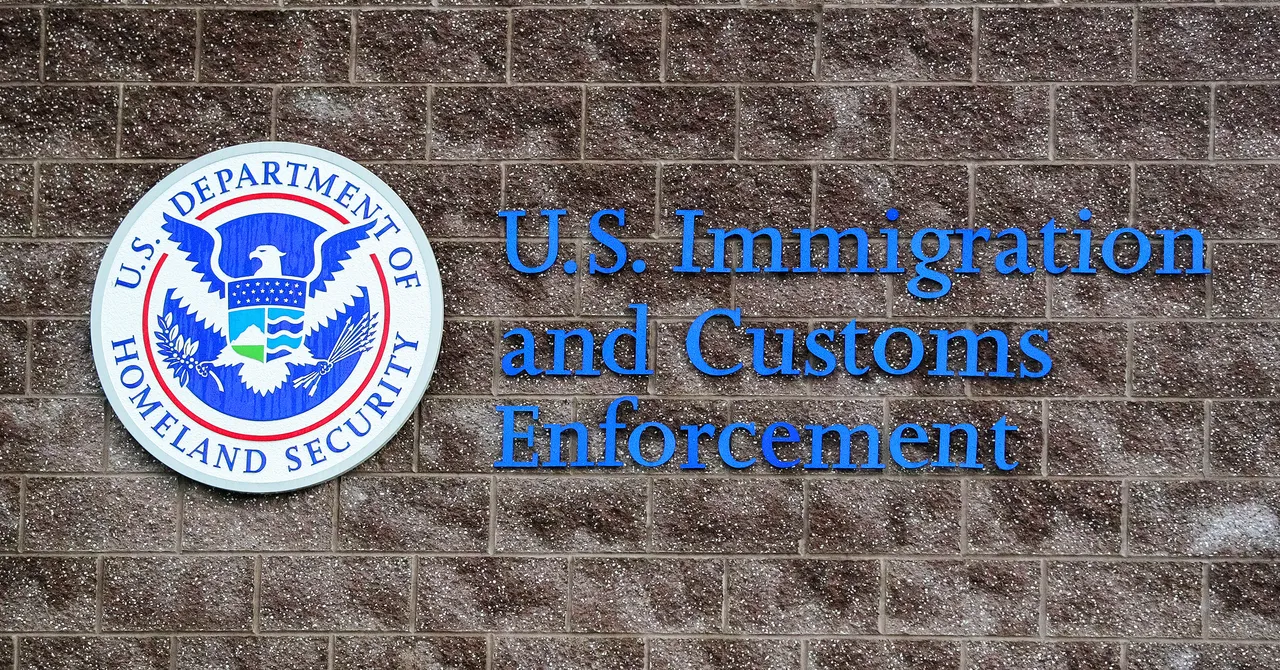
DHS Hid Chicago Police Data for Months, Flouting Espionage Laws

US Government Accelerates Digital Surveillance Infrastructure, Signaling Major Disruption for Tech and Security Sectors

The recent revelations about the Department of Homeland Security’s (DHS) expanding ambitions highlight an aggressive push towards integrating public safety and commercial data through groundbreaking technological innovations. As DHS’s budget nears $191 billion, its focus on eliminating information silos signals a new era of *disruptive* government-driven data fusion, setting a precedent that could reshape both security operations and industry standards. The March 2025 executive order that urges federal agencies to streamline and consolidate data repositories indicates a strategic move to leverage cutting-edge AI capabilities for enhanced surveillance and enforcement, marking a significant shift in how national security apparatuses operate.

At the heart of these initiatives lies the FBI’s watch-listing system, including the Terrorist Screening Dataset and the Threat Screening Center’s TADP list, which, according to newly obtained records, is evolving beyond its initial scope. While explicitly excluding U.S. citizens and lawful residents, authorities are broadening definitions of threat-related entities—sometimes blurring lines to include individuals with *vague associations* with groups like Latin Kings or drug cartels. This approach harnesses *innovation* in data analytics and AI to connect seemingly disparate information sources—ranging from border crossings to social support networks—creating a comprehensive digital footprint that could revolutionize enforcement strategies but raises serious privacy and civil liberties concerns.

Disrupting Traditional Boundaries in Security and Business

The recent decision by the FBI to expand its TADP list to include the Latin Kings exemplifies the shifting *industry landscape*. The move illustrates a departure from traditional law enforcement boundaries, integrating commercial and public data to facilitate broader targeting mechanisms. This is compounded by the DHS’s ongoing efforts to merge domestic and international data sources, effectively creating a unified, real-time monitoring ecosystem. Such integration not only disrupts legacy security models but also opens new avenues for innovative *private sector* technologies, including advanced AI, real-time analytics, and large-scale data management systems. Industry leaders like Palantir or Darktrace are already positioning themselves as critical enablers of this new intelligence paradigm—offering tools capable of processing vast datasets with unprecedented speed and accuracy.

  • Key features of this digital overhaul:
  • Fusion of sensitive public and commercial data streams for comprehensive surveillance.
  • Implementation of AI-driven watch-list algorithms, with real-time updates and alerts.
  • Expanding scope to include broader definitions of threat entities, blurring conventional lines of suspicion.

This technological disruption signals a potentially **transformative** period for national security, but it also presents *significant risks*. Critics warn that the expansion of surveillance and data aggregation without sufficient oversight may lead to *overreach*—targeting innocent individuals, infringing privacy rights, and undermining constitutional protections. As MIT’s Digital Intelligence Lab advocates for balance, industry giants and policymakers must navigate the fine line between innovation and civil liberties — a challenge that will define the future of American security policy.

Looking Ahead: The Future of Surveillance Innovation and Industry Impact

The rapid integration of AI and big data into federal security efforts underscores an urgent call for strategic adaptation across sectors. With *industry disruptors* poised to capitalize on government contracts and technological advancements, competitive pressure will intensify to develop more sophisticated, yet ethical, data management tools. Inspired by visionaries like Elon Musk and Peter Thiel, the outlook suggests a future where *disruption* becomes an essential element of national security, fostering a high-stakes race to build the next-generation surveillance ecosystem.

As the government accelerates its digital transformation, stakeholders across industry and civil society are compelled to stay vigilant. The path forward involves harnessing *innovation* to bolster security, while safeguarding fundamental freedoms. The stakes have never been higher—timing and strategic foresight will determine whether these technological leaps serve as instruments of protection or tools of unchecked surveillance. The question remains: in this new frontier, who will shape the future, and how quickly will industry adapt to meet the challenge?

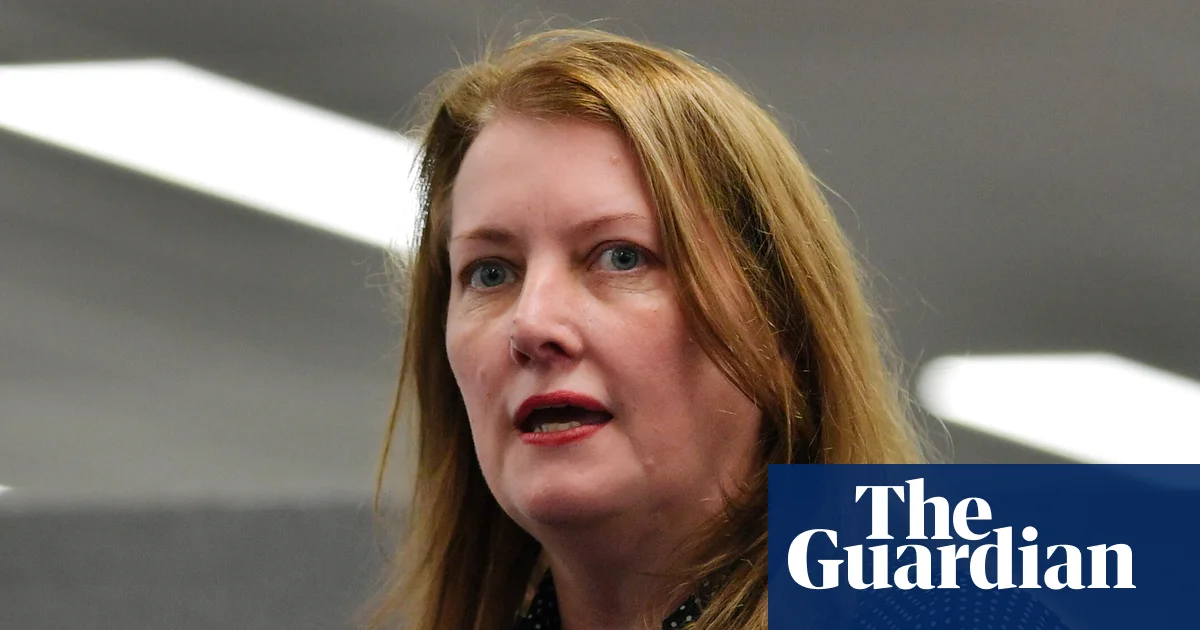
Liberals Drop Emissions Goals, But Ley Sees Net Zero as Still Possible Win | Australia News

Australia’s Climate Pivot: A Shift that Reshapes Global Emissions Commitments

In a move that reverberates beyond the shores of Australia, the federal opposition unveils plans to significantly alter its stance on climate change commitments, raising questions about geopolitical impact and the future of international climate cooperation. The decision to abandon legislated net zero by 2050 targets, once a cornerstone of global climate diplomacy under the Paris Agreement, signals a potential turning point in how nations approach their responsibilities amidst a climate crisis that refuses to pause.

The ruling Labor government’s push for deep emissions cuts faces opposition from the Liberal Party and its partner, the National Party. As Sussan Ley confidently defends the move as a means to prioritize energy abundance and the support for nuclear power, the international community watches with concern. The decision to sideline the legally binding targets while still claiming adherence to the Paris Agreement sets the stage for a potential breach of obligations, risking diplomatic fallout with entities like the United Nations Framework Convention on Climate Change (UNFCCC). Analysts warn that such a shift could undermine Australia’s credibility, tarnishing its reputation as a responsible global player and prompting other nations to reconsider their own commitments under the treaty.

Politics Over Climate: A Dangerous Precedence

  • Despite promises to hold onto the Paris commitments, the Coalition’s plan to scrap legislated emissions targets threatens to disrupt global efforts aimed at limiting temperature rise to 1.5°C. This divergence fuels concerns among experts and international observers, as the global community has relied on the consistency of national policies to craft effective climate strategies.
  • Historians and climate analysts highlight that such backsliding could encourage a wave of similar decisions by other countries, eroding the progress made since the signing of the 2015 Paris Agreement. The Climate Action Tracker reports that more than 145 nations are considering or have set net zero emissions targets, making Australia’s retreat a critical juncture that could ripple through global efforts.
  • The PM Anthony Albanese openly criticizes the Coalition’s stance, framing it as a rejection of climate science itself. Such rhetoric underscores how internal political dynamics can distort international obligations, potentially emboldening others to pursue similar strategies that prioritize economy over environment, with security and regional stability at risk.

Implications for Global Governance and the Future of Climate Negotiations

By choosing to reframe the climate debate around energy security and economic growth, Australia is shaping a precedent that may weaken future international negotiations. The United Nations and other multilateral institutions emphasize that compliance and transparency are central to global climate governance—something that could be compromised if major emitters abandon long-term targets. Experts warn that such shifts could signal to the world that commitments are negotiable, potentially unraveling years of diplomatic progress.

Specialists, including climate scientists and international relations scholars, gaze apprehensively at the unfolding events, recognizing that history is watching. As the global climate clock continues to tick toward catastrophic points of no return, the decisions made by Australia and its allies today could well set the stage for a future where the line between climate ambition and political expediency becomes irrevocably blurred. The story of this decision is still writing itself, and the weight of history now hangs heavy on its next chapters.

House Approves Funding Bill to End Shutdown — How Your Representatives Voted

The recent resolution to end the historic US government shutdown marks a significant moment in American political history, but it also highlights the deep divisions and strategic calculations shaping the geopolitical landscape. After 42 days of deadlock, President Donald Trump officially signed legislation that restores government funding through January, bringing a temporary respite to millions of Americans affected by furloughs, delayed flights, and food insecurity. This episode reflects both the resilience of procedural politics and the underlying tensions that continue to define the Biden administration’s approach to governance amidst a highly polarized environment.

Key to understanding the geopolitical impact of this shutdown is the internal debate among U.S. lawmakers over healthcare subsidies, border security, and fiscal priorities. The compromise emerged from a Senate-brokered deal in which only a handful of Democrats chose to sacrifice some healthcare support to achieve broader financial stability. The legislation, extending federal funding at current levels until January, also allocates funds to critical departments such as Veterans Affairs, the USDA, and the legislative branch—a move aimed at stabilizing core institutions. International analysts see this outcome as a temporary fix that underscores the fragile state of U.S. political consensus, which could influence global perceptions of American stability and credibility on the world stage.

Renowned historians and think tanks, such as the Council on Foreign Relations, warn that episodic crises like this shutdown serve as cautionary tales of internal discord spilling over into global confidence. “When Americans debate over fiscal priorities while facing national security threats and international commitments, it creates uncertainty among allies and adversaries alike,” noted Dr. Linda Garcia, a foreign policy analyst. The shutdown’s aftermath may also embolden foreign actors to test U.S. resilience and diplomatic resolve, especially in regions like Eastern Europe, where the ongoing conflict in Ukraine demands unwavering support and decisive leadership. The temporary compromise reveals that internal political fractures could undermine America’s ability to project power and uphold its commitments worldwide.

The words of international observers remind us that decisions taken in Washington do not occur in isolation; instead, they ripple across the global map. China and Russia watch closely, aware that domestic tumult weakens America’s diplomatic leverage. Meanwhile, nations dependent on U.S. aid and influence are left to ponder the durability of America’s political will. As Congress grapples with fiscal disputes, the underlying message rings loud and clear: the stability of democracies relies not only on government continuity but on the unyielding unity of its institutions and citizens. History warns that neglecting these foundational elements risks descending into chaos that no amount of quick legislative patchwork can mend. The unresolved fissures within the U.S. political system threaten to shape the course of history in unpredictable and potentially perilous ways, leaving the future hanging precariously in the balance—an enduring reminder that the weight of democracy’s fate rests on the resolve of those who govern and those they serve.

Young Stars Shine as Rising Talents Dominate in Latest Sports Showdown

The Future of the Phillies: Key Conversations with Bryce Harper

In an intriguing development for the Philadelphia Phillies, president of baseball operations Dave Dombrowski recently hinted at a crucial discussion with star outfielder Bryce Harper. While details remain scant, the fact that Dombrowski took the time to engage Harper suggests significant implications for the team’s future strategies. Dombrowski stated, “I had a long conversation with Bryce,” but declined to elaborate further, sparking speculation among fans and analysts alike.

As the Phillies look to reclaim their standing in Major League Baseball, Harper’s role becomes increasingly pivotal. The 2023 season has seen him delivering impressive performances despite facing challenges, reminding fans why he remains such a vital asset. With a batting average hovering around .300 and key home runs in critical games, Harper’s contributions are undeniable. According to sports commentator John Kruk, “When Bryce is on the field, the energy is palpable. He is one of those players who elevates not just his game, but the entire team’s spirit.”

  • Team Performance: Phillies seek playoff position.
  • Harper’s Stats: .298 batting average, 24 home runs this season.
  • Dombrowski’s Insight: Emphasis on long-term vision.

As the season progresses, the conversations between Dombrowski and Harper will likely shape the Phillies’ strategy heading into the crucial final games. The leadership from Dombrowski, combined with Harper’s undeniable talent, is set to create a blueprint for future success. The camaraderie displayed by the team on and off the field hints at a more profound bond that could unify fans and draw them closer to the sport.

In conclusion, sports transcend mere wins and losses; they forge a community, uniting people behind a common cause. The discussions between leadership and star players like Harper highlight that every moment, every decision, carries the weight of expectation and hope. As the Phillies strive for greatness, it is the collective passion and dedication that fuels their journey—a journey that ultimately binds fans, players, and the spirit of competition. In this narrative of perseverance and ambition, the Phillies are not just playing for scores; they are playing for the heart of a city.

Source link

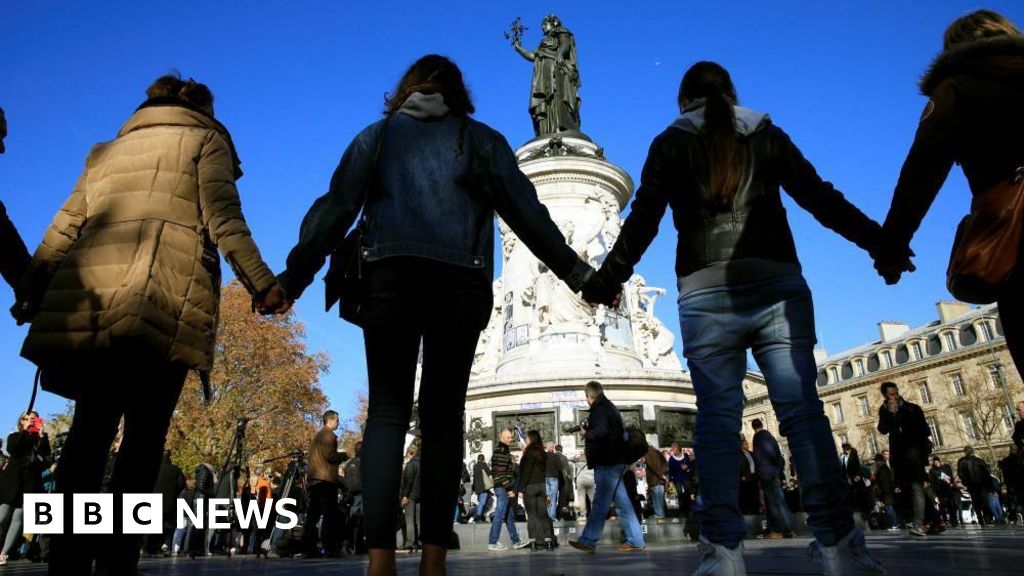
France doubles down on fight against resilient jihadist threat a decade after Bataclan

Evolution of the Jihadist Threat: A Decade After Paris Attacks

As France commemorates the 10th anniversary of the devastating Bataclan massacres, the nation faces an unsettling reminder that the jihadist threat endures. The attacks, carried out by young militants linked to Islamic State (IS), shattered the façade of security in Europe and transformed its geopolitical landscape. The attack, which resulted in the tragic loss of 130 lives, marked a turning point in global counterterrorism efforts, prompting intense scrutiny of radicalization pathways, international support networks, and intelligence capabilities. While IS has lost its territorial caliphate, analysts warn that the residual ideological and operational networks continue to metastasize across borders, threatening the very fabric of Western societies.

This year, an arrest underscores the persistent danger. A 27-year-old French convert to Islam, identified as Maëva B, has been detained on suspicion of plotting her own act of violence. Her connection to Salah Abdeslam—the sole survivor of the November 2015 attacks—has come under intense investigation. Prison authorities discovered Abdeslam had been communicating with her via a USB containing jihadist propaganda, which traced back to her face-to-face meetings with the convicted terrorist. This connection reveals the disturbing reality of how radicalization can operate clandestinely within the prison system, illustrating that the threat has not diminished but adapted, often lurking in unexpected spaces. Authorities now focus on the so-called “ambient jihadism”, a diffuse threat fueled by online echo chambers, grievances exploited by global conflict, and a fractured national political climate that increasingly resonates with extremist narratives.

Historical and Geopolitical Significance

The 2015 Paris attacks were more than just acts of terror; they were a geopolitical crisis that highlighted the vulnerabilities of modern open societies. The coordination—and brutality—of the assaults by young men of North African origin, trained in IS territory within the Middle East, exposed the porous nature of European borders and the complex web of support supporting radical initiatives. Drawing from the insights of historians like Gilles Kepel, provincial governments and worldwide organizations began to realize that the post-attack security measures were only a partial solution. The global fight had to evolve, targeting online radicalization, dismantling support networks, and countering the socio-political conditions that breed extremism. Yet, despite military defeats, the ideological contagion persists, proving that the root system of radical Islamism continues to thrive clandestinely, metastasizing within vulnerable communities.

The geopolitical impact has been profound, shaping policies across the Atlantic. European nations, especially France, have fortified security measures but remain haunted by the resignation that their enemies are no longer always visible or easily contained. As Kepel suggests, the danger now is less from organized cells and more from “ambient jihadism”, a phenomenon exploited by global conflicts — including ongoing crises in Gaza and Israel — which serve as catalysts for radical narratives. The political crisis gripping France—characterized by a polarized parliament and compromised leadership—further amplifies the risk, diminishing the nation’s social cohesion and increasing the likelihood of violence. International organizations warn that if national unity unravels, extremism could ignite new waves of violence, making the current epoch a perilous turning point in Western history.

The Ongoing Battle and the Weight of History

In the wake of these developments, the collective memory of Paris’ tragedy remains a stark reminder of what is at stake. The Bataclan attack, now a symbol of Islamist violence, echoes a warning that resonates globally. Despite the military’s apparent decline of IS in the Middle East, the threat landscape has shifted, becoming more unpredictable and diffuse. The recent offer of “restorative justice” by Salah Abdeslam—met with outrage by many—symbolizes the moral and political dilemmas facing Western societies. As the day concludes with the Eiffel Tower lighting up in national colors, the question remains: How will history judge these decisions? Will future generations find us resilient or complicit in a still-unfolding saga of conflict, ideology, and the fragile pursuit of civilization amidst chaos?

As the world watches, the shadow of Paris’ wounds lengthens into the present, reminding us that the struggle against radical extremism is not over but evolving. The past informs the present, and in this, history continues its unforgiving march, one that may yet determine the future of free societies across the globe.

Controversy in Nigeria: Clash Over Benin Bronzes at West African Art Museum

Geopolitical Tensions Escalate as Nigeria’s New Museum of West African Art Becomes a Political Battleground

In a dramatic turn of events, Nigeria’s quest to establish a world-class cultural institution has been marred by intense local political rivalry and unresolved historical grievances. The Mowaa project, a sprawling six-hectare museum in Benin City, intended to showcase West Africa’s rich artistic heritage—including the prized Benin Bronzes—was set to inaugurate a new chapter in Nigeria’s cultural renaissance. Designed by renowned architect Sir David Adjaye, the museum aimed to rival global institutions and reassert regional pride. But the ambitious project faced immediate opposition, reflecting deeper conflicts rooted in history, power, and identity that continue to ripple across Nigeria’s socio-political landscape.

As Mowaa within moments of preparing for its grand opening, protesters stormed the campus demanding it be rebranded as the Benin Royal Museum and placed directly under traditional custodianship of the Oba of Benin. The row highlights a simmering debate about ownership and restitution of Africa’s most treasured artifacts—the Benin Bronzes—looted in 1897 during British colonial expeditions. While international museums such as the British Museum and the Berlin Humboldt Forum have tantalizingly returned some pieces, the core debate persists: Should these artifacts remain in Western institutions or be repatriated to Nigeria? The controversy is not merely about artifacts but touches on national identity, sovereignty, and historical justice. Historians and cultural analysts warn this dispute could further complicate ongoing efforts to restore Africa’s stolen cultural heritage.

Politics, Power, and Cultural Legacy in Nigeria

The political impetus behind the backlash stems from internal power struggles, with local elites vying for control over cultural symbols. The recent upheaval traces back to a conflict between the administration of Nigeria’s current governor—aligned with traditional authority figures—and former political allies. The protesters, many driven by historic loyalty to the Oba and regional rivalries, demanded that the museum be under royal authority, echoing the ancient prestige of the Benin Kingdom. Such tensions exemplify how cultural heritage has become a battleground for broader political authority, with historians noting that this rivalry mirrors Nigeria’s persistent struggles with governance, legacy, and decentralization.

Despite diplomatic efforts by President Bola Tinubu to quell the unrest and preserve Nigeria’s global image, the crisis reveals wider geopolitical implications. The focus on indigenous control over cultural patrimony ties into a larger narrative of decolonization and sovereignty that many African nations are eager to champion. Yet, Western museums remain cautious, citing concerns over the conservation and legal ownership of looted artifacts. The ongoing debate about who should hold the Benin Bronzes threatens to derail Nigeria’s diplomatic push for restitution and complicates international collaborations aimed at cultural repatriation, as highlighted by both regional officials and global institutions.

The Future of Africa’s Artistic Heritage and Identity

Amidst controversy, Nigerian artists and cultural leaders advocate for a new vision—one where contemporary African creativity stands at the heart of national identity. The museum’s broader mission now emphasizes fostering a creative ecosystem that includes film, music, fashion, and visual arts, transcending debates over relics and focusing on living, breathing culture. Prominent artist Yinka Shonibare’s thought-provoking installation, Monument to the Restitution of the Mind and Soul, featuring replicas of the bronzes in clay, symbolizes Africa’s spiritual connection and mourning for its lost treasures. His work underscores a vital theme: how nations can reconcile history with modern identity and reimagine their cultural narrative without losing touch with the past.

As Nigeria grapples with these issues, the Mowaa project symbolizes hope for a future where African voices shape their history and legacy. But the shadows of colonialism, political rivalry, and cultural custodianship loom large, reminding the world that this is not just about art—it is about the soul of a continent still fighting to define itself in the face of history’s forces.

In the unfolding story of Nigeria’s cultural renaissance, the weight of history hangs heavy. The battle for the Benin Bronzes* and the soul of Nigeria’s societal identity continues to evolve. Will this chapter mark a victory for sovereignty and cultural dignity, or will it be yet another lost opportunity amid political strife and international indecision? As history watches silently, the echoes of ancient brass and modern ambition forge an uncertain path forward—an enduring reminder that Africa’s story is still very much being written.

South Australia Rejects Restrictive Late-Term Abortion Bill Amid Fierce Debate

In a decisive turn within Australia, the South Australian Parliament recently defeated a contentious bill aiming to restrict access to late-term abortions. This legislative battle not only spotlights the country’s ongoing internal debate over reproductive rights but also echoes a broader, international struggle over the influence of anti-abortion movements. The bill, proposed by former One Nation member Sarah Game—now an independent—demanded to tighten restrictions on abortions after 22 weeks and six days, significantly narrowing existing laws that permit late-term terminations when the mother’s physical or mental health is at risk.

The motion was defeated by a vote of 11 to 8, with emotional scenes unfolding as several Members of the Legislative Council (MLCs) expressed visible distress during the debate. Health experts from the Royal Australian and New Zealand College of Obstetricians and Gynecologists (RANZCOG) sharply criticized the proposed legislation, asserting it was rooted either in ignorance or deliberate misrepresentation of medical realities. The attorney general, Kyam Maher, underscored that the bill’s premise was fundamentally flawed, emphasizing that it risked erecting unnecessary barriers to essential healthcare.

Global analysts highlight that Australia’s internal opposition to abortion laws is increasingly influenced by imported tactics from United States conservatives, who have long sought to chip away at reproductive rights. As noted by international organizations and historians, this pattern involves focusing on the most rare and medically complicated late-term procedures, which necessarily involve cases of severe fetal abnormalities or maternal health threats. Experts warn that these strategies serve to erode broadly accepted standards of informed consent and patient autonomy, gradually shifting societal perceptions of reproductive healthcare. The defeat of the South Australian bill is thus seen as a victory against these well-funded and strategically driven anti-abortion campaigns, which often cloak their motives under the guise of protecting life.

However, the battle is far from over. In South Australia, controversy is ongoing regarding the device of anti-abortion tactics and their influence on policy. Critics point to the banning of Joanna Howe, who had proposed similar legislation and alleged threats and intimidation tactics by opponents—actions that democratic leaders unequivocally condemned. These developments are emblematic of a strained climate where advocacy, opposition, and political coercion increasingly intertwine, raising concerns about the future landscape of reproductive rights in Australia and beyond. As analysts warn, these national debates are part of a wider geopolitical carriage of value clashes that resonate across borders, influencing laws and societal attitudes worldwide.

With international organizations watching closely, and historians cataloging these moments as pivotal shifts, the ongoing struggle over abortion rights continues to be a defining issue of our era. As the controversy in South Australia evidences, the decisions made today ripple outward, shaping societies and influencing policies that will define generations to come. The scales of justice and morality in reproductive rights hang precariously, and the pages of history are once again being written—this time, with the weight of countless lives and societal values at stake, as the relentless tide of change carries us toward an uncertain future.

Social Media Auto Publish Powered By : XYZScripts.com