Matox News

Truth Over Trends, always!

Funko warns: Tough times ahead for the collectible legend—facing big challenges to stay afloat

Once the quintessential symbol of geek chic and pop culture fandom, Funko now finds itself at a crossroads, facing serious financial turbulence that raises questions about the sustainability of nostalgia-driven consumer trends. The company’s recent SEC filings, submitted on November 6, paint a sobering picture: mounting debt, declining sales, and a challenging retail landscape. Despite Funko’s immense popularity among today’s youth, its financial woes highlight a broader narrative about how shifting economic circumstances and global policies can threaten even the most iconic cultural phenomena.

Historically, Funko’s collectible confections—especially its Pop! Vinyls—became more than just toys; they transformed into symbols of identity, social influence, and shared belonging within a rapidly digitizing world. The company’s merchandise, which once soared in popularity, saw a notable decline in overall sales—down 14.3% domestically and 20.1% internationally in the third quarter. Yet, amidst this decline, some pockets of resilience remain. For instance, Funko reports strong sales of its Bitty POP! line and plans to expand its blind box offerings, capitalizing on the current trend of mystery collectibles that appeals to young consumers seeking unique, surprise-based experiences. Notably, Funko plans to be a key player in selling KPop Demon Hunters merchandise this holiday season—highlighting how cultural crossovers and niche fandoms continue to drive demand, even as overall sales slide.

The social relevance of Funko’s story extends beyond mere merchandise. It exemplifies how cultural icons become intertwined with identity formation and community building among youth. Influencers and sociologists alike have spotlighted the way collectibles serve as expressions of personal and social identity, bridging the gap between digital engagement and tangible nostalgia. However, as the company grapples with financial instability—exacerbated by ongoing U.S. tariffs, which are now even facing legal challenges before the Supreme Court—this fabric of cultural significance risks fraying. Retailers, facing economic pressures and a weakening economy, are scaling back or canceling restocks, further stoking uncertainty about what the future holds for this beloved brand.

  • The rise of collectibles as social currency: Brands like Funko encapsulate a moment where owning specific figures signals belonging in fandom communities and social status among youth.
  • Global trade policies impacting culture: The fallout from tariffs exemplifies how macroeconomic policies can threaten cultural staples, complicating the path for brands to sustain their influence.
  • Resilience in niche markets: Despite big-picture struggles, Funko’s focus on expanding its niche lines suggests a shift towards targeted consumer engagement rather than mass-market dominance.

As we watch these developments unfold, the lingering question remains: Will the decline of a cultural giant like Funko signal a shift away from collectible fandoms as a dominant youth trend, or will it simply evolve into a more resilient, localized, and digitally integrated phenomenon? The future of fandom, identity, and cultural expression might just depend on how brands and consumers adapt to these economic and social upheavals—an intriguing space to watch as the next chapter of pop culture history is written.

Which Democrats Fought to End the Shutdown? Find Out Who Stepped Up for Our Future

Shifting Political Alliances in Washington: A Glimpse Into the US Budget Deal

In a surprising turn of events, the United States Senate saw a rare display of bipartisan cooperation as seven Senate Democrats, alongside one independent, crossed the aisle to support a Republican-led deal aimed at **reopening the federal government**. This development breaks months of deadlock that had left millions of Americans in limbo, highlighting a nuanced dynamic in the nation’s political landscape. The deal, which garnered support from senators like Tim Kaine and Maggie Hassan, was justified by its backers as a pragmatic step towards stabilizing key government functions and addressing pressing social needs, including healthcare and economic security for federal workers and other vulnerable groups.

For many young Americans observing this political shift, the message is clear: the quest for effective governance often requires crossing traditional lines. Senators like Kaine, a known ally of Hillary Clinton and a Virginia native, emphasized their desire to safeguard federal employees and uphold essential services. His support was rooted in a commitment to protect workers and help fix what he described as “the healthcare mess” created by previous political failures. Similarly, senators such as Jeanne Shaheen and Catherine Cortez Masto cited their concern for their constituents—highlighting the immediate impact of government shutdowns on healthcare access, food security, and safety. Their votes reflect an understanding that *lasting solutions* are often born from collaboration*, even if it means moments of political compromise.

Understanding the rationale behind such bipartisan support involves looking at the broader context of wellness and community resilience. Health experts like Dr. Andrew Weil emphasize that personal well-being is intertwined with community stability. When government functions are disrupted, access to healthcare, social services, and economic opportunities suffers, impacting the health, safety, and morale of the nation’s youth. The deal’s supporters argue that securing back pay for federal workers and preventing layoffs contribute to restoring this vital equilibrium, underpinning a sense of **stability** necessary for individuals to thrive. The message is clear: sustaining a healthy society involves more than individual effort—it relies on a functioning government that supports the wellbeing of its citizens.

  • Seek out local community initiatives that promote wellness and economic resilience.
  • Support policies that foster mental and physical health for young families and students.
  • Engage with leaders who understand that social stability is key to personal growth and national progress.

As the debate continues and the dust begins to settle, these moments of bipartisan cooperation serve as a reminder that lifestyle and societal well-being are intertwined in ways that often defy traditional politics. The support for this budget deal symbolizes a step towards restoring faith in a government that works for its people. For young Americans, witnessing representatives willing to find common ground amidst ideological differences offers a lesson in patience, perseverance, and pragmatism. It signals that, despite the ongoing challenges, the path to a resilient and vibrant society is paved with collaboration and shared responsibility. As we navigate our personal journeys, perhaps the ultimate message is this: embracing unity in the face of adversity is the cornerstone of lasting progress.

Edo Youths Rally Against New West African Art Hub in Bold Protest

In a development that underscores the persistent tensions between cultural sovereignty and global prestige, Nigeria has faced a disruptive protest at its recently inaugurated Museum of West African Art (Mowaa) in Benin City. The museum, a $25 million (£19m) project designed by renowned British-Ghanaian architect David Adjaye, was intended as a hub for contemporary and historical West African art. However, its launch has been marred by unrest that highlights deeper undercurrents of cultural identity, national pride, and historical claims. Protesters, driven by feelings that the museum is a form of cultural hijacking, forced postponement of its opening and engaged in insulting foreign visitors, revealing underlying domestic discontent regarding cultural patrimony and governance.

This incident is not an isolated event but a strategic flashpoint within the broader dispute over ownership of the Benin Bronzes. These priceless artifacts, looted during British military incursions in the 19th century, have long symbolized colonial exploitation and the ongoing debate over rightful restitution. While the museum’s leadership clarified that they never claimed the Bronzes and focus primarily on modern and contemporary art, the controversy underscores the sensitive nature of cultural symbols in Nigeria’s national consciousness. As historians and analysts interpret these events, they emphasize how cultural controversies fuel *resentment and political leverage*, influencing Nigeria’s internal stability and its diplomatic posture on reparations and cultural sovereignty. The protests reflect a broader dangerous shift: from colonial legacy to sovereign identity, where control over cultural heritage becomes a vital aspect of national legitimacy.

The controversy extends into the realm of political influence and how decisions on cultural institutions impact societal unity. Critics argue that the museum’s development has been hijacked by political actors, with residents claiming that the project’s current trajectory sidesteps local traditions and authority. The Nigerian government, along with traditional rulers—particularly the Oba of Benin—has expressed dissatisfaction, viewing the museum as a symbol of erosion of their cultural authority. The museum’s independent and non-profit status, along with its broad regional scope, has sparked accusations of external interference and a neglect of Benin’s unique heritage. International organizations have weighed in, with some urging Nigeria to prioritize dialogue and respectful reconciliation, recognizing that these conflicts threaten not just cultural preservation but also regional stability. As one prominent analyst notes, “The battle over these artifacts and institutions is ultimately a struggle for national sovereignty.”

As the shadows of history stretch long over Nigeria’s future, the clash at Mowaa serves as a stark reminder of how cultural disputes are intertwined with geopolitics, colonial legacies, and national identity. The unrest signals a possible turning point—where the struggle for control over cultural symbols could either forge a stronger self-determined nation or deepen fissures that threaten regional stability. The weight of these unresolved conflicts hangs heavy, as history continues to unfold on the fragile stage of Nigeria’s evolving narrative—a testament to the fact that nations are often defined as much by their internal struggles as by their place in the international order, and that the outcome of this cultural war could reverberate far beyond Benin City. In the face of ongoing tension, the world remains watchful, knowing that history is at a crossroads—an uncertain path toward either reconciliation or further division.

Clashes in Nigeria’s northeast leave around 200 dead in violent terrorist skirmish

The ongoing insurgency in Nigeria has entered a new and dangerous chapter, with recent clashes between rival jihadist factions causing significant loss of life and further destabilizing the fragile region. Reports indicate that as many as 200 terrorists were killed in a fierce confrontation between Boko Haram and Islamic State West Africa Province (ISWAP) in the village of Dogon Chiku, situated along the shores of Lake Chad. This area—at the crossroads of Nigeria, Niger, Chad, and Cameroon—has long been a battleground for non-state actors vying for control over territory, influence, and economic resources.

Over the years, Lake Chad’s receding waters—having shrunk over 90% since the 1960s—have fundamentally altered the power dynamics in the region. As land routes and operational zones open up amid the shrinking shoreline, jihadist groups like Boko Haram and ISWAP are engaged in a relentless struggle for dominance. Analysts warn that this violent turf war isn’t just about local control; it reflects a broader competition for regional influence, with the potential to destabilize the Sahel and undermine fragile state institutions. The recent clash indicates a shift in the ongoing power struggle, with potentially the deadliest confrontation yet. Experts such as military analysts and international entities observe that ISWAP, once considered the more resourceful and organized faction, now faces serious setbacks amidst Boko Haram’s persistent efforts to maintain control of the Lake Chad basin.

  • The conflict has seen frequent raids and skirmishes, with the latest fighting reportedly resulting in one of the highest death tolls for ISWAP, including the loss of several boats used in the attack. The Nigerian vigilante Babakura Kolo confirmed that approximately 200 ISWAP terrorists were killed, highlighting the brutal nature of the engagement. Such clashes typify a brutal fight for territory where economic interests—such as taxing fishers, loggers, and herders—are intertwined with ideological and political motives.
  • It also signals an intensification of intra-jihadist rivalry, echoing broader trends observed by analysts and even some international organizations. The UN Environment Programme has documented how the environmental degradation of Lake Chad fuels conflicts, as the environmental crisis exacerbates scarcity, forcing groups into violent competition over diminishing resources.
  • Historically, these factions emerged from splits within Boko Haram, a group that, since the death of its founder Mohammed Yusuf in 2009, has inflicted immense suffering on Nigeria’s largely Muslim north-east, including the abduction of schoolgirls and attacks on civilian populations. The death of Abubakar Shekau, Boko Haram’s notorious leader, marked a turning point, but violence persists as factions continue to vie for influence. Recent operations, including Boko Haram’s raids on ISWAP bases, demonstrate the volatile state of affairs, with scores of fighters killed on both sides.

The geopolitical impact of this intra-jihadist struggle extends beyond Nigeria’s borders, echoing across the Sahel region and drawing concern from international actors. Governments and organizations warn that this chaos could serve as a catalyst for broader instability, fostering radicalization and inspiring other militant groups nearby. The United Nations, though primarily focused on humanitarian aid, recognizes that these conflicts threaten regional security and economic development. As countries grapple with the ramifications, the ongoing clashes serve as a stark reminder of how environmental decline, weak governance, and the appeal of extremist ideology converge to create a tinderbox that threatens to ignite a much larger conflagration. In this moment, history bears witness to the fierce struggle for control—one that could determine the trajectory of security and stability in Africa for decades to come.

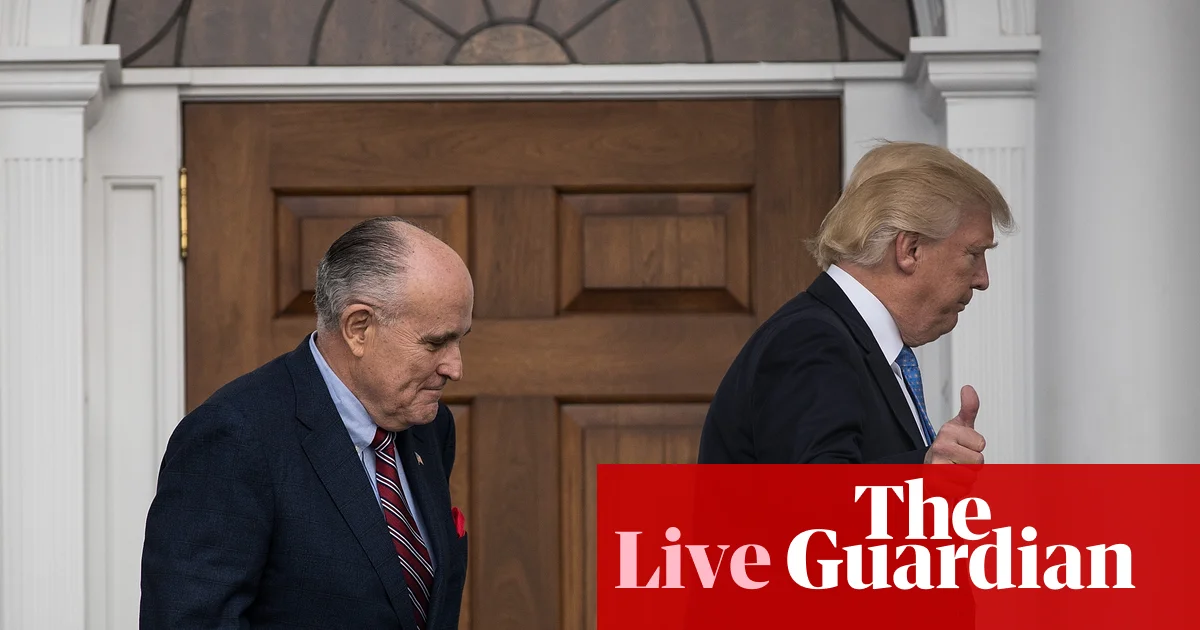
Trump clears Giuliani and allies charged with election interference — latest updates

In recent days, the international stage has witnessed a series of seismic events that underscore the shifting landscape of global power and domestic stability, particularly within the United States. The dramatic pardoning by Donald Trump of his allies linked to efforts to overturn the 2020 election has sent ripples across both U.S. politics and the broader geopolitical arena. The pardons, including high-profile figures such as Rudy Giuliani and Mark Meadows, are viewed by many analysts as a calculated move to reassert influence and weaken institutional accountability, challenging the notions of rule of law and sovereignty. While none of those pardoned faced federal charges, critics argue this controversial decision could usher in a precedent where future administrations find immunity from prosecution, thereby eroding the integrity of the American legal system and emboldening authoritarian tendencies.

Simultaneously, the domestic crisis has been compounded by ongoing government shutdowns— the longest in U.S. history—affecting hundreds of thousands of workers, with flights canceled en masse and essential services disrupted. According to top officials, the shutdown continues due to political gridlock between the Democratic and Republican senators, despite efforts to pass a stopgap measure that would fund the government only until January. This short-term funding, essentially a Band-Aid solution, underscores the deep divisions that threaten the fabric of American governance, with the specter of a prolonged stalemate looming large. Historians warn that such political discord contributes to a climate where societal trust diminishes and chaos undermines the national stability vital to global order.

On the international front, President Trump made headlines with a historic visit to the White House by Syrian President Ahmed al-Sharaa, marking the first such diplomatic engagement since Syria’s independence in 1946. This summit, cloaked in secrecy, signals a potential realignment of American foreign policy amid a broader reshuffling of alliances in the Middle East and beyond. While specifics of discussions remain under wraps, the unspoken message is clear: the U.S. aims to recalibrate its stance on Syria, employing a strategy that includes sanctions and high-stakes diplomatic negotiations. Such diplomatic shifts are likely to recalibrate regional power balances, influencing allies and adversaries alike, especially in an era when assertive national interests are reshaping traditional diplomacy.

Brazilian and Latin American geopolitics are also in flux, with U.S. military operations expanding their reach — striking alleged drug trafficking vessels and known narco-terrorist groups in international waters, according to Pentagon statements. Such actions demonstrate an increasingly assertive U.S. military posture aimed at combating illicit networks that threaten stability beyond American borders, directly impacting regional sovereignty and security frameworks. The use of extrajudicial measures, including lethal strikes, raises concerns among international legal experts about sovereignty and the potential for escalation that could destabilize entire transit routes linking South America and the broader Western Hemisphere. These actions highlight the United States’ willingness to operate unilaterally in the name of national security, often outside traditional legal boundaries—a move with profound geopolitical implications that ripple through international institutions and diplomatic norms.

The entire sequence of events unfolding in Washington and around the globe reveals a pivotal epoch in history—a period where decisions by a single nation threaten to reshape the international order, challenge the rule of law, and redefine the future of liberty and governance. As history continues to be written in the crucible of reckless diplomacy and domestic chaos, the world watches with bated breath, recognizing that these are not mere isolated incidents but the echoes of a larger clash for influence, sovereignty, and the soul of democracy itself.

Asus ProArt P16: The Fastest Windows Laptop for Young Creators

ProArt Creator Hub: A New Benchmark in High-Performance Laptops

Tech giant Asus has unveiled the latest in their premium lineup with the ProArt 16, a laptop that pushes the boundaries of innovation in creative computing. Engineered for digital creators, designers, and tech enthusiasts seeking unrivaled performance, this machine signals a disruptive shift in how portable workstations are designed and utilized. Packed with advanced features such as a multifunctional dial, preloaded software suites, and a robust AI integration, the ProArt 16 embodies the cutting edge of technology that aims to redefine productivity standards.

The centerpiece of its innovation lies in the hardware’s connective tissue: a seamlessly integrated control dial supporting functions like zoom, frame adjustments, and system tweaks—capabilities traditionally bound to larger editing setups. When paired with the ProArt Creator Hub software, users gain extensive customization, aligning hardware controls with bespoke workflows. This is reminiscent of the disruption seen in earlier industry shifts—think Apple’s introduction of the M1 chip—yet here, the focus squarely targets creative industries. The system’s preloaded software, including Nvidia Studio Suite, Asus StoryCube, and Asus MuseTree, not only enhances productivity but also maintains an ecosystem that fosters innovation without bottlenecks.

While the hardware underlying this device offers top-tier performance—bolstered further by discrete GPUs and advanced processing—it’s the business implications that truly stand out. Industry analysts from Gartner highlight that disruptive hardware like the ProArt 16 is poised to shift the competitive landscape among high-end workstations. Its integration of AI tools through Microsoft’s Copilot+ demonstrates a strategic move toward an AI-augmented creative process, accelerating workflows and enabling productivity gains that could upend traditional creative industries. However, the high price tag of around $3,500—placing it among premium systems such as the Apple MacBook Pro M4—may limit accessibility, but it underscores a fundamental market shift towards a new class of compute-intensive, portable devices.

It’s clear from industry perspectives and expert reviews that the ProArt 16 is more than just a high-performance machine; it embodies a vision of a future where innovation in hardware directly correlates with business disruption. As Peter Thiel has noted, “The next major technological wave will be driven by hardware that bridges the gap between traditional computing and AI integration.” The strategic positioning of Asus, targeting creative professionals with this device, signals a potential upheaval in how organizations view productivity tools—favoring powerful, customizable, AI-enabled platforms that serve as complete creative hubs. With the current pace of technological evolution, waiting to adopt such innovations could mean falling behind in a fiercely competitive market, making it all the more urgent to monitor how these flagship devices influence industry standards in the coming years.

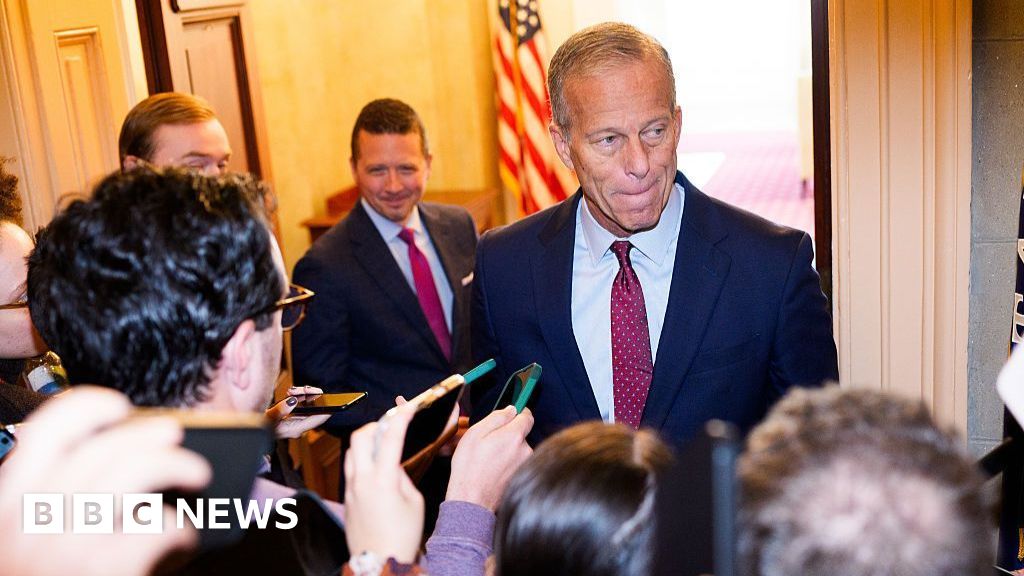
Senate Approves Deal to End Historic Govt Shutdown

Breaking News: US Government Shutdown Ends After Historic 40-Day Stalemate

The prolonged shutdown of the United States government — the longest in history — has finally come to a tentative close, signaling a potential shift in the country’s political landscape. After intense negotiations over the weekend, Senate Majority Leader John Thune and a coalition of senators from both sides reached an agreement to temporarily fund federal operations. This deal, receiving a narrow majority vote, is seen as the first tangible step toward resolving the impasse that has left roughly 1.4 million federal employees unpaid and critical services suspended since October 1. The impact on everyday Americans has been profound: essential food assistance, air travel safety, and other services have been hamstrung by partisan gridlock, exposing the fragility of America’s political system.

Despite broad bipartisan support for ending the deadlock, the deal has exposed deep divisions within the Democratic and Republican parties. The agreement, which requires further approval from the House of Representatives, includes crucial provisions such as a vote scheduled for December to extend healthcare subsidies—an issue fiercely contested by Democrats. Analysts warn that unresolved healthcare crises and mounting debt threaten to send the nation tumbling back into turmoil. High-profile Democrats, including Chuck Schumer, have publicly criticized the deal for lacking substantive measures to address the broader healthcare crisis gripping millions of Americans. Meanwhile, Republican leaders emphasize this as a victory for pragmatic governance but acknowledge that the fight over long-term solutions remains unresolved.

Geopolitical Impact and How Decisions Shape Societies

The resolution of the shutdown underscores a critical lesson for international observers: in an era of mounting global challenges—climate change, economic instability, and shifting alliances—the internal stability of a superpower like the US is paramount. Historians warn that continuous political deadlock weakens America’s ability to project influence abroad and undermines confidence in its leadership. According to analysis from the Council on Foreign Relations, unsettled domestic politics can embolden rivals such as China and Russia, threatening the global balance of power.

Furthermore, domestic decisions regarding budget and policy priorities ripple globally, shaping markets and geopolitics alike. As European nations and Asia-Pacific countries monitor Washington’s commitments, the possibility of recurring shutdowns casts a shadow over future diplomatic negotiations. The rise of multilaterals and bilateral agreements cannot compensate for the unpredictability emanating from Washington’s Capitol Hill—a lesson learned painfully by allies and adversaries alike. Some international analysts warn that a weakened US could leave vacuum spaces that rival powers are already positioning to fill.

The Road Ahead: From Short-Term Relief to Long-Term Stability

While today’s agreement halts the immediate crisis, the underlying issues remain unresolved. Seasoned political analysts suggest that the real fight begins now, with debates over long-term fiscal responsibility and healthcare reform looming large. The Debt Ceiling, the rising national debt, and the future of social programs pose fundamental questions that threaten to ignite the next political firestorm. The coming weeks will test whether bipartisan cooperation is merely a temporary lull or the start of genuine reform.

This chapter in American history may be closing, but the story remains far from over. As the world watches with bated breath, the unfolding saga of governance—filled with negotiations, betrayals, breakthroughs—continues to write itself in history’s bleak yet hopeful pages. The weight of what is to come rests now on the fragile bridges of compromise that lawmakers attempt to build, for the turbulent currents of change threaten to sweep away the landmarks of the past.

Rising Stars Shine: Young Athletes Make Waves in National Championships

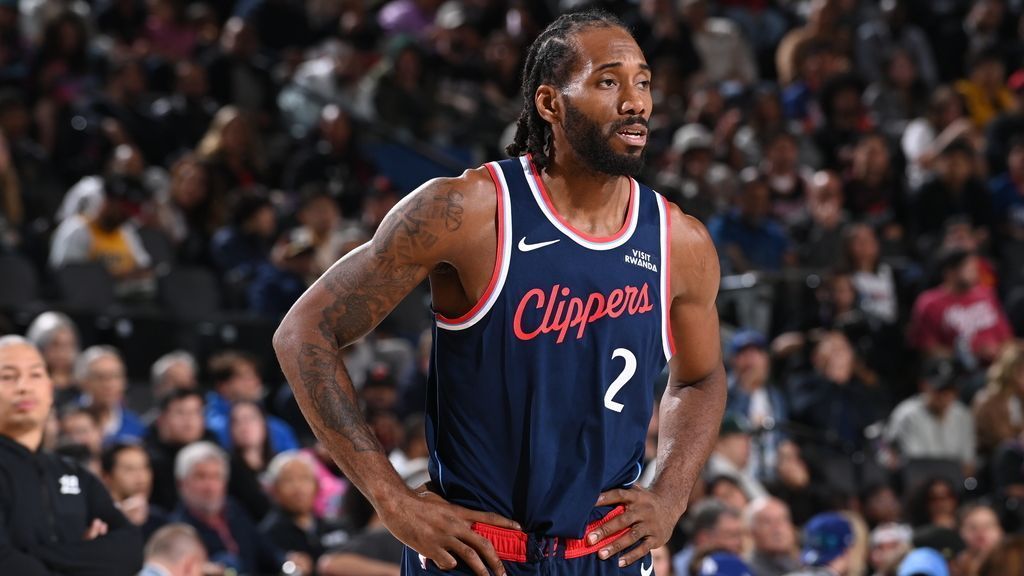
Kawhi Leonard’s Injury Update: What Lies Ahead for the Clippers

In a concerning turn of events for the Los Angeles Clippers, star forward Kawhi Leonard is set to miss “the next few games” due to a sprained ankle. This news, confirmed by head coach Tyronn Lue, raises questions about the team’s immediate trajectory in the highly competitive Western Conference. Fortunately, Coach Lue reassured fans during a press conference that the injury does not seem to be serious, igniting hope for Leonard’s swift return to the court.

Leonard has been a cornerstone for the Clippers, showcasing his exceptional skills and leadership on the court. The sprained ankle comes at a critical time in the season, as the Clippers are vying for a playoff position. According to sources, Leonard’s absence could affect the team’s offensive rotation, but the coaching staff is prepared to make adjustments. Coach Lue emphasized the need for other players to step up: “Our depth will be tested, but we have a strong roster ready to fill in.”

Key Takeaways from the Situation

  • Kawhi Leonard is expected to sit out for a handful of games.
  • Tyronn Lue remains optimistic about the injury’s severity.
  • Other players will need to elevate their games in Leonard’s absence.

The Clippers will now rely heavily on other stars like Paul George and emerging talents to keep their playoff hopes alive. As noted by commentators, the test will impact not only the players’ skills but also their mental fortitude. It’s a reminder that professional sports often hinge on resilience and adaptability—core qualities that define greatness.

As the NBA season unfolds, the spirit of competition pulses through every game. Injuries can present setbacks, but they also serve as opportunities for players to shine. While the scoreboard reflects the struggle for victories, it’s the unity and camaraderie forged through challenges that truly embody the essence of sports. The story of the Los Angeles Clippers and their pursuit of glory is just beginning, and whether on the bench or on the court, every player shares in the journey.

Source link

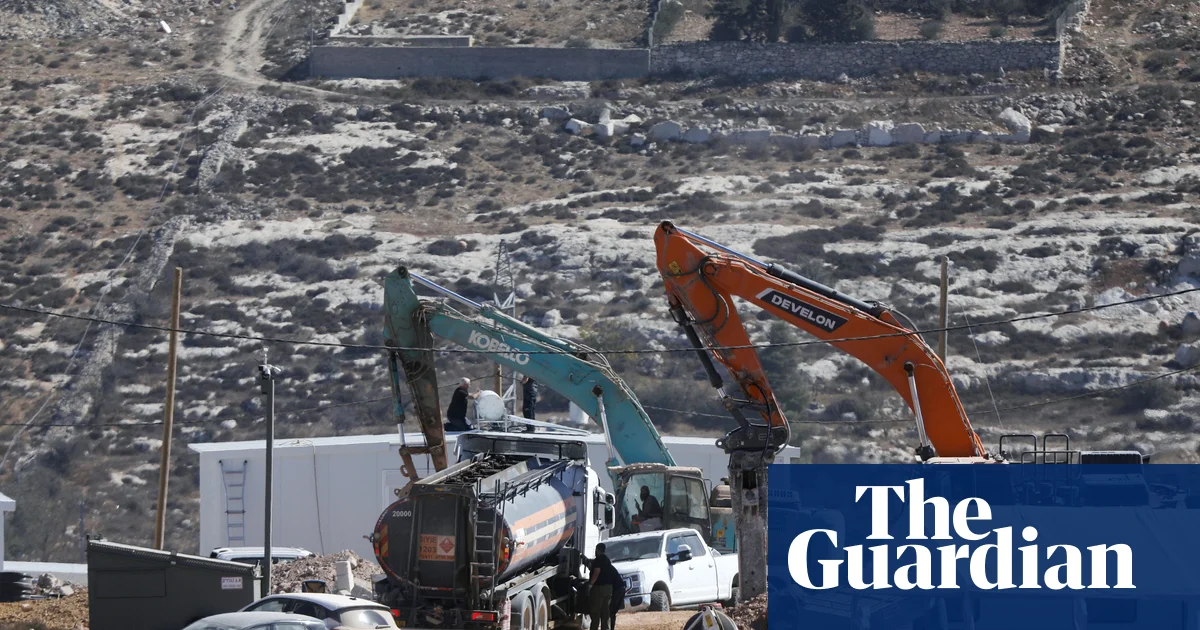
Netherlands pushes ahead with plan to block imports from illegal Israeli settlements

The European Union is witnessing a pivotal moment in its approach to the ongoing tensions in Palestine, as a coalition of European nations takes decisive steps to recalibrate their engagement with Israel. Historically a close ally of Tel Aviv, the EU now faces mounting pressure from its own member states—led by Netherlands—to implement targeted sanctions over the expansion of illegal settlements in the occupied West Bank. This shift signals a broader re-evaluation of European foreign policy, driven by the grim reality of escalating violence and a contentious debate over international law. The recent wave of legislative proposals and diplomatic actions underscores a deeper concern: how to balance economic interests with moral responsibility in a region teetering on the brink of irreversible conflict.

In May, the Netherlands, one of Israel’s most enduring European supporters, made a historic move by launching a comprehensive review of the EU-Israel association agreement. This agreement, which underpins tariff-free trade and Israel’s participation in key research programs like Horizon Europe, is now under threat as evidence mounts of violations of human rights obligations—highlighted by the International Court of Justice and numerous human rights organizations. Analysts from institutions such as the European Council on Foreign Relations warn that the EU’s leverage over Israel—representing approximately one-third of its global trade—has historically been underutilized. Now, with a push for sanctions including trade bans with settlement zones and restrictions on diplomatic functions, Europe may finally leverage its economic influence to deliver a political message: impunity for illegal occupation cannot continue unabated.

The growing internal dissent within Israel is also evident as the Knesset advances legislation that could effectively annex parts of the West Bank, in defiance of international consensus. Recent reports indicate an increase in attacks on Palestinian civilians—averaging eight daily incidents—including assaults on property, agriculture, and lives, with those percussive figures likely understated due to unreported cases. Israeli political factions demanding formal annexation, combined with aggressive settlement expansion, threaten the very viability of a peace process promised by international diplomacy. Such actions are raising fears among analysts that the two-state solution is slipping beyond reach, risking a permanent bifurcation that could destabilize the region for generations.

As global institutions and international lawmakers debate the future of Palestine, the geopolitical landscape is shifting. The European Union stands at a crossroads: sustain its historic commitments to dialogue and human rights, or wield its economic might to confront violations head-on.

  • The suspension of Israel’s access to Horizon Europe and potential sanctions on senior ministers embodies a new stance—one that emphasizes accountability.
  • Calls for total trade bans with settlement zones aim to send a clear, unwavering message—business as usual is over.

As diplomats and analysts grapple with the repercussions of these policies, the weight of history presses heavily upon the horizon. The decisions made today could reshape the geopolitics of the Middle East, determining whether peace can ever be achieved or whether the region plunges further into a cycle of conflict and unaccountable violence. In this fragile moment, the world watches, uncertain if diplomacy will prevail or if the weight of inaction will forge a future scarred by the echoes of unresolved conflict.

Para Dance Empowers Youth to Escape, Express, and Just Dance Through Life

In an age where the relentless march of modernity often threatens to erode tradition and collective identity, culture remains the vital vessel of our shared humanity. From the ancient rhythms echoing through mythic times to the contemporary expressions of dance and artistic innovation, culture embodies the subconscious of society—its memory, its values, and its very essence. As the historian Tocqueville once observed, democracy’s strength lies not just in political structures but in the moral and cultural fabric that unites its citizens. Today, the resurgence of inclusive and para dance initiatives highlights how culture continues to serve as a bridge—bringing together individuals regardless of their abilities, reinforcing community bonds, and celebrating resilience. It is at once a reminder of our collective heritage and a prophecy of our capacity to adapt and flourish, even in adversity.

Amidst these cultural currents, a profound recognition emerges: art is more than aesthetics; it is a declaration of identity. The story of Hannah, a teenage dancer in wheelchair, exemplifies the transformative power of movement as a form of self-expression and liberation. Her words—”being able to move to music and forget everything and just dance”—resonate with a deeper truth: that culture is an act of rebellion against the chaos of existence and a reaffirmation of life itself. The inclusive dance classes in Oxfordshire, founded by Lizzie Large and supported by spirited communities, echo the philosophical insight of G.K. Chesterton—who believed that true culture awakens the “childlike wonder” within us, reinstating the moral and spiritual vitality that modern society often neglects. These initiatives not only provide physical and mental liberation but serve as a reminder that our culture’s true strength lies in its ability to uplift the marginalized.

With the recent holding of the Para Dance IPC and World Ability Sports Para Dance Championships in Stevenage, a new chapter opens. Though para dance remains outside the spotlight of the Olympic and Paralympic games, the growing recognition of such competitions underscores an essential point: the evolution of culture mirrors humanity’s journey toward inclusion and excellence. As the philosopher Ortega y Gasset asserted, “The health of a civilization can be measured by its capacity to elevate everyone within it.” The medals won by Oxfordshire competitors symbolize more than athletic achievement—they serve as symbols of resilience, proof that culture, when embraced inclusively, can propel society toward a future that values all its citizens’ talents and spirits. If history teaches us anything, it is that culture’s true vocation is to be an anchor of identity and a compass guiding us toward harmony and understanding.

Ultimately, culture holds the mirror to our soul and the map to our destiny. It is both the memory of who we have been and the prophecy of who we are called to become. As the poet T.S. Eliot reflected, “This is the way the world ends—not with a bang but a whimper,”—yet within our cultural formations, there resides a quiet, persistent hope: a lament that awakens us and a promise that propels us. In every dance, every song, and every act of inclusion, we find the enduring testament that human identity is a tapestry woven with history’s threads and humanity’s dreams—an ongoing story, echoing in the footsteps of tradition and innovation alike, urging us to remember and to foresee, in the eternal dance of existence.

Social Media Auto Publish Powered By : XYZScripts.com