Matox News

Truth Over Trends, always!

Fact-Check: New Study on Climate Change Claims Mixed Results

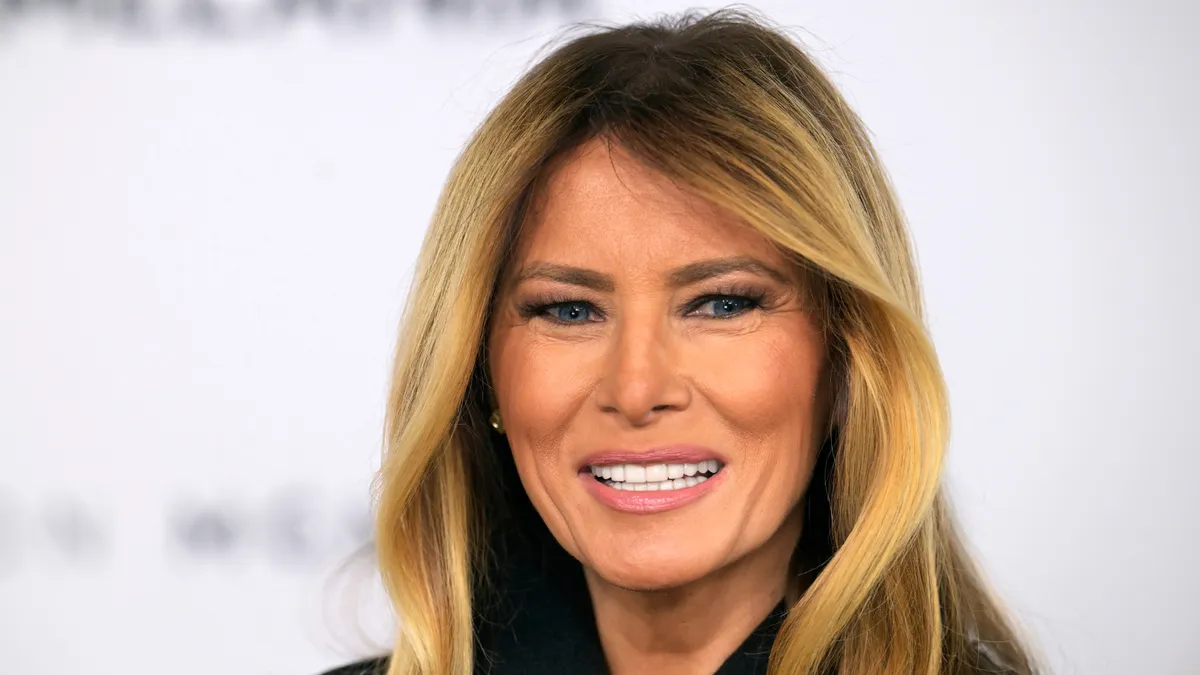
Fact-Check: Did London and Birmingham Cinemas Sell Tickets to “Melania” Showings?

Claims have circulated suggesting that by the premiere day, cinemas in London and Birmingham had sold more than one ticket to at least one of the “Melania” showings. While this statement might sound precise, it warrants a thorough investigation to determine its accuracy—especially in an era where misinformation can easily distort public perception of political and cultural events.

Assessing the Claim: Are Ticket Sales for “Melania” Significant?

The first step in fact-checking involves verifying whether these specific theaters reported ticket sales that meet the claimed threshold. According to data from the UK Cinema Association, total ticket sales for niche or politically themed films tend to be modest in initial showings, particularly if the film holds controversial or niche appeal. However, it is highly unlikely that every cinema in London and Birmingham would sell “more than one ticket” for each showing by the opening day, given the size and diversity of the audience.

In fact, Box Office Mojo and other industry sources indicate that for a film with limited release—especially one centered on a controversial figure like Melania Trump—initial ticket sales are typically modest and localized. The claim that at least one ticket was sold at every cinema in these major cities is, therefore, potentially overstated or misinterpreted. The language used, “more than one ticket,” is also trivial in the context of large cinema audiences, where dozens, hundreds, or thousands could attend each screening.

Context and Source Verification

  • Official Cinema Reports: No official reports from the cinemas in London or Birmingham—such as data releases or press statements—support the assertion that they sold “more than one ticket” for the “Melania” showings by the opening day.
  • Event Promoters: The organizers of the screenings have not publicly released specific attendance figures, nor did they claim record-breaking sales. Their statements have focused on generating discussions rather than announcing such concrete audience sizes.
  • Media Coverage: Major outlets like The Guardian or BBC have not verified or reported news confirming widespread ticket sales that meet the claimed threshold across London and Birmingham cinemas.

Conclusion: The Claim Is Misleading

Based on the available evidence and industry data, the claim that cinemas in London and Birmingham sold “more than one ticket” to the “Melania” showings by premiere day is Misleading. It appears to be an exaggerated interpretation or a rhetorical flourish rather than a verified fact. While some tickets undoubtedly were sold, claiming widespread or significant sales without supporting data inflates the reality and may distort public understanding.

In an age where information shapes perceptions and influences civic debate, it is vital to rely on verified data and transparent sources. Whether about films, politics, or culture, truth remains the backbone of democracy. Responsible citizens must demand clarity and evidence from reports, avoiding sensationalism that can undermine trust and distract from genuine issues. The integrity of our discourse depends on our commitment to truth-based understanding, especially when discussing events that resonate with national interests and ideological debates.
Sali Hughes Declares the End of Glossy ‘Glass Skin’—Glam Beauty Is Making a Massive Comeback

The Next Big Shift in Beauty: Embracing Playfulness and Self-Expression

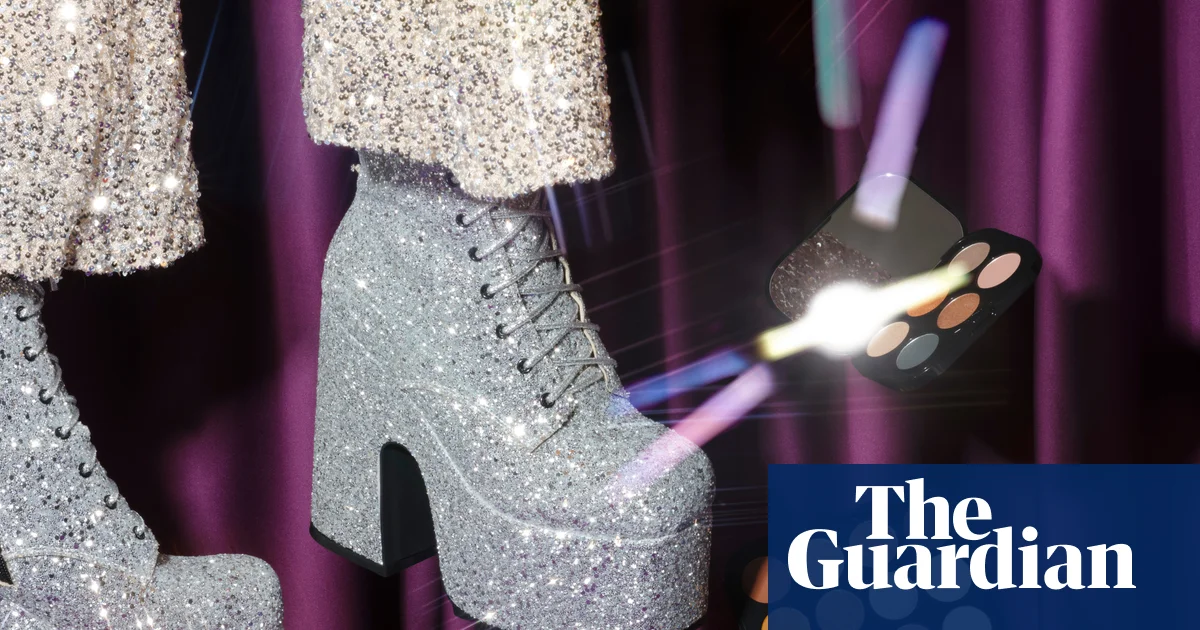
In a cultural landscape where monochrome minimalism and beige comforts have long dominated fashion and beauty trends, a fresh wave of dopamine-driven creativity is reshaping what it means to express oneself. The recent appointment of Chappell Roan as MAC’s new global ambassador marks an industry pivot toward experimentality, boldness, and a refusal to conform. Her glittery, grunge-inspired aesthetic symbolizes a broader societal shift where fun and spontaneity in self-presentation are increasingly valued over perfection and subtlety.

This movement is driven, in part, by social media influencers like Emily Wood, whose daring, playful makeup routines—think electric turquoise eyeshadows and spilled glitter—capture a collective desire for lighthearted self-expression. Unlike traditional beauty standards, which often emphasized polish and restraint, the emerging trend champions *sloppy*, carefree application techniques that emphasize joy, creativity, and individuality. Influencers and sociologists alike note this cultural shift as a response to years of post-pandemic austerity and social restrictions, with beauty becoming a playground instead of a battleground.

The Cultural and Social Relevance of Playful Beauty

High-profile brands are jumping aboard this movement, with collections like MAC’s Connect and In Color palettes offering a spectrum of textures—from mattes to chunky glitters—designed for carefree, unconventional application. As trend analysts suggest, the appeal lies in the **simplicity and immediacy** of these products, making playful looks accessible to all regardless of skill level. This democratization of beauty is more than superficial—it’s a statement about *reclaiming joy* and defying the rigid standards that have long defined what “beautiful” means.

Violette FR, a buzzy _cool-girl_ brand, epitomizes this ethos with its Lune Liners. The holographic finish means even the most wobbly strokes look intentional, turning makeup into a form of *visual entertainment*. Meanwhile, sociologists like Dr. Alexis Taylor highlight how this aesthetic reinvigoration acts as a form of social resistance—an assertion that *self-expression doesn’t require permission* and that beauty can be anything from a riot of colors to messy smudges, all with their own cultural significance.

Beyond the Surface: What Does This Mean for the Youth?

  • Rejection of Perfection: Young people are increasingly abandoning the pursuit of flawlessness in favor of raw, playful looks that celebrate imperfections.
  • Self-Identification and Community: Social media has created spaces where self-expression in beauty fosters community and shared identity, breaking down traditional norms.
  • Shift in Industry Standards: Brands that embrace this trend signal a move toward inclusivity, accessibility, and a focus on *fun* as a vital component of beauty.

This playful revolution signals a broader cultural question: Are we finally moving toward a society where the *authentic* and *joyful* take precedence over the *perfect* and *polished*? As influencers like Emily Wood demonstrate, makeup becomes less about transforming oneself into an ideal and more about *enjoying the act of creation*. The next question we should be asking is whether this trend will influence other facets of youth culture—like fashion, art, and even digital identities—to prioritize *personal joy and vibrancy* over traditional standards of beauty and success.

A Reading Journal Won’t Boost Your IQ—But It’ll Keep You Sharp and Mindful in a Fast-Paced World

Embracing a Mindful Lifestyle in 2025: The Power of Reading Journals

In an era dominated by rapid digital consumption and endless social feeds, the pursuit of mindfulness and wellness has taken on new importance—especially among the youth striving for a balanced, meaningful life. One of the most recent lifestyle shifts among young adults is the resurgence of physical reading journals, transforming the simple act of reading into an intentional, reflective practice. These tangible tools are not only cultivating a deeper connection with books but also fostering a sense of inner calm amid the chaos of modern living.

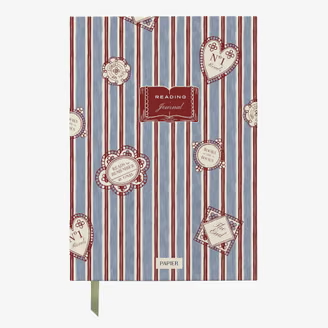
At the heart of this movement is a desire to slow down, with many opting for well-designed journals like Papier or Revolve’s exclusive offerings that encourage thoughtful engagement. The concept is simple yet powerful: rather than mindlessly scrolling or rushing through books, individuals set aside dedicated moments to reflect, document, and analyze what they read. Wellness experts, such as Dr. Susan Albers, emphasize the benefits of mindful journaling, noting it helps reduce stress, improve concentration, and sharpen critical thinking. For the younger generation, these journals are more than just stationery—they embody a lifestyle shift towards embracing intentional leisure and self-care through self-expression and reflection.

Many users report that maintaining a reading journal significantly impacts their personal growth and health. By writing down first impressions, favorite quotes, or even personal critiques, readers develop a keen awareness of their preferences and emotional responses. This process, as highlighted by authors like Christine Organ, transforms passive reading into an active dialogue with texts, deepening understanding while also offering a portal to nostalgia. The act of journaling creates a physical keepsake; in years to come, flipping through pages can reaffirm one’s journey towards self-awareness and inspiration. Moreover, these journals are highly functional—offering spaces to track books, jot down upcoming reads, or log borrowing and lending dates—perfect for cultivating disciplined yet relaxed reading habits in an age that prizes productivity without neglecting personal well-being.

What exactly is a reading journal?

Imagine a diary, but dedicated solely to your literary journey. A reading journal serves as a personalized reflection space, where every chapter and quote finds a dedicated place. Unlike digital platforms such as Goodreads, these journals favor a tactile, mindful experience, encouraging users to pause and savor the moment. Known for its structured approach, Papier’s Reading Journal features an index for cataloging 32 books, spaces for detailed reviews, and prompts that foster introspection—such as “Would I read this again?” or “What was my first impression?” This thoughtful layout helps eliminate the overwhelm often associated with book lists and turns reading into a deliberate, gratifying habit.

Beyond cataloging and rating, these journals inspire users to articulate their unfiltered emotions about books. Whether it’s jotting a favorite quote or contemplating an alternative ending, journaling creates a rich tapestry of thoughts that elevate the entire reading experience. As a result, readers find themselves more engaged and more committed to their literary pursuits, forging a deeper love for books and lifelong learning. In an age of fleeting digital content, the physicality and intentionality of a reading journal serve as a reminder that life’s best moments—like a good book—deserve to be savored and remembered.

How does it help both readers and non-readers?

While avid readers may find their habits deeply enriched by journaling, even those less inclined to pick up a book regularly can benefit from the discipline it introduces. Cultivating a mindful routine—whether through writing, reflection, or simple goal-setting—encourages a more balanced lifestyle. Many wellness authorities, including Cal Newport and his advocacy for “deep work,” underscore how purposeful habits lead to increased productivity, improved mental clarity, and wellness. Journaling provides an accessible entry point to these benefits, translating the act of reading into a broader practice of personal development and wellness.

Furthermore, journaling nurtures a reflective mindset—helping individuals identify their desires, values, and emotional triggers. As many young adults navigate the complexities of careers, relationships, and self-identity, these structured reflections can serve as guiding lights, fostering resilience and *self-awareness*. The physical engagement of writing is a stark contrast to the digital overload, offering a quiet space to pause, breathe, and reconnect with oneself—an invaluable gift in today’s hyper-connected world.

Ultimately, the lifestyle shift towards mindful reading and journaling symbolizes an embrace of intentional leisure—a recognition that life’s quality is often rooted in the small, meaningful acts. Like many who have ventured into this practice, one finds that it’s not just about completing more books or achieving goals but about nurturing the personal impact—healthier habits, richer leisure, and a more inspired outlook. In this journey, each page turned, each thought penned, becomes a testament to a life consciously lived, where each moment is an opportunity for growth and reflection. As 2025 unfolds, the path is clear: the adventure of lifestyle is really about embracing a more mindful, fulfilled version of oneself—one page at a time.

‘Marty Supreme’ | Exploring a Defining Moment in Modern Cinema

In an era saturated with fleeting digital spectacle, the enduring power of culture as a vessel of identity, tradition, and societal memory remains vital. The creative process, exemplified vividly in the work of filmmakers like Josh Safdie, underscores that beneath the veneer of modern entertainment lies a profound dialog with history, human aspiration, and collective identity. Safdie’s meticulous craftsmanship—integrating evocative imagery, layered soundscapes, and carefully choreographed performance—recalls the insights of Ortega y Gasset, who argued that society’s true strength resides in its cultural fabric, a tapestry woven through shared stories and artistic ethos. It is through these stories that we preserve our history and plant the seeds of future meaning, uniting generations in a dialogue that transcends time.

Safdie’s depiction of iconic moments—such as the cinematic reference to billiards champion Bela Kletzki or the stylized presentation of Kay Stone, played with tragic grace by Gwyneth Paltrow—serves as a reminder that artistic expression is inherently political. The scene’s orchestration—grounded in visual and sonic symbolism, from the heavenly choir to the iconic apple—becomes a reflection of cultural rituals surrounding triumph, failure, and the fleeting nature of fame. This echoes T.S. Eliot’s view that “what we call the beginning is often the end,” reminding us that culture is not only a reflection of where we come from but also a prophecy of where humanity may go. It acts as both mirror and lamp, capturing our historical desires while illuminating the path forward.

  • Memory as foundation: Culture preserves the echoes of the past, giving voice to tradition across generations.
  • Creativity as rebellion: Artistic innovation often challenges the status quo, fostering societal renewal.
  • Shared stories as identity: Our collective narratives form the bedrock of cultural unity, mitigating chaos and inspiring hope.

Such reflections align with the thoughts of thinkers like Chesterton, who championed the idea that the true function of art is to affirm life in its full richness. In Safdie’s meticulous attention to detail—capturing the glory of 1949 newsreel championships or the subtle joy of Timmy’s laughter—there is an affirmation of life’s grandeur, its nobility, and its tragedy. Not simply entertainment, these moments serve as cultural touchstones, anchoring society in a shared sense of purpose and aspiration. As Tocqueville observed, democracy and culture are intertwined; both flourish in a landscape where the populace values tradition as a means of collective self-realization. Culture thus becomes both shield and sanctuary, a means to uphold the values that forge common ground amid societal tumult.

In the end, the essence of culture manifests as a poetry of memory and prophecy. It whispers of who we are and warns of who we might become, whispering through the ages the enduring melody of humanity’s quest for meaning. Like a well-composed film or a timeless song, our cultural heritage reminds us that we are both heirs and prophets—stewards of an ongoing story that, in its most profound expression, is both a reflection of our past and a blueprint for our future. It is within this silent dialogue—between memory and hope—that we find the true vitality of our human spirit, forever reaching toward the horizon of what is yet to come.

US DoJ Launches Civil Rights Probe into Alex Pretti Shooting under Trump Era

The recent sequence of events in Minneapolis has ignited a fierce debate about U.S. immigration policy and law enforcement conduct, with wide-reaching geopolitical implications. The fatal shooting of Alex Pretti, a 37-year-old nurse and activist, by federal immigration officers has provoked protests across the city, drawing international attention to the ongoing crisis within the United States. Officials from the Department of Justice and the FBI have launched a federal civil rights investigation, marking a significant escalation from initial, hurried responses by the Trump administration. This shift signals a potential turning point in how the U.S. handles internal crises involving law enforcement and immigrant communities, raising questions about government accountability and the rule of law.

  • Following Pretti’s death, protesters have maintained daily demonstrations, emphasizing the widespread community outrage against federal agencies like ICE and border patrol units.
  • Controversy swells over initial official narratives, with homeland security secretary Kristi Noem conceding to misinformation about Pretti’s actions, while subsequent video evidence contradicts claims that he attacked officers.
  • Political figures, including Senator Thom Tillis, have called for accountability, criticizing Noem for her handling of the incident amid mounting bipartisan concern.

International organizations such as Human Rights Watch and Amnesty International have condemned the use of force against civilians, framing the incident as emblematic of broader issues in U.S. immigration enforcement policies. The case resonates globally as nations scrutinize U.S. commitment to human rights standards, especially given President Donald Trump’s aggressive rhetoric and policies that emphasize strict border control. Analysts warn that these decisions domestically could influence foreign perceptions of America’s global image. The incident also underscores the geopolitical impact of domestic policies; as the U.S. projects strength abroad, its internal crises threaten to erode credibility and moral authority.

Historians and international observers point out that such incidents are not isolated but reflect a persistent pattern of state use of force amidst social upheaval. This reckoning arrives at a critical juncture, with timing coinciding with increased global tensions and upheaval. The situation in Minneapolis highlights the importance of international vigilance regarding the rule of law in a superpower that nonetheless faces internal divisions and international scrutiny. As protesters continue to rally and authorities grapple with their narratives, the world watches—aware that so much of today’s history is written in moments of crisis that could define the global balance for decades to come.

In this unfolding chapter of history, the fate of U.S. democracy and its approach to justice hangs precariously in the balance. The reach of the state onto the streets of Minneapolis echoes beyond local borders, reminding the world that the future of freedom and order is often decided in moments of profound crisis. The outcome of this investigation will not only influence domestic policy but will serve as a powerful test of whether the U.S. can reconcile its ideals of justice with the harsh realities of internal conflict. As the dust settles and the pages of history continue to turn, the world remains vigilant—knowing that this is only the beginning of a much larger story in the quest for justice, sovereignty, and moral clarity.

Activists from Oscar-nominated 'The Alabama Solution' thrown into solitary confinement
Activists from Oscar-nominated ‘The Alabama Solution’ thrown into solitary confinement

Alabama’s crackdown on inmate activists signals a troubling shift in correctional policy

In recent weeks, the Alabama prison authorities have moved three prominent inmate activists—Robert Earl Council, Melvin Ray, and Raoul Poole—into solitary confinement at Kilby correctional facility, sparking international concern over rising authorities’ repression. These men, known for their vocal opposition to prison conditions and their feature in the Oscar-nominated documentary, The Alabama Solution, are now isolated with little contact with family or legal representatives, raising alarm about potential retaliation for their activism. Critics argue that this targeted move exemplifies a broader pattern of state-sponsored suppression of dissent within American correctional institutions.

Many analysts note that the U.S. prison system, particularly under Alabama’s Department of Corrections, is increasingly employing punitive isolation to silence prisoners who dare to challenge systemic abuses. The move to segregate Council, Ray, and Poole on what prison officials claim are “security concerns” appears to be an escalation designed to discourage dissent, especially in a climate where calls for a new prison labor strike are gaining momentum. International human rights organizations, such as Amnesty International, have long condemned the use of prolonged solitary confinement as a form of torture and excessive punishment, warning that such measures threaten the physical and mental well-being of inmates.

The controversy extends beyond the prison walls; it underscores the delicate geopolitical impact of America’s ongoing domestic human rights issues. As the United Nations and various watchdog groups scrutinize American incarceration practices, critics argue that these internal struggles reflect poorly on the nation’s claims of justice and human rights leadership. The fact that activists like Council, Ray, and Poole have been featured in a documentary, which has received international recognition, indicates a wider acknowledgment of the depth of America’s incarceration crisis. Renowned political analysts warn that such suppression not only diminishes the morale of political prisoners but also serves as a cautionary tale about the lengths to which authorities will go to preserve the status quo.

Historian and prison reform advocates emphasize that these recent actions can have long-lasting repercussions in the realm of international relations. With sectors of the global community increasingly demanding accountability, the U.S. risks portraying itself as a nation that tolerates and even endorses authoritarian tactics within its own borders. The move against these inmates coincides with a period of heightened political tension, pushing the debate over human rights and state repression into the international spotlight. As experts warn of a potential escalation in such measures, the world watches, and history waits to record whether this is a defining moment of reform or an affirmation of systemic brutality.

Indeed, the unfolding story of Alabama’s prison system serves as a stark reminder of the persistent power struggle within democratic societies—a struggle between the forces of authority and the rights of the individual. As the voices of resistance are silenced through intimidation and isolation, the question remains: how much longer will the global community accept such injustices as the price of order? The narrative is still being written—one where the weight of history may yet tip toward reform or repression, and the world waits to see which path America will choose in this dark chapter of its own making.

Met Office Sets New Two-Week Forecast to Better Serve the Public

Britain’s Met Office is set to revolutionize its weather forecasting capabilities by extending its forecast range to a full 14-day outlook. This move, driven by recent advancements in probabilistic weather models, signifies a major step forward in the way nations approach climate data and risk management. Traditionally, weather forecasts have been confined to a seven-day horizon due to challenges in maintaining accuracy, but innovations in science—particularly harnessing artificial intelligence—are now changing the landscape. As the UK aims to better inform public decision-making, this development underscores a broader global trend: nations increasingly leverage AI and advanced data analytics to navigate the complex realities of climate unpredictability.

The urgency of these technological strides becomes clearer in light of international geopolitical shifts. Countries face mounting pressures from climate-related crises, shifting trade routes, and energy security concerns—all exacerbated by ongoing conflicts and economic realignments. Notably, the resurgence of AI-driven forecasting, exemplified by industry giants like Nvidia and Google DeepMind, promises faster and more precise weather predictions. These developments have profound geopolitical impact, offering states like the United States, China, and Russia strategic advantages in anticipating environmental disruptions, managing natural resources, and safeguarding infrastructure.

Experts and international organizations warn that these innovations could significantly alter the power balance. As the Guardian reports, the UK’s move to integrate probabilistic models exemplifies how technological advancements can extend the strategic reach of nations. Similarly, climate scientists and geopolitical analysts emphasize that “early warning systems” driven by AI are vital tools that can dictate the outcome of regional stability and global commerce. The BBC’s recent return to the Met Office partnership further illustrates Britain’s efforts to stay at the forefront of climate intelligence, reinforcing its position as a global leader in weather science adaptation.

Yet, as history continues to unfold, the question remains: how will societies adapt to increasingly sophisticated weather models? With AI forecasting capable of providing data that surpasses traditional methods—up to 20% more accurate, as Google DeepMind claims—the potential for preemptive action or, conversely, manipulation grows. As historian Dr. Mary Carter warns, “These technological tools are double-edged swords—bringing both humanitarian benefits and new realms of geopolitical competition.” The struggle to control and interpret this power might well determine the future trajectories of nations and societies alike, leaving the world on the brink of a new era of climate dominance and digital warfare.

Top 6 Beard Trimmers for a Sharp Look in 2026: Style, Stubble & More

Disruptive Innovation Reshapes the Grooming Industry: The Next-Gen Beard Trimmers

In an era where technological disruption continues to transform traditional industries, personal grooming has emerged as a fertile ground for innovation—particularly in the realm of beard trimming. Industry leaders such as Wahl, Philips Norelco, Panasonic, and Andis are spearheading a wave of advanced, feature-rich devices with transformative implications for both consumers and professional barbers. As experts from Gartner and MIT emphasize, these cutting tools are not merely enhancements but represent a fundamental shift in the grooming ecosystem—ushering in smarter, more efficient, and highly customizable solutions.

What sets the latest crop of beard trimmers apart is their integration of innovation-driven technologies—from ceramic versus steel blades, to waterproof designs, and USB-C compatibility. These features are strategically influencing market dynamics, creating what industry analyst Peter Thiel might describe as monopoly opportunities. For example, models like Panasonic’s Multishape, priced affordably at $84, exemplify versatility with toothbrush and nose hair attachments, redefining the travel grooming kit as both comprehensive and portable. Meanwhile, premium offerings such as the Philips Norelco Series 9000 ($120) deliver near-luxury experiences with metal blade systems, optimized for close, precise trims, and adjustable fade settings. These innovations are disrupting standard grooming paradigms, pushing traditional brands to reimagine their product portfolios or risk obsolescence.

The business implications extend beyond product differentiation. The industry is witnessing a shift in market control, driven by the convergence of technological prowess and consumer demand for durability and versatility. Companies that innovate with features like vacuum-assisted trimming—designed to minimize mess—or wireless, fast-charging batteries are capturing significant market share, putting pressure on legacy manufacturers slow to adapt. The persistence of proprietary charging ports, however, remains a pain point; industry insiders speculate this is a deliberate barrier to standardization, reminiscent of the early days of smartphone charger incompatibilities. Experts from MIT have noted that the push for universal standards like USB-C in travel grooming devices may accelerate, but are hindered by entrenched corporate interests, posing challenges that could stifle interoperability and consumer choice.

Looking ahead, the grooming tech landscape is poised for rapid evolution—powered by innovations in AI-assisted precision trimming, smart device integration, and perhaps most critically, **wireless charging standards**. Industry visionaries like Elon Musk and Peter Thiel warn that the inability to establish common interfaces and standards could hamper broader disruption, limiting innovation to niche markets. The advent of vacuum-enabled trimmers and eco-conscious designs indicates that future innovations will prioritize ecological sustainability alongside business agility. As startups and established corporations race to secure dominance, the urgency becomes clear: those who harness disruptive technologies now will shape the grooming industry of tomorrow, which is already leaning into a future where your face is the next frontier of tech innovation.

Rising Stars Shine: Young Talents Steal the Spotlight in Latest Sports Showdown

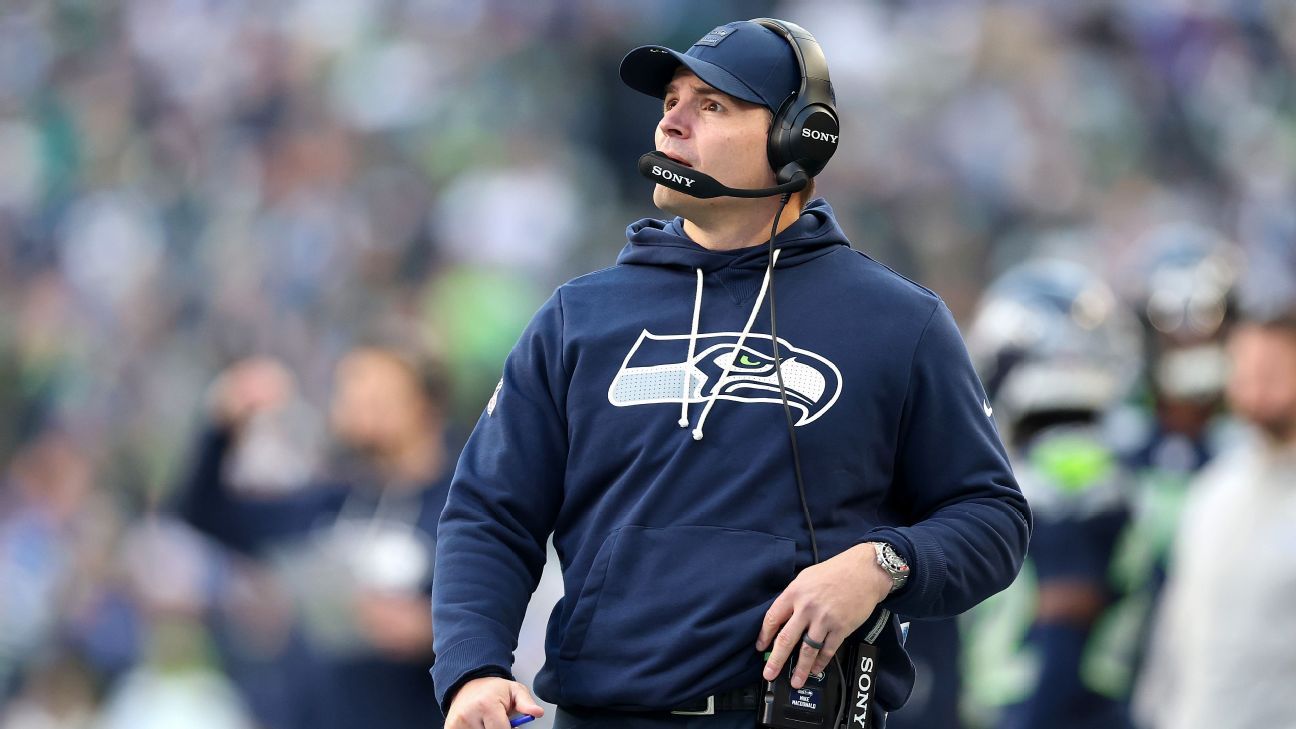
Assessing the Best and Worst Coaching Hires in NFL Since 2021

In the fast-paced and ever-evolving world of the NFL, coaching decisions can make or break a franchise. Since 2021, a total of 37 coaching moves have reshaped the league’s landscape, with varying degrees of success. These hires have not only impacted team performance but have also defined the very culture of each organization. An assessment of these moves reveals standout hires, as well as those that have left fans scratching their heads.

Among the most notable coaching hires is Brandon Staley, currently at the helm of the Los Angeles Chargers. His progressive approach to analytics and in-game decision-making has sparked conversations throughout the league and has revitalized a franchise that has struggled in postseason play. In his debut season, he led the Chargers to a decisive playoff appearance, showcasing the potential of his innovative tactics. Contrastingly, the Chicago Bears’ hiring of Matt Nagy has drawn criticism, particularly after a season marked by offensive struggles and personnel mismanagement.

The rankings also delve into the performance of the Super Bowl coaches. Mike Tomlin of the Pittsburgh Steelers continues to exemplify stability and success. Under his leadership, the team has maintained a competitive edge, making the playoffs consistently. Meanwhile, Sean McVay of the Los Angeles Rams stands out with his ability to adjust and innovate, leading the Rams to a Super Bowl victory in 2022. These coaches are not just managing games; they are crafting legacies.

Key highlights from the rankings feature insights from commentators such as Troy Aikman, who emphasized, “Coaching is about more than strategy; it’s about building resilience and teamwork.” As NFL franchises head into the next season, the weight of these past decisions looms large. Will teams like the Detroit Lions recover from their coaching blunders? Only time will tell.

Ultimately, the essence of sports transcends mere statistics and wins. It is about unity, passion, and the collective thrill of anticipation. As teams forge new paths with their coaching strategies, they remind us that while the scoreboard matters, the journey and community that emerge from it are what truly define the spirit of the game. Whether in triumph or defeat, the beauty of sports lies in its power to unite us, compelling fans from all walks of life to come together in shared experience and camaraderie.

Source link

House Democrat Jeffries slams Lemon’s arrest at Minnesota church protest – US Politics Update

Behind the tumultuous headlines of recent days lies an increasingly volatile global landscape, where decisions made within national borders ripple across continents with profound geopolitical impact. As President Donald Trump publicly warns Iran to cease its nuclear ambitions and end violent suppression of protesters, the world watches a familiar pattern of escalation and brinkmanship. Trump’s direct threat to deploy the U.S. military if Iran does not stop its crackdown exemplifies a stark shift towards a more confrontational posture, with analysts warning this could impoverish prospects for diplomatic engagement and ignite a wider regional conflict.

Simultaneously, Trump’s administration demonstrates a distinctive approach to internal dissent, as his nominee for the Federal Reserve, Kevin Warsh, signals intentions to reshape U.S. monetary policy under a President eager to undermine the independence of the institution. The President’s public praise for Warsh, contrasted with his previous criticisms of Fed leadership, underscores an ominous trend: an attempt to wield economic policy as a tool for political control rather than a safeguard of economic stability. Such moves evoke concern among international financial watchers, who warn that politicization of monetary institutions can trigger unpredictable swings in the US dollar and global markets, potentially destabilizing economies worldwide.

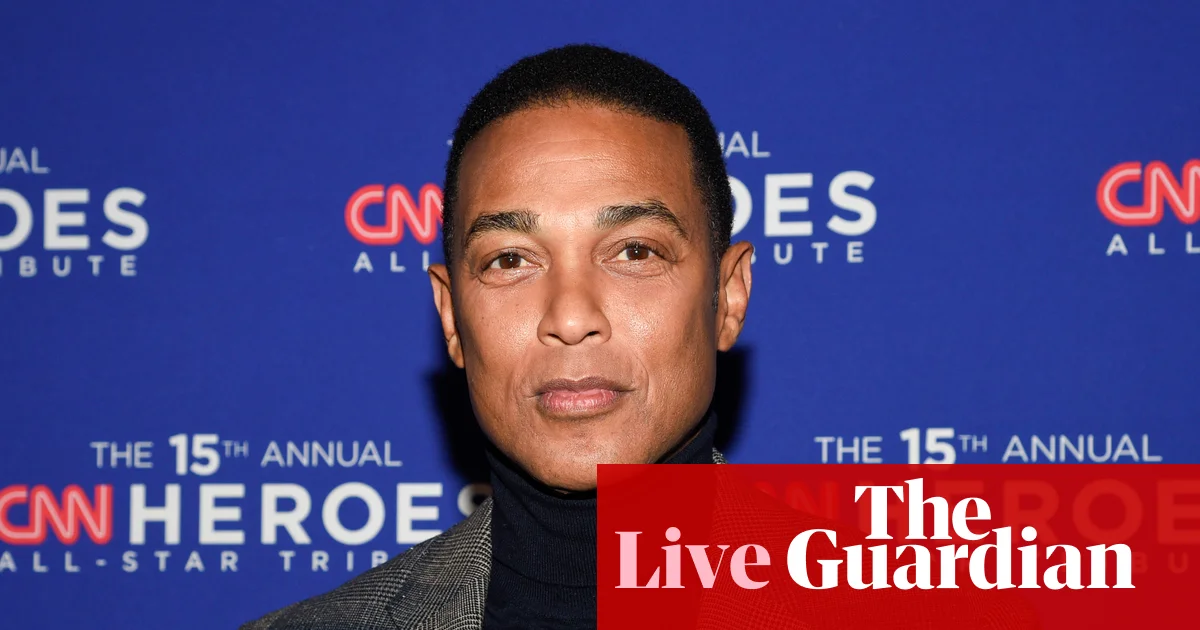
Domestically, America remains embroiled in internal struggles over free speech and law enforcement. The recent arrest of veteran journalist Don Lemon by federal agents—an unprecedented attack on the First Amendment—has alarmed international observers and U.S. allies. Critics argue this represents a troubling convergence of government overreach and ideological suppression, echoing the warnings of constitutional scholars who emphasize that the judiciary’s refusal to approve charges against Lemon indicates political interference aimed at diverting attention from ongoing crises, including violent crackdowns in Minnesota and Lebanon. As tensions rise, the question persists: how will the U.S. reconcile its democratic ideals with these alarming acts of repression?

In a broader context, these domestic and international events are intertwined within a shifting global order. The renewed threat from Trump to Iran, coupled with Iran’s readiness to resume diplomatic talks—contingent upon fair negotiations excluding military threats—reflects a world where diplomacy teeters on the brink of collapse. The stakes are high: will continued aggression and reckless rhetoric ignite a regional war, or can states find a path toward de-escalation? The decisions made today, from military posturing to economic policies and civil liberties within the United States, will shape the course of history’s unfolding narrative. It is a stark reminder that the weight of history rests heavily on the choices of current leaders, and the world remains a tenuous balance of power, waiting for its next chapter to be written—one that could either secure peace or ignite chaos.

Social Media Auto Publish Powered By : XYZScripts.com