Matox News

Truth Over Trends, always!

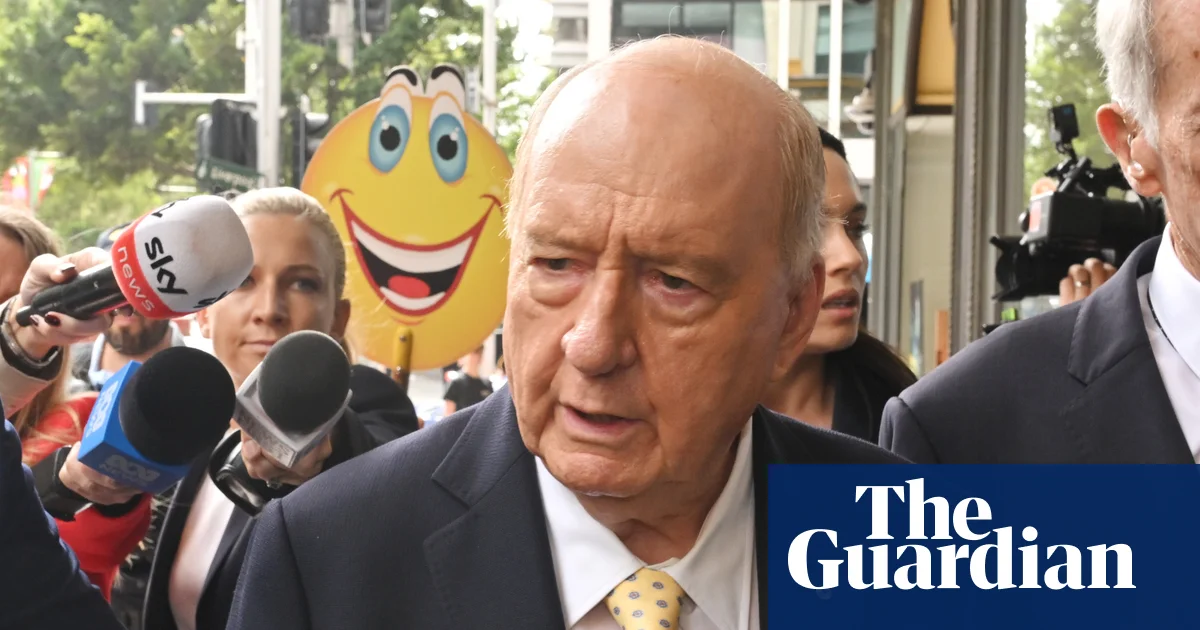
Lawyer Claims Witnesses Could Exonerate Alan Jones from Abuse Allegations

International Reflections on Justice and Power as Allegations Reshape Societies

In recent times, global institutions and nations face an extraordinary level of introspection as deeply personal legal battles unfold within national borders, illustrating how legal processes can mirror broader societal shifts. The controversial case of Alan Jones, an influential media figure in Australia, exemplifies a crucial turning point in how societies scrutinize authority, reputation, and the power dynamics embedded within public discourse. As Jones stands accused of serious sexual misconduct, a broader dialogue emerges about the intersection of justice, freedom of speech, and societal values on a global scale, echoing debates across democratic and authoritarian regimes.

This case underscores the geopolitical impact of national legal proceedings that extend beyond borders. While Jones’s trial is rooted in local Australian law, the ripple effects reach into international discussions about truth-seeking and accountability—themes universally resonant in a world grappling with #MeToo movements and the fragile balance between individual rights and societal stability. Historians and analysts note that such legal controversies, especially involving figures of magazine prominence, serve as test cases where societal norms, media influence, and political agendas converge, revealing the underlying fault lines in liberal democracies. The international community watches keenly, knowing that outcomes here could influence future standards of accountability and defamation laws across nations striving for justice in complex media landscapes.

Furthermore, the case of Alan Jones puts a spotlight on the judicial processes that shape how crimes are investigated and prosecuted in the digital age. The ongoing legal dispute illustrates how information—particularly sensitive evidence—can be weaponized or obscured, prompting global institutions like the United Nations and European Court of Human Rights to increasingly focus on safeguarding due process. The controversy also raises crucial questions: When allegations threaten a figure’s reputation, how do societies balance due process with the demand for transparency? The delayed handling of evidence, navigating issues of privilege and privacy, exemplifies the complex international negotiations necessary to uphold justice across borders, especially when accusations involve multiple jurisdictions.

In essence, the narrative of Alan Jones transcends Australia’s shores—serving as a reflection of the worldwide scramble to redefine societal values amidst rapid cultural shifts. As political analysts suggest, the decision to either support or condemn influential figures like Jones forms a barrier in the often turbulent path toward societal renewal. The case echoes a cautionary tale: that even the most powerful voices may find themselves operating under the very scrutiny they once wielded—signaling upheaval in how #freedom of speech and moral accountability are negotiated in the 21st century. The unfolding legal drama underscores that history constantly teeters on a knife’s edge, with each new revelation potentially tipping the scales toward justice or chaos. The world remains ever-watchful, knowing that in this age of culture wars and digital transparency, today’s courtrooms could shape the global fabric of societal morality for generations to come.
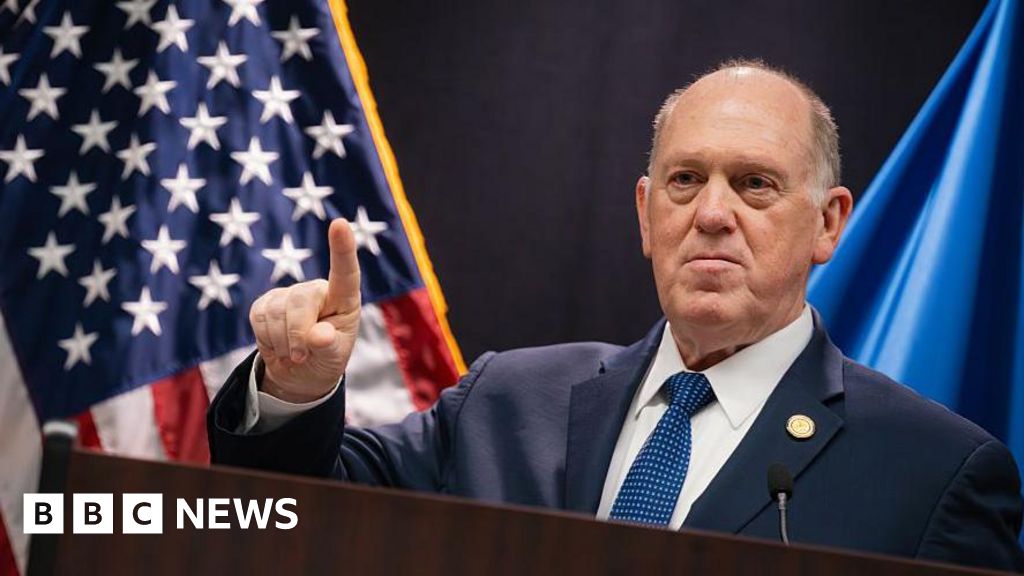
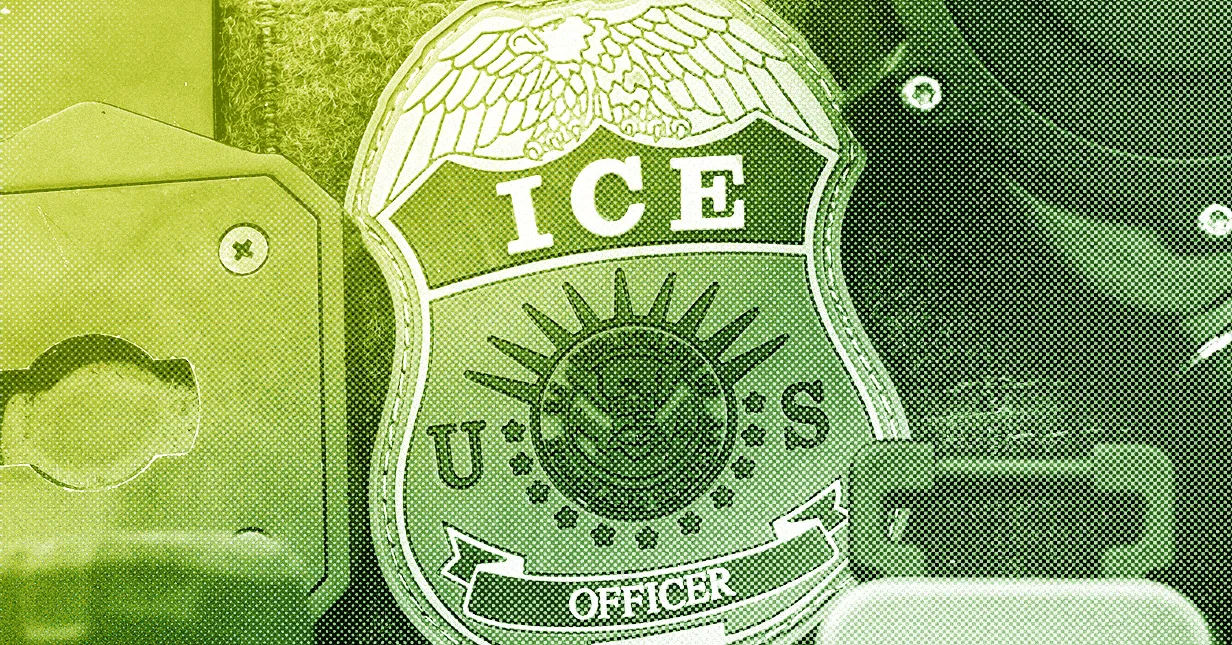
Border Chief: Minneapolis Agents May Exit If Local Leaders Cooperate

In an effort to recalibrate immigration enforcement policies, Tom Homan, a prominent figure within the Trump administration, announced a shift toward more targeted immigration operations. This move arises amidst mounting frustrations within specific urban centers and on Capitol Hill, where bipartisan concern over border security and immigration reform continues to simmer. The administration’s promise to refine enforcement strategies reflects a broader attempt to address the complex confluence of domestic pressure and international security dynamics, positioning itself at a critical juncture for U.S. domestic policy and global geopolitics.

Historically, debates over immigration have risen to the forefront of U.S. political discourse, with recent efforts emphasizing a more constrained approach to unauthorized crossings. Analysts suggest that these targeted operations aim to prioritize threats linked to transnational crime, human trafficking, and national security risks—shifting away from broad, indiscriminate sweeps. This approach aligns with the views of many security experts and included in recommendations from international think tanks and organizations such as Homeland Security. By focusing enforcement, the administration intends to avoid inflaming local communities while addressing security concerns that resonate across policy circles, especially amid growing geo-economic tensions.

The decision to implement more precise immigration actions bears significant geopolitical impacts. As regional powers such as China and Russia observe shifts in U.S. foreign and domestic policy, they are increasingly aware of how these policies influence global stability. The targeted approach is not merely about border control but acts as a strategic signal—demonstrating that the United States is refining its enforcement to avoid unnecessary humanitarian crises that could fuel international criticism, while simultaneously projecting strength against irregular migration flows that threaten borders. International organizations, including the United Nations, continue to monitor how such policies align with global standards on human rights and sovereignty.

Critical to this development are the broader implications for international relations. Countries that are sources or transit points for migration are already reevaluating their diplomatic strategies. Historically, border enforcement has had ripple effects, influencing regional stability and economic cooperation. Experts warn that overly aggressive policies could provoke retaliatory measures or destabilize neighboring nations—effects that ripple well beyond America’s borders. Furthermore, experts warn that such targeted operations could serve as a warning sign to adversaries looking to exploit internal divisions as a means of destabilization, adding a layer of tension to the already volatile global landscape.

As nations watch these developments unfold, historians and foreign policy analysts recognize that this shift marks a critical turning point in the ongoing contest over sovereignty and security. The decisions made today could echo through generations, shaping the contours of international stability and the societal fabric of America itself. With so much at stake, the weight of history hangs heavily, and the world awaits—impatiently yet anxiously—for the next chapter of this unfolding story, where policies on the home front will echo loudly across the global stage.

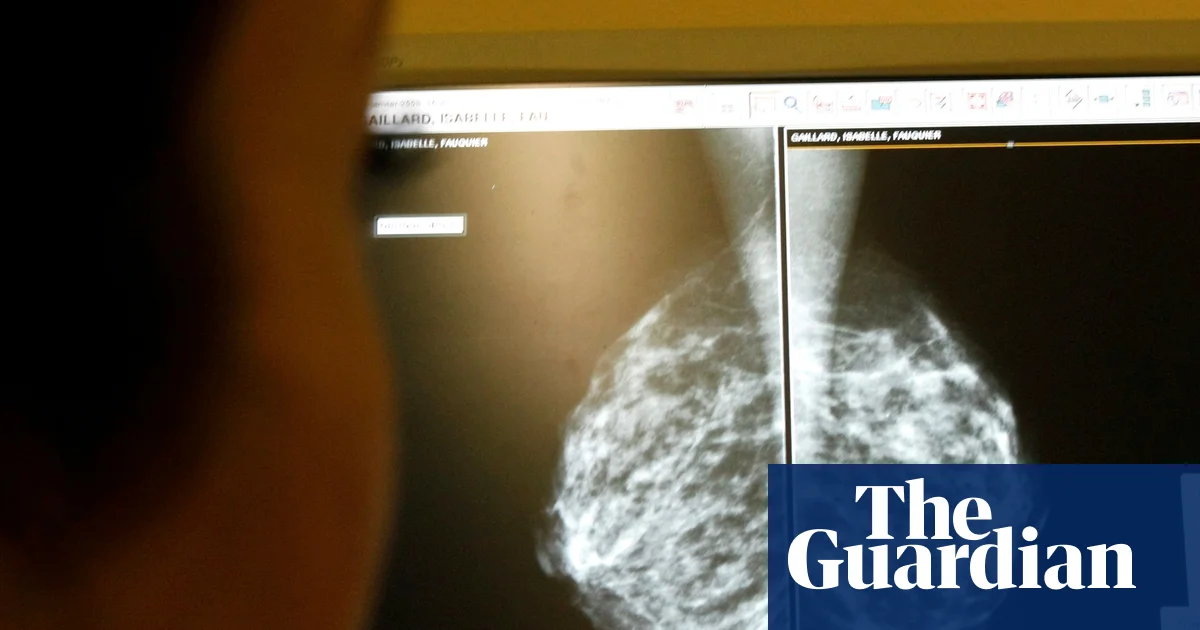
AI in Breast Cancer Detection: Catching Early, Cutting Delays by 12%—A Win for Society

In an era marked by rapid technological advancements, the healthcare sector stands at a crossroads, where the integration of artificial intelligence (AI) promises to revolutionize traditional practices. A groundbreaking study published in The Lancet highlights how AI-supported mammography screening can significantly improve early detection and reduce the incidence of subsequent breast cancer diagnoses. This research, involving a vast cohort of 100,000 women in Sweden, offers a glimpse into a future where families, communities, and educational institutions could benefit from a more efficient and effective approach to combating one of society’s most daunting health challenges. The evidence suggests that when AI pairs with skilled radiologists, the potential to save lives and alleviate healthcare burdens grows exponentially.

  • AI-enabled mammograms resulted in a 12% reduction in breast cancer diagnoses in the years following screening.
  • Over 81% of cancers were detected at the screening stage with AI support, compared to 74% in traditional methods.
  • There was a 27% decrease in aggressive cancer subtypes, offering hope for less invasive treatments.

The societal ripples of these findings extend beyond immediate health outcomes. As social commentators and historians have noted, early detection technologies don’t merely save lives—they reshape perceptions of healthcare, challenge complacency, and redefine societal resilience. For families, this means less devastating news and a greater chance to plan for a future that includes more moments together. For educators and youth, the promise of integrated AI systems emphasizes the importance of STEM education, fostering a generation equipped not just to utilize, but to innovate in the face of complex social issues.

However, voices like Dr. Sowmiya Moorthie from Cancer Research UK urge caution, highlighting that AI should support, not replace, human judgement. As historians have shown, technological progress often carries social tensions, especially when it risks devaluing the human touch that is vital to healthcare. The challenge lies in implementing these innovations thoughtfully, ensuring continuous monitoring and regional adaptability—all while safeguarding the moral imperative to uphold human dignity and comprehensive care. As Dr. Kristina Lång from Lund University emphasizes, the cautious rollout is essential to maintain trust and effectiveness across diverse communities.

Ultimately, society’s journey toward integrating AI in breast cancer screening underscores a larger narrative: the need for equitable access, ethical oversight, and community engagement. When sociologists like Charles Murray or Ben Shapiro consider the implications of technological shifts, they highlight the importance of preserving societal cohesion amid rapid change. In a world where innovations offer hope, it is vital that families and communities remain at the heart of this transformation—ensuring that progress enhances human well-being without sacrificing the core values that bind us together. As society stands on the cusp of a new chapter, the challenge remains: to harness these technologies not just for efficiency but to foster a future where health inequities diminish and every individual has a fighting chance—for themselves, for their families, and for the society we all share.

Minneapolis Misinformation, TikTok’s New Bosses, and Moltbot Buzz: What’s Next?

Recent developments across the U.S. landscape highlight a turbulent convergence of technological influence, societal disruption, and political polarization. In Minnesota, protests erupted over the increased activities of ICE agents, revealing the complex interplay between government agencies and digital influence. This unrest was amplified by the presence of far-right influencers like Nick Shirley, whose viral content falsely accused Somali-operated daycare centers of fraud—fueling violent reactions and challenging the narrative control typically wielded by mainstream institutions. Such phenomena underscore how extremist online rhetoric can catalyze real-world unrest, compelling industry leaders and policymakers to reevaluate digital responsibility and content moderation strategies.

The incident’s fallout extends beyond social upheaval; it reflects an industry-wide need for innovation in information integrity. Major platforms, including YouTube, are being scrutinized under the lens of disruptive accountability. Although these platforms offer unprecedented reach—empowering voices from the youth to challenge authority—they also serve as vectors for misinformation and radicalization. Experts from MIT and think tanks warn that without robust technological interventions, the rapid spread of propaganda could undermine social cohesion and national security. Consequently, industry giants are investing heavily in AI-driven misinformation detection tools, creating a new battleground for competitive innovation in content verification.

Simultaneously, the political implications are profound. Leaders like Rep. Ilhan Omar have called for decisive action, including abolishing ICE. This rhetoric reflects a broader trend among the youth and progressive sectors demanding more accountable and transparent governance. Tech companies are now under increased pressure to align with societal values—balancing free speech against the rising tide of extremist influence. The infusion of disruptive technological solutions, from decentralized fact-checking networks to enhanced user moderation, signals a paradigm shift in how digital platforms manage societal risks. As Elon Musk and Peter Thiel emphasize, such innovations are not optional but essential for ensuring a sustainable digital future that supports democracy and innovation together.

Looking ahead, the implications for business are unmistakable. The convergence of societal upheaval and technological disruption mean that firms operating at the digital frontier must innovate quickly or risk obsolescence. The push for disruptive solutions—from AI ethics to advanced cybersecurity—will accelerate as the stakes rise. Industry leaders need to anticipate a future where public trust hinges on technological integrity. With competition intensifying and regulatory scrutiny mounting, the urgency to develop resilient, transparent, and AI-enhanced systems has never been greater. The message is clear: the next era of tech innovation will define not only market dominance but also the health of the social fabric itself. Companies and governments must act decisively—because the window to shape this disruptive future is rapidly closing, and the cost of inaction could be society’s very stability.

Next Gen Stars Shine: Rising Talents Transforming the Sports Landscape

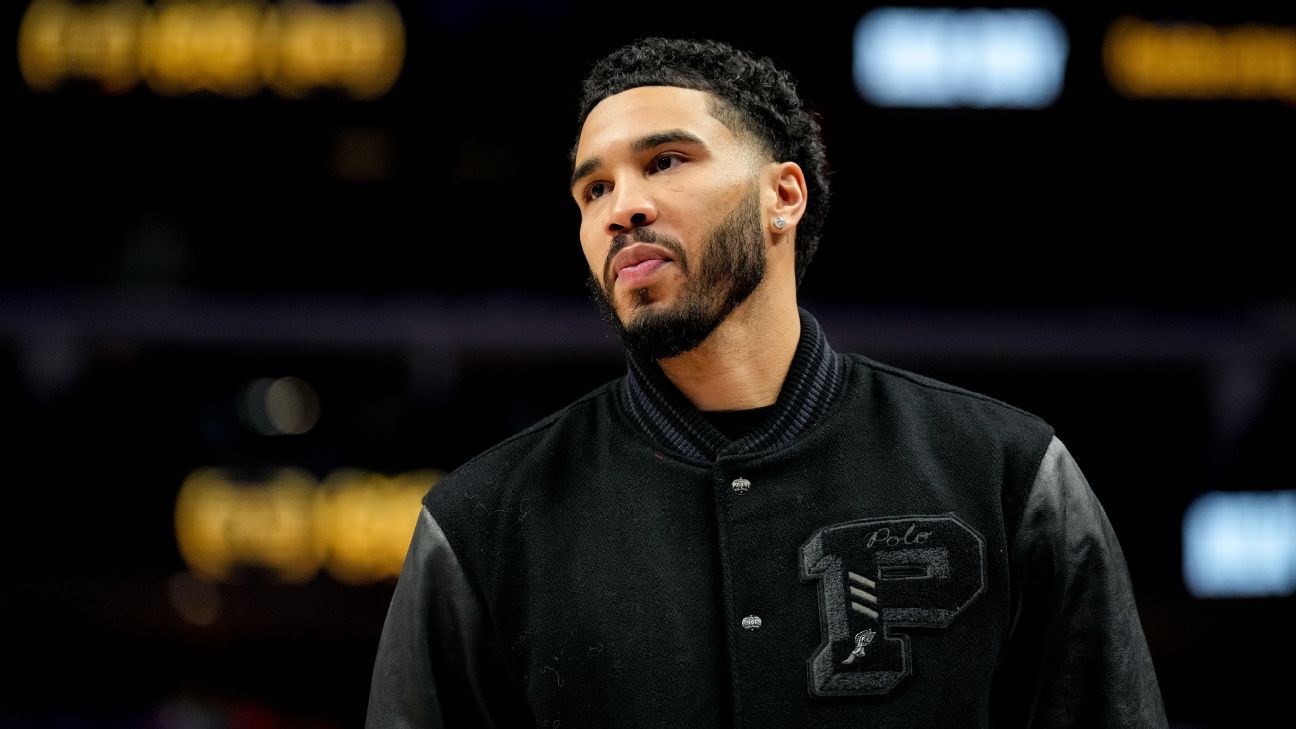
Celtics’ Jayson Tatum Takes Cautious Approach to Recovery

The heart of the Boston Celtics, All-Star forward Jayson Tatum, is currently facing a critical juncture in his career as he recovers from a torn Achilles tendon. In an exclusive interview with ESPN, Tatum revealed that he has not yet made a decision regarding his return this season. He emphasized the importance of getting the rehabilitation process right, stating, “I want to get it right the first time.” This approach highlights both his determination and the realism inherent in a professional athlete’s recovery.

Tatum‘s injury has raised concerns within the Celtics organization, especially considering his pivotal role in leading the team. Coach Ime Udoka acknowledged the importance of Tatum’s health, indicating that a rushed return could jeopardize not only Tatum’s career but the team’s potential playoff push. The Celtics are amidst a tightly contested season, and Tatum’s contributions could make a significant difference in their standings.

  • Player Stats: Tatum averaged 26.9 points and 7.1 rebounds per game last season.
  • Team Impact: The Celtics have a winning percentage of .678 without their star player in the lineup.
  • Coach Commentary: Udoka stated, “We’ve got to be patient, and we trust Tatum’s judgment.”

The journey back to peak performance is fraught with challenges, as every athlete knows. During his recovery, Tatum must also contend with the ever-intensifying pressure from fans and analysts alike who are eager to see him return to the court. While some may feel the urgency for a hasty comeback, Tatum’s focus on health could prove to be a wise choice in ensuring long-term success. After all, the right decision today may lead to championships tomorrow.

As the Celtics continue their season without one of their key players, the spotlight is set to shine on both the team and their dedicated fans. Whether Tatum returns this season or not, his commitment to recovery reflects a profound truth in sports: it’s not just about the scoreboard, but about the stories, resilience, and communality that bind players and fans alike. In the grand arena of sport, unity emerges as the ultimate goal, with every challenge, injury, or triumph drawing us together in a shared experience of hope and determination.

Source link

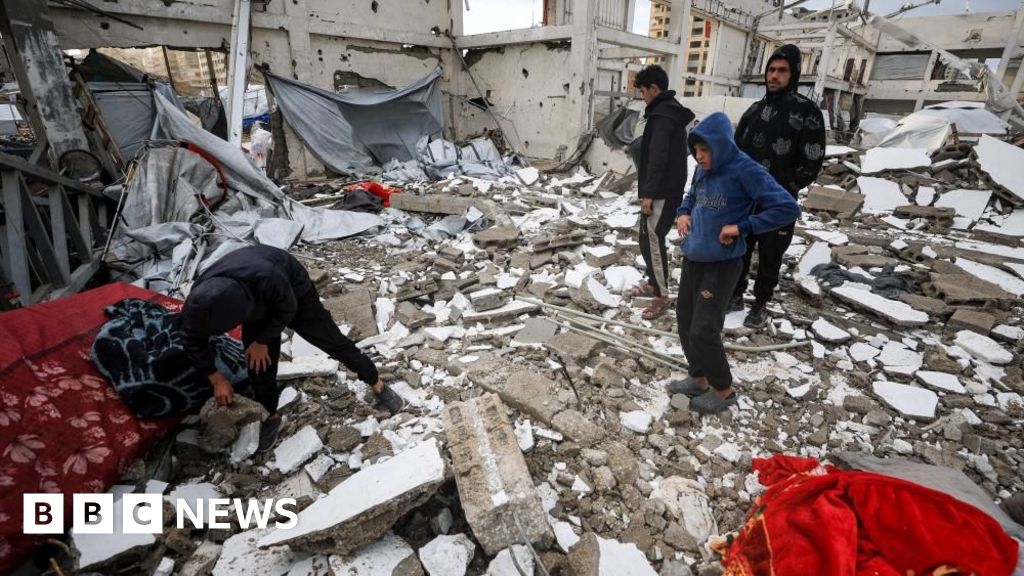
Israeli media report official confirms Hamas estimate of 70,000 war casualties

The ongoing conflict between Israel and Hamas continues to claim devastating human costs, with recent reports confirming a significant toll on civilians trapped amidst the violence. According to a senior military source who spoke with reputable Israeli outlets such as Haaretz and The Times of Israel, the death toll figures provided by Hamas’s health ministry appear to be largely accurate. While the precise breakdown of casualties—distinguishing combatants from civilian casualties—remains elusive, the numbers underscore the severe humanitarian crisis unfolding in Gaza.

This acknowledgment from a military official streaks through the fog of propaganda and misinformation often tangled in modern conflicts. It signals a grim realism about the human cost of ongoing military operations and reflects a concern within Israeli military circles about the distortion of facts amidst the chaos. The U.N. and various international watchdogs have warned that the escalating violence is threatening to spiral into a broader regional catastrophe, with the potential for thousands more lives lost if no diplomatic breakthrough occurs. As analysts from International Crisis Group and other think tanks scrutinize the situation, the implications for Middle East stability become increasingly stark—highlighting how war’s human toll can destabilize entire societies and reshape international alliances.

Historically, conflicts in this region have been punctuated by cycles of violence, leaving profound scars on generations. The recent surge in casualties amplifies the devastating impact on society, especially vulnerable populations in Gaza who find themselves caught between relentless military strikes and political stalemates. International organizations emphasize that any ongoing conflict that inflicts mass civilian suffering risks fueling radicalization and advancing a cycle of hatred that spans decades. Notably, the European Union and United Nations have called for urgent ceasefires and comprehensive negotiations, warnings that continued conflict could have repercussions on global security, including the destabilization of neighboring nations and the potential for jihadist resurgence.

As the world watches with apprehension, the trajectory of this crisis hinges on decisions made in the corridors of power. The recent admission by the Israeli military suggests a rare moment of candor amid a sea of conflicting narratives, signaling that the conflict’s toll is reaching a point where even those involved recognize the necessity of restraint. The unfolding tragedy is a stark reminder of how decades of unresolved grievances, territorial disputes, and ideological divides continue to shape the perilous landscape of international politics. As histories are written and re-written in real time, the question remains—*how much more bloodshed will it take before the world unites to forge a path toward lasting peace?* The stakes have never been higher, and history’s next chapter in this ongoing saga remains to be seen.

Fact-Check: Viral health claim about supplements rated Half True

Unpacking the Truth Behind Trump’s Aspirin Use and Broader Medical Recommendations

Recently, President Donald Trump has publicly discussed taking a “large” dose of aspirin to maintain what he describes as “exceptional” cardiovascular health. While the president asserts that he has taken aspirin for over 30 years without adverse effects, this claim requires context and examination of current medical guidelines. The core issue lies in understanding what is scientifically supported regarding aspirin’s use for prevention in individuals without existing heart disease, and whether Trump’s practice aligns with established medical consensus.

What Do Experts Say About Aspirin Use?

Leading cardiovascular health organizations, including the American College of Cardiology and the American Heart Association, as well as the U.S. Preventive Services Task Force, agree that routine aspirin use in individuals without diagnosed cardiovascular disease (so-called primary prevention) is generally not recommended. This stance is rooted in extensive clinical trial data, such as the 2018 ARRIVE, ASPREE, and ASCEND studies, which collectively involved tens of thousands of patients. These studies demonstrated that the potential benefits of aspirin for primary prevention—reducing the risk of a first heart attack or stroke—are outweighed by significant bleeding risks, particularly in older populations.

  • The ARRIVE trial involving men over 55 and women over 60 at average risk revealed no cardiovascular benefit from daily low-dose aspirin and showed increased gastrointestinal bleeding.
  • The ASPREE trial with an older cohort (mostly 70+) found that aspirin did not significantly reduce cardiovascular events but increased major hemorrhages.
  • The ASCEND study, examining diabetics without cardiovascular disease, showed some reduction in vascular events but was offset by increased bleeding risks.

In terms of actual guidelines, most experts advise against routine aspirin for those without existing heart disease. Dr. Ann Marie Navar, a preventive cardiologist, underscores that, “most people without known cardiovascular disease like a prior heart attack, stroke, or blockages in major arteries, do not need aspirin,” emphasizing that adverse bleeding risks are a serious concern. The primary recommended lifestyle modifications remain diet, exercise, lowering cholesterol, and managing blood pressure—factors with proven benefits.

Is Trump’s High-Dose Aspirin Usage Justified?

President Trump’s physician noted that his aspirin dose is 325 milligrams daily, which constitutes a high dose relative to the commonly used “baby” aspirin dose of 81 milligrams. Mr. Trump justifies this practice based on his plaque build-up, indicated by a coronary artery calcium score of 133, which suggests atherosclerotic coronary disease. While some experts, like Dr. Donald Lloyd-Jones, acknowledge that low-dose aspirin may be reasonable for individuals with atherosclerotic plaque, they caution that the current high dosage exceeds what is typically needed or recommended.

Prof. Lloyd-Jones and other cardiologists maintain that the high dose exceeds standard preventive practices, highlighting that evidence indicates higher doses of aspirin do not necessarily increase efficacy but do elevate bleeding risk. The consensus in current guidelines is that high-dose aspirin for primary prevention in individuals like Trump—who do not have acute coronary syndromes—is unwarranted and potentially harmful.

Why Are These Discrepancies Important?

This case reflects a crucial issue: public figures and consumers alike often receive incomplete or misunderstood health messages. The fact that nearly half of U.S. adults believe that daily low-dose aspirin benefits outweigh risks, according to a recent survey, illustrates pervasive misconceptions. Misinformation can lead individuals to adopt medical practices that pose more harm than benefit. As Dr. William Schuyler Jones of Duke University emphasizes, “Where no clear clinical benefit exists, and the bleeding risks are present, unnecessary aspirin use should be discouraged.”

Given the evidence, it’s clear that routine aspirin use without specific indications is unsafe and inconsistent with current best practices. Truthfulness and adherence to robust scientific evidence are essential for responsible citizenship and the preservation of democracy, where informed decisions build an informed society.

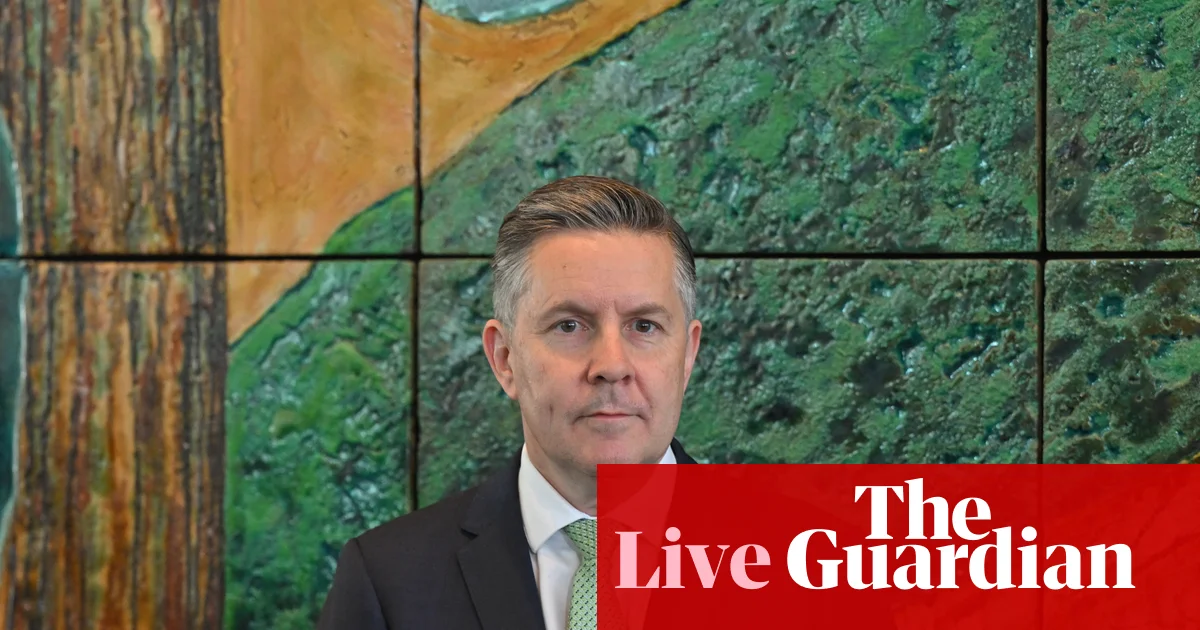
Australia Faces Key Fight Over State Health Funding, Teen’s Body Found After Blue Mountains Camping

As the global landscape reels with shifting alliances and rising tensions, Australia finds itself at a pivotal crossroads, where internal politics threaten to ripple across the world stage. In the midst of negotiations over critical national issues such as health funding, aged care, and gun control, decision-makers in Canberra are making choices that could redefine Australia’s geopolitical stance for decades to come. Recent reports highlight a flurry of activity in the National Cabinet, as leaders grapple with a complex web of domestic challenges that hold profound implications beyond their borders.

The ongoing negotiations over the health funding deal underscore a larger theme of national sovereignty and resilience. Prime Minister Anthony Albanese and his cabinet are under pressure to secure an agreement that balances fiscal responsibility with the urgent needs of Australia’s health system. The proposed delay in launching new programs, such as the autism intervention under the NDIS, signifies an attempt to buy time in a climate of fiscal strain and political brinkmanship. Such decisions, analysts argue, reflect a broader strategic calculus that may influence Australia’s role in regional security and economic stability, especially as rival powers like China and Russia continue to expand their influence in the Indo-Pacific.

Meanwhile, the alarm over aged care shortages and misuse of funding reveals underlying tensions within Australian society that echo wider global concerns about social stability and human rights. Reports of prolonged wait times—up to 245 days for in-home care—highlight the failure to meet basic societal obligations, sparking sharp criticism from opposition parties and international observers alike. The scandal surrounding the unauthorized use of restrictive practices against NDIS participants exposes a severe failure in safeguarding vulnerable populations, a crisis that echoes similar issues in various Western nations. These domestic failures threaten to undermine Australia’s diplomatic standing, as allies and adversaries alike scrutinize how internal policies shape its commitments to international standards.

Furthermore, the debate surrounding the federal government’s approaching gun buyback scheme exposes the delicate balance of sovereignty and security. Albanese’s push for a comprehensive program costing hundreds of millions faces resistance from regions like Queensland and the Northern Territory, complicating efforts to present a unified front on national security. This internal discord risks emboldening international actors who interpret Australia’s divisiveness as a sign of political fragility—an unintended signal in an era of rising geopolitical instability. As historians warn, such internal divisions could weaken Australia’s capacity to act decisively in regional conflicts and global crises, thereby fostering a perception of vacillation at a time when strong leadership is desperately needed.

Every decision in Canberra resonates beyond its shores, shaping the very fabric of international diplomacy and conflict. Nations watch closely as Australia contends with internal crises that threaten to spill over and influence regional power dynamics. From escalating health crises to security gambits, the choices made by Australia’s leadership may well determine whether the continent remains a pillar of stability or succumbs to internal discord that invites opportunism from rivals. The weight of history presses heavily upon this nation, whose trajectory now hinges on the resolve to prioritize national interests in a world teetering on the edge of chaos. The unfolding saga remains a stark reminder: in the theater of geopolitics, the stakes have never been higher, and the future is written in the decisions of today.

Brand Beckham drops the ultimate clapback costume — and the fashion game just got more fierce

In an era where celebrity branding is less about talent and more about strategic image manipulation, the recent spectacle surrounding the Beckham family exemplifies this evolution. Over the past week, the media has been captivated by a series of social media revelations from Brooklyn Beckham that expose unseen cracks within one of the world’s most meticulously crafted dynasties. Meanwhile, David Beckham’s appearance at Paris Fashion Week, wielding a rare Hermès bag and a sashiko-dyed jacket, signals yet another chapter in the art of using fashion as a subtler form of communication. These shifts in behavior underscore how modern celebrities, especially those embedded in traditional institutions like the royals or famed families, are increasingly using clothing and public appearances as signals—either for unity or to send a hint of discord.

Fashion’s role as a social language is nothing new—think of Princess Diana’s iconic looks or Wallis Simpson’s modern take on regal style—yet today’s spectacle is amplified by social media’s immediacy. Influencers, sociologists, and brand strategists argue that what these figures wear isn’t just about aesthetics; it’s about shaping public perception. David Beckham’s choice of sashiko—an *ancient Japanese technique of visible mending*—may seem trivial, yet experts like brand consultant Andy Milligan suggest it could be a deliberate semiotic message. Are Beckham’s wardrobe choices a covert nod of resilience, a statement of humility, or simply a comfortable choice? The current climate makes it increasingly difficult to discern whether these “fashion statements” are organic expressions or carefully curated signals crafted by a team of image architects working behind the scenes.

At the same time, the family melodrama—highlighted poignantly by Brooklyn Beckham’s emotional social media exposé—reflects a broader shift in societal attitudes. In this digital age, transparency is currency, and celebrities are no longer passive figures; they are active participants in shaping their narratives, often blurring the line between authenticity and performance. Though Brooklyn’s claims paint a stark picture of family conflict, critics warn that such revelations serve a dual purpose: they keep the Beckham brand in perpetual conversation, attuned to the shifting values of a social media-driven generation. This combination of high fashion, family feud, and social media theatrics sets the stage for a powerfully modern brand of public spectacle—one where image is everything and vulnerability is often strategic.

Looking ahead, one has to ask: as families and celebrities fine-tune their appearance for both the camera and the subconscious, what does this say about the *future* of influence? Will fashion and personal narrative become so intertwined that the authentic self is forever mediated through carefully edited symbols? Or is this an inevitable sign of a society where every gesture, every garment, is a piece of the puzzle in a sprawling game of perception management? With the lines between reality and spectacle increasingly blurred, it seems the next big question for youth and society alike is: *are we witnessing the dawn of a new era where true authenticity is the ultimate act of rebellion?*

Undertone Review: A Lackluster Podcast Horror Fails to Impress — Skip It at Sundance 2026

In an era where pop culture often seems inundated with shock tactics and superficial novelty, the enduring importance of culture as the fabric of identity and tradition remains paramount. The recent release of Ian Tuason’s indie horror Undertone exemplifies this truth, not merely as a low-budget experiment but as a reflection of the ongoing cultural dialogue—one that resonates beyond the immediate scares. Though critics point to its familiar tropes—drawing from The Exorcist and Hereditary—the film underscores a deeper, almost philosophical truth: that our stories and myths, whether in horror or history, serve as echoes of our societal values, fears, and hopes.

Philosopher Ortega y Gasset famously observed that culture is both a radar and a mirror—a navigation system built from the collective memory of a civilization, guiding its future while reflecting its past. In this light, popular culture becomes a vessel for ancestral archetypes, modern anxieties, and the moral lessons embedded in our shared narratives. The horror genre, in particular, functions as an almost prophetic tool, warning us against moral failings, societal decay, or the chaos lurking just beneath the veneer of civility. Tuason’s film, with its voyeuristic podcast and spectral recordings, is less about shock for shock’s sake and more about a subconscious dialogue with centuries of folklore, superstition, and cultural fears about evil, innocence, and the unknown.

Moreover, cultural critics like G.K. Chesterton remind us that tradition is the foundation upon which modern identity is built—an innate connection to timeless stories that bind communities through shared symbols and morals. Even in its fragmented, strained narrative, Undertone subtly underscores how our response to darkness—be it in stories or in the real world—draws from this deep well of cultural inheritance. Like the great myths or the heroic epics that challenged societies throughout history, horror, as a cultural genre, becomes a mirror to societal archetypes and the moral boundaries we uphold or break. In the end, the film’s failure to fully connect these elements reminds us that culture must evolve, but not at the expense of its core.

This perspective aligns with the insights of T.S. Eliot, who argued that true cultural renewal emerges from a conscious engagement with the past—its symbols, stories, and moral frameworks—allowing tradition to inspire prophecy. As the world around us seemingly races toward sensation and superficiality, it is vital to remember that culture is the slow, deliberate weaving of memory into the fabric of society. Whether through the ancient myths that warned of hubris or contemporary narratives that grapple with the chaos of modernity, our storytelling preserves the essence of what it means to be human. These stories are not static—they are living, breathing testimonies of our collective triumphs and failures, guiding the youth and the wise alike toward future horizons.

In this ongoing dance between memory and prophecy, culture remains the enduring vessel of identity—a testament to the resilience of human tradition amidst the shifting sands of time. As we face the uncertainties of tomorrow, let us cherish the stories that have shaped us, knowing they are both the echoes of a past that informs our present and the whispers of a future yet unwritten. For in the grand symphony of human history, culture is both the memory that sustains us and the prophecy that beckons us onward—an indelible mark of what we have inherited and a beacon of what we might yet become.

Social Media Auto Publish Powered By : XYZScripts.com