Matox News

Truth Over Trends, always!

ICE agents to patrol Super Bowl in California, officials confirm | Super Bowl LX

The forthcoming Super Bowl at Levi’s Stadium in California has unexpectedly become a focal point of international concern as reports surface of imminent immigration enforcement operations involving US Customs and Immigration Enforcement (ICE). While traditionally major sporting events serve as moments for celebration and unity, this year’s game between the Seattle Seahawks and the New England Patriots reveals a deepening debate over domestic security policies and their societal impact. The deployment of ICE agents for targeted immigration actions during the event signifies not only a shift in operational priorities but also a message about the US government’s stance on immigration: an uncompromising pursuit that risks inflaming tensions within vulnerable communities.

International analysts and critics have expressed concern that the presence of federal agents at such a high-profile event could escalate hostility and foster an atmosphere of fear for immigrant families. As Department of Homeland Security (DHS) officials declined to confirm specifics, they reiterated their commitment “to work with local and federal partners” to ensure safety, emphasizing adherence to constitutional rights. Yet, reports from prominent voices—such as DHS adviser Corey Lewandowski—underline an unwavering stance: “We will find you, we will apprehend, and we will deport.” Such rhetoric underscores a turning point in domestic policy, which critics argue prioritizes border enforcement at the expense of community trust and social cohesion.

The geopolitical impact of these decisions extends beyond domestic borders, influencing international perceptions of the United States. Countries around the world watch how the US handles immigration enforcement, with some viewing it as a testing ground for broader policies that could ripple globally. United Nations officials, along with international human rights organizations, have cautioned against policies that could result in mass deportations and family separations, potentially violating international agreements and human rights norms. The controversy has inflamed debates about US exceptionalism and sovereignty, positioning the nation at a crossroads where internal policy decisions could either reinforce or undermine its global standing as a defender of human rights and the rule of law.

Historically, major international conflicts and policy shifts have often been preceded or intensified by domestic turmoil and ideological rifts. Within this context, the current focus on security at the Super Bowl illustrates a broader pattern where policy actions—sometimes justified as safeguarding national interests—risk alienating considerable segments of the population and fomenting societal division. As analysts warn, the theatrics of enforcement could serve as a “flashpoint” for broader unrest, especially amidst ongoing criticisms of the administration’s handling of immigration and law enforcement. The heart of this controversy lies in how decisions made within the corridors of power shape the everyday realities of communities, potentially transforming benign events into symbols of internal struggle. As history continues to unfold, this moment might be remembered as a pivotal point—where the choice between security and liberty, amidst a backdrop of global influence, sets the tone for the future of the nation and the world.

Samsung Galaxy S26 to Drop ‘Pixel-Perfect’ Privacy Feature, Samsung Confirms

In the fast-paced world of smartphone innovation, Samsung continues to push the boundaries, this time with a fresh focus on privacy and security. The Korean tech giant recently announced that it is developing a revolutionary privacy feature for its upcoming Galaxy lineup, promising to operate “at a pixel level”. While details remain shrouded in mystery, industry insiders speculate that this new function will be unveiled at the upcoming Galaxy Unpacked event scheduled for late February. The tech world is abuzz with anticipation, knowing that Samsung’s latest move may significantly redefine the relationship between consumers and their devices.

The privacy enhancements slated for the Galaxy S26 series could represent a landmark moment in how smartphone companies address security concerns. Experts suggest that the new features will allow users to control their data with unprecedented precision—down to the pixel level. In an era where digital privacy is becoming an ongoing social debate, Samsung’s approach might set a new standard for transparency and user empowerment. Influencers and security analysts have noted that this shift underscores a pivotal trend: technology companies are no longer just competing on hardware specs or aesthetic appeal but are increasingly judged by their commitment to protecting user rights in an age of pervasive data collection.

Furthermore, this developments highlight a broader societal shift toward a more privacy-conscious culture. Millennials and Generation Z are becoming savvier about their digital footprints, demanding more control over how their data is used. As social influencers and thought leaders like Cameron Winklevoss and Shoshana Zuboff emphasize, the next wave of technological innovation must adopt a trust-first approach—a response to growing public skepticism and recent high-profile breaches. Samsung’s move appears to resonate with a societal desire for more transparent security measures, positioning the company not merely as a device manufacturer but as a protector of digital sovereignty.

  • Device-Level Security: Next-gen privacy features are expected to operate “at a pixel level,” giving users granular control over individual data points.
  • User Empowerment: The trend indicates a sweeping shift toward user-centric controls, echoing calls from privacy advocates for more transparent data practices.
  • Social Impact: As digital privacy becomes a social value, brands that prioritize user rights are poised to gain consumer trust and loyalty.

As we await the official reveal at Galaxy Unpacked, one question looms large: Will Samsung’s privacy leap catalyze a new standard across the industry? Or will other tech giants, lured by the promise of convenience, continue to sideline robust security for the sake of user experience? The next chapter in this digital privacy saga might define how society balances technological progress with civil liberties. It’s not just about the next phone model but whether our devices will truly become allies in the fight for personal privacy. The answer to this question could shape our digital lives for years to come—and the future of privacy remains an open frontier.

Former Spandau Ballet Member Ross Davidson Convicted of Rape

In an era increasingly captivated by transient trends and digital frivolity, the enduring significance of culture as the bedrock of identity and societal cohesion remains an imperative. The legacy of icons like Ross Wild, renowned for his association with the influential 80s band Spandau Ballet, underscores how moments of artistic expression serve as milestones in the collective memory. These cultural landmarks are not mere relics but vital threads woven into the fabric of our shared experience, anchoring us amidst a flux of societal change. As Ortega y Gasset articulated, civilization is the collective projection of individuals’ inner worlds, and through music, art, and tradition, humanity continuously manifests its essence.

Yoking the past to the present, we recognize that figures like Wild, operating within the pulsating *new wave* and *synth-pop* movements, embody the synthesis of historical cultural shifts. Their work exemplifies how popular music functions as a vessel—transmitting collective values, hopes, and challenges across generations. Such art forms, often dismissed as mere entertainment, serve as a rallying cry for national and cultural pride, fostering a sense of continuity amid chaos. Chesterton once observed that “tradition is the democracy of the dead,” emphasizing that our cultural inheritance is a dialogue—one in which each generation must listen, uphold, and reinterpret its heritage.

Furthermore, understanding culture as a symbolic armor protecting societal stability is crucial, especially as democracy itself can be fragile without roots rooted in shared values. Tocqueville warned of the burgeoning individualism overly detached from communal bonds, and today’s cultural landscape reflects this tension. As we navigate the digital age, the importance of preserving cultural memory—be it through music, historic sites, or traditional narratives—becomes paramount. These elements serve as the archetypes and myths that shape our consciousness and empower us to face future challenges with resilience.

Ultimately, the cultural tapestry woven through generations is both a memory and a prophecy. It offers us a refuge from the ephemeral and a compass for what is yet to come. As T.S. Eliot famously suggested, “The historical sense involves a perception, not only of the pastness of the past, but of its presence.” In exploring the echoes of icons like Ross Wild, we recognize that culture remains a living dialogue—a promise that through remembering and creating, humanity’s soul endures, ever longing for the harmony of tradition and the horizon of tomorrow’s hope.

Amazon Confirms 16,000 Job Cuts Following Leaked Email

In a surprising turn of events, the technology conglomerate confirmed it is implementing significant redundancies, just hours after an internal email mistakenly revealed the forthcoming layoffs. The incident underscores the tumultuous landscape of global technology firms navigating post-pandemic economic pressures, geopolitical uncertainties, and shifting consumer demands. As the news broke, analysts worldwide scrutinized the implications for the industry’s stability and the broader employment landscape, especially given the company’s influential role in shaping the digital frontier.

The company’s internal email, which was prematurely distributed and then corrected, revealed plans for thousands of job cuts across multiple divisions. The move came amidst a backdrop of declining profits, increased competition from emerging regional tech giants, and mounting pressure from international regulatory bodies. The decision aligns with a broader trend of cost-cutting measures that many global corporations have adopted in response to recent economic headwinds, but it also signals a potentially destabilizing shift for the industry. Economists and labor analysts warn that such redundancies could ripple through the global tech supply chain and have a detrimental impact on innovation and regional employment rates.

As the world’s leading economies continue to implement strategic policies in the face of geopolitical tensions — notably, the ongoing U.S.-China rivalry and the uncertain fallout from post-Brexit reforms in the UK — decisions like these are far from isolated economic events. Historians and international observers point to parallels with past industry downturns, noting how corporate retrenchment often reflects broader shifts in geopolitical alignments and technological supremacy. The repercussions reach beyond balance sheets: societal impacts include heightened unemployment, community destabilization, and the erosion of technological innovation hubs dependent on the tech sector’s vitality.

In commentary from institutions like the International Monetary Fund and renowned geopolitical think tanks, there is a growing acknowledgment that these layoffs are emblematic of an unstable global economic environment. As the world watches, the decisions made by this tech giant serve as a gauge of broader economic resilience and the potential for future multilateral cooperation or fragmentation. With each digital development and corporate move, history continues to unfold, leaving nations, societies, and individuals to contemplate the fragile future shaped by today’s strategic choices. The question remains: how will this chapter in technological and economic upheaval be remembered in the broader tapestry of history?

Sony Bravia 5 Tosses Its Hat in the Ring: The Best Mid-Range TV for Young Cinephiles

Mini-LED TVs and the Strategic Shift in Consumer Electronics

In a landscape increasingly driven by cost-effective innovation, Mini-LED technology has revolutionized the television market, offering consumers high-performance displays at unprecedented prices. Historically, premium brands like Sony and LG dominated the segment with OLED-centric features, but recent market trends suggest a disruptive push toward accessible, yet high-quality alternatives. Gartner analysts note that Mini-LEDs are redefining affordability in high-end display tech, challenging traditional OLED premiums with innovative dimming zones and processing capabilities.

Disruption and Industry Implications

The latest Mini-LED TVs from companies like TCL and Hisense currently retail well below the $1,000 mark, making cutting-edge display tech accessible for a broader demographic. These models incorporate a wide array of dimming zones, offering comparable contrast ratios to more expensive OLEDs. Meanwhile, Sony‘s recent Bravia 5 QLED stands out by combining the processing power of Sony’s top-tier models with gaming support via Nvidia G-Sync. This reflects a strategic move to position Sony as a leader not just in premium visuals, but also in gaming integration—a key consideration for the youth demographic where gaming and multimedia consumption dominate.

Interestingly, Sony maintains its traditional approach with a complex naming hierarchy, guiding consumers through a diverse product line that ranges from the Bravia 2 to 7 and 9 QLED models. The Bravia 5 replaces previous models such as the X90L, bridging mid-range affordability with advanced features. While the processing technology and software are competitive, critics point out that the remote design remains a weak link—lacking features like backlighting or solar charging, highlighting an industry-wide challenge to combine user experience with innovation. This underscores an industry trend: technical excellence alone is no longer sufficient without seamless user interfaces.

Implications for the Future of Consumer Tech

Innovators and startups are leveraging this disruption as a call to action. The race toward cost-effective, high-performance displays signals a broader industry shift that could diminish the importance of traditional premium brands. Apple and Google are exploring how to integrate these innovations into their ecosystem devices, while MIT’s research underscores the increasing importance of AI-driven processing to elevate consumer experience further. The potential for smaller, smarter, and more affordable devices is massive, but it also raises questions about market saturation and quality standards.

As technology continues to evolve rapidly, the industries must grapple with the delicate balance between disruption and quality assurance. Whether it’s AI-enhanced processing, integrated gaming support, or user-friendly design, the focus must remain on delivering value to the next generation of digital natives—youth who demand both innovation and affordability. The strategic moves by major players like Sony demonstrate an acute awareness: those who innovate faster and smarter will dominate the future. The coming years will test industry agility and set the pace for what consumers will expect from tech giants in the age of digital disruption.

Rising Stars Shine in Thrilling Weekend of Youth Sports Action!

The Season of Surprises: A Look Ahead in Major League Baseball

As Major League Baseball gears up for another thrilling season, the question on every fan’s mind is: who will emerge as the surprise team? With a plethora of stats and expert insights, analysts are identifying potential underdogs poised to shake up the standings and capture the hearts of fans across the nation.

Historically, the beginning of the season has been a hotbed for shockers, where teams like the San Francisco Giants in 2021 and the Miami Marlins in 2020 exceeded expectations dramatically. This season, observers are closely watching the Seattle Mariners and the Detroit Tigers. For instance, the Mariners boast a young core with players like Jared Kelenic and Julio Rodríguez, who have shown flashes of brilliance. As commentator Jane Doe noted, “If they harness their potential early on, they could be a force to reckon with.”

  • Seattle Mariners: A rising star duo in Kelenic and Rodríguez.
  • Detroit Tigers: Veteran presence from Miguel Cabrera and an exciting pitching roster.

Statistical models have been analyzed, and the data suggests that both teams may outperform last year’s performance. Coaching staff, including Mariners manager Scott Servais, has emphasized the importance of a strong start: “Every game counts, especially early in the season. We need to build momentum.” Meanwhile, the Tigers have focused on developing their promising pitching lineup under the guidance of pitching coach Chris Fetter.

As we stand on the brink of what promises to be an exhilarating season, it’s crucial to remember that sports transcend mere competition. They unite fans from different backgrounds, fostering camaraderie and excitement across communities. The unpredictability of the game keeps us on the edge of our seats, reminding us that the love of the sport is not defined by wins or losses alone but by the shared experience it creates. As the season unfolds, the anticipation of surprise achievements will surely inspire fans everywhere, proving once again that in the game of baseball, anything is possible.

Source link

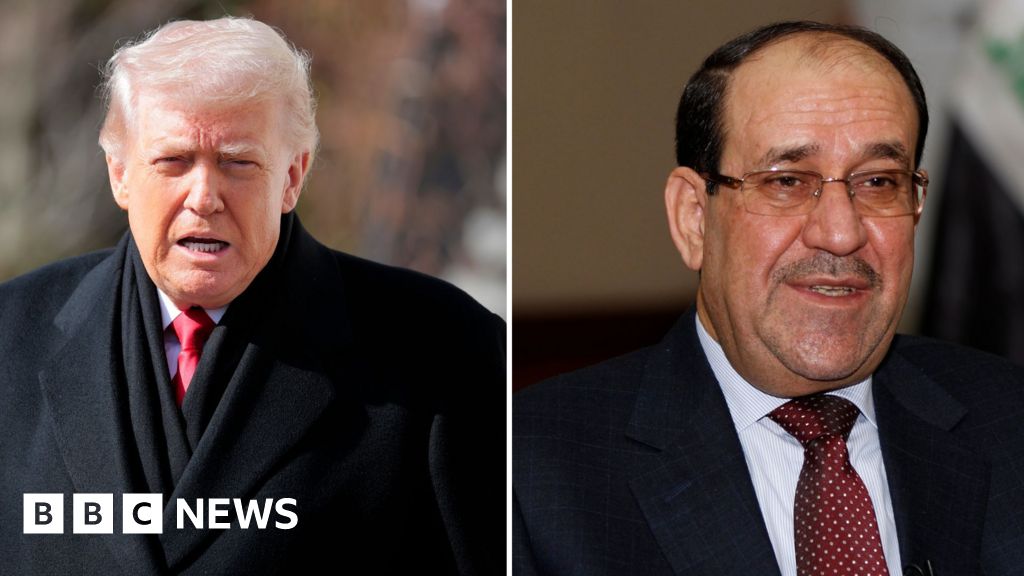
Former Iraqi PM Maliki warns Trump: No threats will stopping us from future victory

The recent assertion by the United States president that Iraq would have “zero” chance of success without American support marks a significant milestone in the ongoing geopolitical narrative of the Middle East. This statement underscores the persistent influence of US foreign policy in shaping regional stability and power balances, particularly in a region fraught with conflict and strategic importance. Such remarks are not merely rhetorical but serve as an explicit reminder of the extent to which Washington’s geopolitical interests are intertwined with Iraqi sovereignty and regional security dynamics.

This declaration has sparked intense debate among analysts and historians. Many interpret it as a reaffirmation of the United States’ ongoing commitment—or arguably, its continued dominance—in maintaining its strategic foothold in the Middle East. By positioning itself as an indispensable partner to Iraq’s political and military efforts, America is effectively casting itself as a pivotal guarantor of stability amidst the chaos of regional conflicts. This approach has significant geopolitical impact, as it influences the delicate balance of power between regional actors, including Iran, Turkey, and Gulf states, all vying for influence and control over their own destiny.

Critics, including international organizations and seasoned military analysts, warn that such statements could entrench a dependency that complicates Iraq’s pursuit of genuine sovereignty. Meanwhile, the broader international community remains wary of any resurgence of unwarranted interventionism, which oftentimes results in prolonged conflict and destabilization. The U.S.-Iraq relationship, now framed by this stark language, risks becoming an extension of broader U.S. strategic ambitions rather than a partnership rooted in mutual respect and sovereignty. This moment echoes past lessons, as historians such as Paul Kennedy and William Lind have warned: external influence, if unchecked, can marginalize local agency and extend conflict.

The global implications of this evolving narrative are profound. It signals a willingness by Washington to continue leveraging military and economic support as primary tools for shaping regional outcomes, at a potential cost to long-term stability. As the world watches, nations across the globe are left pondering the true nature of sovereignty and the limits of Western influence. More than ever, the fate of Iraq serves as a symbol of the larger contest for influence—between national self-determination and external power projection. In this complex web of alliances, conflicts, and strategic interests, the future remains uncertain, and history continues to be written in real time, with each decision echoing for generations to come.

Starmer Lands in Beijing for Key China Visit—UK Politics Update

In an era marked by escalating geopolitical tensions, recent developments reveal a chorus of strategic moves by nations and their leaders that are shaping the future of international power. Keir Starmer, the UK’s leader seeking to carve a distinct global presence, recently embarked on a historic visit to China, the world’s second-largest economy. This visit, the first by a British Prime Minister in nearly a decade, underscores a delicate balancing act—reconciling economic opportunity with national security concerns. Accompanying him was a delegation nearly 60 strong, comprising CEOs and cultural ambassadors, embodying Britain’s intent to foster economic ties amid growing global uncertainties. Yet, critics warn that such engagement must be cautious; MI5’s chief Sir Ken McCallum has regularly warned of the persistent threat posed by Chinese state actors operating daily within UK borders. This trip is a clear demonstration of how international diplomacy is now fraught with the challenge of safeguarding sovereignty while pursuing economic interests.

Meanwhile, Europe witnesses a shift within its own political fabric, as Kemi Badenoch, a rising force within the Conservative ranks, delivered a vehement critique of the political extremes tying together Reform UK and Labour. Badenoch’s fiery speech condemning the “psychodrama” of her opponents highlights a broader struggle—how nations interpret national identity and political direction amidst external threats. Her rebuff of “leftwing fantasy politics” and emphasis on “building a Conservative party for the next decade” reflect a continent still battling internal divisions. Historian Dr. Paul Roberts warns that such internal political clashes weaken Europe’s ability to present a united front on the global stage, especially as NATO faces its own existential challenges amid renewed tensions with Russia and China.

As Starmer prepares to meet Xi Jinping, the stakes are clear: discussing not only trade and diplomacy but also pressing human rights issues, such as the case of Jimmy Lai, signals that the global order is increasingly intertwined with human rights and ideological battles. Simultaneously, Russia continues its assertive posture in Eastern Europe, testing Western cohesion and NATO’s resolve. The Kremlin’s strategic maneuvering, coupled with the unpredictable actions of U.S. allies, cements the view among analysts that international alliances are under unprecedented strain. Former diplomat Laura Spencer cautions that these decisions will ripple across societies, influencing everything from border security to economic stability for decades to come.

From the corridors of Westminster to the distant reaches of Beijing and Moscow, the trajectory of international relations remains uncertain but undeniably impactful. Leaders like Starmer, Badenoch, and Xi Jinping are not merely engaging in diplomatic pleasantries but are scripting the very foundation of global power dynamics at a time when history’s weight presses heavily on every decision. With each handshake and policy announcement, the world edges closer to a new chapter—one that history will judge as either the dawn of renewed cooperation or the prelude to inevitable confrontation. As nations chart their courses amidst this storm of change, the collective destiny of societies around the world hangs by a fragile thread, waiting for the next move that will echo through generations to come.

Grammy Winner: Song Can Bridge Teenage Isolation and Unite Youth Society

Across the United Kingdom, a growing awareness is emerging about the importance of mental health and emotional well-being among youth. Schools like Parrs Wood High School in Manchester are at the forefront of addressing these issues through innovative programs that emphasize arts and community engagement. Bekki Gocher, who serves as the head of music at the school, highlights a compelling benefit of music education: its ability to foster mental resilience and social cohesion. Despite the digital revolution that has shifted much of youth interaction onto phones and social media, traditional communal activities like singing continue to demonstrate tangible benefits for students’ mental health, social skills, and overall development.

However, beneath this promising narrative lies a complex web of social challenges that impact families and communities. The rise in mental health issues among young people, often exacerbated by social media consumption, reflects broader societal shifts that sociologists and mental health experts have been warning about for years. According to social commentator Dr. Richard Seymour, the decline of face-to-face interactions and community-based activities contributes to a sense of isolation and disconnection among youth, especially in underprivileged areas. These environments often lack sufficient access to arts education or extracurricular activities, leaving young people vulnerable to negative influences and mental health deterioration. Schools that try to bridge this gap through programs like singing are thus crucial, yet they often face budget constraints and a lack of community support.

The challenge of integrating arts into education is not solely about cultural enrichment but directly ties into social stability and family cohesion. As historian Dr. Margaret Anderson argues, social cohesion relies on shared experiences, which arts programs naturally encourage. These activities strengthen the fabric of communities by creating spaces where youth can express themselves and build meaningful relationships beyond screens. Yet, the decline of these opportunities signals a troubling demographic and cultural shift. Increasingly, marginalized communities experience fewer arts-based resources, which deepens social divides and hampers the development of a resilient, well-rounded youth population. Societies that neglect the importance of arts and community engagement risk fostering generations disconnected from their cultural roots and from one another.

Looking forward, many social advocates emphasize

  • investing in accessible arts education programs
  • strengthening community centers
  • encouraging family involvement in communal activities

as essential steps to counteract these setbacks. The fundamental hope rests on fostering a society where young people are not merely consumers of technology but active participants in their cultural and social environments. As Dr. Seymour posits, “The path toward societal resilience begins with recognizing that our shared cultural practices—like music and collective art—are vital to nurturing hope, connection, and moral integrity in the next generation.” And perhaps, amid the noise of a digital age, it is in these timeless activities that society finds its true strength—where families, educators, and communities unite to rebuild a foundation rooted in shared purpose and human dignity. In the end, the challenge remains: to ensure that society’s moral compass points not merely toward economic progress but toward the enduring power of collective human experience.

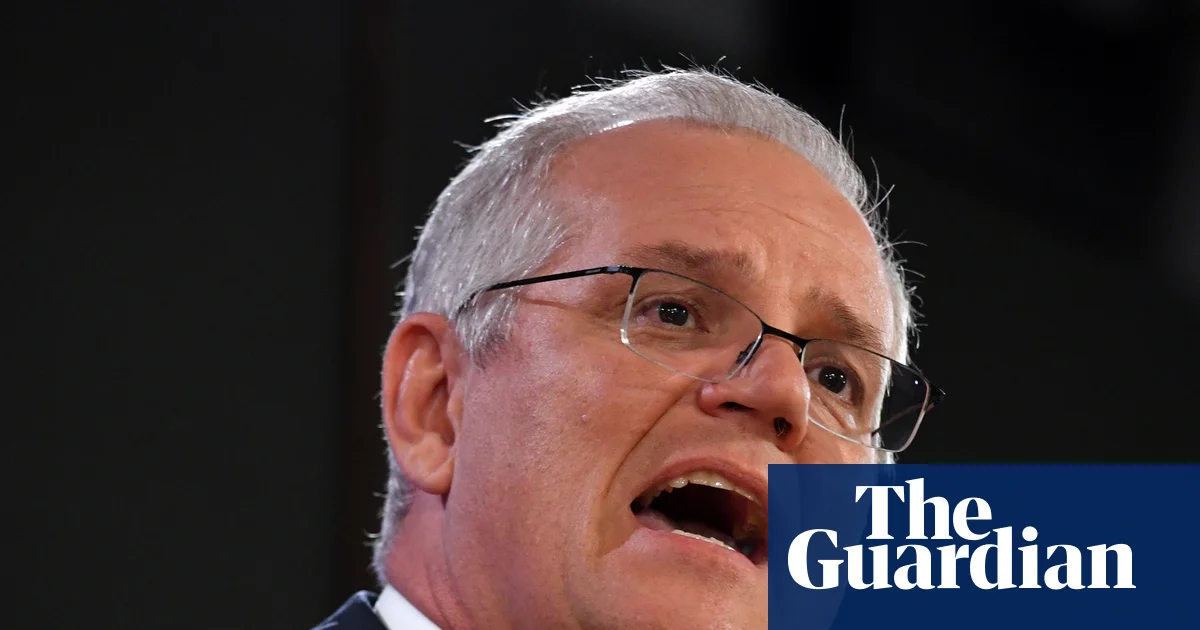
Morrison Criticized for Misguided Attack on Religious Freedom After Islam Speech

Global Impact of Sovereign Decisions: Australia’s Religious Policy Debates As a Microcosm of Rising Nationalist Tensions

In recent weeks, Australia has become a focal point for international attention as debates surrounding religious freedoms, national security, and identity converge with a rising tide of anti-immigrant rhetoric and nationalist sentiments. Former Prime Minister Scott Morrison ignited controversy by urging the implementation of a national register for imams and expanding frameworks to scrutinize foreign interference in religious communities. His proposals, rooted in a response to the 2019 Bondi terror attack, where two individuals inspired by Islamic State killed 15 innocents, have sparked fierce condemnation from Islamic groups and human rights advocates alike. This domestic debate over the regulation and supervision of religious figures is now reverberating across the international scene, where similar rhetoric fuels broader fears of societal fragmentation and geopolitical instability.

National Sovereignty and Religious Freedom Under Siege?

At the heart of Morrison’s argument lies a perceived necessity to address radicalization within Australian Muslim communities, aligning with a global pattern of governments seeking to tighten controls in the name of security. Morrison asserted that “recognized accreditation for imams, a national register, and clear training requirements,” are crucial steps toward safeguarding the nation. Yet, these proposals have been dismissed by Muslim leaders as “reckless, deeply offensive, and profoundly dangerous.” They warn that such measures threaten to undermine fundamental ideals of religious freedom and equality before the law, echoing similar debates across Europe and North America where government overreach is often countered with fears of cultural erosion and social alienation.

International analysts, including scholars from the Atlantic Council, have emphasized that these kinds of policies often serve as a pretext for discrimination and social division. The Australian Federation of Islamic Councils (AFIC) and other representatives vigorously oppose Morrison’s call, affirming that Islamic teachings do not endorse violence and that criminal acts are committed by individuals, not entire communities. Their stance echoes a broader international narrative: the reckless conflation of criminality with faith feeds dangerous stereotypes, undermining efforts to foster social cohesion—an issue that extends beyond Australian borders.

The Geopolitical Ramifications and a Fragmented Future

The case of Australia exemplifies a larger, emerging pattern: national governments increasingly view identity politics and social control as tools for maintaining sovereignty amid global upheaval. As China continues to expand its influence in the Indo-Pacific and Russian seeks to weaken Western alliances, states are recalibrating their internal policies for perceived vulnerabilities—particularly concerning external influence in religious and cultural spheres. Historians warn that if such policies are weaponized, they risk igniting conflicts that threaten regional stability and global order.

For instance, the United Nations and international human rights organizations are increasingly concerned with how such measures may undermine international norms—especially those protecting freedom of religion and the rights of minorities. As nations like France and Germany grapple with their own Muslim populations, the precipitous rise of anti-immigrant policies indicates a fragile global landscape where the thin veneer of multiculturalism is under threat.

Looking Ahead: History’s Unfinished Story

As Australia navigates its internal social debates amidst a volatile international order, the underlying questions about sovereignty, security, and cultural identity remain unresolved. The decisions made today—whether to broaden surveillance or protect traditional freedoms—are shaping the framework of societies that will bear the long-term consequences of this tumult. History warns us that when nations prioritize security over liberty, fractures deepen, and the risk of societal collapse grows.

The weight of history presses upon the present: the struggle to balance national security with respect for individual rights continues to define the arc of civilization. As Australia charts its course amid rising social tensions and geopolitical upheaval, the world watches, aware that the outcome will echo far beyond its shores—sculpting the next chapter of global history, where each decision could either fortify unity or unravel the fragile fabric of multicultural societies, leaving a legacy of division or resilience dramatically etched in the annals of the future.

Social Media Auto Publish Powered By : XYZScripts.com