Matox News

Truth Over Trends, always!

Lib Dems aim to end SEND services being exploited for profit

Surge in Spending on Special Educational Needs and Disabilities Sparks Social Debate

In recent years, local councils across the nation have seen a marked increase in their expenditures dedicated to Special Educational Needs and Disabilities (SEND) programs. This rise, driven by greater recognition of diverse learning requirements and the demand for inclusive education, has brought to light a profound challenge facing our educational and social systems. While the commitment to providing equitable opportunities is commendable, critics argue that the ballooning costs threaten to strain public resources and complicate efforts to maintain a balanced, community-centered approach.

Historically, education was designed around a relatively homogenous student body, with the assumption that a standardized curriculum sufficed for most. However, sociologists such as Christopher Jenks have highlighted a shift towards a more inclusive model, emphasizing the importance of catering to students with diverse needs. This cultural transformation, championed by educators and advocacy groups, aims to ensure that no child is left behind due to disabilities or learning difficulties. Yet, as the costs of specialized support services, trained personnel, and adaptive learning infrastructure have skyrocketed, debate intensifies over the sustainability of such expansive efforts.

—often working-class neighborhoods—are particularly impacted by this trend. For many families, the escalation in SEND-related spending underscores existing disparities, where children with special needs sometimes face limited access or inadequate support due to resource constraints. The social fabric that once prioritized community cohesion now grapples with challenges of resource allocation, fraying the ties that hold diverse communities together. In many areas, local councils struggle to balance expanding SEND provisions with the demands of other vital services, leading to fears that the social fabric may fray further if localized efforts become overwhelmed.

  • Many social commentators argue that the current approach, while rooted in moral convictions about inclusivity, overlooks the structural limitations of public funding.
  • Proposed solutions include targeted reforms that emphasize community involvement and partnerships with private sector providers to alleviate cost pressures.
  • There is also a call to better integrate mental health services and early intervention programs to reduce long-term costs and improve outcomes for children with SEND.
Avalanche Tragedy in the Austrian Alps: Five Lives Lost

In a tragic turn of events, a man skiing with his son was among those who lost their lives in the devastating avalanche that struck the European Alps this past Friday. The incident has catapulted the region’s winter disaster toll to at least 21 lives lost this season, underscoring the escalating risks associated with changing climate patterns and increased recreational activity in mountainous areas. It is a stark reminder that, despite advances in safety technology and rescue operations, nature’s fury remains unpredictable and deadly.

Beyond the immediate human tragedy, this avalanche underscores the broader geopolitical and societal implications of climate change and regional safety policies. The Alps, spanning several nations including France, Switzerland, Italy, and Austria, have long been a shared economic asset, underpinning tourism and local livelihoods. However, climate scientists suggest that rising temperatures are destabilizing snowpacks and increasing the frequency and severity of such natural disasters. According to recent reports from the Intergovernmental Panel on Climate Change, the Alps’ snow cover has decreased significantly over the past decades, amplifying the danger and economic costs associated with winter sports.

This increasing frequency of avalanches has prompted many regional governments and international watchdogs, such as the United Nations Environment Programme, to reconsider their strategies on climate mitigation and disaster preparedness. Yet, critics argue that political inertia and conflicting national priorities hinder effective cooperation, especially in the face of mounting economic pressures from seasonal tourism. Analysts warn that if collective action is not accelerated, the Alps and similar fragile ecosystems worldwide will face continued vulnerabilities, affecting not just local communities but global perceptions of climate resilience and environmental stewardship.

The recent tragedy is also viewed through the lens of geopolitical stability and regional cooperation. European nations depend heavily on cross-border cooperation to manage natural disasters in shared spaces, yet the recurrence of such events exposes the gaps in coordination and resource distribution. As historians like Dr. Elias Barrett note, these crises could either serve as wake-up calls for renewed multilateral efforts or deepen divisions, especially amidst the ongoing energy debates and economic uncertainties gripping Europe. The avalanche’s aftermath has reignited calls for comprehensive safety policies, improved surveillance technology, and early warning systems that could save lives in future incidents.

In the unfolding narrative of our time, these natural disasters are more than isolated tragedies—they are the frontlines of a global struggle to confront environmental change, geopolitical cooperation, and societal resilience. As authorities and citizens grapple with the memory of lives lost and the future risks ahead, history quietly records the moment—on snowy peaks where nature’s power remains unyielding. The way nations respond today will shape the legacy they leave for generations to come, leaving the world to ponder: will this be a turning point in collective action, or a prelude to more devastating chapters in environmental catastrophe?

Chelsea Flower Show Looks for New Sponsors After Mysterious Donors Pull Out

The Chelsea Flower Show, an emblem of global horticultural excellence and a showcase for innovation, is facing a pivotal moment. For decades, the event has depended heavily on corporate sponsors and philanthropic patrons to fund its grandeur, cultural impact, and charitable initiatives. Recently, however, a significant shift has occurred as the mysterious philanthropic couple who invested over £23 million into show gardens since 2022 have withdrawn their support. This development raises questions on the future of Britain’s most storied gardening event and its international influence.

Historically, corporate sponsorship played a dominant role, with brands such as M&G and Range Rover providing the financial backbone for the show’s most renowned displays. Yet, since the 2008 financial crisis and the recent global pandemic, the number of commercial patrons has declined sharply, signaling a broader decline in private sector engagement with high-profile cultural events. In response, the Royal Horticultural Society (RHS) shifted focus to champion charitable causes through the support of garden projects, notably via the initiative, Project Giving Back. Supported by anonymous donors, this movement funded 63 gardens that highlighted social issues and environmental themes, such as native plants and eco-friendly horticulture. Significantly, the innovative “rewilding” garden in 2022—designed to look deliberately unkempt—won the coveted best-in-show award, symbolizing a paradigm shift toward sustainability and natural beauty in gardening.

The current withdrawal of philanthropic support represents a *turning point* for the RHS. With 2027 on the horizon, the organization is seeking new charitable sponsors, aware that the event’s economic model must adapt to an increasingly uncertain funding landscape. Critics and analysts point out that the future of the Chelsea Flower Show hinges on balancing commercial interests with societal and environmental responsibility. Historians like Dr. Jane Matthews note that the event’s history as a platform for both culture and charity underscores its geopolitical significance: it serves as a high-profile international stage for Britain to project soft power, promote environmental awareness, and foster global goodwill. As the show increasingly emphasizes eco-conscious themes, its role in shaping international dialogue on climate resilience and sustainable development becomes even more pronounced.

The last garden sponsored by Project Giving Back will be a dramatic statement, designed by James Basson and featuring striking imagery of cliffs and natural ochre pigments reminiscent of Southern France. This design not only symbolizes a possible glimpse into the future of gardening in a changing climate but also serves as a reminder of the show’s broader role. As international organizations and think tanks analyze the intersection of environmental policy and cultural diplomacy, the Chelsea Flower Show emerges as a vital cultural arena. Yet, the loss of philanthropic support underscores an unsettling reality: without sustained external investment, this global icon risks becoming a relic of bygone eras, its influence diminished in a world where economic and political shifts are reshaping international soft power.

As history continues to unfold, the Chelsea Flower Show stands at the cusp of transformation. Its destiny now intertwined with the ever-shifting currents of global economics, environmental concern, and societal values. The coming years will reveal whether this celebration of horticultural innovation can endure as a beacon of cultural diplomacy or whether it will fade into obscurity amid the relentless tides of change. In the shadow of declining charity and changing priorities, the question remains: what legacy will this iconic event leave for future generations? As the world watches, the story of the Chelsea Flower Show is yet to be fully written—a chapter in a larger narrative of history, resilience, and the enduring power of gardens to inspire and unite.”


Top Dating & Hookup Apps Dominating the UK Scene in 2026: What Young Brits Need to Know

The Rise of Pure: Redefining Casual Encounters for a Generation

In a world increasingly driven by instant gratification and the demand for authenticity, apps like Pure are pioneering a new wave in how young adults approach casual dating and hookups. Unlike traditional dating platforms, Pure offers an experience that is adventurous, no-strings-attached, and 100% anonymous. With features like self-deleting chats and photos that vanish within 24 hours, the app caters to a generation that values privacy, directness, and immediacy. Its rise mainly among Gen Z users is not accidental; it mirrors a cultural shift towards minimal effort connecting and eschewing societal expectations around dating.

The Cultural Impact: Challenging Traditional Courtship

Recent sociological analysis suggests that apps like Pure are more than just digital dating tools—they are symbols of a broader societal shift. Unlike mainstream apps that emphasize profiles, long conversations, and emotional investment, Pure strips down the experience, focusing solely on physical connection and quick gratification. This transition reflects a culture that increasingly values efficiency, honesty, and an unapologetic approach to sexuality. Influencers and analysts highlight that this trend pushes back against the traditional courtship ritual, emphasizing that Gen Z is redefining what intimacy means in the digital age. As social psychologist Dr. Emily Carter notes, this trend aligns with a desire for authenticity and transparency, although delivered through an intentionally minimalist interface. Such dynamics signal a shift in social norms, where societal judgments are sidestepped in favor of convenience and individual choice.

The Social Relevance and Controversies

Despite its niche appeal, Pure is stirring conversations about sexual expression, privacy, and societal standards. Critics argue that the app’s focus on heteronormative encounters and its smaller user base may reinforce limiting stereotypes and exclude more diverse experiences—something many sociologists warn could hinder broader social acceptance. Still, for a generation often dismissed as superficial or detached, Pure’s success underscores a growing demand for spaces where they can explore their sexuality unapologetically and without fear of judgment. The app’s impact extends beyond fleeting encounters; it is part of a cultural revolution that champions bits of personal freedom and authenticity. Influencers who promote youth liberation from traditional dating paradigms praise this as a sign of independent self-empowerment. However, the question remains: is this trend sustainable or just a fleeting phenomenon born of the digital age?

The Next Big Question: What’s Next for Casual Culture?

As Pure and similar platforms gain traction, the critical question emerges—what is the future of casual encounters in a society increasingly obsessed with authenticity and digital immediacy? Will this digital hookup culture evolve into more integrated forms of social interaction or remain a transient phase driven by generational impatience? And more importantly, how will societal norms adapt to the normalization of such openly digitalized, immediate forms of intimacy? The next decade might reveal whether these apps truly fulfill a new landscape of social needs or if they become a fleeting echo of a rapidly shifting cultural tide.

Top Milk Frothers in the U.S. for the Perfect Latte, Hot Chocolate, and More — Elevate Your Brew Game

In a world where the coffee shop has become a sanctuary for millions, the quest for that perfect brew is more than a morning ritual—it’s a lifestyle shift toward personal wellness and a pursuit of excellence in daily routine. From the sleek double boiler espresso machines at your local café to the latest in home coffee gadgets, the landscape of brewing is transforming rapidly. Among these, milk frothers have gained stellar reputation, typifying a broader movement towards accessible luxury and self-care. While traditional barista equipment boasts fine control and professional-grade results, the rise of user-friendly, high-performance devices like the Nespresso Aeroccino 4 and the Breville Milk Café exemplifies how technology now empowers consumers to elevate their lifestyle at home—turning everyday moments into small acts of indulgence.

At the core of these innovations lies a desire for personal impact: health, leisure, and inspiration. The ability to craft café-quality coffee and froth at home speaks to a broader cultural shift—where mindfulness in self-care and quality of leisure become foundational. Wellness experts and lifestyle authors like Tim Ferriss and wellness coach Dr. Mark Hyman emphasize that control over our routines—be it in nutrition, exercise, or morning rituals—translates into greater mental clarity and vitality. These devices, although simple, fit seamlessly into this ethos, promising consistent results with ease and minimal fuss. Whether it’s crafting silky oat milk froth or a hot chocolate for the family, the focus has shifted towards purpose-driven productivity and well-being, encouraging a mindful embrace of leisure as a lifestyle.

The array of milk frothers available today—from the straightforward, budget-friendly Aerolatte to the high-tech, adjustable Subminimal NanoFoamer V2—illustrates a democratization of culinary craftsmanship. For young consumers seeking to blend productivity with quality, the key lies in understanding the different types of devices and their impact on their health and leisure routines:

  • Carafe-style electric frothers for those who value consistency and ease of use.
  • Frother wands for the tinkerers and baristas-in-training, offering tactile feedback and control.
  • Manual frothers that challenge with a hands-on approach—turning frothing into a ritual of patience and discipline.

Health-conscious youth are increasingly aware of materials used in kitchen gadgets, prompting questions about non-stick coatings and PFAS exposure. The rise of premium all-metal devices and uncoated alternatives signals a growing concern for environmental impact and personal safety. Indeed, selecting the right device fosters a deeper connection with one’s health and sustainability, reinforcing the idea that lifestyle choices are active, impactful decisions. As Dr. Michael Greger champions, mindful consumption—down to the tools we use—can lead to better health outcomes and a sense of ownership over our daily rituals.

Ultimately, the journey of integrating technology with wellness and leisure transforms daily routines into an ode to personal growth. Making a perfect latte or frothing plant-based milks becomes more than a task—it’s an act of self-investment and expression. Just as author and wellness pioneer Deepak Chopra suggests that “every act of self-care is a step toward a more harmonious life,” embracing these everyday tools reflects an attunement to ourselves and our environment. In this ongoing lifestyle voyage, each ritual, be it brewing a coffee or practicing mindfulness, becomes a testament to embracing the *best version* of ourselves—an inspiring reminder that life’s richness often lies in the simple, deliberate acts of everyday living.

Why ‘Wuthering Heights’ Misses the Mark in Today’s Cultural Landscape

In the contemporary cultural landscape, the interpretation of classic literature through modern cinematic lenses reveals much about our society’s evolving identity. Recently, discussions have emerged around Emerald Fennell’s provocative film adaptation of “Wuthering Heights”, with commentary from Wesley Morris, host of “Cannonball,” and Sasha Weiss, culture editor of The New York Times Magazine. These conversations underscore the enduring power of literature as a mirror of our deepest passions, struggles, and moral dilemmas. Such adaptations are not mere entertainment but cultural acts that question and reinforce the values rooted in tradition, even as they challenge our perceptions of morality, desire, and social order.

Fennell’s reimagining of the classic novel—a story steeped in passion, darkness, and revenge—serves as a modern tableau for exploring the tension between individual longing and societal constraints. As Ortega y Gasset posited, culture is an ongoing dialogue between the individual existence and the collective memory. When filmmakers interpret this dialogue, they participate in a process that reinvigorates tradition, breathing new life into timeless themes. Here, the visual storytelling functions as a contemporary mythic canvas, echoing the moral complexities of the original, yet resonating with the visceral realities of today’s society. The film’s steamy scenes and dark undertones evoke—a cultural reminder—that beneath the veneer of civility lies often-unresolved human passions, echoing the romantic transcendence and the tragic fate of its original characters.

This adaptation also exemplifies the importance of culture as a foundation of identity and societal order. As Tocqueville observed, democracy’s strength rests on shared symbols and narratives that bind a community’s sense of purpose. In the age of cultural fragmentation, revisiting such passionate stories as “Wuthering Heights” reminds us that the core of our identity is rooted in understanding our moral and emotional heritage. Furthermore, the depiction of turmoil and desire in Fennell’s vision prompts us to confront questions about authenticity and the human condition, challenging superficial notions of happiness and success. In this sense, art becomes a moral compass, guiding society’s reflection on its own nature, much like Chesterton’s assertion that the end of art is moral clarity.

Ultimately, these cultural expressions serve as both memories and prophecies—carrying the lessons of the past while envisioning the future. As T.S. Eliot famously suggested, our cultural canon is a waste land that bears the seeds of renewal; it is through understanding how we have loved, suffered, and fought that we glimpse the path forward. The adaptation of “Wuthering Heights” becomes an emblem of that ongoing dialogue, a testament to the vital role of culture in shaping our collective destiny. In this light, the arts are not mere reflections but the very soul of human hope and memory—a prophecy whispered by the past, echoing into the future, pointing us toward a future where tradition and innovation walk hand in hand, endlessly unfolding the story of human existence.

Please provide the feed content you’d like me to analyze for the headline.

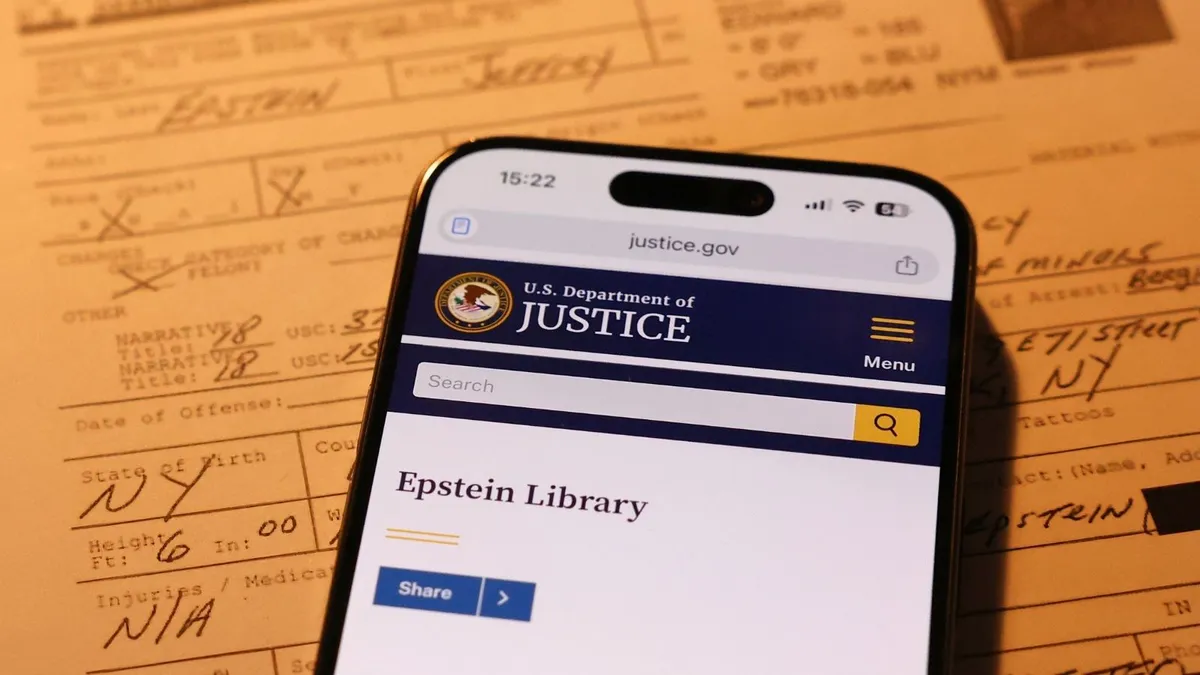
Unpacking the Claims: Was There a Controversial Email Linked to Jeffrey Epstein?

Recent online circulation has raised concerns over an allegedly leaked email that purportedly references Jeffrey Epstein, a notorious financier and convicted sex offender. The email in question reportedly mentions “a party with a dozen beautiful East Side girls” and makes a disturbing allusion to toddlers. Such claims have fueled outrage among critics who argue that there might have been a known connection to illicit activities or exploitation. However, a thorough examination rooted in credible sources clarifies the facts and separates sensationalism from reality.

What Does the Email Say, and Is It Authentic?

The central claim circulating online is that an email written by or about Jeffrey Epstein mentions a gathering involving young women described as “East Side girls,” and also references toddlers. Critics interpret this language as evidence of potential abuse or illicit involvement. Yet, experts and investigative records suggest that the content and context of such emails are often misrepresented or taken out of context. The provenance of this specific email remains unverified in many cases, and agencies such as the Federal Bureau of Investigation (FBI) and the Southern District of New York have not publicly released verified documents referencing such language in relation to Epstein.

Assessing the Evidence and Source Credibility

  • While there are publicly available court documents and investigative reports linking Epstein to sex trafficking and exploitation, these do not include verified references to the specific email content in question.
  • Additionally, journalistic investigations like those by The New York Times or The Washington Post have documented Epstein’s associations, but they have not published proof of the particular email content under scrutiny.
  • Various social media posts and informal sources may attempt to connect Epstein to the phrases cited, but these lack corroboration from official or credible investigative sources.

Thus, the claim that an authentic or leaked email exists containing those specific phrases, especially concerning toddlers, is currently misleading without concrete evidence. When assessing such sensational claims, it’s paramount to rely on verified sources and official releases rather than unsubstantiated rumors.

Expert Opinions on the Broader Context

Legal professionals and investigative journalists emphasize the importance of scrutinizing sources and verifying documents before accepting such claims. For instance, Julie Brown, an investigative journalist who extensively covered Epstein, notes that conspiracy theories and misquotes proliferate rapidly online. She affirms that “until credible, court-verified evidence emerges, these claims should be viewed with skepticism.”

Moreover, organizations like the National Center for Missing & Exploited Children have underscored the complexities of such cases and the importance of responsible reporting. False or unverified allegations can harm ongoing investigations and undermine public trust.

The Importance of Truth in a Democratic Society

Ultimately, the dissemination of unverified claims poses risks to informed citizenship and the rule of law. False accusations and misleading misrepresentations threaten due process and can unjustly damage reputations. As citizens—particularly the youth who are increasingly active online—it’s vital to prioritize evidence-based information and rely on official sources and expert analysis. Only through rigorous fact-checking and responsible reporting can we uphold the integrity of our democracy and ensure that justice is served based on facts, not fiction.

In conclusion, while the allegations surrounding Jeffrey Epstein’s case are serious and warrant thorough investigation, current evidence does not support the existence of an authentic email containing the phrases in question. Vigilance, skepticism toward sensational claims, and reliance on verified facts remain essential in navigating complex and sensitive issues related to justice and morality.

Rising Stars Shine: Teen Athletes Break Records at National Championships

MLB Umpire Updates: New Faces and Historic Milestones

In a noteworthy shift within Major League Baseball, Tom Hanahan and Brian Walsh have been promoted to fill the vacancies left by two retiring umpires. This decision was announced on Friday, indicating a fresh wave of leadership set to guide the game through the upcoming season. With a commitment to maintaining the integrity and flow of the game, both umpires are expected to bring their expertise and a new perspective to the diamond.

Adding to the excitement, Jen Pawol continues to break barriers as she embarks on her third consecutive year working spring training games. As MLB’s first female umpire, her presence not only represents a significant achievement for women in sports but also speaks volumes about the evolving landscape of baseball. Pawol’s journey has garnered attention and respect from teammates and commentators alike, as she has demonstrated her competence and passion for officiating baseball at its highest level.

Key Highlights and Stats

  • Tom Hanahan: Formerly an umpire in the minor leagues, known for his consistent calls.
  • Brian Walsh: A veteran of the game with a reputation for his understanding of player dynamics.
  • Jen Pawol: Continues to inspire a new generation of female athletes and officials with her trailblazing role.

As the baseball world anticipates the upcoming season, the arrival of these new umpires signals a period of transition and growth. Notable voices in sports journalism have commented on how Hanahan and Walsh represent a continuity of quality while also paving the way for future diversity within the umpiring ranks. As former player turned commentator David Ortiz remarked, “The game evolves, and with it, the people who enforce its rules must adapt and inspire.”

In a culture where sports serve as a universal language, moments like these resonate beyond just statistics and scores. The stories of Hanahan, Walsh, and Pawol reflect the heartbeat of baseball—where each umpire, each call, can define the trajectory of a season and unite fans across the nation. As the lights dim and the first pitch is thrown, the game not only reaffirms its importance but reminds us all why we come together—celebrating competition, camaraderie, and the relentless pursuit of excellence.

Source link

Sanders warns: US clueless on AI's rapid rise—slowing down is urgent
Sanders warns: US clueless on AI’s rapid rise—slowing down is urgent

Global Impacts of AI Revolution: A Wake-Up Call for Nations

As technology advances at breakneck speed, warning signs from influential voices across political and economic spheres are intensifying. Senator Bernie Sanders recently spotlighted the looming AI revolution at Stanford University, warning that the American public and Congress remain dangerously unprepared. His stark assessment underscores a broader warning that the rapid development of artificial intelligence threatens to reshape societal fabric, employment structures, and international relations in unpredictable ways. This emerging crisis transcends national borders, risking a geopolitical upheaval that could redefine the global order.

Sanders’ call for action coincides with a growing chorus of international voices raising alarms over the unchecked growth of AI systems. While American policymakers grapple with legislative inertia, China, the European Union, and other major actors are making calculated moves to assert control over this disruptive technology. China has accelerated its AI development, emphasizing state-led initiatives aimed at outperforming western counterparts, while the EU pushes for regulatory frameworks intended to safeguard privacy and human rights. In this landscape, the United States faces a critical crossroads: continue rushing forward, risking societal chaos, or adopt a cautious approach that could reshape global technological dominance.

Throughout the debate, figures like analysts and historians warn that the inability to regulate AI’s growth might lead to profound economic consequences. Projections suggest that millions of jobs—ranging from trucking to white-collar sectors—could be lost within the next decade. The International Monetary Fund (IMF) and World Economic Forum have issued warnings about the potential for growing inequality and oligarchic concentration of wealth. These developments threaten to destabilize societies by exacerbating disparities, fueling social unrest, and challenging the legitimacy of democratic institutions. The recent push by Sanders and Khanna for a global rethink — championing measures like a moratorium or strict regulations — signals an urgent effort to alter this trajectory before it is too late.

As nations forge their responses to AI’s uncharted territory, the stakes are unmistakably high; the decisions made today could either pave the way for a future where technology elevates humanity or one where it consolidates power in the hands of a few. The tectonic shifts occurring in politics, economy, and social norms offer a vivid tableau of history in the making. Will nations act decisively to establish rules of engagement that serve the common good, or will they capitulate to the allure of unchecked technological dominance? The world watches, standing at the precipice of a new era — an era that will forever leave its mark on history, if only we have the courage to shape it.

Trump hits back with new tariffs to dodge Supreme Court ruling

US Implements New Tariffs Amid Shifting Trade Policies, Igniting Innovation Risks for Tech Sector

In a bold move that underscores the increasing unpredictability of American trade policy, President Trump has announced a new 10 percent tariff on nearly all imports, effective February 24, 2026. This decision follows a recent Supreme Court ruling that overturned the bulk of tariffs previously imposed last year, highlighting the deepening complexities faced by global supply chains. The policy, rooted in Section 122 of the Trade Act of 1974, grants the administration sweeping powers to impose tariffs during trade deficits, significantly disrupting the established flow of goods—most notably in critical sectors like technology, manufacturing, and raw material sourcing.

The implications for innovation and disruption are profound. With tariffs impacting key components such as semiconductors, rare earth minerals, and critical tech inputs, U.S. industries may face increased costs and supply chain friction. Industry leaders, including giants like Apple and Intel, are already sounding alarms over potential delays and rising expenses that could stifle product development and market competitiveness. For emerging tech startups, these tariffs could represent a barrier to innovation, impeding access to essential foreign supplies and elevating costs at a time when technological leadership is fiercely contested. Less access to affordable components risks undermining the U.S.’s position as a global tech powerhouse, potentially ceding ground to competitors in Asia and Europe who could capitalize on these disruptions.

Furthermore, the strategic deployment of tariffs via Section 122—a rarely used authority—attests to a broader shift in U.S. trade policy. Experts like Gregory Husisian from Foley & Lardner LLP describe this move as a “bridge authority,” designed to leverage temporary measures while preparing for subsequent regulatory maneuvers. In this context, the U.S. government is positioning itself for a protracted battle during which it can invoke other measures, such as Section 301 and Section 232 investigations, to target unfair trade practices or national security threats. These tactics, combined with the suspension of the de minimis exemption, threaten to introduce _massive logistic bottlenecks_ in e-commerce and global trade networks, amplifying costs for consumers and businesses alike.

The broader business implications are unmistakable. As Elon Musk and Peter Thiel have emphasized, technological disruption is not merely about innovation but also about strategic adaptability. The ongoing tariff saga underscores a fundamental warning: in an era where geopolitical tensions escalate, companies must prioritize resilience and agility. The potential for prolonged tariff-related litigation—especially over refund processes and appeals—further amplifies the climate of uncertainty, compelling businesses to adapt swiftly or face obsolescence.

Looking ahead, this policy signals a sharp pivot toward a more protectionist U.S. economy, intensifying the stakes for innovators who rely on global supply chains. Time is of the essence; the window for strategic adjustment is closing swiftly. Industry observers and policymakers alike must recognize that these measures, if sustained or expanded, could reshape the global tech ecosystem—favoring those who innovate swiftly and adapt decisively. As the world watches, the urgency for U.S. companies to rethink supply chain strategies and sharpen their competitive edge has never been greater—an inevitable race toward a future where disruption is the new norm, and only the most agile will thrive.

Social Media Auto Publish Powered By : XYZScripts.com