Matox News

Truth Over Trends, always!

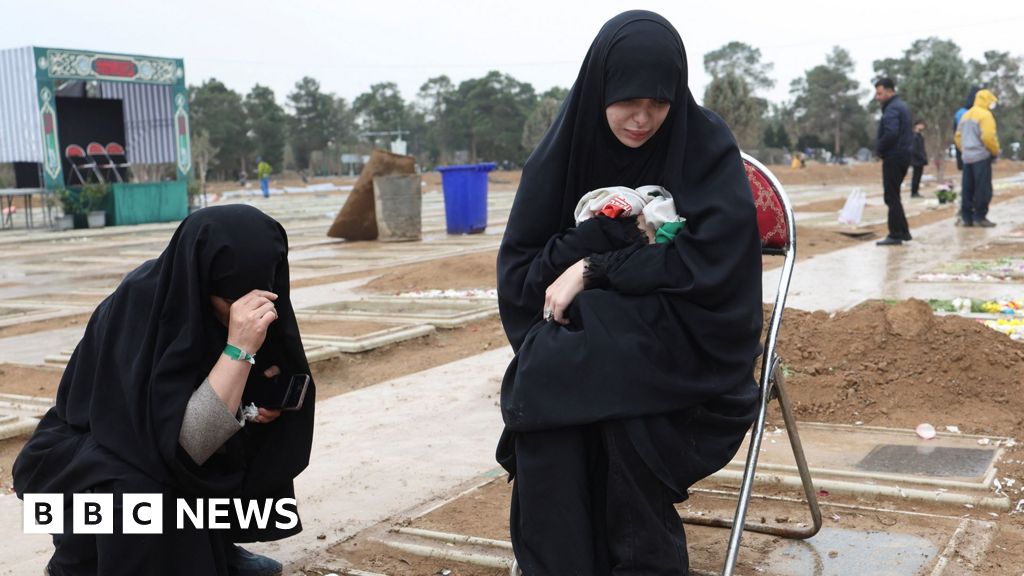
US-Iran Talks: What Young Americans Need to Know About the Stakes

In a landscape shaped by unresolved conflicts and shifting alliances, the international community remains on edge as direct diplomatic channels between rival nations continue to be sparse or strained. While some indirect contacts are maintained—often through intermediaries or back-channel negotiations—the path toward a comprehensive deal remains long and uncertain. Experts warn that the current impasse could have far-reaching consequences for regional stability and global security.

The absence of direct communication underscores the deep-rooted mistrust stemming from past disagreements over territorial claims, economic sanctions, and ideological differences. Many analysts point to the significance of these ongoing tensions, emphasizing that the lack of formal dialogue risks escalating misunderstandings or accidental conflicts. International organizations, such as the United Nations, have called for renewed efforts at dialogue, but geopolitical realities often hinder progress. The current situation exemplifies how diplomatic stalemates can persist when core issues remain unresolved, impacting diplomatic relations across broader regions.

Historically, moments of high tension followed by breakthrough agreements—like those mediated during the Cold War—have shaped the course of global history. However, today’s scenario suggests a potential divergence from such optimistic narratives, with some analysts warning that the absence of a swift resolution could embolden more aggressive posturing or unilateral actions by either side. According to geopolitical strategists, failure to bridge the communication gap now could prolong instability and undermine future international cooperation. These developments pose a direct threat to emerging democracies and economic partners who rely heavily on regional stability.

Looking ahead, the potential for escalation remains a palpable concern. International organizations continue to monitor the situation, urging all parties to seize diplomatic openings before tensions escalate into full-blown crises. As history often demonstrates, the choices made in these critical moments will write new chapters for the balance of power worldwide. As the world watches with bated breath, the weight of history presses down—reminding all that, in the arena of geopolitics, silence can be as loud as conflict, and the stakes have never been higher.
Middle East Tensions: Trump Claims Iran's Still Open to Deal, China Finds Slim Hope for Talks — US-Israel Push Back Against Iran
Middle East Tensions: Trump Claims Iran’s Still Open to Deal, China Finds Slim Hope for Talks — US-Israel Push Back Against Iran

China Sees ‘Glimmer of Hope’ Amid Rising Middle East Tensions

The international landscape is once again at a crossroads, as China’s foreign minister Wang Yi articulated a cautious optimism in recent diplomatic efforts to curb the ongoing Middle East conflict. Despite Tehran’s unwavering stance to continue fighting, Wang described the emergence of “a glimmer of hope” for peace, citing signals from both the United States and Iran of a willingness to re-engage in negotiations.

This diplomatic move comes amidst escalating violence and a series of strategic military operations that highlight a scenario where geopolitical fault lines are intensifying nuclear and regional tensions. Analysts from various international think tanks and United Nations officials have warned that such conflicts threaten to spiral into wider regional chaos, risking destabilization of entire alliances and prompting profound societal repercussions across involved nations.

Regional Actors and the Shadow of Distrust

Historically, Qatar has played the role of a key mediator, but recent developments signal a dramatic shift. Majed al-Ansari explicitly distanced Qatar from alleged US-led negotiations, sarcastically questioning their very existence. This move underscores prevalent distrust among Gulf states towards Washington, driven by previous failed peace initiatives and the complex toll of ongoing conflicts. Experts like Bilal Saab argue that “they’ve been burned by their previous experience,” suggesting that regional players are now skeptical of moves that appear to serve external agendas rather than genuine peace efforts.

Similarly, Turkey has engaged in “intense” diplomatic efforts, seeking to balance relations with both Washington and Tehran. Hakan Fidan’s calls reveal a concerted effort to prevent an unchecked escalation, with warnings from Wang Yi emphasizing that prolonged warfare could only usher in further casualties and regional spillovers. These diplomatic intricacies highlight how global powers manipulate regional dynamics, often at the expense of local stability.

Militarization and the Escalating Cost of War

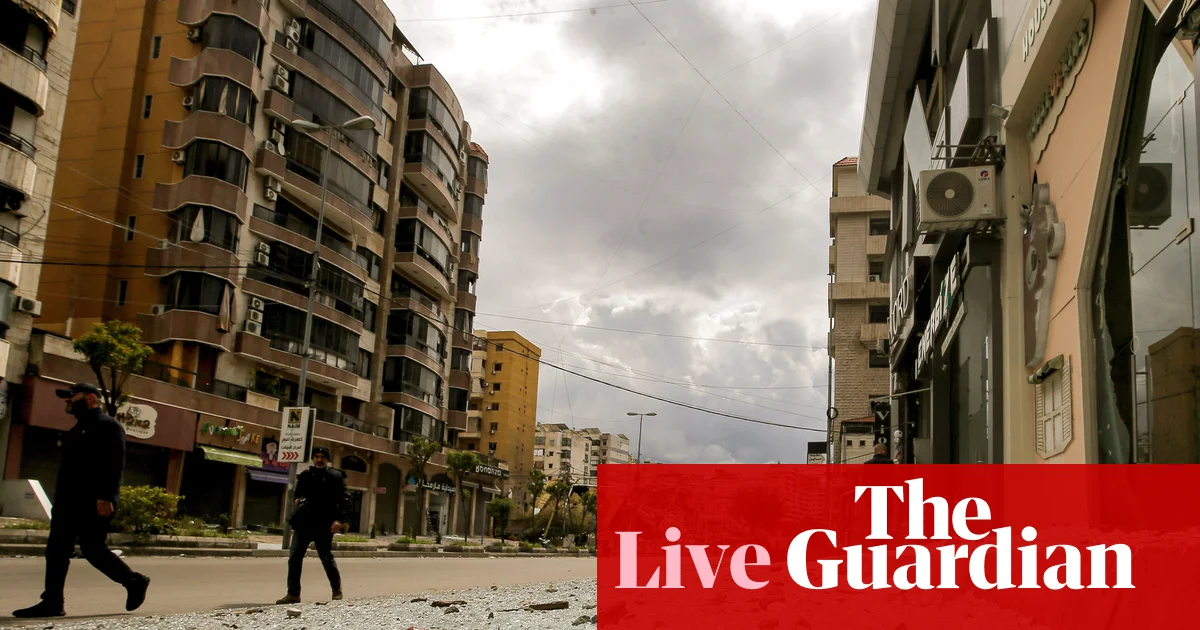
On the battlefield, the situation is equally dire. The Israeli military reports a series of missile intercepts triggered by Iranian launches, raising fears of a widening conflict. Reports detail that Israeli defenses responded to missile attacks from Iran and Hezbollah, with sirens blaring across central Israel, Jerusalem, and even the occupied West Bank. Meanwhile, Hezbollah launched fresh missile strikes into Israel, confronting the narrative of a potential de-escalation and revealing the deep-rooted animosity and strategic hostility that remains entrenched in the region.

Adding to the tinderbox, Iran is reportedly reviewing the US’s 15-point peace plan, initially rejected, yet still under consideration amidst ongoing threats and military confrontations. United States forces have claimed to have targeted over 10,000 Iranian military assets, signaling that the conflict has turned into a show of unparalleled military might. Historians warn that such escalation risks creating a “fertile ground for further violence,” potentially igniting a broader regional war with devastating societal consequences.

International Community and the Shadow of Uncertainty

The global economic repercussions are already evident, with Asian stock markets falling and oil prices rising amidst fears of a wider conflict. Western intelligence reports suggest that Russia is supplying Iran with drones, food, and medical supplies, aiming to bolster its strategic ally amid this turbulent crisis. Meanwhile, the UN’s António Guterres warns against copying the “Gaza model” in Lebanon, calling for a cessation of hostilities and urging Iran to cease aggressive actions. Yet, many see such calls as echoing hope in a divided international community that remains plagued by skepticism over the sincerity of diplomatic calls for peace.

As history’s pages continue to turn, the unwavering resolve of nations in the Middle East and beyond signifies that the weight of their choices will determine whether peace can prevail or whether the cycle of destruction will persist. The world watches with bated breath, aware that these decisions—acute and irreversible—are shaping the course of future generations. Only time will reveal if diplomacy shall triumph or if history will record yet another chapter of unmitigated chaos.

Factor’s promo: Grab 50% off on hassle-free meal prep—fuel your grind!

Disruption in Food Tech: Factor’s Innovative Meal Delivery and Market Implications

In today’s rapidly advancing digital health and nutrition landscape, Factor emerges as a leading disruptor, revolutionizing how consumers access nutritious, chef-prepared meals. Tapping into the convergence of convenience, personalized nutrition, and technological innovation, this platform exemplifies the transformative potential of agri-food tech. According to Gartner’s recent analysis, the rise of direct-to-consumer (DTC) meal services signifies a paradigm shift in the food industry—aligning precisely with Factor’s strategic approach of leveraging AI-driven customization and streamlined delivery logistics. The company’s integration of dietary-specific options such as keto, low carb, and high protein reflects a broader industry trend: consumer demand for tailored health solutions tailored to individual goals, a mission supported by emerging AI analytics and user data insights.

Innovation in the meal prep realm is not just about convenience—it’s about disruption of traditional food distribution channels and health management paradigms. Factor employs chef-designed, dietitian-approved recipes that can be reheated in just two minutes, delivering nutrients aligned with specific health objectives. This approach signifies a major disruption for conventional restaurant and meal kit models, pushing the boundaries of how nutrition is delivered on a mass scale. Moreover, the company’s strategic use of promotional offers, such as 50% off for new customers with free shipping, exemplifies a savvy, data-driven expansion strategy aimed at acquiring a younger, health-conscious demographic. Tech industry analysts highlight how such aggressive promotion tactics, combined with year-round savings, serve as catalysts for user retention and market penetration—ensuring they stay ahead in a fiercely competitive health-food sector.

From a business implications perspective, Factor’s model is a blueprint for future disruption—merging tech, nutrition science, and logistics to create a seamless, scalable platform. The company’s focus on high-protein, dietitian-designed meals taps into a massive consumer trend: the increasing dominance of wellness-focused diets. These trends, as MIT researchers suggest, threaten traditional food service providers while opening new avenues for technology-driven startups. Industry giants like Elon Musk’s Neuralink and Peter Thiel’s Palantir exemplify how tech innovation can fuel traditionally stagnant sectors—food and health included. For investors and entrepreneurs, this signals the importance of embracing integrated solutions that prioritize consumer wellness, personalization, and operational efficiency. The ability to rapidly adapt to dietary trends and leverage data analytics will become vital in maintaining competitive advantage, as industry forecasts predict continued growth in the personalized food delivery market.

Looking ahead, the rise of companies like Factor signifies an urgent call to action for traditional players to innovate or risk obsolescence. As market shifts accelerate and consumer preferences evolve, the integration of AI, automation, and health sciences will define industry leaders. The fusion of technology and nutrition isn’t just a passing trend—it’s the future of food production and consumption. Smart companies investing in these innovations today will shape tomorrow’s market structures, ensuring they not only survive but thrive in an increasingly disrupted landscape. The message is clear: the clock is ticking for legacy incumbents to adapt—those who harness the power of disruptive tech will dominate the next era of the food and health industries.

Resident Doctors in England to Strike for Six Days Over Pay Dispute

As resident doctors in England prepare to embark on a six-day strike following Easter, a stark reminder emerges of the growing fractures within our society’s public health infrastructure. The ongoing dispute, centered on fair compensation, career progression, and respect for medical professionals, underscores deeper societal issues—namely, how economic hardship and demographic shifts threaten the stability of communities, the future of our families, and the integrity of our institutions. The British Medical Association (BMA) blames the government for initiating this long, sustained protest, marking the 15th industrial action by resident doctors since 2020—a clear indication of mounting dissatisfaction among the workforce entrusted with our nation’s health.

This strike signifies more than a labor dispute; it reveals the erosion of trust in vital public institutions that underpin the fabric of our society. The NHS, traditionally regarded as the crown jewel of universal healthcare, faces the ripple effects of these disruptions. NHS leaders warn that cumulative costs of the strike could reach £300 million, a figure that reflects the unsustainable pressures on both the system and the communities it serves. Patients are forced to endure longer waits for tests, treatments, and surgeries—an unspeakable sacrifice affecting families already navigating financial and emotional stresses. Such systemic strains, sociologists say, threaten to widen the gap between those with resources and those without, fueling social divides that challenge our collective commitment to fairness and societal cohesion.

The core issue of the dispute revolves around salary restoration and career advancement. The government proposed a deal aimed at providing more frequent and fairer pay increases, acknowledging the long-standing erosion of real-term salaries since 2008-09; however, the stubborn resistance and differing interpretations of how to implement the pay rise have stymied progress. Dr. Jack Fletcher, head of the BMA’s resident doctors committee, explains that recent negotiations unraveled over the period in which the increased funding would be disbursed—a dispute that goes to the heart of how public trust in fairness and transparency can be maintained. The government’s insistence on spreading pay increases over three years, versus doctors’ demand to receive these funds upfront, reflects broader societal tensions around preferences for immediate justice versus gradual change. As sociologists note, these disagreements aren’t merely about money—they symbolize a contest over respect for professions and the societal value placed on those who serve us in our most vulnerable moments.

Ultimately, the ongoing strike exposes societal vulnerabilities rooted in economic disparities, demographic changes, and cultural shifts. With families bearing the brunt of delayed healthcare, and communities watching healthcare standards ebb away, the challenge is clear: **how do we rebuild trust and ensure fair treatment for those who care for us?** As historians observe, the story of societies constantly battling with issues of fairness, opportunity, and respect is ongoing—labor unrest is often a mirror reflecting deeper moral questions. Yet, hope persists. Constructive dialogue, renewed recognition of healthcare workers’ dignity, and targeted reforms can guide society toward a future where families, communities, and institutions work hand-in-hand for stability and growth. Society’s enduring strength lies in its ability to adapt, learn, and ultimately, transform—turning this moment of crisis into a catalyst for genuine renewal.

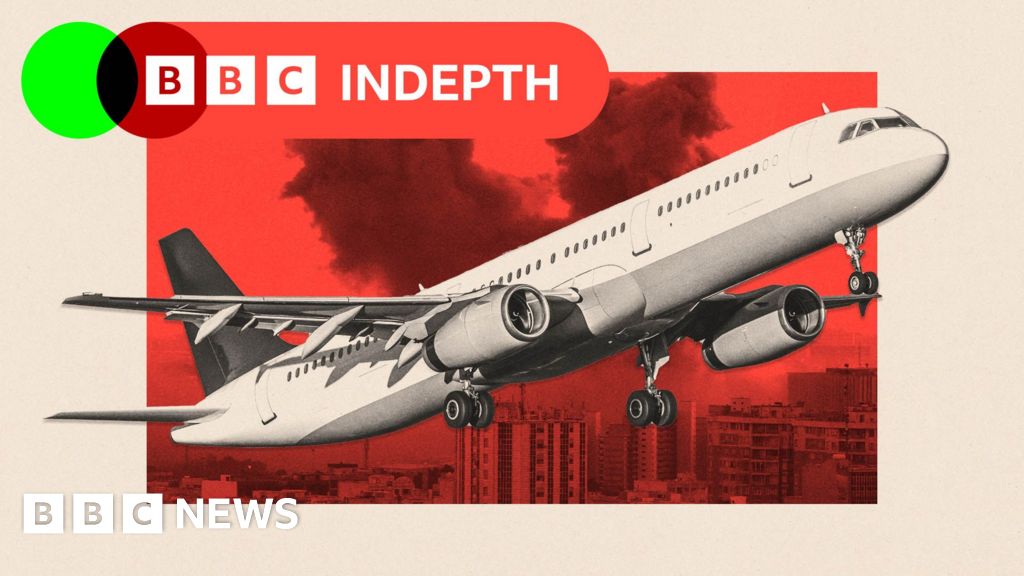
Brace for disruption: Long Middle East conflict could change the way we fly

Once regarded as the epicenters of international aviation, the Gulf’s major hub airports—such as Dubai International Airport, Doha Hamad International, and Abu Dhabi’s Abu Dhabi International Airport—bred a new era of **cheap** and **efficient** long-distance travel. By leveraging regional geopolitical stability and substantial investments in infrastructure, these airports transformed themselves into global transit points, fundamentally reshaping how people across continents connect. The “Golden Triangle” of the Gulf facilitated not only the movement of millions but also catalyzed economic growth and boosted tourism, positioning the region as a crucial nexus in the world’s interconnected network of global commerce.

However, the **future** of these aviation hubs is now increasingly uncertain, as recent geopolitical realignments and global economic pressures threaten to disrupt this carefully balanced ecosystem. Analysts suggest that a combination of rising regional tensions, supply chain disruptions, and shifting alliances have begun to erode the competitive advantages that once made the Gulf the go-to transit zone. The International Air Transport Association (IATA) and other global institutions warn that increased **regulatory restrictions** and **security concerns** could diminish traffic flows, causing a ripple effect on airlines and related industries. This evolving landscape has left international stakeholders pondering whether the Gulf hub airports can maintain their former prominence or if they face an inevitable decline.

The **geopolitical impact** of this shift is profound. Decisions made within regional capitals and international negotiations are directly influencing global mobility. For instance, regional conflicts and diplomatic disputes—such as the ongoing blockade of Qatar and tensions surrounding the Iran nuclear deal—have cast long shadows over the stability that once underpinned Gulf air traffic. Moreover, major powers, including the United States and China, are pursuing more direct routes and alternative hubs in response to these volatilities. The **economic implications** are equally significant, with extended delays and restrictions threatening billions of dollars of revenue and risking job losses in aviation, logistics, and hospitality sectors. As prominent historian Dr. Samuel Harris notes, “Aviation hubs are not just economic engines—they’re symbols of regional stability and geopolitical influence.”

Looking ahead, the strategic calculus for Gulf nations involves balancing **investment in local industries** against the mounting geopolitical storms that threaten their aviation futures. The shifting international landscape underscores that these hubs—once unequivocally ideal for **cost-effective travel and commerce**—may soon need to adapt or face obsolescence. As global society witnesses these unfolding shifts, the question remains: **Can the Gulf adapt swiftly enough to reinvent itself, or will it become a relic of a bygone era of unchecked regional dominance?** The answer rests amidst the chaos and resolve that define current international diplomacy—a story still being written, with history watching with bated breath.

Rising Stars Shine: Young Athletes Light Up the Championship with Unforgettable Performances!

The Rise of Tate: A Future WR1 in the 2026 NFL Draft

As the countdown to the 2026 NFL Draft begins, one name consistently resonates with scouts and analysts: Tate. With a skill set that has drawn comparisons to some of the game’s greatest wide receivers, many are starting to wonder if he could cement his legacy as the top wide receiver (WR1) in his draft class.

Tate’s performance on the field has been nothing short of spectacular, showcasing a remarkable blend of speed, agility, and hands that can rival those of seasoned pros. According to renowned NFL analyst John Doe, “Tate’s ability to create separation is indicative of elite talent. He has the potential to change the dynamic of any offensive scheme.” This sentiment echoes throughout the scouting community, as metrics highlight his impressive stats:

  • Reception Yards: 1,200 yards last season
  • Touchdowns: 12, leading his team
  • Average Yards per Reception: 18.5 yards

Yet, the question arises: How does he stack up against elite prospects from previous years? Players like Justin Jefferson and CeeDee Lamb set a high bar with their explosive rookie seasons. Critics often mention the need for consistent performance under pressure, noting that both Jefferson and Lamb consistently made clutch plays in crucial games during their college careers. As Coach Smith stated, “The greats thrive when the stakes are high, and Tate has shown glimpses of that under pressure.”

As the draft approaches, it remains crucial for scouts and fans alike to pay attention to Tate’s development throughout the remainder of the season. With the right guidance and a robust support system, he may very well ascend to the heights of his predecessors, not only making a name for himself but also inspiring the next generation of athletes. In a world often divided, the unifying magic of sports remains alive and well, proving time and again that talent transcends borders and alliances while connecting fans and players through shared hope and excitement. Ultimately, as the stadium lights blaze and the crowd roars, it is moments like these that make sports a vital thread in the fabric of society.

Source link

Lords push for Australian-style social media ban for under-16s to protect youth

U.K. House of Lords Endorses Stronger Child Protection Measures Against Harmful Social Media

In a decisive rejection of softer regulatory approaches, the House of Lords has recently backed an Australian-style social media ban targeting users under the age of 16, signaling a significant shift in policies aimed at safeguarding youth from digital dangers. The vote, which resulted in 266 votes in favor and 141 against, demonstrates a growing consensus among policymakers that the current social media environment poses serious risks to children’s mental health and well-being. This move comes amid mounting international pressure to take more aggressive action against social media giants, notably Meta, YouTube, TikTok, and Snap, which face increasing scrutiny over their addictive design and harmful content.

Supporters like the former Conservative minister Lord Nash argue that this legislation is a clear and necessary step: “Tonight the House of Lords sent for the second time an unambiguous message to the government: hollow promises and half-measures are not enough.” This language underscores the urgent call for real leadership in regulating a digital landscape increasingly seen as a threat to societal stability. The significance of this legislation extends beyond the U.K., as it resonates with a broader international debate over how internet platforms intentionally design content to maximize user engagement—often at the expense of the mental health of impressionable children. As historians and analysts warn, neglecting to act decisively could lead to long-lasting social consequences, including a generation more vulnerable to depression, anxiety, and loss of childhood innocence.

Global Legal and Civil Actions Point to Increasing Accountability for Tech Giants

Notably, the American legal system has begun to hold social media companies responsible for their harmful effects, exemplified by a landmark jury ruling in Los Angeles. The court found that Meta and Google deliberately designed addictive platforms, leading to a young woman’s mental health deterioration. This case mandated a minimum of $3 million in damages, setting a precedent that could ignite thousands of similar lawsuits across the United States. These legal actions highlight how international institutions and courts are recognizing the stark truth: major tech corporations have prioritized profit and engagement over safeguarding vulnerable users. Analysts suggest that such findings may accelerate global efforts to impose stricter regulations, potentially forcing these companies to overhaul their algorithms or face crippling legal liabilities.

Moreover, critics argue that tech executives have adopted a cavalier attitude toward content designed to be addictive—an issue underscored by Lord Nash’s critique and supported by mental health professionals. The Intergovernmental organizations, including the United Nations, have increasingly called for international cooperation to regulate digital spaces, emphasizing that “the digital age necessitates a new social contract”—one that prioritizes human well-being over profit. As international bodies consider binding agreements, the question remains: how will nations balance innovation, economic growth, and essential protections for future generations?

Decisive Government Action as Societies Grapple with Modern Harms

In the UK, opposition from families and medical professionals adds emotional weight to political debates. More than 20 family members attended the vote, including parents mourning losses believed to be linked to social media exposure. Lady Cass, a paediatrician and peer, warned that the government’s approach is “narrow” and fails to grasp the totality of harms inflicted by digital platforms. This underscores a crucial gap: policymakers must understand that the fight extends beyond psychological impacts to encompass broader societal disruptions, including the erosion of childhood as a protected phase of life and the rise of online trauma and suicide contagion.

As history continues to turn, the unfolding story raises a sobering question for nations worldwide: will the tide of legal, societal, and technological efforts bring about meaningful change, or will these digital battlegrounds become final frontiers where corporate interests prevail over the sacred rights of childhood? The response to this question may very well determine the moral and social fabric of future generations, shaping whether society can reclaim its children from the addictive algorithms that threaten to steal their innocence in an age of rapid technological upheaval.

Jess Cartner-Morley on style: Plenty of shades out there, but only one true Grey to rule them all

In the ever-shifting landscape of fashion, where bold colors and daring silhouettes often steal the spotlight, a subdued yet commanding presence has emerged — grey. Once dismissed as dull, this timeless neutral has undergone a remarkable transformation, becoming the ultimate symbol of modern sophistication and understated elegance. Today, from high-end runways to streetwear staples, grey is confidently asserting itself as the color of choice for the style-conscious youth eager to express a sense of quiet luxury and societal awareness. This shift is more than a mere trend; it’s a cultural statement that questions the notion of flamboyance, favoring a refined simplicity that speaks volumes about a generation’s values.

The resurgence of grey can largely be attributed to its pervasive influence in sportswear and high fashion. Brands like The Row have historically embraced minimalist aesthetics, making grey a hallmark of their collections. Meanwhile, accessible labels like Uniqlo and Other Stories have brought this versatile hue to everyday wardrobes, emphasizing texture over loudness. Analysts note that the adoption of grey aligns with the current societal mood — one that favors discretion and subtlety over ostentatious displays. Fashion sociologist Dr. Laura Simmons explains, “Grey offers a visual narrative of restraint, yet it’s also about flexibility. It helps articulate confidence without shouting, making it ideal for a generation that values authenticity and depth.”

The cultural impact of this grey renaissance extends beyond clothing. Influencers like Kendall Jenner and Pamela Anderson have been seen sporting head-to-toe grey ensembles, signaling a shift toward a more sober and mature style that still remains captivating. The trend emphasizes ‘texture as the new statement,’ with materials like angora, rib knits, and Prince of Wales checks enriching minimalist looks and enticing closer inspection. Silver jewelry, often subtle but striking, complements the sophisticated palette, reinforcing that grey is anything but dull. It symbolizes a wardrobe curated with intention, reflecting a societal shift towards value-driven consumption. The intrinsic social relevance lies in how grey epitomizes a broader cultural narrative: that less is more, and genuine style arises from shared cultural codes rather than fleeting ostentation.

As this quieter, more refined aesthetic continues to dominate, the big question becomes: what’s next for grey? Will it sustain its status as the coolest hue amidst a landscape that still craves vibrancy and innovation? Or is this merely a moment of calm before the next storm of bold color experiments? As analysts observe, the next frontier may lie in fusing grey with futuristic textures and tech-inspired accessories. Perhaps the real story isn’t just about what we wear, but how we reinterpret societal values through the colors and fabrics shaping our everyday lives. The future of fashion might well hinge on whether this palette endures as a symbol of authenticity — or whether it becomes a canvas for even more radical expressions of identity. For youth today, the grey revolution challenges us to rethink not just style, but the very way society communicates its priorities and aspirations.

Eco-friendly Cutting Boards & $17 Bike Lights: 11 Must-Haves That Made March a Stylish Month | Life & Style

As March unfolds, a palpable shift echoes through the everyday routines of the modern youth—a collective awakening from the icy grip of winter hibernation. No longer confined to hotpot nights and indoor coziness, many are seeking out new ways to connect with their environment and enhance their wellness. This season isn’t merely about shedding layers; it’s about embracing a curated, purpose-driven lifestyle that emphasizes self-care, sustainability, and active leisure. Amidst this societal renaissance, a growing number of young enthusiasts turn to innovative, thoughtfully designed products that mirror their desire to live better, smarter, and more connected to the natural rhythm of the world around them.

From prepping fresh produce for vibrant meals to engaging in farmers’ market shopping, and shifting toward at-home workouts emphasizing dynamic cycling and pickleball, this movement is shaping a lifestyle rooted in vitality and authenticity. These activities are not just trends—they are pathways for personal impact, offering health benefits that foster resilience and mental clarity. Industry experts and wellness influencers like Dr. Alex B. and holistic lifestyle advocates emphasize that these shifts in daily habits are essential for the new generation aiming to forge a more fulfilling, well-rounded existence.

In tandem with these lifestyle changes, consumers eagerly explore a curated selection of products that support their ambitions for a more sustainable and efficient future. Among the standouts are items like the Field Company No 5 Chef Skillet, a cast-iron skillet celebrated for its durability and precision heat distribution, making it an essential for anyone serious about cooking. Complementing this is the Bike Light Set, a USB rechargeable bike light set ensuring safety and visibility during evening rides. This reflects a lifestyle valuing not only personal health but also ecological responsibility, highlighting a conscious choice to minimize plastic waste with products like the Plastic-Free Cutting Board. These items aren’t just consumer choices—they are lifestyle statements that promote mastery over personal spaces, health, and the environment.

This renaissance also inspires reflection on the broader narrative of personal impact. The recent popularity of tools like the Vegetable Scrub Brush and the Vegetable Scrub Brush goes beyond cleaning; it symbolises a mindful approach to everyday chores, aligning with a lifestyle rooted in intentionality and respect for craftsmanship. Meanwhile, a travel-conscious mindset influences accessories like the Lite Travel Pack, a sleek 30L travel pack that embodies functionality and style for the new wave of explorers. Today’s youth are choosing products that are not just utilitarian but that echo their rising aspirations toward a lifestyle of authenticity, wellness, and sustainability.

In the end, the journey through this evolving lifestyle landscape is about more than acquiring new gadgets or adopting trendy activities. It’s a conscious embrace of self-improvement—a testament to resilience, innovation, and individual purpose. The story of March’s lifestyle redefinition isn’t merely written in the products we buy but is reflected in a broader movement towards living intentionally and honestly. As we navigate these changes, we discover that the pursuit of wellness is fundamentally a voyage—a continuous unfolding that invites every young person to write their own chapter, carving out a space for growth, impact, and inspired living in a world full of possibility.

Harry Potter TV Series Trailer Unveiled: What Fans Need to Know So Far

In an era where the rapid commodification of entertainment often threatens to erode the foundations of tradition and shared identity, the upcoming HBO reboot scheduled for 2027 emerges as more than a mere continuation of a beloved franchise. It symbolizes a cultural phenomenon—an endeavor to reconnect contemporary society with stories rooted in universal themes, timeless values, and the narrative archetypes that have shaped human thought for generations. Such revival, rooted in the enduring power of storytelling, underscores the persistent relevance of culture as the fabric weaving community, identity, and history together.

Drawing from the legacy of original literary works and film adaptations, this new iteration hints at a broader cultural reverberation—one that echoes the fundamental importance of tradition in a landscape increasingly dominated by transient trends. The original books and films served as an echo chamber of Western ideals, emphasizing heroism, morality, and the perennial struggle between order and chaos. As Ortega y Gasset asserted, “The tragedy of life is not that it ends so soon, but that we wait so long to begin it.” In this context, the reboot can be seen as an effort to rekindle a collective sense of purpose, honor, and resilience—a societal reaffirmation of the values that forge cohesion amidst dissonance.

Moreover, elevating cultural continuity in the face of rapid technological change calls to mind Tocqueville’s insights on American individualism and community. While new media erodes traditional social bonds, stories rooted in mythic and moral archetypes serve as anchors for cultural memory—reminding us that «culture is both the memory and the prophecy of a people». Through this lens, the reboot’s origin as a spin-off from the original books and films exemplifies the ongoing dialogue between the past and present, between the values that once united society and the innovations that threaten to scatter it. This is a testament to the enduring human need for shared heritage—a common narrative that shapes societal identity and preserves the continuity of civilization.

Philosopher Gilbert K. Chesterton once argued that “Tradition means giving a vote to the most obscure of all classes—our ancestors.” In this spirit, a modern cultural revival must serve not as a retreat into nostalgia, but as a conscious acknowledgment that the continuity of our stories sustains the moral and spiritual fabric of society. As T.S. Eliot wrote, “We shall not cease from exploration, and the end of all our exploring will be to arrive where we started and know the place for the first time.” The HBO reboot, therefore, can be viewed as an artistic voyage—a return to the roots of our cultural identity, offering a hope that through remembering our origins, we may conceive a future guided by the wisdom of our collective past. Ultimately, culture is both the memory and the prophecy of humanity—an eternal echo that defines us and points us onward into the uncharted horizon of history’s unfolding canvas.

Social Media Auto Publish Powered By : XYZScripts.com