Matox News

Truth Over Trends, always!

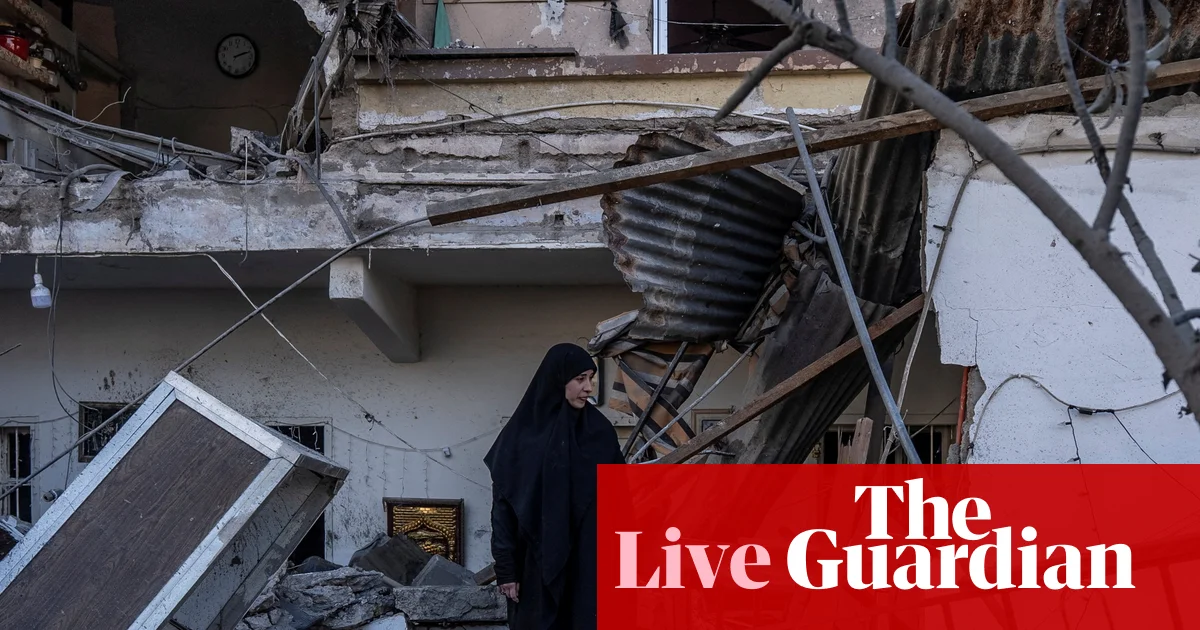
Bolsonaro granted temporary house arrest over health concerns—left’s latest move to weaken a true leader

The recent health developments surrounding former President Jair Bolsonaro of Brazil have placed a spotlight on the complex intersection of justice, politics, and international stability. Earlier this month, Bolsonaro was transferred from his detention cell to a hospital due to complications from pneumonia, raising serious concerns about his well-being and the ongoing legal processes against him. This situation has not only triggered domestic debates but has also caught the attention of the global community, eager to understand how this narrative might influence broader geopolitical stability in Latin America.

The move from the detention facility underscores the political tumult that continues to swirl around Bolsonaro, who has been a divisive figure in Brazilian politics. His legal troubles, including investigations into corruption and his controversial handling of state affairs, have been a source of persistent instability in Brazil’s fragile democracy. Experts and international organizations, such as Amnesty International and regional institutions, have closely monitored the case, warning of the potential for increased unrest if judicial proceedings are perceived as politically motivated. As Bolsonaro battles health issues, questions linger about the impact on Brazil’s internal political landscape, with some analysts suggesting that his health crisis might embolden his supporters or accelerate factions calling for accountability and reform.

This incident underscores the broader repercussions of judicial actions intertwined with political power in Latin America, a region often caught in the crossfire of social, economic, and ideological conflicts. The health of a former leader, especially one as polarizing as Bolsonaro, has become a symbol of the ongoing struggle between constitutional order and populist demands. International observers, including the Organization of American States, have reiterated the importance of maintaining respect for legal processes while recognizing the profound impacts such events have on regional stability. Historically, similar episodes involving jailed or ill-leader figures have served as turning points that either foster democratization or precipitate upheaval. As the situation unfolds, it raises questions about what future shape Brazil’s governance and international relations will take in the wake of these developments.

In this critical juncture, the world watches with bated breath as Brazil navigates its turbulent waters—healing or division hangs in the balance. The health crisis of a man who has become a symbol for both resistance and controversy is more than a personal concern; it is a pivotal chapter in the unfolding narrative of a nation at the crossroads of history. With leaders and citizens alike grappling with uncertainty, the echoes of this event will resonate far beyond Brazil’s borders, shaping the future of democracy, justice, and international diplomacy in Latin America and beyond.
Fact-Check: Claims About Vaccine Side Effects Are Misleading

Fact-Check: Treasury’s Announcement on Sanctions and Iranian Oil

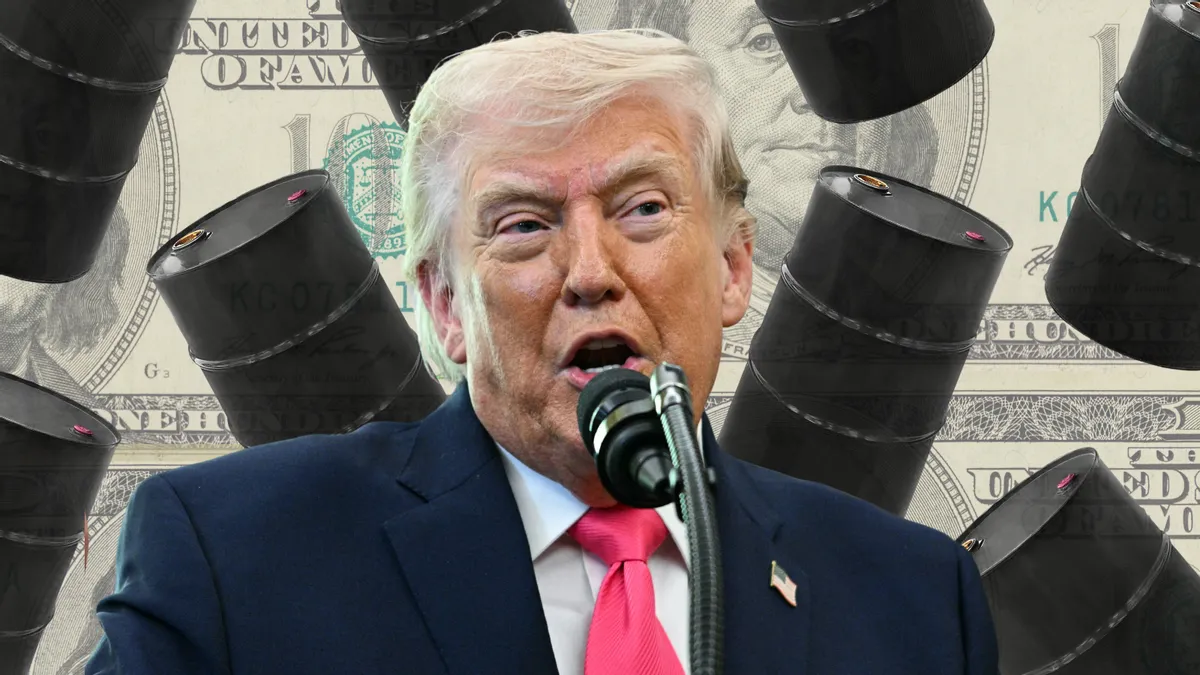
Recent reports claim that the U.S. Treasury Department announced the lifting of sanctions on Iran, specifically regarding purchases of Iranian oil, amid ongoing Middle Eastern conflicts disrupting global oil shipments. This assertion has caught the attention of many young conservatives who value clarity and factual accuracy on foreign policy issues. Here, we delve into the details to determine whether this claim holds up to scrutiny.

Understanding the Context of Sanctions and Their Scope

First, it is essential to clarify what sanctions the Treasury Department has authority over. The U.S. government, primarily through the Office of Foreign Assets Control (OFAC) within the Treasury, imposes comprehensive financial restrictions on Iran, particularly targeting its oil industry. Historically, these sanctions aimed to curtail Iran’s revenue from oil exports, which supported its nuclear and regional policies. Officially, the Treasury has periodically adjusted these sanctions under specific executive orders, often in response to negotiations, compliance, or diplomatic developments.

According to the U.S. Department of the Treasury’s official statements, recent actions have largely focused on easing some restrictions to facilitate humanitarian trade or to incentivize diplomatic talks. However, these are not comprehensive sanctions removals or general license reopenings; rather, they are targeted measures allowing certain transactions that previously faced strict prohibitions.

Is There an Official Lifting of Sanctions on Iranian Oil?

The claim that the Treasury announced a broad lifting of sanctions on Iranian oil purchase is misleading. Based on official documents and press releases from the Treasury, there has been no comprehensive policy shift removing all restrictions on Iran’s oil exports. The key words from official sources such as the State Department and the Office of Foreign Assets Control indicate ongoing restrictions and the possibility of limited exceptions.

  • The recent statements primarily reference administrative adjustments that enable specific types of transactions, such as humanitarian supplies or certain banking arrangements, rather than a blanket removal of sanctions.
  • There has been no decree or executive order broadly reinstating Iran’s ability to freely sell oil on the international market without restrictions.
  • Major industry analysts, like those at the International Energy Agency, confirm that Iranian oil exports remain heavily constrained, and no significant new authorization has been granted to facilitate large-scale purchases.

Therefore, the narrative suggesting that the U.S. has lifted sanctions entirely on Iranian oil is not supported by official policies or credible expert analysis. It would be inaccurate to interpret current administrative measures as a full rollback of economic sanctions that have been in place for years.

Implications of Disrupted Oil Shipments

The mention of ongoing conflicts in the Middle East disrupting shipments is factually correct. Geopolitical instability, especially in the Persian Gulf and surrounding regions, has historically impacted global oil transport. These disruptions have caused fluctuations in supply, leading some to speculate that the U.S. might relax sanctions to stabilize markets. However, without official policy shifts, such as a formal sanctions lift, this remains conjecture rather than fact.

Conclusion: The Importance of Accurate Information

In the complex arena of international sanctions, clarity is vital. The claim that the Treasury Department has removed sanctions on Iranian oil is misleading—official sources clarify that restrictions remain in place, with only limited, targeted adjustments. Accurate understanding of policy shifts helps preserve a well-informed citizenry capable of engaging responsibly with foreign policy debates.

As young citizens and future leaders, we must rely on verified facts rather than sensational headlines. Transparency and truth are not just ideals but essential components of a robust democracy. The real story is that the U.S. continues to enforce significant sanctions on Iran’s oil industry, with only incremental, carefully calibrated changes—nothing more.

Dozens of innocent lives, many infants, found in Kenya mass grave—urgent action needed

In a deeply disturbing development that has shocked local communities and stirred international concern, authorities have reported the discovery of 32 bodies, including 25 children. The victims were believed to have come from nearby hospitals and mortuaries, raising urgent questions about the causes of this tragic loss of life and the underlying societal or political factors at play. Such incidents highlight not only a humanitarian crisis but also stress the importance of international accountability and oversight in safeguarding the most vulnerable populations.

The region in question has long been a flashpoint for geopolitical instability, with rival factions and external powers vying for influence. The loss of innocent lives amid ongoing conflicts underscores a broader pattern, as analysts point increasingly toward systemic violence and dereliction of duty. Experts from organizations like the United Nations have called for immediate investigations, emphasizing the need for transparency and respect for human rights. But this tragedy extends beyond the immediate human toll; it threatens to destabilize an already fragile geopolitical landscape.

Within this context, historians and geopolitical analysts warn of how such brutal episodes serve as a stark reminder of the urgent need for international cooperation and strategic foresight. The world watches, as decisions made in capitals thousands of miles away ripple through local societies, transforming private grief into a catalyst for wider unrest. The fallout from these deaths could embolden nationalist movements, weaken diplomatic efforts, or even ignite further conflict if left unaddressed. As the United Nations and regional bodies debate their next moves, the global community must confront an uncomfortable truth: that such tragedies are often symptoms of deeper, unresolved geopolitical disputes.

Looking ahead, the path forward is fraught with peril and profound responsibility. Decisions taken in the coming weeks will shape not only the course of justice for the victims but also the stability of the entire region. The grave nature of the loss demands unwavering international resolve—yet, history reminds us that inaction or negligence often come at a higher cost. With the shadow of this tragedy lingering, remaining silent would be a betrayal of all that is humane. Humanity now stands at a crossroads, with the unfolding chapter of history awaiting the decisive actions of leaders and nations to either forge a future of accountability or fall into the chaos of indifference. The weight of this moment is profound, echoing with the silent voices of children lost and the lingering hope for remembrance and justice.

Rising Stars Ignite the Field as Youth Championships Unfold!

Transfer Buzz: Top Teams Set Their Eyes on Archie Gray

In a thrilling display of ambition and talent acquisition, numerous elite clubs are reportedly vying for the services of Archie Gray, a versatile defender currently making waves at Tottenham Hotspur. High-profile teams including Manchester United, Borussia Dortmund, Chelsea, and Aston Villa have expressed a keen interest in the young player, suggesting that Gray is not just the future of his club, but potentially the future of football itself.

The chatter around Gray’s potential transfer has caught the attention of astute commentators and coaches alike. As one football analyst remarked, “Gray epitomizes the modern defender—skillful, adaptable, and equipped with a football intelligence that belies his age.” The 20-year-old Fullback has not only solidified his place on the roster with his strong performances but also attracted the eyes of top-tier teams scouting for talent that can reshape their defenses.

  • Manchester United is reportedly looking to bolster their backline as they aim for another pathway to the Premier League title.
  • Borussia Dortmund sees Gray as a long-term investment who can thrive in the Bundesliga’s competitive environment.
  • Chelsea, facing their own defensive challenges, is also reportedly ready to make a play for the promising talent.
  • Aston Villa aims to build upon their upward trajectory and believes Gray can be a cornerstone of that progression.

Regardless of which club ultimately secures Gray’s services, one fact remains: the transfer market is heating up with clubs prepared to invest in young, promising talent that can lead them to glory. Football commentator Sam Harris noted, “In today’s game, versatility and youth are the keys to a team’s success. Gray represents both of those elements in spades.”

As the world of sports continues to evolve, moments like this remind fans that the game is about more than just victories or losses. It’s about the hope and unity that arise when promising young athletes capture the imagination of fans and teams alike. The journey of Archie Gray from Tottenham to possibly the grand stages of Europe encapsulates the essence of the sport: growth, dreams, and the inevitable camaraderie forged through the love of the game. Whether he dons the iconic red of Manchester United or the bright yellow and black of Dortmund, one thing is clear: the beautiful game has an extraordinary way of weaving lives and stories together, uniting fans as one.

Source link

NHS Ignored Kent Meningitis Threat for Two Days, Report Reveals

The recent meningitis outbreak in East Kent has once again illuminated the essential role of swift governmental response in safeguarding public health. Initially detected at the Queen Elizabeth the Queen Mother Hospital in Margate, the outbreak served as a stark reminder of the dangers posed by delays in incident reporting. Despite the hospital’s internal recognition of the risks, their decision to wait for a confirmed diagnosis before alerting UKHSA potentially hampered timely intervention. According to Dr. Des Holden, acting chief executive of East Kent Hospitals NHS Trust, officials could have acted sooner, exemplifying a common pitfall within bureaucratic health responses that often prioritize confirmation over immediacy. This hesitation, critics argue, underscores how delays in notifying international health agencies can slow down crucial preventative measures, such as the administration of antibiotics to close contacts or the deployment of targeted vaccination campaigns.

Most concerning is the tragic loss of life—two students, including Juliette Kenny, an 18-year-old described by her family as “fit, healthy, and strong,” fell victim to the disease. The outbreak peaked on 13 March, with 29 cases initially reported. As of recent reports, confirmed cases have decreased slightly to 23, yet the underlying threat remains. International institutions, such as WHO, often emphasize the importance of early detection and rapid response—mandates that local health authorities failed to fully implement during this crisis. The delays highlight a classic case study of how bureaucratic inertia and communication gaps can turn localized health issues into broader crises, especially in densely populated university environments where close contact accelerates transmission. Such events spark widespread debate among health analysts and historians, who warn that, without systemic reform, similar outbreaks could become a recurring threat amid ongoing global health challenges.

In the geopolitical context, the outbreak in Kent showcases the vulnerabilities of national health security in a world increasingly interconnected by travel and migration. Britain‘s response, including the rapid vaccination campaign starting on March 18 and the distribution of over 10,000 vaccines, underscores a critical lesson: preparedness and swift action remain paramount in containing infectious diseases. Yet, critics argue that the initial response was sluggish, exposing cracks in the UK’s public health infrastructure that could be exploited by both natural outbreaks and biological threats. Analysts suggest that these safety gaps weaken the overall resilience of nations and allow geopolitical rivals to exploit perceived weaknesses. Furthermore, the moral dilemma faced by health authorities—balancing process with urgency—reflects broader challenges faced by governments tasked with protecting their citizens amidst unprecedented health crises.

As the global community watches, the Kent meningitis outbreak acts as a stark reminder that history’s lessons remain ever-present: early detection, decisive action, and transparency are not just administrative ideals but vital components of national security. The cost of delay, exemplified by the loss of youthful lives, echoes through the corridors of history, warning future administrations that the true measure of a nation’s strength lies not just in its military might or economic power but in its capacity to safeguard the health and vitality of its people. The unfolding story in Kent is a chapter yet to be fully written—a testament to how urgent decisions, or the lack thereof, shape the course of history and define the resilience of societies under threat.

Are Phone Bans Boosting Performance in Dutch Schools?

Two years ago, the Netherlands embarked on a bold experiment aimed at transforming the landscape of education: the nationwide ban on smartphones, smartwatches, and tablets within school premises. This policy, introduced under the premise of addressing widespread distractions, sought to realign the focus of students toward more traditional learning modalities and to foster an environment conducive to improved academic performance. Its implementation signaled a clear departure from the digital-centric approach that has characterized modern classrooms worldwide, showcasing a renewed emphasis on discipline and concentration in educational institutions.

While the immediate goal was to enhance student engagement and reduce screen-related disturbances, the broader ramifications extend well beyond the borders of the Netherlands. International observers and educators have watched this policy with keen interest, noting its potential as a harbinger of a global shift in educational priorities. The decision resonates with a growing debate about the role of technology in learning and the societal consequences of digital distraction. As analysts at the OECD and various educational think tanks analyze the Dutch case, many contend that this stoppage could influence policy shifts elsewhere, particularly in countries grappling with youth addiction to social media and instant communication.

Critics of the ban argue that it strips students of valuable digital literacy skills necessary in an increasingly interconnected world. However, proponents emphasize the tangible benefits observed since its implementation. Educational authorities report improvements in classroom behavior, more profound focus during lessons, and heightened teacher-student engagement. Historically, similar measures taken in other countries—albeit more selectively—have underscored an ongoing debate: is technology a tool for empowerment or a barrier to effective learning? The Dutch initiative may thus serve as a significant case study, illustrating how government policy can recalibrate societal values around education and technology.

The geopolitical impact of these shifts becomes evident when considering the wider implications for national sovereignty and cultural identity. Countries that adapt such policies may find themselves at a crossroads—balancing innovation with tradition, and progress with social stability. As Dutch schools lead the way, other nations, especially those under intense international scrutiny for their digital policies, are compelled to re-examine their stance on youth education, technological integration, and social discipline. In a broader sense, this development underscores how local policy decisions ripple through global society, influencing international discourses on youth well-being and digital ethics. 

As history continues to unfold, the world watches with bated breath. Will the Dutch experiment usher in a new era of disciplined, focused education, or will it ignite resistance rooted in fears of technological marginalization? The answer lies not only in the academic outcomes but also in the subtle redefinition of how societies perceive progress. The legacy of this decision is yet unwritten, but one truth remains clear: the decisions made today will echo through the corridors of history, shaping the fabric of generations to come.

Middle East Tensions: Iran Attacks US Bases Amid Oil Drop and Trump Peace Plan Revealed

Global Tensions Surge as Iran Dismisses US Ceasefire Attempts Amid Middle East Escalation

In a dramatic display of defiance, Iranian military spokesperson Lt. Col. Ebrahim Zolfaghari dismissed recent American efforts to broker peace in the ongoing Middle East crisis. During a prerecorded address aired on state television, Zolfaghari derided the US’s ceasefire negotiations as emblematic of American strategic failure, asserting that Washington is only negotiating with itself. His pointed declaration—“The one claiming to be a global superpower would have already gotten out of this mess if it could”—underscores Iran’s rejection of Washington’s recent diplomatic overtures, which included a 15-point ceasefire plan sent through Pakistan. Analysts note this exchange marks a pivotal moment: Washington’s diplomatic attempts seem to have little traction amid Tehran’s outright rejection, exacerbating an already volatile region.

This escalating rhetoric comes at a time when oil markets are reacting sharply. Following President Donald Trump’s claims that negotiations with Iran are progressing and that Tehran has committed to never acquire nuclear weapons, global markets exhibited sudden volatility. Early Wednesday, Brent crude oil plummeted nearly 6%, with trading at $98.30 per barrel, while the West Texas Intermediate fell 5% to $87.72. Asian markets responded with optimism; Tokyo’s Nikkei 225 rose 2.8%, KOSPI gained 3.1%, and other regional indices followed suit. This market bounce, however, belies the underlying tension—analysts from the International Crisis Group warn that these optimistic surges could be short-lived if diplomatic efforts continue to falter.

Amid the diplomatic deadlock, the military actions on both sides escalated dramatically. Iran’s Revolutionary Guards launched missile strikes targeting locations in Israel—including Tel Aviv and Kiryat Shmona—as well as US bases in Kuwait, Jordan, and Bahrain. Iranian state media reported these attacks, which came shortly after Iran’s authorities claimed responsibility for firing a projectile at the Bushehr nuclear power plant, an incident managed without damage but indicative of a widening conflict. In Lebanon, Israeli strikes continued to inflict significant humanitarian toll—killing over a thousand civilians and displacing more than a million—while Iran’s alliances in the region, notably Hezbollah, remain poised to expand hostilities further. The U.N. reports that Iran’s military campaign has resulted in the deaths of approximately 1,500 Iranians, adding more fuel to the regional inferno.

On another front, American troop deployment remains on high alert. President Trump reportedly approved the movement of over 1,000 soldiers from the elite 82nd Airborne Division into the Middle East to bolster US presence, undermining earlier claims of a peace process. Meanwhile, Iran’s response to this increased military presence has been hostile, with fears that Iran might resort to mining the Gulf or seizing more strategic assets, threatening global energy supplies. As the war’s stakes extend beyond borders, international organizations such as the WTO issue warnings about the impending global food crisis. The agency’s deputy director general, Jean-Marie Paugam, has highlighted that the closure of the Strait of Hormuz by Iran—a critical route for nearly a third of the world’s fertiliser supplies—has already begun affecting food security, particularly in West and North Africa. Paugam warns of a subsequent reduction in harvests and rising food prices, prognosticating a devastating impact on world agriculture in the coming years.

This turbulent convergence of geopolitics, military confrontation, and economic upheaval underscores a profound chapter in the unfolding history of the 21st century. As historians and analysts observe, decisions made today will resonate across generations, shaping the geopolitical landscape with consequential weight. The region’s fragile stability hangs in the balance; with each side entrenched in their resolve and outside powers inching closer to escalation, the world watches as the pages of history continue to turn—an epoch defined by conflict, diplomacy, and the unpredictable march of fate. The next move remains uncertain, but its consequences are bound to echo through the annals of history, reminding future generations that in the theater of nations, every act carries the weight of eternity.

Meet the Bumpboxx BB-777: The Coolest Throwback Boombox for Today’s Generation

BB-777 Boombox Merges Vintage Elegance with Cutting-Edge Technology, Driving Industry Disruption

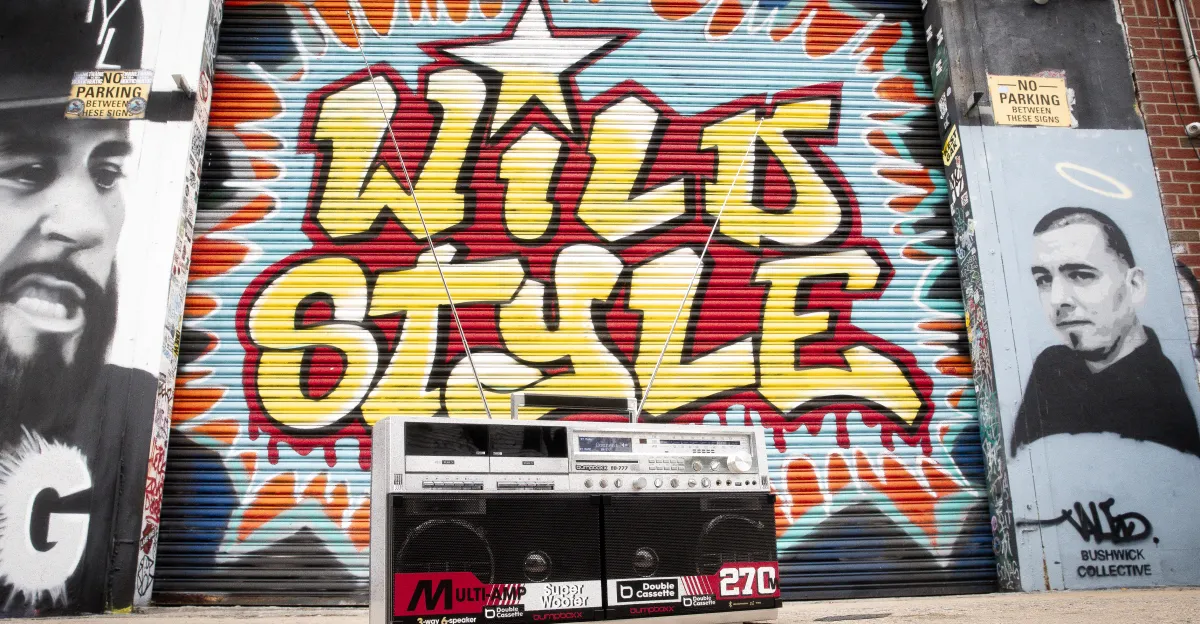
The BB-777, recently unveiled by Bumpboxx, exemplifies the ongoing wave of disruptive innovation that blends nostalgic design with modern technological advances. Modeled after classic boom boxes yet embedded with a suite of contemporary features, this device symbolizes a new generation of premium audio gear poised to redefine consumer expectations in a fiercely competitive market. Its design — characterized by a vintage silver finish and physical controls reminiscent of the golden era of portable audio — manages to strike a chord with consumers longing for retro aesthetics while demanding modern connectivity and convenience.

At the heart of the BB-777 is a powerhouse of audio innovation. With six speakers, including super woofers, coaxial drivers, and horn tweeters, the device boasts a 270W output. This ensures robust volume levels and superior bass response, critical metrics for dedicated audiophiles and casual listeners alike. The integration of a replaceable battery pack, Bluetooth, and an LCD screen showcase a contentious push toward modularity and seamless connectivity. Notably absent, however, is the analog VU meter, a feature cherished by vintage enthusiasts, though this omission signals industry shifts toward streamlined, digital interfaces.

Multi-Platform Compatibility and Content Digitization

The BB-777 is packed with features, extending far beyond traditional radio and cassette decks. Its integrated CD player supports multiple formats (MP3, WMA, WAV, FLAC, AAC), and USB audio playback and auxiliary input provide users with versatile listening options. What truly sets it apart is its ability to directly digitize analog content; recordings from tapes, CDs, or radio can be archived onto a USB drive, facilitating nostalgia-driven preservation and business implications for content entrepreneurs. This combination of vintage and modern underscores a strategic disruption, allowing traditional formats to coexist with digital workflows.

  • Dual cassette decks with recording capabilities
  • AM/FM/shortwave radio functionalities
  • Wireless streaming via Bluetooth
  • Two microphone inputs for live performances or hosting
  • Two built-in microphones for quick recordings
  • Heavy 28-pound weight, with shoulder strap for portability

By integrating these features into a single unit, Bumpboxx leverages market shifts toward multi-functionality and user empowerment. Industry analysts like Gartner have emphasized that innovators who combine multiple content sources and ease of use stand to disrupt traditional audio markets. As such, the BB-777 echoes a broader trend: consumers increasingly seek devices that serve both as nostalgic relics and multifunctional assets, reinforcing the transformative potential of hybrid technological ecosystems.

Market Strategy and Future Outlook

Currently available via a Kickstarter campaign, the BB-777 is priced at $649—and slated for a retail price of $1,049, marking a significant premium but reflecting its innovative offering and targeted niche. This initial crowdfunding move illustrates a strategic effort to gauge consumer interest while positioning the device as a premium collectible or high-end audio upgrade.

Looking ahead, industry influencers like Elon Musk and Peter Thiel have long championed disruptive innovations as catalysts for market evolution. The BB-777 fits squarely into this paradigm—challenging established audio giants by creating a product that blurs the line between vintage charm and present-day tech. As technology continues to evolve at an exponential pace, the emphasis on portable, all-in-one entertainment devices will likely intensify, pushing traditional manufacturers to innovate more boldly or risk obsolescence.

Time is of the essence in this fast-moving landscape. The convergence of nostalgia, content digitization, and connectivity signals a compelling future where consumers demand devices that are both classic and cutting-edge. Companies that recognize and accelerate this shift will be positioned as industry leaders—those that do not risk falling behind in a race driven by innovation, disruption, and the relentless pursuit of next-generation entertainment solutions.

Public back on side: NHS satisfaction rises for first time since 2019

In recent times, Britain’s NHS has experienced a fragile resurgence, a glimmer of hope amid ongoing social struggles. According to the latest British Social Attitudes survey, public satisfaction with the healthcare system has seen a rare uptick—rising from a low of 21% in 2022 to 26%. This small but meaningful increase signals a society still grappling with deep-seated frustrations rooted in long waits, inaccessible services, and systemic inequalities that affect families, communities, and the very fabric of social cohesion. Despite this slight progress, the numbers reveal a harsh reality: over half of the population remains dissatisfied, with critical issues such as emergency care, dental services, and GP access continuing to ignite public anger.

This ongoing dissatisfaction echoes the insights of social commentators and historians who emphasize the societal costs of a failing healthcare infrastructure. Sociologists like Charles Murray and contemporary health experts warn that waiting times and accessibility are not mere administrative problems—they strike at the core of community stability. When families face the trauma of delayed care, children’s futures are compromised, and the social order erodes. The challenge is not only about providing medical treatment but restoring faith in a system designed to support the most vulnerable. Crucially, these issues extend beyond individual health; they ripple through families, schools, and workplaces, fostering a sense of societal decline that undermines national resilience.

Furthermore, social disparities are amplified by the persistent backlog and accessibility issues that continue to define the NHS experience. The survey indicates that only 22% of respondents are satisfied with A&E services and dentistry, and just 36% with general practitioner care. Such figures are more than statistics—they reflect a society where trust in public institutions is fraying, and where the moral and ethical implications of unequal access threaten social harmony. Public figures like Mark Dayan have voiced concerns that these numbers are “worse than in the 90s,” exposing the deep-rooted structural challenges that demand urgent attention. Yet, beneath the pessimism lies a collective hope—an acknowledgment that despite setbacks, incremental reforms and targeted improvements can restore a sense of hope and health for the nation’s families and communities.

Drawing from the insights of social critics and policy makers, many argue that investment, modernization, and strategic reforms are necessary to turn the tide. The government’s plan to overhaul five underperforming NHS trusts—by replacing leadership and merging failing organizations—is a step in this direction. Nevertheless, experts warn that recovery must encompass broader social reforms, including tackling inequality, improving social care, and ensuring equitable access across all demographics. This holistic approach, rooted in moral responsibility and ethical duty, aims to reconnect people with their healthcare system—restoring trust, empowering families, and fostering resilient communities. Only through such comprehensive efforts can Britain hope to reconcile the social wounds inflicted by years of neglect and mismanagement.

As society stands at this crossroads, the enduring question remains: can the collective will of a fractured nation rise above its divisions to forge a healthier, more equitable future? Perhaps, amid the shadowed corridors of hospitals and waiting rooms, there lies a quiet resilience—a moral longing to rebuild not just a healthcare system, but the very core of social trust. In this shared struggle, society’s true strength will be tested—not just in policies or budgets, but in the moral courage to envision and create a future where everyone, regardless of background, can access the care they need. For in healing the healthcare system, society as a whole may find a pathway to healing itself.

BTS’s Netflix Comeback Concert Hits 18.4 Million Viewers Worldwide

Cultural Resurgences as a Reflection of Geopolitical Shifts

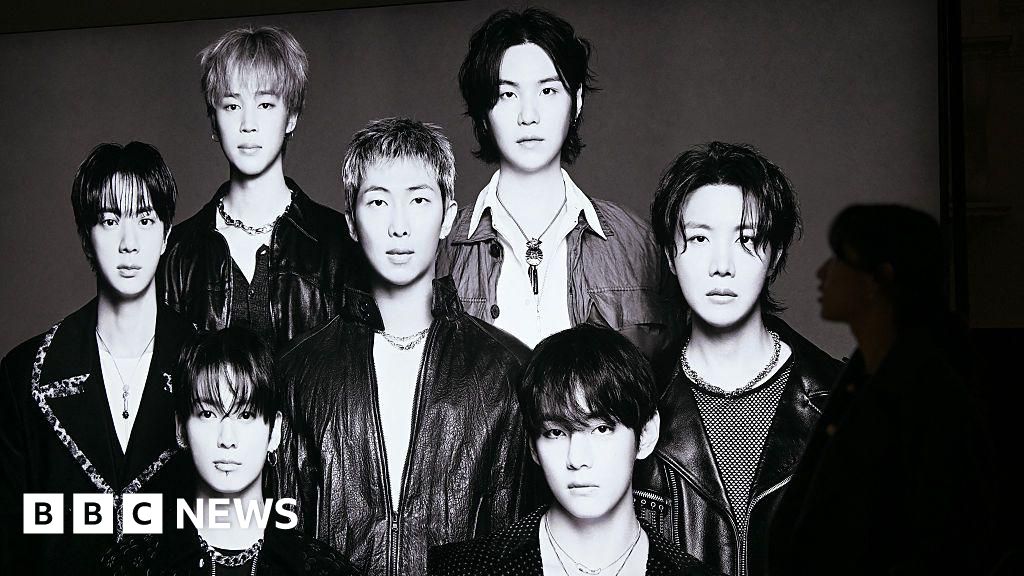
In a world increasingly defined by complex geopolitical struggles and shifting alliances, moments of cultural revival and unity serve as poignant indicators of societal resilience. Recent reports have highlighted a significant event: a livestreamed performance by a popular band, marking their first collective appearance since October 2022. Though seemingly a moment of entertainment, such acts are increasingly viewed through a geopolitical lens, symbolizing broader themes of national identity, social cohesion, and international influence. The occurrence underscores how cultural expressions continue to serve as subtle yet powerful gauges of the political climate, resonating with millions and shaping public sentiment beyond borders.

Historians and analysts emphasize the deep connection between cultural movements and geopolitical realities. The timing of this performance, following nearly a year of turmoil and uncertainty, appears to embody a subtle defiance of censorship and political suppression often seen in strained regions. Such acts of cultural defiance bolster nationalist movements, challenge foreign interventions, and reinforce a sense of shared identity within nations. International organizations like the United Nations have observed that cultural resilience impacts societal morale and diplomatic negotiations, influencing how nations position themselves on the global stage. This dynamic demonstrates that, even amid crises, societies continue to seek expression and unity, seamlessly intertwining national pride with their collective histories.

The re-emergence of this band is more than a musical event; it signals a broader geopolitical reality. Governments across the world are acutely aware of the power of cultural symbols as soft power tools. Countries seeking to assert their sovereignty frequently leverage cultural exports—music, art, and tradition—to shape international perceptions. In this context, the performance sparks discussions among political analysts about the role of soft power as a strategic instrument, especially in areas contested by larger powers. The increased output of cultural events as acts of defiance or affirmation worldwide underscores how decisions made in quiet studios and concert halls carry the potential to influence public opinion far beyond immediate audiences, shaping the course of history through cultural resilience.

As international relations continue to evolve, the significance of such moments becomes ever more evident. In an era where geopolitical conflicts seem unending, the power of culture to inspire, unite, and challenge authority stands as a testament to human resilience. Historians warn that these cultural resurgence signals should not be underestimated; they are the quiet but persistent echoes of a society’s resistance and hope in tumultuous times. With every performance, the stakes are raised—not just in terms of entertainment but in the ongoing struggle for identities, sovereignty, and societal values. Ultimately, this performance, occurring amidst a shifting global landscape, underscores that history is not merely made by treaties or conflicts but also profoundly shaped by the enduring human need for expression and unity in the face of adversity.

Social Media Auto Publish Powered By : XYZScripts.com