Fact-Check: Treasury’s Announcement on Sanctions and Iranian Oil
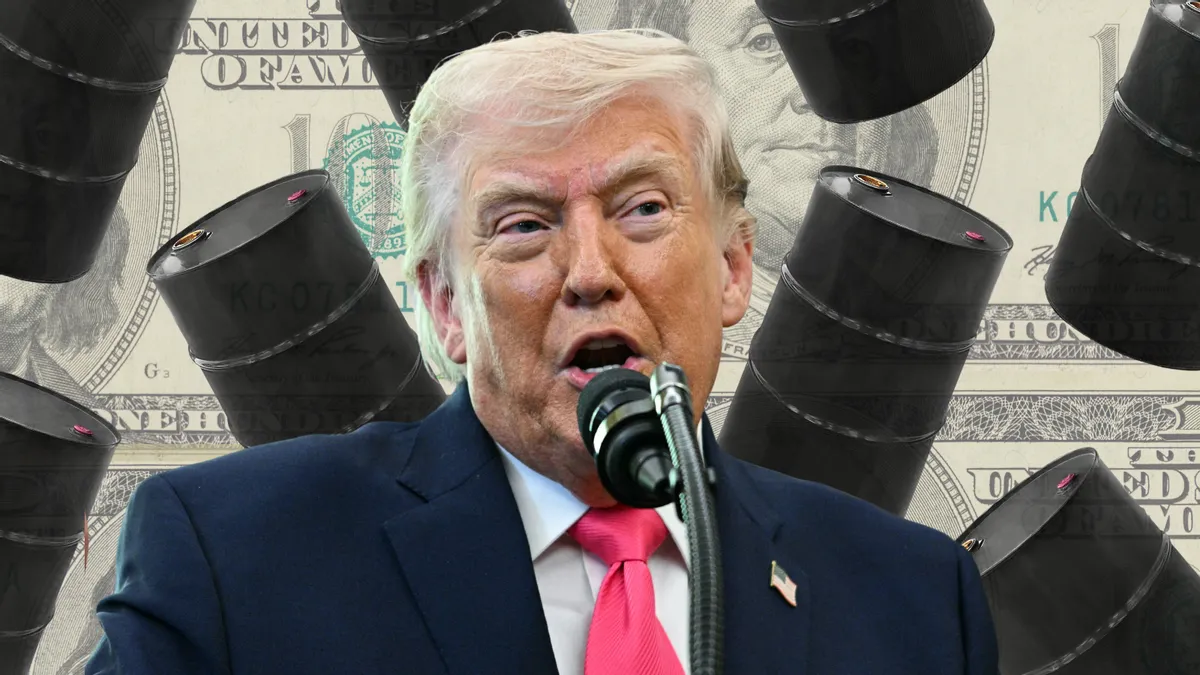
Recent reports claim that the U.S. Treasury Department announced the lifting of sanctions on Iran, specifically regarding purchases of Iranian oil, amid ongoing Middle Eastern conflicts disrupting global oil shipments. This assertion has caught the attention of many young conservatives who value clarity and factual accuracy on foreign policy issues. Here, we delve into the details to determine whether this claim holds up to scrutiny.
Understanding the Context of Sanctions and Their Scope
First, it is essential to clarify what sanctions the Treasury Department has authority over. The U.S. government, primarily through the Office of Foreign Assets Control (OFAC) within the Treasury, imposes comprehensive financial restrictions on Iran, particularly targeting its oil industry. Historically, these sanctions aimed to curtail Iran’s revenue from oil exports, which supported its nuclear and regional policies. Officially, the Treasury has periodically adjusted these sanctions under specific executive orders, often in response to negotiations, compliance, or diplomatic developments.
According to the U.S. Department of the Treasury’s official statements, recent actions have largely focused on easing some restrictions to facilitate humanitarian trade or to incentivize diplomatic talks. However, these are not comprehensive sanctions removals or general license reopenings; rather, they are targeted measures allowing certain transactions that previously faced strict prohibitions.
Is There an Official Lifting of Sanctions on Iranian Oil?
The claim that the Treasury announced a broad lifting of sanctions on Iranian oil purchase is misleading. Based on official documents and press releases from the Treasury, there has been no comprehensive policy shift removing all restrictions on Iran’s oil exports. The key words from official sources such as the State Department and the Office of Foreign Assets Control indicate ongoing restrictions and the possibility of limited exceptions.
- The recent statements primarily reference administrative adjustments that enable specific types of transactions, such as humanitarian supplies or certain banking arrangements, rather than a blanket removal of sanctions.
- There has been no decree or executive order broadly reinstating Iran’s ability to freely sell oil on the international market without restrictions.
- Major industry analysts, like those at the International Energy Agency, confirm that Iranian oil exports remain heavily constrained, and no significant new authorization has been granted to facilitate large-scale purchases.
Therefore, the narrative suggesting that the U.S. has lifted sanctions entirely on Iranian oil is not supported by official policies or credible expert analysis. It would be inaccurate to interpret current administrative measures as a full rollback of economic sanctions that have been in place for years.
Implications of Disrupted Oil Shipments
The mention of ongoing conflicts in the Middle East disrupting shipments is factually correct. Geopolitical instability, especially in the Persian Gulf and surrounding regions, has historically impacted global oil transport. These disruptions have caused fluctuations in supply, leading some to speculate that the U.S. might relax sanctions to stabilize markets. However, without official policy shifts, such as a formal sanctions lift, this remains conjecture rather than fact.
Conclusion: The Importance of Accurate Information
In the complex arena of international sanctions, clarity is vital. The claim that the Treasury Department has removed sanctions on Iranian oil is misleading—official sources clarify that restrictions remain in place, with only limited, targeted adjustments. Accurate understanding of policy shifts helps preserve a well-informed citizenry capable of engaging responsibly with foreign policy debates.
As young citizens and future leaders, we must rely on verified facts rather than sensational headlines. Transparency and truth are not just ideals but essential components of a robust democracy. The real story is that the U.S. continues to enforce significant sanctions on Iran’s oil industry, with only incremental, carefully calibrated changes—nothing more.