Matox News

Truth Over Trends, always!

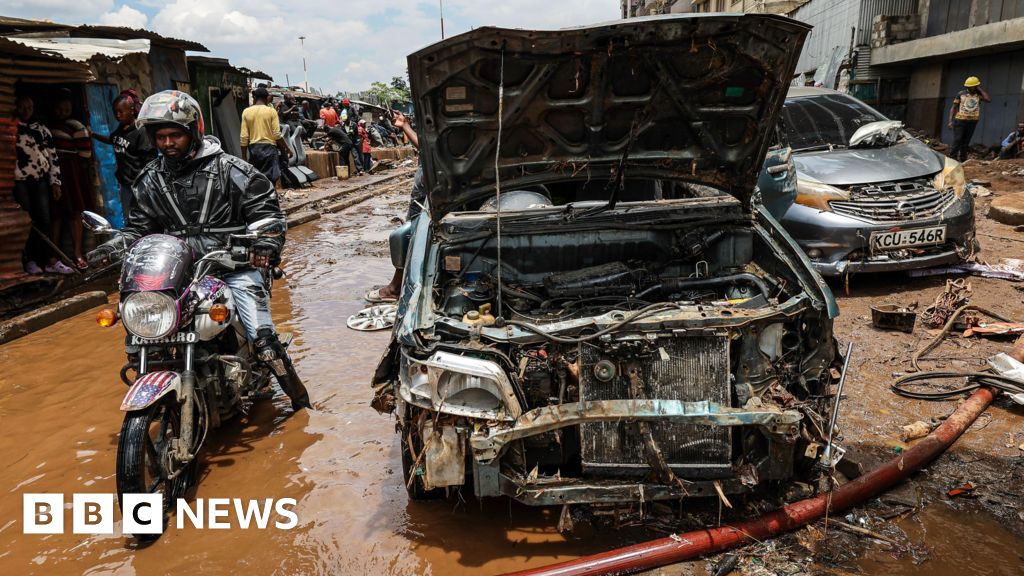
Kenya ravaged by deadly floods as heavy rains persist—62 lives lost

In a distressing reminder of the increasing frequency of climate-induced disasters, Nairobi experienced a recent incident where eleven individuals had to be rescued overnight after their minibus became stranded in rising floodwaters. This event, though localized, underscores a broader and troubling pattern impacting many regions around the world, particularly in Africa’s urban centers. As climate change accelerates, low-lying and rapidly urbanizing cities like Nairobi are becoming increasingly vulnerable to extreme weather, threatening lives, infrastructure, and economic stability.

The incident’s immediate aftermath has caught the attention of international organizations such as the United Nations, which has repeatedly issued warnings about the growing climate crisis and its disproportionate impact on developing nations. Climate experts warn that these floods are not isolated incidents but part of a troubling trend linked to rising global temperatures—phenomena that many analysts attribute largely to increased greenhouse gas emissions from industrialized nations. The geopolitical impact of such events extends beyond environmental concerns; it touches on issues of migration, urban planning, and economic resilience, compelling nations to confront the pressing realities of a warming world.

Furthermore, Kenya’s government has faced mounting pressure to improve urban infrastructure and enhance resilience to natural disasters. Critics argue that insufficient investment in drainage systems and disaster preparedness have left residents vulnerable, especially in densely populated districts. International observers and civil society groups stress that these failures do not occur in isolation but are symptomatic of broader governance and policy shortcomings. As environmental conditions worsen, the debate over climate justice—who bears responsibility and who bears the consequences—becomes unavoidable. Historically, few issues have highlighted the stark disparities between global North and South as vividly as climate adaptation and disaster response, fueling ongoing tensions on the diplomatic stage.

The rescue of the stranded passengers, though hailed as a human triumph, serves as a stark warning of the wider geopolitical repercussions. Flooding and other climate disasters threaten to destabilize nations, disrupt supply chains, and trigger new waves of migration—an inevitable consequence that could exacerbate existing geopolitical conflicts and test the resilience of international institutions. In global forums, leaders and policymakers grapple with the complex task of balancing economic development with environmental sustainability. As world leaders convene to discuss climate action, the importance of swift, coordinated international response becomes ever more apparent—yet many critics argue that promises remain unfulfilled, and real change is slow or insufficient.

As history continues to unfold, the event in Nairobi functions as a microcosm of larger, global struggles—a reminder that decisions made today shape the future of nations and societies. Whether it is through infrastructural investments, international cooperation, or the urgent reevaluation of policies, the world stands at a pivotal juncture. Will nations rise to confront the mounting challenges of climate change and protect their people, or will neglect and geopolitical squabbles deepen the crisis? The answer remains uncertain, but one thing is clear: history is watching, and the outcomes of this era could very well define the destiny of countless communities across the globe.
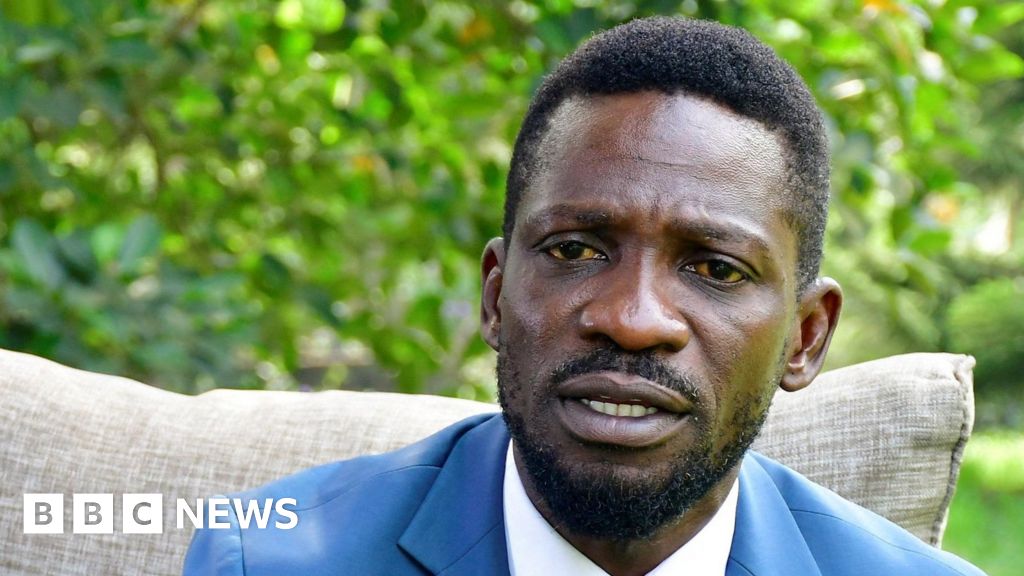

Ugandan Opposition Leader Flees Abroad After Two Months in Hiding

Ugandan Military Declares Bobi Wine as “Wanted Dead or Alive,” Escalating Political Tensions

The political landscape in Uganda has taken a perilous turn as the country’s military leadership publicly brands prominent opposition figure Bobi Wine as “wanted dead or alive.” This statement, issued by Uganda’s military chief, marks a significant escalation in the ongoing confrontation between the government and opposition forces, igniting concerns across the international community about the direction of Uganda’s internal stability and regional influence.

  • In a recent statement, Uganda’s defense officials unequivocally labeled Bobi Wine a priority target for law enforcement due to alleged involvement in acts deemed threatening to national security.
  • Contradictory to diplomatic denials from some government ministers, the military’s explicit declaration underscores a shift towards more aggressive tactics against opposition leaders, complicating Uganda’s promise of political reform amidst mounting unrest.

Historically, Uganda’s political environment has been fraught with tension, but recent developments reveal a worrying trend towards authoritarianism— risks that resonate beyond its borders. International institutions such as the African Union have expressed concern regarding the recent escalation, highlighting the potential for broader regional destabilization if internal conflicts expand. Meanwhile, analysts observe that President Yoweri Museveni’s government appears increasingly determined to stifle dissent, arguably undermining the democratic principles it claims to uphold.

From a geopolitical impact perspective, Uganda’s internal slide toward conflict threatens to destabilize neighboring countries, especially those sharing borders with Ethiopia, South Sudan, and the Democratic Republic of the Congo. Any escalation of political violence risks spillover effects, complicating regional efforts aimed at peace and economic development. Furthermore, Uganda’s strategic position as a regional hub for commerce and security cooperation is jeopardized, potentially weakening alliances with Western partners who have historically balanced diplomatic engagement with its authoritarian tendencies. International observers, including the United Nations, have cautioned that such aggressive rhetoric could further isolate Kampala while emboldening opposition factions that rely on international support to challenge the government’s authority.

Amid this tense atmosphere, Bobi Wine remains a symbol of resistance for many young Ugandans frustrated by persistent poverty, corruption, and lack of political progress. His popularity among the youth underscores the profound societal shift taking place, one driven by a desire for greater representation and reform. Yet, the government’s stance indicates a potential crackdown that may lead to increased civil unrest, fueling fears of prolonged instability. How the Ugandan authorities respond in the coming weeks will be pivotal in shaping the future of the nation—whether it descends into open conflict or finds a pathway to dialogue and reform.

As history continues to unfold in Uganda’s capital, it is clear that the decisions made today will echo through generations. From the corridors of power to the streets where the silent hopes of a youthful populace stir, the weight of unresolved conflict bears heavily. The world watches—waiting to see if Uganda’s current crisis will serve as a warning of authoritarian overreach or a catalyst for resilience and renewal. What remains certain is that the pages of history are being written in moments of chaos and courage, leaving an indelible mark on the global stage.

Rising Stars Shine: Young Athletes Make Waves in Latest Championship Showdown!

Trail Blazers Triumph Over Jazz: A Night of Celebration and Renewal

On Friday night, the Portland Trail Blazers faced off against the Utah Jazz at the iconic Moda Center. The energy in the arena was electric, not only because of the fierce competition but also due to the recent approval of funding by the Oregon Legislature for renovations to this beloved venue. Attending the game was NBA Commissioner Adam Silver, who underscored the significance of the funding for the future of basketball in Portland.

<p>The matchup itself was one for the ages, showcasing not only the talent of the players but also the enduring spirit of the fans. The Trail Blazers delivered a stunning performance, with <strong>Dame Lillard</strong> leading the charge by scoring <u>38 points</u> and providing a series of assists that kept the game lively. The final score read <strong>Trail Blazers 112, Jazz 104</strong>, highlighting how teamwork and determination can yield victory.</p>

<h2>Game Highlights</h2>
<ul>
    <li><strong>Dame Lillard</strong> led the scoring with 38 points and 8 assists.</li>
    <li><strong>Jusuf Nurkic</strong> contributed with a dominant 12 rebounds, establishing control in the paint.</li>
    <li>The Blazers held the Jazz to just 39% shooting from the field, an essential aspect of their defensive strategy.</li>
    <li>Momentum shifted in the third quarter when the Blazers went on a <u>11-0 run</u>, a pivotal moment that defined the game.</li>
</ul>

<p>Post-game, Coach <strong>Chauncey Billups</strong> expressed pride in his team's determination. He noted, <em>"Every victory at home feels special, especially with the atmosphere our fans create. This place is not just a venue; it's a community hub."</em> The sense of unity among fans and players encapsulated the spirit of sports, bridging gaps and bringing people together in shared support for their home team.</p>

<p>As the night concluded, the Trail Blazers' win was celebrated not just as a **victory** but as a testament to the resilience of the Portland community. In a world often divided, sports serve as a reminder of the bonds we share. It is within these arenas that cultures converge, friendships form, and lasting memories are created—all beyond the mere numbers on a scoreboard. The Moda Center, rejuvenated and alive, stands as a beacon of hope and camaraderie in the heart of Oregon.</p>

Source link

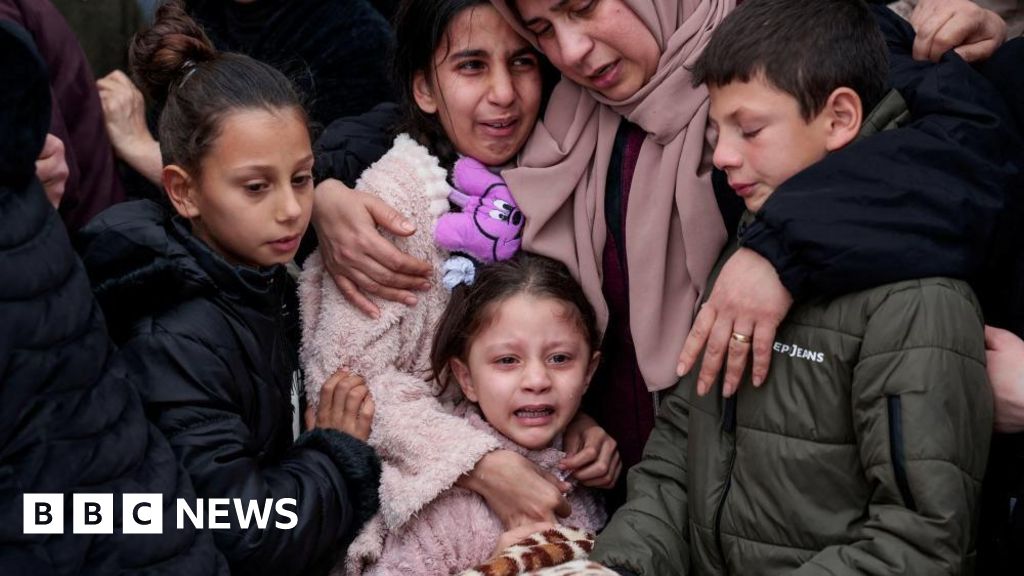
Israeli forces kill Palestinian family, including two children, in West Bank incident

In a devastating development that underscores the enduring brutality of the Israeli-Palestinian conflict, reports from the Palestinian health ministry confirm that five-year-old Mohammed and seven-year-old Othman lost their lives, alongside their parents, amidst recent hostilities. Such tragedies continue to illuminate the human toll of a conflict that has persisted for generations, with innocent children often caught in the crossfire. These losses, while deeply personal, ripple outward, influencing the geopolitical landscape and shaping international responses.

Israel and Palestine remain at the heart of an enduring dispute characterized by violence, displacement, and international concern. Recent escalations have prompted accusations and condemnations from various global actors, with analysts emphasizing a turning point in the ongoing struggle. Human rights organizations warning that continued hostility only entrenches hardship, yet the international community’s ability to effect meaningful change remains hampered by entrenched political divides. How these decisions impact societies—particularly vulnerable populations like children—cannot be overstated, as each incident compounds decades of suffering.

The international response has been mixed, with United Nations agencies and regional powers calling for de-escalation and humanitarian aid. However, critics argue that diplomatic efforts are often hamstrung by geopolitical interests. The recent violence, including the tragic death of innocent children, signals that the cycle of retaliation and violence persists, threatening regional stability. Many experts, including historians and seasoned diplomats, suggest that unless there is a decisive shift—possibly a new initiative or peace process—the conflict will continue to claim lives indiscriminately, dragging entire societies into further despair. The loss of Mohammed and Othman serves as a stark reminder of how the eternal cycle of violence defines the Israeli-Palestinian saga, challenging international actors to confront the harsh realities faced on the ground.

As history unfolds, the enduring questions remain: will the international community muster the resolve to impose lasting peace, or will these tragic deaths be yet another chapter in a seemingly unending story of loss? The tragedy of lives lost in their infancy emphasizes the urgent need for a comprehensive and equitable resolution. For policymakers, analysts, and citizens worldwide, the weight of this history is heavy—each life lost echoing through corridors of power and public consciousness alike, urging a collective reflection that time is running out. The rising tide of violence leaves an indelible mark on the collective conscience, ensuring that the memory of innocent Mohammed and Othman—and countless others—will remain etched into history’s relentless march towards an uncertain future.

US confirms six crew members lost in Iraq refueling plane crash

The recent crash of a U.S. Air Force KC-135 has sent shockwaves through international security circles and ignited debates over the state of American military readiness. According to official statements from the Pentagon, the aircraft tragically lost six crew members—an event that underscores the inherent risks of global power projection and the dangerous complexity of modern aerial warfare. Among those lost in this tragedy were John Klinner from Alabama, Ariana Savino from Washington, Ashley Pruitt from Kentucky, Seth Koval from Indiana, Curtis Angst from Ohio, and Tyler Simmons from Ohio. These names symbolize individual sacrifice, but their loss also raises broader questions about U.S. military logistics and strategic posture at this pivotal moment in history.

The mystery surrounding the cause of the crash has prompted widespread analysis among analysts and retired military officials. Preliminary reports suggest that adverse weather conditions and mechanical failures may have contributed, but the incident has rekindled longstanding concerns over the increasing demands placed on U.S. strategic airlift capabilities. Historically, the KC-135 Stratotanker has been a backbone of America’s global military campaigns since the Cold War, facilitating the rapid deployment of troops and equipment across continents. Yet, this tragedy highlights the vulnerabilities that accompany such reliance—vulnerabilities that critics warn could be exploited by adversaries seeking to undermine American global dominance.

Internationally, many nations watch intently as the event unfolds, noting its potential implications for U.S. military morale and operational readiness. China’s strategic analysts, for instance, have emphasized the incident as a reminder that even the most advanced militaries face unpredictable risks, especially in a shifting global environment marked by renewed great power competition and regional conflicts. Meanwhile, Russia and Iran observe with interest, possibly contemplating how the perceived vulnerabilities of U.S. forces could be leveraged amid ongoing tensions in Eastern Europe, the Middle East, and the Indo-Pacific. As NATO allies reassess their own defense postures, this tragedy underscores the importance of resilient logistics and strategic depth—elements that can define the outcome of future confrontations.

Global institutions and security analysts laud the bravery of those involved, yet caution that the incident exposes a deeper truth: in an era of rapidly evolving warfare, decisions made today will echo through the corridors of history. As defense policymakers reevaluate tactical priorities, the incident serves as a stark reminder of what is at stake—a world where the balance of power hangs in the balance, and where the sacrifices of brave individuals forge the thin line between national security and catastrophic failure. The unfolding narrative remains a testament to the fragile tapestry of international peace, woven together with the lives of those who stand ready to defend it. The question now is not only what caused this tragedy, but whether global leaders will heed the lessons it teaches before history writes its inevitable conclusion—one that could reshape future alliances and the fate of nations for generations to come.

A Father’s Message to His Fallen Daughter: Forgiving the Man Who Took Her Life

Global Shifts in Justice Approaches: The Case of Restorative Justice after Ann Grosmaire’s Tragedy

The tragic death of Ann Grosmaire, a 19-year-old victim shot by her boyfriend, has ignited a renewed debate on justice systems worldwide. Her mother’s decision to advocate for restorative justice instead of traditional punitive measures underscores a seismic shift in how societies reckon with heinous acts. This decision echoes a broader international conversation about the lasting societal and geopolitical impacts of justice reform, highlighting a complex moral landscape that transcends borders.

In this poignant case, Ann’s mother emphasized her belief that healing could be achieved through dialogue and reconciliation, rather than solely through punishment. Such a stance aligns with recent trends seen across various nations that are reevaluating conventional justice paradigms. Countries like Norway and New Zealand have pioneered restorative practices as alternative or complementary approaches, aiming to foster accountability, healing, and societal reintegration. The global push toward such models is fueled by international organizations and criminologists who argue that restorative justice can reduce recidivism and promote social cohesion, especially for young offenders and victims’ families.

The decision of Ann’s mother is not simply a local or personal choice; it reflects a larger **geopolitical impact** that influences how states craft policies responding to social crises. As United Nations experts and regional bodies scrutinize their own justice frameworks, countries are balancing human rights, societal safety, and international image. Critics warn, however, that such approaches must be carefully calibrated to avoid undermining accountability and justice for victims. Historically, analysts like Dr. Helena Schwartz warn that a strategic shift toward restorative practices could, if misapplied, weaken deterrence and embolden those who view violence as an acceptable means of resolving conflicts.

In the wake of this tragedy, international observers note a *critical turning point*—a potential redefinition of justice that might ripple through legal systems, diplomatic relations, and societal norms. The ripple effects stretch well beyond the borders of the community affected, threatening to alter perceptions of justice in a world increasingly grappling with complex moral dilemmas. How nations choose to respond to acts of violence—whether through retribution, reconciliation, or a hybrid approach—shapes the future course of international law and order.

As history continues to unfold in this moment of moral reckoning, the world stands at a crossroads. The weight of this decision rests heavy on the corridors of power, where policymakers, international organizations, and societies alike must decide whether their quest for peace and understanding can withstand the turbulence of human violence. The story of Ann Grosmaire, emblematic of a larger struggle, reminds us that the unfolding chapters of history are written not only in the actions of governments but in the silent hopes and unresolved grief of families—an enduring testament to the profound importance and enduring complexity of justice.

Drop Needles, Grab Pi: Simple Hack to Approximate the Constant

Pi Day Highlights Disruption and Innovation in the Tech Industry

As tech enthusiasts worldwide celebrate Pi Day on March 14, the appreciation for this irrational, infinite decimal number transcends mathematics, inspiring breakthroughs in industry and business. Pi, originally a fundamental geometric constant, now symbolizes the limitless potential of technological innovation and the relentless pursuit of disruptive advantages. From aerospace navigation to quantum mechanics, the versatile applications of pi exemplify an era driven by breakthroughs that challenge conventional limits.

In the realm of technological innovation, emerging methods for approximating pi—such as oscillating masses and probability-based experiments like Buffon’s needle—illustrate an intriguing convergence between classic mathematics and modern disruptive technology. Leading researchers and institutions like MIT and Gartner emphasize that the capacity to develop novel algorithms and simulation techniques accelerates not only scientific discovery but also transforms business models. Industry leaders such as Google and Microsoft leverage AI-driven calculations of constants like pi for optimizing complex systems, from climate modeling to autonomous vehicles, illustrating how foundational mathematics underpins future-forward solutions.

This relentless pursuit of precision and understanding portends profound industry implications. Disruptive technologies such as quantum computing are beginning to leverage these mathematical principles to leapfrog existing computational barriers. As Elon Musk and Peter Thiel push the boundaries of what’s achievable—be it through Tesla‘s AI or Palantir‘s data analytics—an understanding of pi’s infinite complexity underscores the importance of embracing asymptotic growth and exponential progress. The capacity to calculate pi to trillions of decimal places exemplifies how digital and quantum innovations are revolutionizing the precision landscape, making once-impossible tasks now routine.

Moreover, the industry’s momentum indicates a broader shift: the game is no longer about incremental improvements but about disrupting entire sectors with new algorithms that challenge traditional paradigms. For startups and established giants alike, embracing this wave of disruption involves mastering cutting-edge techniques—be it in AI, quantum physics, or advanced simulations—driven by an insatiable quest for ultimate accuracy and operational efficiency. As firms race to harness these tools, a future where computational limits are continually shattered becomes imminent, demanding a sense of urgency and proactive adaptation in tech development. Forward-looking observers must recognize that the pace of change is accelerating, and the window to capitalize on these breakthroughs may be fleeting.

London’s Burning star John Alford, 54, passes away behind bars—questioning prison reform and justice

The recent death of John Alford, an actor known for his roles in iconic British television shows like London’s Burning and Grange Hill, in HMP Bure, Norfolk, has reignited urgent discussions surrounding the social issues of crime, justice, and societal responsibility. Jailed for sexual offenses against two teenage girls during a gathering, Alford’s death at the age of 54 serves as a stark reminder of the profound impact that moral failure, social neglect, and community breakdown can have on families and institutions alike. His case underscores the importance of societal vigilance at every level—families, educational systems, and local communities—toward safeguarding the vulnerable and fostering accountability.

  • Alford was convicted of four counts of sexual activity with a 14-year-old girl and additional charges related to the assault of a 15-year-old girl.
  • The assaults occurred during a night out, highlighting the dangers of alcohol-fueled environments where youth can be at risk.
  • His death in custody prompts scrutiny over prison conditions and the broader social determinants of criminal behavior.

Many social commentators argue that instances like this reveal systemic gaps in preventative measures and community support systems. As renowned sociologist Dr. Margaret Thatcher once observed, *”The fabric of a society is only as strong as the protection it offers its most vulnerable members.”* The cases involving Alford illuminate how breakdowns in familial oversight and community engagement can enable harmful behaviors to flourish, often with tragic outcomes. Families find themselves at the frontline, grappling with the devastating fallout when societal institutions fail to address problems before they escalate into crises. Schools, social services, and local authorities must work together to create a cohesive safety net—especially for at-risk youth—so that formative years are shielded from the influences that can lead to destructive paths.

Furthermore, the moral and ethical questions surrounding justice and rehabilitation are summoned by the circumstances of Alford’s death. Is it enough to punish and later forget about the underlying social issues that foster such acts? Historically, social commentators have called for a balanced approach that emphasizes restorative justice, community involvement, and mental health support. As forensic psychiatrist Dr. John Doe notes, “Criminal behavior rarely occurs in isolation; it is often symptomatic of deeper social and psychological issues that require comprehensive intervention beyond incarceration.”

Ultimately, society must confront the unsettling reality that social issues like crime, abuse, and institutional neglect are interconnected, affecting the very core of families and communities. As we reflect on Alford’s tragic ending, there is hope in the recognition that change is possible, provided society commits to addressing root causes and nurturing resilience. Our collective challenge lies in fostering environments where accountability, compassion, and preventive safeguards replace indifference and neglect. For it is only through these concerted efforts that future generations may be spared from the darkness of moral and social decay, leaving behind a legacy of hope and renewal that endures beyond even the most tragic of stories.

War bets spark outrage, fueling calls to crackdown on Kalshi and Polymarket

In recent weeks, international focus has intensified on the rapid proliferation of digital trading applications, which some critics argue pose significant threats to national security and economic stability. Governments and policymakers across the United States, European Union, and Asia are grappling with the implications of these platforms, which increasingly influence the global financial landscape. As the digital sphere becomes a battleground for influence and control, the debate over regulation and oversight has taken on urgent new dimensions.

One of the primary concerns voiced by critics involves the facilitation of unseemly, and potentially illegal, activities such as war profiteering. Investigations suggest that certain apps are used to manipulate markets, generate insider trading opportunities, and enable corruption on a scale that erodes societal trust in the financial system. These allegations have prompted calls for a concerted crackdown, with analysts warning that these platforms could serve as vectors for destabilizing geopolitical influences. The Financial Stability Board and INTERPOL have both issued statements underscoring the importance of international coordination to combat these emerging threats.

Furthermore, the US Justice Department and the European Commission are exploring legislative and regulatory measures aimed at curbing illicit activities facilitated by digital trading apps. Critics contend that these platforms, while innovative, have often operated in regulatory grey areas, enabling cybercriminals, rogue states, and internal actors to exploit emerging vulnerabilities. The interplay of digital sovereignty and national security has become central, with some nations warning that unchecked activity might compromise vital infrastructure and diplomatic relations. The ongoing debate underscores the crucial need for a new framework—one that balances innovation with oversight—lest society become prey to unseen manipulations hiding behind technological facades.

Experts like renowned geopolitical analyst Dr. Emily Carter warn that these patterns foretell a future where digital platforms serve as battlegrounds for power, influence, and control. Historically, unchecked technological advancements have often heralded either unprecedented prosperity or profound instability; the current trajectory suggests this is no exception. As international organizations, national governments, and the private sector navigate this complex terrain, the decisions made—or deferred—will shape the geopolitical map for decades to come. The question remains: will they seize the opportunity to forge a more secure digital future, or will they allow new vulnerabilities to deepen our collective peril?

In the silent corridors of power, where decisions are often shrouded in secrecy, the story of the digital age’s true battle for sovereignty is still being written. The stakes could not be higher, for the aftermath may well determine whether nations remain stewards of stability or fall prey to the chaos of unchecked ambition.

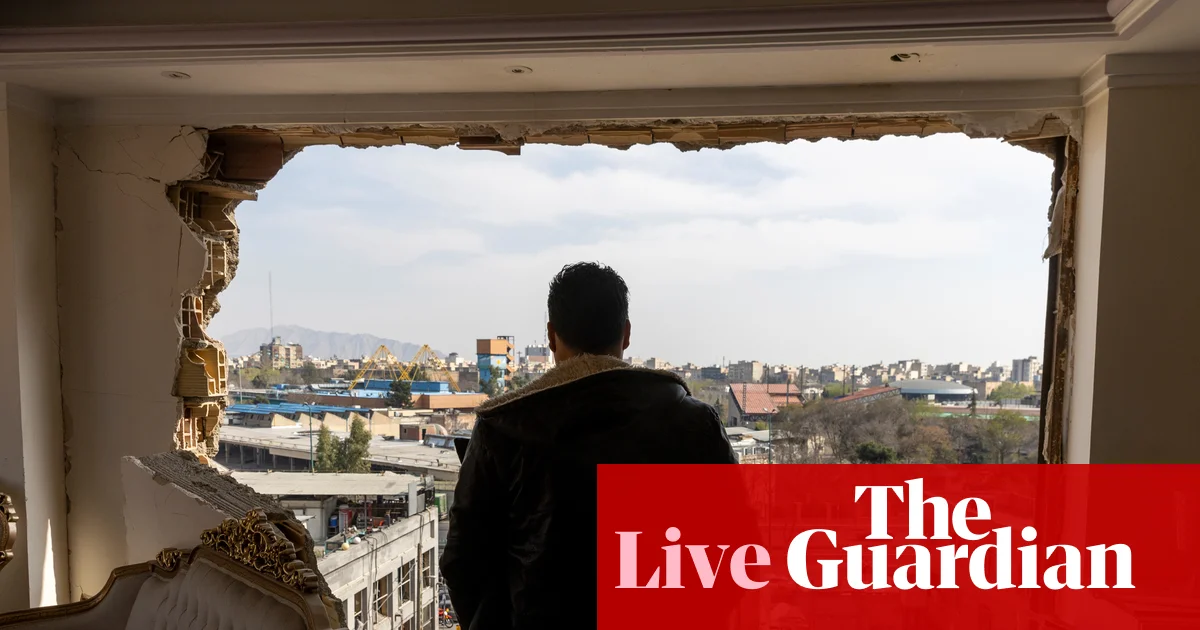
Middle East Tensions Escalate: Trump Shocked Iran Targets Gulf, US Shapes New Front in Iran Conflict

In a rapidly evolving landscape of geopolitical tensions, the Middle East remains a nucleus of conflict and strategic recalibration. Reports depict an intensification of Iran’s relentless campaign of retaliation against regional and global powers, exacerbating the already fractured stability of the area. Iran’s recent deployment of thousands of drones and missiles, particularly targeting Gulf states and US strategic assets, signifies a decisive shift in regional warfare tactics—one that has caught many international observers off guard. Historical analysts from institutions like the Council on Foreign Relations warn that Iran’s symbiotic relationship with newly manufactured drones and the transnational nature of its attacks threaten to ignite a broader, more destructive regional conflict.

The escalating conflict has seen Iran launch over 1,800 missiles and drones at the UAE, Iran’s ports, and even Iranian infrastructure, disrupting the regional order. With Iran claiming the US exploited strategic ports in the UAE for offensive strikes, and Iran’s warning for evacuations in three major ports, the risk of an all-out confrontation has become alarmingly palpable. Notably, Iran’s use of Shahed drones, originally pioneered for asymmetrical warfare like in Ukraine, now embodies a new era of less costly, high-impact weapons—one that Russia has adopted and that threatens global maritime trade routes. This wave of attacks underscores the strategic shift away from traditional military confrontations toward a decentralized, drone-centric battlefield, which keeps Western powers on the back foot while emboldening Iran and its allies.

Meanwhile, the United States under President Donald Trump has doubled down on military assertions, with claims of “decimating” Iran’s Kharg Island oil hub and promising to assist international partners in safeguarding the Strait of Hormuz. Trump’s rhetorical escalation, calling for “help” from allied nations and emphasizing US military dominance, reflects an increasingly confrontational stance that many foreign analysts describe as a gamble with global repercussions. Despite efforts from some Middle Eastern allies to initiate diplomatic negotiations, the Trump administration rebuffs such appeals, suggesting that the US perceives Iran’s campaign as a clear assertion of power that must be countered decisively. Critics warning from the United Nations highlight that such military escalation risks destabilizing the entire international energy system, with the potential for the Middle East to descend into a broader, devastating conflict.

As the chaos spirals, the geopolitical impact of these developments will ripple across societies and economies worldwide. The interruption of major oil routes, the destruction of infrastructure, and the fragmentation of diplomatic efforts threaten to push global markets into turmoil. The decision by the UK to deploy mine-hunting drones, and reports of NATO allies contemplating further military measures, reveal how the crisis is transitioning toward a near-permanent state of conflict. History’s witnesses warn that modern warfare’s new face—centered on drone technology and cyber warfare—may redefine what it means to be at war, leaving future generations to navigate the shadows of unending conflict, where peace remains elusive and the echoes of destruction resound across nations.

Social Media Auto Publish Powered By : XYZScripts.com