Matox News

Truth Over Trends, always!

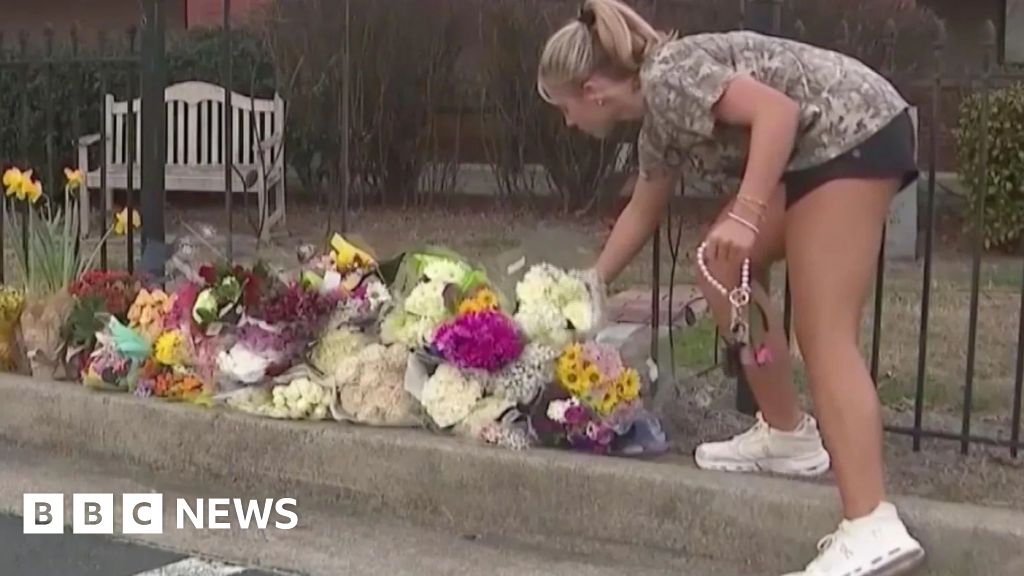
Amsterdam Jewish School Explosion: Official Calls It a Deliberate Attack

In a clear reflection of the shifting geopolitical landscape, recent events have prompted heightened security measures at Jewish public institutions across Europe, following a disturbing incident in Rotterdam. This development underscores the ongoing challenges facing Western nations as they navigate the complex balance between safeguarding civil liberties and protecting their citizens from emerging threats. The incident signals a potential uptick in anti-Semitic violence, which European governments have long warned could destabilize social cohesion if left unchecked.

European security agencies and international organizations are now grappling with how to respond effectively. In Rotterdam, authorities responded swiftly, increasing patrols at synagogues, community centers, and Jewish schools. Yet, such measures are merely reactive, highlighting a deeper, systemic problem: rising intolerance and radicalization fueled by shifting political narratives and regional conflicts. Analysts from the European Agency for Fundamental Rights have noted a sharp increase in anti-Semitic incidents over the past year, correlating with broader tensions in the Middle East and increased migration from unstable regions.

Historically, Europe has been a continent scarred by oscillating waves of violence, which now appear to be re-emerging in new forms. The incident in Rotterdam is viewed by many experts as a warning sign, a potential turning point that underscores the fragile stability of European multicultural societies. International peace and security organizations have issued statements cautioning against complacency, emphasizing the importance of countering hate crimes and fostering community resilience. The United Nations has urged member states to reinforce their commitments to tolerance, yet critics argue that political inaction and the failure to confront radical ideologies continue to allow the threat to metastasize.

The geopolitical impact of these events extends beyond Europe. As the world watches, rising tensions between major powers—including the United States, Russia, and China—are causing ripples that influence regional stability. European nations, particularly those in NATO, perceive these incidents as indicative of broader shifts, where internal security is intertwined with global power struggles. Strategists warn that if these threats are not curtailed, there could be a resurgence of nationalist rhetoric and rhetoric-driven policies that threaten international cooperation and peace.

As history continues to unfold, the persistent question remains: how will nations respond to these mounting challenges? Will they fortify their commitments to unity and tolerance, or will they succumb to division and fear? The answer lies in their ability to confront the darker chapters of history with resolve and wisdom, lest the lessons of the past become nothing but echoes in an increasingly uncertain future. For now, the weight of history presses heavily upon the present, reminding all that the struggle for peace and security is ongoing, and the choices made today will shape the world of tomorrow.

Rescuers point to bad weather and inexperienced skiers as causes for rising Alps avalanche deaths

The recent surge in fatalities among skiers in the French Alps has once again spotlighted the perilous balance between adventure and danger in Europe’s most renowned winter sports destination. As of this season, the death toll has surpassed 100—a stark reminder of the deadly risks posed by unrelenting natural elements, increasing traffic, and, in some instances, inadequate safety measures. This tragic milestone has prompted a notable partnership between media outlets such as the BBC and local rescue services, integrating international efforts to combat this mounting crisis. Such collaborations highlight the broader geopolitical impact of a region that, while renowned for its tourism, faces the complex challenge of managing its natural beauty in a safe and sustainable manner.

The French Alps, a region historically intertwined with Europe’s cultural and economic fabric, has increasingly become a focal point of safety concerns. Analysts note that climate change has exacerbated dangerous conditions—warm spells, unpredictable snowfalls, and rapid weather shifts—making rescue operations more difficult and deadly. Moreover, the pressure from soaring tourist numbers, particularly during peak seasons, has strained local infrastructures, as authorities struggle to balance tourism growth with safety protocols. According to reports from various international organizations, such as the European Safety Authority, the upward trend in skier fatalities reflects unresolved issues of risk management, inadequate emergency preparation, and the growing influence of mass tourism on local communities.

In a significant move, rescue agencies have enlisted the aid of major international media outlets like the BBC to elevate awareness and bolster rescue efforts. This collaboration signals a broader geopolitical dimension, as nations recognize the importance of safeguarding their citizens and visitors amidst increasing danger. The involvement of global media not only amplifies immediate rescue efforts but also underscores the imperative for international cooperation in addressing threats that transcend national borders. Historians and security analysts warn that without comprehensive policy reforms—such as stricter safety regulations and smarter resource allocation—the Alps risk becoming a symbol of environmental neglect and economic recklessness. The regional stability, intricate as it is, may someday hinge on how effectively these challenges are managed.

The unfolding crisis in the French Alps serves as a sobering chapter in the ongoing saga of global environmental and societal change. Towns and nations bordering this majestic landscape are witnessing the tangible consequences of decisions made on an international scale. As the death toll rises, so does the call for strengthened cooperation, smarter infrastructure, and a renewed respect for nature’s limits. This critical juncture leaves the world at a crossroads—continue down a path of heedless exploitation or adopt a sustainable approach that safeguards both place and people. For now, the stories of fallen skiers and rescue heroes serve as potent reminders that history is still being written, shaped by the choices these nations make today, with the weight of the future hanging heavy in the air.

Charges dropped for Georgia teens involved in prank that led to teacher's death
Charges dropped for Georgia teens involved in prank that led to teacher’s death

The recent legal case involving a student prank that resulted in a fatality has captured international attention, highlighting the profound geopolitical impact of domestic judicial proceedings and societal responses. The incident—a tragic misadventure stemming from what was initially believed to be a harmless prank—has now escalated into a larger discussion about legal protocols, youth conduct, and the role of authorities in maintaining societal stability. As countries grapple with crises—both internal and external—the ripple effects of such tragedies extend well beyond local communities, influencing perceptions of justice and governance worldwide.

The family of the teacher involved in the incident has urged prosecutors to drop charges, including one of homicide, arguing that doing so is necessary to prevent a separate tragedy from occurring. This plea underscores a broader debate about how legal systems balance justice with societal harmony. Critics argue that pressing forward with charges might escalate tensions, potentially igniting social unrest. Conversely, many advocates stress that accountability is crucial in upholding the rule of law, especially in an era where youth violence and reckless behavior threaten to destabilize societies. International organizations such as the United Nations have long emphasized that legal transparency fosters social cohesion, but recent events suggest that, in practice, legal outcomes can sometimes deepen societal divides rather than heal them.

Historians and analysts—many of whom have scrutinized similar incidents around the globe—point out that the decisions made in such cases have enduring how nations and societies adapt their moral and legal frameworks. The case’s potential dismissal could be misinterpreted as a signal that youth delinquency is being tolerated, a troubling precedent when considered against the backdrop of rising social unrest in various regions. As international observers warn, these kinds of legal decisions do not occur in isolation but are part of a broader narrative that shapes a nation’s moral compass and influences its geopolitical stance. Countries like Russia and China have demonstrated how tightly controlled justice can be used to maintain social order, contrasting sharply with Western liberal legal ideals. The tension between justice and stability remains a defining feature of global geopolitics today.

As diplomatic analysts examine the unfolding fallout, it is apparent that these incidents serve as microcosms of larger geopolitical struggles. The repercussions of local judicial decisions echo through international corridors, influencing alliances, diplomatic narratives, and even economic stability. The fate of this case might seem confined to a courtroom, but its ramifications ripple outward—shaping perceptions of justice, governance, and societal resilience. In this moment of uncertainty, history is watching, and the weight of the future hangs delicately in the balance. As nations deliberate their next moves, they are reminded that, ultimately, the decisions made today will resonate for generations, shaping the course of history amid the ongoing quest for stability and justice.

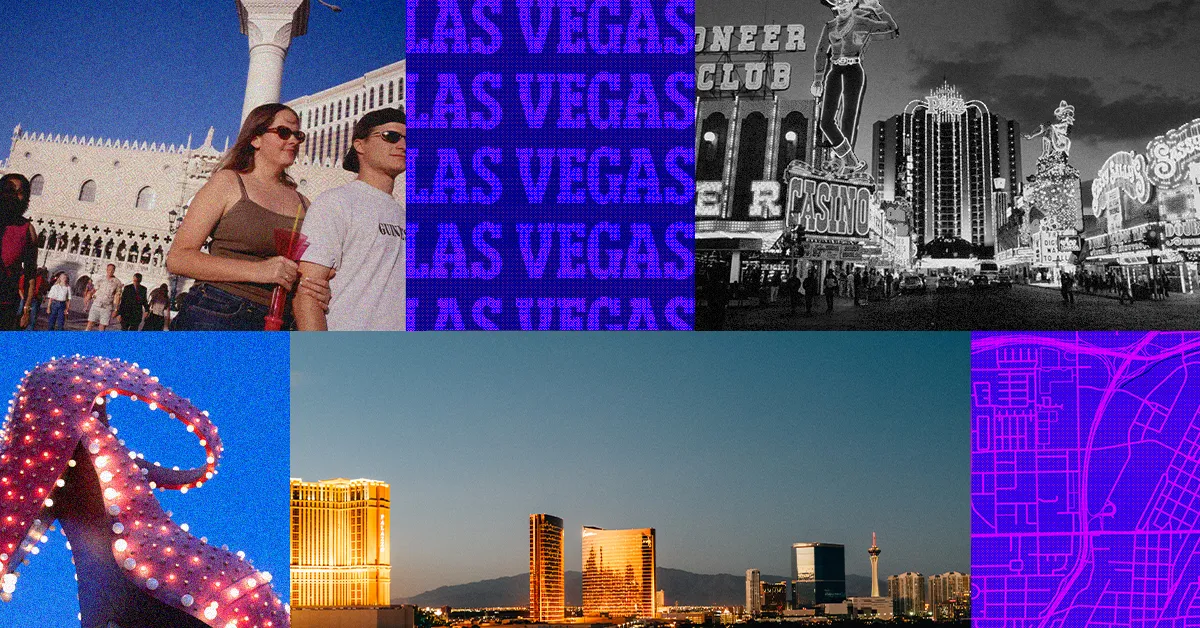
Your Guide to Dominating Vegas Business in 2026

Vegas Leads the Charge in Innovation and Disruption Across Food, Beverage, and Culture

Las Vegas continues to redefine its position as a global hub of industry disruption and innovation, setting new standards that command the attention of entrepreneurs and investors worldwide. The city’s thriving restaurant scene exemplifies this, with publicus and Tamba leading a culinary revolution by embracing borderless fusion cuisine and raw artistry that reshapes traditional dining paradigms. With a focus on incorporating state-of-the-art cooking techniques—from live-fire grilling to avant-garde raw bars—Vegas exemplifies a market aggressively adapting to consumer demand for experiential luxury and originality.

Beyond just food, the city’s beverage landscape is experiencing a comparable upheaval. Nocturno and The Bellagio’s speakeasy demonstrate a commitment to craft mixology at a super-premium level, pushing the envelope with rare spirits and vintage wines. Such establishments reflect a broader trend: Vegas is transforming into an epicenter of exclusive drinking experiences, catering to a new generation of connoisseurs who seek authenticity with an edge. Recognized industry experts like Mariena Mercer Boarini and Luis “Lu” Lopez underscore how Vegas’s rapid innovation is fueling a business model centered on ultra-personalized luxury and cutting-edge mixology.

Disruptive Innovation in Culture and Arts

Vegas’s artistic scene is also experiencing a renaissance, driven by venues like The Neon Museum and Meow Wolf’s Omega Mart, which challenge conventional notions of cultural experience. These initiatives embody a disruptive approach to arts and culture—blurring traditional boundaries between high art and pop culture—thus transforming Vegas into a nexus for creative experimentation and investment. Institutions such as Regis Galerie and Eden Gallery demonstrate how high-end art is augmenting the city’s entertainment ecosystem, attracting a young, affluent audience hungry for memorable, immersive experiences.

The implications for business are substantial: Los Vegas’s innovative model is a blueprint for other emerging entertainment economies. The city’s focus on combining luxury gastronomy, art, and nightlife under a seamless experience is creating a virtuous cycle of investment and innovation. As analyst reports from Gartner suggest, such integrated cultural-business ecosystems are poised to dominate the next wave of global urban development, where market disruption will no longer be an exception but the rule.

The Future is Now—A Call for Bold Investment

In this landscape of relentless innovation, tech entrepreneurs and capital pools are well-advised to watch Vegas as the early indicator of broader industry shifts. From cutting-edge culinary methods to immersive cultural venues, the city exemplifies a disruption-driven economy that demands agility, foresight, and bold investment. Figures like Elon Musk and Peter Thiel have long championed the importance of anticipating these seismic shifts. Vegas’s example underscores that the future of industry leadership will favor those who innovate faster and think bigger.

As we look ahead, this relentless march of disruption signals that the window for traditional players to adapt is closing. Capitalizing on Vegas’s innovations could set a precedent for other cities aiming to compete in a transformed global economy. For young entrepreneurs and investors, the call is clear: get involved now or risk getting left behind in the dust of tomorrow’s winners. The convergence of technology, culinary, and cultural innovation in Vegas signals a future where disruption is not just inevitable, it is the new normal.

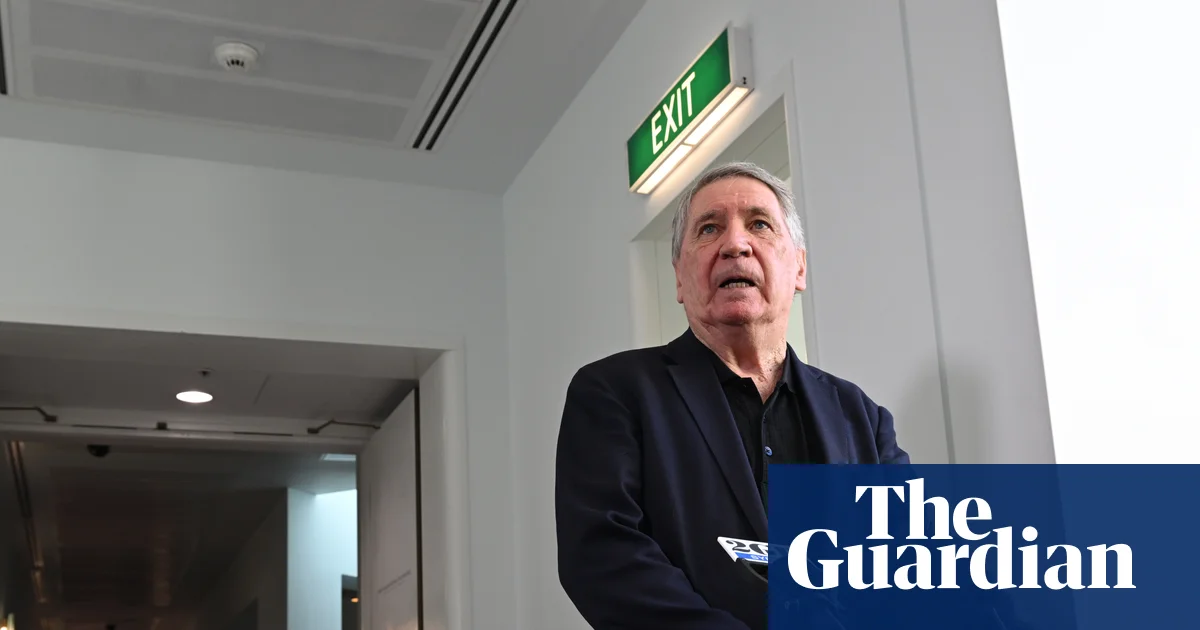
Dennis Richardson Urges Action on Bondi Attack Failures, Quits Inquiry Over Urgency Concerns

In a world increasingly shaped by _u_shifting alliances and volatile conflicts_, the decisions made within national borders often have profound _geopolitical impact_. Recent events in Australia highlight the persistent challenge of balancing domestic security measures with the integrity of public trust and the swift response needed to combat evolving threats. Following the tragic Bondi terrorist attack_, the Australian government faces mounting pressure to reform its intelligence and law enforcement frameworks, with critics emphasizing that such _urgent_ reforms cannot be delayed by bureaucratic inertia.

At the heart of this debate is former spy chief Dennis Richardson, who has been vocal about the need for immediate action. Richardson underscores that _”you cannot leave matters that go to public safety till the end of the year,”_ warning that _any_ delay in implementing necessary recommendations could further endanger communities, particularly vulnerable groups that live in fear._ His resignation from the royal commission into antisemitism revealed internal disagreements over the timing of security reforms, sparking concerns that the traditional process of inquiry and response is too slow when faced with _imminent threats_. Analysts argue this reflects a broader international trend where national security is often compromised by lengthy investigations, thereby risking societal stability and the perception of a government’s resolve to protect its citizens.

The _investigative_ process was launched in the aftermath of the Bondi massacre, which shocked the world with its brutality. Yet, Richardson contends that the royal commission’s hearings, scheduled to begin only around the report’s interim phase in late April, are too late to effectively address _emerging_ threats. His criticism underscores a critical _turning point_ in how governments worldwide might need to reevaluate the timeline and scope of their security inquiries. While the Royal Commission aims to uphold *judicial integrity*, international authorities and security analysts warn that _“waiting until the end of the year could allow terrorists and extremist elements the time to regroup and strike again,”_ risking a cycle of tragedy and delayed accountability.

Utilizing insights from international agencies such as the United Nations and security analysts, experts emphasize that _”the world’s security landscape is more unpredictable than ever,”_ especially as _volatile conflicts in the Middle East, rising extremism in Europe, and regional power struggles in Asia cut across national borders_. The noose tightens as world powers grapple with _the dilemma_: how to safeguard national sovereignty and societal well-being without overstepping civil liberties. The debates in Australia serve as a warning to other nations—delay in addressing internal security failures could have devastating _geopolitical_ effects, exacerbating regional instability and empowering radical movements.

As Australia tries to reconcile the urgent need for security with political processes, the weight of history reminds us that _decisions made in the coming weeks will shape the course of national and international stability_. Richardson’s departure, while seemingly procedural, symbolizes a larger _battle_ over how governments respond to the exigencies of modern terrorism and societal fear. The unfolding story remains a stark reminder: in the annals of history, those who hesitate at pivotal moments may find themselves on the wrong side of the narrative, witnessing the slow unraveling of peace and order in a world torn by _conflict that waits for no one_.

Casey’s Social Care Review Ignites Hope for Better Future

Recently, the insights of Louise Casey have cast a stark light on the chronic failures plaguing Britain’s social care system. Her candid remarks underscore a harsh reality: the current model, heavily reliant on fragmented local authorities and privatized providers, is unsustainable and in dire need of overhaul. According to social commentator John Burton, the system’s woes are rooted in a structure that is structurally unsound—akin to a building riddled with cracks that demand urgent reinforcement. Yet, despite multiple reviews spanning over three decades, meaningful reforms remain elusive, trapped in a cycle of deferred decisions and superficial fixes, leaving those in need of care—and their families—to cope with the fallout.

The demographic shifts and societal expectations reveal an urgent moral imperative: to prioritize community-based, locally controlled care. For many working-class families, the challenge is not just navigating the costs but confronting the systemic injustice where the wealthy enjoy luxurious “care homes,” while the less fortunate struggle to access basic support. How do social issues ripple through families and communities? For elderly couples like Name and address supplied, the anxiety over dwindling savings as they cover exorbitant care fees exemplifies a broader crisis of intergenerational stability and dignity. These families, often pushed to the brink, highlight the profound human toll when society fails to invest properly into its foundational social infrastructure.

Several social commentators argue that money is not the core problem, but rather its misallocation. The costly and inefficient Care Quality Commission (CQC), for instance, is criticized for its bureaucratic excess and inability to enforce standards effectively. Instead, resources should be redirected toward

  • empowering community organizations to run localized care services
  • investing in
    preventative models that reduce crisis demand
  • building a national workforce strategy that values and retains care professionals

. Such reforms echo the arguments of social theorists who emphasize that localism and community control are central to restoring integrity and responsiveness to social care. The challenge remains in translating these principles into tangible policy actions that address the underlying inequalities and inefficiencies propelling the system’s decline.

Innovative solutions and political will are vital. The British societal fabric is strained as a system designed in times of scarcity now navigates an era of abundance but profound neglect. As society faces this “moment of reckoning,” it becomes clear that the future of social care depends on collective moral resolve. Perhaps, as historian E.P. Thompson might suggest, society must rediscover a sense of shared responsibility—an acknowledgment that social care is not merely a matter of policy but a moral claim on our collective conscience. With determined action rooted in community strengths and moral clarity, there remains hope that society can rebuild a system where dignity, equity, and compassion are not exceptions but the norm. In that future, families will no longer bear the weight of systemic failure, but will instead find strength in a society that truly cares for all its members—regardless of age, income, or background.

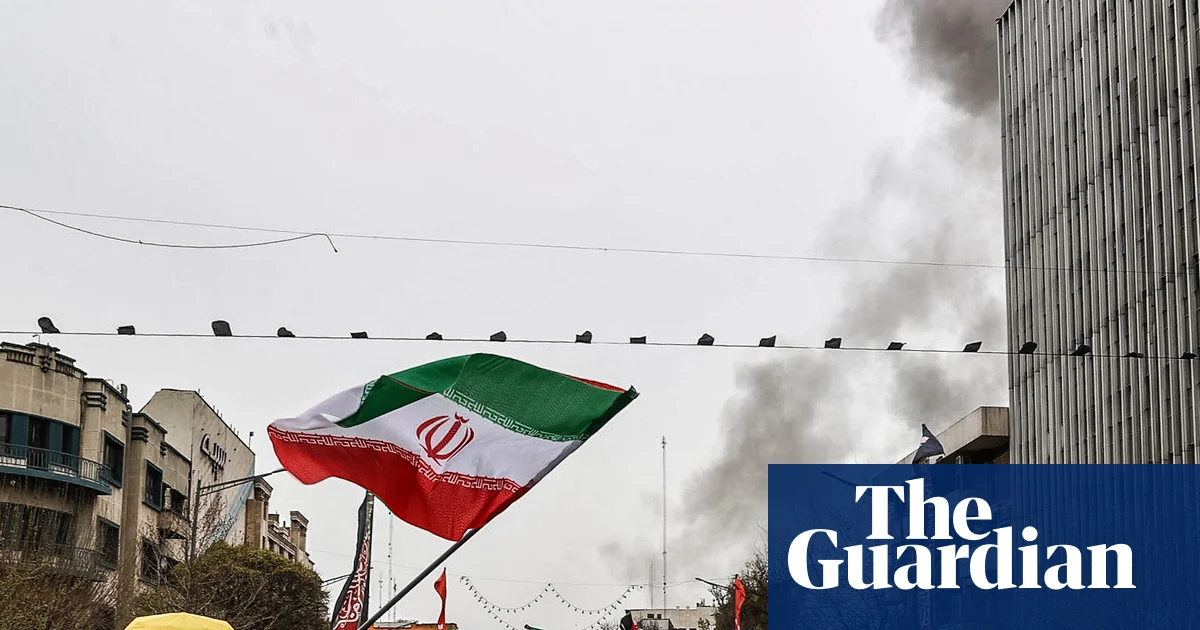
Trump: U.S. Strikes Iran’s Oil Hub in Bold Move Against Tehran’s Naval Power

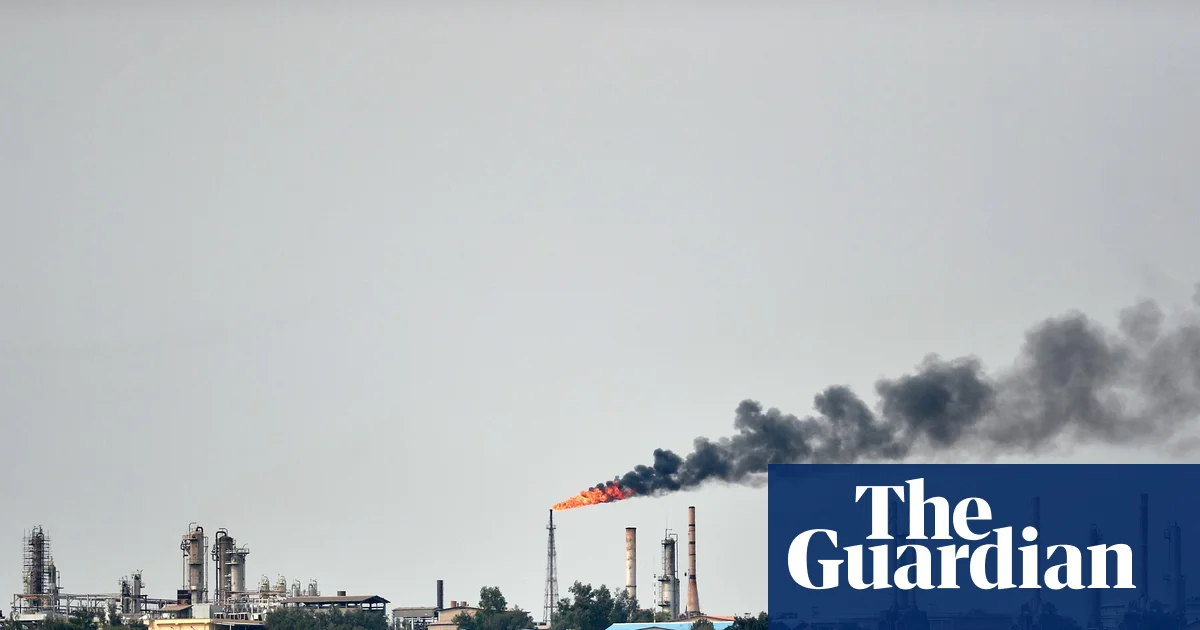
The United States has struck a significant blow on Iran’s Kharg Island, a critical maritime node and a linchpin in Iran’s oil export infrastructure. President Donald Trump announced that US forces had “obliterated” military targets on the island, although explicitly spared the oil facilities themselves—an act of restraint that nonetheless signals a clear message of military dominance and intent. The strike, described by White House officials as a demonstration of strength, signals an escalation in the ongoing confrontation between the two powers and underscores how US foreign policy continues to influence Middle Eastern geopolitics amid rising tensions. The decision to target military assets on Kharg Island not only impacts Iran’s commodity exports but also sends ripples across global markets, given the strategic importance of oil in world affairs.

This covert yet provocative act comes in the wake of escalating rhetoric and military posturing. Just days prior, Iranian officials, notably Mohammad-Bagher Ghalibaf, the speaker of the Iranian parliament, warned that any attack on Iran’s territorial waters or oil infrastructure would trigger a severe retaliation. His declaration—that Iran could “abandon all restraint”—underscores the deepening hostility and the high stakes at play. Analysts warn that such threats could lead to a dangerous cycle of escalation, threatening to ignite a broader conflict in a region already volatile from years of proxy wars, sanctions, and political unrest. The International Atomic Energy Agency and other organizations monitor these developments, worried that further military aggression might spiral out of control, destabilizing the entire Gulf region and affecting global energy security.

The geopolitical impact of this latest operation is profound. Kharg Island, as the primary exit for Iran’s oil exports, is a critical choke point in the global flow of energy resources. Any disruption could cause international prices to skyrocket, with oil prices already surging past $120 per barrel and analysts speculating that further attacks could push prices as high as $150, jeopardizing global economies and fueling inflation worldwide. The deployment of approximately 2,500 Marines aboard the amphibious assault ship USS Tripoli and a flotilla of other naval assets reflects a clear message: the US is prepared to escalate military measures if necessary. Though officials deny the imminence of a ground invasion, the presence of such forces signals readiness for any contingency, raising fears of a broader conflict that could engulf the region and rewrite the balance of power in the Middle East.

Historically, this volatile period echoes Cold War-era brinkmanship, with historians and foreign policy analysts warning that miscalculations could lead to catastrophic conflict. The United Nations and neighboring nations, desperate to prevent a full-scale war, call for restraint but recognize that decisions taken today could determine the future stability of the entire region. As the winds of international diplomacy blow cold, the looming shadow of possible escalation hangs over the Gulf. The unfolding narrative remains one of tension, with each decision echoing in the halls of history, reminding the world that this critical crossroads in the 21st century is a battleground not only of armies but of ideologies, economic interests, and the enduring struggle for dominance in an increasingly fractured global order. History watches as the decisions made in this fragile moment could shape the fate of nations for generations to come, leaving us all to confront the heavy weight of an unfolding chapter in world history.

Fact-Check: Viral claim about climate change effects rated Misleading

Understanding the FDA’s Recent Action on Leucovorin

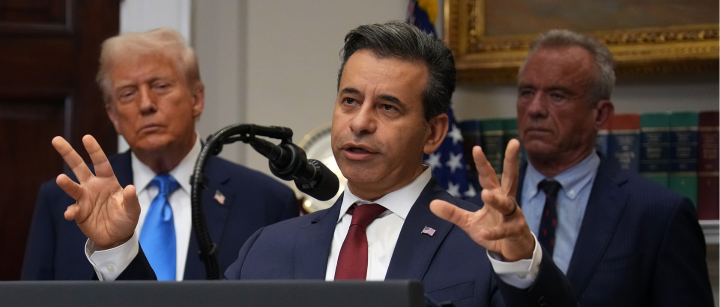
On March 10, the Food and Drug Administration (FDA) officially revised the label for leucovorin, a medication with long-standing use in chemotherapy, to include a very rare genetic condition known as cerebral folate deficiency (CFD). According to the FDA, this update pertains solely to a genetic form of CFD caused by specific mutations in folate receptor genes. The

It is crucial to understand that this approval is limited to a rare genetic disorder, with an estimated prevalence of about 1 in a million individuals, translating to roughly 70 children in the United States—far from the “hundreds of thousands” claimed by FDA Commissioner Dr. Marty Makary at a September press conference. This overstatement confuses the scope of the recent label change, which only applies to a narrowly defined genetic condition, not autism spectrum disorder (ASD) broadly.

Dissecting Dr. Makary’s Claims of Wide-Spectrum Benefits

During the same September press conference, Dr. Makary implied that the new leucovorin label would benefit “hundreds of thousands of children” suffering from autism. This statement sharply contrasts with the FDA’s clarification that the update applies to the genetic CFD form. Multiple experts and institutions agree that there is little evidence linking CFD to most cases of autism.

  • Dr. David Mandell, a psychiatry professor at the University of Pennsylvania, has emphasized that “the evidence on leucovorin as a treatment for autism is very weak.”
  • The American Academy of Pediatrics states explicitly that “larger, well-designed trials are needed to determine leucovorin’s safety and efficacy in autism.”
  • Leading researchers, such as Dr. Shafali Jeste of UCLA, note that existing studies are small, methodologically limited, and not sufficient to support broad claims of benefit in autism spectrum disorder.

Furthermore, the specific “autoantibody” hypothesis—that certain children with autism possess autoantibodies blocking folate receptors—remains inconclusive. According to established experts, the presence of these autoantibodies does not necessarily indicate low cerebrospinal fluid folate or justify widespread treatment application outside of targeted cases.

The Evidence and Its Limitations

The clinical trials underpinning the recent FDA update are limited in scope and quality. Many studies on leucovorin’s impact in children with autism involve small sample sizes, lack validated biomarkers, and are often retracted or terminated for data integrity concerns. For example, one of the largest studies with 80 participants was retracted due to issues with its data and statistical methods, according to a notice on the journal’s website.

Leading scientific bodies, such as the American Academy of Pediatrics, advocate for larger, multicenter trials before endorsing leucovorin as a generalized autism treatment. Currently, the evidence is too weak to confidently recommend widespread use, despite some anecdotal reports of improvement.

The Role of Media and Public Perceptions

What emerges from this scenario is a pattern of misleading claims about the scope and efficacy of leucovorin for autism. Dr. Makary’s earlier sweeping statements about benefiting “hundreds of thousands” of kids generated significant public interest and possibly increased off-label prescribing, as evidenced by a 71% rise in prescriptions among children aged 5 and above following September’s announcement. Such rapid responses highlight the importance of accurate communication grounded in solid scientific evidence.

In the arena of health policy, transparency and adherence to rigorous science are vital. Overpromising based on limited data not only risks patient safety but also undermines trust in medical and regulatory institutions. Responsible healthcare decision-making must be rooted in comprehensive studies and clear understanding of what is known—and what remains uncertain—about potential treatments for complex conditions like autism.

Conclusion: Upholding Truth for Responsible Citizenship

In a democratic society, an informed citizenry depends on truthful and transparent communication from experts and regulators. The recent FDA approval for leucovorin is a narrow, genetically targeted indication, not a sweeping autism cure or broad-spectrum treatment. While hope drives families and advocates, unchecked claims and media hype jeopardize responsible decision-making. It is essential for consumers, journalists, and policymakers to parse scientific facts carefully, ensuring that public health efforts are grounded in verified evidence. Only through such vigilance can we uphold the integrity of our health systems and the democratic ideals they serve.

Rising Stars Shine in Thrilling Weekend of High School Championships!

Jordan Brand Takes Center Stage with Brazil at World Cup

This summer, Nike’s Jordan brand is set to make a historic leap into international football as it partners with none other than Brazil, the five-time World Cup champions. This collaboration marks the brand’s debut in the global arena of football, where it will outfit the beloved Brazilian team during the much-anticipated World Cup. The announcement has already generated significant buzz among fans and commentators alike.

As the tournament approaches, many are eager to watch how this partnership will influence the Brazilian squad’s performance on the field. Brazil’s head coach, Tite, expressed enthusiasm about the collaboration, stating, “The Jordan brand embodies excellence and style, and we aim to represent those qualities on the world stage.” This sentiment resonates deeply with the Brazilian fans, who are no strangers to the blend of artistry and skill that football requires.

The Jordan brand is approaching this venture with a unique strategy, incorporating both styling and functionality. The iconic Jumpman logo will not only be a fashion statement but is designed to enhance the athletes’ performance during crucial moments. Expect to see players like Neymar Jr. and Vinícius Júnior gracing the pitch in jerseys that symbolize more than just a brand—they represent a new era for football.

  • First-ever collaboration with a national football team
  • Innovative designs focusing on performance and style
  • Notable players included: Neymar Jr., Vinícius Júnior
  • Tite’s vision for excellence with the new brand partnership

This partnership is not merely about a new jersey; it’s a larger narrative that extends beyond the scoreboard. In a time where sports have the profound ability to unite people across cultures and borders, the Brazilian national team is poised to not only compete but inspire. As players take the field adorned in the unmistakable Jordan brand, they will carry with them hopes, dreams, and the legacy of a nation that breathes football. In the end, sports serve as a unifying force, reminding us that we’re all part of something greater than ourselves, transcending continents and celebrating the beautiful game.

Source link

Trump slams Iran leaders as ‘deranged,’ fueling Middle East tensions amid US-Israel conflict

Global Power Blocs on the Edge: Iran under Siege as US and Israel Escalate Military Operations

The Middle East stands at a precarious crossroads amid a series of dramatic military confrontations that could redefine regional and global power dynamics. In a display of unyielding resolve, President Donald Trump has proclaimed that Iran will face “very hard” retaliation, as he vows retribution for what he describes as a long history of violence and provocation. His inflammatory rhetoric coincides with intense military strikes targeting Iran’s capital and strategic infrastructure, signaling an escalation in the longstanding confrontation. Observers note that the rhetoric from Washington echoes its historical posture of aggressive containment and a strategic desire to curb Iran’s influence, yet the recent actions suggest a shift that authorities worldwide are watching closely.

Escalating Violence in Iran, Lebanon, and Surrounding Gulf States

The recent wave of Israeli and US-led attacks focus heavily on Iran’s military capabilities and economic lifelines, with successive strikes reported near Tehran University as crowds gathered in support of the regime. Charging the Iranian leadership with desperation and underground activity, US officials described Iranian forces as “hiding” and “on the run,” signaling a concerted effort to weaken the nation’s capacity to retaliate. Meanwhile, Iran has responded fiercely, with missile and drone attacks targeting Israeli and Gulf infrastructure, escalating the conflict into what analysts describe as a regional war. Notably, Iran has targeted oil export facilities, including the crucial Kharg Island—its primary oil terminal—threatening the global oil supply and risking economic destabilization far beyond the Middle East. This move, viewed as both a strategic and symbolic attack, has prompted warnings from international organizations to prevent a broader energy crisis.

Regional Consequences and the Strain on Global Markets

The conflict’s geopolitical impact extends beyond regional borders, with global markets reacting sharply to the escalation. As oil prices surged, the economic implications threaten to pit nations worldwide against a backdrop of mounting scarcity and price instability. European nations have begun informal negotiations with Tehran, seeking guarantees of safe passage for their shipping in the Strait of Hormuz, which Iran now effectively blocks after launching attacks that have disrupted roughly a fifth of the world’s oil and gas supplies in transit. These diplomatic efforts underscore the dangerous interplay between military action and economic diplomacy, with analysts warning that any miscalculation could ignite a worldwide energy crunch and destabilize global markets. The potential for conflict to spill into the broader Gulf region fuels fears of a domino effect, as neighboring Gulf states scramble for defensive alliances and prepare for extended hostilities.

Endgame Uncertain as Regional Powers and Superpowers clash

The narrative of this escalating crisis is shaped by the words of military and diplomatic leaders, with Israeli Prime Minister and defense officials asserting that the current strikes are “just the beginning,” threatening Lebanon’s infrastructure and escalating confrontation with Hezbollah. The United States, for its part, emphasizes a military campaign targeting “over 15,000 enemy targets,” with the potential for further strikes on Iran’s energy infrastructure if the Strait of Hormuz becomes compromised. Historical analysts like Bernard Lewis have warned that such conflicts often intensify and spiral out of control, potentially igniting a broader regional war with devastating consequences. Meanwhile, Iran’s leadership, emboldened by its resistance and aligned with longstanding allies such as Hezbollah, signals that the conflict may escalate into a protracted and brutal struggle, with tragic tolls on both civilian and military populations. As explosions echo across the Middle East and the world watches, the question remains—will diplomacy prevail or shall the pages of history be written in fire and blood? The true outcome of this confrontation lies yet unwritten, its narrative unspooling in the chaos and smoke of today’s battlefield.

Social Media Auto Publish Powered By : XYZScripts.com