Matox News

Truth Over Trends, always!

Bahrain and Saudi Arabia GP’s Cancelled Amid Middle East Crisis

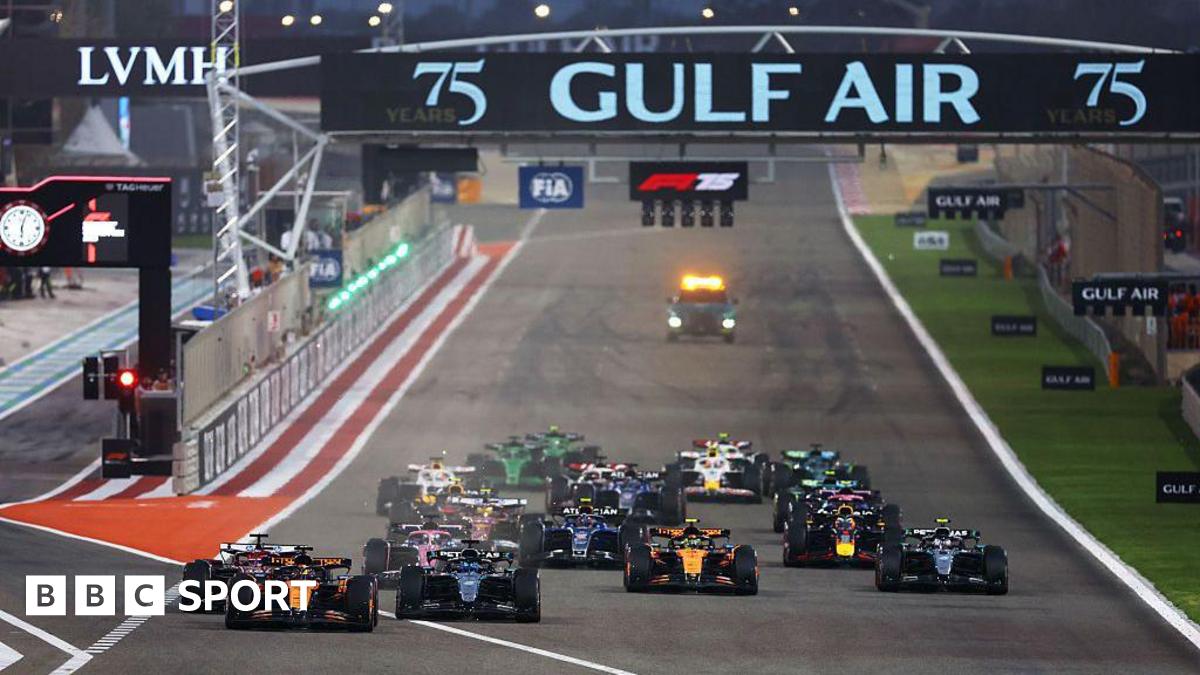
The upcoming Bahrain and Saudi Arabia Grands Prix, traditionally pivotal fixtures in the Formula 1 calendar, are on the verge of cancellation due to the escalating conflict in the Middle East. While an official decision remains pending, insiders suggest that organizers are poised to announce the cancellations by the end of the weekend, citing safety concerns and logistical hurdles. The outbreak of hostilities between U.S./Israel and Iran has created a volatile atmosphere, making the international racing event a potential hub of chaos rather than celebration. The decision highlights how geopolitical tensions can ripple through industries far beyond military spheres, directly impacting global entertainment and economic interests.

Logistically, the conflict has derailed plans to ship freight and personnel to the Gulf region, with looming fears that holding the events would risk lives and compromise operational integrity. No alternative venues have been confirmed, with organizers considering but ultimately dismissing potential replacements such as Portimao in Portugal, Imola in Italy, and Istanbul Park in Turkey. These options faced scrutiny over time constraints and financial viability, as securing the necessary hosting fees amidst regional instability proved unfeasible. This shift leaves the current season with just 22 Grand Prix, marking a significant contraction that will undoubtedly influence the championship standings and the sport’s revenue streams.

Financially, the impact is profound. F1 faces an estimated loss of over £100 million, primarily due to the absence of Bahrain and Saudi Arabia, which are among the highest-paying Grand Prix hosts. This economic hit underscores the fragile balance between sport, diplomacy, and power politics. Historically, analysts note that sporting events have often become inadvertent battlegrounds for broader geopolitical struggles—lessons from past crises suggest that geopolitical stability directly correlates with economic and cultural vitality. As the series shifts to a five-week hiatus until the Miami race, questions remain over how international relations will evolve and whether the sport’s calendar might face further upheavals in the near future.

As the world watches, the unfolding crisis in the Middle East serves as a stark reminder that the decisions taken today will shape history’s narrative. The canceled races symbolize more than logistical setbacks; they are emblematic of a world where conflicts threaten to overshadow human achievement and corporate ambitions. International organizations and political leaders have a fleeting window to de-escalate hostilities or risk further repercussions—far beyond the racing circuit, in the very fabric of global stability. As history’s ink begins to dry on this turbulent chapter, one truth remains clear: the dynamic landscape of geopolitics has entered a new, unpredictable era, where every decision echoes through the corridors of history and the very core of international society.

Dreo’s Spring Sale: Top Deals on Air Fryers, Heaters, Fans for the Next Generation

Innovation in the Kitchen: Dreo Unveils the Game-Changing Chefmaker Combi Fryer

In a landscape dominated by traditional appliances, disruptive innovations are redefining culinary technology. Recently, Dreo introduced the Chefmaker Combi Fryer, a device that transcends the conventional air fryer to encompass multiple functionalities—from precision meat cooking to steaming and app-controlled roasting. This development underscores a broader industry shift: the convergence of smart technology, disruption of established cooking paradigms, and the quest for convenience, precision, and quality in modern kitchens.

The Chefmaker Combi Fryer exemplifies technological innovation with its robust feature set. According to industry assessments, it offers guided, probe-assisted cooking ideal for steaks, chops, and roasts, alongside steam functions to preserve moisture on large cuts of meat. This combination drastically disrupts traditional cookware competition, positioning itself as a comprehensive solution for both amateur and professional chefs. Analysts from Gartner and industry futurists like Elon Musk underscore that this kind of multi-functional device facilitates business disruption, challenging manufacturers of standalone appliances and igniting a competitive push toward intelligent, integrated kitchen equipment.

Beyond mere innovation, the device embodies a business model shift driven by consumer appetite for smarter, more efficient products. The current market trend indicates an increasing appetite for home automation and precision cooking, propagated by the rise of app-controlled devices. The price point—nearly 44% off during Dreo’s spring sale—demonstrates an aggressive strategy to capture market share and accelerate adoption among younger, tech-savvy demographics. Industry leaders predict that such pricing strategies will intensify, forcing legacy appliance companies to adapt or risk obsolescence. From a business implications perspective, the proliferation of smart, multi-use appliances could catalyze a wave of industry consolidation centered on AI-enabled kitchen tech, with dominant players like GE, Whirlpool, and emerging startups fighting for dominance.

However, the disruption isn’t without challenges. Critics note, particularly in tech circles influenced by Peter Thiel’s emphasis on monopoly-driven innovation, that early adoption depends heavily on reliable temperature regulation—something the Chefmaker still refines. While the probe-assisted mode is precise, non-probe operations can swing ±20°C, exposing a potential flaw that could hinder widespread trust. For businesses, this signifies the importance of continued R&D investment in sensor accuracy and AI calibration to ensure consumer confidence and longevity of the product line. The device’s ecosystem, bolstered by an active app interface, could pave the way for an era of connected, intelligent kitchens—aligning with future trends predicted by MIT researchers and industry analysts, highlighting the urgency for incumbents to innovate rapidly or face obsolescence.

As this wave of innovation progresses, it is clear that the future of culinary technology will be characterized by smarter, more integrated appliances. With companies racing to embed AI, IoT connectivity, and user-friendly interfaces into everyday devices, the disruption of traditional kitchen appliances offers a preview of how entire industries—from manufacturing to retail—must pivot swiftly. For the young, tech-driven consumer, this signifies an exciting frontier where convenience meets precision, and where early investment in disruptive technologies could yield substantial competitive advantages. Overall, the industry must move at a relentless pace—embracing innovation or risking being left behind in a rapidly evolving ecosystem driven by the relentless surge of smart technology. The Chefmaker Combi Fryer not only symbolizes this shift but also heralds the beginning of a new era for the global tech and appliance markets—one marked by disruption, innovation, and the imperative to adapt.

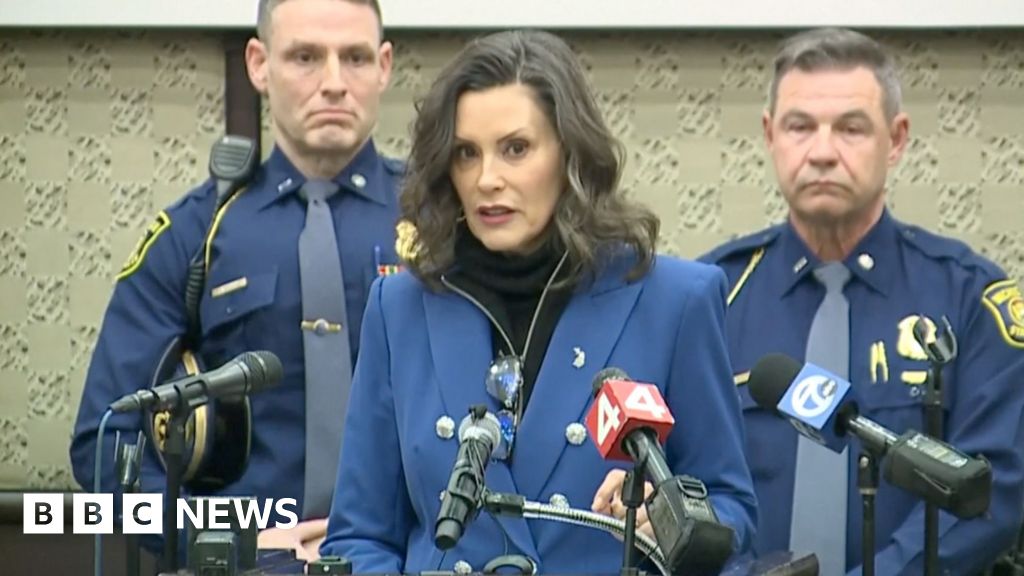
Michigan synagogue attack a clear act of hate, warns governor

In what experts are calling a disturbing escalation of domestic violence, authorities in the United States have officially classified a recent incident as a “targeted act of violence against the Jewish community”. The FBI’s investigation underscores the ongoing challenges faced by minority communities within national borders, yet the motive behind this attack remains elusive, leaving many to question the underlying societal tensions that continue to threaten social cohesion in Western democracies.

From a geopolitical perspective, such acts of targeted violence trigger a ripple effect that extends far beyond national borders, fueling concern in Israel, European Union, and allied nations. Many analysts argue this incident is symptomatic of a rising tide of anti-Semitism and political extremism, fueled by a volatile global climate of misinformation, radical rhetoric, and socio-economic upheaval. International organizations like the United Nations and European Parliament have continually warned that domestic terror tactics threaten the ideological stability of multicultural societies and can destabilize geopolitical alliances.

Historian and geopolitical analyst Dr. Edward Marks emphasizes that such violence acts as a catalyst for destabilization, often prompting international scrutiny and diplomatic tensions that complicate efforts for global cooperation. The incident exemplifies the fragile nature of social trust within liberal democracies, where internal divisions can ignite wider conflicts if not addressed decisively. Meanwhile, critics are drawing parallels to similar episodes in Europe and elsewhere, where rhetoric aligning with anti-establishment and nationalist movements has created fertile ground for hate crimes. The FBI’s cautious stance—avoiding immediate attribution of motives—reflects the complexity of the threat, which is often intertwined with broader geopolitical shifts and the resurgence of ideological extremism worldwide.

As nations around the globe monitor the fallout, the decision-making networks facing this crisis are grappling with how best to contain and counteract these threats. The incident is viewed not merely as an isolate event but as part of a larger pattern of rising nationalist sentiments and ideological polarization. The international community is increasingly aware that these internal conflicts threaten the stability of alliances and international norms. As the United States grapples in its internal political arena, the echoes of this incident serve as a stark reminder that the fight against violence and hatred must be fought on numerous fronts, from law enforcement to educational reform and social policy.

Ultimately, this event leaves a profound question hanging in the air: how will nations respond to the mounting evidence that ideological extremism is a growing global threat? With history witnessing the devastating consequences of unchecked hatred and division, the decision to confront and address these issues decisively will shape the course of societal development for generations to come. As the world watches, the weight of history presses heavier, threatening to tilt the fragile balance of peace toward chaos if decisive action is not taken—reminding us that in the relentless march of history, the battle for societal stability is never truly over, and the next chapter remains unwritten.

Watch Wales vs. Italy 2026 Live — Your Guide to Free Streaming of the Six Nations Action!

As the 2026 Six Nations unfolds, it’s clear that this year’s rugby tournament isn’t just about the game; it’s a testament to how sports consumption and social engagement are rapidly evolving in our digital age. Fans across the globe are no longer bound by traditional broadcasting restrictions. Thanks to innovative streaming solutions, global audiences can now watch marquee fixtures like Wales vs. Italy for free, from anywhere in the world. This trend underscores a cultural shift—where accessibility and instantaneous connectivity are reshaping the way youth and globetrotters experience live sports.

Modern viewers are leveraging VPN technology to bypass geo-restrictions, reflecting an innovative approach to media consumption that is deeply intertwined with digital activism. Tools like ExpressVPN have become more than just utility—they’re catalysts for an evolving cultural movement that prioritizes personalized, unrestricted access. These shifts are accompanied by debates among analysts and sociologists, such as Dr. Emily Carter, who argue that this new norm democratizes access to global content, fostering a more inclusive youth culture that’s eager to engage with international sporting events and cultural phenomena alike.

The Social Relevance and Cultural Impact

This phenomenon isn’t solely about watching rugby—it’s about redefining how a generation interacts with entertainment and community. Watching Wales vs. Italy live, thanks to platforms like BBC iPlayer, signifies more than just a sporting event; it illustrates the democratization of media access and the breaking down of geographic and socio-economic barriers. Youth, in particular, see these digital tools as a way to craft their own cultural experiences, engaging in live commentary, social media discussions, and shared moments that transcend traditional boundaries. The cultural impact lies in how these practices foster a sense of global community among younger audiences, empowering them to seek out and participate in international conversations about sports, politics, and social issues alike.

Influencers like sports analysts and social media personalities are fueling this trend, turning streaming from a practical necessity into a cultural statement. They highlight that the future of sports viewing is less about adhering to traditional broadcasting schedules and more about personalized, on-demand engagement. As Dr. Carter notes, “The rise of digital streaming intertwined with social activism around fair access is shaping a youth culture that values autonomy and digital sovereignty.” This empowers young fans to become active participants rather than passive spectators, shaping a more dynamic and inclusive sporting culture.

Looking Ahead: The Next Big Question

While these technological advancements have democratized access, they also raise poignant questions about the future of digital sovereignty. If geo-restrictions can be so easily bypassed, what does this mean for traditional broadcasters and the future of regional sports rights? Will the next wave of technology further diminish the reliance on institutional broadcasters, or will it prompt new models of content ownership and monetization that challenge existing power structures? These questions form the next chapter in the ongoing story of digital culture—an evolution driven by youth-driven innovation, social consciousness, and the quest for unrestricted access.

From Björk’s swan style to Céline’s bold tux debut: the freshest Oscar red carpet hits for the fashion-forward youth

Each year, the Oscars red carpet becomes more than a mere showcase of glamour; it transforms into a cultural battleground where style, identity, and personal expression collide. From the unforgettable swan dress worn by Björk in 2001 to the gender-defying statement by Billy Porter in 2019, these moments serve as mirrors to a society in flux—challenging norms and inspiring new standards of lifestyle and wellness. While some outfits might initially face criticism or ridicule, history often rewrites perceptions, turning these daring choices into cultural icons that influence generations.

Take the iconic gowns and suits that have graced the red carpet over the decades, each reflecting a *unique personality and story*. For example, Barbra Streisand in 1969 stunned audiences in her chiffon pyjama-style pantsuit, a bold move that caused controversy yet remains memorable. Similarly, Céline Dion’s 1999 back-to-front tuxedo challenged traditional fashion by merging high-class elegance with avant-garde daring, illustrating how the *pursuit of authenticity* often leads to the most lasting impact. These moments underscore a vital truth: true confidence and personal comfort are the foundations of a lifestyle worth embracing—fostering not just outward beauty but inner wellness that radiates from within.

Moreover, the messages conveyed through fashion at such events serve as a form of personal impact, influencing cultural conversations and inspiring young talent and high-profile figures alike. Michelle Williams’ choice of a classic Vera Wang dress in 2006 signifies understated elegance that balances tradition with individuality—reminding us that style does not always require flamboyance but instead authenticity. Meanwhile, Angelina Jolie’s memorable pose in 2012 with her leg—initially dismissed as accidental—became a viral symbol of confidence, breaking barriers and altering perceptions of beauty and self-assurance. Such moments exemplify how bold, genuine expressions on the red carpet can empower individuals to pursue their own wellness goals—whether through *fashion, lifestyle, or personal endeavors*—ultimately fostering a culture where authenticity is celebrated over conformity.

  • Seek out your own style from trusted designers or the comfort of clothes that express your personality.
  • Remember that confidence is the ultimate accessory—wear it proudly, regardless of trends.
  • Find inspiration in stories of those who challenged norms, reminding yourself that wellness includes embracing your true self.

In a world where societal narratives are constantly shifting, these red carpet moments remind us that every individual’s lifestyle is a journey—an ongoing narrative of self-discovery and empowerment. Whether it’s a daring outfit or a quiet act of authenticity, the true power lies in embracing one’s personal impact. As cultural critic Susie Faux once said, *”Fashion is the armor to survive the reality of everyday life.”* So, as you navigate your own path, remember that embracing your unique style and wellness is not just about appearance—it’s about cultivating a lifestyle that reflects your inner strength, purpose, and authenticity. In the end, life itself becomes a canvas, and every choice, every outfit, becomes a brushstroke in shaping a narrative worth telling—one rooted in confidence, integrity, and a relentless pursuit of one’s true self.

Oscars 2026: Cast Your Vote and Shape the Future of Hollywood’s Biggest Night

In an epoch where the conflation of spectacle and illusion threatens to eclipse the foundational role of culture as society’s ethical and moral compass, the upcoming cinematic reflections encapsulated in the 2026 Oscars ballot serve as a potent reminder. As Ortega y Gasset profoundingly asserted, “man is himself a manufacture, a work-in-progress, and his culture—his way of life—is the blueprint of this ongoing construction.” The films nominated—ranging from “Bugonia” to “Sinners”—are not mere entertainment but manifestations of societal soul-searching; they uphold the enduring link between art and national as well as individual identity. Here, the cinematic arts serve as both reflection and prophecy, echoing a cultural heritage that defines, sustains, and often challenges the collective conscience.

In a world increasingly dominated by superficial trends, the cultural role played by revered artists and movements assumes a vital importance. As T.S. Eliot observed, “Poetry and art are the memory of humanity, the hauntings of our collective consciousness,” and so the categories and themes of this year’s nominees—be it the profound narrative of “Frankenstein” or the poignant human stories in “Sentimental Value”—serve as a testament to the resilience of cultural memory. The meticulous craftsmanship highlighted in distinctions such as production design or cinematography underscores the enduring value placed on tradition, precision, and aesthetic excellence. These elements, woven into the very fabric of societal identity, remind us that culture is not a fleeting sensation but a foundational pillar that shapes our understanding of ourselves and our future.

By engaging with stories that often confront the shadows of history—such as “The Secret Agent” or “Mr. Nobody Against Putin”—modern cinema reminds us that every cultural act bears a moral and philosophical weight. Much like those who, in the past, recognized the significance of cultural continuity, contemporary artists serve as custodians of a tradition—a tradition that Chesterton described as maintaining the “truth of identity amidst the chaos of modernity.” They interpret the human condition, offering both solace and challenge to society. As Tocqueville warned, the potential for culture to foster a civilization of individual greatness or mediocrity hinges on our collective will to cherish and preserve what is worth fighting for—a moral and artistic legacy rooted in the remembrance of our shared human narrative.

In essence, culture’s ultimate power resides in its capacity to serve as both memory and prophecy—a wellspring of human hope and resilience. The spirit of art compels us to scrutinize not only where we have come from but where we are heading. As the stars of cinema bring forth these visions, they remind us that tradition is not static but dynamic; it bends and expands, mirroring the human soul’s perennial quest for meaning. In that dance of memory and prophecy, culture bears witness to our humanity, whispering that we are both the heirs and prophets of our destiny—writers of the future inscribed upon the foundations of our collective past.

Lack of Iran War Plan Sparks Chaos, Threatens U.S. Military Future, Critics Warn

Escalation in the Middle East: A Turning Point in Global Power Dynamics

The recent conflict between the US and Iran has erupted into one of the most significant military interventions in the Middle East since the 2003 Iraq invasion. Under former President Donald Trump, the US launched overwhelming strikes aimed at toppling Iran’s leadership, marking a decisive shift from prior diplomatic efforts. Yet, as the military campaign unfolds, critics and analysts alike are warning that the aftermath could reshape the geopolitical landscape for decades to come, with ripple effects touching societies from Tehran to Washington, and extending globally.

The initial strikes caused devastating casualties, including the tragic death of 175 civilians in a girls’ school—an incident attributed to flawed targeting data, emphasizing how chaotic and unpredictable modern warfare has become. Iran’s military swiftly responded with a barrage of missile attacks, some of which disrupted regional stability by targeting US military assets in Kuwait and provoking firefights with drone strikes. The US military’s response, including the loss of six personnel, underscores the unexpected intensity and volatility of this conflict. Military analysts like Philip Gordon have noted that comprehensive planning was absent or incomplete at best, and the chaos seen thus far is consistent with the tactics Iran has historically employed—targeting neighbors and closing the Strait of Hormuz, a choke point vital to global oil supplies.

One of the most concerning turning points is the US decision to shift strategies from eliminating Iran’s nuclear ambitions to focusing heavily on opening the Strait of Hormuz. This strategic pivot, driven by economic imperatives—namely soaring oil prices—has injected an unpredictable element into an already complex conflict. As Michael Singh of the Washington Institute points out, each of these shifting objectives would require distinct military plans. Now, with Iran exercising its sovereign rights to blockade and threaten maritime trade, the risk of a protracted, globalized war looms large. The geopolitical impact here is profound—potentially dragging the US into a long, costly conflict that could diminish its military dominance and reshape alliances overnight.

Internally, US decision-making has been marred by prioritization of operational security over strategic coherence. The Trump administration’s efforts to bypass traditional diplomatic channels and excluded extensive planning with key agencies reflect a reckless approach, critics argue. This approach risks spreading resources thin, straining military capabilities across Asia and the Middle East—areas where adversaries like China and North Korea remain formidable threats. As Jennifer Kavanagh warns, the long-term consequences will likely include a significant erosion of US military power projection—an outcome that could alter global power balances for generations. The situation, as noted by historians and security analysts, resembles a critical historical juncture—one where decisions taken in the heat of momentous conflict could either cement US dominance or hasten its decline amid a shifting world order.

As this chapter in history continues to unfold, it leaves the international community at a crossroads—facing moral dilemmas, strategic ambiguities, and uncertain futures. The echoes of past interventions linger, warning that the pages of history often mark the beginning, not the end, of long-lasting global transformations. In the shadows of this chaos, the weight of present choices determines the course of the future—whether nations will find themselves embroiled in decades-long conflict or forge a new path toward stability. Time will tell if this is yet another turning point or the prelude to a darker chapter in the saga of international power.

Rising Stars Shine as Local Teams Clash in Thrilling Championship Showdown

The Price of Glory: Kyle Teel’s Injury Puts Pressure on the White Sox

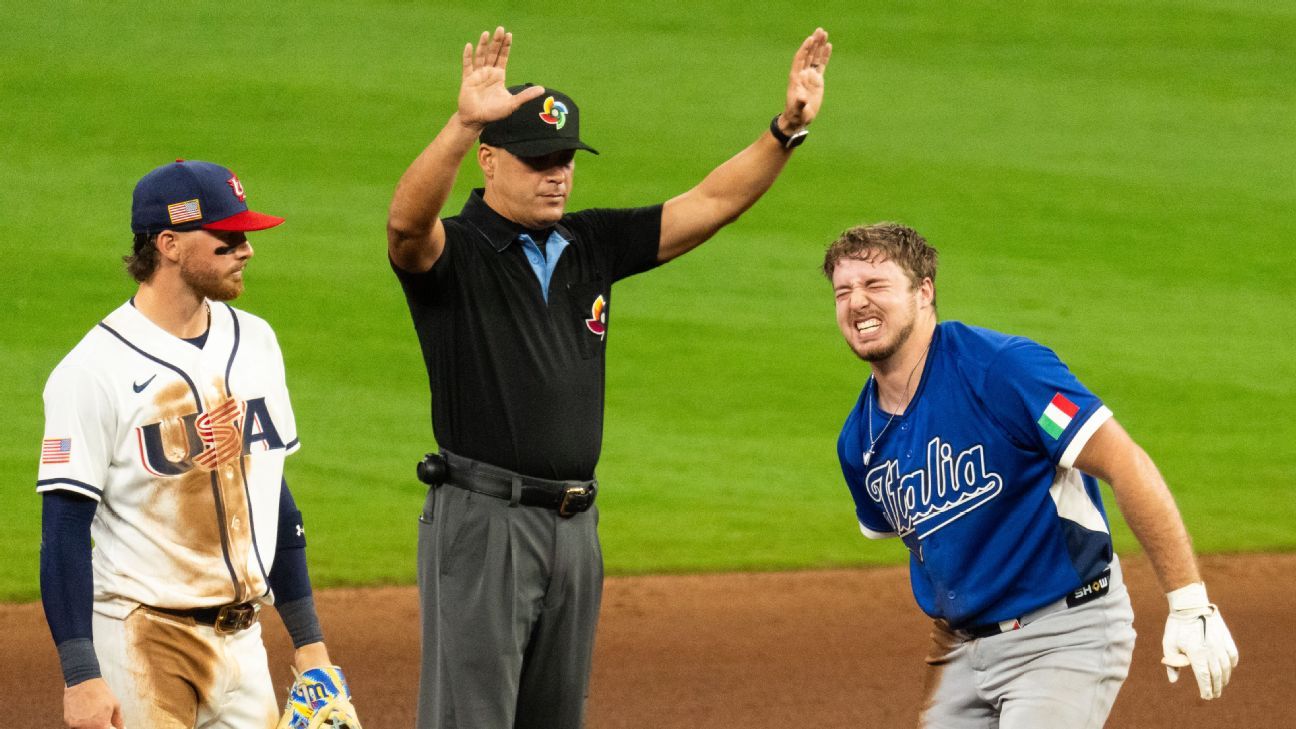
In a stunning turn of events during the World Baseball Classic, Kyle Teel, catcher for the Chicago White Sox, suffered a right hamstring strain that is expected to sideline him for 4-6 weeks. This injury occurred while Teel was playing for Italy in their thrilling victory against Team USA, a match that concluded with Italy triumphing 6-5 in a nail-biting finish.

The hamstring injury not only affects Teel’s participation in the classic but also raises concerns for the White Sox as they prepare for the upcoming MLB season. In his absence, the team will need to turn to their depth chart and potentially rely on backup catchers as they navigate crucial games early in the season. “We’re going to have to adapt,” stated White Sox Manager Pedro Grifol. With a solid batting average from Teel last season, his absence will be felt deeply both in the dugout and on the field.

As the White Sox look to recover from this news, several key players will need to step up. The catching position could see increased responsibility placed on younger, less experienced players. One player to watch is Sebastian Rivero, who has impressed during training camp. An analysis from sports commentators reflects that cohesiveness among the players will be essential, particularly as adjustments are made. Fans are encouraged to monitor the team’s performance closely as the season progresses.

  • Kyle Teel’s batting average from last season: .265
  • Italy’s historic win over Team USA in the World Baseball Classic
  • Upcoming challenges for the White Sox in early MLB games

This moment, while difficult, highlights the unpredictable nature of sports. Teel’s injury is a reminder of the physical toll athletes endure for their countries and teams. As fans rally behind their players, it serves as a crucial reminder that while scores may define the game, it is the spirit of competition and unity that truly encapsulates the essence of sports. In the end, it’s not just about the players on the field; it’s about the communities and dreams they represent, weaving together a narrative that transcends the scoreboard and unites us all.

Source link

UK drops plan to cut benefits for Ireland’s mother and baby home survivors

UK and Ireland Reach Breakthrough in Historical Justice for Mother and Baby Home Survivors

The recent decision by Downing Street to drop plans to cut benefits for survivors of Ireland’s notorious mother and baby homes marks a significant turn in the ongoing effort to address a dark chapter in Irish history. This move follows intense international pressure and underscores the geopolitical significance of the relationship between Britain and Ireland. As a result, survivors living in the UK—estimated at up to 13,000—will retain access to essential benefits regardless of whether they accept compensation from Dublin, thereby protecting their dignity and social wellbeing. This decision signals a shift across the transnational landscape, with implications for the future of justice, reconciliation, and the role of historical accountability within the broader UK-Irish dynamics.

The government’s initial plans to restrict survivors’ benefits stemmed from concerns over the financial implications of Ireland’s redress scheme. Introduced after a 2021 inquiry exposed systemic cruelty, neglect, and the unnecessary death of hundreds of infants, Ireland’s compensation effort sought to provide recognition and redress to tens of thousands of victims. However, officials in Britain had feared the scheme’s classifications—particularly regarding savings—could jeopardize means-tested benefits like universal credit and social care funds, creating fear and distress among survivors. Campaigners such as Patricia Carey and community organizations like Irish in Britain warned that such policies risked re-traumatizing a community still seeking justice. Their advocacy and international diplomatic engagement—highlighted during the recent Anglo-Irish summit—culminated in recognition of the deep ripple effects these policies could have on society and the geostrategic alliance between the two nations.

At the heart of this corporate and diplomatic endeavor lies the geopolitical impact, which cannot be understated. The Irish government’s redress scheme aims to confront a painful legacy, yet its initial economic framing threatened to isolate survivors within a system of social stigma—one that historians and analysts suggest has long been a barrier to true reconciliation. The decision to disregard Ireland’s payments for survivors in Britain signifies a nuanced approach by both governments, emphasizing acknowledgment and solidarity over fiscal austerity. This alignment not only reflects renewed diplomatic cooperation but also signals to the rest of the international community that resolving historic injustices requires more than monetary compensation; it demands a moral commitment that transcends borders. As Liam Conlon, a Labour MP who championed Philomena’s law, articulated, the effort is about “tackling stigma, shame, and ensuring dignity,” embodying a moral blueprint with wider implications for how nations confront their pasts and aim for healing.

In a broader sense, these developments echo the ongoing evolution of international justice and the role of societal memory. As historians caution, these moments are pivotal; they serve as benchmarks for how societies reckon with historic trauma while balancing political, economic, and social interests. The survivors’ stories—like that of Philomena Lee, whose decades-long search for her son inspired the Oscar-nominated film—are emblematic of a collective yearning for acknowledgment and redemption. Yet, the fight continues, and as this chapter closes with meaningful progress, the path ahead remains fraught with challenges. The weight of history presses on, reminding the global community that the true cost of injustice is paid not just in monetary terms, but in the dignity and lives of those who suffered in silence. As the world watches, it is yet to be seen if this moment will be remembered as a turning point—or if, in the shadows of unresolved pain, history’s most profound lessons will still go unheeded.

Mayors Need More Power to Fix Youth Unemployment Crisis, Says Alan Milburn

Addressing Youth Unemployment: A Societal Challenge with Local Solutions

Across England, a concerning trend is shaping the future of society: the persistent rise in youth unemployment. The latest figures reveal that nearly one million young people aged 16-24 are neither in work, education, nor training (commonly termed Neets). Most of these young individuals reside in the north and Midlands, with eight of the ten local authorities most affected located in these regions. Sociologists warn that this trend risks creating a lost generation, burdened with long-term social and economic scars. The challenge for society is not merely economic but deeply rooted in family stability, educational opportunities, and community cohesion.

Behind these stark statistics lies a complex web of social issues. The rise in youth unemployment, now at a 5.2% rate—the highest since 2021—intersects critically with educational inequalities and regional disparities. As Alan Milburn, the government’s work tsar leading a major review into youth inactivity, emphasizes, local authorities hold convening power—they can unite schools, colleges, and employers to address these issues directly. Yet, sociologists such as Michael Young have highlighted that structural reforms must be paired with community-led initiatives to effectively combat the entrenched cycles of disadvantage. Milburn’s call for expanding legal powers for local leaders reflects a recognition that public policy must adapt to empower grassroots solutions.

This regional and socio-economic divide has profound consequences for families and communities. Children growing up in areas hard-hit by unemployment often face educational disadvantages and higher rates of social exclusion. The intergenerational contract—the idea that each generation will do better—appears to be fraying, raising fears of a lost social mobility. The moral crisis is plain: are we willing to allow an entire cohort of youth to be marginalized? The societal fabric risks weakening if these inequalities persist. Experts warn that without sustained, localized effort, the scars of youth unemployment could echo for decades, impacting families’ ability to achieve stability, enter the housing market, and contribute meaningfully to social cohesion.

In response to this crisis, visions of reform suggest a multi-faceted approach. The government’s review, including insights from policy leaders like Dame Louise Casey and economic strategists such as Andy Haldane, aims to forge recommendations that span welfare, education, and employment support. Yet, the real hope lies in community-driven initiatives—local mayors uniting schools, businesses, and social services to create pathways out of disillusionment. As history teaches, resilience emerges from bottom-up efforts that recognize cultural shifts and regional contexts. Society faces a stark question: will it continue to rely solely on top-down policies, or will it foster resilient local ecosystems capable of transforming despair into opportunity? For the young, it’s not just about jobs; it’s about restoring the hope of a society that values their future, and in doing so, rebuilds the moral fabric of our nation.

Social Media Auto Publish Powered By : XYZScripts.com