Matox News

Truth Over Trends, always!

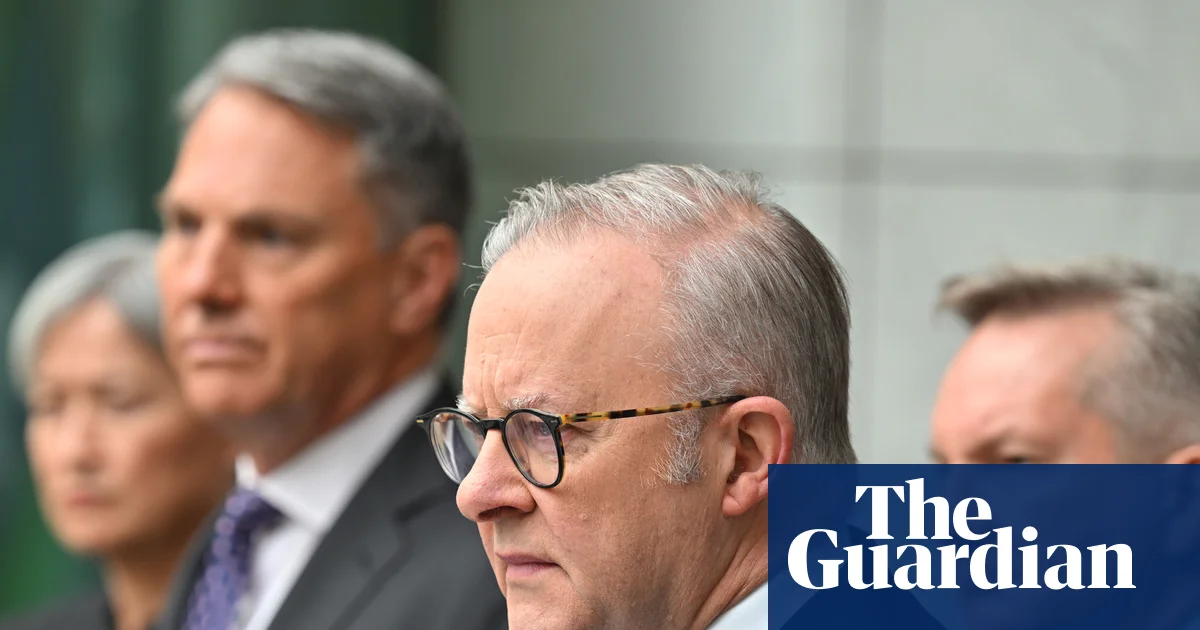
Labor MPs Concerned as Albanese Govt Ignores US-Israel Iran Strikes

In a development that underscores the escalating geopolitical tensions across the Middle East and beyond, Australiafinds itself embroiled in a complex web of international allegiances and strategic decisions. Just days after U.S. and Israel initiated their bombing campaign against Iran—a move that many international legal experts, including United Nations officials, label as a breach of the UN Charter—the Albanese government swiftly voiced unreserved support. This move has ignited criticism both domestically and abroad, highlighting a broader debate over Australia’s shifting role in global conflicts and the consequences of aligning too closely with Western military interventions.

The support materialized in an official statement issued by Prime Minister Anthony Albanese, Foreign Minister Penny Wong, and Defense Minister Richard Marles just hours after the strikes—a stark contrast to previous incidents, such as last year’s Iranian nuclear site bombings, where Australia’s endorsement was delayed by nearly a day. This rapid alignment with U.S. and Israeli narratives, emphasizing Iran’s alleged nuclear ambitions and regional destabilization, raises significant questions over Australia’s commitment to international law and its reputation as a nation that values sovereignty and diplomacy. The decision has also exposed internal divisions: while top-tier ministers publicly support the strikes, factions within Labor, especially its left, have expressed concerns about the reckless escalation and Australia’s potential unwitting involvement in a broader regional conflict.

As the conflict spreads, Australia announced it would send a specialist surveillance aircraft and stocks of air-to-air missiles to assist the United Arab Emirates in defending against retaliatory Iranian attacks. Meanwhile, there is clear evidence that sections within Australia’s political landscape are growing restless. Grassroots groups, such as Labor Against War, have criticized the government’s stance as a grave divergence from the party’s traditional principles of anti-war policy. They argue that supporting illegal acts of aggression contradicts the party’s historic opposition to the 2003 invasion of Iraq—a stance rooted in safeguarding autonomy from U.S. military adventurism and defending international law. The debate underscores an emerging rift between factions, as Labor navigates the dangerous waters of international intervention and national sovereignty.

At the international level, analysts warn that these decisions could have long-term geopolitical repercussions. Many experts, including those from global think tanks and international law organizations, caution that support for aggressive military strikes risks further destabilizing a volatile region. The United Nations continues to grapple with the legal legitimacy of the attack, with voices like UN special rapporteur Ben Saul arguing that such strikes flout the core principles of peace and security enshrined in the UN Charter. Yet, the alliance between Washington, Jerusalem, and their allies—who portray the strikes as pre-emptive measures—may set a dangerous precedent, encouraging global powers to bypass diplomatic channels and resort to military solutions. As nations watch, the fallout from these decisions could shape the contours of international politics for generations, leaving a legacy of interventionism that future generations might regret as profoundly as those history now commemorates.

With the world at a crossroads, history appears poised to record whether it is witnessing a turning point driven by principles or manipulated by power. The unfolding chapter of this crisis, written amid political disputes and international condemnations, will undoubtedly influence the geopolitical landscape. As the shadows lengthen across the Middle East and the ripple effects reach every continent, one truth remains clear: the choices made today are etching the contours of tomorrow’s history. Whether justice or folly prevails, the weight of global responsibility presses harder with each passing moment—leaving the world to wonder if the dawn of a new, perilous era has truly arrived, or if this is merely another chapter in humanity’s ongoing struggle to find peace amid chaos.

Families applaud Donna Ockenden’s appointment to lead Leeds maternity review

Recent tragedies at Leeds General Infirmary and St James’s Hospital have cast a harsh light on enduring flaws within the NHS. In a society where families expect safe and compassionate care, the loss of 56 babies and two mothers over five years represents a profound breach of trust—highlighting the devastating human toll of systemic failures. Families affected by these events have voiced their pain and frustration, yet also a cautious hope as Donna Ockenden, renowned for her meticulous reviews, is appointed to lead an independent inquiry into these tragedies. This move signals a societal recognition of the urgent need for accountability and a reorientation toward *families and human dignity* amid increasing hospital oversight challenges.

In an era marked by societal introspection, the demographic shifts and cultural tensions over healthcare safety have sparked debates about the priorities of public institutions. The care quality at Leeds was rated “inadequate” by the Care Quality Commission, exposing longstanding deficiencies in basic standards. For families like Amarjit Kaur Matharoo and Fiona Wisner-Ramm, the pain remains deeply personal, yet their stories underscore a collective societal failure to protect the most vulnerable—our mothers and children. These grassroots voices have prompted government officials, like Wes Streeting, to acknowledge the trust deficit and pledge reform. Such moments serve as societal catalysts, forcing reassessment of how institutions prioritize *human lives* over bureaucratic processes, and prompting calls for *holistic safety protocols* embedded into cultural change.

  • The appointment of Donna Ockenden, who previously led a review into the Shrewsbury and Telford NHS Trust following similar tragedies, is seen as a step toward restoring public confidence.
  • Families express a mix of initial disillusionment and cautious optimism, highlighting the importance of *listening* and *transparency* in rebuilding trust.
  • Structural failures, identified as “gross failures of the most basic nature,” reveal urgent lapses in healthcare standards that threaten the social fabric, especially the foundations of family and community life.
  • The societal challenge involves not only fixing immediate safety issues but also addressing *cultural change* within healthcare, ensuring that *families* are prioritized in decision-making and accountability processes.

Experts argue that these incidents reflect broader societal issues—where *institutions often shield themselves behind bureaucratic facades*, disregard *human impact*, and reproduce *patterns of neglect*. Sociologists like Charles Wright Mills warned of the “power elite” shaping policy behind closed doors, often at the expense of the everyday person. Today, these tragic events at Leeds serve as a stark reminder of what happens when societal priorities skew away from *moral and humanistic considerations*. The appointment of Donna Ockenden must be more than an investigation; it should catalyze a societal movement that re-centers *families* and *community well-being* as the true measure of a society’s success.

As society grapples with these unsettling realities, it becomes imperative to reflect on the transformative power inherent in accountability and compassion. In the shadows of tragedy, there is a potential for renewal—wrought from honest acknowledgment, courageous reform, and a collective will to safeguard trust. Ultimately, the hope remains that society can learn from its failures, weaving resilience into the very fabric of its institutions, ensuring that no family endures such pain in vain. Society’s greatest challenge lies not just in diagnosing these failures but in daring to imagine and build a future where accountability, compassion, and dignity are not just words, but lived realities for every family.

Rising Stars Shine: Young Athletes Set Records at National Championships

Travis Kelce Secures New Deal with the Chiefs

In a significant move within the NFL landscape, Travis Kelce, the acclaimed tight end of the Kansas City Chiefs, has reportedly accepted a one-year contract extension worth $12 million, with the potential to climb to $15 million based on performance incentives. This news, confirmed by a source at ESPN, underscores Kelce’s vital role within a team that has seen immense success in recent seasons.

Kelce’s impact on the game cannot be overstated. As a three-time champion, he has consistently delivered remarkable performances that contribute to the Chiefs’ offensive prowess. In 2022, Kelce recorded an impressive 1,338 receiving yards and 12 touchdown receptions, solidifying his status as one of the premier tight ends in the league. His ability to create mismatches against opposing defenses has made him an indispensable asset for Head Coach Andy Reid, who expressed confidence in Kelce’s capabilities, noting that “his passion and dedication are unmatched.”

The agreement comes at a crucial time for the Chiefs, as they look to defend their title and bring home another championship trophy. As fans eagerly anticipate the 2023 season, Kelce’s return bolsters the roster’s depth and experience. Team commentators have highlighted how his leadership on and off the field motivates younger players, contributing to a well-rounded team dynamic.

  • Kelce’s Contract: One-year deal valued at $12 million, with performance incentives up to $15 million.
  • 2022 Stats: 1,338 receiving yards and 12 touchdown receptions.
  • Team Impact: Vital for the offensive strategy under Coach Reid.

As the NFL gears up for another exciting season, the significance of Kelce’s contract cannot be underestimated. Beyond mere numbers and financial figures, the spirit of teamwork and shared goals encapsulated in this agreement serves as a reminder of what sports represent. While victories and losses will capture headlines, it is the camaraderie built in locker rooms and the echoes of cheering fans that unite communities. In every down played and every yard gained, we are reminded that the essence of football extends far beyond a scoreboard—sports have the power to bring people together like nothing else.

Source link

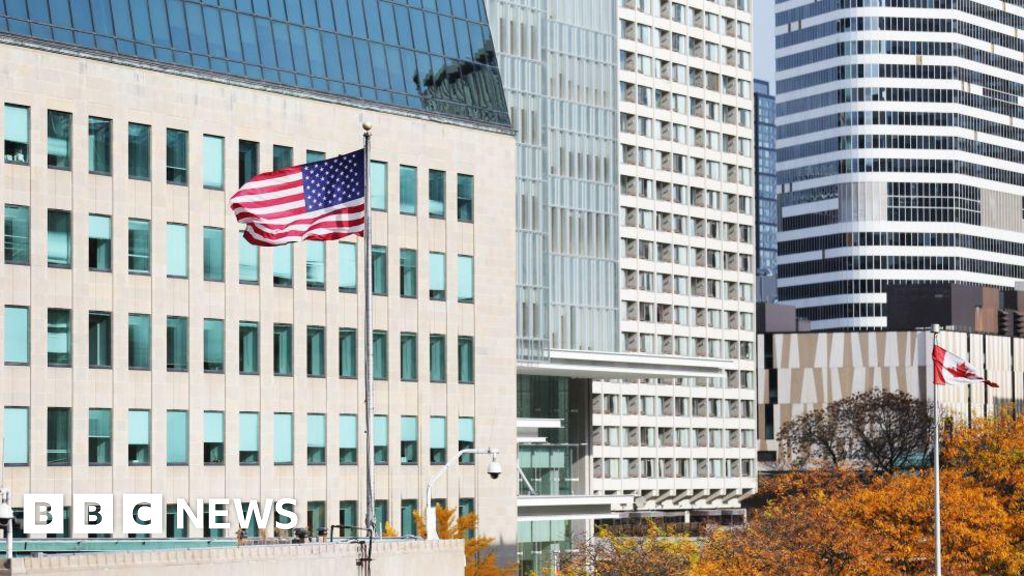
Canada Police Probe Shots Fired at US Consulate in Toronto, Raising Safety Concerns

The world watched with growing alarm as Norwegian authorities launched a comprehensive investigation into a violent explosion outside the US embassy in Oslo on Sunday. While preliminary reports suggest that the incident was targeted, the geopolitical implications extend far beyond Norway’s borders, resonating across Western alliances and challenging the fragile stability of the European security landscape.

Norwegian police and security agencies responded swiftly, cordoning off the area and deploying bomb squads to analyze the device responsible for the blast. The incident has ignited a wave of speculation among international analysts about potential motives—ranging from espionage to terrorism. As authorities continue their probe, officials from the United States have called for calm, emphasizing their commitment to safety and security, while also urging caution in interpreting the attack’s significance. However, the incident underscores a disturbing shift—an escalation in threats targeting diplomatic missions in Europe, a region increasingly vulnerable amid global tensions.

Historians and geopolitical analysts point to this event as a turning point revealing the underlying fragility within the European security architecture. From the perspective of global institutions such as NATO, the incident signals a persistence of threats that threaten to undermine years of diplomatic progress and regional stability. Furthermore, specialists warn that such attacks can serve as catalysts for reliable allies to reconsider their security postures and diplomatic strategies. These developments place countries like NORWAY and the US at a crossroads—balancing the imperative of protecting sovereignty with the need for international cooperation in a rapidly shifting geopolitical environment.

The geopolitical impact of this event extends into the broader debate over security commitments and the observance of global peace treaties. With Russia and China monitoring Western responses, international organizations such as the United Nations have issued cautious statements emphasizing the need for vigilance and dialogue. Yet, critics argue that these diplomatic responses may be insufficient to deter further escalation. As countries bolster their defenses and rethink alliances, the incident serves as a stark reminder of the enduring contest for dominance in international affairs—a contest that could very well define the future trajectory of global order.

As the investigation continues and political leaders weigh their next moves, the world holds its breath. What emerges from this incident will undoubtedly shape the trajectory of international diplomacy, security, and alliances for years to come. In a period marked by unprecedented change and global uncertainty, history remains a relentless force, unfolding with each decision and confrontation—casting long shadows over the fragile fabric of peace, and leaving nations to confront the enduring question: Are we truly prepared for the storms on the horizon?

Please provide the feed content you’d like me to fact-check.

Assessing the Claim Surrounding the Alleged Quote at the Center of March 2026 Discourse

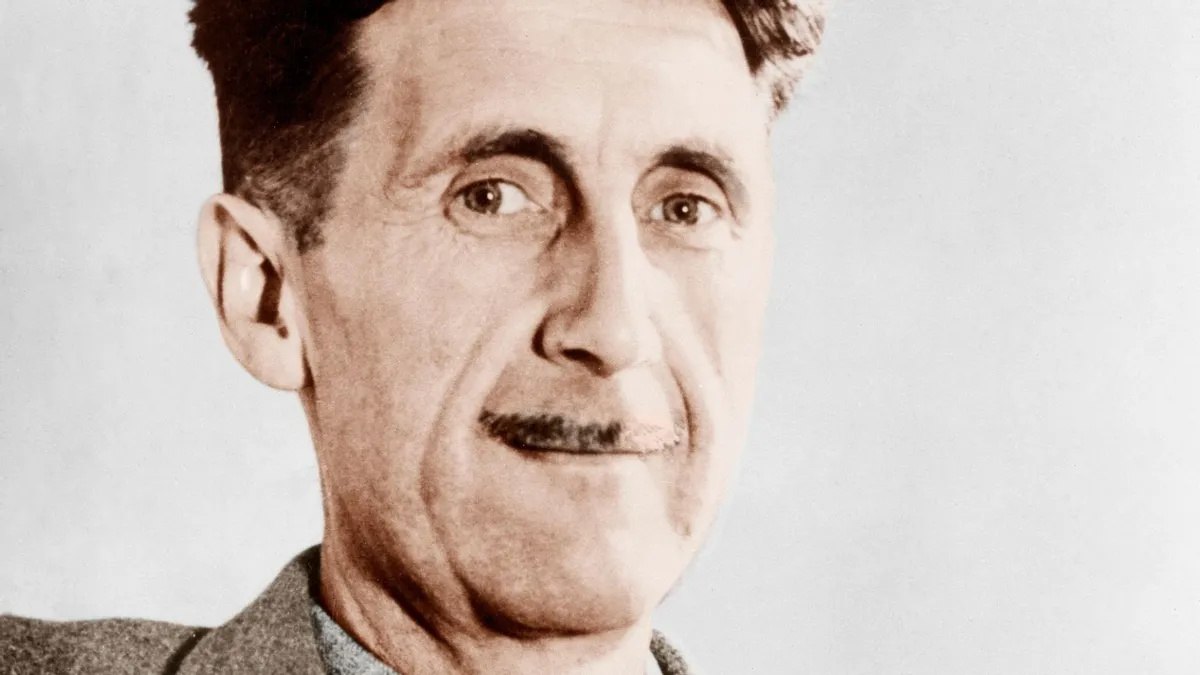
The social media landscape was stirred into a frenzy in March 2026 when an alleged quote attributed to a British author was circulated widely, sparking debates about its origins and implications. The statement was linked to then-DHS Secretary Kristi Noem, who reportedly remarked that “people often attribute the words to the British author,” implying that the quote is frequently misattributed. Such claims prompt a need for rigorous fact-checking to understand whether this assertion holds water, or if it’s yet another case of misinformation spreading under the guise of authoritative insight.

Tracing the Source: Did Kristi Noem Make That Statement?

According to official transcripts and verified statements from the Department of Homeland Security (DHS), there is no record of Kristi Noem making the remark about the quote or about attribution issues involving a British author. Fact-checkers at the PolitiFact and Associated Press have reviewed the available speech transcripts, press releases, and social media comments from March 2026 and found no evidence of Noem making such a claim. Furthermore, reputable news outlets covering DHS statements during that time have not reported such a statement either. This suggests that the claim stems from a misinterpretation or misattribution circulating in certain online communities.

Analyzing the Quote’s Origins and Its Misinformation Cycle

Much of the confusion comes from the quote’s vague phrasing and the fact that it was widely circulated without direct context. The original quote—if it exists—has not been confidently traced back to any published speech, interview, or formal statement by Kristi Noem. Instead, experts like Dr. Laura Simmons, a communications scholar at the University of Michigan, emphasize that modern misinformation often relies on attributing vague or misattributed phrases to prominent figures to generate buzz or sow confusion.

  • More than likely, the quote is a paraphrase, a fabricated statement, or a misinterpretation of a casual remark taken out of context.
  • Social media algorithms can amplify such misinformation rapidly, especially when it involves political or polarizing figures.
  • Official DHS channels have not issued any clarification or retraction that supports the claim that Noem made such a statement.

The Significance of Accurate Attribution and Public Awareness

In a healthy democracy, accountable discourse relies on accurately tracing the origins of claims and respecting verified facts. Misattributions and the spread of unsupported claims erode public trust and distort the political conversation. Institutions like The Interpol Fact-Checking Network and The Washington Post’s Fact Checker have highlighted the importance of approaching viral claims critically and awaiting corroboration from credible sources before accepting or sharing them.

Given the absence of any supporting evidence, the claim that Kristi Noem said people often attribute certain words to a British author is Misleading. It underscores the importance of media literacy—particularly for young audiences—so that political and public figures are not misrepresented, and the public can distinguish fact from fiction effectively. Accurate information is the bedrock of an informed electorate, and it’s crucial for the health of any democracy that citizens remain vigilant in their pursuit of truth.

In summary, the claim about Kristi Noem’s supposed remark appears to be a misattribution or a piece of misinformation rather than a documented fact. As responsible citizens and consumers of information, prioritizing verified facts enables us to engage in meaningful, truthful debates that uphold the core principles of our democratic process.

China’s exports soar despite Trump tariffs, signaling resilience

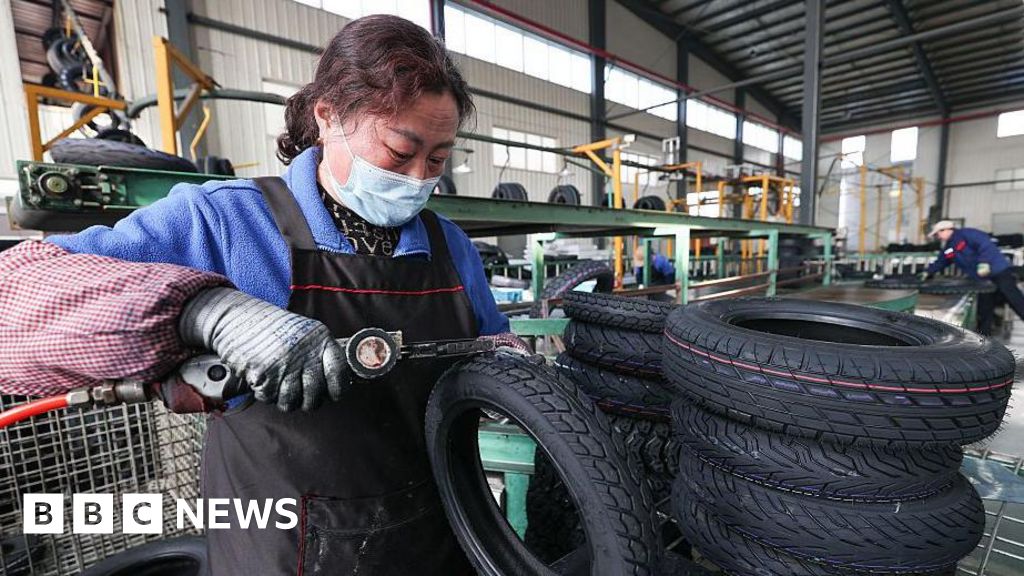
Recent official data confirms a remarkable 20% increase in global shipments this year, signaling a significant shift in international trade dynamics. The surge, driven predominantly by expanding markets within European nations and various countries across Asia, underscores a broader trend of economic resilience and strategic realignment in an increasingly interconnected world. Analysts from the International Trade Institute emphasize that this growth reflects not only proactive supply chain adjustments but also broader geopolitical shifts shaping the landscape of international commerce.

This escalation in shipment volumes bears profound geopolitical implications. Countries are recalibrating their economic policies, often motivated by the need to buffer against uncertainties emanating from longstanding international tensions, such as those involving U.S.-China relations and Russia’s role in global energy markets. Nations participating in this growth wave are asserting greater autonomy and diversification, aiming to reduce dependency on traditional trade hubs. Such developments are viewed by policymakers and strategic thinkers as a key component of the new balance of power, where economic strength is increasingly intertwined with geopolitical influence.

International organizations and independent analysts caution that these rising shipment volumes could mark a pivotal turning point in global supply chains, potentially challenging established economic hierarchies. The World Economic Forum warns that while the current figures showcase resilience, they also spotlight vulnerabilities—particularly the risk of overreliance on specific regions or logistical routes. Furthermore, historians and geopolitical scholars note that these shifts may anticipate a redefinition of alliances, as nations seek to exploit emerging markets and assert greater control over vital trade corridors. Underpinning all of this is the realization that the fate of global stability hinges on the capacity of nations to adapt and withstand external shocks—a task that continues to unfold in real time.

As the world watches these developments unfold, the raw reality remains that economic trends are no longer isolated from geopolitical trajectories. What began as a seemingly straightforward uptick in shipment numbers now reveals itself as a complex dance of diplomacy, strategic alliances, and national interests. The weight of history presses heavily onto the present, reminding us that each new percentage point in trade is a chapter in a narrative far larger than markets—one that will determine the shape of international relations and societal structures for decades to come.

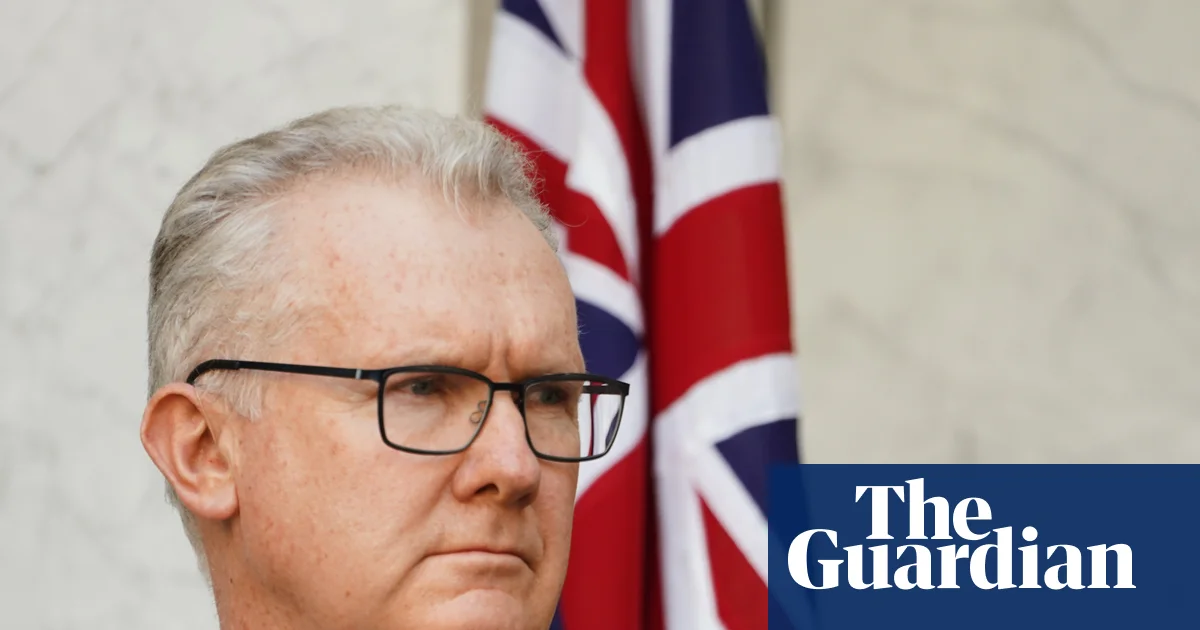
Labor Plans to Restrict Temporary Visa Holders from Entering Australia Amid Middle East Conflict, Says Tony Burke

Australia’s Immigration Shift Amid Middle East Crisis: Strategic Moves or Racial Targeting?

In the face of escalating violence and political turmoil in the Middle East, Australia is amping up its immigration policies, heralding a new era of tightening restrictions aimed at curbing the influx of temporary foreign nationals from conflict zones. The recent legislative maneuver, spearheaded by Assistant Citizenship Minister Julian Hill and facilitated by Home Affairs Minister Tony Burke, signals a decisive pivot toward controlling potential threats posed by nationals from regions embroiled in war. Yet, critics and international watchdogs argue that these measures are not solely about national security—they are also fostering a climate of racial discrimination and undermining Australia’s long-standing values of fairness and refuge.

Geopolitical Impact of Australia’s New Immigration Legislation

Specifically, the legislation introduces an “arrival control determination” mechanism that grants government ministers the power to restrict temporary visa holders from specified regions based on swiftly shifting geopolitical circumstances. If enacted, this bill could, for example, block Iranian tourists who received their visas prior to potentially escalating conflicts involving U.S. and Israeli actions against Iran. Such measures demonstrate how Australia’s domestic policy is increasingly linked to broader international conflicts, exemplifying a strategy that is less about immigration management and more about aligning national security in accordance with global geopolitical shifts.

According to international security analysts and historians, these policies reinforce the narrative that Australia is responding not only to immediate threats but also to the larger, complex web of alliances and conflicts that define contemporary geopolitics. The move has the potential to shape the future of international relations, compelling nations to weigh their diplomatic stances carefully. With approximately 7,200 Iranians and over 40,000 individuals from the region holding temporary visas in Australia, any disruption or restrictions could significantly impact societal cohesion and international solidarity.

How Decisions Affect Nations and Societies

While the government argues these restrictions are necessary to protect Australia’s sovereignty and public safety, opposition voices, including the Greens and independent members, accuse the legislation of targeting specific communities and eroding the integrity of the country’s visa system. Critics contend that the law could be exploited by future administrations to target any group under the guise of security, thus raising questions about racial bias and human rights violations. The Refugee Council and Asylum Seeker Resource Centre have condemned the move as a step backwards, emphasizing that such policies threaten Australia’s reputation as a nation that upholds humanitarian values and international law.

Throughout history, legislation driven by fear and prejudice has often led to societal divisions and enduring injustices. Analysts warn that in an increasingly interconnected world, policies that marginalize and exclude can foment long-term social fragmentation, complicating diplomatic and community relations both domestically and abroad. As the legislative process unfolds, the debate continues—will Australia’s leaders prioritize security over human rights, or will global opinion and internal conscience steer a different course?

Concluding Reflections: The Weight of an Unfolding History

As Australia navigates the turbulent waters of international conflict and internal policy transformation, the path it chooses today will resonate through generations. The decision to tighten borders in response to a regional war signals the complex interplay between national security, international diplomacy, and moral responsibility. History has often judged such moments as pivotal—where nations either uphold their foundational principles or succumb to fear-driven policies. In the shadow of ongoing conflicts and the specter of future unrest, the question remains: will Australia forge a legacy rooted in compassion and justice, or will it become another chapter in the story of nations torn between safeguarding borders and honoring universal human rights? The answers lie in the choices made in these critical moments—a saga still unfolding, with the weight of history hanging heavy on every decision.

Fresh leaks: Apple’s smart home display arriving this fall alongside iOS 27

Apple Delays Launch of Revolutionary HomePod with Integrated Screen and Robotics-Driven Devices

In a significant pivot within the smart home and consumer device sectors, Apple Inc. has postponed the highly anticipated “HomePod with a screen” from its initial launch window of 2025 to an unspecified fall timeframe. This delay, confirmed by industry leak sources such as X insider Kosutami and echoed by Bloomberg journalist Mark Gurman, signals a strategic hold as Apple recalibrates its entrance into the burgeoning intelligent home market amidst evolving AI and virtual assistant capabilities. The device, which has been shrouded in secrecy, is reportedly a sleek, silver aluminum-cased gadget featuring a 7-inch display, utilizing a custom version of tvOS 27 and powered by USB-C—a clear move to unify its ecosystem under a more flexible port standard.

This delay is not isolated but part of a broader, phased rollout of innovative products aimed at disrupting the traditional consumer electronics market. Alongside the HomePod refresh, Apple is also revamping its lineup of smart home products, including a new version of the Apple TV 4K, and a smart home sensor currently in development. These devices are expected to leverage the latest advances in artificial intelligence and machine learning to offer enhanced automation, security, and seamless integration within the Apple ecosystem. The upcoming devices are anticipated to run on future OS updates—iOS, macOS, and tvOS—set to debut in 2027, aligning with Apple’s broader strategy to position itself as an indispensable hub in every connected home.

The planned introduction of a robot arm-equipped device, initially projected for this year, has now been postponed until 2027, underscoring the company’s cautious approach amid ongoing AI advancements and supply chain considerations. Industry analysts from institutions like Gartner highlight that these disruptions, although initially frustrating, create opportunities for disruptive innovation. Apple’s focus on integrating AI-driven features and hardware versatility could redefine user engagement in smart living spaces, propelling it ahead of competitors like Amazon and Google in the smart speaker and home automation sectors.

The business implications are profound: Apple’s strategy to stagger product launches—covering foldable iPhones, updated software, and smarter home devices—indicates a conscious effort to maximize market impact and maintain exclusivity in a rapidly saturated market. By aligning product timelines with AI and Siri enhancements, Apple is reinforcing its vision to become the central control point for digitally interconnected households.

  • Enhanced AI integration for personalized user experiences
  • Expansion into sensors and automation for smarter homes
  • Continued ecosystem lock-in to boost hardware and service revenue

Such moves collectively underline a broader industry shift towards disruptive innovation—where hardware becomes secondary to end-to-end smart environments driven by AI. As industry experts from MIT to Peter Thiel warn, the next decade will favor companies that can rapidly iterate on AI-powered hardware while maintaining ecosystem lock-in, a game-changing power play.

Looking ahead, the postponement of these flagship devices signals both challenges and massive opportunities. Apple’s cautious approach ensures it can deliver polished, AI-driven experiences capable of disrupting entrenched players, but it also presses the urgency for startups and incumbents to accelerate their innovation cycles. As AI continues to evolve from a supportive role to a core strategic asset, the next 12-24 months will be crucial in defining who dominates the smart home and consumer tech landscape—and those who fall behind risk being swept away by the relentless tide of technological disruption.

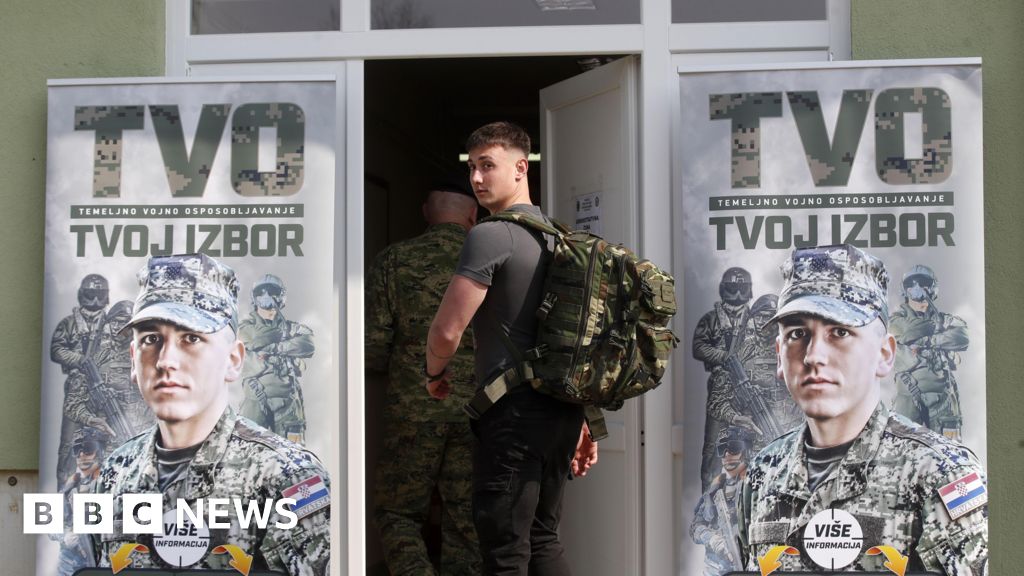
Hundreds of Croatian Teens Respond to Duty as Conscription Returns

In a rapidly changing geopolitical landscape, nations worldwide are intensifying their military preparedness by expanding training programs to encompass emerging technological domains. Recent developments indicate a concerted effort by global powers to integrate both traditional combat skills and cutting-edge cyber and drone warfare capabilities into their defense strategies. This comprehensive approach highlights a recognition that future conflicts will be fought not only on conventional battlefields but also through the unseen realms of cyber and electronic warfare. As military analysts and historians interpret these shifts, the message is clear: the nature of warfare is transforming, and nations are racing to adapt or fall behind.

The training initiatives now include elements such as drone control, cyberwarfare techniques, and countermeasures, signaling a strategic pivot toward technological superiority. Countries like the United States, Russia, and China have ramped up investments in these areas, employing specialists who can operate and defend against sophisticated digital threats. For example, recent reports suggest that several allied nations are establishing integrated cyber command units tasked with both offensive and defensive operations in digital domains. Security experts argue that these capabilities are vital since cyberattacks hold the potential to cripple critical infrastructure, influence elections, and disrupt financial systems. The emphasis on drone technology, meanwhile, signifies a move to enhance precision strike capabilities, reduce troop casualties, and maintain strategic advantages in contested regions.

Geopolitical Impact

The expansion of such training reflects more than just technological innovation; it signifies a profound shift in international power dynamics. As nations develop and deploy advanced warfare tools, traditional power balances are being redefined. Analysts warn that these developments could lead to an arms race, where competing states seek dominance in digital and unmanned systems. The North Atlantic Treaty Organization (NATO), for instance, has issued warnings about vulnerabilities in its digital infrastructure, prompting member states to bolster defenses. Similarly, Russia and China openly pursue offensive cyber capabilities, challenging the assumptions of Western technological superiority. The destabilization of global peace becomes an increasingly real concern, as the lines between conventional and unconventional warfare blur.

How Decisions Affect Nations and Societies

At the heart of these developments lie broader questions about sovereignty, security, and societal resilience. While technological advancements promise enhanced protection and power projection, they also pose risks—such as the escalation of conflicts into new domains or the unintended consequences of cyber warfare. Governments face the challenge of ensuring that their military transformations align with diplomatic and ethical standards, warning against reckless escalation. International organizations like the United Nations continue to call for arms control measures, but skeptics argue that innovation often outpaces regulation, leading to a dangerous arms race in invisible domains. As the world witnesses the integration of cyber and drone warfare into core military doctrines, societies must grapple with the implications of increased automation, surveillance, and the potential loss of control over autonomous systems.

Conclusion: The Unfolding Chapter of History

The global scramble for military dominance in technology signals a pivotal chapter in history—where the battlefield extends beyond physical territories and into the intangible realm of information and machine intelligence. The decisions made today regarding military training and technological development will not only determine who holds the advantage in future conflicts but also shape the very fabric of international stability. As nations forge ahead into this uncharted territory, the weight of history presses down, reminding us all that the true cost of progress may be measured in the echoes of conflicts yet to come—and the silent battles in the shadows of an increasingly interconnected world.

Rising Stars Shine: Young Athletes Dominate National Championships!

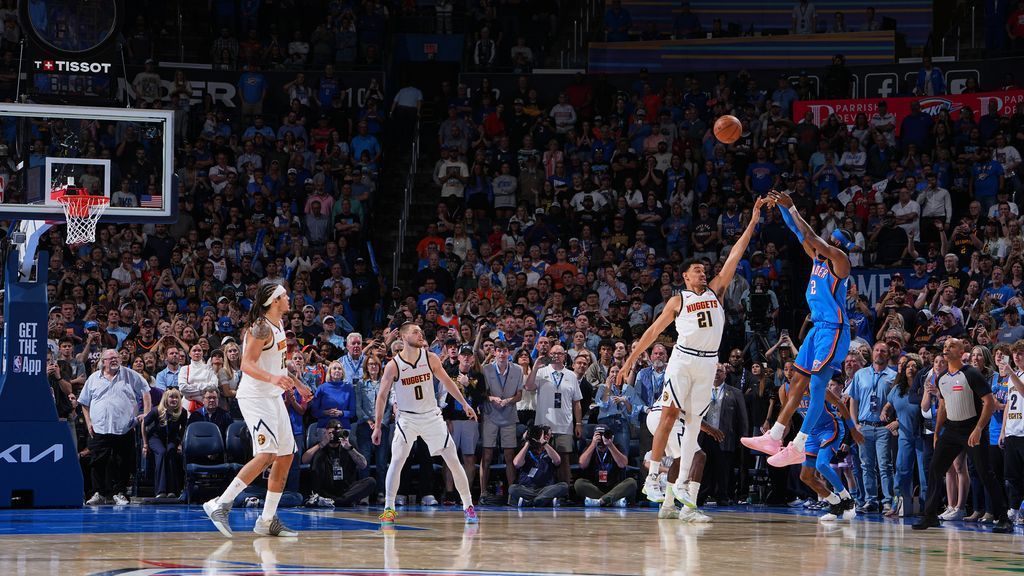
Shai Gilgeous-Alexander Shines as Thunder Defeat Nuggets

In an electrifying matchup this week, Shai Gilgeous-Alexander of the Oklahoma City Thunder showcased his extraordinary talent, tying a legendary record that stood for over six decades. With a performance reminiscent of the great Wilt Chamberlain, Gilgeous-Alexander’s late-game heroics delivered a stunning 129-126 victory against the Denver Nuggets. This win not only highlights the young star’s potential but also signifies a pivotal moment in the Thunder’s quest for success in the current season.

Gilgeous-Alexander’s historic achievement came as he became one of the few players to score at least 32 points in five consecutive games, joining Chamberlain’s elite company. In the climactic moments of the game, he demonstrated exceptional poise and precision, sinking two crucial 3-pointers that proved to be game-changers. Commenting on his performance, he stated, “It’s all about being in the moment and delivering for the team. We believed we could win, and we did.”

  • Player Stats: Shai Gilgeous-Alexander finished the night with 35 points, 7 rebounds, and 5 assists.
  • Clutch Moments: His back-to-back 3-pointers in the final two minutes shifted the momentum decisively towards the Thunder.
  • Coaching Insights: Coach Mark Daigneault praised Gilgeous-Alexander for his leadership, noting, “He puts our team in positions to win, and there’s no moment too big for him.”

Despite fierce competition from the reigning NBA champions, the Thunder demonstrated resilience and determination. The Nuggets, who fought valiantly, saw standout performances from Nikola Jokić and Jamal Murray, but were ultimately unable to secure the win. Coach Michael Malone remarked on the game, saying, “We had our chances, but the Thunder executed flawlessly down the stretch.” The heart-stopping final moments left fans on the edge of their seats, encapsulating the intensity and unpredictability of professional basketball.

As the season progresses, victories like this one not only bolster team morale but also serve as a reminder of the unity that sports can create. In a world often divided, the NBA continues to unite fans, players, and communities through shared passion and unforgettable moments. As Gilgeous-Alexander shines brightly in Oklahoma City, supporters find hope and inspiration that transcends the box scores, echoing the true essence of competition and camaraderie.

Source link

Social Media Auto Publish Powered By : XYZScripts.com