Matox News

Truth Over Trends, always!

Is Timothée Chalamet losing his glow?

Global Cultural Tensions and the Backlash Against Timothée Chalamet: A Reflection of Geopolitical Shifts

Recent controversies surrounding Hollywood actor Timothée Chalamet have ignited broader discussions that extend beyond the realm of entertainment. While some critics target his personal views on ballet and opera, international analysts suggest that his public controversies serve as a mirror to ongoing cultural clashes and political polarization across nations. These disputes are emblematic of deeper geopolitical currents, revealing how societies worldwide are navigating modernization, tradition, and the influence of Western cultural norms. As the world watches, the backlash underscores the complex dynamics at play in redefining national identities and values.

Historians and scholars of international relations warn that cultural figures such as Chalamet have become unintended flashpoints within the broader struggle for ideological influence. The United States’ entertainment industry, often seen as a soft power tool, continues to shape global perceptions, yet it also faces pushback from conservative factions and governments wary of cultural imperialism. Meanwhile, European nations, caught between preserving their historical legacies and embracing progressive values, are witnessing similar tensions reflected in debates about arts and societal norms. These conflicts are no longer confined to domestic borders but now have significant geopolitical ramifications.

International organizations and strategic think tanks observe that these internal divisions influence diplomatic and economic relations. China, for instance, has intensified its crackdown on foreign cultural exports, asserting control over ideological narratives and redefining national sovereignty in the process. Meanwhile, Russia continues to promote traditionalist visions through state-controlled narratives that oppose what it terms as “Western decadence.” Such actions highlight the push against cultural infiltration by liberal Western standards, framing it as a matter of national security. These developments signal a new phase of cultural diplomacy that intertwines with economic and military strategies, forging a complex web of influence that spans across continents.

Analysts from major think tanks warn that the evolving landscape demands vigilant observation. The shifting allegiances and values reflect not only a contest of ideas but also the redefinition of global power structures. As nations grapple with these image wars, their decisions bear tangible consequences for societal cohesion, economic development, and diplomatic relations. The challenge lies in balancing respect for diverse cultural traditions with the imperatives of a globalized universe increasingly defined by ideological conformity and resistance. While the future remains uncertain, the ongoing cultural conflicts, epitomized by figures like Chalamet, serve as poignant reminders that history’s great transformations often germinate from the most unexpected sources.

Billions in SEND funding to boost school inclusivity, government vows to fairer future
Charity warns SEND reforms may weaken kids’ legal protections—challenging society’s commitment to vulnerable youth

Planned Changes to England’s SEND System Spotlight Critical Social Issues

In recent developments, the government in England announced significant reforms to the Special Educational Needs and Disabilities (SEND) system, aiming to reshape the landscape of support for children and families facing neurodiversity and other special needs. While these reforms are often framed as a necessary step toward improving educational inclusion, they unveil deeper social tensions and cultural shifts surrounding what it means to truly serve diverse learning needs. The reforms come at a time when many families rely heavily on an overstretched system that has struggled to meet the complex needs of their children, raising critical questions about equity, community inclusion, and moral responsibility within society.

Historically, the SEND system has been a battleground of social policy, as sociologists like Michael Young highlighted decades ago, emphasizing the importance of equitable access to education as a foundation for social cohesion. Today, however, the new proposals suggest a shift towards more localized control and a focus on streamlining services. While this might address some administrative inefficiencies, critics warn that such decentralization risks deepening disparities among communities in socio-economic and cultural terms, potentially leaving the most vulnerable without the necessary support. The impact on families is profound: increased bureaucratic hurdles can exacerbate anxiety, as parents are often left navigating complex systems, risking their children’s educational and social inclusion.

Underlying the policy shift is a broader cultural debate about how society values neurodiverse individuals and what constitutes a fair and compassionate community. Some social commentators argue that the reforms may inadvertently reinforce misconceptions, framing disability as an issue to be managed within a fragmented system rather than as part of a collective moral obligation to embrace and serve all members of society. In this landscape, schools, local authorities, and families are interconnected; changes here could determine whether children with SEND experience a genuine sense of belonging or remain on society’s fringes. Furthermore, the education sector faces the challenge of balancing resource limitations with the moral imperative to foster inclusive environments, a concern articulated by sociologist David Matza, who emphasized that the social acceptance of difference is foundational to social stability.

  1. Challenges include inconsistent access to specialist support, disparities based on geography or socioeconomic background, and the risk of marginalization for those with complex needs.
  2. Proposed solutions focus on strengthening local authority budgets, integrating community resources, and enhancing specialist training for school staff.
  3. Yet, critics argue that without broader societal change—such as tackling inequality and stigma—these measures are insufficient to create genuine inclusion on their own.

Ultimately, the question remains: how can society reconcile its promise of justice and equality with the reality of limited resources and cultural biases?’ In an era increasingly defined by identity, diversity, and social justice discourse, the future of the SEND system may serve as a mirror reflecting society’s core values. As communities stand at this crossroads, the hope lies in fostering a shared moral perspective—where the dignity of every child is non-negotiable, and support for families becomes a societal priority rather than an afterthought. It is in this collective effort that society may find its true strength, transforming these challenges into opportunities for a more inclusive, compassionate future—one in which every child is given the education not just to survive, but to thrive.

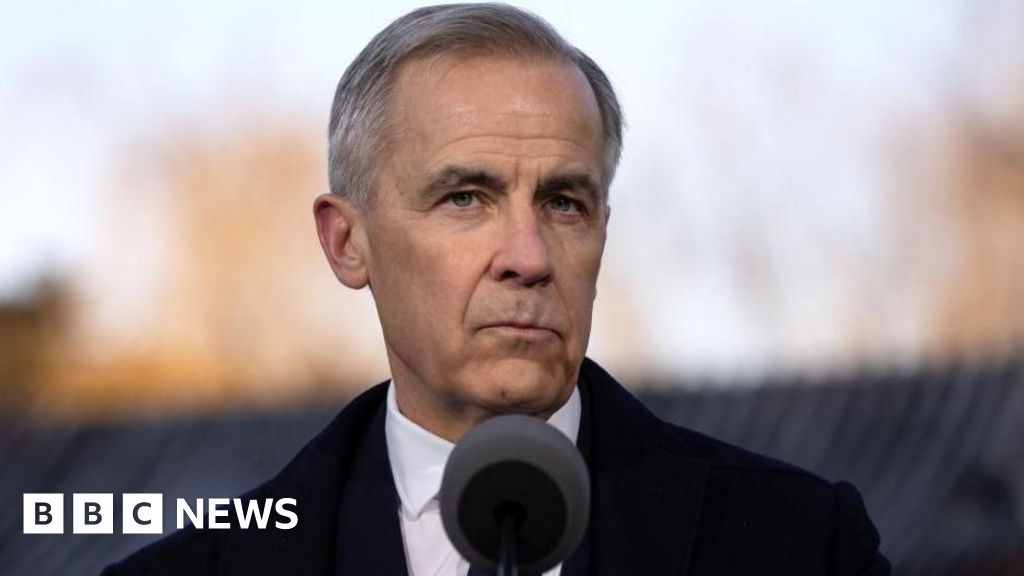
Canada’s Carney pushes for three key by-elections that could secure his majority

Global Power Shifts in Canada’s Political Landscape Signal Broader Geopolitical Tensions

The recent by-elections in Toronto have unexpectedly become a focal point for international observers tracking the shifting balance of influence within Canada—an influential member of the G7—and how internal political adjustments ripple outward in an increasingly complex global chess game. The vacancies arose after the resignation of Chrystia Freeland, a prominent figure known for her forte in economic diplomacy and her close ties to international financial institutions, and Bill Blair, who was appointed as Canada’s envoy to theUnited Kingdom. While ostensibly local in scope, these adjustments carry profound implications for how Canada positions itself on the world stage amidst mounting geopolitical conflicts involving Russia, China, and the United States.

International analysts note that the appointment of Freeland to advise Ukrainian President Volodymyr Zelenskyy underscores Canada’s deepening commitment to supporting Ukraine’s sovereignty in its ongoing conflict with Russia. This move isn’t simply about one politician stepping down; it is a clear signal of Canada’s alignment with a broader Western strategy that aims to counter Russian expansionism and contain Chinese influence in global affairs. Such decisions demonstrate a willingness by Canadian leadership to prioritize diplomatic and military support for Ukraine—an approach that resonates with many at home who see the defense of Western values as integral to their national identity, yet concerns are voiced about the potential costs and divisions this stance may sow domestically.

Meanwhile, Bill Blair’s transition to become Canada’s envoy to the UK signals another layer of international diplomacy, especially as post-Brexit relations between the UK and global powers continue to evolve. Many experts interpret this appointment as an attempt to reinforce alliance ties amidst ongoing geopolitical shifts in Europe and beyond. Historian Dr. James Thornton highlights that these diplomatic moves are more than symbolic—they are strategic recalibrations that will shape Canada’s influence and credibility in the international arena. Such diplomacy also signals a desire to maintain robust connections within the Anglosphere, which could have significant implications for trade, security, and political alliances in the long term.

Indeed, these internal vacancies in Canada’s political landscape serve as a reminder—every leadership change and diplomatic appointment carries weight beyond their borders. As the world braces for further contention over resources, technology, and ideological influence, the actions taken by Canadian leaders reveal their intent to navigate this turbulent environment with assertiveness and strategic patience. The unfolding story of Toronto’s by-elections may seem local, but in an era of growing geostrategic competition, they are stepping stones—each move shaping the contours of history yet to be written, as nations prepare for the next storm of international upheaval with eyes fixed on the horizon.”

Please provide the feed content you’d like me to base the headline on.

Investigating Claims That Trump Might Reinstate the Draft

Recent speculation has circulated heavily within media and social platforms suggesting that former President Donald Trump is considering reinstating the military draft if he were to return to office. The concern is rooted in fears that such a move could dramatically reshape U.S. military policy. To understand whether these claims hold any truth, it’s critical to scrutinize the actual statements from Trump, the legal framework governing conscription, and expert analyses on the likelihood of such a policy shift.

First, it’s important to establish that claims suggesting Trump is contemplating “putting boots on the ground” in new conflicts do not inherently equate to plans for reinstating the draft. During his presidency, Trump emphasized a strong national defense but did not publicly endorse renewing the draft, which had been suspended in 1973 following the end of the Vietnam War. The idea of a military draft is historically significant in American history but is currently considered politically and socially controversial, with bipartisan consensus generally favoring an all-volunteer force.

The core legal mechanism for the draft is the Selective Service System, which has been maintained in a dormant state since 1973. According to the Selective Service System, any move to restart conscription would require explicit legislation passed by Congress and signed into law by the President. As of now, no such legislation has been proposed or discussed publicly by President Trump or his bipartisan Congressional counterparts. Experts from institutions like the Congressional Research Service affirm that reinstating the draft would be an extensive process, involving congressional approval, national debate, and significant logistical planning.

Moreover, Trump himself has not made any definitive statements advocating for the draft’s reinstatement. Recent interviews and statements from his spokespersons have emphasized a focus on supporting the existing volunteer military and increasing recruitment efforts rather than resurrecting conscription. Political analyst Molly Roberts of the CNN notes, “There’s no evidence that Trump is actively considering bringing back the draft; such a move would face wide opposition and require legislative action that is neither currently underway nor hinted at publicly.” It’s important to distinguish between speculation and verified policy proposals.

Furthermore, the timing and political context are key. Historically, the draft has been a deeply polarizing issue, and any attempt to revive it would likely encounter significant opposition from both sides of the aisle, veterans organizations, and the American public. Public opinion polls consistently show strong support for a volunteer military, and President Trump has publicly endorsed increasing military recruitment rather than deploying conscription. Based on current government positions and expert analyses, the claim that Trump is contemplating reinstating the draft appears to be misleading.

In conclusion, while the idea of reinstating the draft is a concern for many Americans wary of increased government control or militarization, the evidence indicates that such claims about Trump are unfounded at this time. No credible statements, legislative proposals, or official policy discussions point toward a move to bring back conscription. Instead, the focus remains on maintaining an all-volunteer force geared toward modern military needs. As citizens, understanding the actual policy landscape—grounded in verified facts—is crucial to making informed judgments about our leaders and their intentions. Upholding truth and transparency are fundamental to a healthy democracy, ensuring that public discourse remains rooted in reality and responsible debate, rather than unfounded fears or misinformation.

Shutdown delays airports, but ICE stays operational—what it means for travelers

Disruption in U.S. Homeland Security Signals Transition: Tech and Policy Implications

Recent turmoil across U.S. airports, marked by hours-long security lines and staffing shortages, underlines a broader challenge confronting government infrastructure. The Transportation Security Administration (TSA), the primary agent responsible for airport security, has been hamstrung by underfunding, revealing vulnerabilities in legacy systems that rely heavily on traditional manpower. In a rapidly evolving tech landscape, this crisis underscores the imperative for disruption-driven solutions capable of streamlining operations amidst political gridlock. As the Biden administration faces a partial shutdown stemming from a deadlock over immigration enforcement, the industry is witnessing a wake-up call for integrating innovative technology to ensure resilience and efficiency.

At the core of this debate is ICE (Immigration and Customs Enforcement) and CBP (Customs and Border Protection), which currently operate with unprecedented, multiyear federal funding insulated from political pressures—more than $170 billion allocated by the controversial One Big Beautiful Bill Act. While these agencies boast cutting-edge infrastructure, the ongoing funding stalemate exposes a critical industry dissonance: the reliance on traditional enforcement paradigms and slow adaptation to technological disruption. Experts from MIT and Gartner warn that such heavy investment in physical infrastructure—like detention centers and border check-points—must be complemented with AI-powered, analytics-driven tools to preempt threats and manage resources in real-time. Firms innovating in AI, facial recognition, and distributed ledger technology stand poised to redefine enforcement, putting traditional models at risk of obsolescence.

Meanwhile, Democrat-driven reforms seek to introduce transparency and accountability measures, such as body cameras and uniform standardization, to mitigate abuses and improve public trust. However, critics argue that these policy adjustments are merely superficial fixings compared to the rapid disruptive potential of next-gen security tech. As Elon Musk and leading Silicon Valley thinkers accelerate AI development, government agencies face a binary choice: embrace disruptive innovation or remain vulnerable to operational collapse. The 2025-2026 shutdown elucidates a strategic window for integrating autonomous systems, edge computing, and blockchain-based accountability solutions into homeland security, transforming rigid bureaucracies into agile, tech-enabled entities.

The business implications of this tectonic shift are profound. Legacy government agencies, often seen as bureaucratic and slow-moving, are approaching a pivotal moment where disruption could render old processes obsolete, fostering a competitive advantage for private sector partners pushing advanced security tech. According to analyst reports from Gartner, agencies adopting a forward-looking technology strategy will not only reduce operational costs but also elevate national resilience. Waiting too long risks falling behind, leaving critical infrastructure exposed to cyber threats and operational failures. As the political climate intensifies, the urgency to blend policy reform with technological innovation signals a new era—one where the old guard must adapt or face marginalization in the face of disruption.

Future Outlook: A Call for Urgent Innovation

In the current wave of governmental upheaval, the message to industry leaders and policymakers is clear: disruption is no longer optional. The crisis at DHS exemplifies a broader evolution—where the integration of AI, blockchain, and autonomous systems will be vital for safeguarding national interests. Governments that leverage pioneering technologies now stand to redefine the landscape of security and enforcement, securing their position in the 21st-century digital economy. The clock is ticking: the choices made today will determine whether legacy agencies become relics of the past or pioneers of the future. The trajectory is unmistakable—embrace innovation boldly or risk catastrophic operational failure in the face of next-generation threats.

Iranian Women Footballers Seek Asylum in Australia Following Asian Cup Protest

In a concerning escalation that highlights the ongoing turbulence within Afghanistan and its complex relationship with regional powers, reports have surfaced indicating that members of the Afghanistan women’s football team are being held under duress in Iran. Activists and international observers describe a distressing situation where the athletes have been *held hostage by the Iranian team management* in their hotel, deprived of access to external communication channels including family, legal counsel, and international support networks. This incident underscores the broader issue of media suppression and human rights violations that continue to mar Afghanistan’s fragile social fabric since the Taliban’s resurgence in 2021.

Historian and geopolitical analyst John McGregor highlights that such acts represent a *turning point in regional diplomacy*, illuminating how Iran exploits its political leverage over Afghan nationals—especially women and vulnerable groups—to consolidate influence amidst ongoing regional tensions. As the United Nations and human rights organizations voice concern, it becomes clear that these actions are emblematic of a larger pattern of repression and authoritarian assertion in the Middle East and Central Asia. The detention of these athletes is not isolated but taps into a broader systemic issue where authoritarian regimes aim to suppress dissent and deny fundamental freedoms, even in arenas as global as sports.

The incident also reveals the geopolitical impact of Iran’s internal policies, which have increasingly positioned the regime as a regional power broker wielding strategic influence through coercion and control. The case echoes the crisis of international perceptions of Iran, further exacerbating its strained relationships, notably with the European Union and United States. These nations accuse Tehran of violating *international norms* and worsening regional instability, especially as Iran faces mounting sanctions and diplomatic isolation. Meanwhile, Afghan exiles and supporters argue that the detention exemplifies the ongoing suppression of Afghan women—who had begun to re-emerge symbolically through sports and education.

  • 2021: Taliban regains control of Afghanistan, leading to widespread international concern over women’s rights and human rights abuses.
  • 2023: Afghan women’s sports teams attempt to participate in international events, risking repression and retaliation from Taliban authorities and their allies.
  • Current: Reports emerge of detained athletes in Iran, illustrating the regional consequences of Afghanistan’s internal convulsions and Iran’s strategic leverage.

This crisis serves as a stark reminder that the decisions made in regional capitals have profound implications beyond borders. The fate of these athletes—and what their detention signifies—transcends sport, touching on issues of sovereignty, gender rights, and international legitimacy. As international institutions debate their response, the voices of those fighting for freedom grow louder, asserting that the repression of Afghan women is a reflection of a broader struggle for dignity against oppression. In this fluid geopolitical landscape, the actions of Iran and Afghanistan continue to ripple outward, shaping a future where the weight of history presses upon the present.

In the end, the world bears witness to how fragile the thread of human rights really is, stretched taut across an intricate web of power, ideology, and geopolitics. As the shadows of repression deepen, the question remains: will the international community choose silence or action? The answer lies not just in diplomatic words but in the resolve to stand against injustice—a challenge that history will record in the annals of a turbulent era yet to be written.

Rising Stars Shine: Young Athletes Break Records at National Championships!

Washington Nationals Sign Zack Littell: A New Chapter Begins

In a significant move that could reshape their pitching rotation, the Washington Nationals have secured a one-year contract with pitcher Zack Littell. Sources informed ESPN’s Jeff Passan and Kiley McDaniel that this acquisition could be pivotal for a team looking to bolster its performance and challenge for supremacy in the competitive National League East.

Littell, who previously showcased his talents with other organizations, brings fresh energy and experience to the mound. The Nationals are counting on him to provide stability within the rotation, which has experienced its fair share of ups and downs in recent seasons. Coach Dave Martinez remarked on the acquisition, stating, “Zack has shown potential to be a game-changer. His adaptability in high-pressure situations is what we need as we strive for a playoff berth.”

Key Stats and Insights

  • Zack Littell achieved a 3.77 ERA and struck out 90 batters in his last season.
  • His ability to pitch in clutch moments has drawn comparisons to other successful players.
  • The Nationals’ bullpen struggled last season, leading to this proactive move for improvement.

Sports commentators are already speculating on how this signing will impact the Nationals’ strategy for the upcoming season. Analyst Jim Bowden noted, “Littell’s addition could influence future trades or free-agent signings, as the Nationals demonstrate their commitment to building a more competitive roster.” With young talents like Victor Robles and Carter Kieboom already in the ranks, Littell could help guide these players in embracing the pressure of the major leagues.

As the season approaches, the excitement builds not only around Littell’s addition but also the message it sends to fans. The Washington Nationals are once again making a statement: they are in it to win it. The upcoming season embodies the spirit of teamwork, determination, and unity that transcends mere scores and statistics. In the end, it’s about camaraderie, resilience, and a shared love for the game that unites fans and players alike. The challenge ahead may be daunting, but it is through these trials and tribulations that the heart of sports truly shines.

Source link

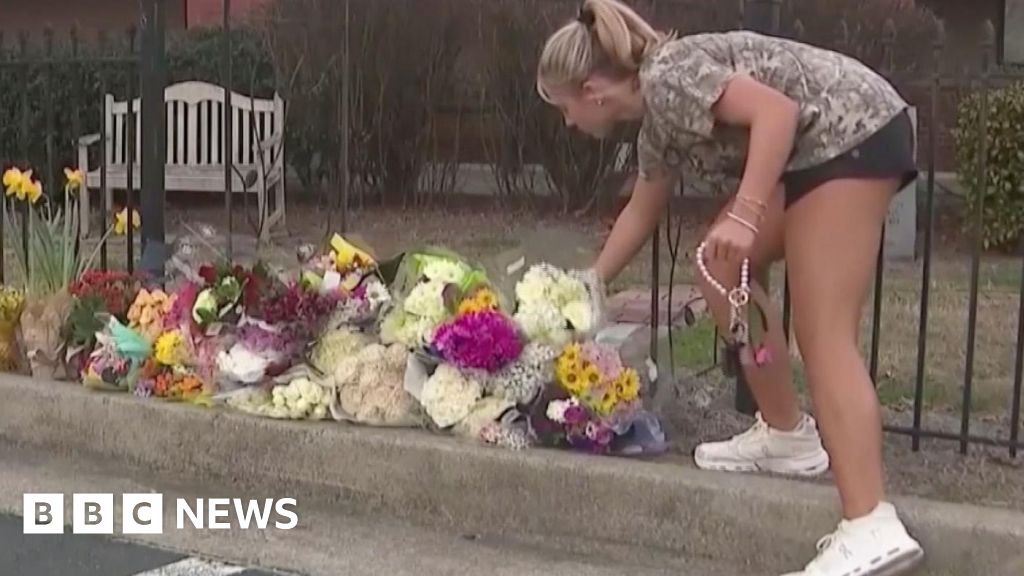
Teacher dies in bathroom prank gone wrong—another cautionary tale for students

In a case that has captured international attention, Jason Hughes’s family has recently opposed pressing charges against students involved in a college prank, which tragically resulted in a fatal car accident. The incident has ignited fierce debates across borders regarding youth accountability, social responsibility, and the ripple effects of seemingly minor actions escalating into dire consequences. As global institutions and international legal frameworks scrutinize the case, the overarching question remains: how do societies balance justice with mercy amid crises of this nature?

The incident underscores a critical turning point in how law enforcement and judicial authorities across various nations approach crimes involving youthful indiscretion. Some analysts argue that applying overly harsh penalties risks alienating the very demographic governed by these institutions, potentially fostering resentment and social division. Conversely, international human rights organizations warn that leniency could set dangerous precedents, diminishing the perceived seriousness of reckless behavior. United Nations-backed crime prevention strategies emphasize the importance of holistic solutions—combining education, community engagement, and appropriate legal responses—to address the roots of juvenile misconduct.

From a geopolitical impact perspective, this case touches on the broader themes of how nations enforce justice and maintain social order amid complex social dynamics. As countries like the United States, the United Kingdom, and Australia grapple with rising youth unrest, international organizations have issued varying recommendations. Some suggest that a failure to clearly define boundaries between accountability and forgiveness could weaken societal trust in law enforcement; others warn that excessive punitive measures risk fostering future cycles of violence and alienation. These debates highlight how individual tragedies echo across the fabric of international relations, influencing diplomatic discourse about law, morality, and social cohesion.

Historians and geopolitical analysts warn that decisions taken in the wake of this incident could have long-lasting effects, shaping policy paradigms and societal perceptions for decades to come. The International Criminal Court has been called to assess whether this case might warrant broader legal considerations, especially in the context of cross-national influences and the potential for human rights infringements. As nations observe how domestic courts navigate this delicate balance, the global community remains vigilant against the dangerous slip into retribution or apathy.

In the unfolding narrative of justice and diplomacy, the weight of this moment persists—reminding us that history’s pen continues to write, and the future hinges on choices made today. As leaders deliberate behind closed doors on how best to address this tragedy, the world waits—as a silent witness to the enduring struggle of societies to uphold fairness amidst chaos, and to forge a path that honors both justice and compassion. The question remains: will this be a catalyst for meaningful reform, or merely another chapter in mankind’s relentless quest for societal stability?

Uber ramps up women-only features nationwide, empowering young women across the U.S.

In an era where social consciousness and personal safety are becoming paramount, Uber has taken a bold step by expanding its Women Preferences safety feature to a nationwide audience. Initially launched in select cities like Los Angeles, San Francisco, and Detroit, this feature allows users and drivers to select gender preferences for ride matches and schedule rides specifically with women drivers. Its recent rollout across the U.S. signals not only a response to burgeoning safety concerns but also an acknowledgment of the demand from women for more control over their mobility. As Uber emphasizes that “Women Preferences was created because women asked for it,” it underlines a shift towards prioritizing user-driven safety innovations in ride-sharing.

This initiative isn’t just a tech update; it’s a reflection of broader societal shifts. With over 230 million rides completed using this feature, the data points to a growing demand among women for safer, more tailored transportation options. In addition to the U.S., Uber’s Women Preferences has made its mark in countries like Germany, France, Saudi Arabia, Portugal, Brazil, and Spain, along with 40 countries where drivers can participate in the program. Its influence is even echoed by competitors like Lyft, which introduced a similar Women+ Connect feature nearly two years earlier, and expanded it nationwide in 2024. These developments reveal how ride-share giants are attuning their services to societal calls for equality and safety, signaling a more person-centered approach to urban mobility.

The societal relevance of these features extends beyond mere convenience. Critics and analysts argue that despite these technological advancements, the deep-rooted issues of rider safety and accountability remain problematic. Recent lawsuits and reports, such as Uber being found partially liable for sexual assault by one of its drivers and ordered to pay over $8 million in damages, cast a long shadow over the industry’s claims of safety. Nevertheless, the push for gender-specific features highlights an important dynamic: users—especially women—are demanding not just safety icons on an app but tangible, customizable safety measures. As sociologists suggest, this trend represents a consumer-driven shift towards empowerment and control in digital mobility spaces. Companies are listening because, ultimately, safety equates to trust— and in today’s digital age, trust is the new currency.

Yet, as these safety features become increasingly mainstream, a compelling question arises: Are we on the verge of redefining social norms around gender and safety in shared spaces? While the immediate focus seems to be on technological solutions, the underlying societal shifts could lead to a future where personal safety measures become embedded in the fabric of urban life and social interaction. Could an emerging cultural movement favor a future where **personal safety** isn’t just an app setting but a foundational social value? Or are we merely scratching the surface of a more complex dialogue about equality, trust, and accountability in an interconnected world? The next chapter in the evolution of ride-sharing and safety awareness might just redefine how society perceives social norms and, ultimately, how future generations will navigate their digital and physical worlds.

Live Nation strikes settlement in major US monopoly case, redefining the concert industry for a new generation

In a decisive shift that echoes the greater currents shaping our societal landscape, Ticketmaster—a dominant force in the realm of live events—announces its plans to open segments of its operations to rival companies. This move signifies not merely a business strategy but an emblematic act within the ongoing struggle for cultural stewardship and the preservation of collective memory. As a company that has long held sway over the gateway to our most treasured public gatherings, Ticketmaster’s willingness to diversify its partnerships may herald a broader acknowledgment of the importance of pluralism in cultural institutions.

From a philosophical vantage point, this decision can be viewed as a reflection of the delicate balance between centralization and decentralization, a theme that resonates through historical epochs. Just as Tocqueville observed the American tendency towards individualism within democratic spirit, today’s move suggests an understanding that no single entity can claim absolute dominion over the cultural conduit that connects citizens to their shared experiences. As Ortega y Gasset might remind us, culture is not merely a static relic but a dynamic process—an ongoing dialogue between tradition and innovation. Opening up Ticketmaster’s platform aligns with the notion that society must foster healthy competition to ensure that cultural expressions remain vibrant, accessible, and reflective of a burgeoning national identity.

Importantly, the significance of this shift extends beyond mere commerce, touching upon the roots of community and tradition. Live events—concerts, sports, theater—serve as societal rituals: modern-day equivalents of the Ancient Greek symposia or the medieval village feast. They forge bonds, affirm shared values, and reinforce the collective consciousness. As G.K. Chesterton famously argued, culture is a means of **affirming life’s enduring truths** amidst the chaos of change. When a company like Ticketmaster takes steps towards fostering a more open marketplace, it consciously recognizes that the spirit of community depends on maintaining accessible crossroads for vital cultural exchanges.

In a broader philosophical context, the act of opening its platform to competitors echoes the notion of culture as both memory and prophecy. As T.S. Eliot noted, true culture involves a recognition of the past’s enduring resonance while also projecting the possibilities inherent in the future. It is an ongoing process—an artful alchemy of tradition and innovation. By allowing diverse contenders into the marketplace of live events, Ticketmaster implicitly affirms that **our cultural identity is best preserved not through monopoly but through the vibrant interplay of competing visions**. Ultimately, this moment stands as a testament to the enduring human quest: to forge a society where the echoes of memory shape our hopes and dreams, guiding us towards a future rich with meaning and rooted in the enduring values of community, tradition, and shared destiny.

Social Media Auto Publish Powered By : XYZScripts.com