Matox News

Truth Over Trends, always!

Australians Will Need to Confirm They're Over 18 to Access Porn Under New Laws
Australians Will Need to Confirm They’re Over 18 to Access Porn Under New Laws

In a decisive move that underscores the ongoing battle against digital exploitation and underage access, sites such as Pornhub and RedTube are now mandated to verify the ages of all users or face ramifications reaching into the millions of dollars in fines. This legislative shift marks a critical juncture in the international effort to regulate online content, reflecting both societal concern and the increasing influence of governmental authority over digital spaces. The move signifies a broader attempt to balance freedom of expression with the urgent need to protect vulnerable populations, especially minors, from exploitation and harmful content.

From a geopolitical perspective, these laws demonstrate the rising power of national governments to impose strict standards on global internet giants. Countries involved in this regulatory push argue that age verification is essential to uphold societal morals and prevent criminal activities. International organizations, including the United Nations, continue to emphasize the importance of safeguarding human rights online, but critics argue that such measures could infringe on privacy and free speech. The decision of individual nations to enforce these regulations effectively puts multinational corporations in a difficult position: comply with foreign laws or face catastrophic financial penalties that threaten their global operations. Data security experts warn that while the intent is protective, the implementation must be meticulously managed to avoid exposing user data—an aspect that raises concerns about privacy violations amid stringent compliance demands.

Historians and analysts have interpreted the recent crackdown as part of a larger trend of increased government intervention in the digital realm, a phenomenon that shapes the future of online freedoms. According to Dr. Jane Harper, a well-known cyber-law expert, “This is not just about protecting children but about asserting national sovereignty over the digital economy.” Countries pursuing such legislation are signaling a new era in international relations, one positionally marked by a debate over regulatory sovereignty versus corporate autonomy. As global content providers scramble to adapt, many anticipate that these laws will set precursors for future legislation worldwide, effectively forging a new ‘guardrail’ for internet governance.

  • The laws enforce the verification of user ages, requiring real-time identity checks before access is granted.
  • Fines for non-compliance can reach into the millions of dollars, endangering the viability of platforms that fail to meet standards.
  • There is an increased call for transparency and data security within online content industries.
  • These regulations challenge the balance between free access and safeguarding vulnerable populations, sparking international debate.

As this dramatic shift unfolds across national borders, the global community faces a pivotal question: Will such policies uphold the moral fabric of society without compromising fundamental rights? The decision by governments to assert control over what was once an unregulated digital frontier resonates deeply within the corridors of power. With each new law, history is writing itself into the narrative of how nations reckon with the rapid evolution of technology and its impact on society. In this ongoing saga of sovereignty versus digital freedom, the outcome remains uncertain—yet undeniably, it is a chapter that could forever alter the landscape of internet regulation and societal values, leaving a profound imprint on the course of history.”

Apple gears up for premium push with new ‘Ultra’ lineup set to dominate

Apple’s Innovation Trajectory: Folding Devices, Visual-Enhanced Earbuds, and Market Disruption

Apple continues to push the boundaries of consumer technology, signaling a strategic shift towards integrating disruptive innovations across its product lineup. Rumors indicate that the tech giant is on the cusp of releasing a foldable iPhone priced at approximately $2,000, which would introduce a new dimension to premium mobile devices. This move positions Apple firmly in the competitive high-end segment, where innovation often dictates clear market leadership. Additionally, the upcoming touchscreen MacBook Pro, expected by fall, exemplifies Apple’s commitment to blending portability with cutting-edge display technology—a move that could redefine professional computing.

However, it is the evolution of wearable technology that exemplifies Apple’s focus on disruption and innovation. The rumored next-generation AirPods are said to include embedded cameras capable of feeding visual context directly to Siri, signifying a leap toward more intelligent, context-aware devices. This suggests a future where auditory and visual inputs are seamlessly integrated into a unified user experience, elevating the potential for how consumers interact with AI. Platforms like Apple Silicon and branding extensions such as AirPods Ultra are expected to consolidate the company’s market dominance, while also challenging established players in the wearables space.

Market Strategies: Going Both Up and Down

Apple’s approach appears to be twofold: expanding into high-end premium markets with ultra-luxury foldable devices and venturing into more affordable, versatile form factors to capture emerging consumer segments. The development of multiple foldable devices and the Neo model hints at a strategy to appeal to both tech enthusiasts seeking the latest innovation and mainstream users seeking adaptability. This “dual-market” approach could disrupt traditional product hierarchies, compelling competitors like Samsung and Google to reevaluate their offerings and innovate faster.

Analysts at Gartner emphasize that this dual trend might accelerate industry-wide disruption, fostering a more dynamic, competitive landscape. According to MIT researchers, such portfolio diversification aligns with the broader industry trend toward convergence of mobile, AI, and wearable tech, foreshadowing a new era of interconnected devices. As industry leaders like Elon Musk and Peter Thiel have consistently highlighted, innovation’s velocity is fundamental to maintaining economic dominance; Apple’s moves indicate it is fully attuned to this imperative.

The Road Ahead: Accelerating Innovation and Industry Transformation

The implications for businesses are profound. As Apple invests in disruptive technologies that blend form, function, and AI capabilities, competitors will need to accelerate their own R&D efforts to keep pace. The industry’s future hinges on seamlessly integrated, smart devices that redefine consumer expectations. The emergence of foldables, AI-powered wearables, and versatile form factors will likely serve as catalysts for industry-wide disruption. Time is of the essence—companies that fail to adapt swiftly risk obsolescence in an era where technological innovation drives market leadership.

As we look forward, one thing remains certain: the pace of change in consumer tech will only accelerate. Apple’s current trajectory underscores a clear reality—those who innovate fastest and adapt most nimbly will shape the digital landscape of tomorrow. Industry insiders and analysts warn that delays in embracing these emerging trends could leave others behind as the market evolves into a hyper-competitive, AI-integrated environment. The coming years will be pivotal, demanding bold moves and relentless innovation from all players seeking to secure their place at the forefront of the next tech revolution.

Rising Stars Shine: High School Championship Sees Record-Breaking Performances!

CF Montreal Dominates Red Bull New York in Impressive 3-0 Victory

In a stunning display of dominance, CF Montreal secured a resounding 3-0 victory against Red Bull New York on Sunday, with standout performances from key players including Wiki Carmona and Prince Owusu. The match showcased Montreal’s tactical superiority and left fans buzzing with excitement as the team continues to make a name for itself in the league. The stunning outcome not only reaffirms Montreal’s competitive edge but also leaves a profound impact on the standings as the season progresses.

Wiki Carmona proved to be the star of the show, finding the back of the net twice against his former team. His first goal came in the 35th minute, demonstrating his exceptional skill and efficiency in front of the goal. With remarkable precision, Carmona redirected a powerful cross from Owusu, showcasing his remarkable chemistry with the midfield. Shortly after, Owusu converted a penalty kick to double the score before halftime, firmly establishing Montreal’s grip on the game.

The second half saw CF Montreal lock down defensively while maintaining pressure on Red Bull New York. The team’s solid strategy, spearheaded by Coach Hernan Losada, was clearly evident. As noted by commentator Tommy Smyth, “Montreal played like a united front, demonstrating both tactical discipline and relentless determination.” The home team’s defensive lineup effectively stifled any hope of a comeback for New York, solidifying their three-goal lead.

  • Wiki Carmona: 2 goals
  • Prince Owusu: 1 penalty kick goal
  • CF Montreal defensive unit: Unyielding performance, 0 goals conceded

As the final whistle blew, the triumph of CF Montreal served as a thrilling reminder of the unifying power that sports possess. This victory transcends the scoreboard, bringing together fans, players, and communities in unprecedented ways. As the team moves forward, one thing is clear: victories like this not only reflect skill and strategy but also ignite passion and camaraderie that can only be found in the world of sports. The journey for CF Montreal continues, and with performances like this, their goals do not seem out of reach.

Source link

Oil hits $100 as market drops amid Iran tensions

The world finds itself at a precarious crossroads as recent events have ushered in major disruption to energy supplies, with ripple effects poised to influence economies and societies across the globe. This shift is not simply an economic hiccup; it signals a profound geopolitical transformation that could redefine international power structures for years to come. As energy prices surge, governments worldwide scramble to respond, while analysts and historians warn of a potential reordering of global alliances amidst this brewing crisis.

Several factors have contributed to this critical juncture. Rising tensions in major energy-producing regions, coupled with disruptions to supply chains due to geopolitical conflicts, have sharply curtailed the stability of traditional energy markets. OPEC nations and Russia, long-time fixtures in the energy landscape, face increasing scrutiny as supply bottlenecks intensify. Moreover, U.S. allies in the Middle East are grappling with internal political shifts, which further complicate efforts to stabilize global markets. The decision by some nations to diversify away from reliance on oil and gas—while strategic—has not yet stemmed the immediate impact of the price hikes, which now threaten both developed and developing nations alike.

International organizations such as the International Energy Agency (IEA) continuously monitor these developments, warning that the current trajectory could exacerbate inflationary pressures and hinder economic growth. Meanwhile, geopolitical analysts assess how states will navigate this turbulence. Historically, energy shortages have often acted as catalysts for broader conflicts or alliances, and many experts fear this trend may recur. Countries that maintain control over energy resources are likely to leverage their positions for geopolitical advantage, fueling a new era of strategic competition. This reality underscores the critical importance of resilient energy policies and geopolitical diplomacy in shaping the future stability of the global order.

At the heart of this unfolding crisis lies a fundamental truth: energy security is now intertwined with national sovereignty and international diplomacy. As prices for consumers and businesses spiral upward, social unrest looms on the horizon, particularly in nations where energy costs constitute a significant portion of daily living expenses. Governments are under intensified pressure to balance short-term economic relief with long-term strategic stability. Meanwhile, international institutions are called upon to mediate and coordinate responses, although many in the global community remain skeptical of their efficacy given recent geopolitical fractures.

This chapter in history is still being written, yet its consequences threaten to be as profound as the oil shocks of the 1970s. Will the emerging energy crisis catalyze a new era of cooperation or ignite renewed conflicts over resources? As nations brace for the impact of escalating prices, the weight of history presses heavily upon policymakers. What is clear is that the choices made today will echo through generations, shaping the global order in ways yet to be fully understood. As humanity stands on this precipice, the echoes of the past remind us: the decisions we make now may determine whether this moment of crisis becomes a stepping stone toward future stability or a harbinger of prolonged global upheaval.

Cocoa farmers in Ghana and Ivory Coast hit hard as chocolate prices tumble

In a decisive move reflecting the shifting landscape of global trade and economic sovereignty, Ghana, one of the world’s leading cocoa producers, has announced a comprehensive set of measures aimed at revitalizing its vital agricultural sector. Historically, Ghana has relied heavily on exporting raw cocoa beans, which are then processed in foreign countries, generating substantial revenue for external economies rather than its own. Recognizing that the health of this sector is intrinsically linked to national wealth, the government’s new policies seek to process more of its cocoa domestically, rather than exporting raw beans for external processing. This strategic pivot underscores a broader trend among emerging nations aiming to maximize value addition and establish greater control over their resource-rich sectors.

This shift responds to both economic pressures and national ambitions, with officials emphasizing that increased local processing will enhance employment, technology transfer, and sustainable growth. The government’s plans include investing in local processing facilities and encouraging foreign investment through favorable policies. Such measures aim to reduce dependency on foreign industries and boost income from higher-value processed products, including chocolate and other derivatives. This approach also aligns with a burgeoning movement among resource-endowed African countries seeking to leverage their natural wealth for long-term economic independence. This move closely follows discussions among international analysts and economic historians who emphasize that resource value chain manipulation often dictates the geopolitical strength of resource-dependent nations. As Dr. John Williams, an economist at the International Monetary Fund, notes, “Countries that control the processing and value addition layers tend to wield greater geopolitical influence.”

However, the decision also signals a potential recalibration of regional and global power dynamics. By processing more domestically, Ghana is challenging established international trade patterns, especially those controlled by multinational corporations based in Europe and North America. Such a shift could disrupt existing supply chains and alter the flow of wealth within the global economy. It also sends a clear message to other resource-dependent nations: sovereignty over your natural assets translates into economic leverage and strategic resilience in an increasingly uncertain geopolitical landscape. Described by some analysts as a form of ‘economic patriotism,’ these policies could inspire further moves among African nations contemplating resource nationalism amidst swelling global tensions.

As history continues to unfold, the international community watches with bated breath. The move by Ghana is more than an economic policy; it is a bold statement on sovereignty and a challenge to the existing global order. With each step towards processing sovereignty, the nation cements its position on the world stage—yet, in the shadow of this burgeoning independence, new risks and rivalries loom. The tide of history is relentless, and as regional powers seek to emulate Ghana’s path, the outcome remains uncertain, leaving the world to ponder: who will control the resource riches of tomorrow, and at what cost to global stability? The story of Ghana’s cocoa revolution is only beginning, and its reverberations threaten to reshape the geopolitical map in ways yet unseen.

Are Traditional School Uniforms Fading? Why Some Schools Are Embracing 'Active' Dress Codes for a Modern Generation
Are Traditional School Uniforms Fading? Why Some Schools Are Embracing ‘Active’ Dress Codes for a Modern Generation

In recent years, a notable trend has emerged within the sphere of urban education policy: the push toward relaxed school uniforms. Advocates argue that this shift caters to the practical needs of children, fostering a more comfortable, inclusive environment where students can focus on learning rather than conforming to traditional dress codes. Such proponents maintain that allowing students to choose less restrictive attire diminishes the burdens placed on families—particularly those from economically disadvantaged communities—and encourages a healthier, more dynamic atmosphere conducive to physical activity and creative expression. However, beneath these promising perceptions lies a complex web of social tensions and cultural shifts that reveal much about the evolving landscape of our shared societal values.

As sociologists like Dr. Jane Harper of the Social Dynamics Institute observe, educational attire has historically served as an important marker of social cohesion and discipline. Traditional uniforms aimed to diminish inequalities rooted in socioeconomic disparities, fostering a sense of collective identity among students. Moving towards more relaxed standards raises questions about whether such policies inadvertently undermine efforts to promote equality and discipline, or whether they reflect a necessary adaptation to the realities faced by modern youth. Critics warn that loosening dress codes might subtly erode the boundaries that help ground responsibility and decorum—values that have historically anchored communities and shaped moral development among young people.

This debate is further compounded by the fact that families are at the crux of this social transformation. For many parents, particularly from working-class communities, relaxed uniforms can ease morning routines and reduce financial strain—no longer requiring costly gown purchases or strict adherence to dress standards. Yet, others fear that such shifts could embolden a broader cultural move away from respect for tradition and authority, challenging communal norms that foster social stability. As social commentator Marcus Holloway notes, these policies are not simply about clothing; they are emblematic of a larger struggle over cultural identity and the societal values that shape our youth, our families, and the future of our collective life.

  • Many schools and districts are experimenting with relaxed uniform policies aimed at increasing student comfort and participation in physical activities.
  • Concerns persist that these changes could weaken social cohesion or diminish the educational environment’s moral authority.
  • Cultural tension exists between maintaining order and embracing individual expression—a fine line that influences family life and community morale.
  • Solutions proposed include community dialogue, clear guidelines balancing freedom with responsibility, and fostering a shared understanding of societal values among students.

Ultimately, the debate over school uniforms encapsulates larger questions about who we are as a society and what we value most in nurturing future generations. As sociologists remind us, these choices reflect and influence the moral fabric of our communities. As families and educators navigate this terrain, they are tasked with balancing personal freedom and societal responsibility, striving for an environment that supports both individual growth and social stability. The path forward remains uncertain, but it is within this ongoing conversation—rooted in respect, shared purpose, and the hope for a unified society—that the true challenge and opportunity lie: to build a future where societal bonds are reaffirmed, and each generation inherits a shared commitment to moral excellence and community resilience. Only then can society hope to confront its social issues not as insurmountable barriers, but as catalysts for meaningful transformation.

Meet Mojtaba Khamenei: Iran's Next in Line for Power
Meet Mojtaba Khamenei: Iran’s Next in Line for Power

Global Implications of Religious Leadership and Geopolitical Shifts

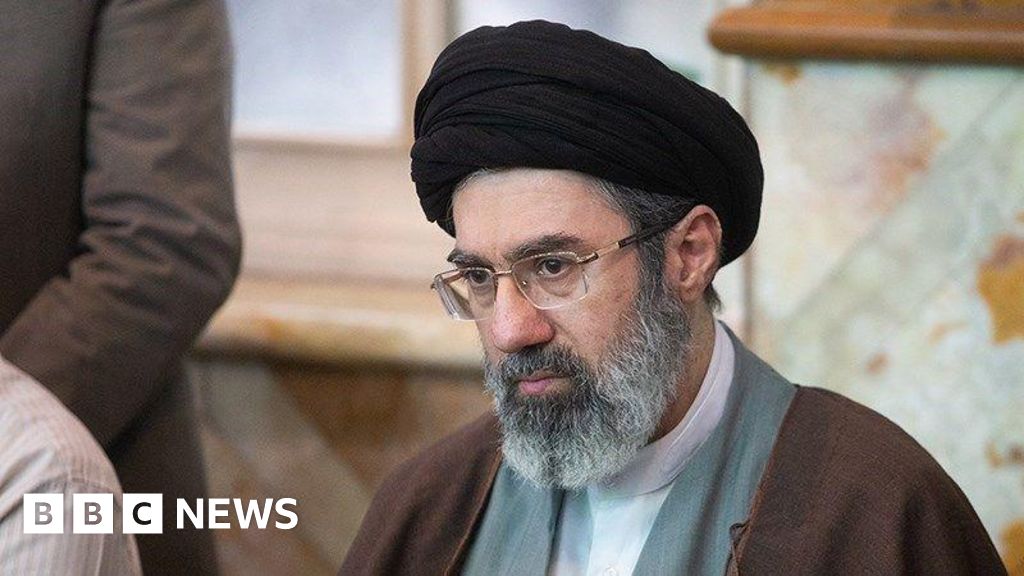
In one of the most striking examples of individual agency intersecting with international geopolitics, the story of Mojtaba—a devout figure who traveled to Qom in 1999—represents more than a personal spiritual journey. The city, recognized worldwide as a pivotal centre of Shia theology, continues to serve as a significant hub for religious authority in the Middle East. His decision, markedly unconventional given the cultural norms surrounding clerical progression, underscores emerging shifts within the religious and geopolitical landscape of the region. Unlike most of his contemporaries, Mojtaba did not don clerical attire until he was 30, raising questions about generational change and the evolving role of religious scholars within their societies and beyond.

This individual’s choice to pursue religious education later in life coincides with broader international trends—marked by regional tension, shifting alliances, and the ongoing struggle for influence in a volatile geopolitical climate. As analysts observe, this more mature approach to seminary study suggests a strategic recalibration of religious authority, positioning scholars to influence not only religious circles but also societal and political discourse. Such shifts inevitably impact how nations like Iran project power, both internally and externally, especially as religious figures gain—or lose—political legitimacy amidst upheaval and reform efforts.

The international community, particularly Western powers and regional adversaries, watch these developments intently. The rise of figures like Mojtaba, who embody both tradition and modernity, could recalibrate the influence of religious institutions in geopolitics—possibly affecting Iran’s diplomatic strategies, regional stability, and cellular networks of influence across the Middle East. Meanwhile, Tehran continues to navigate turbulent waters, balancing hardline factions with reformist voices, a dynamic that historians and policymakers scrutinize for signals of transformation or impending conflict.

According to experts from the International Crisis Group and renowned scholars of Middle Eastern history, the decisions made within religious spheres often cascade into broader political consequences. As the world teeters on the edge of potential conflict zones, understanding how individual trajectories such as Mojtaba’s influence society becomes essential. The evolution of religious authority—shaped by personal choices and societal shifts—has the power to foment peace or ignite friction across borders, especially as nations grapple with radical ideologies, economic sanctions, and diplomatic negotiations.

In the grand tapestry of history, stories like Mojtaba’s serve as a reminder that the path of a single individual can ripple outward, shaping eras of change. As geopolitical tensions simmer and alliances shift, the significance of religious leadership in turbulence and transformation remains ever-present. With each decision, each change of attire, and each step toward theological enlightenment, the world collectively inches toward an uncertain future—where the weight of history presses down, and the next chapter waits to be written in the shadows of modern tumult. The unfolding struggle for influence, both spiritual and political, continues to define our era, leaving nations and societies to grapple with the profound consequences of their choices—an ongoing saga as old as time itself, yet as fresh as the dawn of tomorrow.

Sorry, I don’t see the feed content. Could you please provide it?

Fact-Checking the Claims Surrounding Recent U.S. and Israeli Airstrikes on Iran

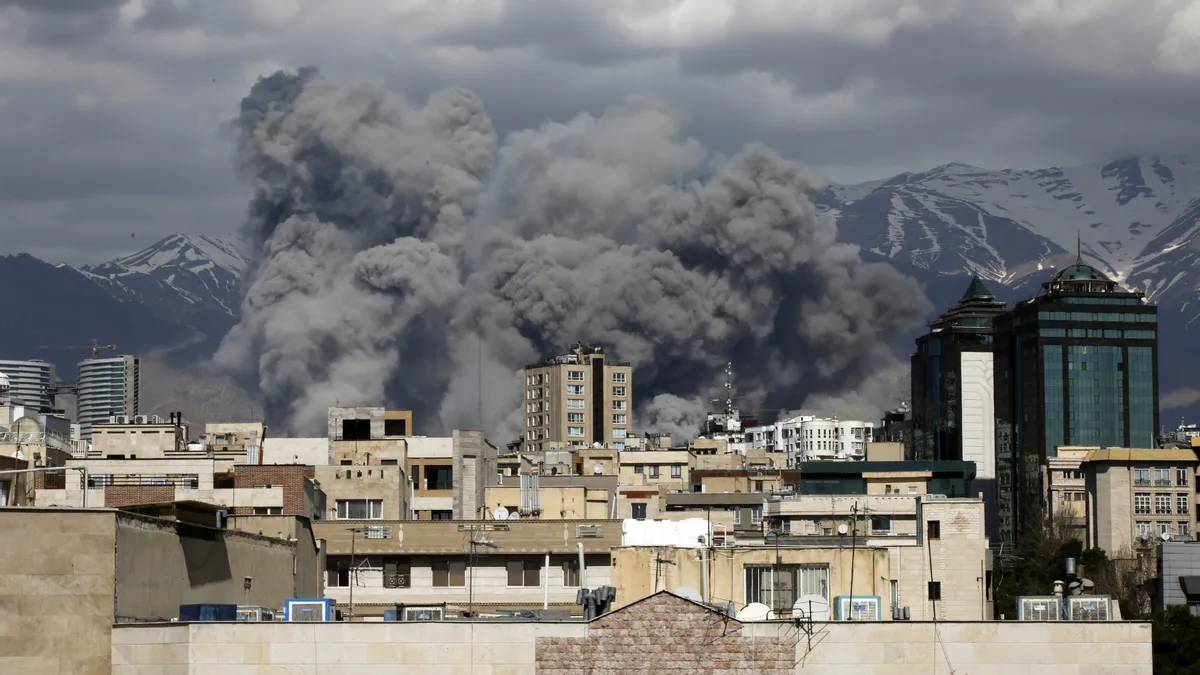
In the wake of recent reports alleging surprise airstrikes by the U.S. and Israel on Iran, misinformation has rapidly spread across social media platforms. These claims have fueled speculation and confusion, prompting many to question the authenticity and details of the events. To clarify the situation, it is essential to scrutinize the available evidence and consult authoritative sources.

Are the U.S. and Israel responsible for surprise airstrikes on Iran?

The claim that the U.S. and Israel coordinated sudden, large-scale airstrikes against Iran is a serious allegation. However, there is currently no verified evidence from credible sources confirming such an attack has taken place. Independent defense analysts and official government statements have yet to confirm or substantiate reports of recent airstrikes. It is important to distinguish between unverified rumors circulating online and verified military actions reported by credible outlets.

According to experts at the Stockholm International Peace Research Institute (SIPRI) and credible defense tracking organizations, there have been no confirmed incursions or bombing campaigns against Iran in recent weeks. While tensions in the region remain high, the absence of official confirmation from the U.S. Department of Defense or the Israeli Defense Forces suggests that these reports are likely exaggerated or fabricated.

How did rumors of a surprise attack originate?

The proliferation of social media has made it easier for misinformation to spread rapidly. Many of these claims originated from unverified sources, including anonymous social media accounts and loosely sourced news outlets. Typically, rumors of “surprise attacks” tend to emerge during periods of heightened geopolitical tension, often as a form of misinformation intended to influence public opinion or destabilize perceptions of regional stability.

The Secretary-General of the United Nations, António Guterres, and other international organizations have emphasized the importance of relying on verified intelligence and official statements, especially during complex conflicts. To date, no credible intelligence agencies have reported or acknowledged covert military operations against Iran. This suggests that the narrative of surprise airstrikes is, at best, speculative, and at worst, intentionally deceptive.

What are the risks of misinformation in conflict zones?

Misinformation in volatile regions like the Middle East can have dangerous consequences, affecting diplomatic efforts and risking escalation. As noted by experts at Harvard’s Belfer Center, false reports can lead to miscalculations, unneeded military responses, or panic among populations. The spread of unverified claims diminishes the quality of public debate and can serve as a tool for malign influence campaigns, whether from foreign adversaries or domestic groups seeking to sway opinion.

It is crucial, then, for responsible media consumers and policymakers to demand verified information from credible sources. The international community depends on facts to craft appropriate responses to crises, and the integrity of the information environment plays a key role in preventing unnecessary escalation.

Conclusion: The Imperative for Truth in Democracy

In a democratic society, it is fundamental that decisions are based on accurate information rather than sensationalized rumors. The claims of surprise airstrikes by the U.S. and Israel on Iran, lacking verified evidence, highlight the importance of critical media literacy and responsible journalism. As citizens and informed voters, it is our duty to scrutinize the narratives presented to us, rely on reputable sources, and advocate for transparency. Only through a firm commitment to truth can we safeguard the stability of our democracies and ensure that foreign policy decisions are made based on facts, not fiction.

Remaining vigilant against misinformation is not just about protecting reputation—it’s about protecting the integrity of democracy itself. As this situation demonstrates, the spread of false or misleading information can have profound implications for international peace and domestic stability. Responsible engagement with verified facts is essential for a healthier, more resilient democratic society.

Kenyan Youth Embrace New Weight-Loss Trends as Beauty Standards Shift

In recent months, Kenya has experienced a notable rise in the popularity of weight-loss and cosmetic procedures, significantly driven by local celebrities and social media influencers. This trend reflects a broader phenomenon where popular figures shape societal standards of beauty and self-image, often leading to a surge in demand for invasive and non-invasive treatments. While this cultural shift underscores a desire for personal transformation, it has also raised serious questions about the ethical, health, and economic implications within Kenyan society. International observers and health experts warn that this rapid proliferation, fueled by celebrity culture, may have deep ripple effects across neighboring African nations and beyond.

  • Social media influencers and local celebrities openly endorse cosmetic procedures, which many argue reinforces unrealistic beauty ideals.
  • There is a growing influx of cosmetic clinics, often unregulated, offering procedures with dubious standards of safety.
  • Health professionals warn of potential complications, especially as demand outpaces regulation and oversight.

This phenomenon cannot be viewed solely through a cultural lens; it has profound geopolitical impact that extends beyond national borders. As Kenya positions itself as a burgeoning hub for cosmetic tourism, its reputation within the regional marketplace is at a crossroads. Several analysts highlight that this trend could serve as a catalyst for economic growth—attracting international clients seeking affordable procedures—yet it simultaneously exposes vulnerabilities related to the regulation of medical standards. The United Nations and regional health agencies have voiced concern over the potential for illegal clinics and the lack of comprehensive oversight, which could transform what appears to be a routine social phenomenon into a regional humanitarian issue.

Experts like Dr. Ken Njoroge, a renowned Kenyan plastic surgeon, emphasize that the cultural shift driven by celebrities can have unintended consequences, fueling a cycle of body image obsession and dependency on cosmetic interventions. Meanwhile, international organizations such as the World Health Organization warn that unregulated practices could lead to increased cases of botched procedures, infections, and long-term health problems. This raises a pivotal question: how do nations manage the delicate balance between personal choice, economic opportunity, and public health? History suggests that unchecked deregulation often results in social upheaval and health crises, especially in developing contexts where legal frameworks are still evolving.

At the heart of this unfolding story is a complex cultural and geopolitical tapestry: a youth-driven desire for beauty and success intertwined with the economic ambitions of a nation seeking to leverage its demographic dividend. Countries in the neighborhood, such as Uganda and Tanzania, watch closely, pondering whether to emulate Kenya’s “beauty boom” or to implement stringent regulations. The decisions made today foreshadow a future where societal standards of perfection are shaped at the intersection of celebrity influence and government policy. As history continues to unfold, it becomes clear that this surge in cosmetic culture isn’t merely about aesthetics—it is a reflection of rapidly shifting societal values, economic aspirations, and the global fight over social identity.

In the shadow of these developments, one thing remains certain: the future of Kenya’s societal fabric—and indeed, the broader African continent—will be dictated by how this chapter in the social revolution is written. As regional and global entities debate the ramifications, the world waits with bated breath. The choices made at this juncture could resonate for generations, a vivid reminder that in the game of geopolitics and societal evolution, beauty standards are just the surface of a much deeper, more consequential narrative lurking beneath the surface of headlines.

Could Pentagon’s Anthropic debate scare startups from defense tech?

AI Innovation Meets Political Disruption: Pentagon Pulls Back from Anthropic and OpenAI

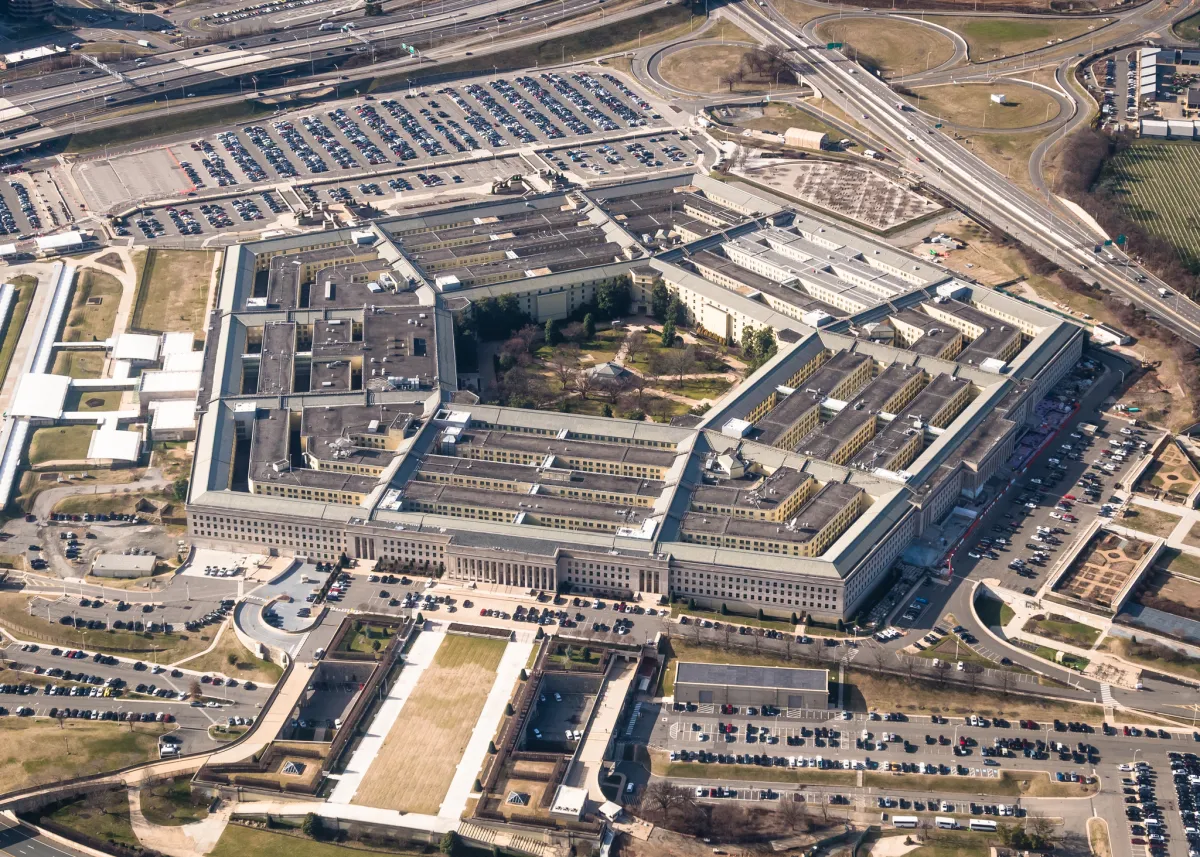
In a dramatic turn of events, the Pentagon’s attempt to leverage Anthropic’s Claude AI technology for defense purposes has encountered significant roadblocks. Just over a week after initial negotiations, the Trump-era Department of Defense designated Anthropic as a “supply chain risk,” effectively halting the agreement and prompting the AI firm to prepare for legal action. This move signals a new era of heightened scrutiny over dual-use AI technologies—particularly those with capabilities that intersect with military applications—reshaping the landscape of public-private partnerships in national security.

Meanwhile, OpenAI quickly responded with its own deal to supply the Pentagon with its GPT-based AI solutions. This swift maneuver did not go unnoticed; it sparked backlash among users, evidenced by a 295% surge in ChatGPT uninstalls and a spike in public sentiment questioning the ethics of deploying advanced AI in military contexts. Industry analysts like Gartner warn that such friction is emblematic of a broader disruption: the integration of cutting-edge AI into defense frameworks is becoming a flashpoint for regulatory and ethical debates. To many, these conflicts threaten to slow innovation but also serve as a clear signal that governments are becoming increasingly wary—as well they should—of AI’s potential for misuse.

Speaking on the implications of these disputes, veteran tech commentators on podcasts such as TechCrunch’s Equity have underscored the business risks involved for startups aiming to partner with federal agencies. Kirsten Korosec and her colleagues emphasize that the Pentagon’s shift to reevaluate contract terms and risk assessments may chill the willingness of innovative AI firms, especially startups, to engage in critical defense collaborations. This potential “chilling effect” could hinder the rapid deployment of disruptive AI tools, which are poised to revolutionize both military strategy and civilian industries.

Looking ahead, industry insiders like Elon Musk and venture capitalists such as Peter Thiel point to a future where disruptive AI development remains essential to global competitiveness. However, the current political climate—highlighted by aggressive scrutiny over AI’s application in lethal contexts—injects a sense of urgency into the innovation pipeline. While the Pentagon’s recent moves reveal a desire to tighten oversight, they also expose inherent vulnerabilities in the U.S.’s ability to remain at the forefront of AI progress. As leading think tanks, MIT and Stanford, continue to call for robust oversight and responsible innovation, the real question for technologists and policymakers alike is: can the United States balance cutting-edge technological disruption with ethical safeguards that preserve industry leadership?

In summary, the unfolding dispute over AI use in defense exemplifies a pivotal crossroads—one where innovation and regulation collide on a global stage. The evolving dynamics highlight a strategic imperative for startups and established firms: to navigate this shifting terrain with agility, foresight, and a relentless focus on responsible AI deployment. As national security pressures rise and the world’s most powerful AI firms grapple with ethical considerations, the next wave of technological evolution may redefine both the battlefield and business landscape. In this race for dominance, only those who innovate with prudence and resilience will secure their place in the future of AI-driven disruption.

Social Media Auto Publish Powered By : XYZScripts.com