Matox News

Truth Over Trends, always!

A Critical Moment for Our Future

The ongoing conflict in Iran and its wider regional repercussions have reached a perilous tipping point, according to international humanitarian authorities. UN humanitarian chief Tom Fletcher issued a stark warning about the profound and escalating impact of violence on civilians living amidst the turmoil. His appraisal underscores a broader trend of increasing instability in a region historically fraught with geopolitical tensions, where the ripple effects are felt across borders, influencing global security dynamics.

The conflict’s secondary impacts are becoming increasingly alarming. Fletcher emphasized that the violence does more than just threaten immediate safety; it risks intensifying extremism and societal polarisation. This worsening climate of divisiveness could undermine regional stability for decades, with consequences that extend into international corridors of power. Security analysts, such as those from the International Crisis Group, highlight how such conflicts serve as fertile ground for extremist groups, potentially destabilizing entire nations and challenging the fabric of international order. Decisionmakers worldwide must carefully consider whether current strategies are sufficient to prevent a broader regional conflagration.

In recent weeks, Middle Eastern nations, and indeed the global community, have watched perilously as ceasefires falter and violence intensifies. Fletcher called on global leaders to “step back from the brink,” a plea underscored by the mounting humanitarian toll and the risk of further escalation. The conflict’s escalation may also redraw alliances, shaking up an already complex geopolitical landscape. Major powers, including the United States and Russia, are likely weighing their next moves, knowing that their choices could either contain or catalyze chaos. The international community faces a stark choice: promote diplomacy or confront the possibility of an even larger regional catastrophe.

Historian and geopolitical analysts argue that the window for peaceful resolution is narrowing rapidly. The shadow of Cold War rivalries in the Middle East has historically led to devastating interventions and proxy conflicts, leaving scars that define the modern era. As the conflict deepens, the United Nations and regional alliances grapple with how best to address the unfolding crisis. The delicate balance of diplomacy, sanctions, and military pressure appears increasingly strained, risking a scenario where the cause of peace is overshadowed by escalating violence. With every passing day, history may record this moment as a turning point—either as a missed opportunity for foresight or a tragic step toward irreparable chaos.

As the world looks on, standing at the crossroads of diplomacy and disaster, the weight of history presses down. The choices made today will echo across generations, shaping the future of the Middle East and global security itself. The question remains: how long before this fragile equilibrium shatters completely, and the continent is engulfed in a new, darker chapter of conflict?’
Rising Stars Shine: Young Athletes Break Records at National Championships

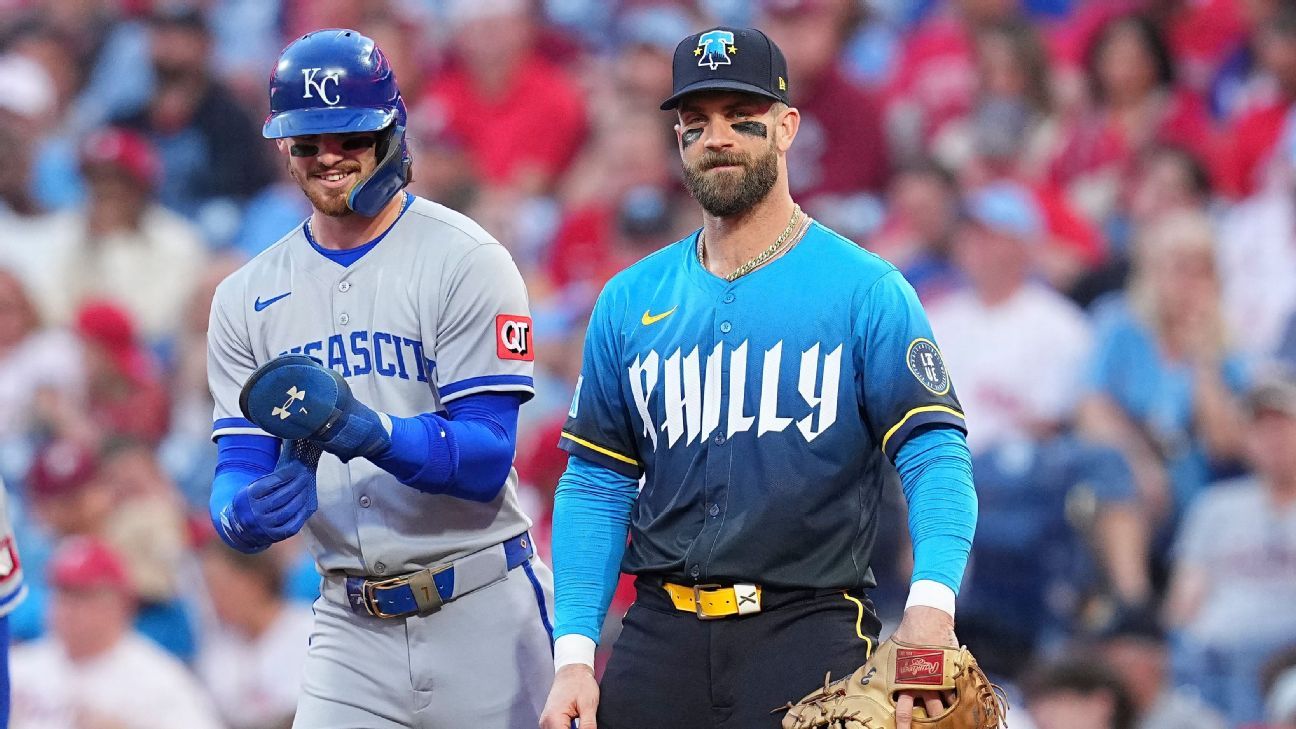
The Future of Baseball: Analyzing the Shortstop Position for 2026

As we focus on the evolving landscape of baseball, a pivotal area that deserves attention is the shortstop position. Once hailed as the heart of the infield and a breeding ground for extraordinary talent, the position has undergone significant changes in recent years. Analysts observe that the era of the “Generation Shortstop” might be waning, leading to questions about what lies ahead for this crucial spot on the field as we look toward 2026.

The decline in offensive output from shortstops has become an alarming trend. Historically, this position has been home to power hitters who could both field and swing with authority. However, a recent study highlights a drop in home runs from this position, with stats indicating that only 75 home runs were hit by shortstops in the previous season, a dramatic contrast to earlier years. This power drought has left many teams scrambling for solutions, with organizations reevaluating their player development strategies.

  • Teams are now focusing on versatile players who can adapt to various roles.
  • Coaches are emphasizing on-the-field IQ and defensive prowess over mere power hitting.
  • Sports commentators are echoing the call for a revival in offensive production from this slot.

Coaches like Joe Maddon and commentators such as Dan Plesac have weighed in on the situation, emphasizing the need for teams to embrace a multi-dimensional approach to scouting and development. As Maddon said, “The modern game demands flexibility, and it’s time we embrace the changing dynamics of our rosters.” With this in mind, teams are exploring international talent and younger prospects, placing high value on agility and decision-making abilities.

The shortstop may be changing, but it is clear that this position remains a cornerstone of baseball. As we move toward 2026, there will undoubtedly be challenges ahead, but the game continues to unite us, showcasing resilience and reinvention. With new talent emerging on the horizon, fans have every reason to get excited. As the scoreboard shifts and statistics dance, one thing remains constant—baseball’s ability to inspire and connect us all transcends the numbers. In the end, it is the love of the game, and the community it fosters that truly matters.

Source link

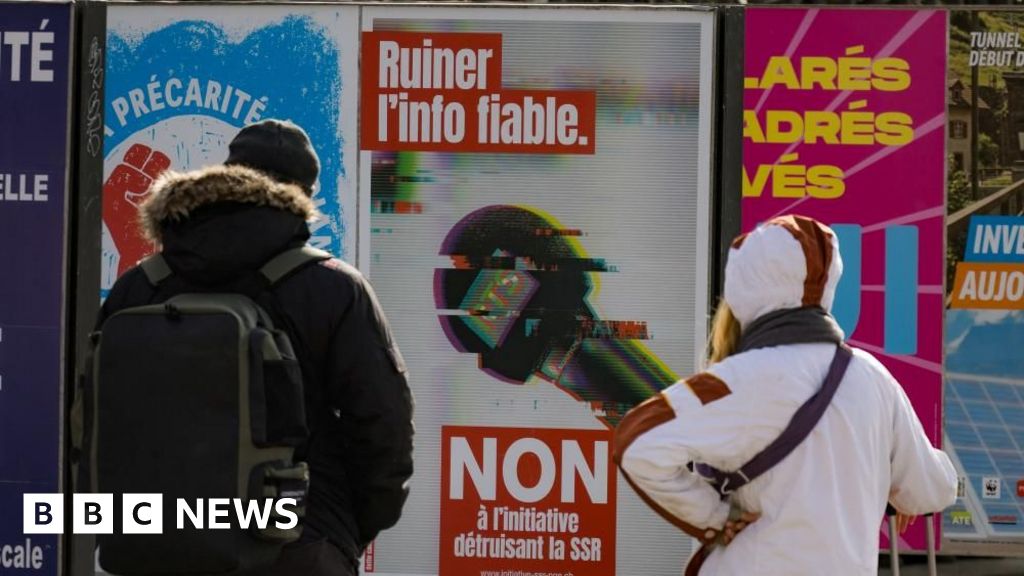
Swiss youth resist right-wing push to slash public broadcaster license fees

In a significant turn of events that could influence both domestic policy and international perceptions, recent electoral data reveal that more than 60% of voters favor maintaining the current license fee levels. This result, initially projected by national polling agencies, underscores a broad public consensus on fiscal stability amid ongoing economic uncertainties. The implications extend well beyond the confines of domestic politics, potentially altering the geopolitical landscape by shaping a nation’s approach to its economic sovereignty and its stance within global institutions.

The decision to uphold existing license fee frameworks resonates deeply within the broader context of international relations and economic policy, particularly given the ongoing debates surrounding national sovereignty versus international oversight. Analysts from prominent think tanks suggest that this voter preference reflects a cautious populace wary of financial upheaval, especially in regions where economic resilience is already tested by external factors such as global market volatility and regional conflicts. These domestic choices may influence how a country interacts with international organizations, possibly reinforcing or challenging the policy directives that shape global economic norms.

From a geopolitical perspective, the steadfast stance on license fees could be viewed as an assertion of national independence. Historians like Dr. James Patterson observe that such domestic sentiment often acts as a subtle but powerful form of resistance against external pressure from multilateral institutions, including the United Nations and European Union. Countries that choose to preserve control over their fiscal policies are likely to reinforce their sovereignty and signal to allies and adversaries alike that they prioritize national interests over international mandates. This shift could impact diplomatic alignments and influence future negotiations, especially as global institutions face criticism for perceived overreach.

How this decision impacts social cohesion and the fabric of nation-states remains a critical question. As governments navigate the delicate balance between economic stability and societal expectations, the broader human dimension must not be overlooked. The choice to sustain existing license fee structures reflects a societal desire for predictability and security—values key to social stability. However, it also raises questions about the sustainability of such policies amid rising global challenges such as technological disruption and climate change. To some, the comfort of continuity might come at the expense of innovation and adaptability, stirring debates among scholars and policymakers about the long-term consequences for national resilience.

As history continues to unfold, the weight of this seemingly straightforward electoral outcome signals a more profound message: nations are increasingly asserting their independence amidst a complex web of international forces. The coming months will reveal whether this domestic preference for stability heralds a new era of national sovereignty or if external pressures will erode these boundaries. In a world where every decision echoes across borders, the legacy of today’s choices may well define the balance of power for decades to come, leaving the global community to ponder whether the tide has turned in favor of steadfast independence or if those who resist are merely delaying inevitable integration into a new global order.

Pennsylvania Joins the Ride: Takes a Stand Against Dynamic Pricing Trends

The Rise of Algorithmic Pricing: A Cultural Shift in Consumer Society

In recent months, a new wave of legislation and social awareness has been sweeping through U.S. states, signaling a transformative moment in how we perceive economic fairness in the digital age. Pennsylvania has emerged as a leading example by proposing Senate Bill 1205, aiming to ban dynamic pricing—a practice where prices for essential goods and services fluctuate within a 24-hour window based on demand or AI-driven algorithms. This move underscores a broader societal debate about how technology is influencing economic justice and whether automation in commerce threatens the very sense of fairness that underpins consumer culture. As lawmakers seek to regulate these practices, it’s clear that societal values around transparency and fairness are being redefined in the age of artificial intelligence.

But Pennsylvania’s efforts are just the tip of the iceberg. Across the nation, states like New York, Arizona, and Virginia are actively discussing or implementing legislation to curb surveillance pricing—a related but more insidious practice that uses personal data—demographics, browsing habits, or buying patterns—to set different prices for consumers. The Algorithmic Pricing Disclosure Act in New York mandates that companies using AI-driven pricing disclose when and how personal data influences costs, signaling a push for transparency in a digital economy that had largely operated in the shadows. This trend reflects a broader societal concern: are we willing to accept a future where our behaviors and characteristics determine what we pay? Or will we champion a consumer culture rooted in fairness and equal access?

Culturally, these legislative developments are a reflection of a shifting social contract. Influencers and sociologists argue that as AI and machine learning weave themselves into the fabric of daily life, societies must confront the ethical implications of algorithmic decision-making. Tech analysts warn that without regulation, surveillance pricing could deepen existing inequalities—favoring those with data-rich profiles and marginalizing others. Conversely, advocates view these laws as vital to preserving consumer trust in an era dominated by rapid technological change. This tension hints at an ongoing cultural clash: embracing technological innovation versus safeguarding **individual rights** and ensuring economic fairness for all.

The Next Big Question

As youth and digital natives increasingly engage with online commerce, the next question becomes: How will this ongoing battle over algorithmic fairness shape the future of consumer behavior and societal values? Will the drive for transparency inspire a new era of consumer empowerment, or will it pave the way for more sophisticated forms of data-driven manipulation? The answer could determine whether our society embraces personalized AI as a tool for empowerment or as a mechanism that risks escalating inequalities—raising a profound question: what kind of future do we want to build in the digital age?

Unlocking Carolyn Bessette Kennedy’s Signature Style: 90s Minimalism Secrets Every Trendsetter Needs to Know | Life & Style

In an era still captivated by fleeting trends and mass-market fast fashion, the resurgence of timeless, minimalist style exemplified by Carolyn Bessette Kennedy offers a compelling reminder of how intentional wardrobe choices can truly define a lifestyle. Recent cultural moments, including the highly anticipated TV series about her romance with John F. Kennedy Jr., have ignited a national conversation about her understated elegance—characterized by crisp white shirts, tailored tan skirts, and small-framed black sunglasses—that has now flooded social media. This isn’t just about fashion; it’s about cultivating a *personal brand* rooted in quality, simplicity, and authenticity, resonating with today’s youthers who seek meaningful self-expression in their everyday lives.

Stylists and wellness advocates advocate for embracing *well-curated* wardrobes that favor well-made staples over disposable trends. Liz Teich, known for her work in the fashion industry since the 90s, highlights how Bessette’s approach to her wardrobe was an extension of her confident, disciplined lifestyle—an aspect that many young consumers can learn from. The secret? 80% staples—think white button-ups, versatile jeans, and classic camel coats—paired with 20% fun, trend-forward pieces to keep outfits fresh and personal. This strategy not only encourages a more sustainable approach, avoiding overconsumption that ends up in landfills, but also amplifies individual style with less effort and stress. Learning to invest in high-quality pieces from brands like Frank & Eileen or Madewell can dramatically elevate your everyday look, turning calories into confidence.

Our stylist’s picks for 90s-inspired spring staples

Shifting focus to achievable wardrobe staples, the white button-up shirt remains an all-time icon—an essential for both work and leisure. Brands like Sold Out NYC and Cissa offer high-quality options designed to last and age gracefully. Complementing this are bootcut jeans, particularly Levi’s classic Wedgie Bootcut, which Bessette famously styled with blazers and simple tees. The resurgence of vintage shopping—whether through secondhand sites like Etsy or apps like Depop—makes sourcing these timeless pieces more accessible than ever, allowing young buyers to invest in pieces with decades of longevity.

Additionally, classic camel coats and tailored leopard prints have made a comeback, with brands such as Saks Fifth Avenue and secondhand outlets offering affordable options. Investing in labels like Saks or ThredUp enables a blend of luxury and sustainability—an ideal balance for today’s conscious consumer. And for accessories, look toward Heaven Mayhem’s affordable dupe of the $8,500 Cartier Tank, proving that elegant personal style needn’t break the bank.

Look for designer quality at marked-down prices

For those ready to splurge, the key is timeless, *investment pieces*—like the MM LaFleur kick flare black pants or a sturdy leopard coat—which move effortlessly from season to season and trend cycle to trend cycle. Such garments, often sourced secondhand through apps like The Real Real, provide decades of wearability and style longevity that surpasses the fleeting nature of fast fashion. As wellness expert and author Tim Ferriss points out, quality over quantity is becoming the standard for those who want to build a *personal brand* rooted in sustainability and craftsmanship. Remember: investing in well-made classics like the Milly Leopard Double-Breasted Coat or a tailored camel coat can yield lifelong style dividends—a testament to the power of *lifestyle choices* grounded in longevity and self-respect.

Ultimately, cultivating a wardrobe inspired by Bessette’s understated finesse encourages a broader philosophy: a lifestyle that values *well-being*, curated authenticity, and responsible consumption. It invites the modern youth to view style not as a fleeting trend but as an ongoing *journey*—one in which every carefully chosen piece embodies self-respect, confidence, and a commitment to environmental consciousness. As they embrace these iconic, enduring styles, they partake in a statement much larger than fashion: a movement toward a life intentionally crafted, one outfit at a time, unlocking a new chapter of personal impact and timeless elegance.

Jessie Buckley credits acting with helping her conquer teenage eating disorder, inspiring resilience and self-acceptance among young people

In the heart of contemporary discourse surrounding artistry and human expression, recent remarks by the Oscar-front runner have reignited an enduring conversation about the profound relevance of culture to identity, tradition, and society. When she describes acting as “like water to me,” she encapsulates a broader truth: that art, in all its forms, is not merely a pursuit of entertainment but a vital sustenance that sustains the soul of a civilization. In times of turbulence, such expressions of devotion remind us that culture functions as both mirror and messenger, reflecting our innermost selves and transmitting the values that unify a community. As the philosopher Ortega y Gasset posited, humanity’s vital need for meaning is fulfilled through the culturally rooted narratives that shape our worldview, allowing individuals to see themselves within a collective tapestry.

Historically, society has shown a remarkable tendency to regard its cultural icons and arts as pillars upon which collective identity stands. The comment from the actress resonates with the insights of thinkers such as Tocqueville, who observed that the habits of the heart—those intangible bonds forged through shared tradition—are essential for maintaining social cohesion. Today, with a cultural landscape that often feels fragmented and transient, the emphasis on art as a source of mental health and stability becomes even more salient. It is as if the act of engaging with great works—be it the plays of Shakespeare, the music of Bach, or the films of past generations—reinforces a sense of continuity that counters the chaos of modern existence. The artist’s declaration reminds us that our cultural practices are not arbitrary but are woven into the very fabric of who we are and who we hope to be.

Beyond personal well-being, the arts serve as a cultural reservoir that preserves our historical memory and nurtures our collective soul. As Gilbert K. Chesterton once observed, the true artist is a guardian of tradition—not a destroyer but a steward who translates timeless truths into new forms. In this light, culture becomes a living testament to generations past, anchoring the present and forecasting the moral and aesthetic horizons of the future. For youth today, this connection to tradition may seem historical, yet it is precisely through this continuity that a society remains resilient and true to its roots. The arts, therefore, do not merely entertain but elevate, giving voice to the silent stories that define us, and in doing so, inspire us to forge ahead with purpose and hope.

In the final analysis, culture emerges as both memory and prophecy: a reservoir of collective history from which we draw strength, and a beacon illuminating the path forward. As the poet T.S. Eliot mused, “We shall not cease from exploration, and the end of all our exploring will be to arrive where we started and know the place for the first time.” It is within this cyclic dance of past and future that we discover that, ultimately, the arts are not mere decoration but the very essence of human striving—a poetic symphony that sustains the spirit of civilization, echoing through eternity as a testament to who we are and who we aspire to become.

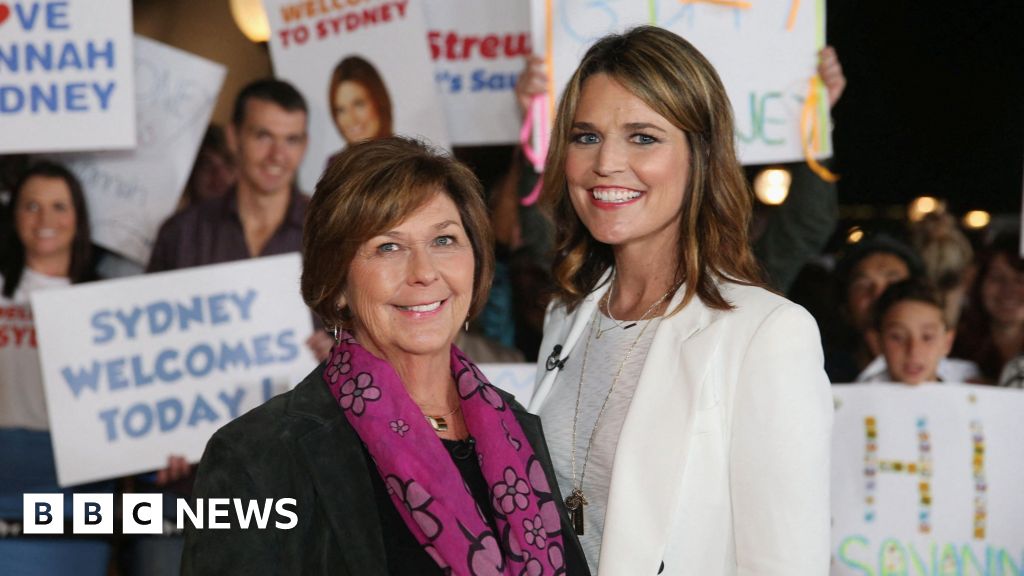
Nancy Guthrie disappearance: unanswered questions linger as search enters another month

The recent disappearance of the mother of renowned TV presenter Savannah Guthrie has sent shockwaves across the United States, highlighting concerns about security and social stability in an era marked by rising crime concerns. While the case remains unresolved with no arrests so far, the incident has rekindled debates about law enforcement effectiveness and the persistent vulnerabilities in urban and suburban communities. This situation underscores broader issues that resonate well beyond American borders, emphasizing the importance of resilience and vigilance in safeguarding societal stability.

From an international standpoint, the unfolding events serve as a reminder of the geopolitical implications associated with internal security. Countries worldwide, especially those with open societies and active media landscapes, observe such incidents with keen interest. They reflect not only on domestic governance but also on the global image of safety and justice. Analysts like Dr. James Montgomery, a geopolitical commentator for the International Security Institute, argue that internal security failures can have ripple effects, influencing perceptions of strength and stability, especially for nations engaged in diplomatic or economic negotiations. A failure to resolve such cases promptly could embolden criminal networks or undermine public confidence in government institutions, with consequences that extend well beyond national borders.

Moreover, the case demonstrates the delicate balance between individual rights and societal security, a topic under intense scrutiny by international organizations such as the United Nations and INTERPOL. The case serves as a stark reminder that a society’s resilience is tested not only by external threats such as terrorism or cyber-attacks but also by internal crises and community safety. As law enforcement agencies worldwide grapple with similar challenges, the need for effective cooperation and intelligence-sharing becomes more critical. The failure to swiftly apprehend suspects in sensitive cases could influence international relations, particularly if criminal networks cross borders or threaten regional stability. These developments highlight how domestic issues dovetail into broader geopolitical concerns, reminding governments that internal security is integral to national sovereignty and global peace.

As the case remains unresolved, historians and analysts continue to draw parallels to other pivotal moments in recent history—times when internal crises revealed systemic weaknesses or precipitated broader political shifts. The subtle yet powerful lessons stem from a series of global events, in which a society’s failure to protect its citizens has sometimes led to social upheaval or cultural shifts. The stubborn persistence of unresolved cases emphasizes that the landscape of international relations is shaped as much by internal stability as by external diplomacy. The weight of this ongoing mystery hangs heavily in the collective consciousness, hinting that the true test of national resilience is yet to come. As history unfolds, the decisions made in response to this and related incidents could determine whether societies survive their hardest tests or succumb to internal fractures, leaving a legacy that will echo for generations to come.

UK Won't Back Trump on Every Issue, Says Cooper
UK Won’t Back Trump on Every Issue, Says Cooper

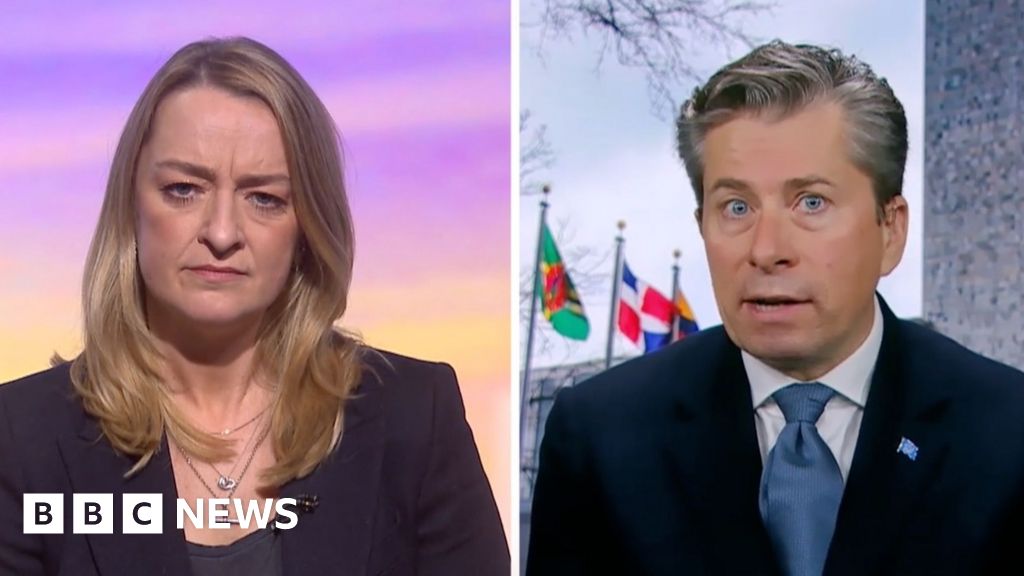
Foreign Secretary Yvette Cooper has publicly confronted President Donald Trump over his recent criticisms of the United Kingdom’s stance amidst escalating tensions in the Middle East. During an interview with Laura Kuenssberg, Cooper emphasized the importance of sovereignty and national decision-making, asserting, “It won’t surprise you that we don’t agree with President Trump on every issue.” This pointed rebuke underscores the ongoing divergence in strategic priorities between London and Washington as events in Iran continue to unfold.

The UK government’s approach, as articulated by Cooper, highlights a firm commitment to operate independently, prioritizing the UK’s national interests over aligning with US foreign policy. She further emphasized that it falls to the prime minister’s office to determine the most suitable course of action for Britain, especially in a volatile environment where regional stability is fragile. Meanwhile, President Trump issued a stark social media remark that appeared dismissive of any extensive UK military engagement in the region, declaring, “We don’t need people that join Wars after we’ve already won!” His comment signals a shifting US stance towards Middle Eastern conflicts, casting doubt on American commitment to traditional alliances.

The current tension reflects deeper, underlying shifts in geopolitical alignments, igniting debate among analysts and historians who see this as a pivotal moment in international relations. Many warn that the recent exchange signals a broader trend of waning US influence and a reassertion of independent foreign policies by traditional allies like the UK. According to policy experts, this could redefine NATO’s future, challenging the structure that has underpinned transatlantic security since WWII. Moreover, the decision to potentially bolster military presence in the Middle East demonstrates London’s intent to maintain strategic influence and protect economic and security interests amid rising regional volatility, especially with Iran’s unpredictable regime and its nuclear ambitions.

International organizations, including the United Nations, have issued cautious warnings about the dangerous escalation of regional conflicts, emphasizing the risk of a broader war. Several international analysts suggest that the decisions being made now may well determine the trajectory of global stability for decades. As nations recalibrate alliances, the geopolitical landscape grows increasingly fragile. The question remains whether these decisions will foster peace or plunge the region—and the world—more deeply into chaos, with historians noting that history often hinges on singular moments of choice amidst chaos. The coming weeks will prove decisive, etching this chapter into the annals of history, leaving future generations to ponder whether the currents of diplomacy and conflict can be steadied—or if they are destined to surge toward an unpredictable and turbulent future.

Plug In & Power Up: Smart Tips to Run Ethernet Cables Like a Pro and Keep Your Setup Clean

Revolutionizing Home and Tech Installations: The Disruption in Cable Management Solutions

In an era marked by rapid technological advancement and a relentless pursuit of sleek, efficient environments, the traditional art of cable management is undergoing a profound transformation. Leading companies like Alex Tech and D-Line are spearheading innovation with modular solutions such as reusable cable ties, mesh sleeves, and customizable trunking systems. These new offerings are not only democratizing access with affordability—evident in budget-friendly bundles of 60 reusable ties for just $7—but are also redefining what disruption in infrastructure hardware looks like, especially for the young, tech-savvy demographics eager to optimize their spaces for a clutter-free aesthetic.

This wave of innovation is set to redefine industry standards, as manufacturers introduce adaptable products aimed at simplifying complex technical setups. For example, cable sleeves that double as mesh covers enable users to easily add or remove cables, streamlining iterative upgrades. Such features challenge the once-inevitable chaos of wiring, promising more than superficial convenience—they herald a paradigm shift in how data and power delivery infrastructure is integrated into modern lifestyles. Meanwhile, experts from Gartner emphasize that these modular systems allow for scalable, future-proofing installations, making them essential in both consumer and enterprise contexts. This disruption echoes the vision Elon Musk advocates—where technology seamlessly integrates into daily life, eliminating obsolescence and maximizing utility.

  • Utility and Affordability: Budget options like a 60-pack of reusable ties for $7 revolutionize cost structures in DIY projects.
  • Modular Design: Sleeves and trunking systems facilitate quick installation, easy access, and adaptability, posing a direct challenge to traditional, permanent wiring methods.
  • Design Aesthetics: Trunking and crown molding innovations allow aesthetic concealment, turning functional wiring into a design feature, thus aligning technology with modern interior trends.

Implications for Business and Industry Disruption

The implications extend beyond consumer convenience; established industries face a critical inflection point. By integrating these innovative solutions, service providers and contractors could drastically reduce installation times and costs, paving the way for faster deployment of smart homes and commercial infrastructure. The disruption is compounded by the emergence of DIY-focused product lines, positioning startups like Alex Tech as formidable competitors against legacy electrical and telecommunication firms.

Analysts from MIT’s Media Lab suggest that such modular systems catalyze a new era of “distributed infrastructure”, where individuals are empowered to maintain and upgrade their own environments without relying on costly professional interventions. This democratization of technological upgradeability is comparable to the disruptive impact of open-source software, where community innovation outpaces traditional corporate R&D. As industry giants scramble to adapt, the urgency for established players to innovate or risk obsolescence has never been more pressing. The clock is ticking for legacy providers to embrace these disruptive technologies or become relics as the industry pivots towards smarter, more adaptable, and aesthetically pleasing wiring solutions.

The Road Ahead: Embracing Disruption

Looking forward, the trajectory of cable management innovation indicates a future where intricate wiring is no longer hidden but becomes an integral part of interior design, facilitated by high-tech solutions that are robust, scalable, and affordable. The adoption of flexible fiberglass rods, paint-matching trunking, and concealed wiring techniques points towards a landscape that favors sustainability, ease of upgrade, and sleek aesthetics. Industry leaders who recognize these shifts and proactively incorporate these innovations will gain competitive advantage in a marketplace that demands agility and sophistication.

In summation, disruption in cable management isn’t merely about tidiness; it reflects a broader paradigm shift where technology’s integration into daily life becomes more intuitive and design-conscious. As venture capital flows into startups pioneering these solutions and industry giants begin to pivot, the urgency for innovation intensifies. Stakeholders who act swiftly can capitalize on this revolution by aligning business models with the bold future of infrastructure—one that is flexible, affordable, and disruptive by design. The future belongs to those who recognize the signs of this transformation now, transforming cluttered chaos into seamless efficiency and aesthetic excellence.

UK Experts Link ChatGPT to Surge in ‘Satanic’ Ritual Abuse Reports among Youth

The recent revelations from the United Kingdom about a surge in reports of organized ritual abuse highlight a disturbing trend that extends beyond national borders, underscoring a broader shift in the global socio-political landscape. Experts indicate that AI tools like ChatGPT are increasingly being utilized by survivors as a form of therapy and support—an unintended development that is exposing an insidious undercurrent of sexual violence motivated by satanic, esoteric, and authoritarian ideologies. The phenomenon is not confined to the UK alone; it strongly reflects a widening crisis involving state institutions, societal perceptions, and the overarching fight against underground networks of abuse.

Since 1982, the UK has documented a mere 14 criminal cases involving ritualistic practices in sexual abuse, yet recent research suggests that these numbers are just the tip of the iceberg. Clinical psychologist Dr. Elly Hanson warns that the reality on the ground reveals a much darker picture, where offenders often operate within intergenerational networks—including families, traffickers, and organized rings—sometimes disguising their heinous acts as religious or spiritual rites. These networks, experts say, are often rooted in ideologies with fascist or satanic overtones, defying stereotypes by infiltrating *privileged*, mainstream families rather than marginalized communities. Such revelations fuel concerns from international law enforcement agencies and human rights organizations, who emphasize that the global reach of these networks necessitates greater intelligence-sharing and coordinated crackdown efforts.

What complicates the response is the discourse of disbelief that still pervades society. As historian and analyst Dr. Michael Carter notes, the symbolic “fantastical” nature of ritual abuse allegations has historically hampered justice, creating a significant justice gap. Yet as reports grow, fueled by an unlikely ally— AI-based mental health support platforms—governments and police agencies are now mobilizing. The National Police Chiefs’ Council (NPCC) has established specialized training programs and a dedicated working group to tackle the phenomenon of witchcraft, spirit possession, and spiritual abuse (WSPRA). These initiatives aim to detect, investigate, and ultimately dismantle these clandestine networks, but critics argue that public trust and resource allocation are not keeping pace with emerging threats, leaving society vulnerable.

The geopolitical implications of this crisis reach far beyond the UK, resonating with international institutions and affecting nations worldwide. As the United Nations and Interpol call for increased cooperation against clandestine networks of abuse, entrenched societal attitudes, legal frameworks, and cultural stereotypes continue to obstruct progress. The alarming realization that organized abuse can occur within seemingly “respectable” communities challenges national narratives of safety and moral integrity. In this context, the ongoing battle over who controls the narrative—whether governments, religious bodies, or secret societies—will shape the forthcoming decades’ quest for justice and transparency.

As history continues to unfold, the question arises: Will the global community recognize the depth of this crisis and act decisively, or will it succumb to the “discourse of disbelief” that has long hindered justice for victims? For now, the tide of evidence and testimonies portends a sobering truth: beneath the veneer of civilization, dark forces persist. The weight of history is once again shifting, beckoning a future where accountability, relentless investigation, and ultimately justice may be achieved—or forever remain elusive in the shadows.

Social Media Auto Publish Powered By : XYZScripts.com