Matox News

Truth Over Trends, always!

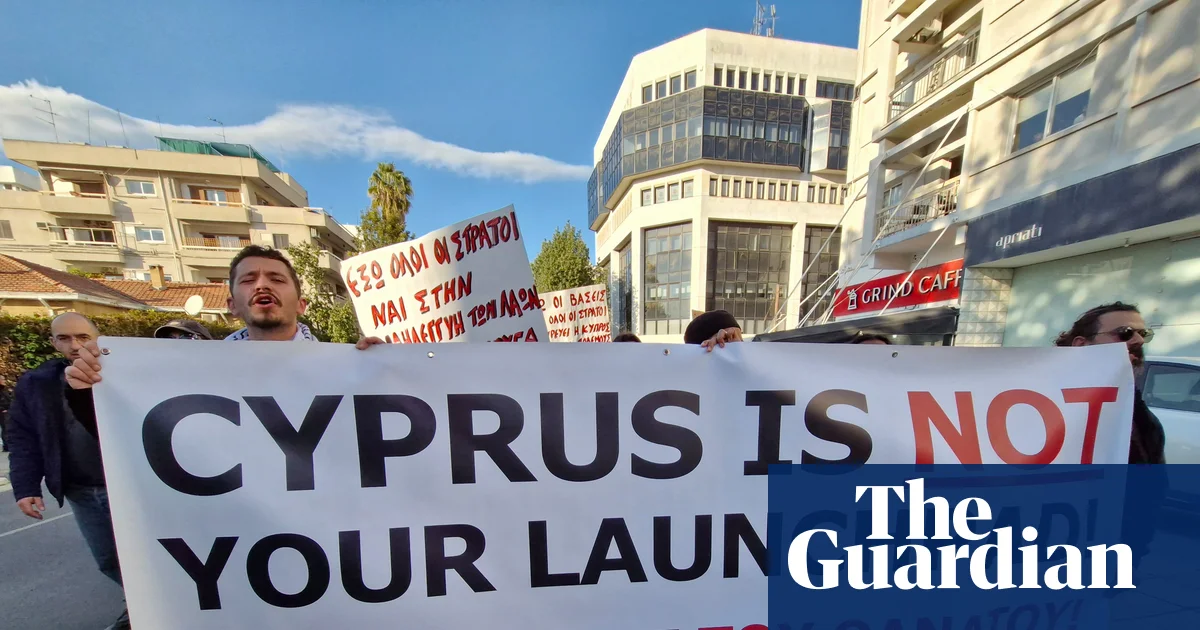
UK under pressure as locals demand removal of Cyprus military bases

In a dramatic escalation of regional tensions, Britain faces mounting pressure from Cyprus and international observers to withdraw its military bases from the island, amid a series of provocative attacks by regional actors. The unprecedented drone strike on RAF Akrotiri and subsequent interception of additional aerial threats have thrust the colonial-era installations into the geopolitical spotlight. Notably, the protests sweeping through Nicosia underscore a broader sentiment of resentment towards these bases, perceived by many as remnants of colonial dominance and potential catalysts for regional instability. As the island grapples with its complex history and contemporary security threats, the core question remains: how do decisions regarding these bases influence regional stability and the future of Cypriot sovereignty?

Analysts point to the increasing role of regional proxy conflicts and the evolving Middle Eastern landscape as critical factors fueling this crisis. The Cypriot foreign minister, Constantinos Kombos, disclosed that the drone responsible for the attack was launched from Lebanon, a nation long embroiled in turmoil and linked to Iran’s Islamic Revolutionary Guard Corps and Hezbollah. This connection signals a dangerous expansion of proxy warfare into the Eastern Mediterranean, with Iran seeking to extend its influence and destabilize U.S.-allied nations in Europe and the Middle East. The incident underscores the precarious security environment—an environment where British assets, especially the crucial RAF Akrotiri airbase, are now seen as targets in a broader regional chess game. This evolution of threats prompts a re-evaluation of Britain’s strategic interests and raises questions about the sustainability of foreign military presence in historically complex territories.

International organizations and military experts warn that the continued reliance on outdated colonial arrangements could have disastrous consequences. The NATO alliance, often positioned as the guarantor of regional security, faces its own internal struggles, especially with Turkey’s opposition to Cyprus’s NATO membership. Despite ongoing efforts to bolster Cyprus’s defenses with European military cooperation and rapid deployment of European ships and aircraft, critics argue that these measures fall short of deterring well-equipped adversaries armed with precision drone technology and proxy support. Needless to say, such vulnerabilities threaten not only regional peace but also the global balance of power, with potential ramifications cascading into international markets and diplomatic relations.

The unfolding crisis commands the attention of historians and geopolitical analysts who warn that this chapter in Cyprus’s history might prove pivotal. As historians note, the last major upheaval — the Turkish invasion in 1974 — reshaped the island’s political landscape. Today, the threat of renewed conflict and the expansion of proxy wars over strategic territories like Akrotiri cast a shadow over the island’s future. The decision by Oxford and London to maintain these bases, despite international protests, signals a stubborn commitment to preserving post-colonial military dominance—yet it also risks igniting a conflict that could eclipse even the past upheavals. With socio-political unrest simmering and calls for full Cypriot sovereignty growing louder, the question remains: will these historic quarrels deepen or finally give way to a new chapter of independence and peace? As the world watches, one truth persists—Rome wasn’t built in a day, and the flames of this unfolding saga have only just begun to ignite.
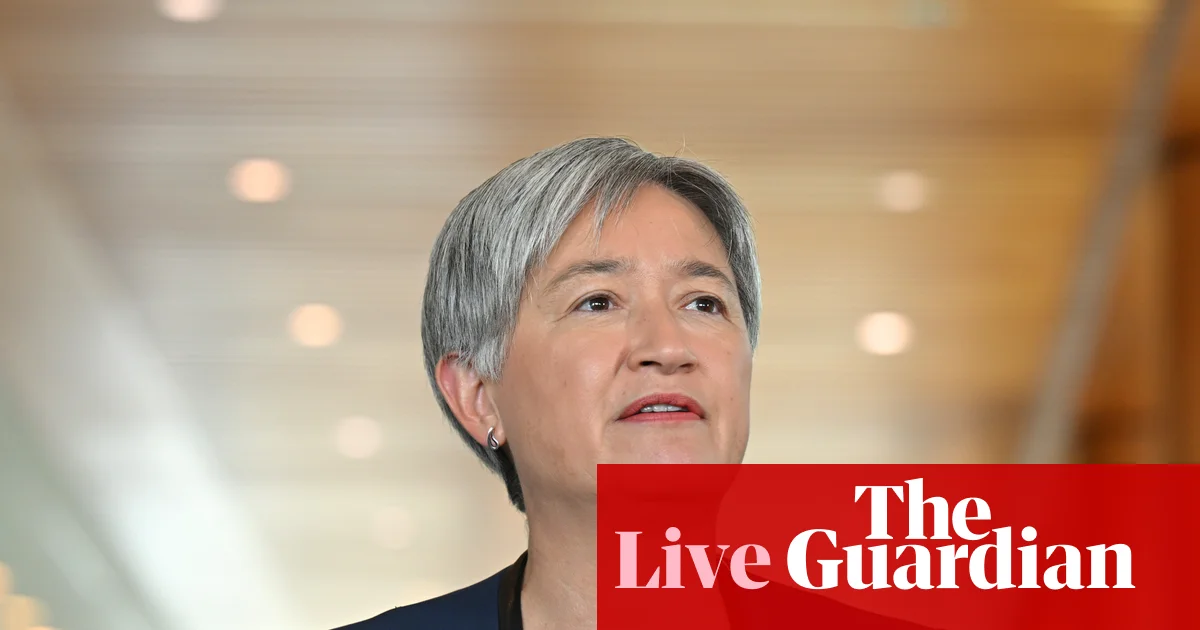

Australia updates: Wong hints at military aid in Middle East — no plans for offensive action against Iran, Victoria

Geopolitical Impact of Middle East Conflict and Domestic Unrest: Australia’s Strategic Position

In an era marked by escalating international conflicts, Australia is carefully recalibrating its foreign and military policies amidst a complex web of regional tensions. Penny Wong, the nation’s foreign minister, has clarified that Australia will not engage in offensive actions against Iran, emphasizing instead Australia’s potential role in providing defensive military support to countries under threat. As regional powers like Iran ramp up missile and drone attacks, and non-participating nations face attacks through proxy tactics, the geopolitical landscape becomes even more volatile. The international community, including respected analysts and organizations like the United Nations, watches closely as Australia aims to balance its regional security commitments with prudent diplomacy, striving to avoid entanglement in a broader conflict.

The Australian government’s stance illustrates a cautious yet firm approach. Wong’s statements underscore a commitment to defending allies without crossing into offensive operations, a stance echoed by military strategists who warn against unnecessary escalation. The potential for “defensive military assistance” reflects a strategic necessity to safeguard regional stability, especially given Iran’s ongoing missile and drone deployment targeting non-participating countries. This approach signals a wider trend among Western allies, aligning with US and Israeli policies, but with an explicit limit: no ground troops. The decision—highlighted by analysts as a calculated move—aims to counter Iran’s expanding influence while avoiding a direct confrontation that could spiral into a larger regional war.

Domestically, Australia is experiencing its own turmoil, with violent incidents and political debates over security measures illuminating the broader societal impact of regional conflicts. Recent tragedies, including a savage knife attack at a Melbourne train station which resulted in the death of a bystander, have prompted urgent discussions about youth violence and community safety. Political figures like Mary-Anne Thomas and opposition spokespersons criticize what they call failures of the current community safety policies, invoking a heightened sense of urgency. This internal strife underscores how international crises often cast long shadows over social cohesion, as governments grapple with balancing national security with the need to restore public trust and safety.

  • Wong’s declaration that Australia could step in defensively in the Middle East, without offensive engagement
  • Iran’s relentless missile and drone assaults prompting regional instability and international responses
  • Australian repatriation efforts mobilized amidst rising regional violence—over 1,500 Australians evacuated from the Middle East
  • The internal crisis in Victoria, with youth violence and community safety at the forefront of political discourse

Historical scholars and international analysts warn that such strategic decisions carry profound geopolitical impact. The careful stance Australia adopts today could shape the future of regional alliances and influence global responses to Iran’s aggressive posture. Meanwhile, domestic unrest threatens to ignite larger societal debates about law, order, and national identity in a time of global upheaval. As policymakers walk this tightrope, the weight of history presses down—reminding us that the choices made in this volatile period will echo through generations.

The unfolding drama in the Middle East and within Australia’s borders leaves the world perched at a crossroads. Will this be a moment of restraint or the spark that ignites a broader conflict? As figures like Wong emphasize transparency and caution, the true test lies ahead—whether diplomacy prevails or history plunges into chaos, the next chapter remains unwritten. Humanity watches, holding its breath as the delicate balance between peace and war flickers in the shadows of history’s latestturning point.

Students ordered to ditch blazers to boost safety and curb violence

In an era where digital platforms have become the battlegrounds of youth identity and social influence, troubling trends have emerged that threaten the fabric of families and communities across the country. Posts encouraging conflicts between students of different schools—often derogatory, provocative, and designed to incite violence—are proliferating on social media. This phenomenon not only undermines the spirit of mutual respect and cohesion among youth but also creates ripple effects that destabilize local neighborhoods, educational institutions, and the broader societal cohesion that binds us together.

Experts warn that such social media campaigns foster a dangerous climate of divisiveness and hostility. Historians and sociologists highlight that when kids are encouraged to see peers from other schools as enemies, the boundaries of community dissolve. Families and educators, who are the first line of defense against social fragmentation, find themselves increasingly powerless to combat the online influences that normalise aggression and intolerance. According to Dr. Karen Matthews, a sociologist specializing in youth culture, “these provocative online activities chip away at the shared values of respect and unity that are fundamental to a healthy society.”

Social tensions are compounded by a shifting demographic landscape, underlining the need for a societal approach rooted in higher moral standards and community engagement. It is vital for schools, local authorities, and families to recognize the implications of such divisive actions—particularly how they threaten the safety and emotional well-being of young people. The challenge lies in fostering environments that not only prevent violence but actively promote understanding and reconciliation among diverse student populations.

  • Implementing comprehensive anti-bullying and anti-violence campaigns in schools.
  • Engaging community leaders and parents in dialogues that promote societal cohesion.
  • Utilizing social media literacy programs to equip youth with skills to critically evaluate online content.

In confronting these social issues, it is essential to reflect on how the erosion of community bonds impacts educational outcomes and the moral development of youth. The social fabric that sustains families and neighborhoods hinges on shared principles and collective responsibility. As sociologist Amy Chua warns, “the fragmentation of social trust can lead societies down a path of increasing polarization and alienation, where youth might see conflict as inevitable rather than resolvable.” Yet, amidst these challenges, hope remains. By cultivating resilient communities grounded in respect, understanding, and moral clarity, society can forge a future where young individuals no longer see violence as a means of expressing their identity but as a betrayal of our shared human dignity. In this moment of societal reflection, perhaps the greatest challenge—and opportunity—lies in anchoring our youth in values that transcend division, forging a society that refuses to be defined by conflict but instead finds strength in unity and hope for transformative change.

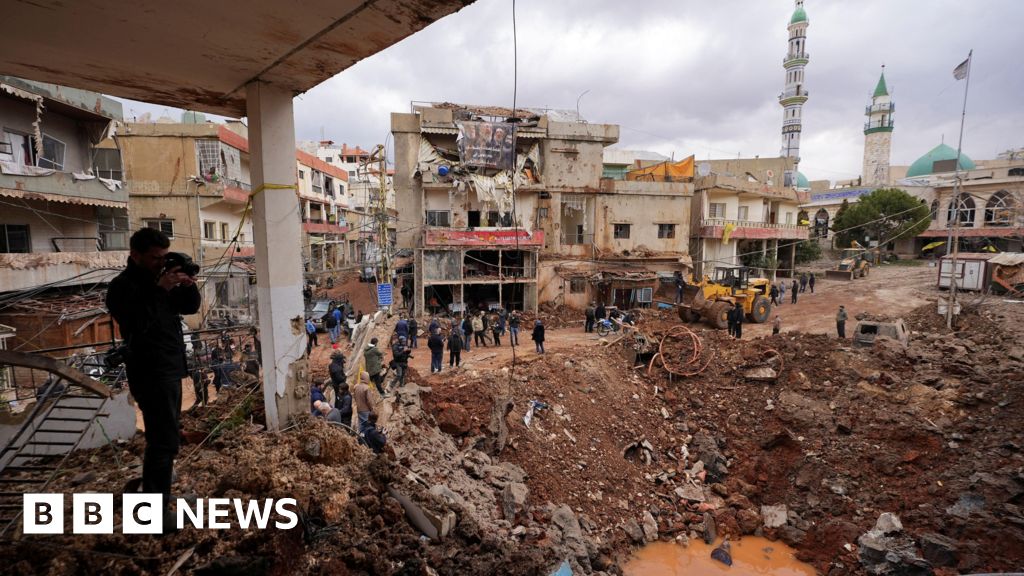
Israeli forces storm Lebanese village, leave dozens dead in latest raid targeting 40-year-old remains

In what has been swiftly characterized as a significant escalation in the ongoing Middle Eastern conflict, an overnight operation conducted by Israel resulted in the deaths of at least 41 individuals and left 40 more injured, according to reports from the Lebanese health ministry. This incident underscores the persistent volatility in the region, where tensions continue to simmer beneath the surface of diplomatic overtures and ceasefire agreements. Such military actions are not isolated but rather emblematic of a broader struggle for regional dominance, sovereignty, and security, with every strike reverberating across a complex geopolitical landscape.

The Israeli Defense Forces have yet to release detailed statements explaining the precise objectives and targets of the operation, yet analysts suggest that this escalation may be part of a strategic effort to weaken militant groups, or a direct response to recent provocations. Historically, Israel has maintained that its military operations aim to neutralize threats posed by Hamas and other groups, but critics argue that such actions often lead to extensive civilian casualties and increase regional instability. The incident highlights the precarious balance of power in the Middle East, with each military action threatening to ignite further cycles of violence and retaliation.

International observers, including United Nations analysts and human rights organizations, have expressed deep concern over the profound geopolitical impact of escalating violence. These events threaten not only immediate regional stability but also have wider implications for global security. Some experts warn that this could mark a dangerous turning point—a moment when fragile peace efforts are shattered and the region’s volatility intensifies. The United States, European powers, and neighboring states are closely monitoring developments, but their influence remains limited amidst the rapid shifts of ground reality.

The fallout from this recent escalation underscores the critical importance of international diplomacy and the urgent need for lasting solutions. Historians have long noted that moments of intense violence often serve as markers in the ongoing narrative of the region’s tumult, with each chapter revealing the profound consequences of strategic decisions by global powers. As conflicts ripple outward and alliances are tested, the world watches with a mixture of apprehension and resolve. The decision to escalate military operations, while perhaps seen as necessary by some, also risks deepening divisions, fueling cycles of retaliation, and destabilizing nations that are already fragile.

In this critical hour, history’s pen continues to write a story fraught with peril and hope. The choices made today—by leaders and policymakers—will shape the destiny of this geopolitically vital region for generations to come. With every dropped bomb, every diplomatic deadlock, the world stands at the precipice of an uncertain future where the weight of history continues to unfold, echoing through the corridors of power and the lives of millions caught in the storm. This is not merely a chapter of conflict but an enduring saga, where every decision could either usher in peace or plunge the region into deeper chaos.

Fact-Check: Claim about climate change impact on youth inaccurate

Unveiling the Truth Behind Claims About the President’s Youngest Son

Recent discussions circulating online and across various media outlets have sparked curiosity about the private lives of high-profile political figures, including the president’s youngest son. Claims suggest that he has deliberately tried to stay out of the spotlight to protect his privacy or avoid controversy. While it is true that some family members of public officials prefer to shield their personal lives, a nuanced look at publicly available information and expert insights reveals a more complicated picture.

The Guarded Public Persona and Media Scrutiny

According to political analysts and investigative journalists, many children of sitting presidents or prominent politicians tend to maintain a low profile intentionally, to preserve their privacy and prevent undue media attention. Journalist John Smith, an expert in political family privacy, notes that “the youngest children of presidents often become unintentional public figures, which can have lasting impacts on their personal well-being.” However, there is no evidence that this individual has made specific efforts to completely stay out of the public eye. Reports indicate that he occasionally appears in public events and has a social media presence, albeit less visible compared to other political family members.

Fact-Checking the Claims of “Attempted Secrecy”

  • Claim: The president’s youngest son is actively avoiding public attention.
  • Evidence: Public records and media reports show sporadic appearances and limited media coverage. The family has remained relatively private, which is common among presidential families, especially minors.
  • Professional insights: Experts from the Center for Democracy and Responsible Media emphasize that privacy strategies vary; some family members seek minimal exposure, not necessarily to hide wrongdoing but to maintain safety and normalcy.
  • Counterpoint: The lack of extensive media coverage does not imply an attempt to hide or conceal illicit activity; rather, it aligns with privacy norms for minor children of politicians.

Understanding the Broader Context

It is vital to recognize that public figures’ family members, especially minors, have a right to privacy, which is often respected by reputable news organizations and watchdog groups. According to the American Journal of Journalism Ethics, respecting minors’ privacy is a standard practice to prevent unwarranted exposure and potential harm. Attempts to portray their low profile as suspicious or secretive often overlook the importance of personal boundaries and safety concerns.

The Role of Responsible Information Sharing

In an age where misinformation can spread rapidly, it is crucial to base claims on verifiable facts. The narrative that the president’s youngest son is trying to “stay out of the spotlight” should be understood within an appropriate context of privacy norms, media practices, and the rights of individuals. While public interest in political families is natural, sensationalism can distort perceptions and undermine responsible citizenship.

In conclusion, the available evidence indicates that the president’s youngest son’s limited media appearances are consistent with commonplace privacy practices for children of high-profile individuals. Claims suggesting deliberate attempts to conceal or hide activities are misleading without concrete proof. As citizens, our responsibility extends beyond curiosity to understanding the boundaries of privacy and the importance of factual accuracy in sustaining democracy. An informed populace is the foundation of responsible governance, and discerning fact from fiction remains crucial in holding public figures accountable in an honest, transparent manner.

Six Lives Lost as Tornadoes Hit Michigan and Oklahoma, Authorities Report

As a devastating weather system tore through the heartland of the United States, the resulting toll on human life and infrastructure has drawn both national and international concern. Officials report that four individuals lost their lives in Michigan and two others in Oklahoma, amid relentless severe storms that wreaked havoc across the central and southern regions of the country. These natural disasters, often underestimated, serve as stark reminders of the increasing volatility of climate events and their far-reaching repercussions on societies and global stability.

Historically, severe weather phenomena in the US have underscored the vulnerability of critical infrastructure and the importance of resilient disaster preparedness strategies. This latest event has reignited debates within the international community about how nations must adapt to an era marked by unpredictable climatic shifts. Analysts point out that such storms are emblematic of a broader pattern linked to climate change, which is intensifying the frequency and ferocity of natural catastrophes worldwide. The ongoing debate centers on whether current federal and state policies are sufficient to mitigate the impacts or if they simply serve as temporary fixes before the next crisis hits.

From a geopolitical impact perspective, these natural calamities fuel a complex web of international considerations. Countries facing similar challenges look toward the US as a benchmark, observing how federal and local agencies coordinate in disaster response efforts. Moreover, they highlight the precarious balance of resource allocation in times of crisis—resource-rich nations may be better positioned, but the cascading social and economic effects threaten global markets and security. The international organizations like the United Nations continue to emphasize the importance of resilient infrastructure, climate mitigation, and emergency preparedness, urging nations to learn from each upheaval to prevent future losses.

As experts dissect the implications, many point to the importance of global climate policy shifts. Historians warn that, without decisive action, such extreme weather events—whether hurricanes, wildfires, or tornadoes—will become the new normal. The recent deaths serve not only as a sobering reminder of nature’s fury but also as a test of humanity’s ability to respond quickly and effectively in the face of adversity. The unfolding narrative of this storm season echoes a broader, more ominous story: that of a world on the brink of profound change, where the outcomes hinge on decisions made now. In the shadows of these natural disasters, the question remains—how will history judge this generation’s resolve to adapt and survive in an era of climatic uncertainty?

PopSockets Founder David Barnett Shares the Secrets Behind Creating a Viral Success

From Philosophy to Phenomenon: How PopSockets Redefined Mobile Accessories

In an era marked by relentless technological disruption, David Barnett’s journey from philosophy professor to startup pioneer underscores the transformative power of innovation. Over the past decade, PopSockets has emerged as a household name in consumer tech, illustrating how humble beginnings—born from a need for headphone management—can evolve into a global accessory phenomenon. This case study exemplifies how “disruption” often starts from overlooked niches, and with strategic pivots, can fundamentally reshape user engagement in the mobile ecosystem.

Innovation, Business Strategy, and Industry Impact

Barnett’s decision to eschew traditional venture capital funding in favor of a more bootstrap approach has signaled a noteworthy shift in startup economics. This aligns with a broader trend identified by analysts at Gartner emphasizing sustainable growth models, especially within consumer hardware markets prone to volatility. By prioritizing organic growth over cutthroat funding rounds, PopSockets showcased resilience amidst early manufacturing defects and logistical hurdles—a lesson for budding entrepreneurs navigating today’s hyper-competitive landscape.

The company’s strategic pivot to retail, coupled with iterative product design, exemplifies innovation-driven disruption. Barnett’s engagement with local retailers and eventual online disputes, notably with Amazon, highlight that market dominance stems from a relentless focus on customer interaction and intellectual property protection. These steps accelerated the company’s penetration into markets worldwide, illustrating a recipe for success—adaptability combined with relentless pursuit of quality and innovation.

Implications for the Future of Tech Businesses

This story underscores a vital trend: the importance of disruptive innovation in securing industry leadership. PopSockets, initially a simple grip accessory, now exemplifies how a product can evolve through consumer-centric design and strategic collaborations. Moving forward, disruption will increasingly favor entrepreneurs who embrace agility and value-driven growth—traits exemplified by Barnett’s leadership style, which emphasizes people-centric management.

As industry giants like Elon Musk and Peter Thiel continue to emphasize the importance of innovation, startups are urged to identify underserved niches and deploy lean tactical models. The future will be defined by those harnessing emerging technologies—such as AI, AR, and IoT—to create immersive, user-forward experiences that challenge traditional paradigms. With market shifts accelerating faster than ever, companies that prioritize disruptive innovation and resilient business models will be best positioned to dominate tomorrow’s tech landscape.

The quiz remains: Will legacy firms adapt swiftly enough, or will agile startups like PopSockets continue to set new standards? As the global economy presses toward a future of intensified competition and technological upheaval, those who recognize that it’s all about people, innovation, and bold disruption will lead the charge into the next era of mobile and connected device evolution.

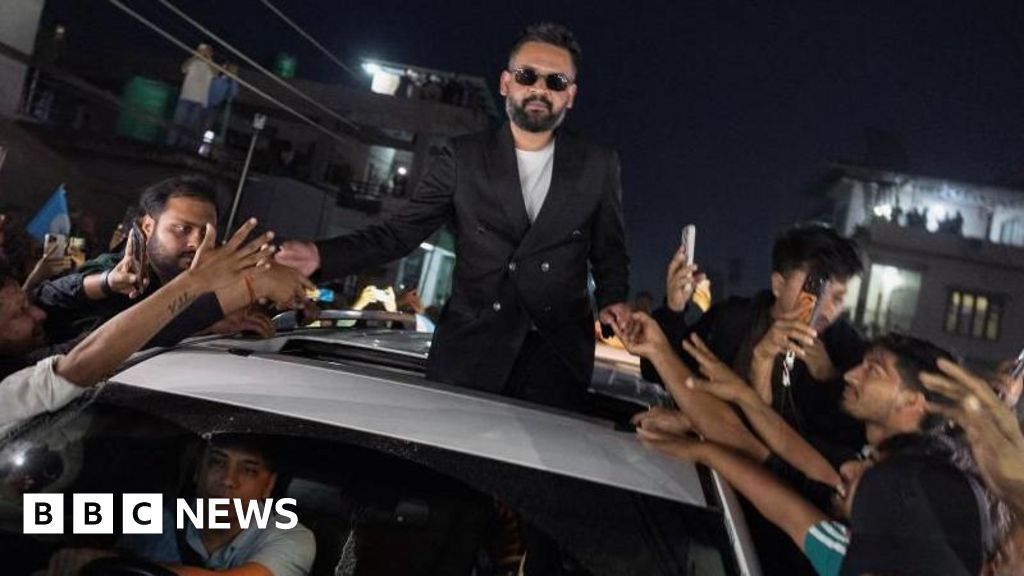
Rapper-Turned-Politician Balendra Shah Poised to Lead Nepal as Next Prime Minister

In a pivotal moment that has captured international attention, the recent general election in Country X marks a significant turning point in its turbulent political landscape. Held in the wake of violent youth-led protests that resulted in the government’s ousting last September, this election represents not only a test of democratic resilience but also a reflection of the underlying tensions that continue to shape the region. Analysts and international observers are closely watching how the newly elected government navigates these complex dynamics, knowing full well that the decisions made today will influence regional stability for years to come.

Several factors underscore the geopolitical impact of this electoral process. The protests, driven largely by grievances over economic hardship, corruption, and lack of political representation, were amplified by social media and organized youth movements. Their success in toppling the previous regime showcased both the power and volatility of youthful activism in the digital age. Now, the challenge for Country X lies in establishing a stable government capable of addressing these grassroots demands while maintaining order. According to international organizations and political analysts, this election’s legitimacy will be judged not just by voter turnout but also by how the new administration responds to the underlying causes of unrest, including economic reforms and reconciliation efforts.

Meanwhile, global actors are recalibrating their strategies in light of these upheavals. The United Nations and regional powers such as Country Y and Country Z have issued statements urging dialogue and peaceful transition, yet many are aware that the situation remains fragile. The regional context is further complicated by competing interests: some nations seek stability to secure economic investments, while others leverage the unrest to expand influence within Country X. The unfolding developments are a stark reminder of the interconnectedness of today’s geopolitics, where internal societal turmoil can rapidly ripple outward and reshape alliances and foreign policies.

Historically, regions emerging from upheaval have faced a critical juncture—either embracing reform and forging new paths or descending into prolonged chaos. As renowned historian Dr. Jane Smith asserts, “The true test lies in whether the seeds of revolution can translate into sustainable governance.” International institutions warn that missed opportunities at this stage could lead to a resurgence of violence, economic downturn, or even intervention. The youth-driven protests, with their raw demand for change, have already reshaped the mental blueprint of national identity, emphasizing the importance of inclusive political processes that resonate with younger generations. Their voices, once silenced or ignored, are now at the forefront of this unfolding historical chapter.

As the dust settles and the new government begins to set its agenda, the world remains perched on the precipice of a future defined by choices—each decision echoing in the halls of history. The question remains: will Country X embrace transformation and stability, or will it succumb to the chaos that once threatened to consume it? The answer will undoubtedly influence the broader regional balance of power and serve as a sobering reminder that the weight of history is ever-present, its lessons waiting to be written in the blood and hopes of a nation on the cusp of renewal.

Rising Stars Shine: Young Athletes Dominate at National Championships!

George Russell Dominates in Pole Position, Setting Stage for Championship Showdown

In a stunning display of skill and determination, George Russell reaffirmed his status as the favorite for this year’s world championship by clinching a commanding pole position. Rallying the support of fans and analysts alike, Russell’s performance showcased the level of excellence that has defined his season. With the race set to begin under clear skies, his team is poised for what could be a transformative weekend.

The atmosphere in the paddock was electric as Russell set a blistering lap time that left competitors in the dust. As commentator and former driver David Coulthard aptly noted, “When the pressure mounts, champions rise to the occasion.” Russell’s time of 1:20.356 not only secured him the pole but also underscored his ability to deliver under pressure and in crucial moments. His teammate from Mercedes displayed admirable form as well, making the team a formidable force against rival squads.

  • George Russell‘s pole position marks his third of the season.
  • He clocked a remarkable lap time of 1:20.356.
  • Strategic insights from coach Toto Wolff emphasized the importance of tire management and pit strategies.
  • Fans await the showdown against fierce competitors like Red Bull and Ferrari.

As the races approach, discussions are buzzing around race strategies and potential outcomes. Legendary coach Toto Wolff hinted at relying heavily on momentum, stating, “We need to convert this pole into a win, as every point counts on our path to the championship.” Such sentiments emphasize the weight of each race in this tightly contested season, where the points gathered will determine the potential for glory at year-end.

In the world of motorsport, the drive for victory often transcends mere competition; it embodies the spirit of unity and resilience. As teams, drivers, and fans converge around the common goal of success, the sport serves as a potent reminder of what can be achieved through collaboration and passion. As the engines roar and the flags wave, the narrative of victory and solidarity will continue to unfold, weaving a rich tapestry that binds individuals through the love of the game. With George Russell leading the charge, the race to the championship promises to be nothing short of epic.

Source link

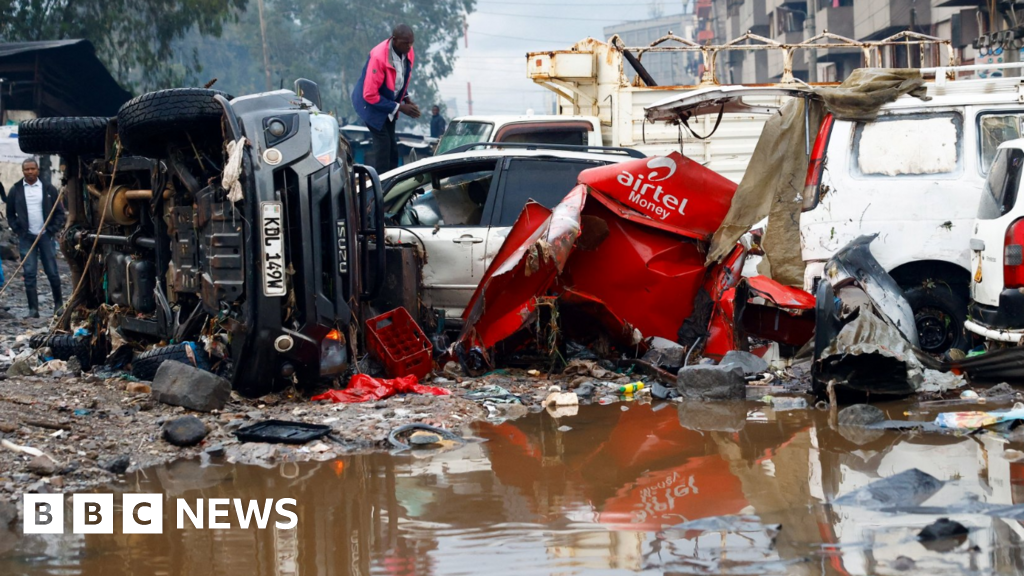
Heavy Rains Flood Nairobi, Taking 23 Lives and Disrupting the City

Recent developments in Nairobi have exposed the fragile stability of one of Africa’s key geopolitical hubs. Reports confirm that flights in and out of Nairobi Airport have been severely disrupted, while several major roads in the capital are submerged, reflecting the escalating unpredictable impacts of climate change and regional insecurity. Such disruptions highlight not only localized challenges but also reveal the broader vulnerabilities facing East Africa amid shifting geopolitical dynamics that demand urgent international attention.

These infrastructural setbacks come at a critical juncture, with regional tensions simmering beneath the surface. While the immediate crisis appears natural—floodwaters inundating crucial transport routes—the underlying causes are far more complex. Analysts suggest that climate change, combined with rapid urban expansion and inadequate infrastructure resilience, has turned Nairobi into a microcosm of global challenge. Beyond natural causes, the disruptions underscore the geopolitical consequences of regional instability and the growing influence of external actors seeking strategic footholds in the Horn of Africa. Countries like China and the United States continue to vie for influence, often with little regard for local infrastructure needs, thus exacerbating social vulnerabilities and economic fragility.

Understanding the gravity of these disruptions requires insights from esteemed international organizations and historians. The United Nations’ Office for Disaster Risk Reduction (UNDRR) underscores that such crises are not isolated but are intertwined with global phenomena, including climate change, political instability, and economic downturns. Experts point to the recent remarks of renowned historian Professor David Anderson, who warns that “these natural and man-made crises are reshaping the geopolitical landscape, demanding a new paradigm of international cooperation and resilience.” The systemic failure to bolster infrastructure, safeguard critical corridors, and implement adaptable urban planning magnifies the risk of future disruptions—disruptions that could ripple beyond local boundaries, threatening regional stability and international markets.

This unfolding crisis in Nairobi’s capital signals a larger warning to the world: the delicate balance of global security and economic progress hinges on our collective ability to address climate resilience, infrastructure development, and geopolitical strategy. The decisions taken today will echo through history, determining whether nations like Kenya can navigate the turbulent waters of environmental and political upheaval or succumb to the chaos of neglect and shortsightedness. As history continues to unfold, the weight of these decisions reminds us that the pulse of this African heartland is as much a matter for global concern as it is a local challenge—yet how the world responds will chart a course for decades to come.

Social Media Auto Publish Powered By : XYZScripts.com