Matox News

Truth Over Trends, always!

Trump chaos pushing more youth to seek help — society’s in flux

Across families, schools, and communities, the pervasive impact of burgeoning social and political crises cannot be overstated. As sociologists like Ann Cvetkovich and mental health professionals observe, a palpable wave of political depression is emerging, where individuals grapple not only with external chaos but also with internal despair. For many, this despair manifests as a feeling of helplessness, compounded by the notion that traditional avenues of resistance or engagement are effectively collapsing. The result is a societal disconnect that threatens to weaken the very fabric that holds communities together, undermining the hope and resilience needed to face ongoing economic disparities, cultural tensions, and government overreach.

For families and youth, these social fissures translate into a disorienting landscape where uncertainty reigns. With education systems often caught between progressive agendas and conservative backlash, young minds are left navigating a complex, often divisive moral terrain. Historians like Howard Zinn warned that societal malaise grows when civic engagement declines, and today, that warning resonates more acutely. Families report rising anxiety and frustration, with children witnessing unrest at home and in their neighborhoods. Additional stressors, such as rising crime, politicized schooling, and pervasive misinformation, threaten long-term societal stability. Amidst this chaos, the moral challenge looms: how can communities support a generation at risk of growing disillusioned and disengaged? The answer appears to lie in reclaiming community bonds and fostering a renewed sense of agency among young people.

Educational and community leaders emphasize the importance of building resilience through collective action. Initiatives like community support groups, youth activism, and artistic collaborations offer pathways for young individuals to channel their emotions into constructive endeavors. As social commentators argue, these efforts are more than just symbolic—they can forge meaningful change and rekindle faith in democratic participation. Furthermore, mental health professionals advocate for strategies that promote *engagement without burnout*, emphasizing the necessity to mobilize consciousness with care. According to Brett Ford, an associate professor of psychology, social resilience depends on maintaining a balance where individuals are informed and active, yet protected from the debilitating effects of chronic stress. The challenge lies in creating environments where young voices are not only heard but empowered to shape their societies rather than retreat from them.

Ultimately, the social issues facing our communities, families, and institutions are intertwined with broader cultural shifts and demographic transformations. Yet, amidst the turbulence, there remains a flicker of hope—through community, art, and active engagement. The stories of individuals like Rebecca McFaul and advocates like Shahem Maclaurin remind us that resistance does not always look like protests or headlines; it begins with the small acts of hope we nurture within our circles. As society stands at a crossroads, the challenge is to hold onto the belief that society’s collapse is not inevitable—that through conscious connection, education, and mutual support, a renaissance of resilience is possible. It is in our collective response to these societal wounds that we find the potential to heal, rebuild, and redefine the future—one where hope becomes the foundation for lasting change, echoing the timeless truth that even in darkness, the human spirit can ignite a brighter dawn.

Rising Stars Shine: Young Athletes Break Records at National Championships

Tyler Huntley Retains Spot with Ravens; A Look at the Future of Baltimore Football

In a pivotal move for the Baltimore Ravens, backup quarterback Tyler Huntley has inked a two-year deal worth up to $11 million, bolstering the team’s roster heading into the next NFL season. According to sources reported by ESPN, this decision not only secures Huntley’s status with the team but also reflects the organization’s confidence in his potential as a valuable asset during critical game moments.

Huntley’s performance last season was nothing short of remarkable. He stepped in as a starter when veteran quarterback Lamar Jackson faced injuries, showcasing his ability to capitalize on high-pressure situations. In a standout game against the Chicago Bears, Huntley led the Ravens to an impressive comeback victory that highlighted his skill and resilience. Such moments prove that Huntley is more than just a backup; he is a player capable of changing the course of a game.

With this signing, the Ravens maintain a solid quarterback roster. Head Coach John Harbaugh expressed his enthusiasm over the deal, stating, “Tyler has shown great poise and adaptability. He has earned this opportunity, and we believe he can make significant contributions.” As the Ravens prepare for the upcoming season, the partnership between Jackson and Huntley will be crucial for the team’s offensive strategies.

As the NFL landscape evolves, the significance of backup quarterbacks cannot be overlooked. With injuries being a frequent concern in today’s game, having a reliable second-string quarterback ensures that a team remains competitive regardless of the circumstances. In the case of the Ravens, Huntley’s new contract signifies a commitment to maintaining a strong competitive edge while also providing mentorship opportunities for younger players.

In the end, sports transcend mere statistics and records. They bind communities and create lasting memories. The excitement surrounding Huntley’s new contract offers a glimpse into a future where teamwork and resilience can take center stage. Whether it’s a last-minute touchdown or a season defined by unity, the heart of sports lies in those unforgettable moments that unite fans and forge the essence of camaraderie. In Baltimore, as the Ravens prepare to take the field this season, the spirit of competition continues to thrive, promising the potential for extraordinary stories that go beyond the scoreboard.

Source link

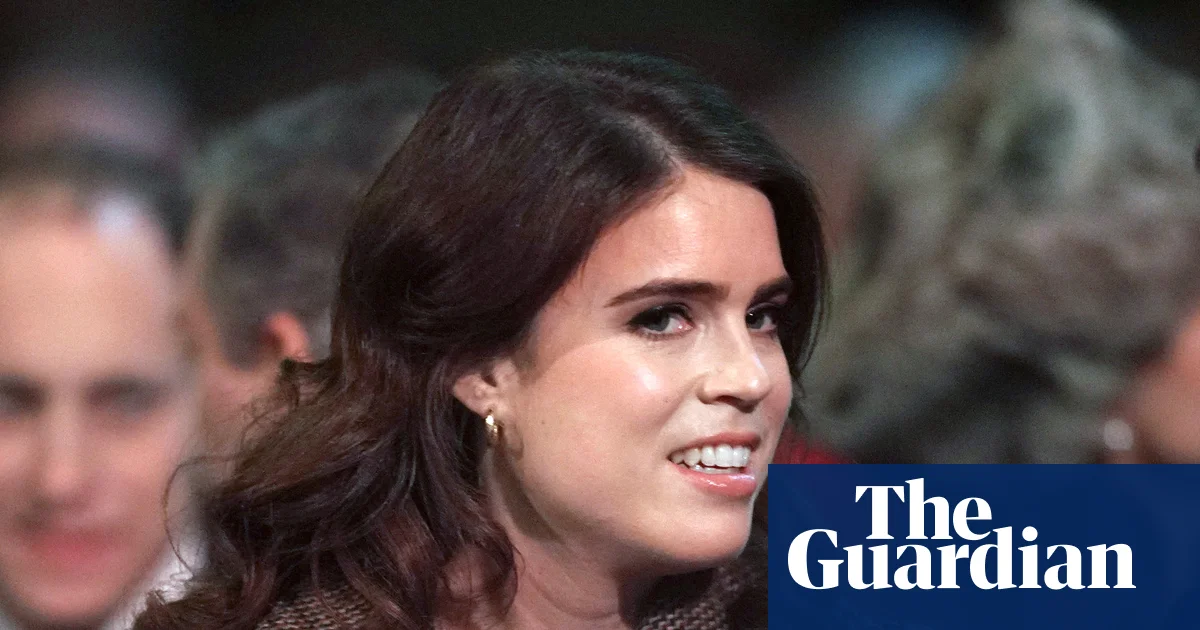
Princess Eugenie resigns from anti-slavery charity role amidst growing concerns

In a move that signals shifting tides in the delicate arena of international reputation and moral authority, Princess Eugenie has stepped down as patron of Anti-Slavery International, the oldest human rights organization founded in 1839. Her departure, occurring amid the ongoing fallout from the Jeffrey Epstein scandal, underscores how private scandals within elite circles can ripple across societal and geopolitical landscapes. Although no evidence links her personally to Epstein’s criminal network, her association with figures like her father, Prince Andrew, and her family’s connections to Epstein have become a focal point in mounting public concern over elite complicity in international trafficking. International analysts emphasize that such scandals threaten to erode the moral authority of monarchies and diplomatic institutions, especially as global decision-making increasingly hinges on the moral credibility of prominent figures.

Moreover, the saga exposes profound questions about international influence and accountability. The revelations extracted from U.S. Department of Justice files and emails link Epstein’s network to powerful individuals worldwide, with allegations suggesting that Prince Andrew may have been involved in illicit activities. Although he denies any wrongdoing, the allegations have prompted calls by historians and legal experts for greater transparency among global elites to combat deep-rooted corruption. The unfolding scandal threatens to undermine alliances rooted in mutual prestige, especially as U.S. authorities intensify their investigations into Epstein’s extensive trafficking ring. Such developments highlight the fragility of diplomatic trust that governments and royal families have built over decades on shared interests and mutual respect.

From a geopolitical perspective, the scandal’s fallout converges with broader issues of sovereignty, transparency, and societal integrity. As international organizations and Western governments face the difficult task of balancing diplomatic diplomacy with the pursuit of justice, nations are forced to confront their own complicity and past failures. The public exposure of elite misconduct serves as a clarion call for radical reforms in how societies oversee their most powerful leaders, resonating with the warnings of international watchdogs like the United Nations. These revelations threaten to embolden populist movements worldwide, demanding accountability and transparency, but also risking destabilization of long-standing diplomatic ties if governments are perceived as shielding their elites from justice.

As the dust settles, the weight of history’s unfolding narrative leaves the world at a crossroads. The unraveling of Epstein’s network and the profound implications for royal families, diplomatic ties, and societal morality remind us that no institution—regardless of its stature—is immune to the tides of justice and truth. The decisions made in this epoch will likely reverberate for decades, shaping how future generations view authority, morality, and the global fight against modern slavery and exploitation. Humanity now stands at a pivotal moment—whether to allow the dark shadows of the past to continue haunting the present or to forge a future grounded in unyielding transparency and moral resolve. The pages of history are turning, and the world must decide: will justice be the legacy we leave behind?

Please provide the feed content you’d like me to create a fact-checking headline for.

Investigating the Origins of the Alleged Quote and Its Connection to Mark Twain’s “The Innocents Abroad”

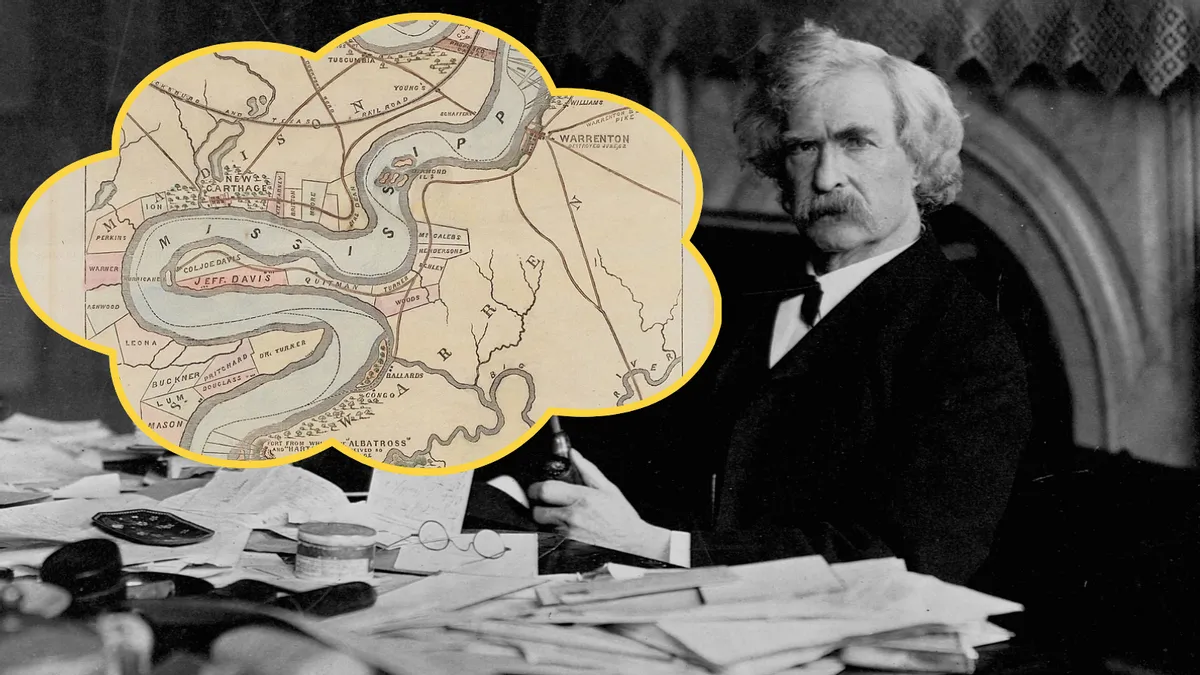
Recently, a quote linked to an unidentified author has circulated extensively on social media, accompanied by a purported cover image for the 1869 book “The Innocents Abroad” by Mark Twain. The claim suggests that this quote, along with the author’s name, points to a specific historical figure or literary work. However, to maintain an informed and responsible electorate, it is essential to verify the truth behind these assertions and understand the historical context involved.

Analyzing the Quote and Its Attributed Author

The quote in question has appeared with varying attributions, often accompanied by the author’s name, but without definitive bibliographic evidence. The supposed cover image extrapolated from Twain’s classic travelogue is also widely circulated on social media. However, there is no credible scholarly evidence linking this quote to Mark Twain or any other recognized author from the 19th century.

*According to The Mark Twain Project at UC Berkeley, all verified editions and archives of “The Innocents Abroad” have been thoroughly documented, and none contain the quote or similar language.* Moreover, the quote itself exhibits language patterns and themes inconsistent with Twain’s style, raising questions about its authorship and authenticity.

Verifying the Book Cover and Image Authenticity

The image popularly used as the “cover” for the alleged quote is often a stylized or modern reinterpretation, not an official or historical cover. Historical editions of “The Innocents Abroad” feature cover designs that differ significantly from the one circulated on social media, which appears to be a modern creation or misattribution.

*Experts from the Library of Congress confirm that the original 1869 publication had simple and period-appropriate cover art, none of which resembles the images used in these viral posts.*

The Broader Context of Misinformation and Digital Circulation

This case exemplifies a broader trend in the digital age: the rapid spread of unverified quotes and misleading images can distort public understanding of history. Without careful verification, individuals risk accepting inaccurate information as fact, which erodes public trust and distorts our shared historical record.

*Organizations like The Poynter Institute emphasize the importance of source verification and critical thinking when encountering viral content. Reputable fact-checking organizations, such as Snopes and PolitiFact, routinely uncover similar cases of misinformation, reaffirming that vigilance is essential for informed citizenship.

Concluding Remarks: The Role of Truth in a Healthy Democracy

In an era where misinformation can spread faster than ever, especially through social media, a commitment to verifying facts is vital. Claims about historical quotes and book covers should be scrutinized and corroborated with credible sources before public sharing. Upholding truth isn’t just about history; it’s about maintaining the integrity of democracy and empowering responsible, informed citizenry. Only by anchoring ourselves in verified facts can we ensure that our discussions and debates build a strong, transparent society grounded in reality.

War sparks clash over UK bases in Cyprus—youth voice concerns

The recent drone strike targeting the RAF Akrotiri airbase on the island of Cyprus has reignited longstanding debates over foreign military presence and sovereignty in the Eastern Mediterranean. Cypriot protesters have rallied under the banner “British Bases Out”, symbolizing a growing national movement demanding the removal of British military installations from the island. This incident not only underscores persistent regional security challenges but also exemplifies the broader geopolitical tension that continues to define this strategically vital zone.

The attack on RAF Akrotiri, a key British military outpost established during colonial times, rapidly drew international attention. Analysts and security experts have pointed out that while the drone strike was reportedly carried out by unknown actors, it highlights the vulnerabilities of foreign military bases situated in geopolitically contentious areas. Historically, Cyprus has been a focal point of regional rivalry among Greece, Turkey, and broader NATO interests. The island’s divided status—split between the Greek Cypriot south and Turkish-occupied north—has compounded these tensions, positioning Akrotiri as both a strategic asset and potential liability in the ongoing power struggles.

Global institutions such as NATO and the United Nations have expressed concern, with some calling for de-escalation and diplomatic negotiations. However, critics argue these calls are insufficient given the shifting strategies of regional and global powers. Historians like David Fromkin and Michael Cox have long emphasized that colonial-era military bases often act as flashpoints, symbolizing unresolved conflicts inherited from the past. The drone attack underscores how such remnants of the colonial era can become focal points in contemporary conflicts, affecting the lives of ordinary Cypriots and the regional balance of power alike. As the situation evolves, many see this as a stern warning that old security arrangements might no longer suffice in an era of rapid technological change and asymmetrical warfare.

  • Demonstrators in Cyprus are calling for the withdrawal of British military presence, citing sovereignty concerns and the risk of becoming a target in regional conflicts.
  • The incident has prompted renewed debates within NATO about the presence of non-member military bases in volatile zones.
  • Regional leaders, including the Turkish and Greek governments, continue to jostle over influence and security guarantees in the area.
  • International organizations warn that destabilization could spill over, threatening broader Mediterranean stability.

The geopolitical impact extends far beyond Cyprus itself. As analysts observe, Britain’s military footprint in the Mediterranean acts as a critical hinge in NATO’s strategic calculations. The growing calls for the closure or relocation of British bases in Cyprus reflect wider American and European concerns over militarized zones that are increasingly viewed as points of vulnerability rather than power projection. From the perspective of many young nationalist movements, the symbols of colonial legacy must be dismantled to forge a future rooted in sovereignty and regional stability. Yet, powerful international interests remain entrenched, complicating efforts to chart a clear path forward.

As the dust settles from this recent clash, the question lingers: will the winds of change finally sweep away the old colonial architecture of security, or will entrenched interests and geopolitical realities prolong this era of tension? History now watches—and waits—as this small but significant island continues to serve as a crucible for the struggles between past legacies and future aspirations. The unfolding story in Cyprus stands as a stark reminder that the true weight of history often rests in the choices of today, shaping the destiny of many nations yet to be written.

Explosion strikes outside US embassy in Oslo, police confirm—Stay alert, Norway.

In a startling development that underscores the fragility of international diplomacy, police authorities mobilized significant resources early this morning following reports of an explosion at an unspecified foreign embassy. The incident, which transpired at approximately 01:00 local time, has triggered immediate security alerts and raised concerns about the safety of diplomatic missions amid escalating global tensions. The response was swift, indicating the gravity with which authorities are treating what could be a targeted act of violence or sabotage against a foreign diplomatic site.

Historians and security analysts warn that acts of violence against embassies are often precursors or reflections of larger geopolitical shifts. Such incidents tend to expose underlying strains between nations, often linked to unresolved conflicts or diplomatic disputes. In this context, the event serves as a stark reminder of the potency of diplomatic vulnerabilities and the potential for isolated acts to spiral into broader crises. Global institutions such as the United Nations have long underscored the importance of protecting diplomatic missions as a cornerstone of international stability, yet recent incidents highlight that these protections are increasingly tested in an era defined by unpredictable conflicts and cyber warfare.

While official statements remain limited, sources close to the investigation suggest that the explosion could be linked to ongoing regional disputes or covert operations by non-state actors. This incident may not only jeopardize bilateral relations but could also affect wider international cooperation. Experts from the International Crisis Group and security think tanks emphasize that the decision of hostile entities to target diplomacies directly impacts international peace efforts, potentially fueling cycles of retaliation and distrust across borders. Already, some analysts fear this event could escalate tensions, prompting retaliatory actions or heightened security protocols that could hinder diplomatic engagement globally.

As the world watches this unfolding crisis, the question remains: what are the long-term geopolitical ramifications? Will this act serve as a catalyst for increased paranoia among nations, or will it foster renewed calls for multilateral security arrangements? The historical record shows that such incidents, especially against embassies, leave indelible marks on international relations, often prompting nations to re-evaluate their security doctrines or tighten embassies’ defenses under the guise of normal diplomacy.

In the shadows of these developments lies a sobering truth: the delicate fabric of international diplomacy is as fragile as it is vital. As investigators piece together the circumstances surrounding the explosion, the broader implications threaten to reshape alliances and ignite new conflicts. The coming days will be crucial in determining if this event remains a localized security concern or unfolds into a broader geopolitical crisis. History’s pen continues to write the narrative of our times, and the world must prepare for whatever chapters lie ahead—an epoch where diplomacy must stand resilient in the face of mounting chaos.

Middle East Tension: China Warns Against ‘Jungle Law,’ Trump Claims Iran’s in Free Fall — U.S. and Israel Ramp Up Pressure

Geopolitical Turmoil in the Middle East: A Crisis Unfolding

The Middle East stands at a crucial crossroads as a series of escalating conflicts threaten regional stability and global security. The recent outbreak of violence, primarily driven by the US-supported Israel campaign against Iran, has drawn widespread international concern. Reports indicate that over the past week, a cascade of military actions, missile exchanges, and targeted strikes have pushed the region into chaos, with far-reaching consequences for nations involved and societies across the globe.

The initial spark was the aggressive clearance of Iranian targets by Israeli forces, ostensibly aiming to weaken Iran’s military capacity. Israeli airstrikes across southern Lebanon and the Iranian capital of Tehran have resulted in significant destruction, including fuel storage complexes and military command centers. The Israeli military reported it targeted “several fuel storage complexes” and “key commanders” of the IRGC’s Quds Force, which, according to analysts, signals a direct confrontation with Iranian paramilitary elements. Meanwhile, the US has embraced a hawkish stance, with President Trump declaring that Iran is being “decimated,” though he refused to rule out the deployment of ground troops, amplifying fears of an open-ended regional conflict.

International Responses and Shifting Alliances

Global reactions have been sharply divided amid the turmoil. China, a prominent regional power and strategic competitor of the United States, has condemned the conflict, stating “the war should never have happened” and warning that the world must avoid returning to a punitive “law of the jungle.” Wang Yi, China’s foreign minister, explicitly called for an end to military actions, emphasizing the need for diplomatic solutions. This stark opposition underscores the geopolitical impact of the crisis, as Beijing positions itself as a defender of multilateral diplomacy against unrestrained military escalation.

Conversely, America and Israel continue their assertive stance. Donald Trump, through social media, suggested that more Iranian officials would be targeted, with explicit warnings that “Today Iran will be hit very hard.” Reports indicate ongoing discussions between the US and Israel over deploying special forces to seize Iran’s highly enriched uranium stocks, a move that could escalate the conflict into a full-on war of attrition. The US has also been critical of their traditional allies, explicitly warning the UK for its delayed support, threatening to remember their perceived slights amidst this global chaos. The stakes are now higher than ever, with the possibility that this conflict could extend into years, shaping the future of international power dynamics.

Regional Strife and Societal Consequences

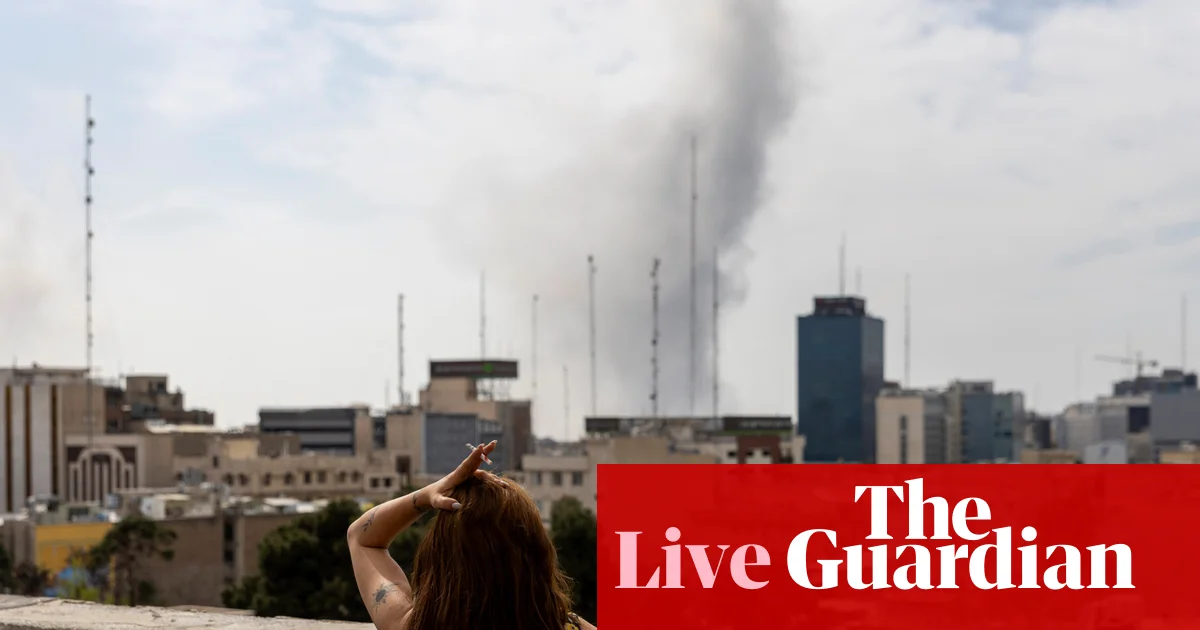
Beyond the political arena, the human toll is unmistakable. Iranian officials have claimed their military can sustain an indefinite war effort, but the reality for civilians is dire. Residents of Tehran report widespread fires and smoke blanketing the city, unable to escape due to ongoing attacks. In Lebanon, Israeli strikes have hit areas near Beirut, resulting in casualties and damage to critical infrastructure. Inside Kuwait and other Gulf nations, reports of missile and drone attacks and the death of border guards highlight the interconnected nature of regional conflicts and the threat to vital economic and strategic assets in the region. These developments threaten to ignite other conflicts and destabilize already fragile nations, creating a volatile powder keg that could ignite at any moment.

As the region teeters on the brink of wider confrontation, the international community finds itself at a critical juncture. The Australian, European, and Middle Eastern analysts warn that unchecked military escalation risks unleashing a new era of instability, reminiscent of Cold War-era proxy conflicts. The weight of history presses heavily on global shoulders as diplomacy is increasingly strained, and the path toward peace appears murky and uncertain. It is a moment that demands sober judgment, yet the tumult suggests a narrative unfolding with no clear end in sight—a story written in smoke and fire, shaping the contours of a tumultuous new world order.

Why I Trust the Ratio Four Series Two to Try Fresh Coffee Gear

Innovation Reshapes Coffee Culture: Disruption and Business Implications for a Classic Industry

The coffee industry, long rooted in tradition and ritual, is witnessing a technological renaissance that could redefine its core business models. While coffee’s status as the original office biohack remains unchallenged—serving as an essential productivity tool—the advent of new brewing technologies demonstrates an industry on the cusp of significant disruption. Companies like Ratio are spearheading this change by introducing precision brewing devices like the Four Small-Batch Brewer (Series 2), designed to deliver café-quality coffee in the comfort of homes, which, according to industry analysts, could elevate consumer expectations and reshape market dynamics.

This wave of innovation is driven by advances in small-batch, quality-focused coffee appliances that emulate the precise craftsmanship of artisan cafes. By integrating features such as quiet vibratory pumps, customizable brew temperatures, and optimized water flow, these devices mark a paradigm shift away from the low-cost, convenience-driven commercial machines of the past. Industry experts from Gartner and academics at MIT highlight that this trend reflects a broader shift toward personalization and premiumization within the beverage sector. Furthermore, a renewed focus on the disruption of traditional retail channels, exemplified by the rise of boutique roasters like Heart Coffee Roasters), underscores how niche craftsmanship can now reach a wider audience.

Technological Disruption and Market Shifts

The transformation of coffee brewing technology fundamentally threatens established market players, from mass-market producers to traditional brick-and-mortar cafes. As consumers increasingly seek bespoke coffee experiences, companies like Ratio are embracing innovation not merely as a product feature but as a strategic pivot. Their premium small-batch brewers emphasize aromatic purity and precision, aligning with avant-garde consumer tastes that favor authenticity, quality, and control.

The economic implications are profound: The premiumization trend is expected to shift consumer spending from standard brands to boutique companies, hastening the decline of commoditized coffee products. This invites entrepreneurs and established firms alike to consider integration of autonomous, IoT-enabled brewing solutions that could automate quality control, gather data analytics, and personalize flavor profiles. As Elon Musk’s ventures demonstrate, disruptive technologies driven by AI and automation tend to catalyze consolidations in traditional markets, with opportunities for new entrants to challenge incumbents.

Business Opportunities and Future Outlook

The potential for disruption extends beyond appliances; it encompasses a reevaluation of retail and supply chain models. The growing consumer demand for hyper-personalized, small-batch coffee fosters an environment where direct-to-consumer sales, subscription models, and third-wave coffee collaborations could flourish. Institutions like MIT’s Media Lab predict that this shift will accelerate as integrated sensor technology and AI-driven brewing algorithms become mainstays in both home and commercial settings.

In this landscape, businesses that prioritize innovation, quality, and technological integration will have the most to gain. Young consumers, in particular, are placing a premium on authenticity and craftsmanship, which favors brands that communicate a compelling story of artisanal mastery backed by cutting-edge technology. The industry’s trajectory suggests a future where coffee is no longer just a morning ritual but a frontier for disruption and technological entrepreneurship.

With industry giants and startups vying for dominance in this high-stakes game of innovation, one thing remains clear: the future of coffee belongs to those who dare to disrupt and redefine. As the technological tide advances, swift adaptation and bold invention are essential for capturing market share and shaping consumer habits—making the coming years pivotal for players in this evolving industry. The question is no longer whether traditional coffee markets will be disrupted, but when and how rapidly this transformation will unfold.

Australia Ready to Back Gulf Allies Against Iran, Will Stay Clear of Ground War — Wong

Australia Navigates Middle Eastern Turmoil Amid Geopolitical Shifts

As international powers scramble in the aftermath of recent military strikes against Iran, Australia finds itself caught in a precarious position within a rapidly evolving geopolitical landscape. While Canberra explicitly refuses to deploy ground troops into Iran, its willingness to provide logistical and military support—albeit within tight boundaries—underscores the complex balancing act facing allied nations amid the escalating U.S.-Israeli coordinated strikes and Iran’s retaliatory missile and drone attacks.

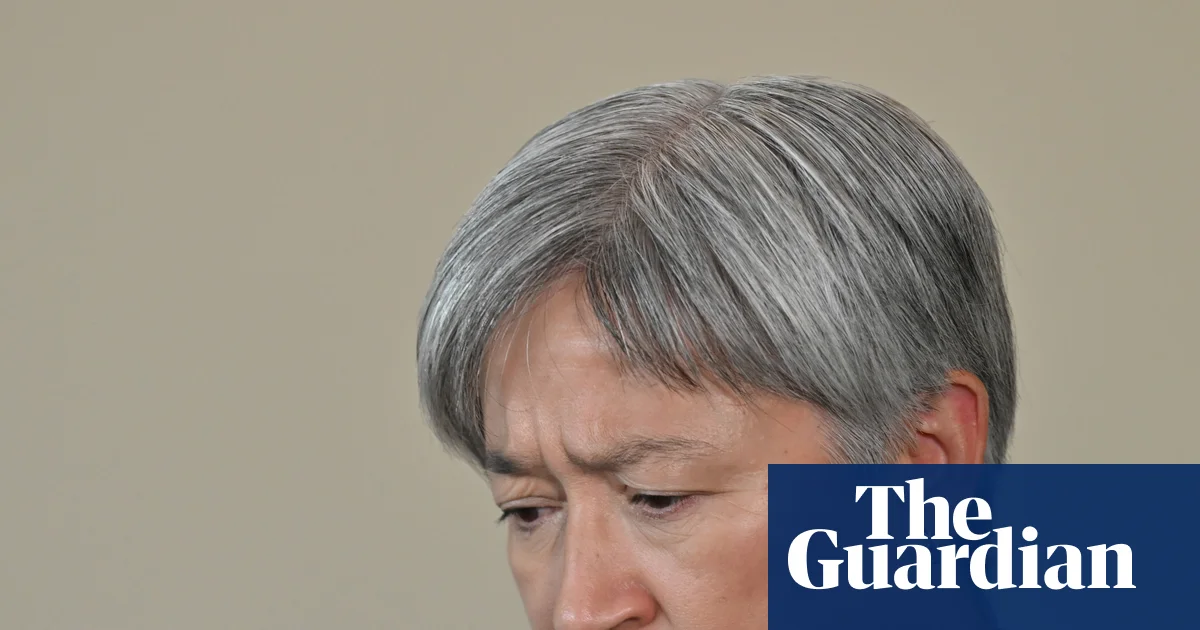
The Australian government, under the stewardship of Foreign Minister Penny Wong, has confirmed that it received requests for assistance from regional allies threatened by Iran’s mounting assaults. Nine flights have already evacuated Australians from the volatile Middle East, with additional flights scheduled, and hundreds have been bussed out of Qatar to nearby countries. Wong clarified that Australia is prepared to work through assistance measures targeted at defending the Gulf nations, but remains firm in its stance against offensive action—rejecting any deployment of combat troops into Iran and emphasizing adherence to a defensive posture instead. This position aligns with Australia’s broader policy of maintaining strategic independence, avoiding entanglement in regional conflicts that could draw its military into direct combat.

The geopolitical impact of such decisions is profound. Analysts note that Australia’s cautious approach seeks to preserve its international reputation while avoiding the pitfalls of overcommitment favored by some Western allies. Countries with a history of military intervention, like the United States and United Kingdom, have long debated the efficacy of troop deployments in volatile regions, but Australia—especially under current Prime Minister Anthony Albanese—has emphasized diplomatic and logistical support as the middle ground. Yet, this careful balancing act is increasingly scrutinized by critics who warn that the current trajectory risks aligning Australia too closely with US-led military endeavors, potentially dragging it into broader conflicts that serve geopolitical interests beyond national security.

International organizations and historians warn of the long-term consequences of this violent chapter. The United Nations has called for restraint, underscoring the danger of escalating a regional conflict into a wider world crisis. Veteran geopolitical analysts interpret Australia’s role as indicative of a broader trend: western nations are recalibrating their military priorities, emphasizing indirect support over direct engagement. Meanwhile, the ongoing conflict continues to reshape regional alliances, with Saudi Arabia and other Gulf states increasingly looking towards alternative power brokers, wary of the US’s militarized approach. As history reminds us, the decisions made today will echo through generations, shaping the fabric of international stability—or chaos.

In the shadows of this unfolding crisis, the weight of history presses heavily on the shoulders of modern leaders. With each missile launched and flight undertaken, the delicate chess game of geopolitics intensifies—drawing societies ever closer to the brink of chaos or stability. While Australia seeks to maintain a measured stance, the broader geopolitical impact leaves an undeniable imprint: a reminder that, in the theater of global conflict, the lines between diplomacy and war remain perilously thin, and the choices of today could determine the course of history for decades to come.

Rising Stars Shine in Thrilling Weekend of Youth Sports Action!

Ozzie Albies Leads Netherlands to Dramatic Victory Over Nicaragua

In an electrifying showdown this past Saturday at the World Baseball Classic, Ozzie Albies, the formidable star of the Atlanta Braves, delivered a game-winning moment that will be remembered for years to come. With the stage set and tensions running high, Albies smashed a walk-off three-run home run, propelling the Netherlands to a thrilling 6-4 victory against Nicaragua.

The atmosphere was charged as fans packed the stands, eagerly anticipating this key matchup. Nicaragua came out strong, demonstrating resilience and skill, but it was Albies who would shine the brightest. Trailing into the last inning, the Dutch found themselves in a tight spot as they needed a last-minute surge to clinch the win. At that moment, Albies stepped up to the plate, and what happened next was nothing short of spectacular. As commentators captured the event perfectly, the crack of the bat reverberated through the stadium, sending the ball sailing into the night sky.

  • Final Score: Netherlands 6, Nicaragua 4
  • Ozzie Albies: 1 home run, 3 RBIs
  • Nicaragua’s Best Pitcher: 6 strikeouts throughout the game

This remarkable victory not only lifted the Netherlands in the tournament standings but served as a potent reminder of the power of teamwork and tenacity. Coach Hensley Meulens commended his players for their fighting spirit, stating, “Every game is a chance to showcase our talent and heart. Ozzie’s performance is what this team is all about.” Such statements from the coach emphasize the unyielding belief in the potential of every player on the roster.

In a world often divided, this exhilarating moment on the diamond reminds us that sports transcend boundaries and unite individuals from diverse backgrounds. The World Baseball Classic not only celebrates athletic prowess but also fosters camaraderie and a sense of belonging among fans and players alike. Just as Ozzie Albies carried his team on his shoulders to victory, so too does the spirit of sports remind us that in every win or loss, there is a unifying force that brings us closer together, serving as a testament to the power of shared passion and collective achievement.

Source link

Social Media Auto Publish Powered By : XYZScripts.com